These get used interchangeably on the phone and they are not the same thing. An inspection tells you whether you have a problem, where it is, and how big. Remediation is the physical work of removing it. They are different jobs, they are priced differently, and in a fair number of Berkeley houses you only need one of them.
Here is how we tell people to decide, including the cases where we will tell you not to pay us for testing.
What a mold inspection actually involves
A proper inspection is mostly moisture work, not mold work. The inspector is looking for the water that is feeding the growth, because mold is a symptom. That means a visual survey, a moisture meter on suspect materials, often a thermal camera to find wet cavities behind finishes, and relative humidity readings in the affected rooms and the crawl space.
Sampling is optional and frequently skipped for good reason. Air samples and tape lifts tell you species and spore counts, which matters for a health question or a dispute, and matters very little if you are standing in front of visible growth on a wall you already know got wet.
When you genuinely need a test
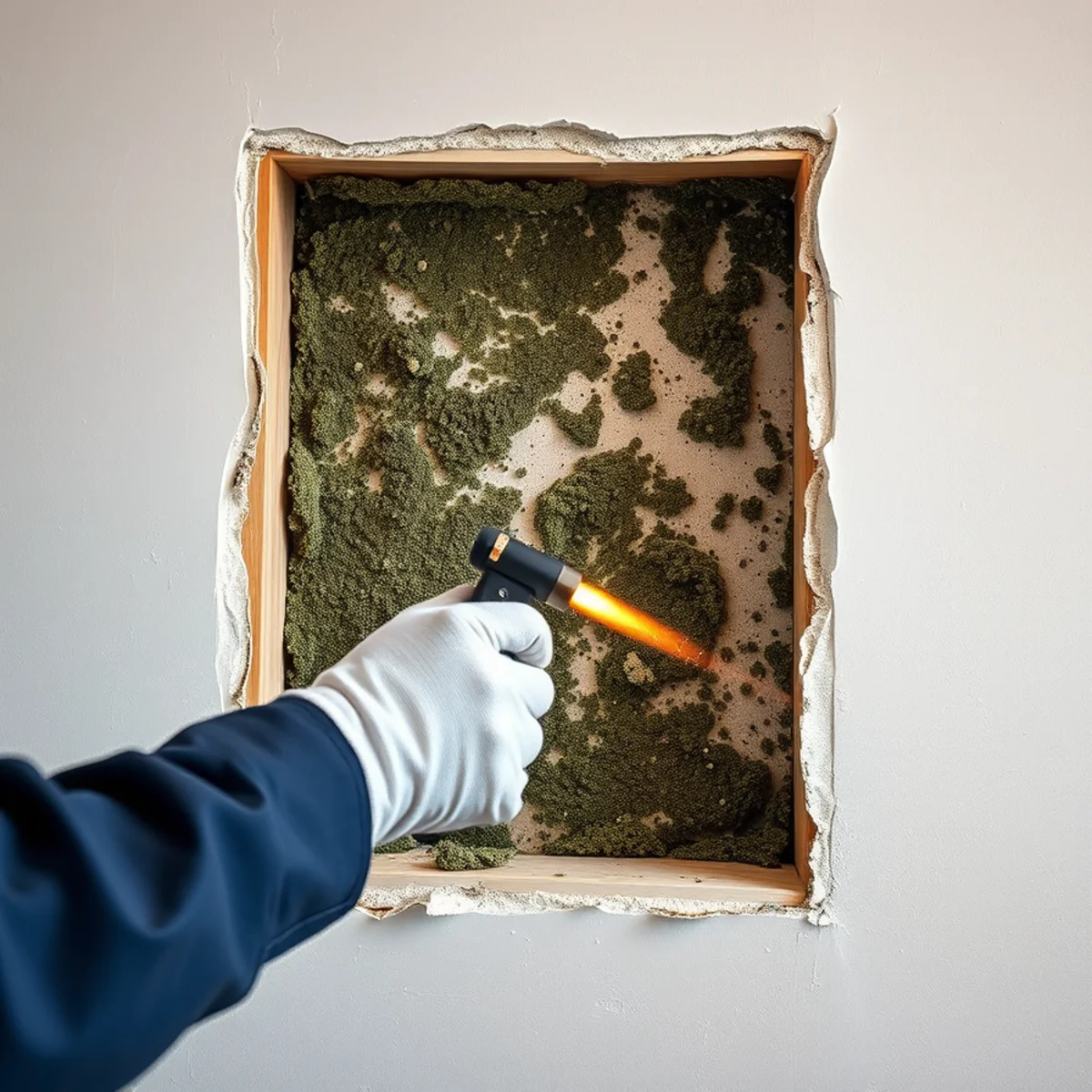
- You can smell it but cannot find it. A persistent musty smell with no visible growth is the classic case for instrumentation. The source is usually a wall cavity, a subfloor, or the crawl space.
- Somebody in the house is symptomatic. If a resident has asthma, allergies, or is immunocompromised and their symptoms track being at home, species and concentration become medically relevant.
- A sale or a dispute is involved. Buyers, sellers, landlords, tenants and insurers all want a number from a third party rather than an opinion from a contractor.
- You want clearance after remediation. Post-remediation verification is the one test we actively recommend, and it should be done by somebody other than the company that did the removal.
When testing is a waste of your money
If you can see growth, you know where the water came from, and nobody in the house is unwell, a test usually tells you something you already know and delays the work by a week. Remediation protocol does not change based on species — the IICRC S520 standard treats visible growth the same way whether it is Cladosporium or Stachybotrys. You contain it, you remove the porous material, you HEPA filter, you fix the moisture.
What remediation involves, and what it does not
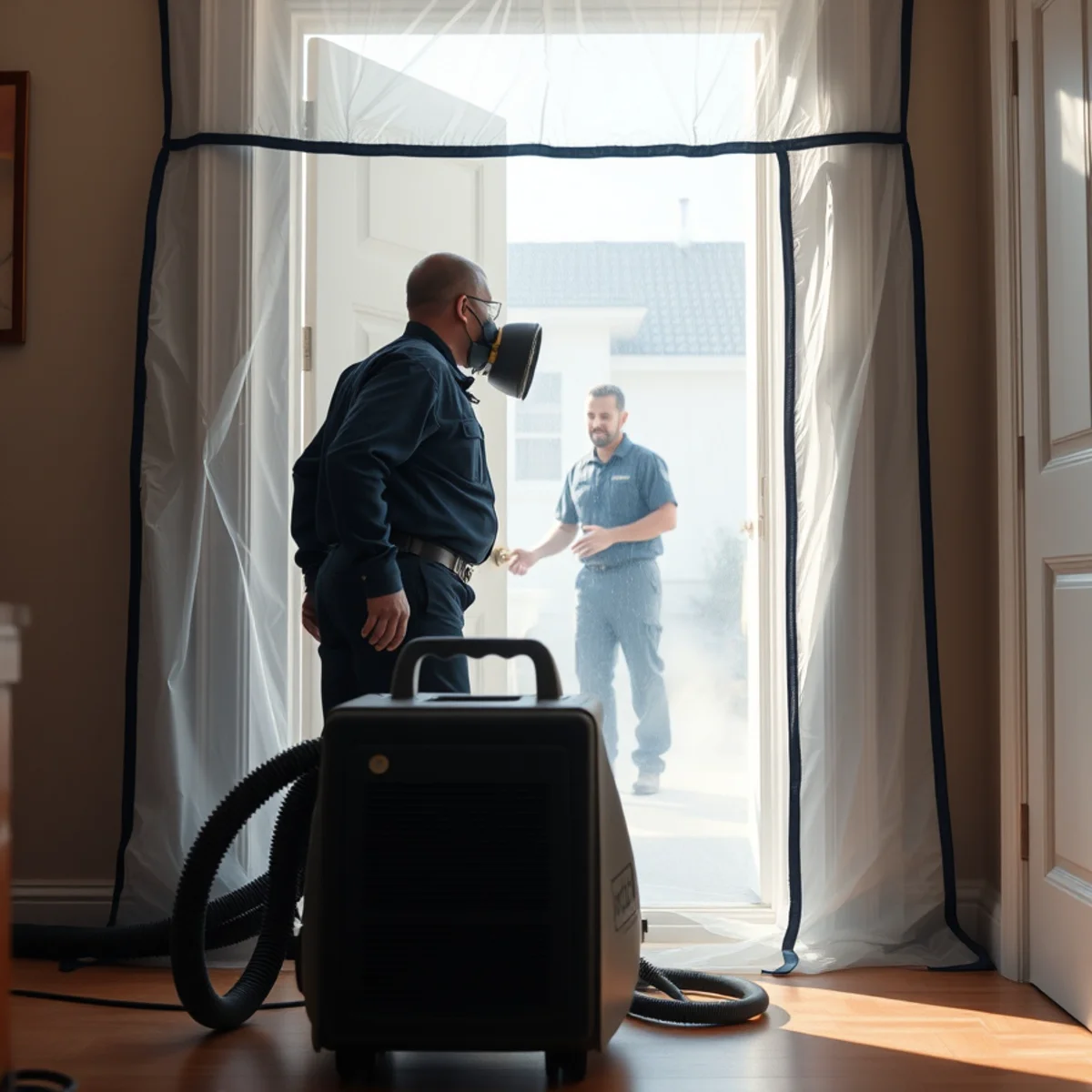
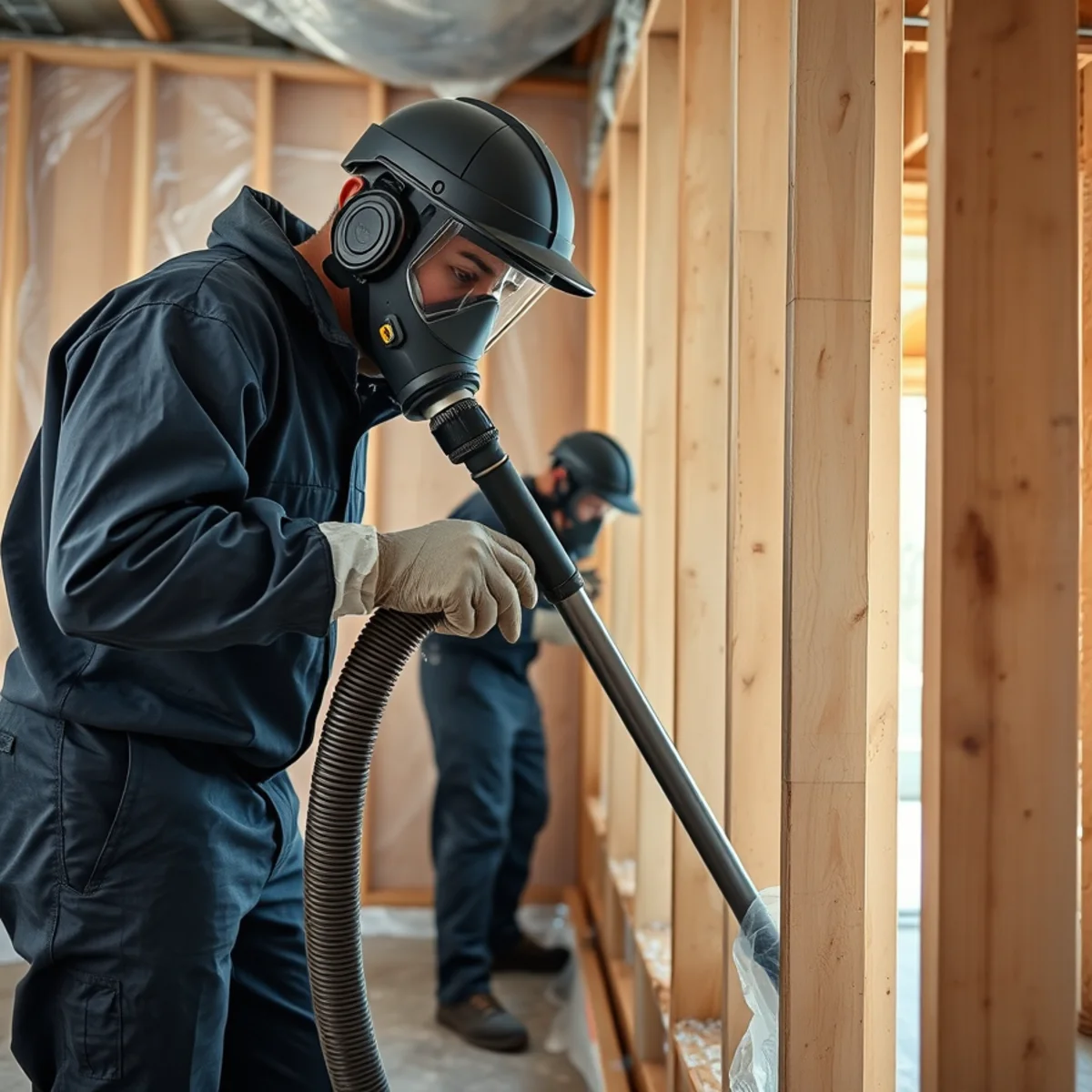
Remediation under the S520 standard is containment first: the work area is sealed and put under negative pressure with HEPA filtration so that disturbing the growth does not distribute it through the rest of the house. Then porous material that has been colonised comes out — drywall, insulation, carpet pad, affected framing surfaces get HEPA vacuumed and wiped.
What remediation is not is fogging, ozone, or spraying a biocide over growth and leaving it. Dead mold is still an allergen, and a sprayed surface with the colony still attached will test positive and smell the same. If a quote centres on a chemical treatment rather than physical removal, that is the thing to question.
The part people skip, and then repeat
Remediation without correcting the moisture source just resets the clock. In Berkeley the source is usually one of four things: a crawl space with no vapour barrier over the soil, a plumbing leak inside a wall, drainage sending water at a foundation, or chronic condensation in an under-insulated assembly.
We cover the crawl space and drainage versions of this in detail in our guides to hillside drainage and foundation water and how quickly mold establishes after a leak. If the growth followed a water loss rather than a slow leak, the fix is usually faster mold remediation in Berkeley paired with proper structural drying so the cavity actually reaches a dry standard.
What this costs in practice
We will not publish a number because the variables are too wide — the area affected, whether containment is needed, how much porous material comes out, and whether the moisture source is a ten-minute fix or a drainage project. What we can tell you is the shape of it: a contained single-room remediation is a different order of magnitude from a whole crawl space, and a moisture assessment that finds nothing costs you nothing with us.
Insurance is the other variable. Mold is frequently sub-limited — commonly around $10,000 — and is usually only covered when it resulted from a sudden covered loss you reported promptly. Mold from a slow leak or from humidity is typically excluded outright. Our guide to what California homeowners insurance covers goes through that distinction.
The short decision rule
- Visible growth, known cause, nobody unwell — skip the test, go straight to remediation.
- Smell with no visible source — get a moisture assessment first, sample only if that comes up empty.
- Health symptoms, a property transaction, or a dispute — get independent testing before anyone touches it.
- After remediation of anything significant — get independent clearance, not the remediator's own sample.
Frequently Asked Questions
Usually not. If growth is visible and the moisture source is known, the remediation protocol is the same regardless of what a sample says, so testing mostly adds cost and delay. Test first when the source is unidentified, when a resident is symptomatic, or when a sale, landlord-tenant issue or insurance dispute means somebody will want third-party documentation.
Ideally not the same company, and particularly not for clearance testing afterwards. A firm that both tests and removes has a direct financial interest in the result. We will do a free moisture assessment and tell you what we find, but for sampling on paper we recommend an independent industrial hygienist. A contractor who discourages independent clearance is telling you something.
Usually no. Surface growth on a painted bathroom ceiling is typically a cleaning task and a ventilation problem — an extractor fan that is undersized, not ducted outside, or never run long enough. If it returns within weeks after cleaning, or if it extends past the paint into the substrate, then it is a moisture problem worth assessing properly.
Not specifically. California has no dedicated mold remediation licence, which is exactly why IICRC S520 certification and willingness to accept independent third-party clearance are the only real quality signals available to you. Ask any contractor for both, and treat reluctance about either as an answer.
Dealing with this right now?
Call (201) 277-9344 and a live local dispatcher will answer — any hour, any day. Free inspection, and we bill your insurance directly.
- 60–90 Min Response
- Live dispatcher, never an answering service
- We bill your insurance directly