Flood Damage Cleanup
Ground and storm water is contaminated by definition — we clean it to Category 3 protocol, not like a spilled bathtub.
Learn more
24/7 Emergency
(201) 277-9344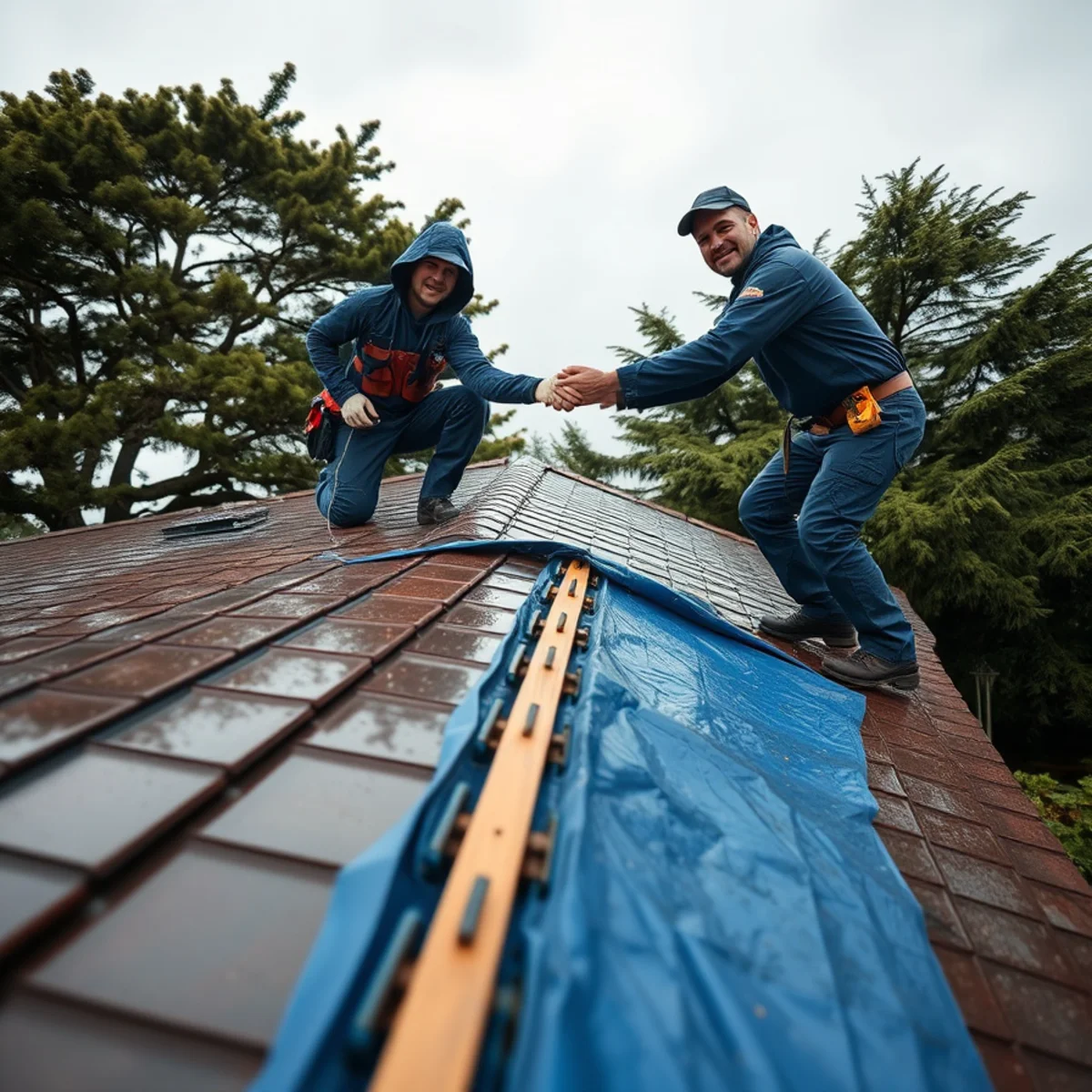
24/7 Emergency Service
That combination is what produces our storm calls: wind lifts shingles or drops a limb, and then three inches of rain finds the opening. The damage is almost never the wind alone. It is water taking advantage of what the wind opened up.
We do emergency stabilization first — tarping, board-up, water removal — because stopping intrusion during an ongoing storm is worth more than a perfect repair next week. Then we come back and do the repair properly.
Warning Signs
Active roof intrusion. Put a container under it, move what you can, and call — this needs tarping before the next band arrives.
Visible from the ground or in the yard. Even a small breach admits a lot of water in a sustained event.
Do not go under it or try to remove it. It may be the only thing holding the roof line where it is.
Blocked or undersized. Overflow runs down the wall and into the foundation, which is how a roof problem becomes a crawl space problem.
Under a door, through a garage, up a floor drain. Storm water is contaminated and gets Category 3 handling.
Needs board-up the same day for weather and security.

How It Works
We get the building closed. Roof tarps are fastened properly rather than weighted down — a tarp that blows off at 2 a.m. is worse than none. Broken openings get board-up for weather and security.
Compromised roof structure, downed lines, saturated ceilings at risk of collapse. We identify what is unsafe and isolate it before work continues.
Standing water out, wet insulation and storm debris removed. Anything that arrived with ground water is treated as contaminated.
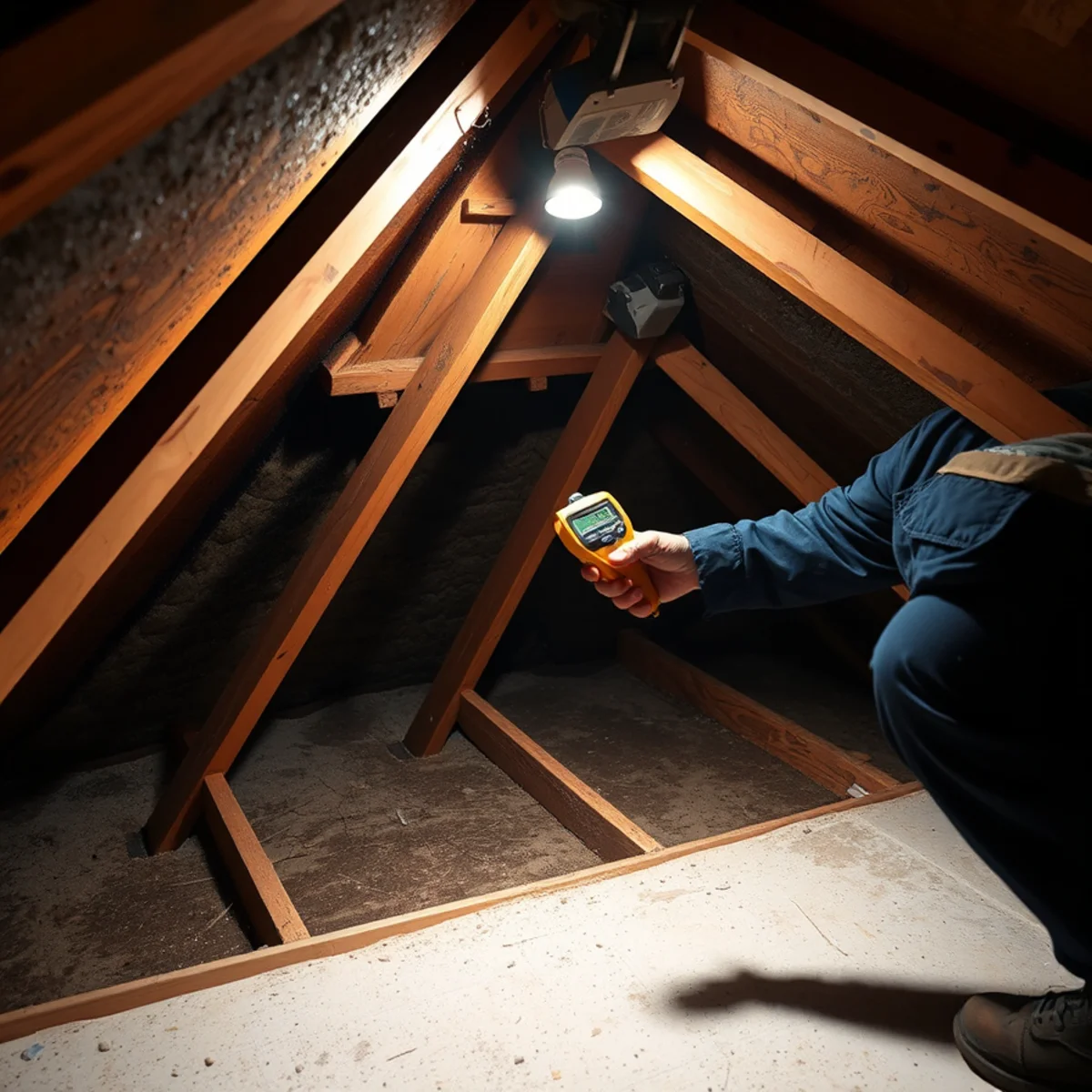
Water that enters a roof rarely appears below the hole. We trace it back along the rafter or the underside of the sheathing to the real entry point.
Attic, ceiling assemblies, wall cavities, and floors, with daily readings until each hits standard.
Roofing, siding, windows, framing, insulation, drywall, and finishes. Coordinated so the exterior envelope closes before interior finish work begins.
Photographs from the emergency visit onward, plus the date and character of the weather event, which carriers ask about on every storm claim.
The mechanism is volume and duration rather than violence. A roof that sheds a normal winter shower fine will leak when it is asked to shed two inches an hour for eighteen hours straight, because every marginal detail — a lifted flashing, a nail pop, a worn valley — gets tested past what it can handle.
Wind-driven rain is the second mechanism, and it is underappreciated. Rain moving horizontally at forty miles an hour gets under shingles and behind siding, into places gravity would never take it. This is how water ends up in a wall with no roof damage at all.
Third is saturation load. By the third or fourth storm of a sequence, the soil is at capacity, so all subsequent rain becomes runoff. That is when hillside drainage systems overwhelm, crawl spaces fill, and trees with saturated root balls come down in wind that would not have moved them in November.
Berkeley also has an unusual number of mature trees close to older houses. A wet root ball plus a gust is what puts a limb through a roof — and the trees on our steepest streets are the ones with the least soil holding them.
People sometimes wait for a permanent roof repair because they do not want to pay for a temporary one. During an active storm sequence that reasoning costs a great deal of money.
A properly installed tarp — fastened to sound structure, run over the ridge, with the seams lapped correctly — buys you the days between systems. Those days are the difference between drying one room and replacing a ceiling, insulation, and the flooring below it.
Your policy also requires it. Nearly every homeowners policy obligates you to take reasonable steps to prevent further damage after a loss. Declining emergency mitigation and letting a building take on water through three more storms gives the carrier a legitimate argument for reducing the claim. Emergency tarping and board-up are standard covered line items — carriers expect to see them.
Same-night stabilization
Tarping and board-up during the storm, not after it.
Documented from the first visit
Photographs, timestamps, and the weather event on record for your adjuster.
One crew through to the rebuild
The people who tarped it are the people who repair it.
Storms do not generate one call, they generate fifty in the same six hours. What matters when the whole city is calling is whether a company can actually get to you that night and whether the emergency work they do is real.
We tarp and board the same night
Emergency tarping in the weather, not once it clears. Every hour an opening stays open is more water into insulation, ceilings and the floor below.
Staffed for the wet season
Atmospheric rivers are predictable now, and we crew for them. If we are genuinely backed up you will get an honest position in the queue rather than a promise that quietly slips to Thursday.
The weather event goes on the record
Timestamped photographs tied to the storm date, because carriers pay for a storm-created opening and argue about deferred maintenance. That distinction is decided by documentation.
Local roofs, local failure points
We know how Berkeley houses take a storm — gutters sized for gentler rainfall, aging roof-wall junctions, and hillside lots where the real damage arrives as runoff rather than from above.
Honest Pricing
A steep Berkeley Hills roof takes fall protection and more labor hours than a low-slope roof on a flats bungalow.
One breach is straightforward. Wind-driven rain that got in at five separate details takes real investigation.
Attic insulation, ceiling assemblies, walls, and flooring, and how many levels the water reached.
Water that came in at ground level is Category 3 and adds containment and disposal costs.
Patch versus section replacement versus full re-roof, plus siding, gutters, and window repairs.
A limb through the roof means removal and structural repair before the envelope can be closed.
Wind and storm damage to the building envelope, and the resulting interior water damage, are generally covered by a standard homeowners policy. Surface flooding is not — that needs separate flood coverage. Because both often happen in one night, careful documentation of the entry mechanism is what separates the covered part from the excluded part.
Questions
Yes, and that is usually when it matters most. We work in the weather when it is safe to do so. If wind conditions make roof access genuinely dangerous, we will tell you and set up interior containment and extraction until it is safe to get up there.
Wind damage to the structure and the resulting water intrusion are typically covered. What is excluded is flooding — surface water and rising water need a separate flood policy. Because a single storm can produce both, we document exactly where and how water entered.
Probably not. A ceiling that has dried on the surface can still have saturated insulation sitting on top of it, and blown-in or batt insulation holds water for weeks while releasing it slowly into the framing and drywall above your head. The visible signs — a brown ring, a sag, a nail head rusting through paint — usually appear a month or two after the storm, by which point the claim is harder to tie to the weather event. A meter reading through the ceiling takes ten minutes and settles it either way.
We coordinate removal and handle the structural repair. Most policies cover removal of a tree that struck a covered structure, plus the repair. A tree that fell in the yard without hitting anything is often only covered up to a small debris-removal limit.
Call volume spikes during atmospheric river events and we prioritize by severity — active intrusion and structural hazards first. We will give you an honest ETA rather than an optimistic one, and we will tell you what to do in the meantime.
What Neighbors Say
Sample content. These are illustrative examples, not customer reviews. Replace them with verified reviews from your Google Business Profile before launch — see src/data/testimonials.ts.
“A supply line let go in the upstairs bathroom of our 1920s place around midnight. Someone actually answered the phone, walked me to the shut-off in the dark, and had a crew here inside the hour. They saved the fir floors, which I had written off.”
“The crawl space had been wet for years and we had no idea. They found it, dried it, put in a vapor barrier, and explained exactly why our downspouts were the actual culprit. No upsell to anything we did not need.”
“Sewage backup in the downstairs unit during a storm. They set containment before touching anything, documented every step for the insurance company, and the claim went through without a single argument.”
Where We Provide This Service
Keep Reading
Ground and storm water is contaminated by definition — we clean it to Category 3 protocol, not like a spilled bathtub.
Learn moreEnd-to-end recovery from the first phone call to the final repaint — extraction, drying, sanitizing, and rebuild under one crew.
Learn moreThe space nobody looks at, humidifying the whole house from below — pumped, dried, and sealed properly.
Learn more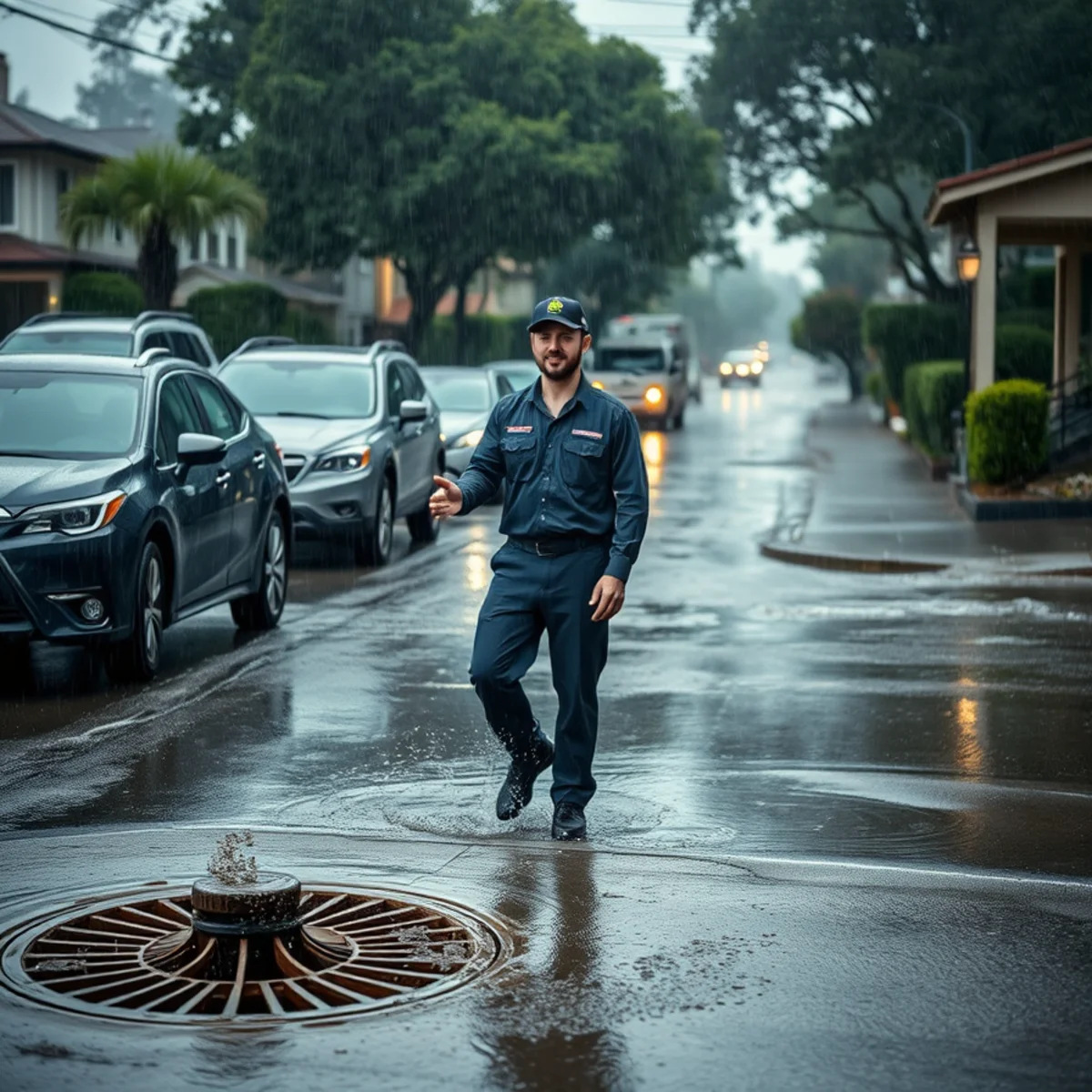 Berkeley Local
7 min read
It is not the wind. It is a month of rain in thirty-six hours arriving on ground that is already full — and three different failure modes across one city.
Read article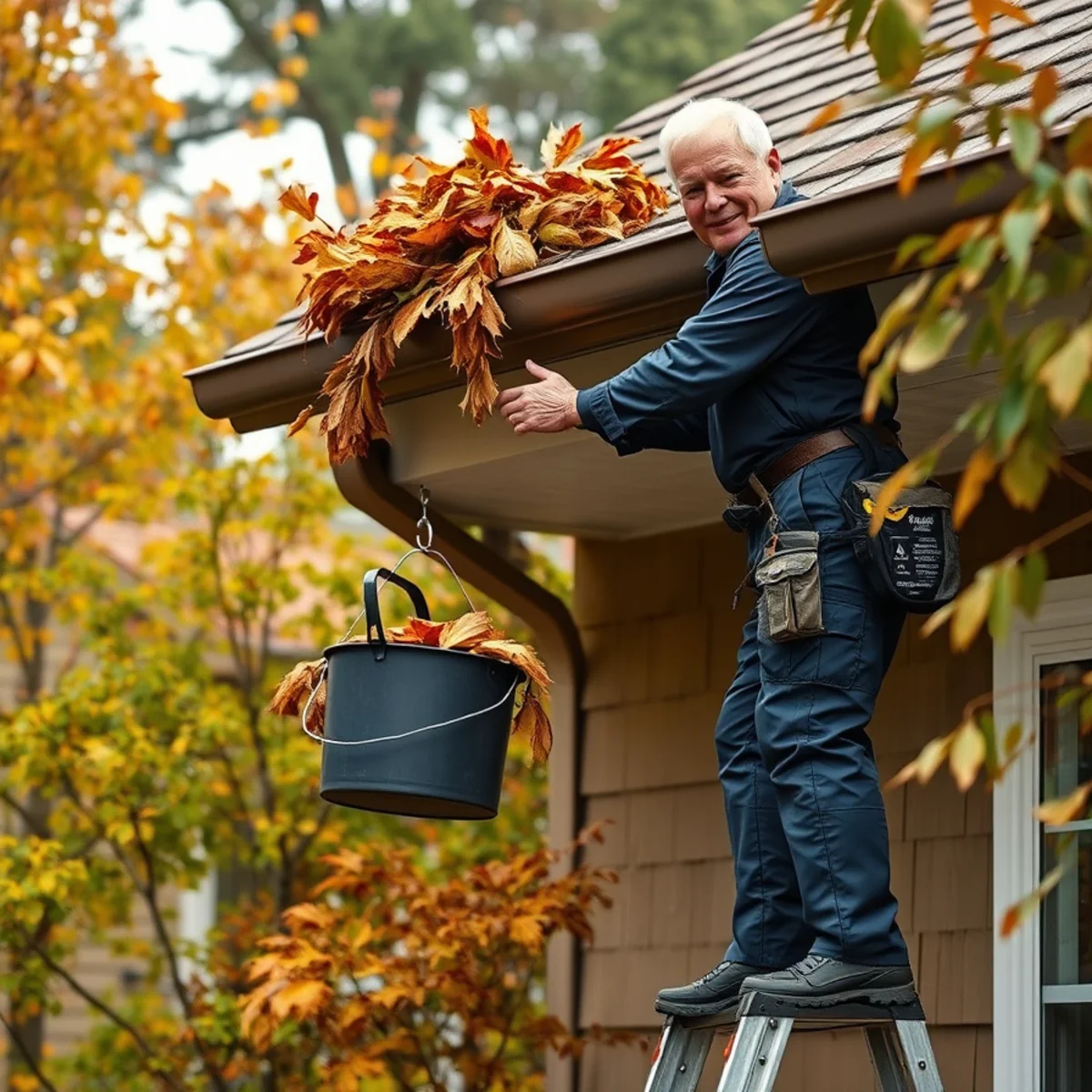 Berkeley Local
7 min read
An afternoon in October prevents most of what we get called about in January. Here is the list, in order of value.
Read articleA live local dispatcher answers day or night, and we get a crew to most Berkeley addresses in 60 to 90 minutes. Free inspection, written estimate, and we bill your insurance directly.