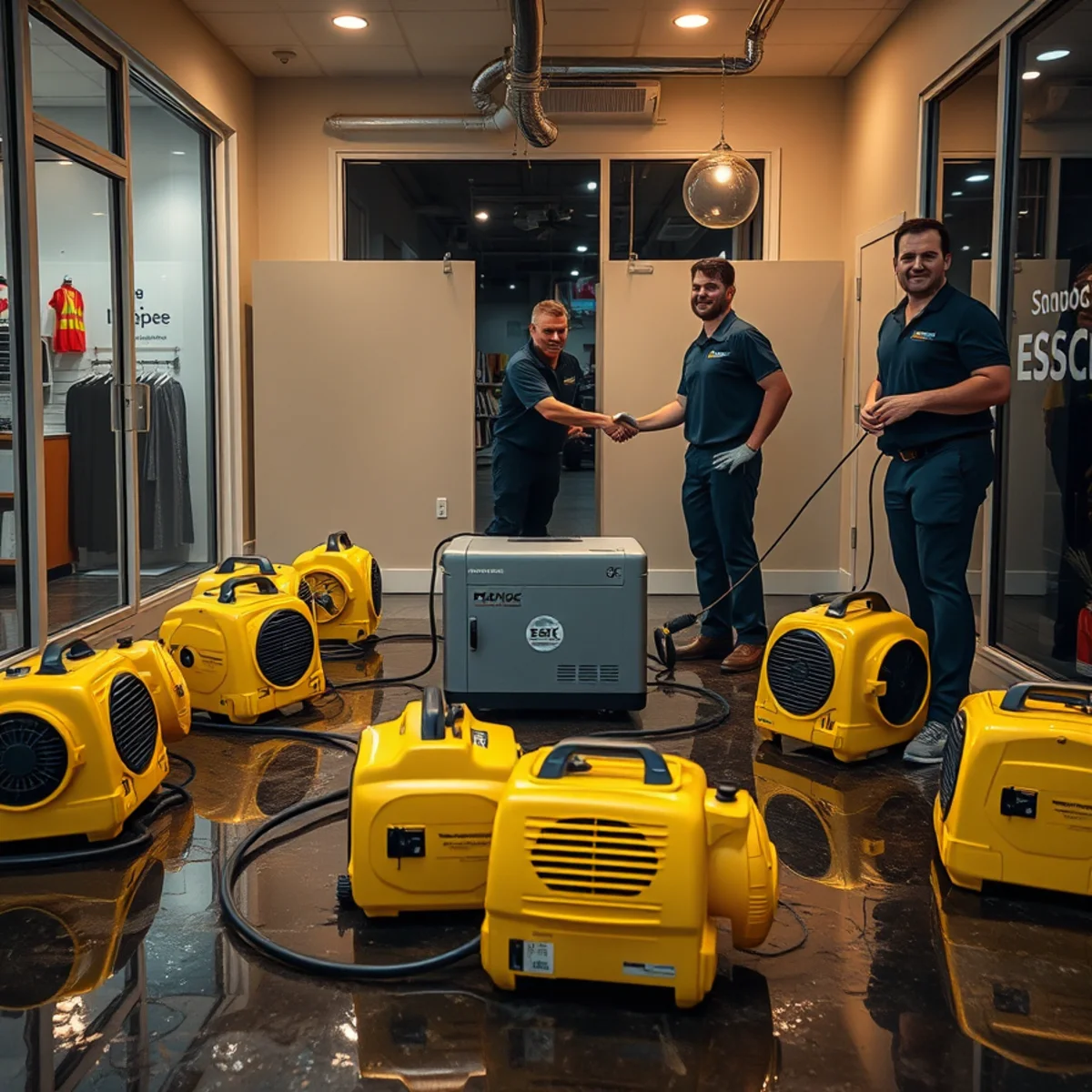
Commercial Restoration
Every hour closed is revenue gone — we phase the work and run crews after hours to keep you trading.
Learn more
24/7 Emergency
(201) 277-9344
Fourth Street · 24/7 Emergency Service
It is a retail neighborhood, which means the priority order is different from a residential job. Every hour the doors are shut is revenue that does not come back, and Saturday is not a day anyone here can afford to lose.
We are down University in twelve to twenty minutes and run overnight crews as standard on this street.
Brick, heavy timber and concrete are what make these buildings attractive and what make them slow to dry. All three hold moisture far longer than stud framing, and masonry in particular releases it gradually over days. Pulling equipment early because the surface feels dry is the classic mistake in a converted warehouse.
Low-slope roofs with internal drains are the leading storm-season failure. A blocked drain ponds water on the membrane until it finds a penetration, and in an open-plan retail space that means it lands on the sales floor.
Restaurant density brings kitchen failures — grease lines, dishwasher and ice machine supply lines, floor drains under load — all Category 2 or 3 the moment they reach a floor, and all subject to health department sign-off before reopening.
Elevation is low, so ground-level storm water is a live risk during a serious event, and it arrives contaminated.
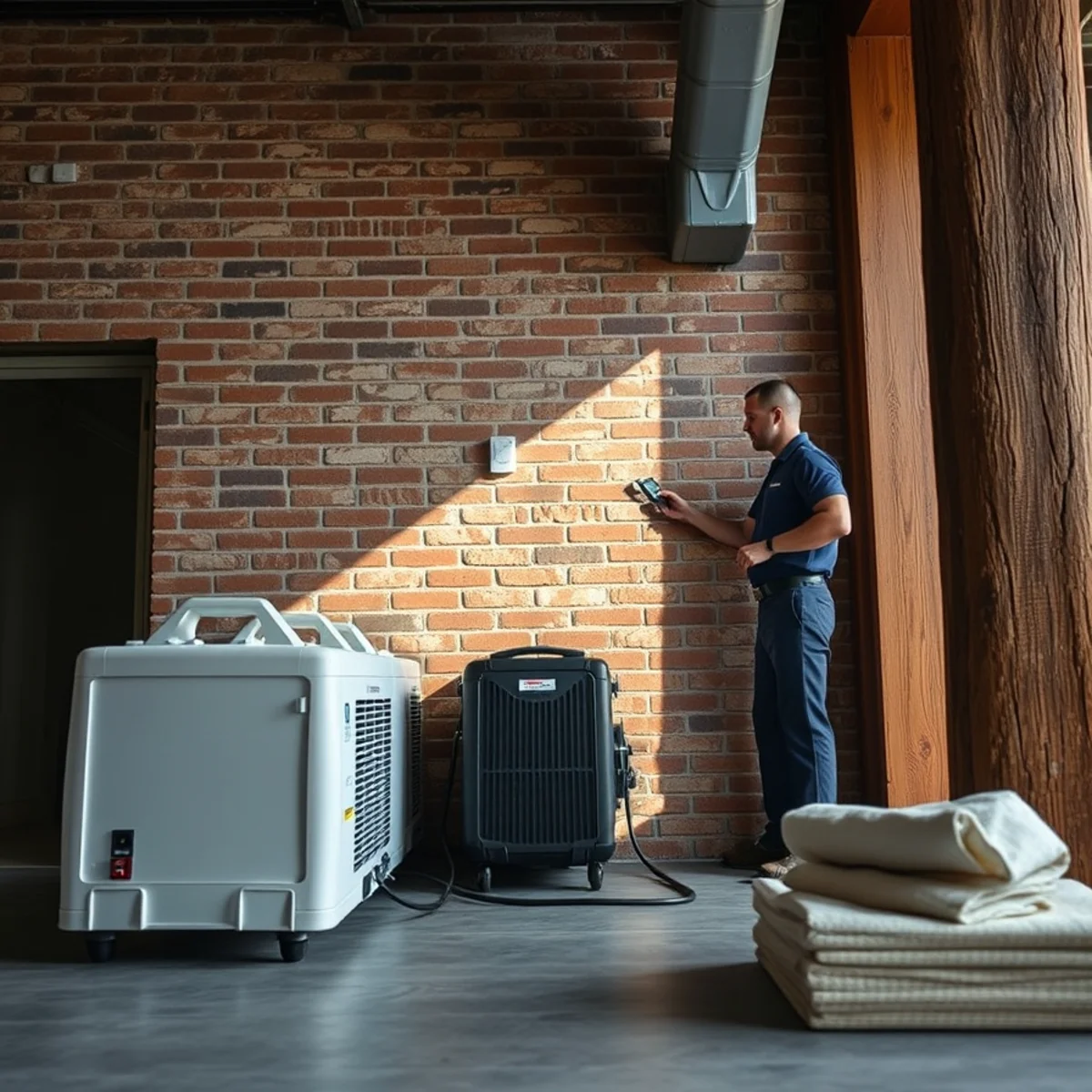
The first hour on a Fourth Street job is a business-impact assessment as much as a technical one: what is affected, what can stay open, and what the realistic timeline is. Owners need that to make decisions about staff and stock.
Inventory triage comes early — salvage what can still be sold, and document what cannot for the claim rather than quietly discarding it. Textiles, paper goods and anything porous that contacted contaminated water goes on the non-salvageable schedule with photographs.
Containment on a trading floor has to be more than poly and tape. We build hard containment where the public can see it so the space does not read as a construction site from the customer side, and restore the sales floor ahead of back of house.
And we keep the daily record that supports a business interruption claim — dates, affected square footage, what was unusable and when. That is frequently the largest line in a retail claim.
Fourth Street is converted industrial buildings on low ground occupied by retail, where a water loss threatens stock and trading days rather than a family home.
Overnight work so you open in the morning
Containment and after-hours crews so a drying schedule does not become a closed shopfront during your best trading weeks.
Stock triaged immediately, not later
Damaged inventory is photographed and inventoried at the point of loss, which is what makes a contents claim payable rather than disputed.
Converted industrial shells dry differently
Concrete slabs, exposed structure and large open volumes need a different equipment plan and longer verification than a framed building.
Twelve to twenty minutes down University
A direct run from Center Street, at any hour, including the middle of the night before a trading day.
Areas and landmarks we cover in and around Fourth Street:
Local Questions
Yes — that is the default on this street. We contain the affected area, work after close, and prioritise the sales floor over back of house. The off-hours labor premium is almost always far less than a lost trading day.
It gets triaged item by item and documented. Anything restorable goes through the appropriate cleaning process; anything that cannot be saved is photographed and scheduled for the claim rather than binned. We never discard inventory without documenting it first.
Yes, and for retail it is usually how we schedule the whole job. We contain the affected area so the remainder of the floor stays safe and usable, run extraction, demolition and equipment placement after closing, and position air movers and dehumidifiers so the space is presentable and navigable for trading hours. Drying equipment does need to run continuously to work, so we will agree with you where it can sit during the day. Where an area genuinely cannot be open — contaminated water, or compromised ceiling — we will say so rather than leave you exposed.
It gets photographed and inventoried at the point of loss, before anything is moved or thrown away, because that record is what makes the contents portion of your claim straightforward rather than contested. From there items are triaged into three groups: undamaged stock moved out of the affected zone, items that can be restored — a good deal of textile and hard goods can be — and items that cannot, which for anything porous that contacted Category 3 water is not a judgement call. We handle the pack-out and storage ourselves, so nothing depends on coordinating a separate vendor.
Services in Fourth Street
Every hour closed is revenue gone — we phase the work and run crews after hours to keep you trading.
Learn more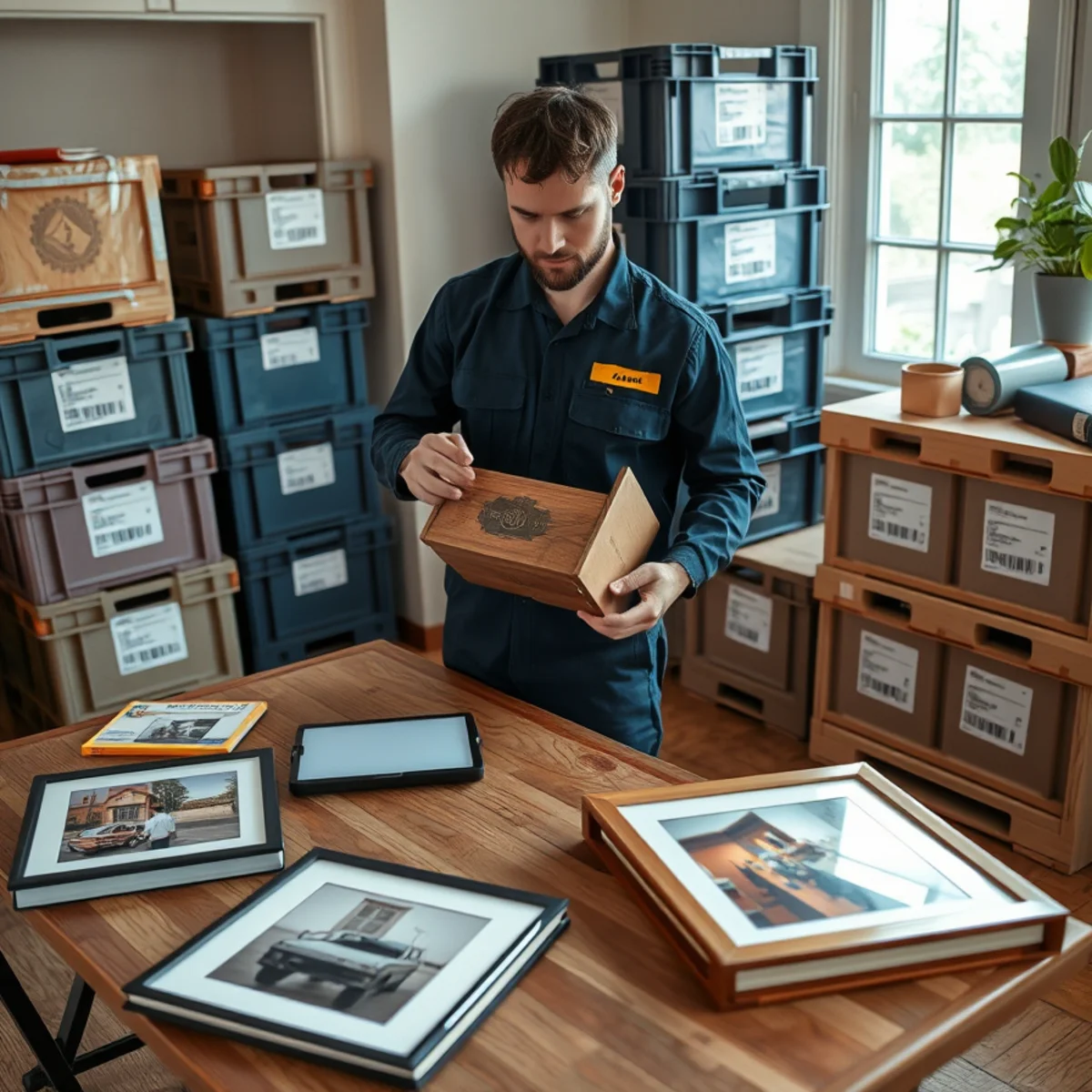
Your belongings inventoried, cleaned, and stored safely — including documents and photos most people assume are gone.
Learn more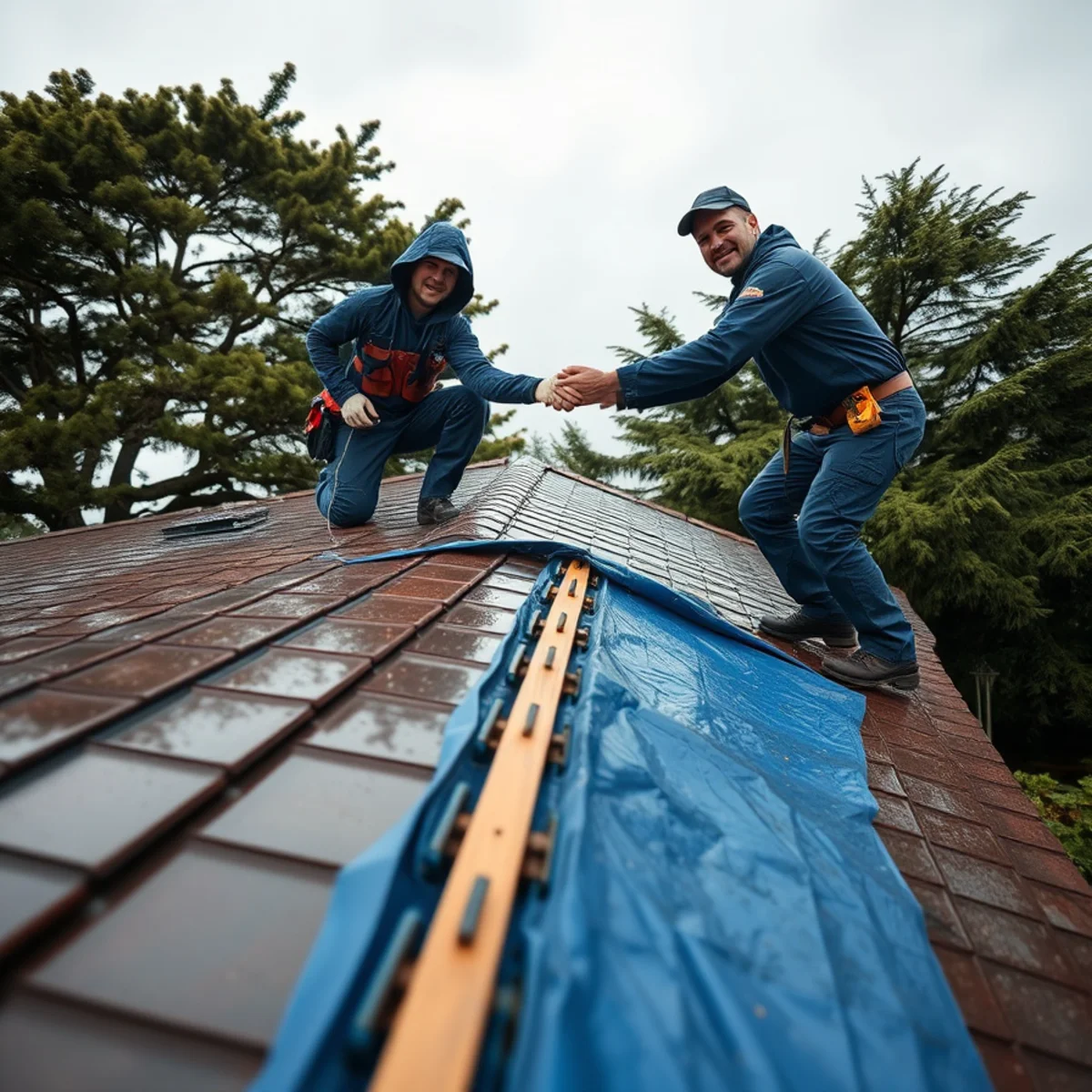
Emergency tarping and board-up the same night, then the full repair once the weather clears.
Learn moreTruck-mounted extraction that pulls hundreds of gallons an hour — the single highest-leverage hour of the entire job.
Learn moreMetered, documented drying to a real dry standard — not a fan in the corner and a guess about Thursday.
Learn moreCategory 3 water handled the way it has to be — containment, PPE, HEPA filtration, and verified decontamination.
Learn moreWhat Neighbors Say
Sample content. These are illustrative examples, not customer reviews. Replace them with verified reviews from your Google Business Profile before launch — see src/data/testimonials.ts.
“A supply line let go in the upstairs bathroom of our 1920s place around midnight. Someone actually answered the phone, walked me to the shut-off in the dark, and had a crew here inside the hour. They saved the fir floors, which I had written off.”
“The crawl space had been wet for years and we had no idea. They found it, dried it, put in a vapor barrier, and explained exactly why our downspouts were the actual culprit. No upsell to anything we did not need.”
“Sewage backup in the downstairs unit during a storm. They set containment before touching anything, documented every step for the insurance company, and the claim went through without a single argument.”
Keep Exploring
Typically 12–20 minutes straight down University.
94710
View areaTypically 15–22 minutes via Gilman Street.
94710
View areaTypically 12–20 minutes straight down University.
94710 · 94702
View area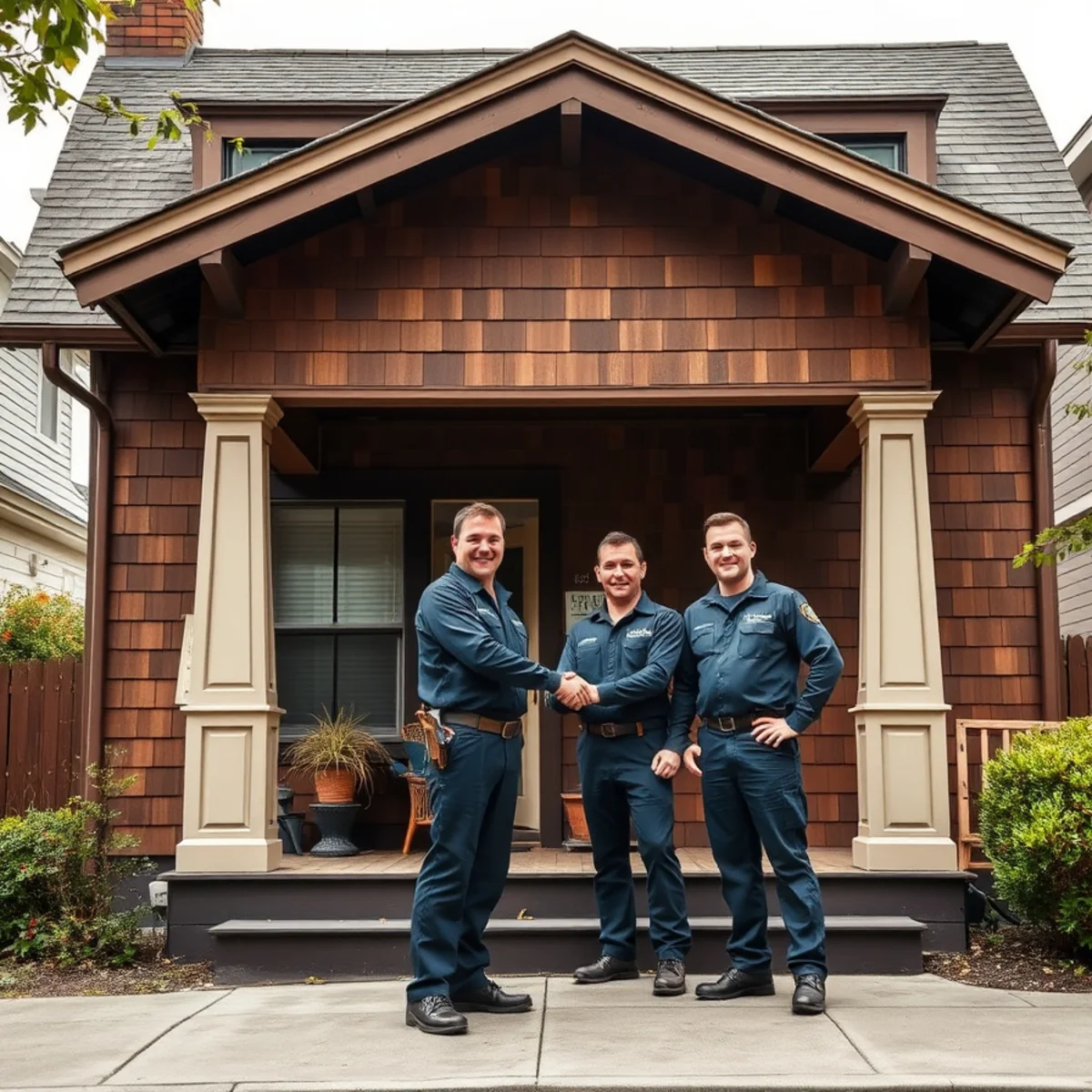 Berkeley Local
8 min read
A hundred-year-old house has a hundred-year-old plumbing system and a crawl space nobody has looked at. Both are fixable before they are urgent.
Read article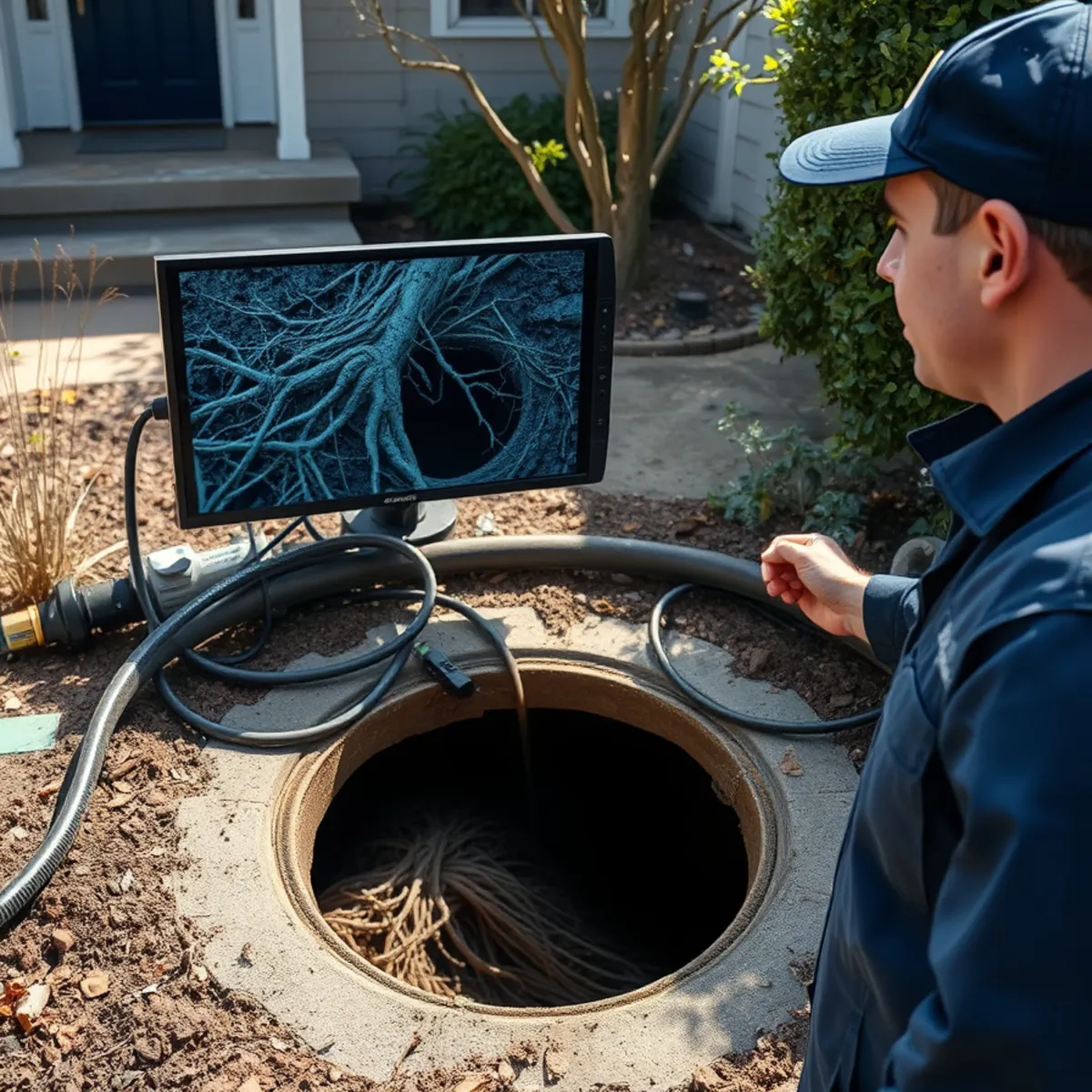 Berkeley Local
6 min read
Most Berkeley homeowners learn that the lateral is theirs on the worst possible day. Here is what to know before that day.
Read articleTypically 12–20 minutes down University. A live local dispatcher answers day or night. Free inspection, written estimate, and we bill your insurance directly.