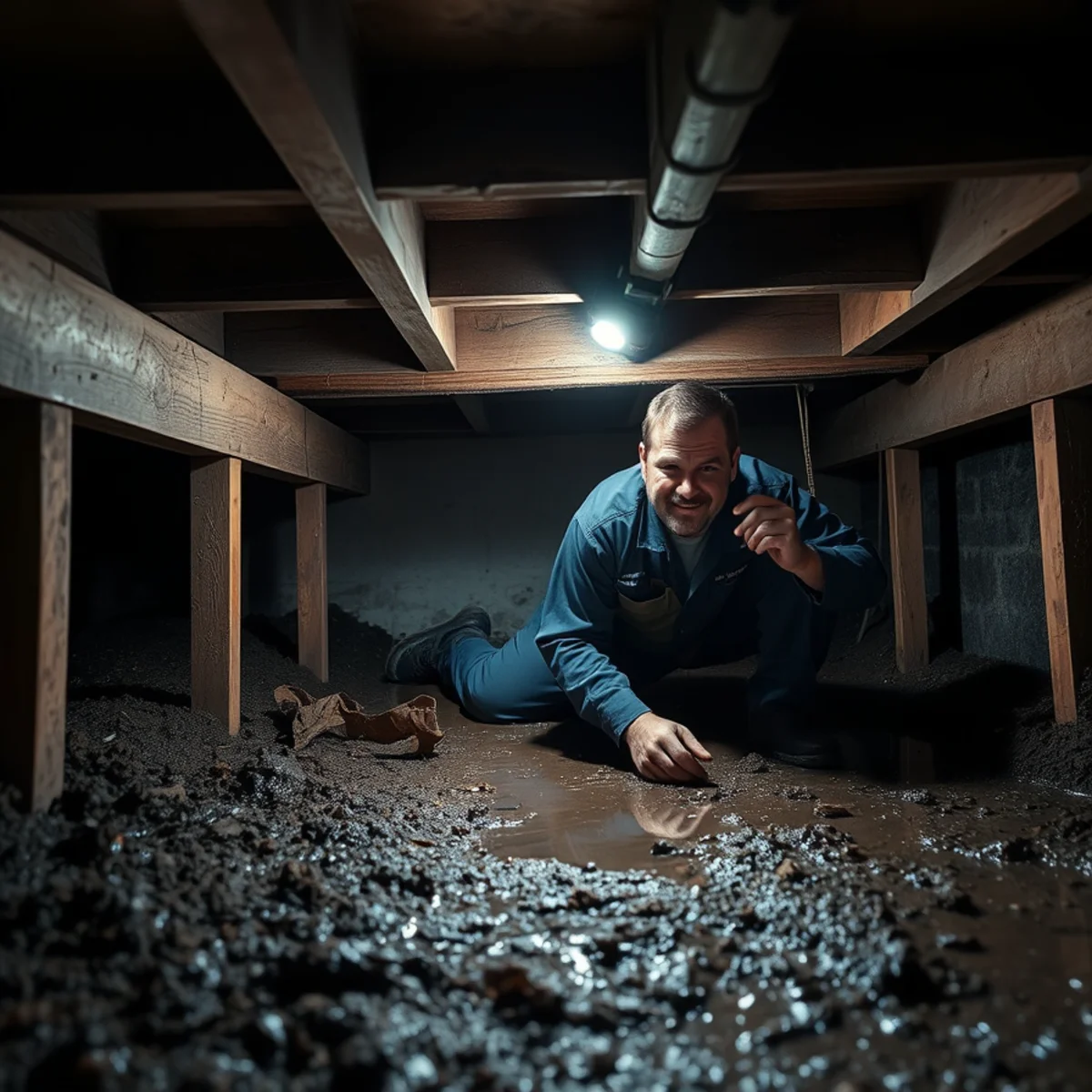
Crawl Space & Basement Water
The space nobody looks at, humidifying the whole house from below — pumped, dried, and sealed properly.
Learn more
24/7 Emergency
(201) 277-9344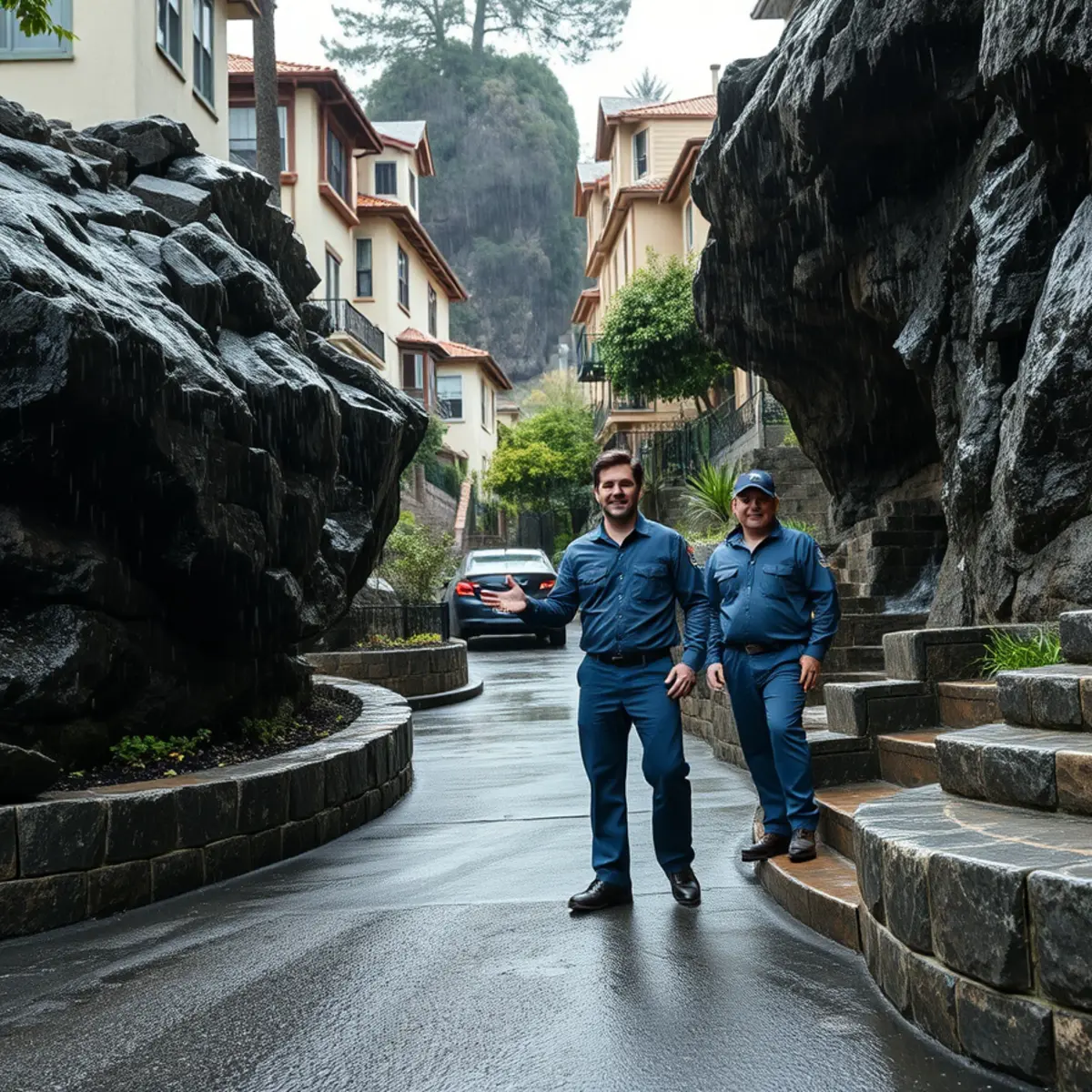
Cragmont · 24/7 Emergency Service
Much of the neighborhood was built or rebuilt after the 1923 Berkeley fire, which gives it a housing stock concentrated in the late 1920s and 1930s, with mid-century and modern infill on the harder lots.
We are up Marin or Spruce in twenty-five to thirty-five minutes.
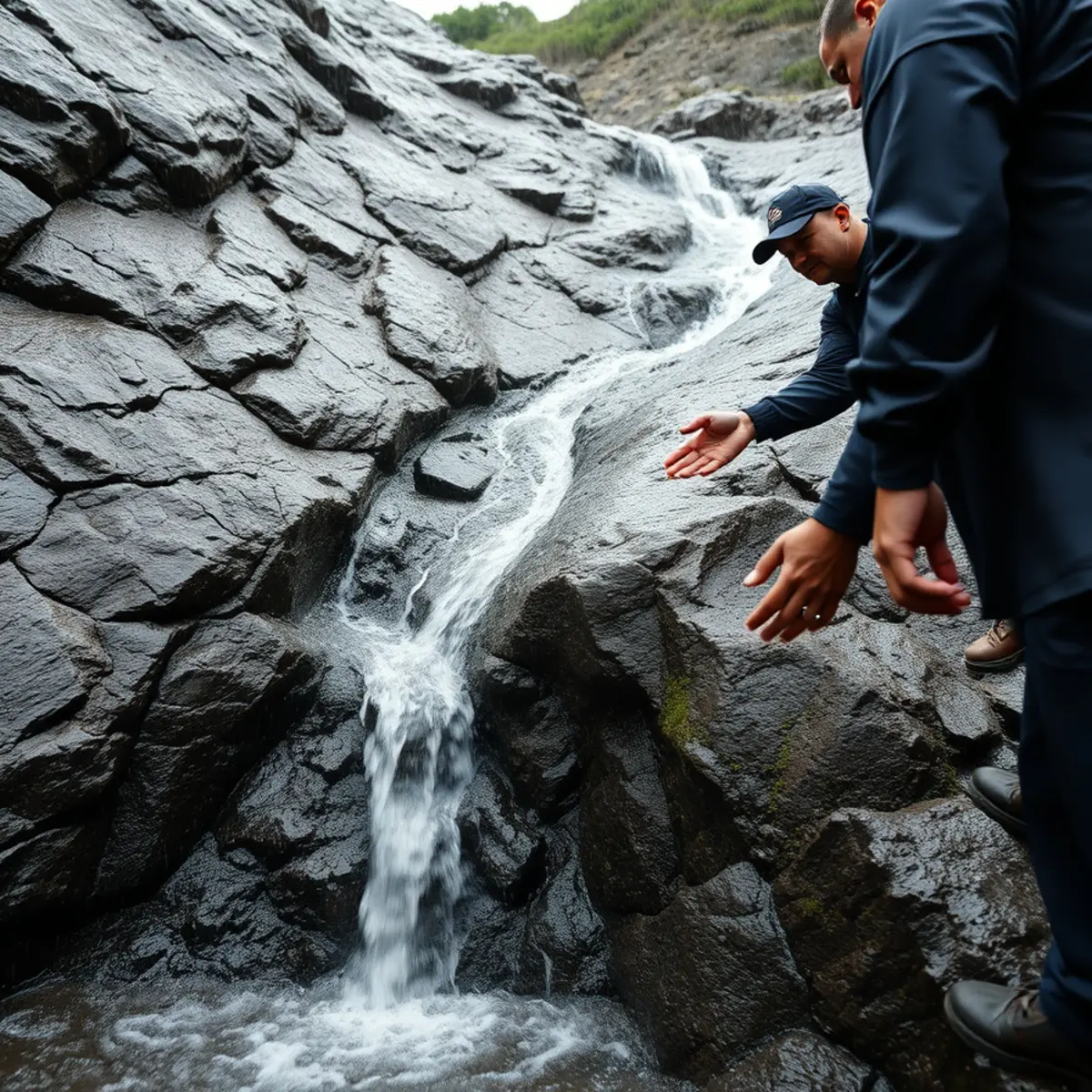
The volcanic outcrops through this neighborhood are effectively impermeable. Rain that lands on them does not soak in; it runs off and concentrates wherever the rock directs it. On several Cragmont streets that means a significant flow arriving at the same point on the same property every time it rains hard, regardless of what the owner does to their own gutters.
Foundations that key into rock create irregular subsurface drainage paths. Water travels along the rock-soil interface and can emerge a considerable distance from where it entered the site. This is the neighborhood where source diagnosis takes longest and where guessing costs the most.
Gradient does the rest. Long steep driveways collect and channel runoff, and it ponds at the bottom — which on these lots is usually where the garage or the lower level of the house is.
A number of properties also sit above or below seasonal seeps. That is a management problem rather than a defect: intercept the water upslope and route it around the structure.
The dominant vintage is late 1920s to 1930s — Mediterranean, Tudor Revival and Storybook homes built during the rebuilding after the 1923 fire, many designed to work with the rock rather than around it. Plaster over wood lath, old-growth fir floors and period millwork are the norm.
Those houses are at the end of their galvanized supply pipe life. Because the neighborhood rebuilt in a compressed window, houses on the same street tend to reach that point together — when we start getting calls from one road in Cragmont we usually get more from it within a couple of seasons.
Mid-century and modern infill occupies the lots that were hardest to build on: cantilevers, pier-and-grade-beam foundations, and a lot of glass. Those homes have better plumbing and worse exposure — flat and low-slope roof sections that shed sustained heavy rain far less forgivingly than a steep tile roof.
Cragmont combines exposed rock, serious gradient and a housing mix of post-fire rebuilds alongside mid-century infill — which means water often arrives somewhere other than where it entered.
Rock redirects water underground
Around Cragmont Rock the stone continues below grade and channels groundwater along seams unrelated to the surface slope. Water crosses property lines invisibly.
Two building eras, two approaches
Post-fire rebuilds have modern assemblies and tighter envelopes; the mid-century infill has original plumbing and shallower crawl spaces. They dry differently.
Steep street access planned ahead
Regal, Shasta and the upper roads will not take a full-size unit in places. We bring the right vehicle and longer hose rather than turning around.
Twenty-five to thirty-five minutes up Marin or Spruce
Two routes up means weather rarely closes both, and you get an honest ETA for the one we are taking.
Areas and landmarks we cover in and around Cragmont:
Local Questions
Yes, and it is mostly earthworks rather than building work. A curtain drain upslope of the structure intercepts the flow and routes it around; clearing and upsizing the area drains handles the rest. Where rock outcrops are directing the water, the drain has to be positioned against the rock line rather than on a convenient property boundary — which is why we walk the site during or just after rain.
Mostly, yes. Where a driveway is too steep or a street too tight to stage safely, we run portable equipment and longer hose. We work that out on dispatch rather than on arrival.
Practically it becomes yours the moment it reaches your structure, whatever the legal position upslope. California law broadly allows natural drainage to follow its natural course but does not permit an uphill owner to concentrate or redirect it onto you — so if a neighbour has added paving, a new downspout run or regrading that channels flow at your foundation, that is a different conversation from ordinary hillside drainage. What we do is document exactly where water arrives, in what volume and under what conditions. That record is what supports either a drainage correction on your own land or a discussion with the neighbour.
Most of them, and where they cannot we have a standard approach. Several of the upper roads and their driveways are too steep or too narrow for a truck-mounted extraction unit, so we stage at the nearest safe point and run portable equipment with extended hose. It adds labour time and changes nothing about the result. Tell us your street when you call — we would far rather dispatch the correct vehicle at the start than send the wrong one up Marin at 2 a.m. and lose an hour repositioning.
Services in Cragmont
The space nobody looks at, humidifying the whole house from below — pumped, dried, and sealed properly.
Learn more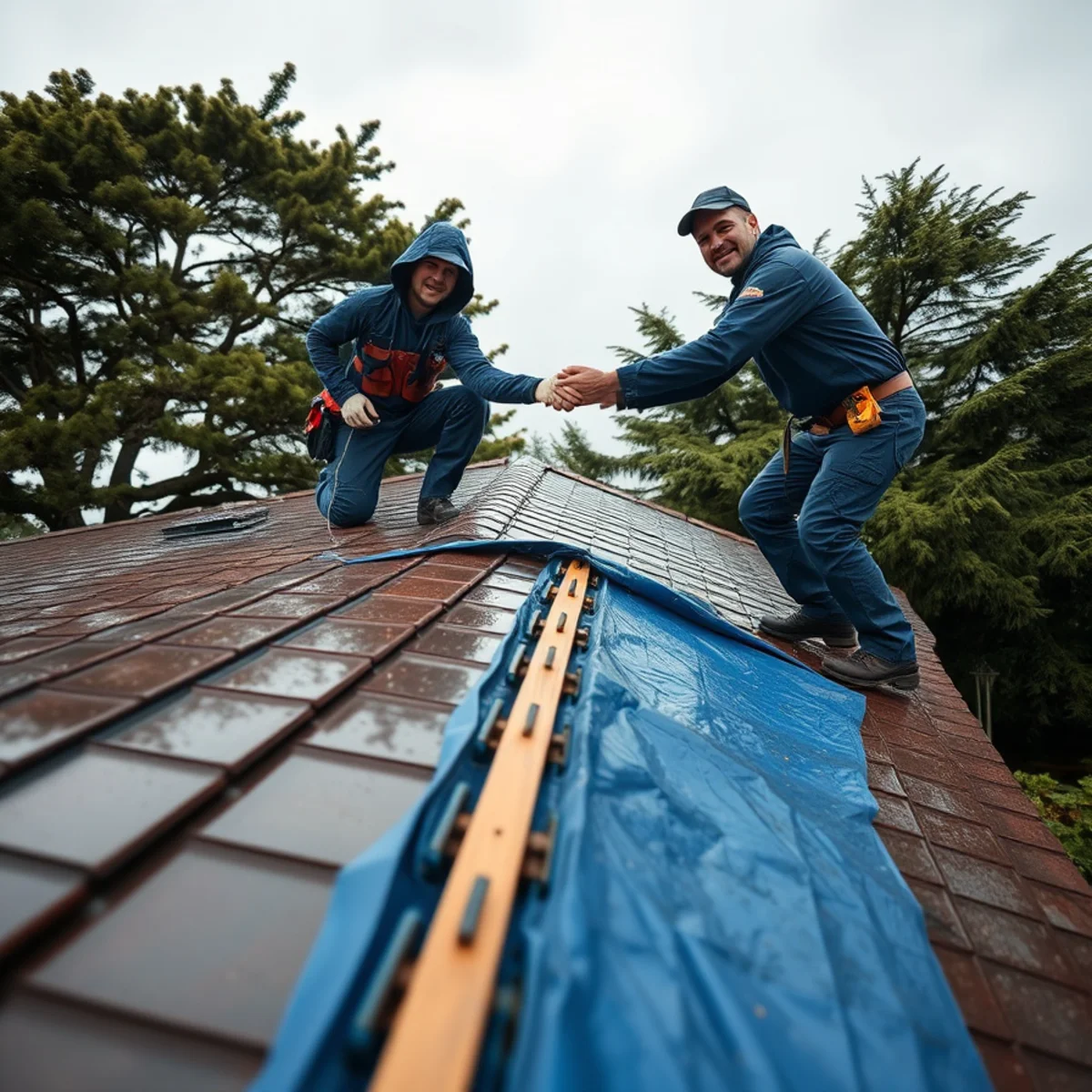
Emergency tarping and board-up the same night, then the full repair once the weather clears.
Learn more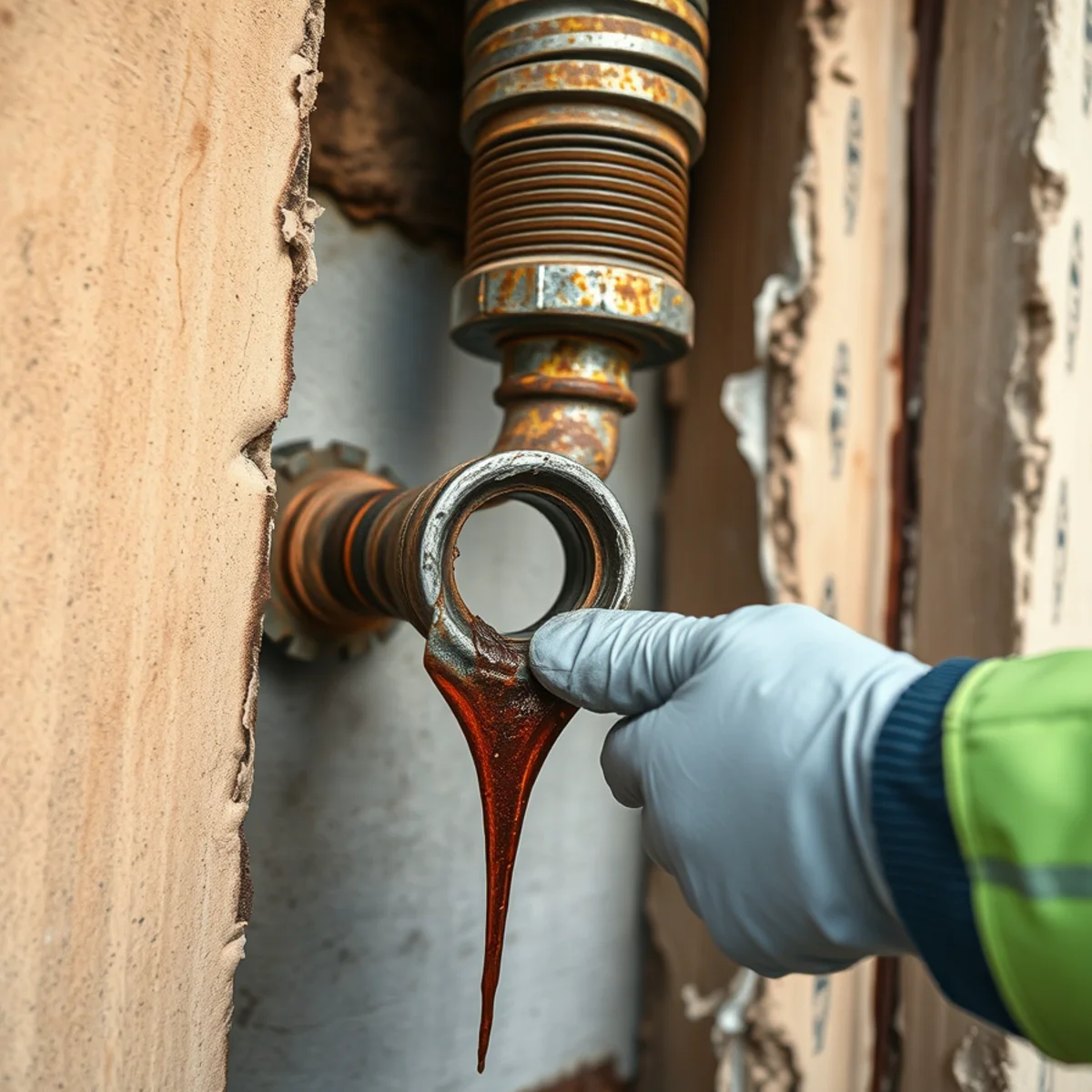
The classic Berkeley failure — hundred-year-old galvanized pipe letting go behind a wall at 2 a.m.
Learn moreFind it, contain it, remove it — and fix the moisture source, or it comes straight back.
Learn moreThe build-back — floors, ceilings, plaster and trim put right, matched to what was there before.
Learn moreEnd-to-end recovery from the first phone call to the final repaint — extraction, drying, sanitizing, and rebuild under one crew.
Learn moreWhat Neighbors Say
Sample content. These are illustrative examples, not customer reviews. Replace them with verified reviews from your Google Business Profile before launch — see src/data/testimonials.ts.
“A supply line let go in the upstairs bathroom of our 1920s place around midnight. Someone actually answered the phone, walked me to the shut-off in the dark, and had a crew here inside the hour. They saved the fir floors, which I had written off.”
“The crawl space had been wet for years and we had no idea. They found it, dried it, put in a vapor barrier, and explained exactly why our downspouts were the actual culprit. No upsell to anything we did not need.”
“Sewage backup in the downstairs unit during a storm. They set containment before touching anything, documented every step for the insurance company, and the claim went through without a single argument.”
Keep Exploring
Typically 20–35 minutes up into the hills.
94708 · 94705 · 94709
View areaTypically 15–25 minutes up Shattuck.
94709 · 94707
View areaTypically 20–30 minutes up Solano or The Alameda.
94707 · 94706
View area Berkeley Local
8 min read
A hundred-year-old house has a hundred-year-old plumbing system and a crawl space nobody has looked at. Both are fixable before they are urgent.
Read article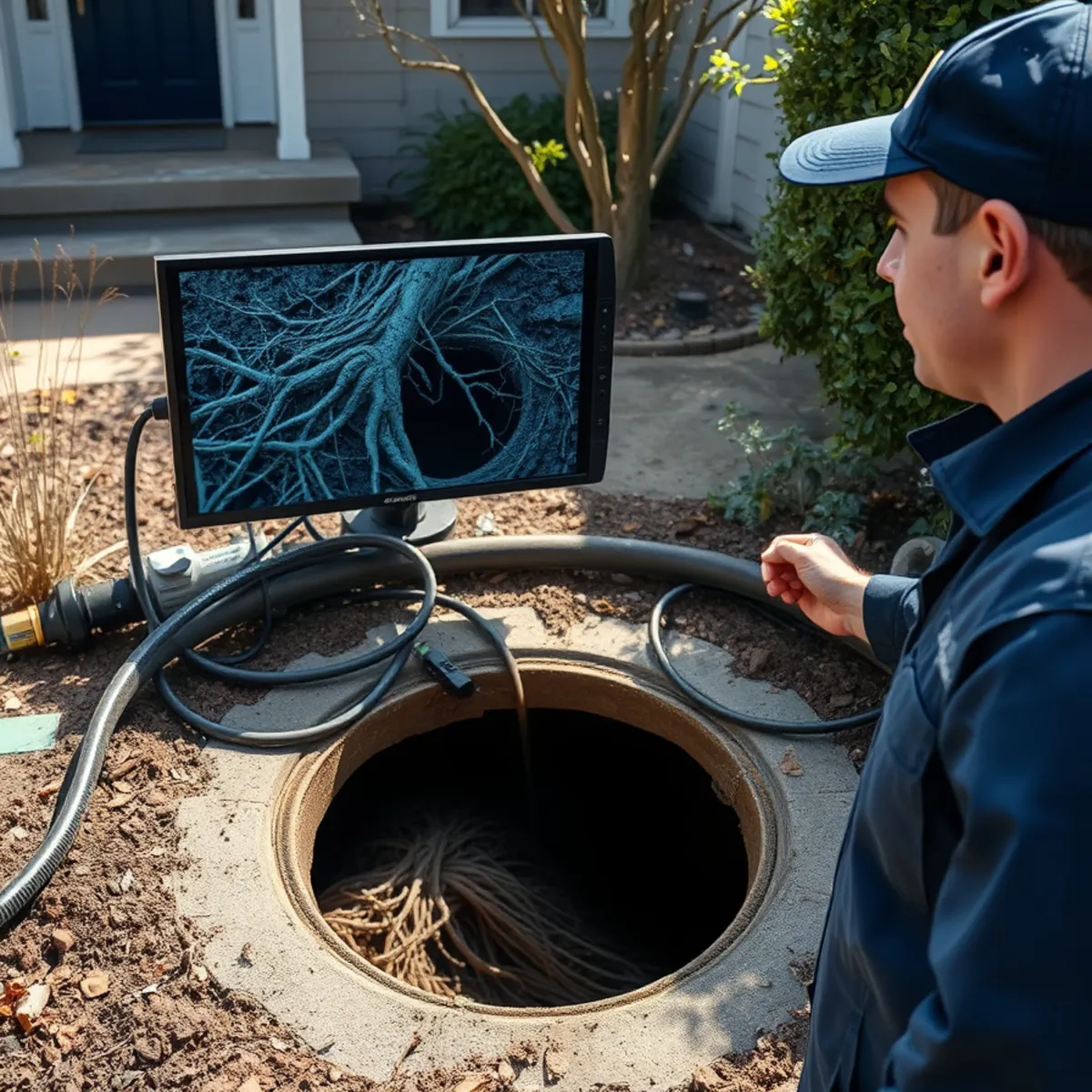 Berkeley Local
6 min read
Most Berkeley homeowners learn that the lateral is theirs on the worst possible day. Here is what to know before that day.
Read articleTypically 25–35 minutes up Marin or Spruce. A live local dispatcher answers day or night. Free inspection, written estimate, and we bill your insurance directly.