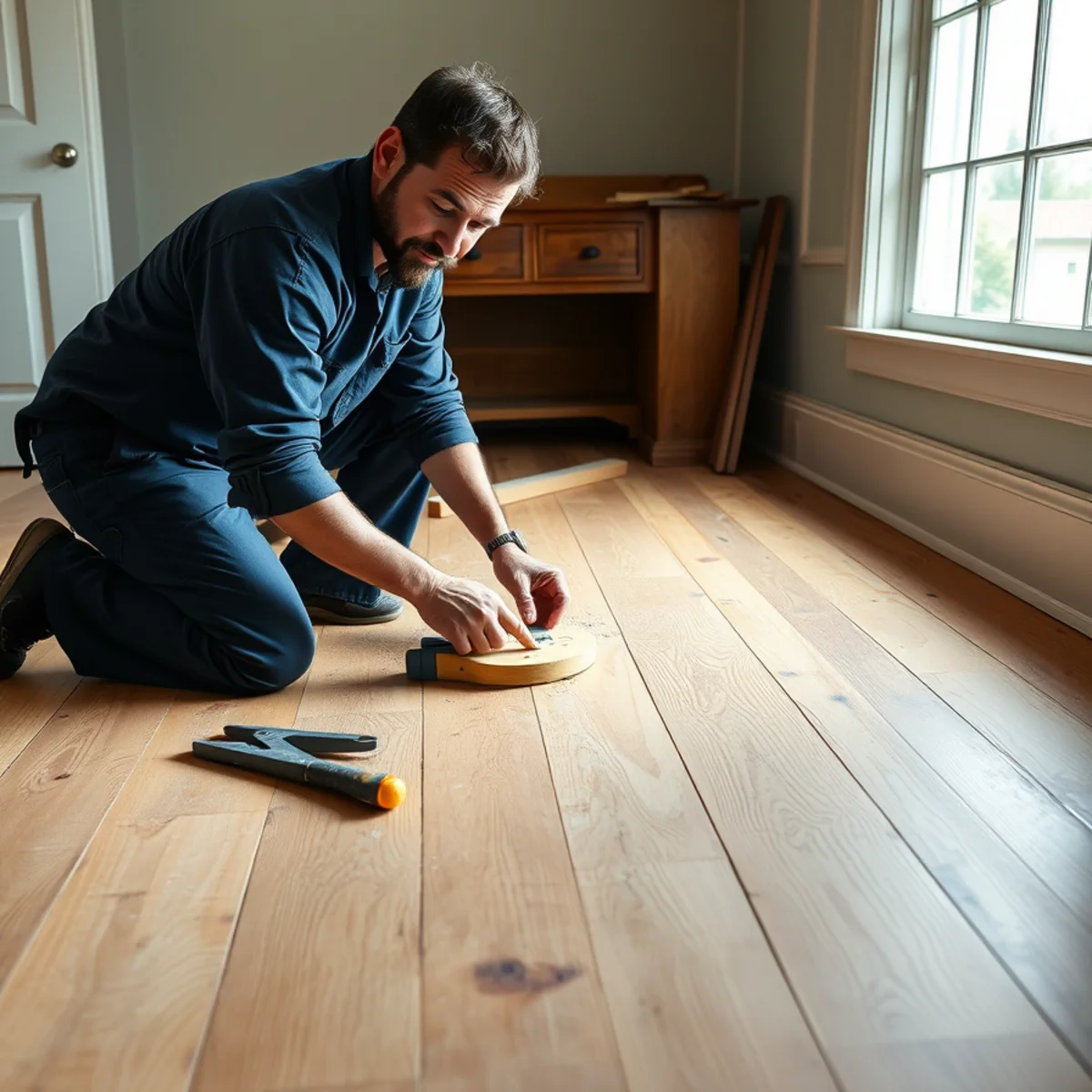
Water Damage Repair
The build-back — floors, ceilings, plaster and trim put right, matched to what was there before.
Learn more
24/7 Emergency
(201) 277-9344
Claremont · 24/7 Emergency Service
It has some of the largest and most architecturally significant houses in the city — 1910s and 1920s estates on generous wooded lots, several by architects whose names are on the National Register. That combination of scale, age and terrain produces water losses that are expensive if handled generically and entirely manageable if handled properly.
We reach Claremont in twenty to thirty minutes up Claremont Avenue.
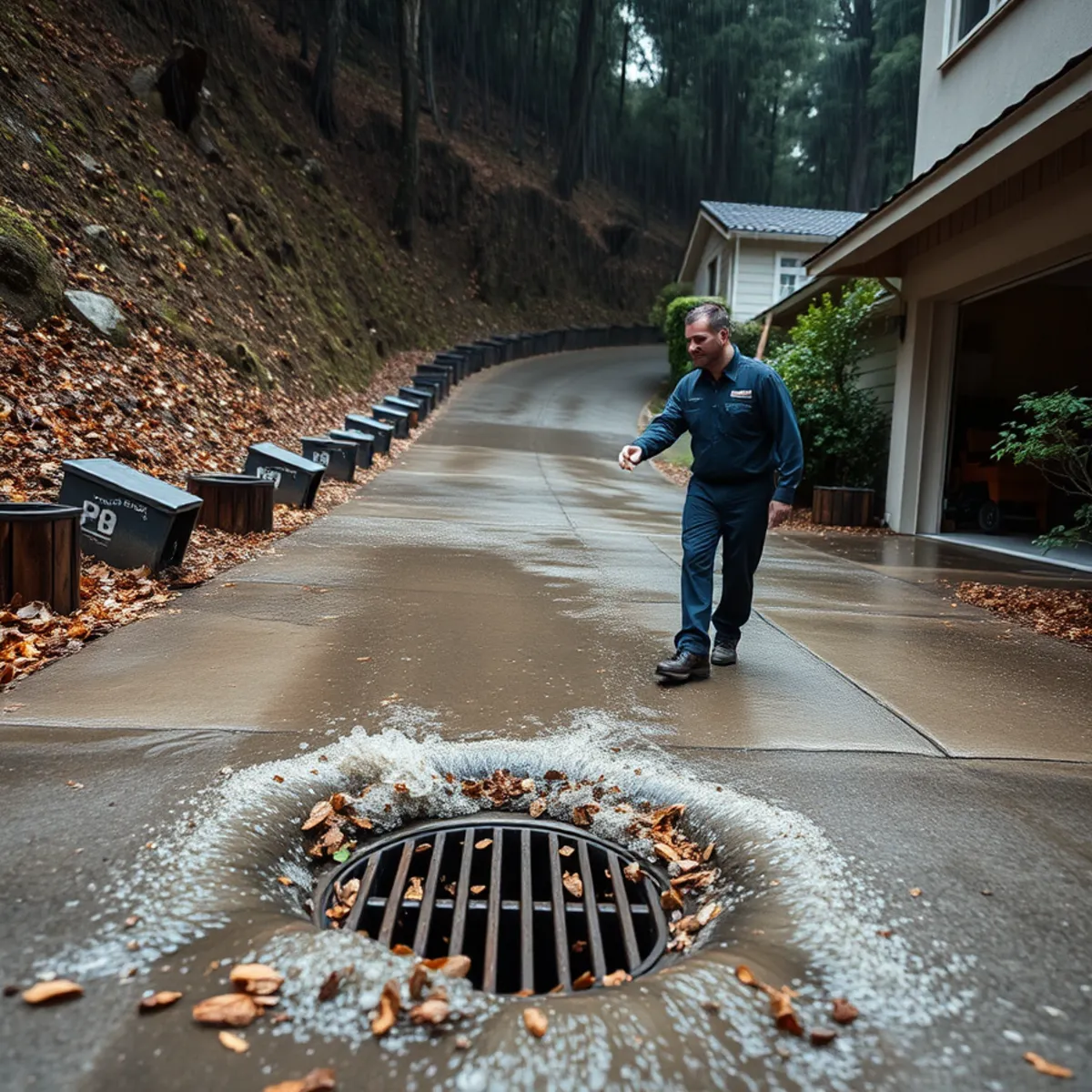
Claremont Canyon is a substantial undeveloped catchment sitting directly above the neighborhood. When a serious atmospheric river arrives, everything that falls on those slopes comes down through it — fast, concentrated, and carrying leaf litter and duff that blocks the first drain inlet it reaches.
The creek running out of the canyon is culverted through parts of the neighborhood. During a big event those culverts run full, and properties along the alignment can see water arrive at ground level with no warning and no plumbing failure involved.
Away from the creek, the mechanism is the standard hillside one: saturated soil pressing against foundation and retaining walls, water finding a cold joint or a form-tie hole, and surface runoff concentrating at the bottom of long driveways. Claremont has a great many stone and concrete retaining walls of considerable age, and the drainage systems behind them have had a century to silt up.
The housing here is predominantly 1910s through 1930s and substantial — Mediterranean, Tudor Revival, Colonial Revival and shingle-style houses of a size you do not see elsewhere in Berkeley, on lots that step down or up from the street.
Scale amplifies the plumbing problem. A house built in 1918 with four bathrooms has a great deal of original galvanized steel supply pipe in it, much of it on upper floors inside walls. When a threaded joint lets go at that height, it has two or three full storeys to damage on the way down — plaster ceilings, old-growth fir and oak flooring, and frequently built-in casework.
Our approach on these houses is the same one we use in Elmwood and Piedmont: dry plaster from behind through a controlled access point rather than blasting the face, lean on dehumidification instead of brute-force airflow so dense old-growth material does not check and split, and let cupped flooring acclimate for several weeks before anyone decides whether it needs sanding.
On the repair side, plaster is patched with plaster keyed into the existing lath, texture is hand-matched and sampled for approval, and trim is milled from a section of your original profile.
Claremont Canyon determines nearly everything about water here. Large period houses sit on ground that receives whatever the canyon sheds, and the two facts have to be handled together.
Canyon runoff is the primary mechanism
Water arriving from above along Alvarado and Stonewall is surface and subsurface flow, not plumbing. Drying without correcting the path guarantees a repeat next winter.
Large period houses restored in kind
Plaster matched for texture, trim milled to the original profile, and old-growth floors dried slowly enough to keep rather than replace.
Steep, narrow access planned in advance
We know which of these streets and driveways will not take a full-size truck, and we bring the right vehicle and hose runs the first time.
Twenty to thirty minutes up Claremont Avenue
A direct run from Downtown at any hour, with a real ETA that accounts for the roads rather than the map.
Areas and landmarks we cover in and around Claremont:
Local Questions
Usually, and usually upslope of the house rather than at it. The fix is interception — a curtain or French drain above the structure that catches the flow and routes it around — plus clearing the area drains and culvert inlets that are almost always the actual bottleneck. Sealing a wall against water arriving under pressure does not work.
That is the standard we work to here. Plaster patched with plaster keyed into the existing lath, texture hand-matched and sampled on a board for your approval first, trim milled from a section of your original, and hardwood woven into the existing field and finished as one so the repair has no boundary.
It can be managed, and the honest framing is management rather than elimination. You are downhill of a canyon that sheds a large volume of water in a short window during an atmospheric river, and no amount of drying equipment changes that. What does change it is the path: intercepting flow above the structure with proper drainage, correcting grade so water is carried around rather than against the foundation, and getting downspout and area-drain discharge well clear. We restore the damage and document the mechanism, then tell you specifically what needs correcting so this is not an annual event.
That is the standard we work to, and on these houses it is most of the value. Plaster gets patched with plaster and the texture matched by hand rather than filled with drywall, which always reads wrong under raking light. Trim is milled to your existing profile. Hardwood is woven in and then sanded and finished as one continuous field so there is no visible boundary at the repair. Where original material can be dried and kept rather than removed, we do that, because on a house of this period reproducing what was lost costs more than saving it.
Services in Claremont
The build-back — floors, ceilings, plaster and trim put right, matched to what was there before.
Learn more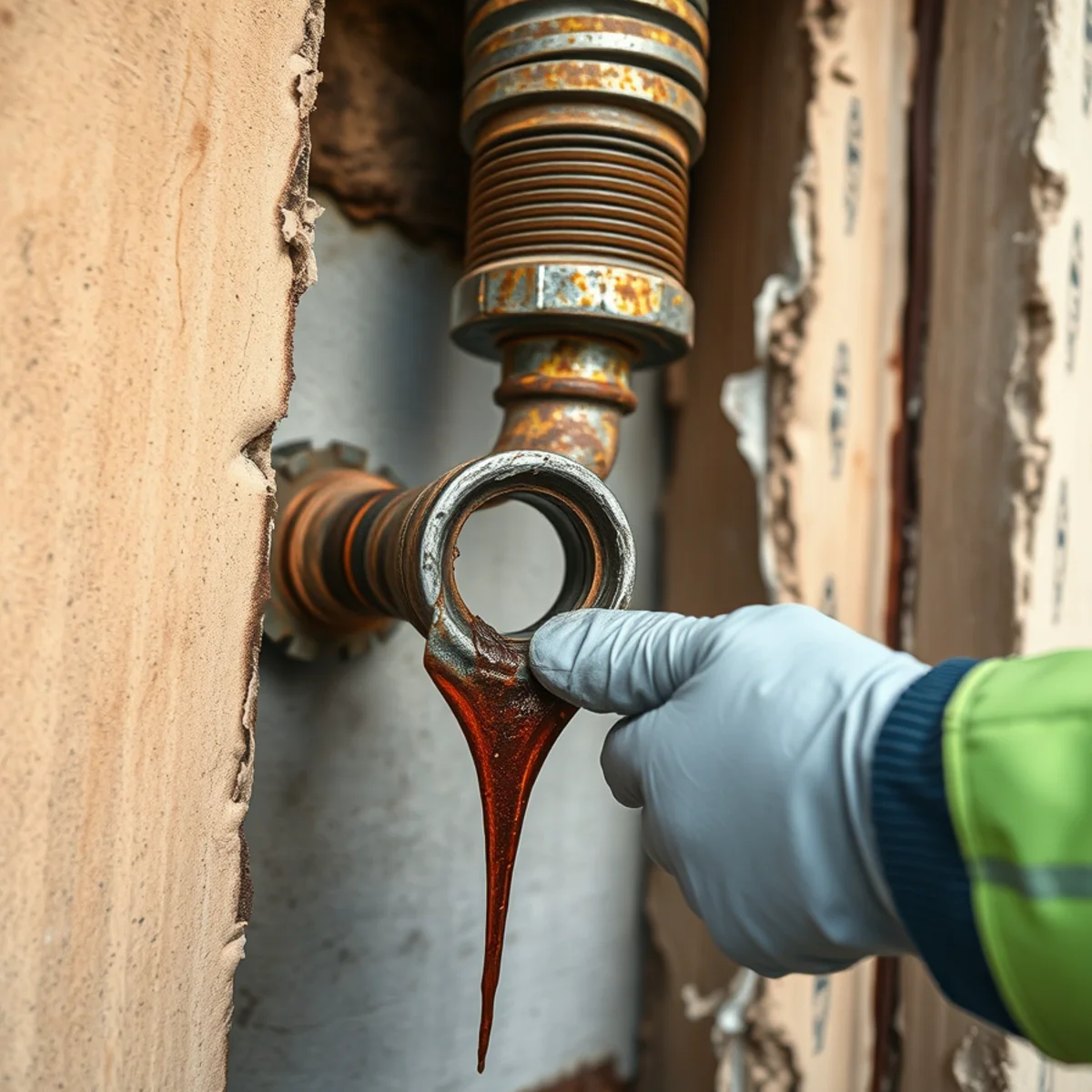
The classic Berkeley failure — hundred-year-old galvanized pipe letting go behind a wall at 2 a.m.
Learn more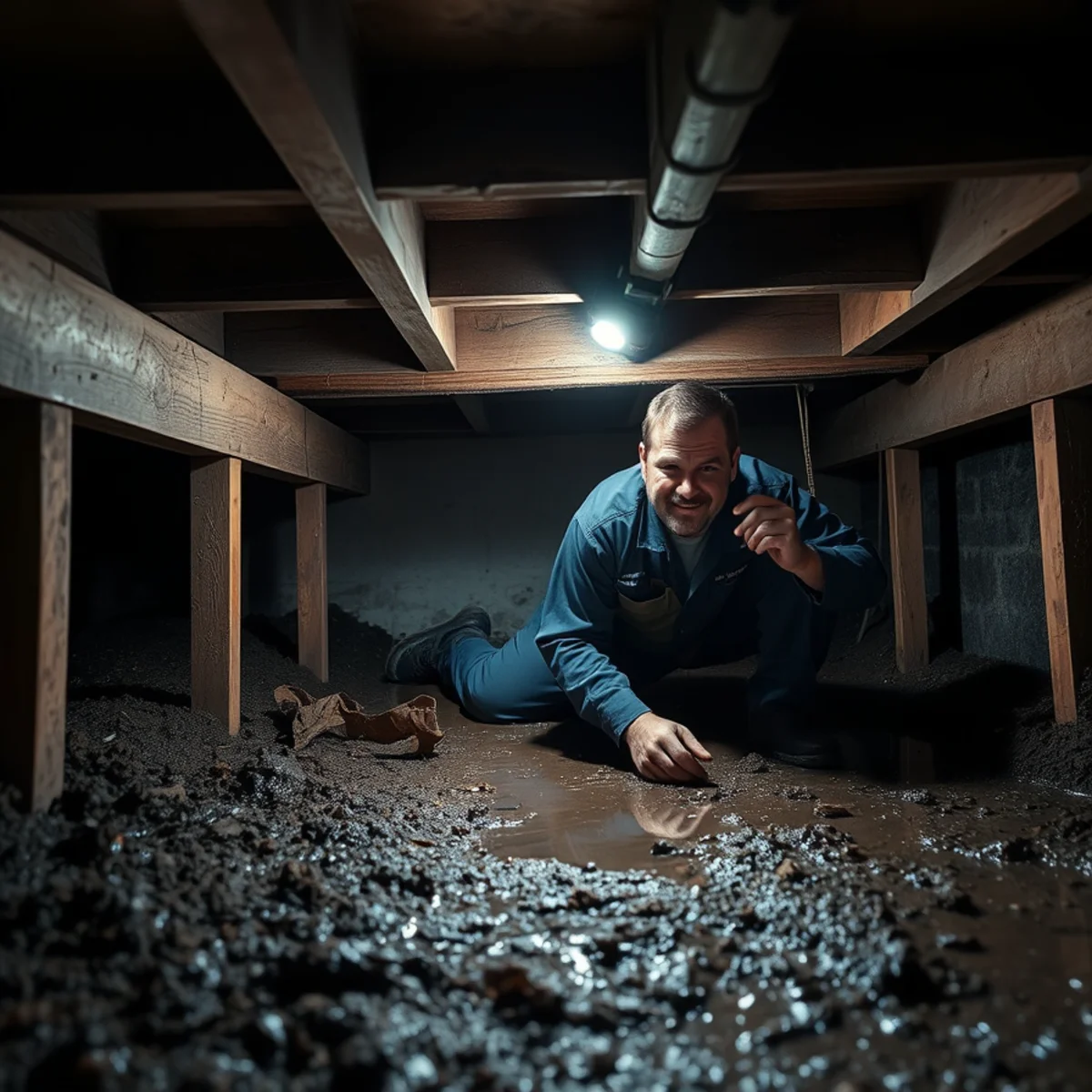
The space nobody looks at, humidifying the whole house from below — pumped, dried, and sealed properly.
Learn moreEmergency tarping and board-up the same night, then the full repair once the weather clears.
Learn moreFind it, contain it, remove it — and fix the moisture source, or it comes straight back.
Learn moreEnd-to-end recovery from the first phone call to the final repaint — extraction, drying, sanitizing, and rebuild under one crew.
Learn moreWhat Neighbors Say
Sample content. These are illustrative examples, not customer reviews. Replace them with verified reviews from your Google Business Profile before launch — see src/data/testimonials.ts.
“A supply line let go in the upstairs bathroom of our 1920s place around midnight. Someone actually answered the phone, walked me to the shut-off in the dark, and had a crew here inside the hour. They saved the fir floors, which I had written off.”
“The crawl space had been wet for years and we had no idea. They found it, dried it, put in a vapor barrier, and explained exactly why our downspouts were the actual culprit. No upsell to anything we did not need.”
“Sewage backup in the downstairs unit during a storm. They set containment before touching anything, documented every step for the insurance company, and the claim went through without a single argument.”
Keep Exploring
Typically 20–30 minutes via Claremont Avenue.
94705
View areaTypically 20–35 minutes up into the hills.
94708 · 94705 · 94709
View areaTypically 15–25 minutes down College or Telegraph.
94705
View area Berkeley Local
8 min read
A hundred-year-old house has a hundred-year-old plumbing system and a crawl space nobody has looked at. Both are fixable before they are urgent.
Read article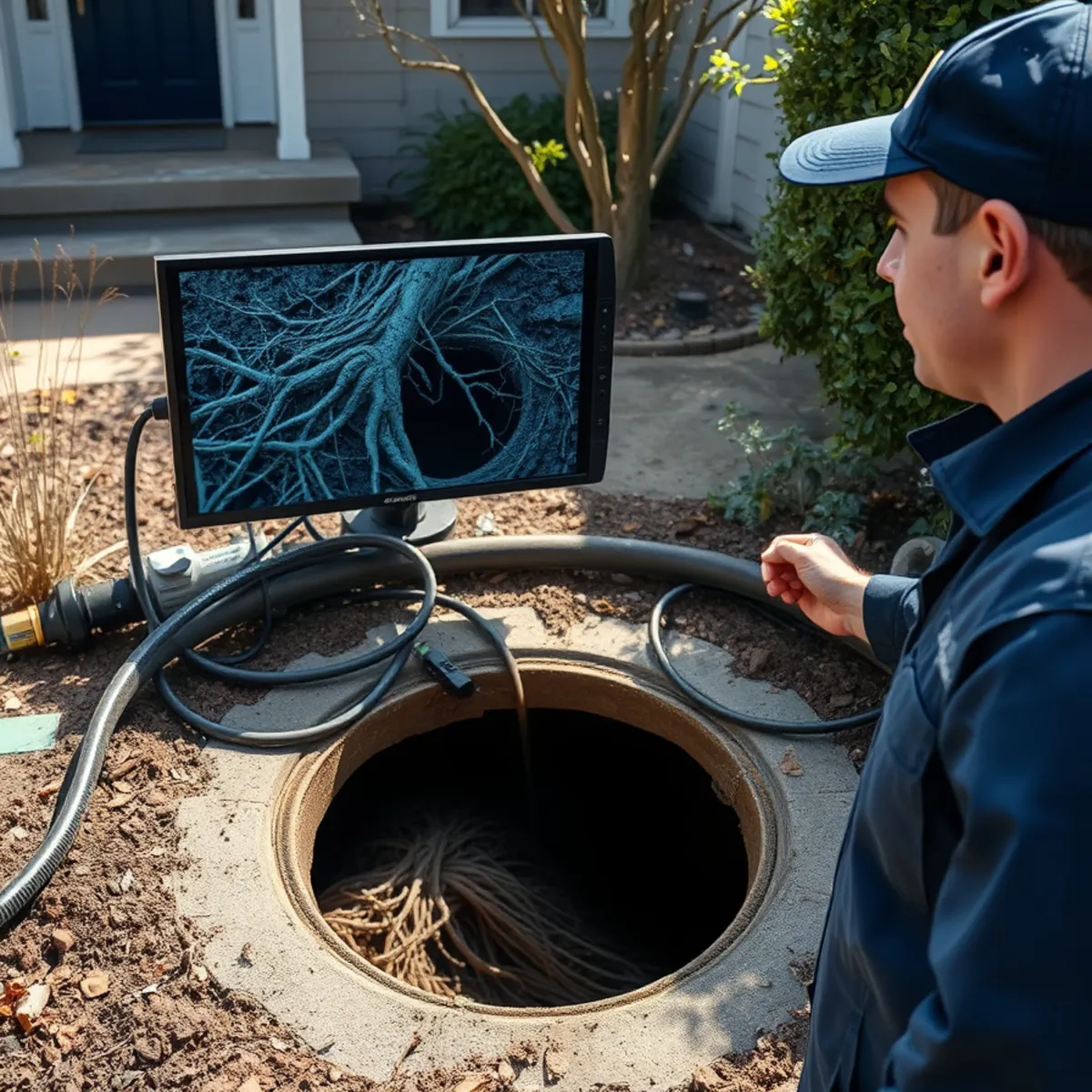 Berkeley Local
6 min read
Most Berkeley homeowners learn that the lateral is theirs on the worst possible day. Here is what to know before that day.
Read articleTypically 20–30 minutes up Claremont Avenue. A live local dispatcher answers day or night. Free inspection, written estimate, and we bill your insurance directly.