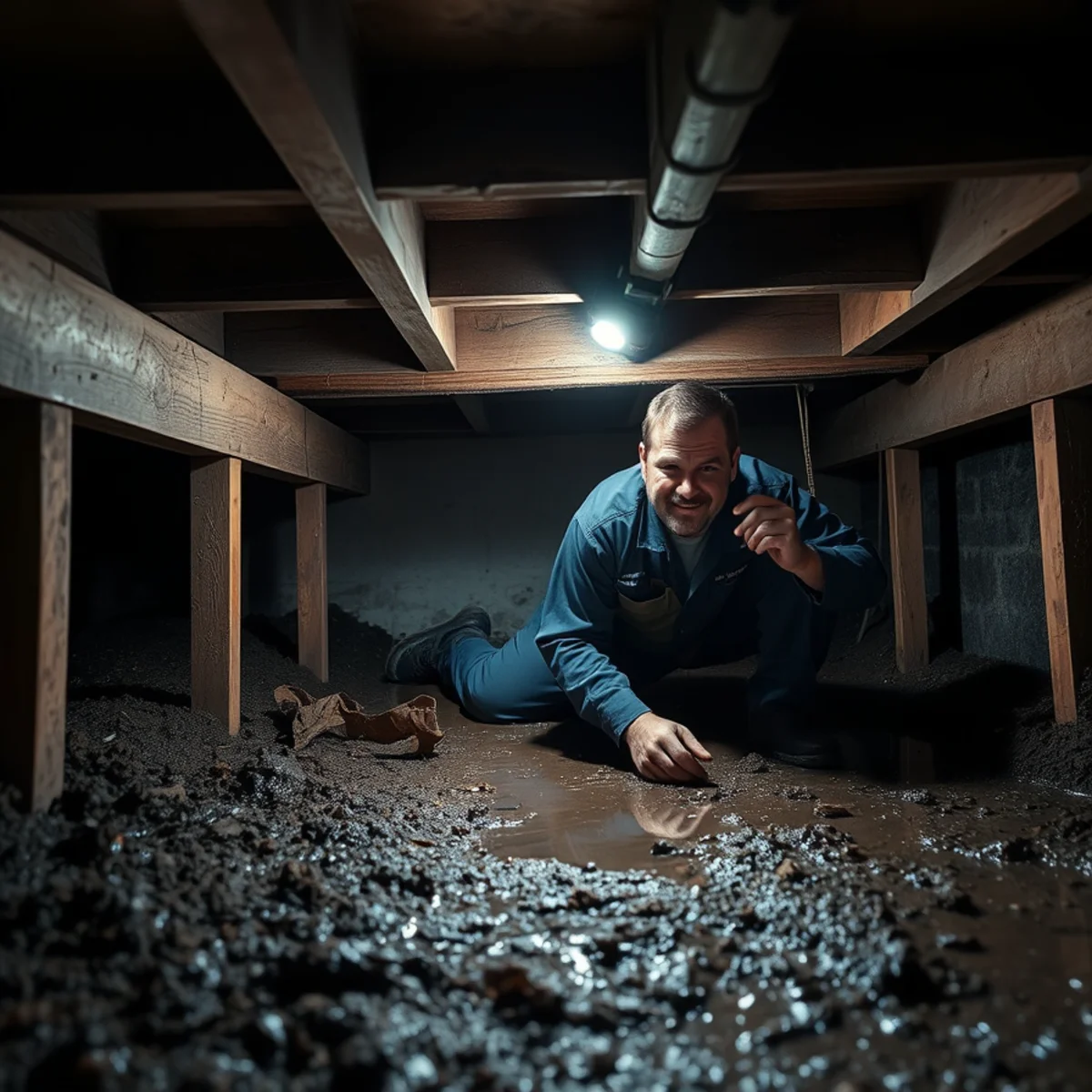
Crawl Space & Basement Water
The space nobody looks at, humidifying the whole house from below — pumped, dried, and sealed properly.
Learn more
24/7 Emergency
(201) 277-9344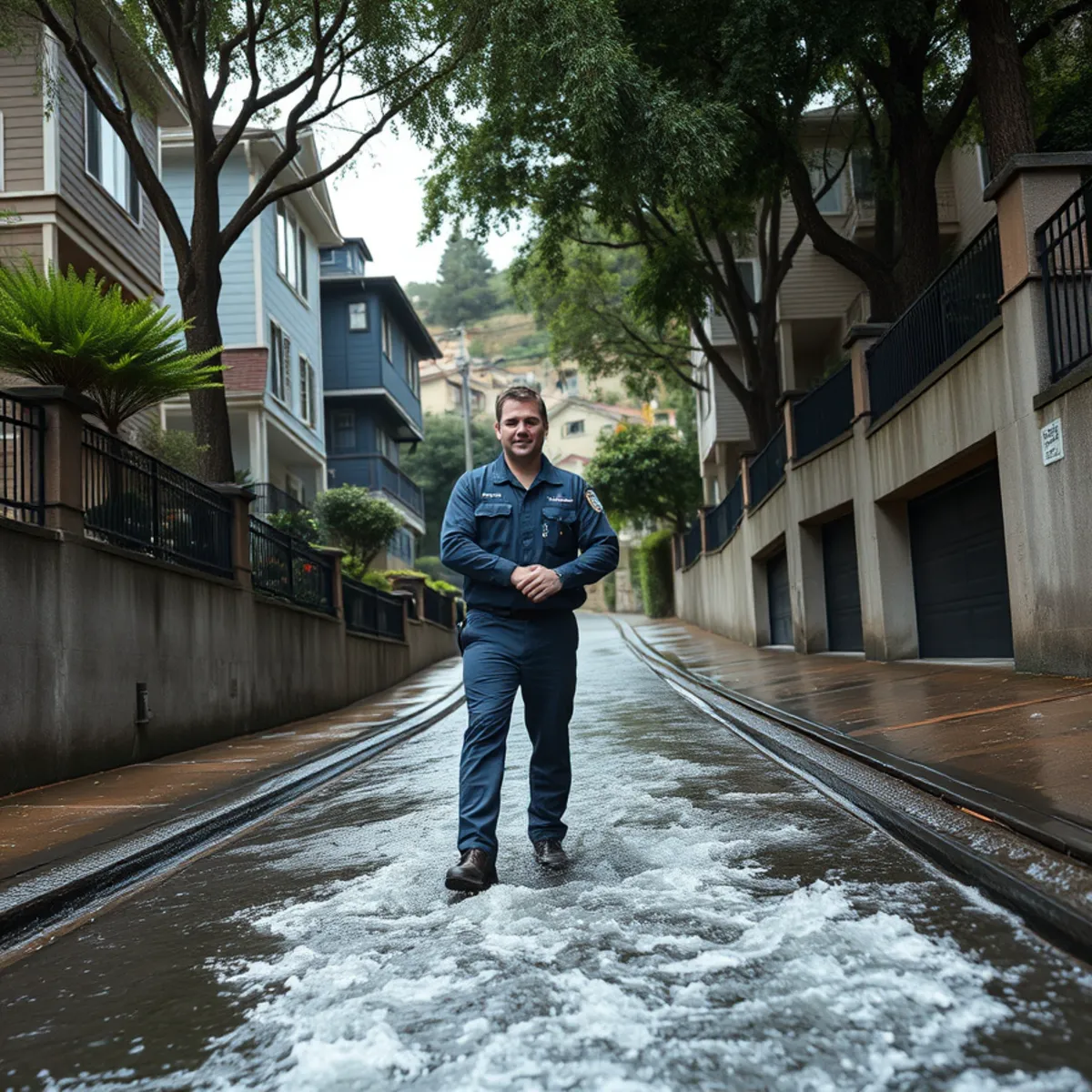
Berkeley Hills · 24/7 Emergency Service
Steep slopes, a lot of impervious surface, retaining walls of every vintage and quality, and a very large undeveloped catchment above in Tilden. When a serious atmospheric river arrives, that water moves fast and it concentrates. The flash flooding on Centennial Drive in November 2024 was this exact mechanism.
We are up in twenty to thirty-five minutes, and we plan for narrow streets and steep driveways on dispatch.
Hydrostatic pressure is the mechanism most homeowners have never heard of and most hillside houses experience. A house cut into a slope has an uphill wall holding back soil. When that soil saturates during a sustained storm it presses against the wall, and water finds a cold joint, a form-tie hole, or a hairline crack. Nothing is "leaking" in the plumbing sense — the water is being pushed through concrete.
Retaining wall drainage is the most-neglected system on a hillside property. A properly built wall has drain rock and perforated pipe behind it and weep holes through the face. Silt and roots block those over decades. Once the drainage stops working, the wall holds water instead of releasing it, and eventually so does the house behind it.
Surface runoff on steep streets moves at real velocity and concentrates at low points — the bottom of a driveway, the base of a stair run, a garage entry. A single blocked area drain redirects the whole flow into the structure.
Springs and seeps are genuinely common in the Berkeley Hills. Some properties have groundwater emerging on the site year-round in a wet year, which is a management problem rather than a repair.
The hills carry a mix: brown-shingle and Mediterranean homes from the 1910s and 1920s, a substantial body of houses rebuilt after the 1923 Berkeley fire, mid-century contemporaries, and modern custom homes.
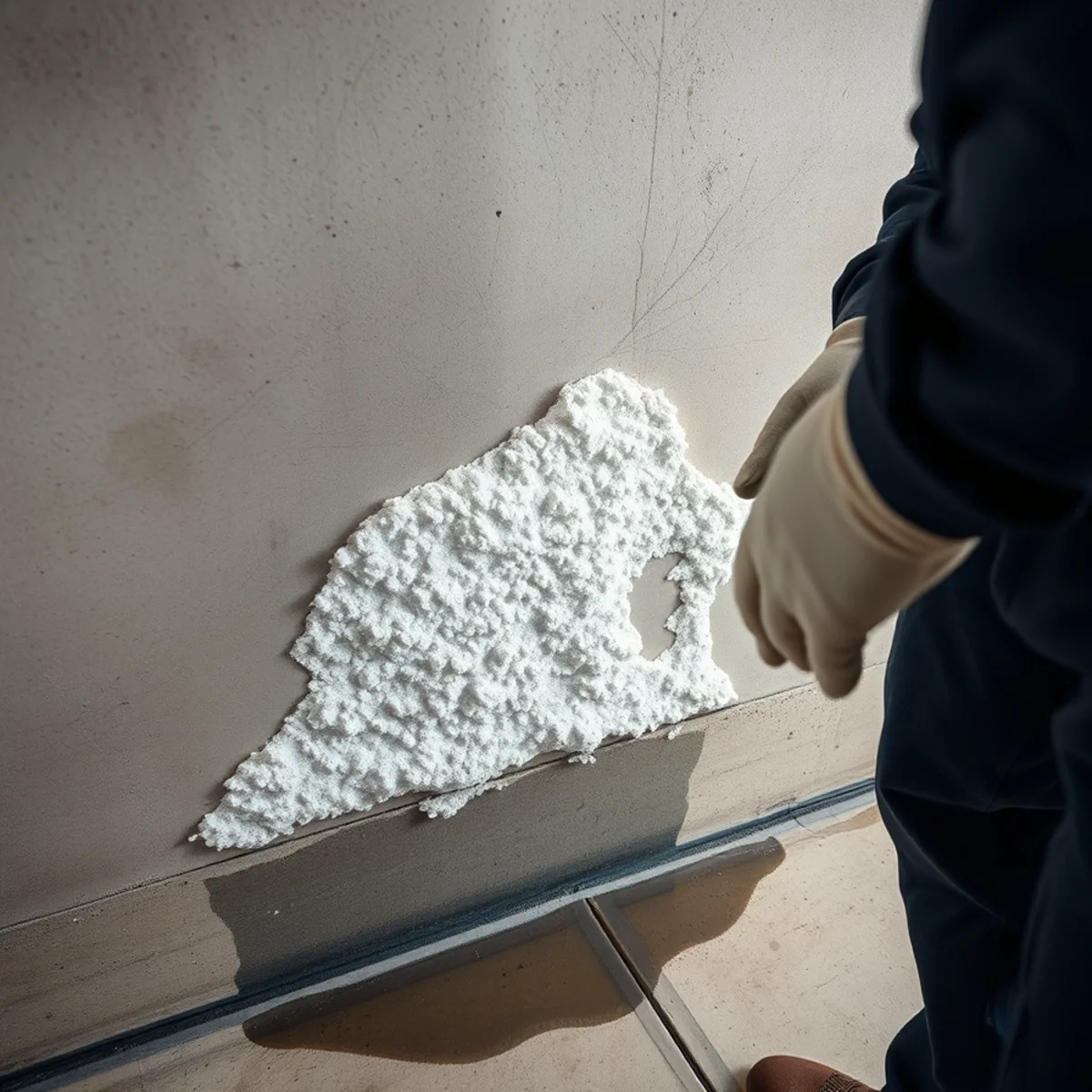
What they share is multi-level construction on a slope, which means most of them have at least one room with an earth-retaining wall, a tucked-under garage, or a stepped foundation. Those are the spaces we get called to. A finished downhill room with an uphill wall against soil is the most common location for a Berkeley Hills moisture problem, and efflorescence — that white crystalline crust on the concrete — is the early tell.
Access is a real operational factor. Narrow streets, tight switchbacks, and steep driveways mean we frequently stage portable equipment and run longer hose rather than getting a truck close. We plan for that before we roll rather than discovering it on arrival.
Almost every water problem in the hills arrives from outside the house rather than from a pipe inside it, and almost every access problem is about the street. Both need planning before a crew sets out.
Hillside water is a drainage problem
Uphill runoff and hydrostatic pressure through foundation walls and retaining structures. Drying without correcting the water path means repeating the job next winter.
We plan access before we leave
The lanes off Grizzly Peak and around Panoramic Hill defeat full-size equipment trucks. We know which streets need a smaller vehicle and extended hose runs, and we bring it first time.
Multi-level houses built into a slope
Water entering at an upper level travels through two or three floors before it appears. We map the whole vertical path rather than drying the room where it showed up.
Twenty to thirty-five minutes uphill
Straight up from Downtown, day or night, with a genuine ETA that accounts for the roads rather than the map distance.
Areas and landmarks we cover in and around Berkeley Hills:
Local Questions
Almost always work upslope rather than sealing the wall. Extend downspouts well away from the foundation, clear or add area drains, correct grading that directs surface water toward the house, and restore the drainage behind any retaining wall. Interior sealants applied to a wall under hydrostatic pressure fail — the water simply finds the next path.
Usually not. Groundwater and surface water are typically excluded as flood or maintenance. A sudden plumbing failure is covered. We tell you which one you have after the inspection, because it determines whether you are filing a claim or planning a drainage project.
Yes. Narrow streets and steep driveways are normal up here — we stage portable extraction and drying gear and run long hose where the truck has to stay on the street.
Almost always, and where the street will not allow a full-size truck we have a standard workaround. Several of the narrow lanes and steep single-track roads up here cannot take a truck-mounted unit, so we stage at the nearest safe point and run portable extraction with extended hose, then walk air movers and dehumidifiers in. It costs some labour time and changes nothing about the result. Tell us the street when you call and we will dispatch the right vehicle rather than discovering the problem in your driveway at midnight.
Often not, and the reason is mechanism rather than location. Standard California homeowners policies cover sudden and accidental discharge from a plumbing system, and exclude surface water, groundwater and hydrostatic pressure — which is exactly what most hills intrusion is. What is sometimes covered is the consequence: if saturated ground causes a sudden failure of a covered component, that part may qualify. This is precisely why we document cause so carefully from the first visit, with dated photographs, moisture mapping and a written narrative. On a disputed hills claim, that record is usually what the outcome turns on.
Services in Berkeley Hills
The space nobody looks at, humidifying the whole house from below — pumped, dried, and sealed properly.
Learn more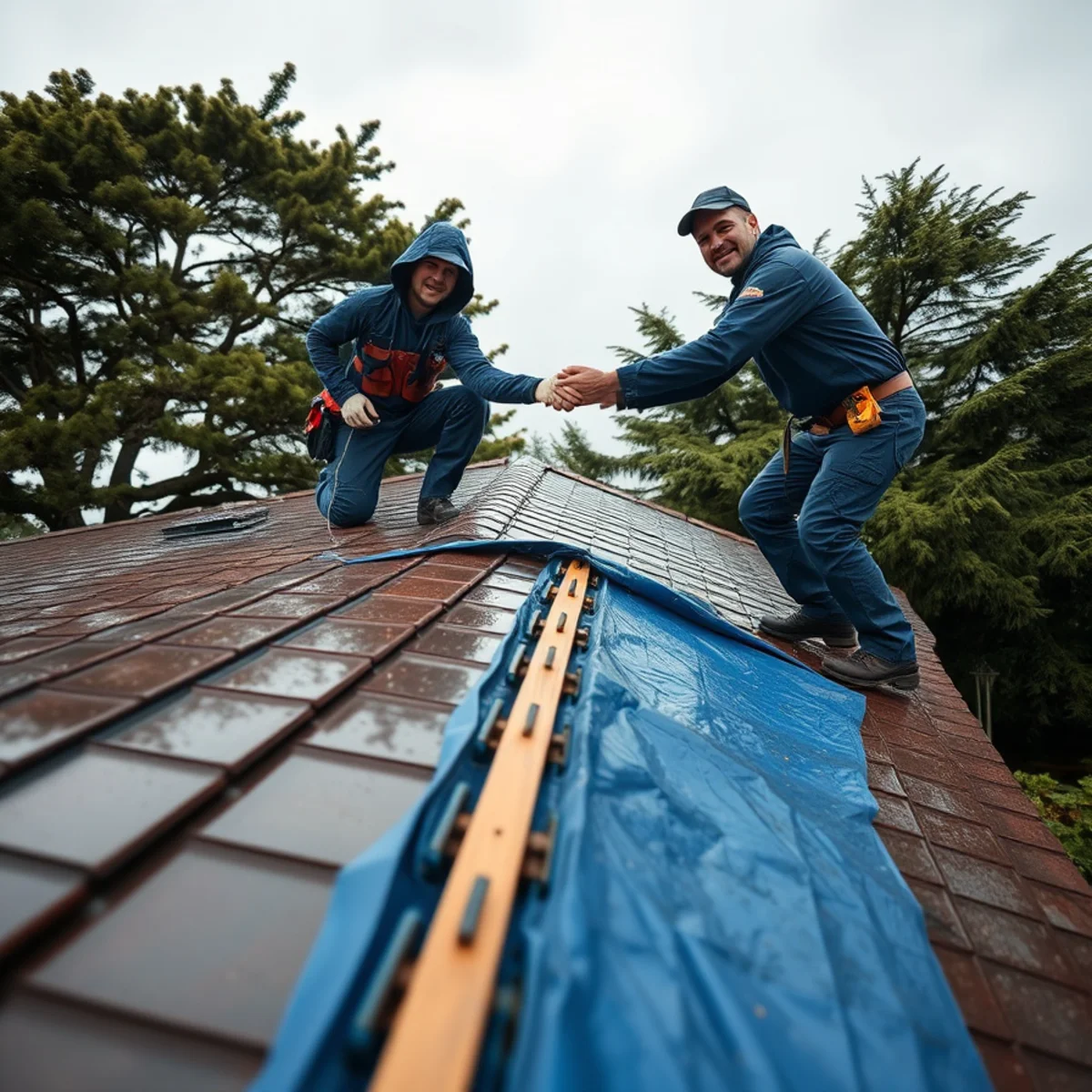
Emergency tarping and board-up the same night, then the full repair once the weather clears.
Learn more
Ground and storm water is contaminated by definition — we clean it to Category 3 protocol, not like a spilled bathtub.
Learn moreFind it, contain it, remove it — and fix the moisture source, or it comes straight back.
Learn moreMetered, documented drying to a real dry standard — not a fan in the corner and a guess about Thursday.
Learn moreEnd-to-end recovery from the first phone call to the final repaint — extraction, drying, sanitizing, and rebuild under one crew.
Learn moreWhat Neighbors Say
Sample content. These are illustrative examples, not customer reviews. Replace them with verified reviews from your Google Business Profile before launch — see src/data/testimonials.ts.
“A supply line let go in the upstairs bathroom of our 1920s place around midnight. Someone actually answered the phone, walked me to the shut-off in the dark, and had a crew here inside the hour. They saved the fir floors, which I had written off.”
“The crawl space had been wet for years and we had no idea. They found it, dried it, put in a vapor barrier, and explained exactly why our downspouts were the actual culprit. No upsell to anything we did not need.”
“Sewage backup in the downstairs unit during a storm. They set containment before touching anything, documented every step for the insurance company, and the claim went through without a single argument.”
Keep Exploring
Typically 15–25 minutes up Shattuck.
94709 · 94707
View areaTypically 15–25 minutes down College or Telegraph.
94705
View areaUsually 25–40 minutes, straight up from North Berkeley.
94707 · 94708
View area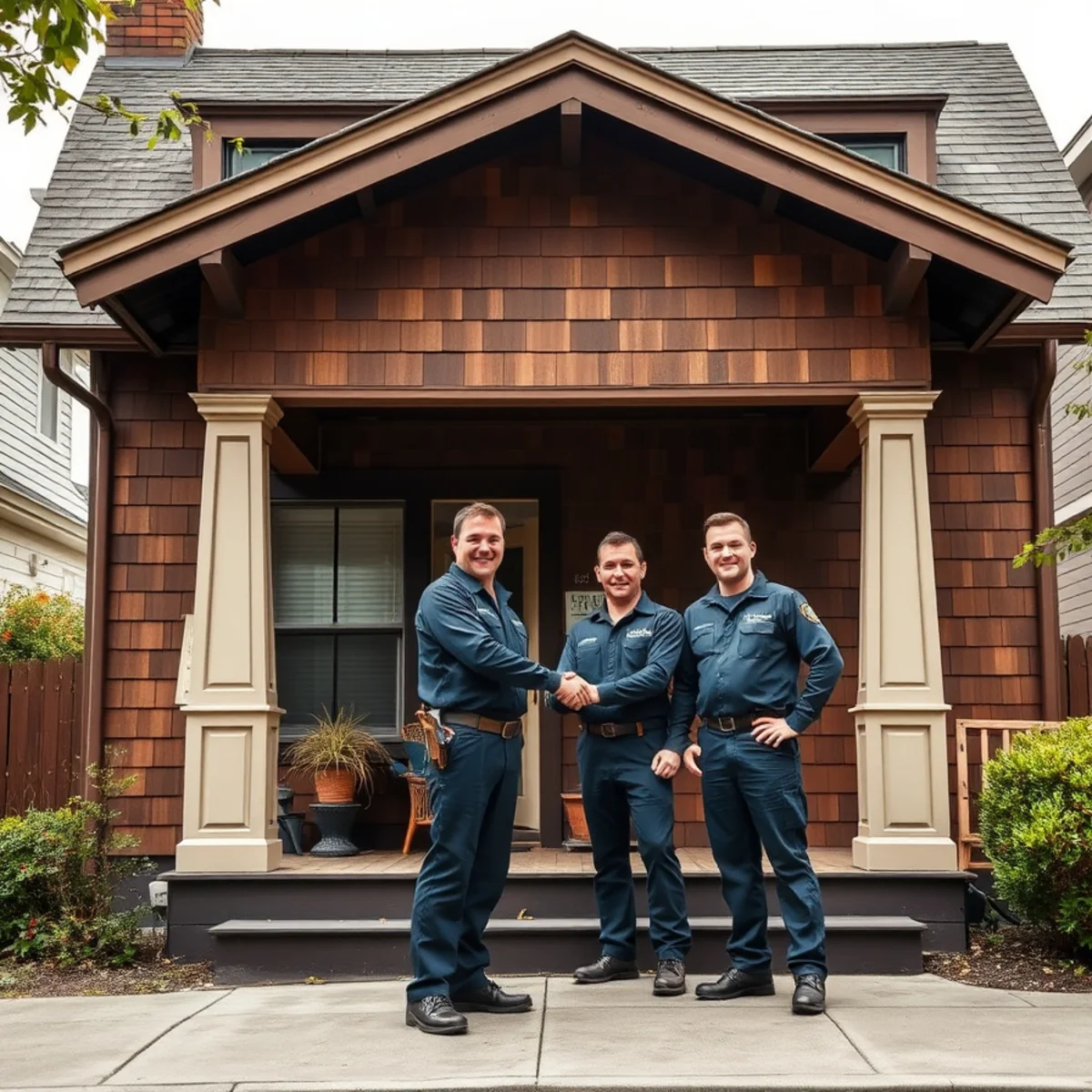 Berkeley Local
8 min read
A hundred-year-old house has a hundred-year-old plumbing system and a crawl space nobody has looked at. Both are fixable before they are urgent.
Read article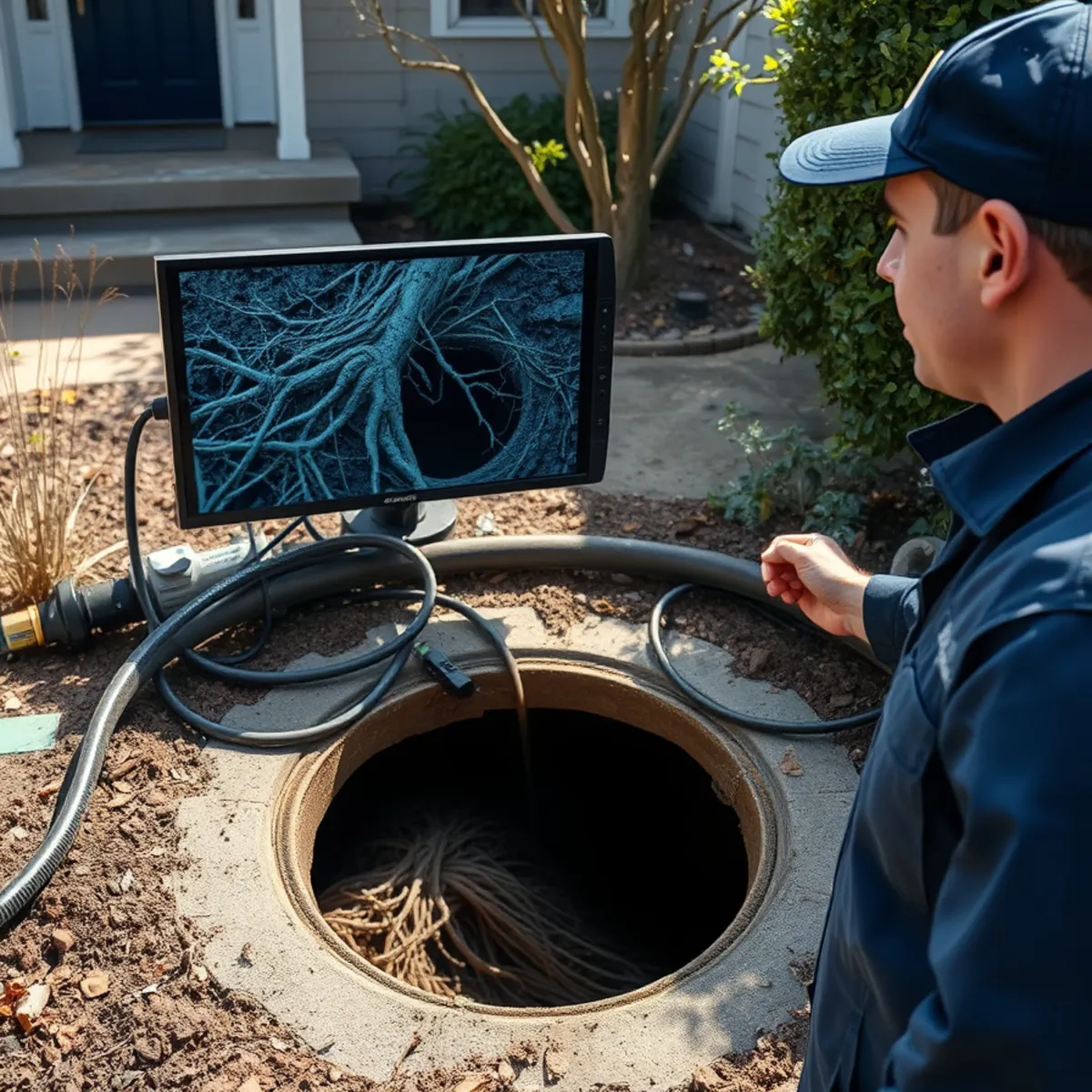 Berkeley Local
6 min read
Most Berkeley homeowners learn that the lateral is theirs on the worst possible day. Here is what to know before that day.
Read articleTypically 20–35 minutes up into the hills. A live local dispatcher answers day or night. Free inspection, written estimate, and we bill your insurance directly.