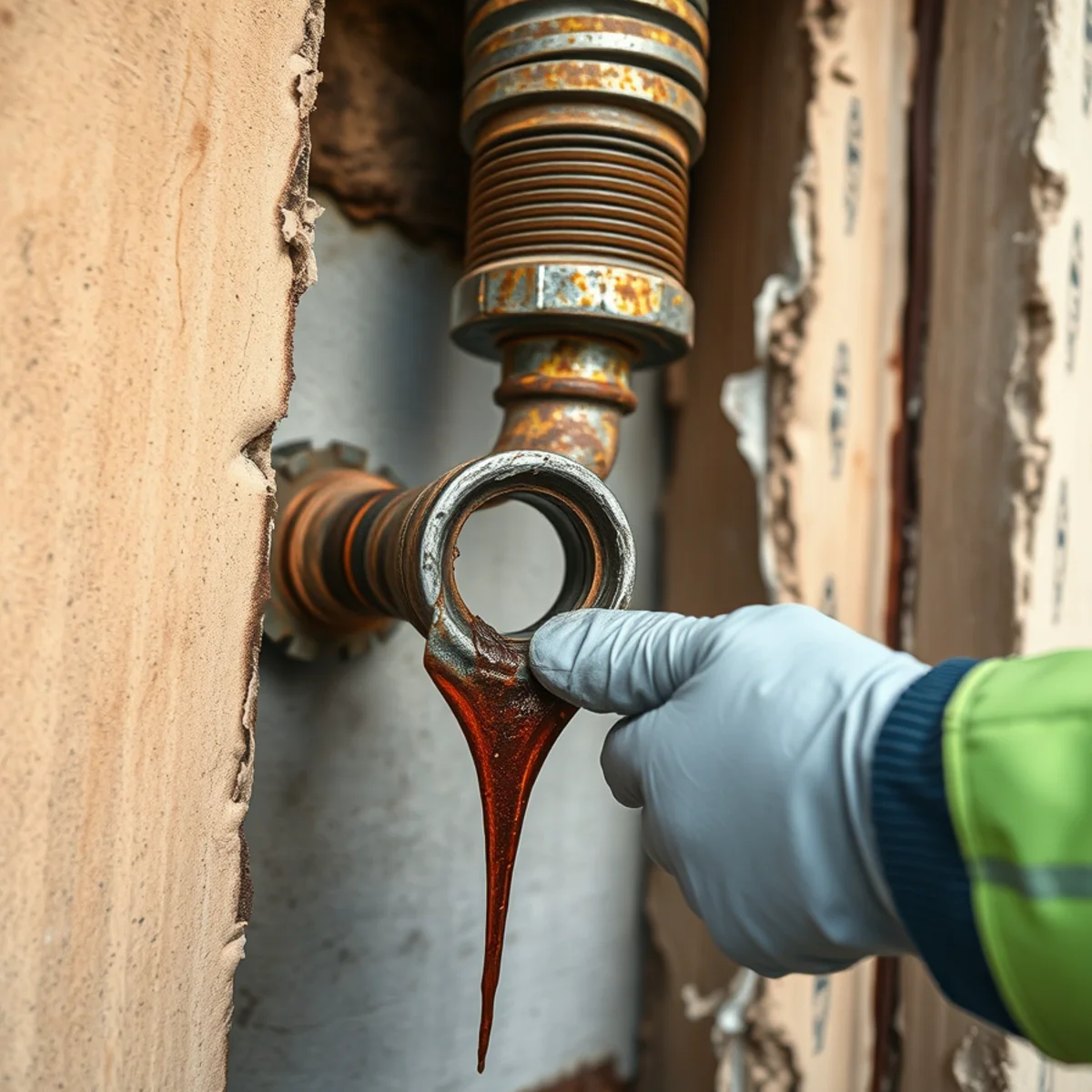
Burst Pipe Water Damage
The classic Berkeley failure — hundred-year-old galvanized pipe letting go behind a wall at 2 a.m.
Learn more
24/7 Emergency
(201) 277-9344
North Berkeley · 24/7 Emergency Service
We are up Shattuck in fifteen to twenty-five minutes, any hour.
The neighborhood also has an actual creek running through it. Codornices Creek is partly daylighted, partly culverted, and it does real work during a wet winter — which makes North Berkeley one of the few flat-ish parts of the city with a genuine surface water story.
The overwhelming majority of what we respond to in North Berkeley is supply line failure in original galvanized steel pipe. Houses built between 1905 and 1930 were plumbed in galvanized, it has a service life around fifty years, and a great deal of it here is now well past eighty. It corrodes internally, restricts flow, and eventually opens at a threaded joint — usually inside a wall, usually at night.
The tell is gradual: water pressure that has slowly gotten worse over years, and rusty water first thing in the morning. If both are true in a North Berkeley house, the plumbing is telling you what is coming.
Codornices Creek runs down from the hills through the north side of the neighborhood, daylighted in stretches near Live Oak Park and culverted elsewhere. During an atmospheric river the culverted sections run full, and low-lying properties along the alignment can take ground-level water.
Clay sewer laterals under mature street trees round out the picture. The oaks and liquidambars that make these blocks pleasant have been finding lateral joints for decades.
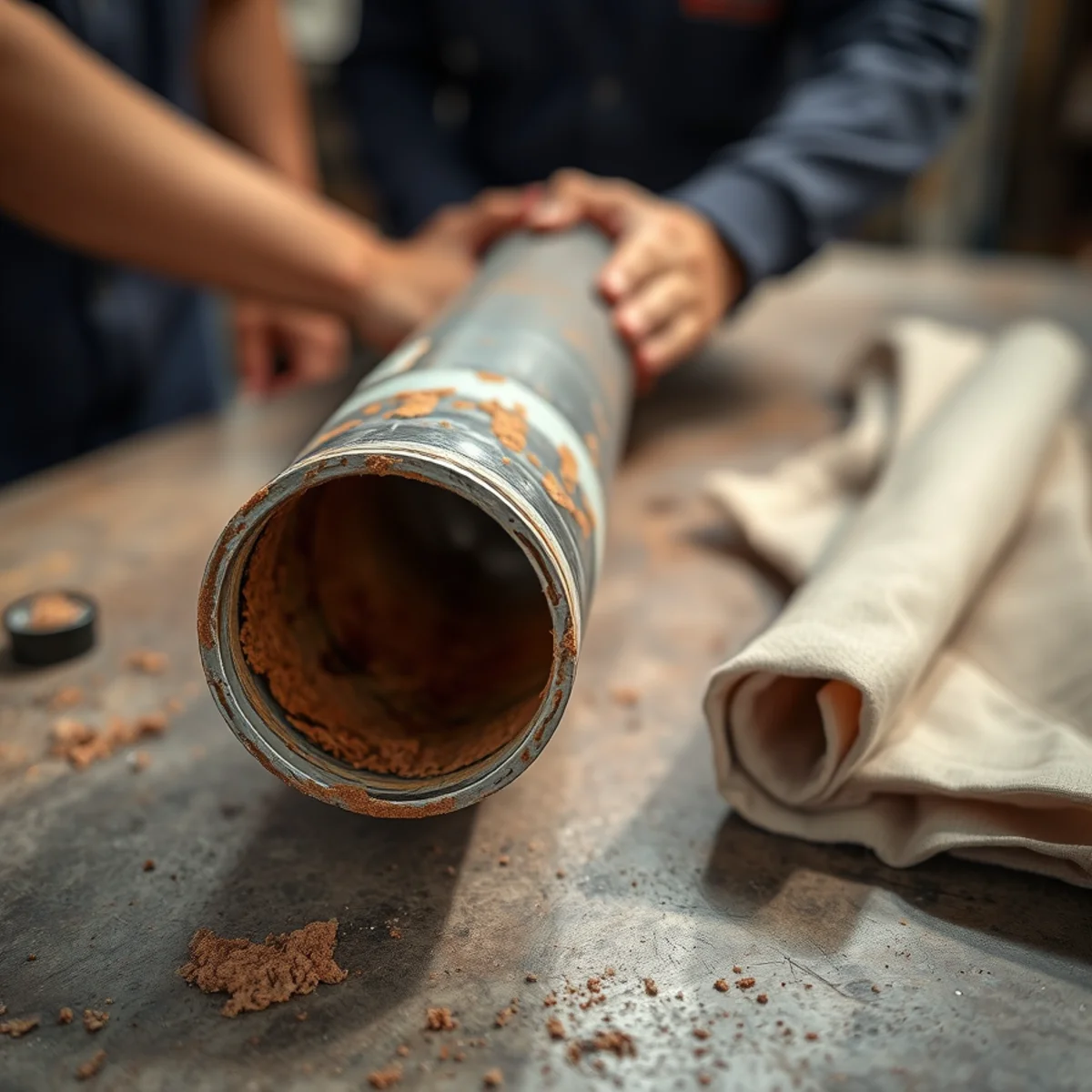
North Berkeley's housing is largely first-generation Berkeley: shingle-clad, deep-eaved, built by and for the university community in the decades around 1910. Many have original Douglas fir floors, three-coat plaster over wood lath, and built-in casework that is a genuine part of the house's value.
Those materials change how we work. Plaster gets dried from behind through a controlled access point rather than blasted at the face. Old-growth fir flooring is dense and slow to release moisture, and pushing it too hard produces checking and splits that were not part of the original loss. We lean on dehumidification, dry from the joist bays below where we can reach them, and let the floor acclimate for several weeks before deciding whether it needs sanding.
Vented crawl spaces over bare soil are near-universal here, and they are where most of the mold we remediate in this neighborhood originates — not from a dramatic leak, just from ground moisture evaporating into the structure every winter.
North Berkeley has one of the most consistent pre-war housing stocks in the city and a creek running through it, which makes the failures here unusually predictable once you know what you are looking at.
Galvanized pipe is the defining problem
The Craftsman and brown-shingle stock around North Shattuck and Vine Street is squarely in original supply-line territory. Falling pressure and rust-tinted water are the warning, and the wall behind an upstairs bathroom is where it usually ends.
Codornices Creek is closer than people think
The creek and its culverted sections influence groundwater and crawl-space moisture across a wider band of North Berkeley than the visible channel suggests.
Original finishes restored, not replaced
Plaster patched with plaster and matched for texture, trim milled to your existing profile, old-growth fir dried slowly enough that it does not cup or split.
Fifteen to twenty-five minutes up Shattuck
One of our shortest responses, at any hour, with the truck arriving loaded rather than coming back for equipment.
Areas and landmarks we cover in and around North Berkeley:
Local Questions
In a pre-1960 North Berkeley house, yes. Falling pressure is corrosion building up inside galvanized supply pipe and narrowing the bore. Add rusty water after the house sits overnight and you are looking at plumbing near the end of its life. It is worth getting ahead of rather than waiting for the joint that lets go.
Yes. Plaster patched with plaster keyed into existing lath, texture hand-matched and sampled on a board for your approval, and trim milled to match a section of your original profile. On a 1912 brown-shingle, a drywall patch is a permanent reminder of the loss.
If you are seeing the warning signs, yes — and the signs are specific. Steadily falling water pressure over years, rust-coloured water after the house has sat unused, and visible corrosion at exposed threaded joints all indicate galvanized pipe corroding from the inside out. A full repipe on a typical North Berkeley Craftsman is disruptive but planned, and it happens on your schedule with the walls opened deliberately. The alternative is the same walls opened at 3 a.m. by us, plus drying, plus mold risk, plus a claim. Where budget is the constraint, repiping the upstairs bathroom supply runs first addresses the highest-consequence failure.
Yes, and it is one of the main reasons people here call us rather than a general contractor. Plaster gets patched with plaster and matched for texture rather than filled with drywall and skimmed, which never quite reads correctly under raking light. Trim is milled to your existing profile rather than approximated from a lumberyard stock pattern. Fir flooring is woven in and then sanded and finished as one field so there is no visible boundary at the repair. It takes longer than replacement and on a house of this period it is almost always cheaper than reproducing what was lost.
Services in North Berkeley
The classic Berkeley failure — hundred-year-old galvanized pipe letting go behind a wall at 2 a.m.
Learn more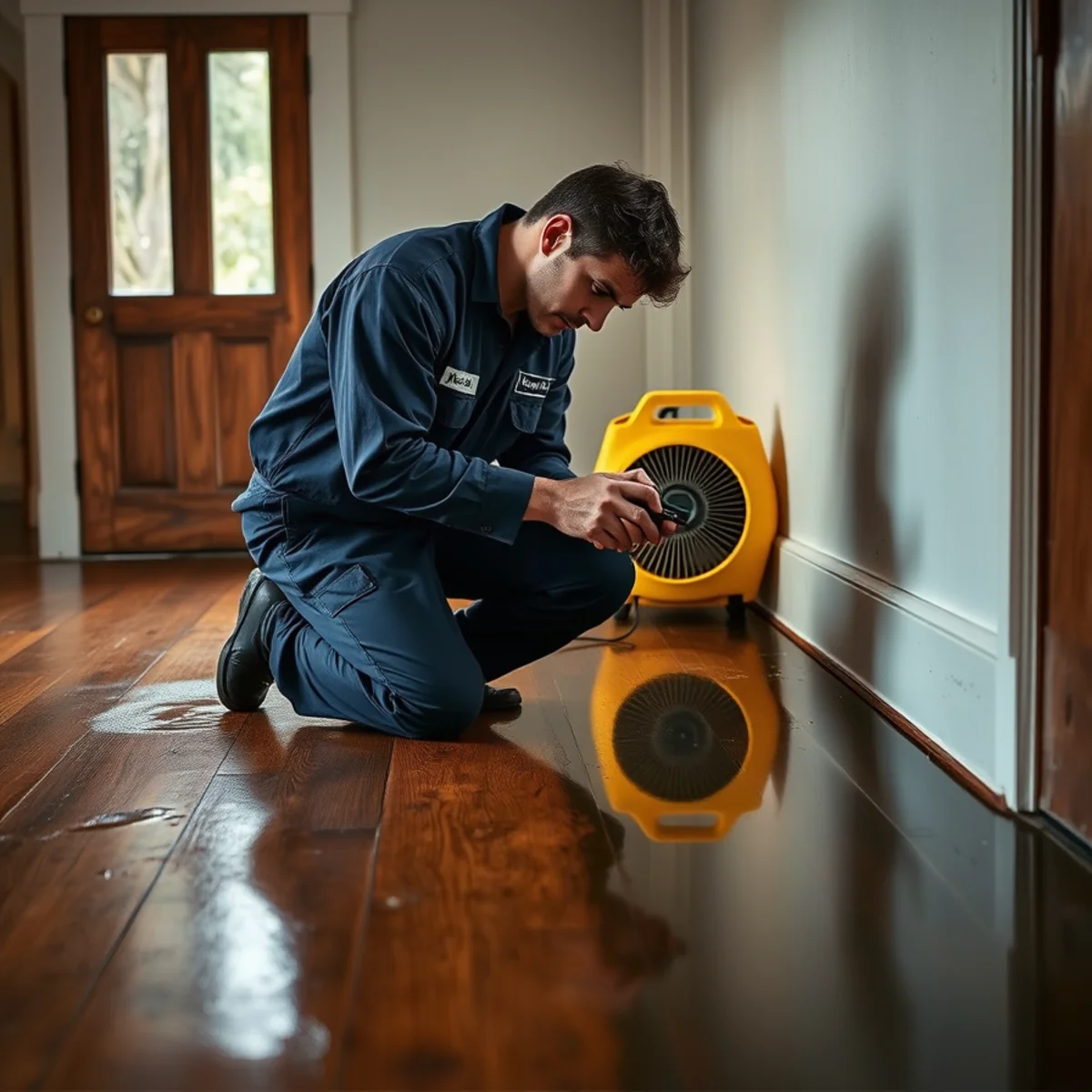
End-to-end recovery from the first phone call to the final repaint — extraction, drying, sanitizing, and rebuild under one crew.
Learn more
The build-back — floors, ceilings, plaster and trim put right, matched to what was there before.
Learn moreFind it, contain it, remove it — and fix the moisture source, or it comes straight back.
Learn moreThe space nobody looks at, humidifying the whole house from below — pumped, dried, and sealed properly.
Learn moreA live local dispatcher every hour of the year, and a crew at your door in 60–90 minutes anywhere in Berkeley.
Learn moreWhat Neighbors Say
Sample content. These are illustrative examples, not customer reviews. Replace them with verified reviews from your Google Business Profile before launch — see src/data/testimonials.ts.
“A supply line let go in the upstairs bathroom of our 1920s place around midnight. Someone actually answered the phone, walked me to the shut-off in the dark, and had a crew here inside the hour. They saved the fir floors, which I had written off.”
“The crawl space had been wet for years and we had no idea. They found it, dried it, put in a vapor barrier, and explained exactly why our downspouts were the actual culprit. No upsell to anything we did not need.”
“Sewage backup in the downstairs unit during a storm. They set containment before touching anything, documented every step for the insurance company, and the claim went through without a single argument.”
Keep Exploring
Typically 18–28 minutes up Sacramento or The Alameda.
94707 · 94706
View areaTypically 20–30 minutes up Solano or The Alameda.
94707 · 94706
View areaTypically 20–35 minutes up into the hills.
94708 · 94705 · 94709
View area Berkeley Local
8 min read
A hundred-year-old house has a hundred-year-old plumbing system and a crawl space nobody has looked at. Both are fixable before they are urgent.
Read article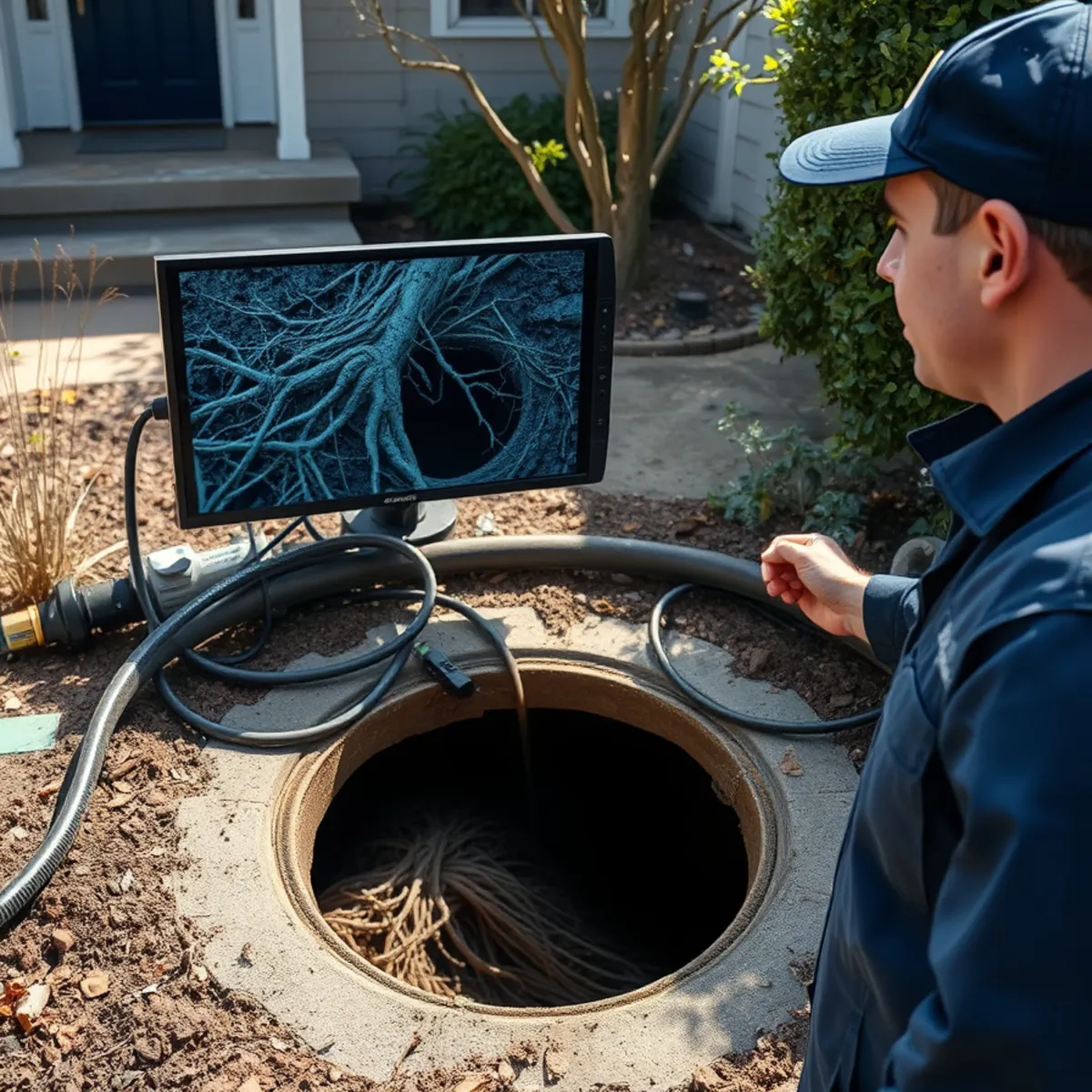 Berkeley Local
6 min read
Most Berkeley homeowners learn that the lateral is theirs on the worst possible day. Here is what to know before that day.
Read articleTypically 15–25 minutes up Shattuck. A live local dispatcher answers day or night. Free inspection, written estimate, and we bill your insurance directly.