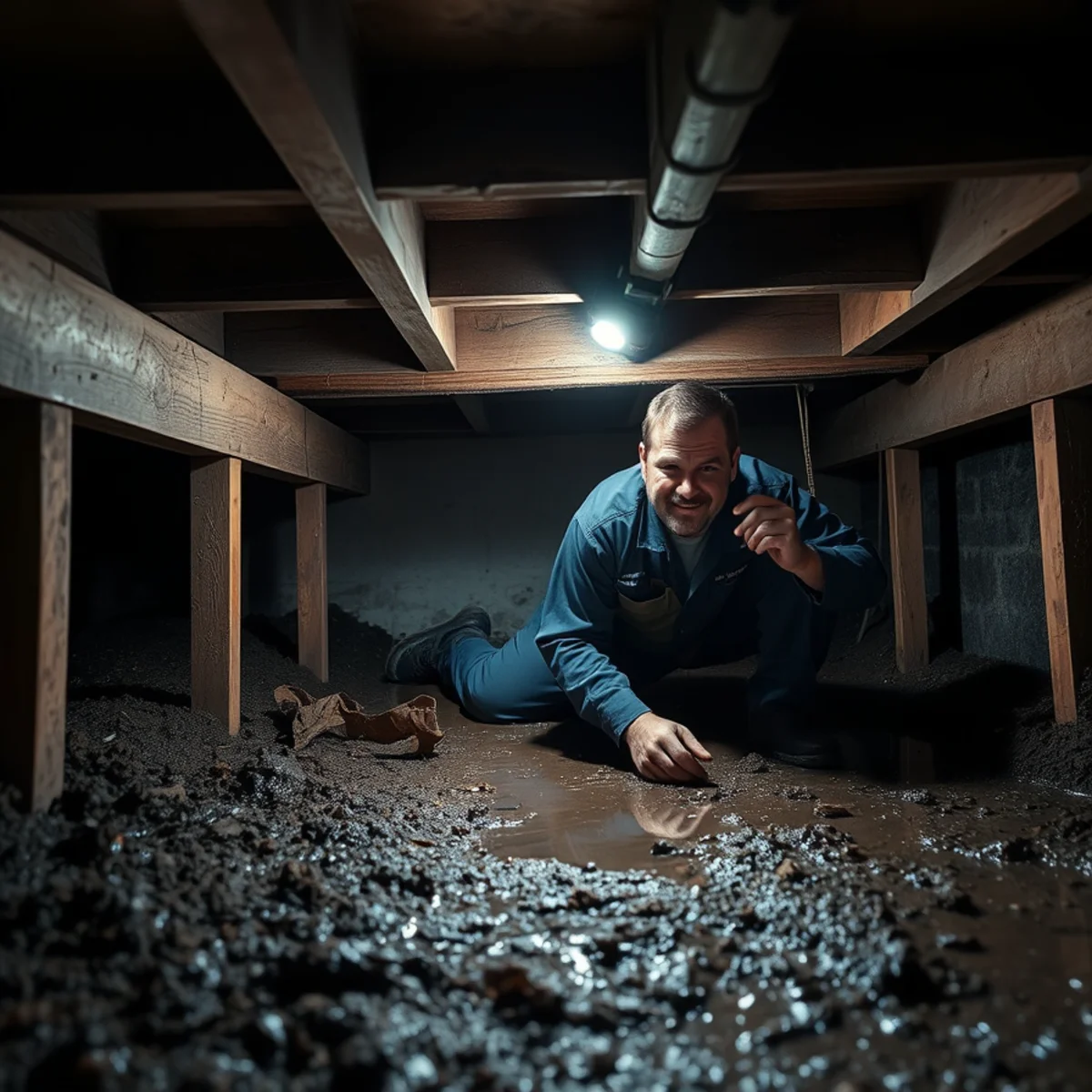
Crawl Space & Basement Water
The space nobody looks at, humidifying the whole house from below — pumped, dried, and sealed properly.
Learn more
24/7 Emergency
(201) 277-9344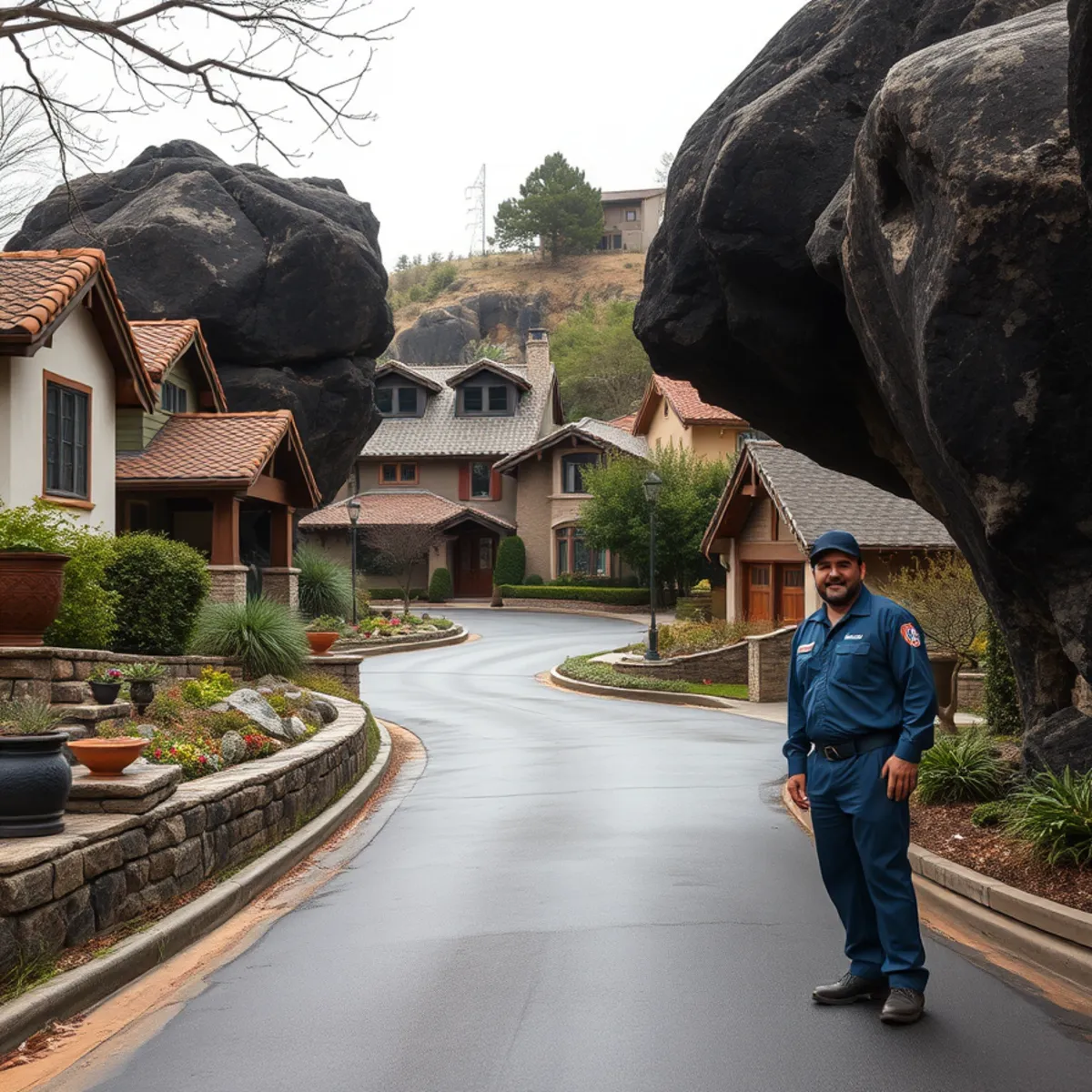
Thousand Oaks & Solano Avenue · 24/7 Emergency Service
That geology is genuinely relevant to water. Rock outcrops change how water moves across a site, and a lot of these houses have foundations that step, wrap, or key directly into stone.
We are up Solano or The Alameda in twenty to thirty minutes.
The rock outcroppings are effectively impermeable. Rain that falls on them does not soak in — it runs off, and it concentrates wherever the rock directs it. On several streets here that means a substantial flow arriving at a specific point on a specific property every time it rains hard.
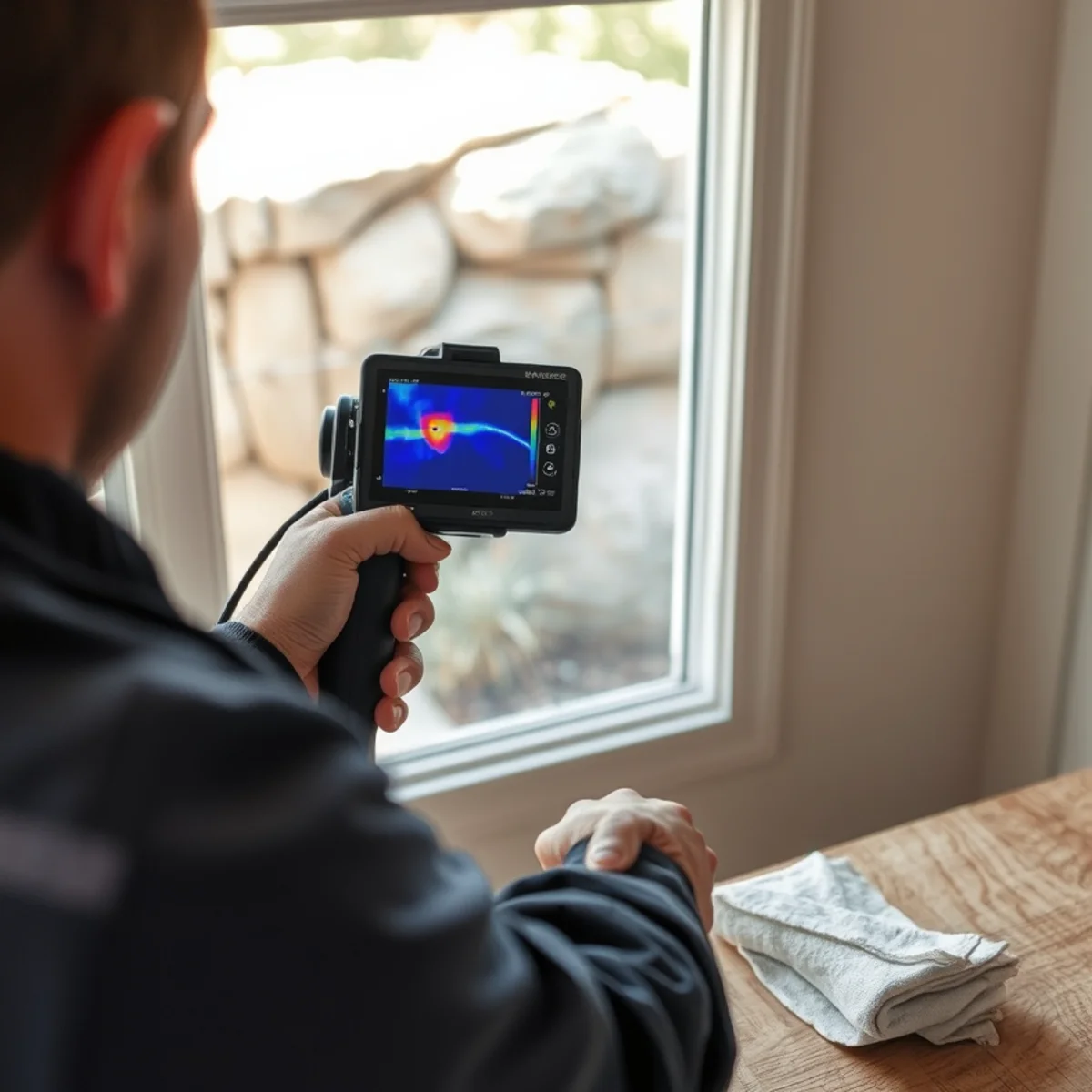
Foundations that key into rock also create irregular drainage paths. Water travels along the rock-soil interface and can emerge somewhere well away from where it entered the site, which makes source diagnosis on these properties genuinely harder than usual. Thermal imaging earns its keep here.
The neighborhood also has real slope, sitting on the transition between the North Berkeley flats and the hills. Surface runoff, retaining walls, and area drains all matter the way they do further up.
Galvanized supply pipe is the plumbing constant, same as the rest of pre-war Berkeley.
Thousand Oaks developed mostly in the 1920s and 1930s, with a strong showing of Mediterranean, Tudor Revival, Storybook, and brown-shingle homes — many of them by architects working with the rock and the slope rather than against them.
The result is a lot of irregular, multi-level construction: split levels, rooms tucked behind stone, stepped foundations, and stairs connecting parts of a house that are on different levels for topographic rather than architectural reasons. Water that gets into one of these houses takes an unusual route through it.
The materials are period Berkeley: plaster over lath, old-growth fir and oak flooring, and original millwork worth matching rather than replacing. Same patient drying approach as Elmwood and North Berkeley — more dehumidification, less brute-force airflow, and time for flooring to acclimate before anyone reaches for a sander.
The rock outcrops that give this neighbourhood its character also make it one of the harder places in Berkeley to work out where water is actually coming from.
Rock redirects water underground
Around Indian Rock and Mortar Rock, subsurface stone diverts groundwater along paths that bear no relation to the surface slope. Water frequently appears a long way from where it entered.
We trace it rather than guess
Thermal imaging, meters and a proper look at grade and discharge before anything is opened, because on these lots the obvious explanation is often the wrong one.
Period homes on difficult sites
The 1920s Storybook and Tudor stock here has distinctive plaster, tile and trim work that has to be matched rather than approximated.
Twenty to thirty minutes up Solano or The Alameda
A straightforward run at any hour, with equipment planned for the narrower upper streets.
Areas and landmarks we cover in and around Thousand Oaks & Solano Avenue:
Local Questions
It is more common in Thousand Oaks than almost anywhere else in Berkeley. Rock outcrops and stepped foundations mean water travels along the rock-soil interface and emerges well away from its entry point. We map with a thermal camera and moisture meters before opening anything, precisely because guessing on these houses is expensive.
Yes. Plaster patched in kind and keyed into existing lath, texture hand-matched and sampled for your approval, and millwork milled from a section of your original profile. These houses have too much character to patch with stock material.
It is more common in this neighbourhood than almost anywhere else in Berkeley, and the rock is why. The outcrops around Indian Rock and Mortar Rock continue underground, and subsurface stone channels groundwater along seams that have nothing to do with the visible slope of your lot. Water can enter uphill of a neighbour’s property and surface in your crawl space. Because it follows rainfall rather than water use your meter looks normal, which is what makes it feel mysterious. Tracing it means looking at grade, discharge and seasonality together rather than hunting for a leak that is not there.
Yes, and these houses need it more than most. The period stock here carries textured plaster with deliberate irregularity, arched openings, decorative tile and trim profiles that were never standard. A flat drywall patch or a stock moulding reads as wrong immediately, particularly under raking light. We patch plaster with plaster and match the original texture by hand, mill trim to your existing profile, and where tile is involved we will source or salvage rather than substitute something approximate. It is slower than replacement and it is the difference between a repair you cannot find and one you always notice.
Services in Thousand Oaks & Solano Avenue
The space nobody looks at, humidifying the whole house from below — pumped, dried, and sealed properly.
Learn more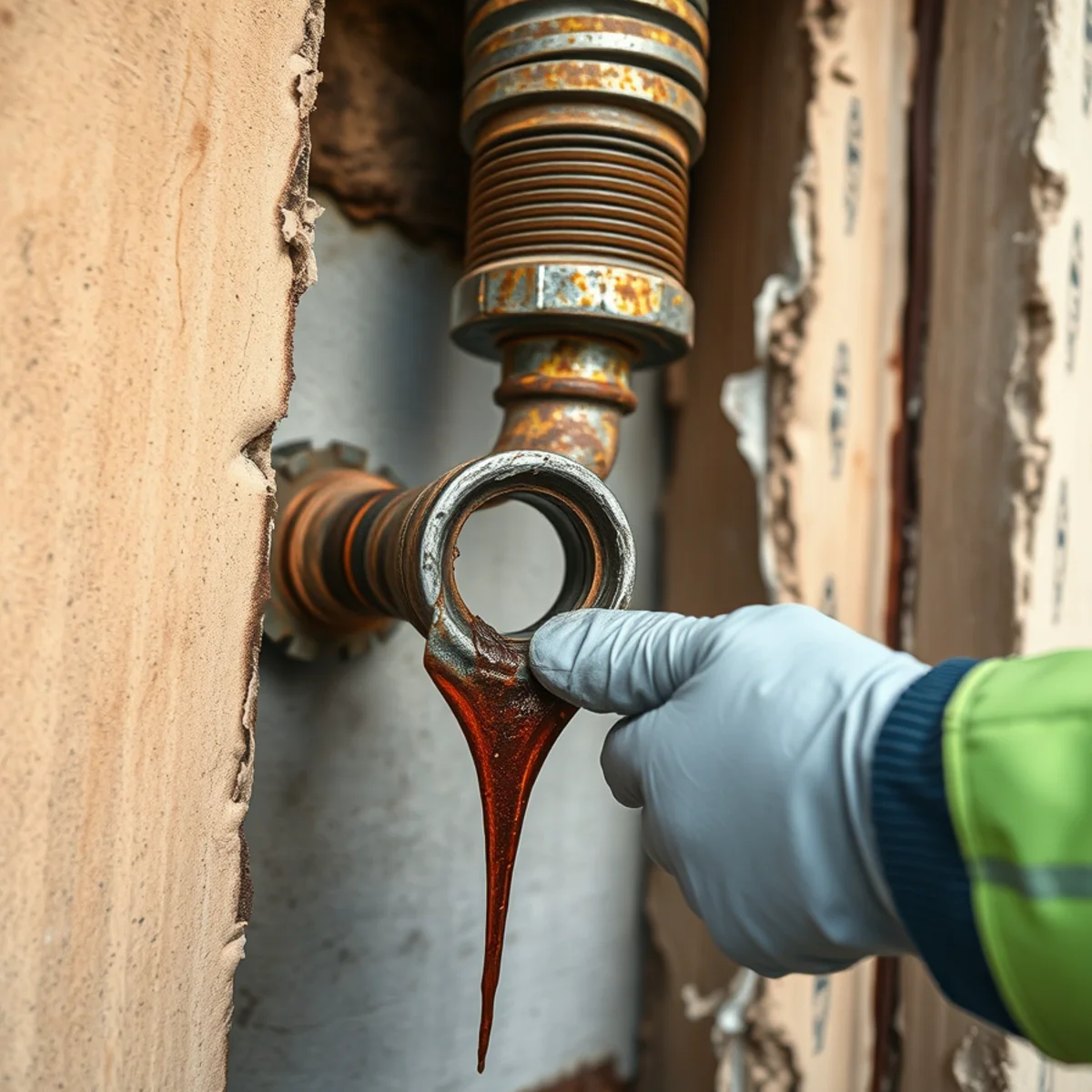
The classic Berkeley failure — hundred-year-old galvanized pipe letting go behind a wall at 2 a.m.
Learn more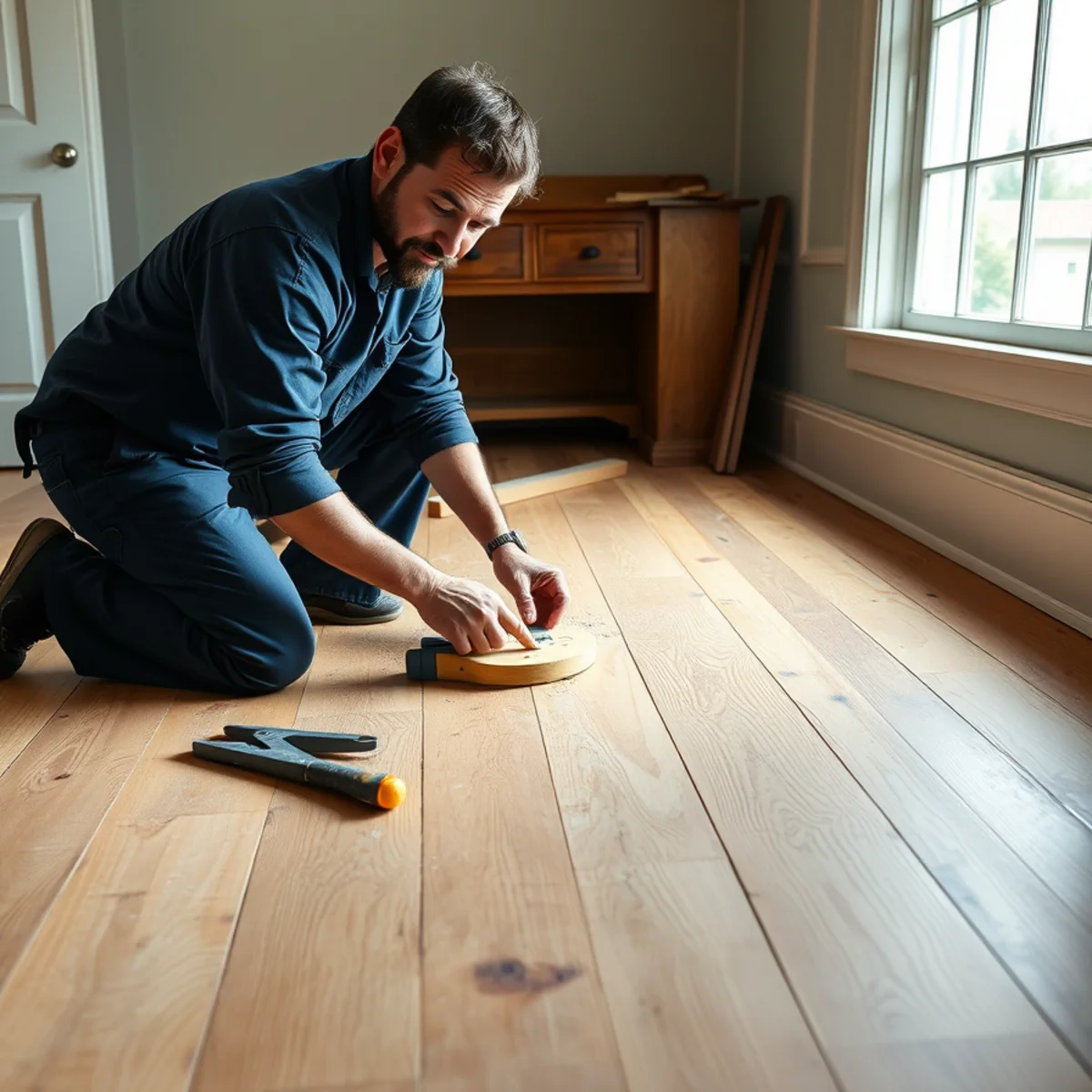
The build-back — floors, ceilings, plaster and trim put right, matched to what was there before.
Learn moreEmergency tarping and board-up the same night, then the full repair once the weather clears.
Learn moreFind it, contain it, remove it — and fix the moisture source, or it comes straight back.
Learn moreEnd-to-end recovery from the first phone call to the final repaint — extraction, drying, sanitizing, and rebuild under one crew.
Learn moreWhat Neighbors Say
Sample content. These are illustrative examples, not customer reviews. Replace them with verified reviews from your Google Business Profile before launch — see src/data/testimonials.ts.
“A supply line let go in the upstairs bathroom of our 1920s place around midnight. Someone actually answered the phone, walked me to the shut-off in the dark, and had a crew here inside the hour. They saved the fir floors, which I had written off.”
“The crawl space had been wet for years and we had no idea. They found it, dried it, put in a vapor barrier, and explained exactly why our downspouts were the actual culprit. No upsell to anything we did not need.”
“Sewage backup in the downstairs unit during a storm. They set containment before touching anything, documented every step for the insurance company, and the claim went through without a single argument.”
Keep Exploring
Typically 15–25 minutes up Shattuck.
94709 · 94707
View areaTypically 18–28 minutes up Sacramento or The Alameda.
94707 · 94706
View areaUsually 25–40 minutes, straight up from North Berkeley.
94707 · 94708
View area Berkeley Local
8 min read
A hundred-year-old house has a hundred-year-old plumbing system and a crawl space nobody has looked at. Both are fixable before they are urgent.
Read article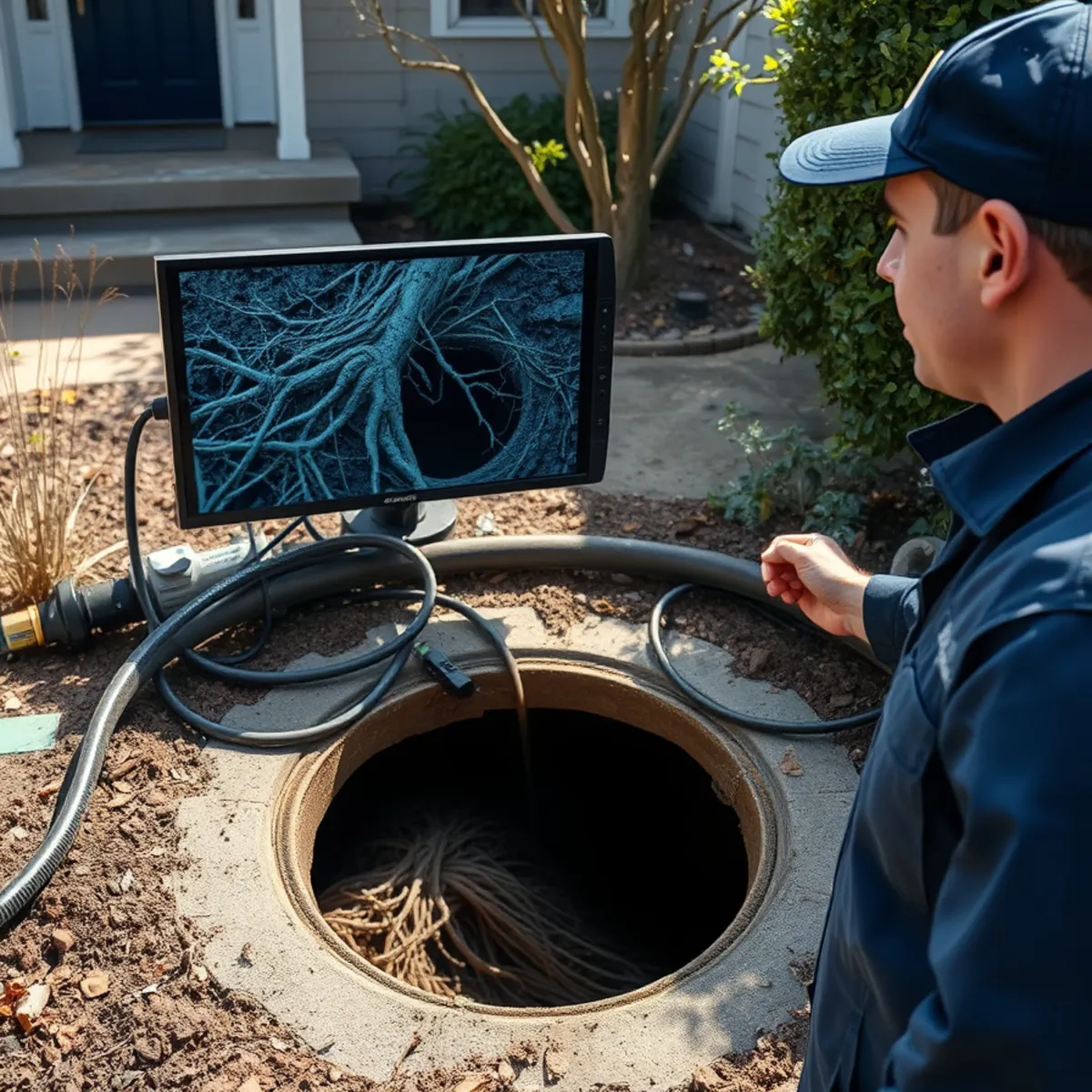 Berkeley Local
6 min read
Most Berkeley homeowners learn that the lateral is theirs on the worst possible day. Here is what to know before that day.
Read articleTypically 20–30 minutes up Solano or The Alameda. A live local dispatcher answers day or night. Free inspection, written estimate, and we bill your insurance directly.