Fire & Smoke Damage
Soot, odor, and the thousands of gallons the fire department left behind — handled together, in the right order.
Learn more
24/7 Emergency
(201) 277-9344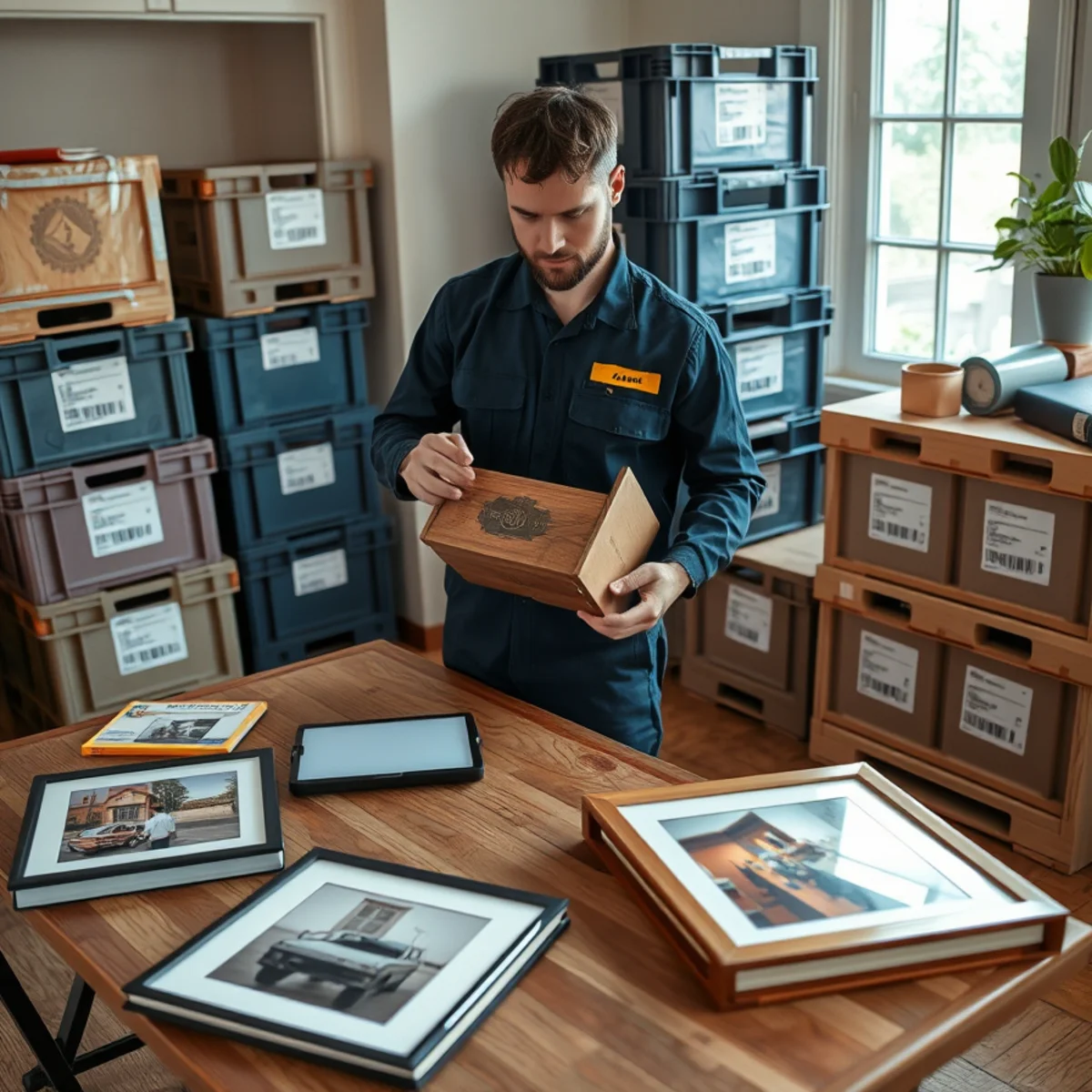
24/7 Emergency Service
Contents restoration is the part of the job that deals with everything that is not the building. We inventory it, decide item by item what can be saved, take the salvageable material off-site for specialized cleaning, store it while your property is repaired, and bring it back.
Two things drive the outcome: speed, and knowing which specialized process a given material needs. Paper that is freeze-stabilized within 48 hours has a genuinely good chance. The same paper air-dried on a table is usually gone.
Warning Signs
Belongings in an active work zone get damaged, dusty, and in the way. Moving them out speeds the repair and protects them.
Contaminated items need decontamination in a controlled environment, not a wipe-down in the room they were in.
Clothing, upholstery, and drapery need textile processing and deodorization chambers. That does not happen on-site.
The most time-critical category by a wide margin. Freeze stabilization has to happen within about 48 hours.
Corrosion continues after the device dries. Professional cleaning within days is what determines whether it survives.
A room full of furniture cannot be dried effectively. Air has to reach the floor and the walls.
How It Works
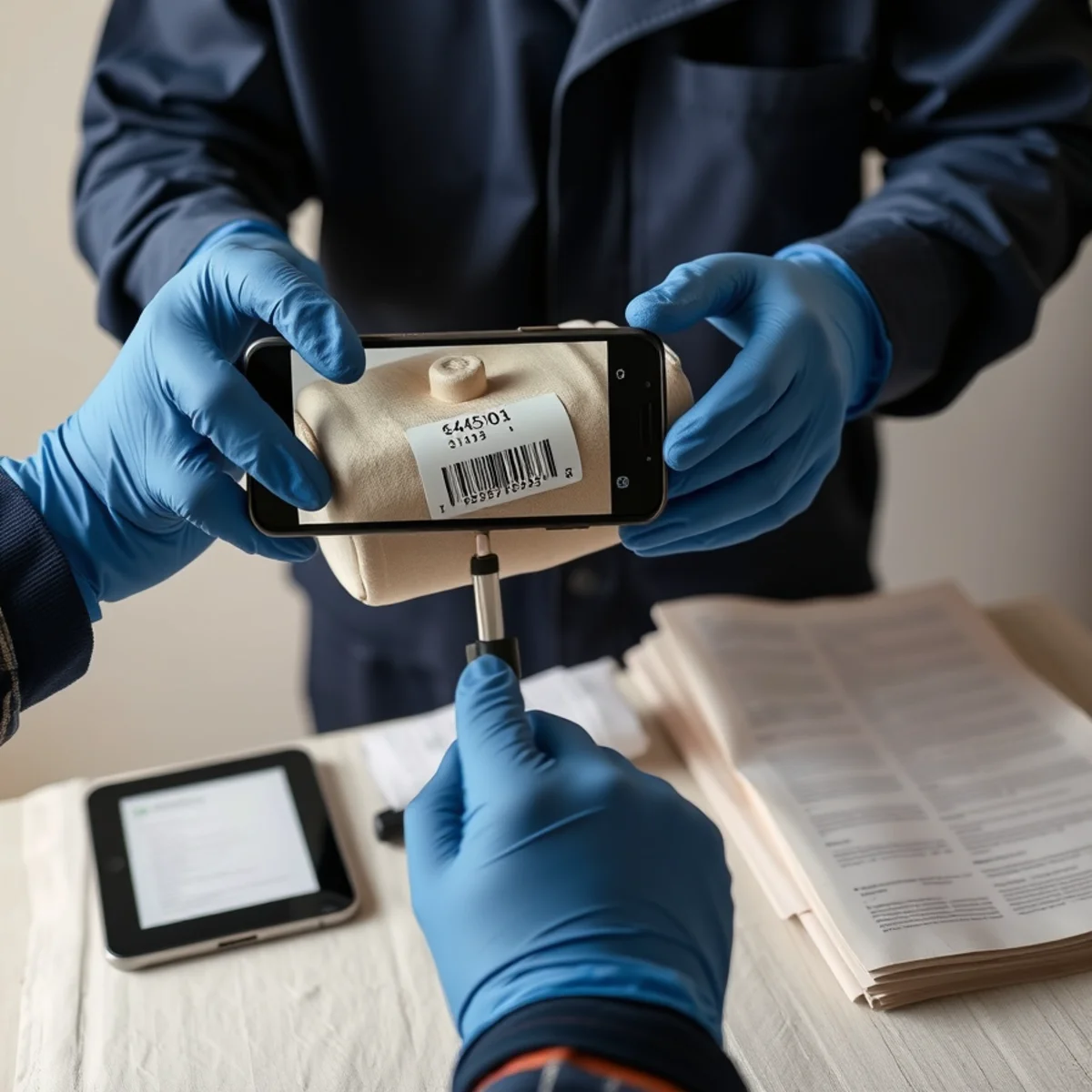
Every item is logged, photographed, and barcoded before it moves. You get a copy. Your adjuster gets a copy.
Restorable, questionable, or non-salvageable. Non-salvageable items are documented in detail for your claim rather than quietly discarded.
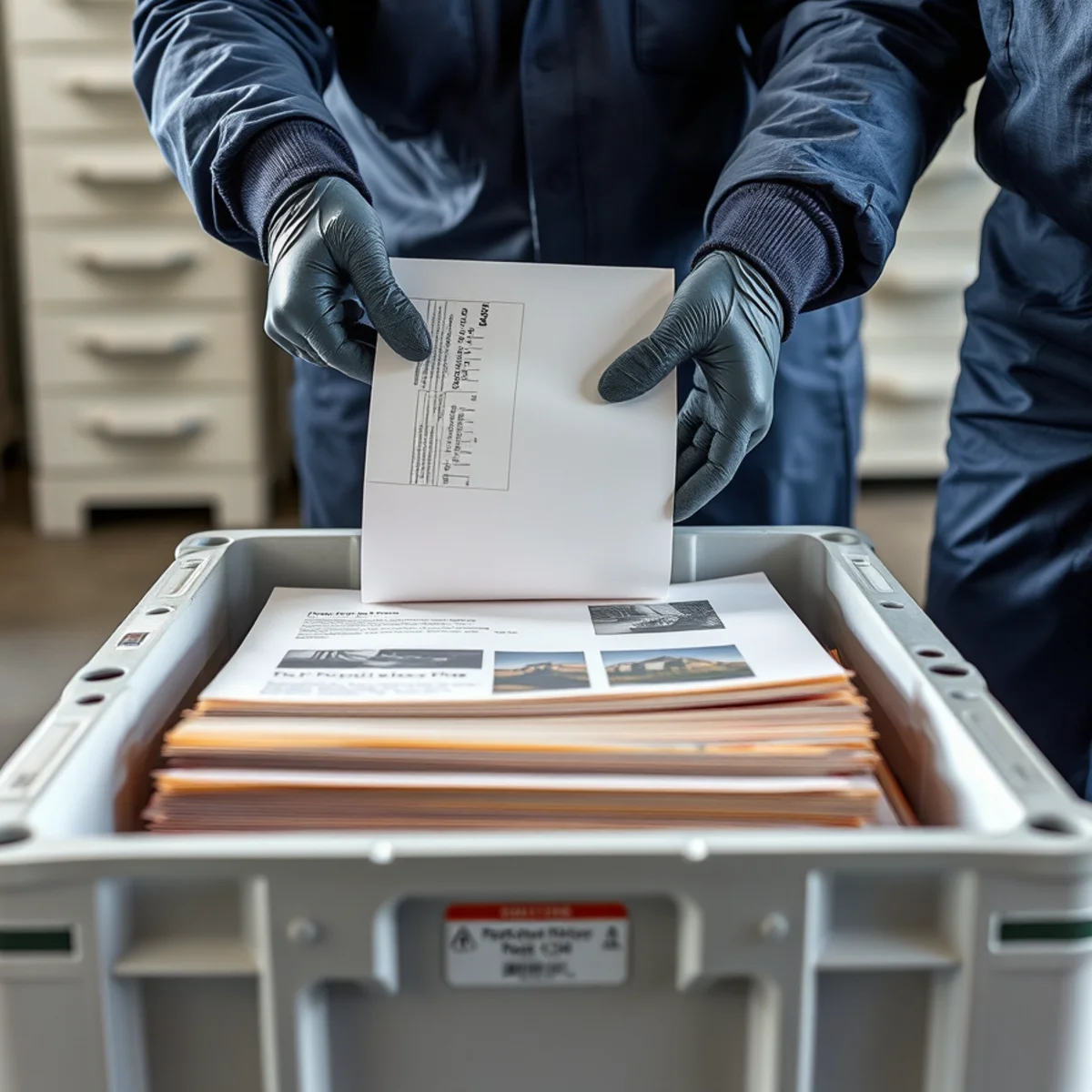
Wet items are packed differently from dry ones. Documents and photographs are stabilized on-site before they move.
Ultrasonic cleaning for hard goods and collectibles, textile processing for clothing and linens, upholstery cleaning, wood furniture restoration and refinishing, and electronics decontamination.
Ozone or hydroxyl chambers for anything holding smoke or musty odor, run as a separate stage after cleaning.
Restored items are stored in a secure, conditioned facility while your property is repaired.
Everything comes back and goes where it belongs, checked against the same inventory it left on.
This is the most time-sensitive work we do, and the most commonly written off before anyone asks.
Wet paper is fragile and it is also on a clock — mold begins within 48 hours, and ink starts migrating almost immediately. The professional answer is not to dry it. It is to freeze it, which stops both deterioration processes and buys you the time to do the recovery properly.
From frozen, documents go through vacuum freeze-drying, where ice sublimates directly to vapor without passing through a liquid phase. Because the paper never gets wet again during the process, pages do not cockle, ink does not run, and bound volumes stay bound. It is the same technique used on archival and library collections after floods.
Photographs are harder but far from hopeless. Prints that are still wet can often be rinsed in clean water and air-dried face up before emulsions fuse — which is why we ask people not to stack wet photos or peel apart albums. If you cannot get to them immediately, sealing them in a bag in the freezer is genuinely the right move.
If your paperwork got wet, tell us on the first call. Everything else on the job can wait an hour; this cannot.
An honest triage saves you money — restoring something is usually cheaper than replacing it, but not always, and we will say so.
Usually restorable
Solid wood furniture, hard goods, ceramics, glass and metal, jewelry, clothing and linens, most electronics if we get them quickly, and frozen-then-freeze-dried documents.
Sometimes restorable
Upholstered furniture and mattresses in clean water only; leather; area rugs; books; framed art. Depends entirely on water category and elapsed time.
Rarely restorable
Anything porous that contacted Category 3 water, particleboard furniture, mattresses in gray or black water, and most cosmetics and opened food.
The economic test
Restoration cost against replacement cost, weighted for sentimental and irreplaceable value. A $200 bookcase is not worth $400 of restoration. A photo album is worth almost anything.
Handing your possessions to a company and watching them drive away is the least comfortable moment in a restoration job. What makes it bearable is knowing exactly what left, where it is, and what condition it is in.
Photographed and inventoried before anything moves
Item-level records with condition noted at pack-out. You get the list, and so does your adjuster — which is also how contents claims get paid without argument.
Documents and photographs are not written off
Wet paper and photographs are recoverable far more often than people assume, provided they are stabilised quickly rather than left to dry in a stack.
One crew handles structure and contents
No coordinating a separate contents vendor against a drying schedule, and no gap where nobody will say who has your things.
We tell you when it is not worth it
Some items fail the economic test and some — anything porous that sat in Category 3 water — cannot be made safe at any price. You get that straight rather than an inflated restoration line.
Honest Pricing
Typically measured in cubic feet or by room count. Packing and inventory labor scales directly with it.
Ultrasonic, textile processing, electronics decontamination, and freeze-drying each carry their own rate.
Category 3 contents need decontamination protocols and more of the volume ends up non-salvageable.
Climate-controlled storage is billed monthly and tracks your reconstruction schedule.
Fine art, antiques, musical instruments, and archival material may need outside specialists, which we coordinate.
Most policies include contents coverage as a percentage of the dwelling limit — commonly 50–70%. Restoration is almost always charged against that limit at less than replacement cost, which means restoring your belongings preserves more of your coverage for what genuinely cannot be saved.
Questions
Often, yes, if you act now. Do not try to peel pages apart or stack them to dry. Put them in a plastic bag and into your freezer, and tell us on the first call. Freezing stops mold and ink migration, and freeze-drying from that state recovers a great deal that air-drying would destroy.
To a secure, climate-controlled facility. Everything is barcoded against the inventory you receive a copy of, and you can request specific items back at any point during the process.
Frequently, if we get to them fast. The damage is corrosion, and corrosion continues after the device looks dry — which is why "let it dry out in rice" fails. Do not power anything on. Professional decontamination within a few days has a good success rate.
Packing is usually one to two days. Cleaning and restoration runs one to four weeks depending on volume and process. Items then stay in storage until your property is ready, and pack-back is scheduled with you.
It is documented with photographs and a description and goes on the non-salvageable schedule for your claim, so you are reimbursed rather than simply out an item. We never discard anything without documenting it first.
What Neighbors Say
Sample content. These are illustrative examples, not customer reviews. Replace them with verified reviews from your Google Business Profile before launch — see src/data/testimonials.ts.
“A supply line let go in the upstairs bathroom of our 1920s place around midnight. Someone actually answered the phone, walked me to the shut-off in the dark, and had a crew here inside the hour. They saved the fir floors, which I had written off.”
“The crawl space had been wet for years and we had no idea. They found it, dried it, put in a vapor barrier, and explained exactly why our downspouts were the actual culprit. No upsell to anything we did not need.”
“Sewage backup in the downstairs unit during a storm. They set containment before touching anything, documented every step for the insurance company, and the claim went through without a single argument.”
Where We Provide This Service
Keep Reading
Soot, odor, and the thousands of gallons the fire department left behind — handled together, in the right order.
Learn moreEnd-to-end recovery from the first phone call to the final repaint — extraction, drying, sanitizing, and rebuild under one crew.
Learn moreEvery hour closed is revenue gone — we phase the work and run crews after hours to keep you trading.
Learn more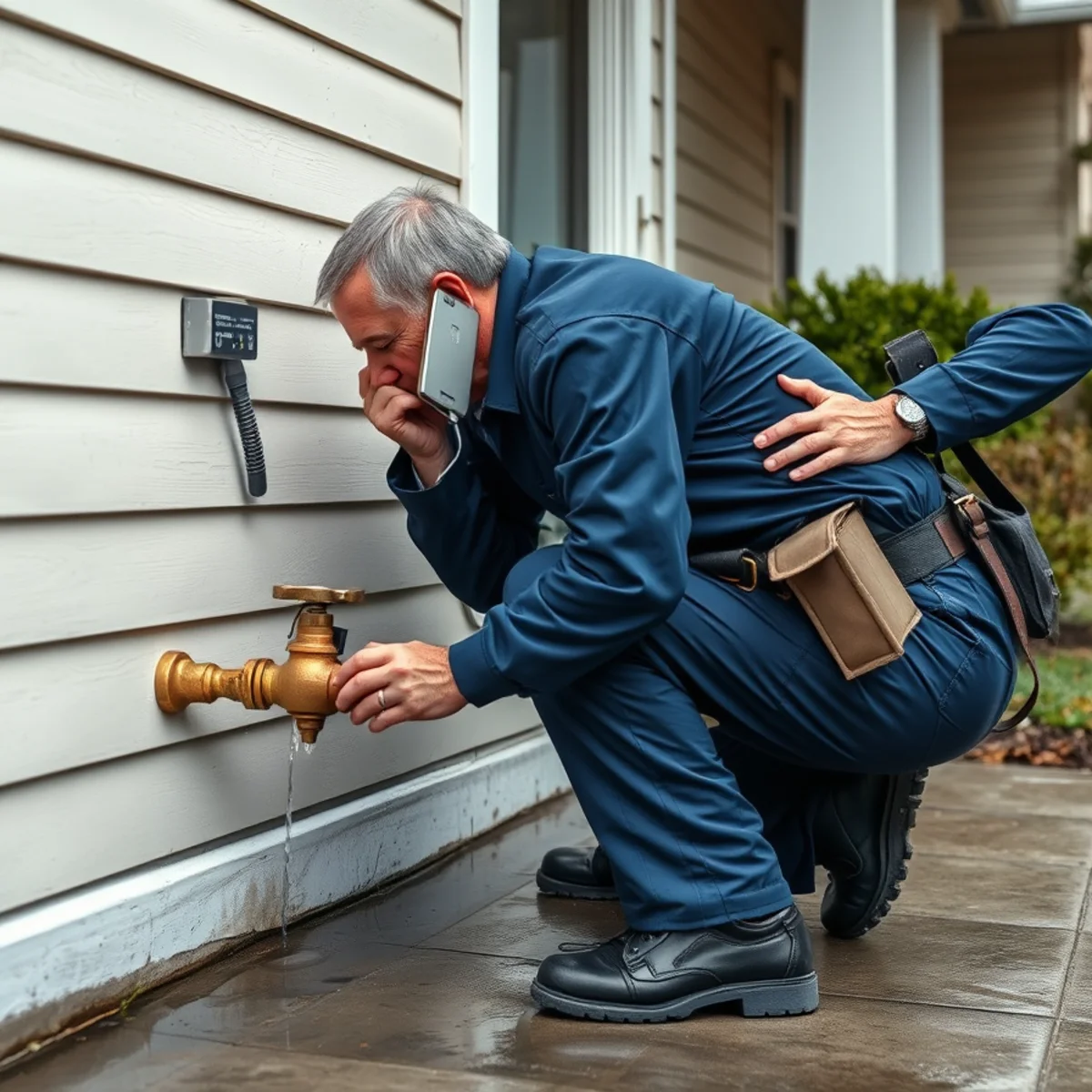 Emergency Response
6 min read
The first hour decides how big the job gets. Here is exactly what to do — in order — from the moment you find water in your Berkeley home.
Read article Emergency Response
6 min read
Bleach does not disinfect porous material, and mopping aerosolizes pathogens through your whole house. What sewage cleanup actually requires.
Read articleA live local dispatcher answers day or night, and we get a crew to most Berkeley addresses in 60 to 90 minutes. Free inspection, written estimate, and we bill your insurance directly.