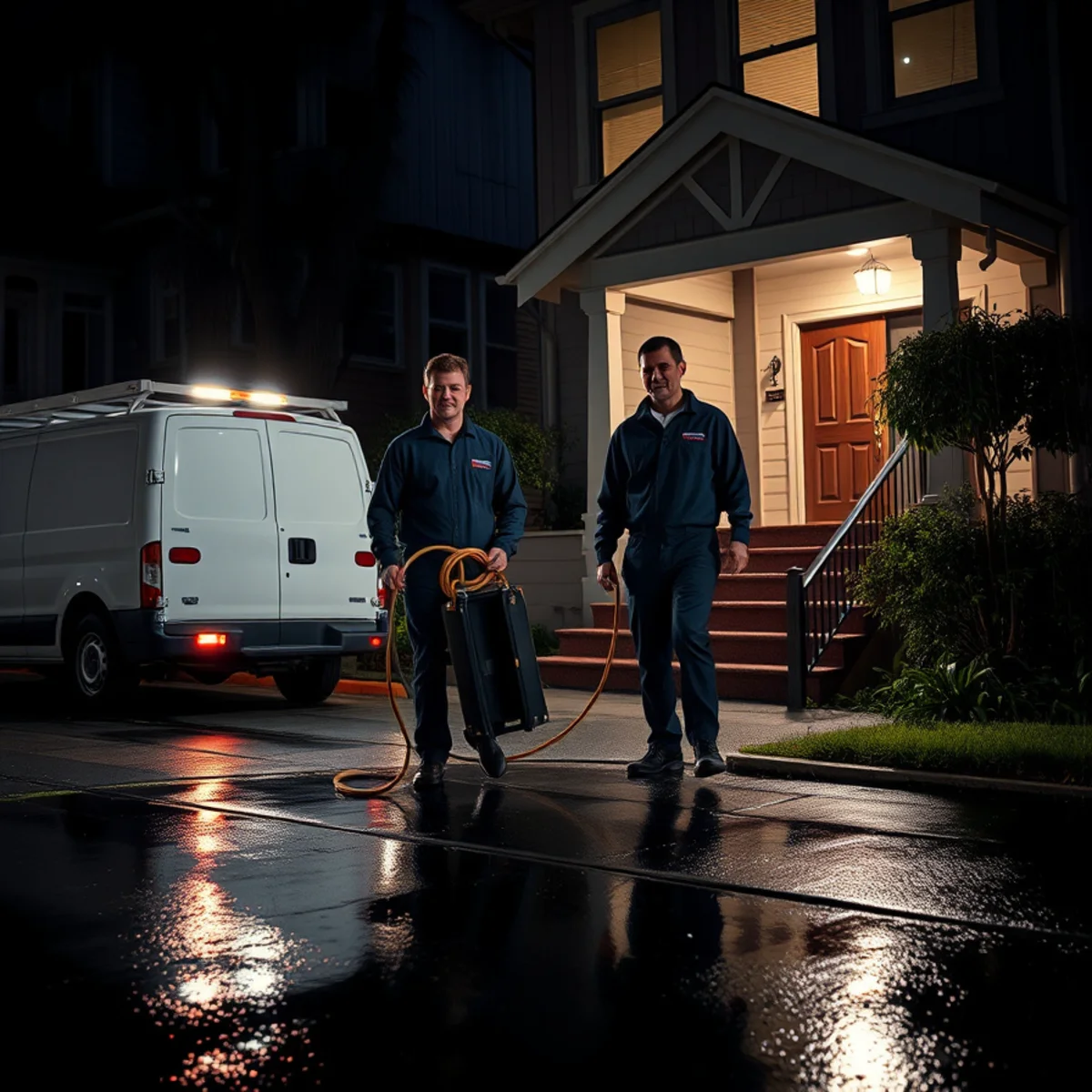
24/7 Emergency Service
A live local dispatcher every hour of the year, and a crew at your door in 60–90 minutes anywhere in Berkeley.
Learn more
24/7 Emergency
(201) 277-9344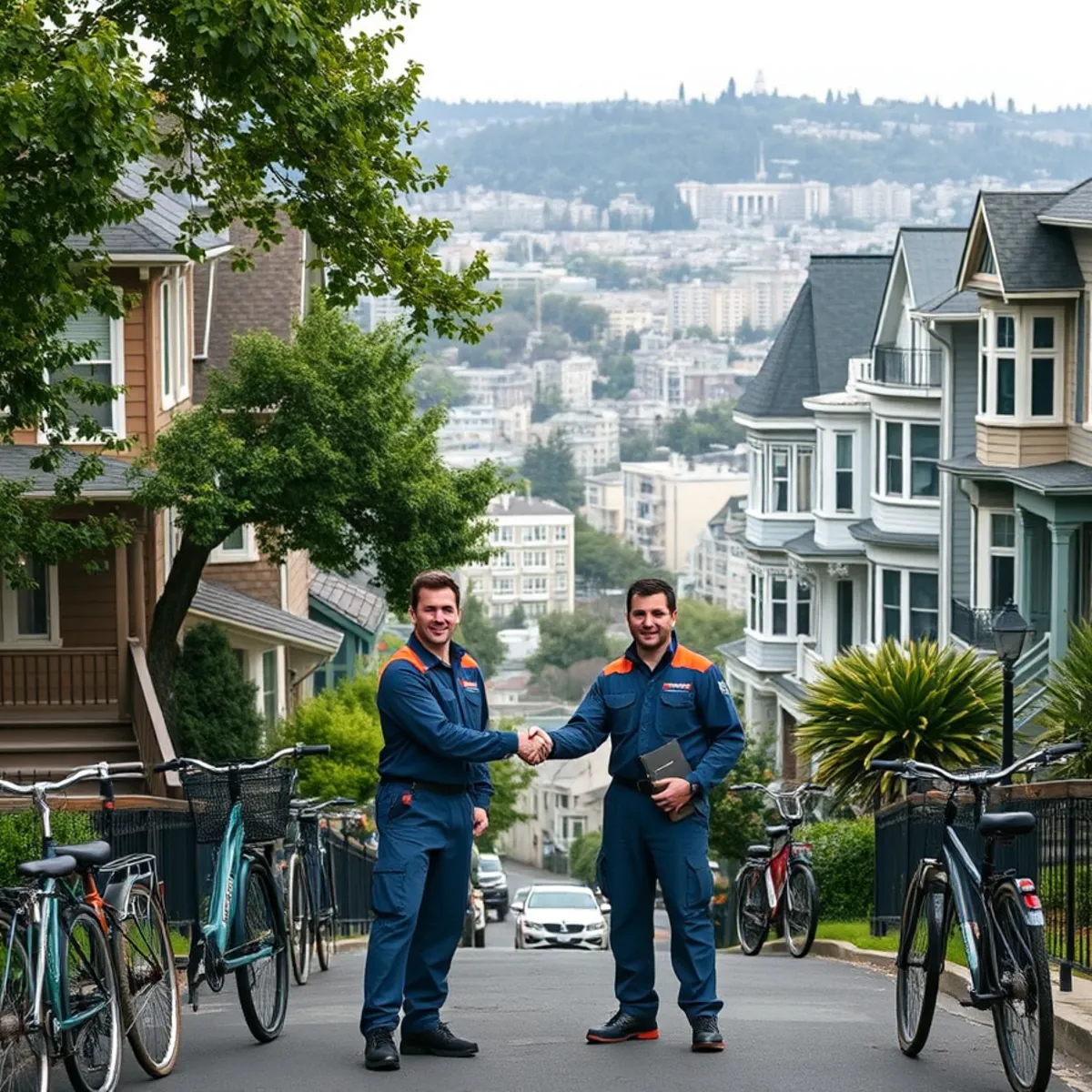
Northside · 24/7 Emergency Service
It is also the neighborhood the 1923 Berkeley fire hit hardest. A great deal of what stands above Hearst today was rebuilt in the mid-to-late 1920s, which gives whole blocks a shared construction date and a shared plumbing age.
We are up Euclid or Hearst in fifteen to twenty-five minutes.
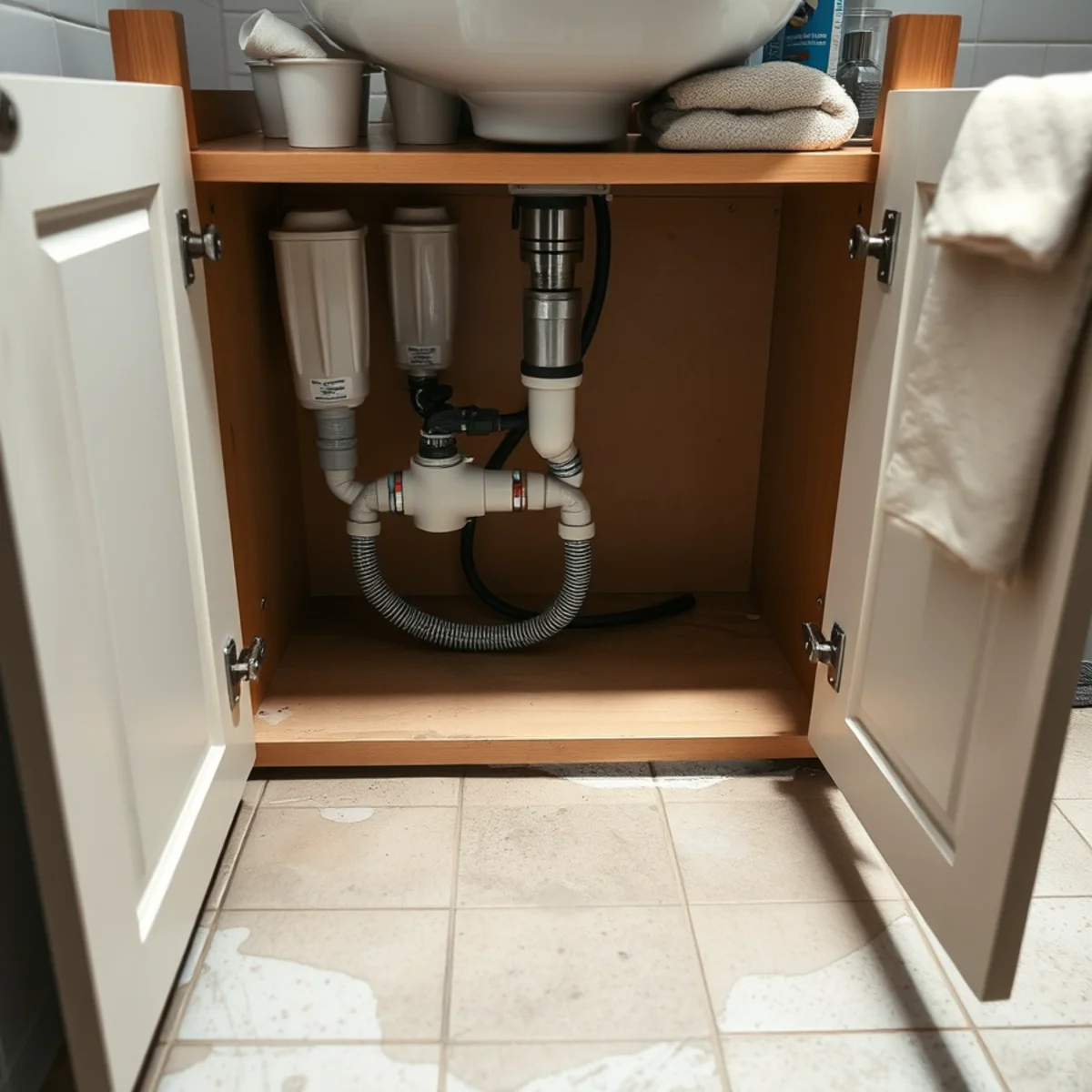
Fixture density is the underlying driver. A large brown shingle converted into six or eight units, or a purpose-built co-op housing forty people, has far more angle stops, supply hoses and toilet fill valves per building than the architecture was designed around. Those are the components that fail.
Vacancy periods turn small failures into large ones. Between semesters and across the summer, buildings empty out. A braided supply hose that lets go in an unoccupied room in late December is found in mid-January, by which time it has been through three floors and is a mold job as well as a water job.
Post-1923 rebuild plumbing is the other half. Houses rebuilt after the fire were plumbed in galvanized steel, and that pipe is now approaching a century of service. It corrodes internally, restricts flow, and eventually opens at a threaded joint — usually inside a wall.
The slope adds hillside drainage on the upper blocks: runoff concentrating at driveways and area drains, and rooms built against earth on the uphill side.
The residential stock splits three ways. There are purpose-built apartment and co-op buildings, many from the 1920s through the 1960s, run at high occupancy with correspondingly heavy use. There are large single-family houses converted to multi-unit rentals, where the plumbing was extended piecemeal over decades and mixed-metal junctions are common. And there is a body of architecturally significant brown shingle and First Bay Tradition houses, some pre-fire survivors, most 1920s rebuilds.
That last group needs the careful treatment: plaster over lath dried from behind, old-growth fir dried slowly with dehumidification rather than high-velocity air, and repairs matched rather than substituted.
For the institutional and multi-unit buildings we work with house managers, co-op boards and property managers, provide separate documentation per affected unit, and can set up a pre-authorized response agreement so a 2 a.m. call results in a crew being dispatched rather than a search for someone who can approve it.
Northside combines very high occupancy with century-old plumbing and buildings that empty completely several times a year — which is exactly the recipe for a leak that runs for days.
Break-period losses are the local pattern
A supply line failing in an empty co-op or Greek house runs unattended until someone returns. What began as mitigation is a mold and flooring job by then.
We work with house and co-op managers
Access coordinated across many residents, one written daily position, and documentation that supports the board, the insurer and the residents at once.
Maybeck-era shingles need careful handling
The period stock along Ridge and La Loma has original plaster, fir and detail that should be dried and kept rather than opened up wholesale.
Fifteen to twenty-five minutes up Euclid or Hearst
Close enough that a reported leak gets equipment on site the same hour.
Areas and landmarks we cover in and around Northside:
Local Questions
That is the classic Northside loss. Expect containment, removal of porous material, mold remediation, drying and rebuild — a bigger job than a same-day response, but not an impossible one. Call regardless of how long it has been: the damage stops progressing the day work starts.
Regularly. We coordinate access with residents, phase work so habitable rooms stay habitable, keep egress paths clear, and provide separate documentation per affected unit. For managed buildings we can pre-authorize emergency dispatch so nothing waits on approvals at 2 a.m.
The scope changes from drying to remediation, and you should plan for that from the outset. Water that has run into wall cavities and under flooring for several days has saturated framing and insulation and has almost certainly started microbial growth, so the correct first step is assessment with containment available rather than simply setting up fans. Expect porous material — carpet pad, insulation, the lower band of drywall — to be removed rather than dried. Establishing when the failure began and how long it ran also matters commercially, because that timeline drives both the insurance outcome and any responsibility question.
Regularly, and these buildings need a different working method from a single-family house. Access has to be coordinated across a lot of residents rather than one owner, so we agree a schedule with the manager and work to it. Equipment placement has to account for rooms staying occupied. And the documentation has to serve several audiences at once — the board, the insurer, and residents who want to know when their room is usable again — so we issue one written daily position rather than answering the same question fifteen different ways.
Services in Northside
A live local dispatcher every hour of the year, and a crew at your door in 60–90 minutes anywhere in Berkeley.
Learn more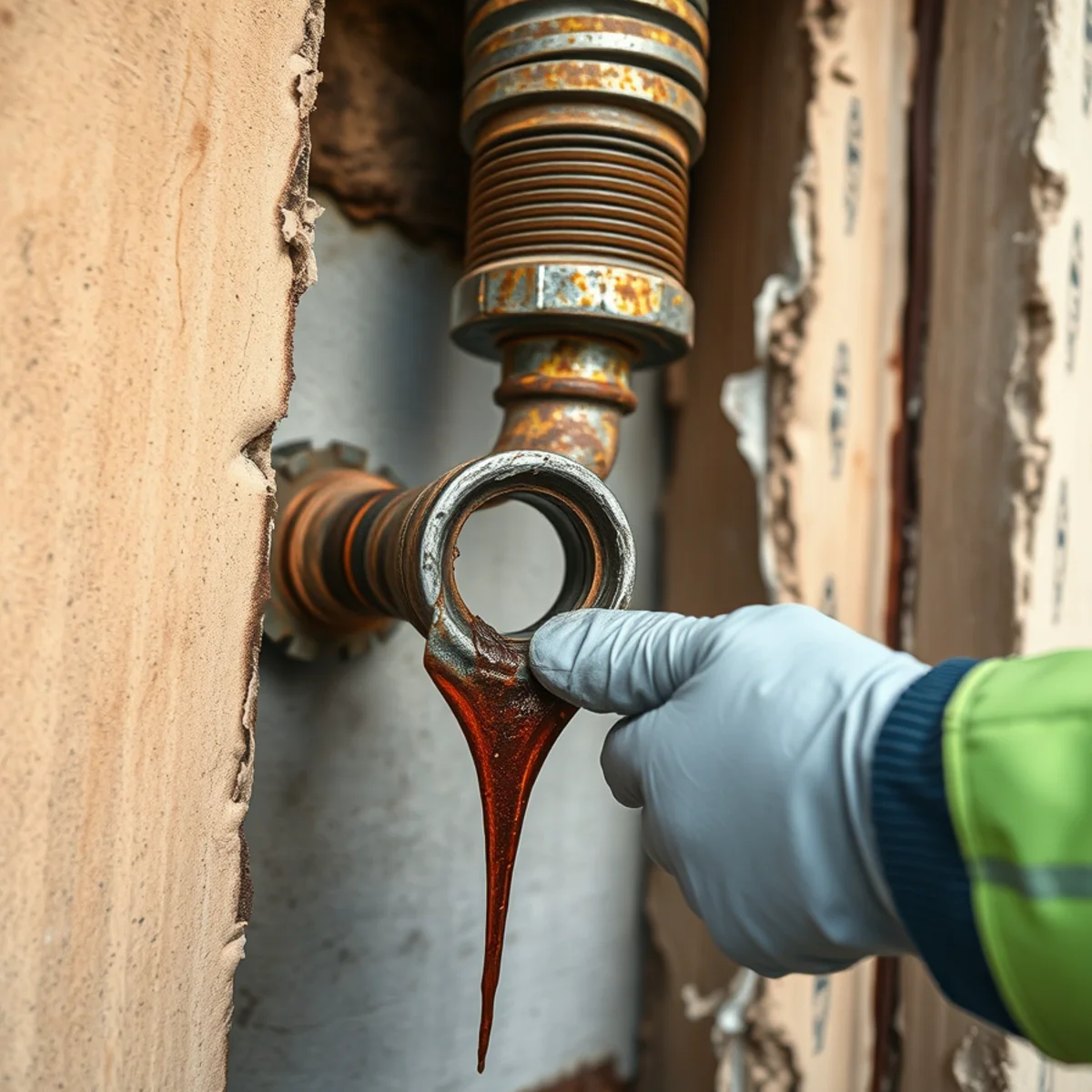
The classic Berkeley failure — hundred-year-old galvanized pipe letting go behind a wall at 2 a.m.
Learn more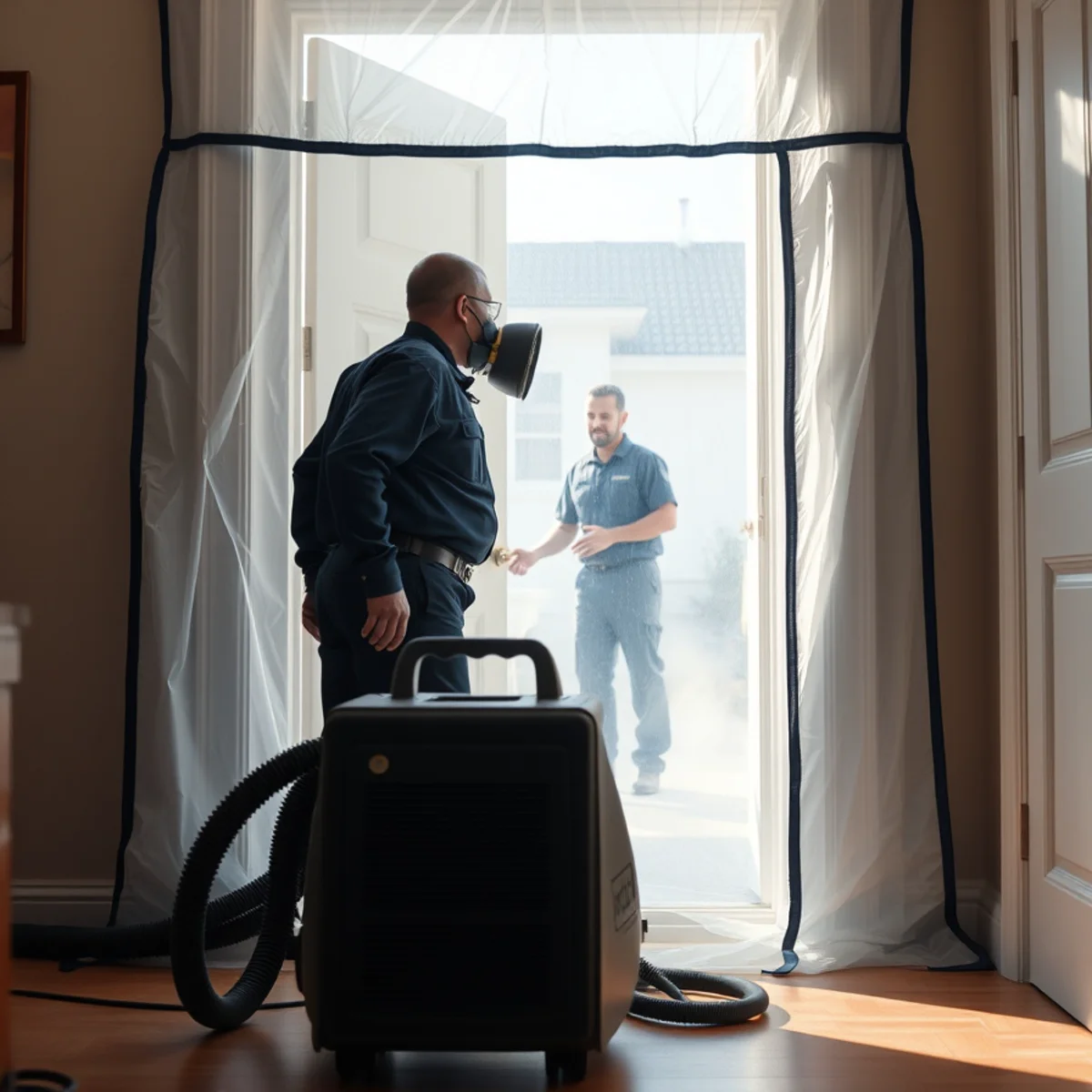
Find it, contain it, remove it — and fix the moisture source, or it comes straight back.
Learn moreEnd-to-end recovery from the first phone call to the final repaint — extraction, drying, sanitizing, and rebuild under one crew.
Learn moreEvery hour closed is revenue gone — we phase the work and run crews after hours to keep you trading.
Learn moreThe build-back — floors, ceilings, plaster and trim put right, matched to what was there before.
Learn moreWhat Neighbors Say
Sample content. These are illustrative examples, not customer reviews. Replace them with verified reviews from your Google Business Profile before launch — see src/data/testimonials.ts.
“A supply line let go in the upstairs bathroom of our 1920s place around midnight. Someone actually answered the phone, walked me to the shut-off in the dark, and had a crew here inside the hour. They saved the fir floors, which I had written off.”
“The crawl space had been wet for years and we had no idea. They found it, dried it, put in a vapor barrier, and explained exactly why our downspouts were the actual culprit. No upsell to anything we did not need.”
“Sewage backup in the downstairs unit during a storm. They set containment before touching anything, documented every step for the insurance company, and the claim went through without a single argument.”
Keep Exploring
Typically 15–25 minutes straight up Shattuck.
94709
View areaTypically 10–20 minutes — we are a few blocks west of campus.
94720 · 94704 · 94709
View areaTypically 15–25 minutes up Shattuck.
94709 · 94707
View area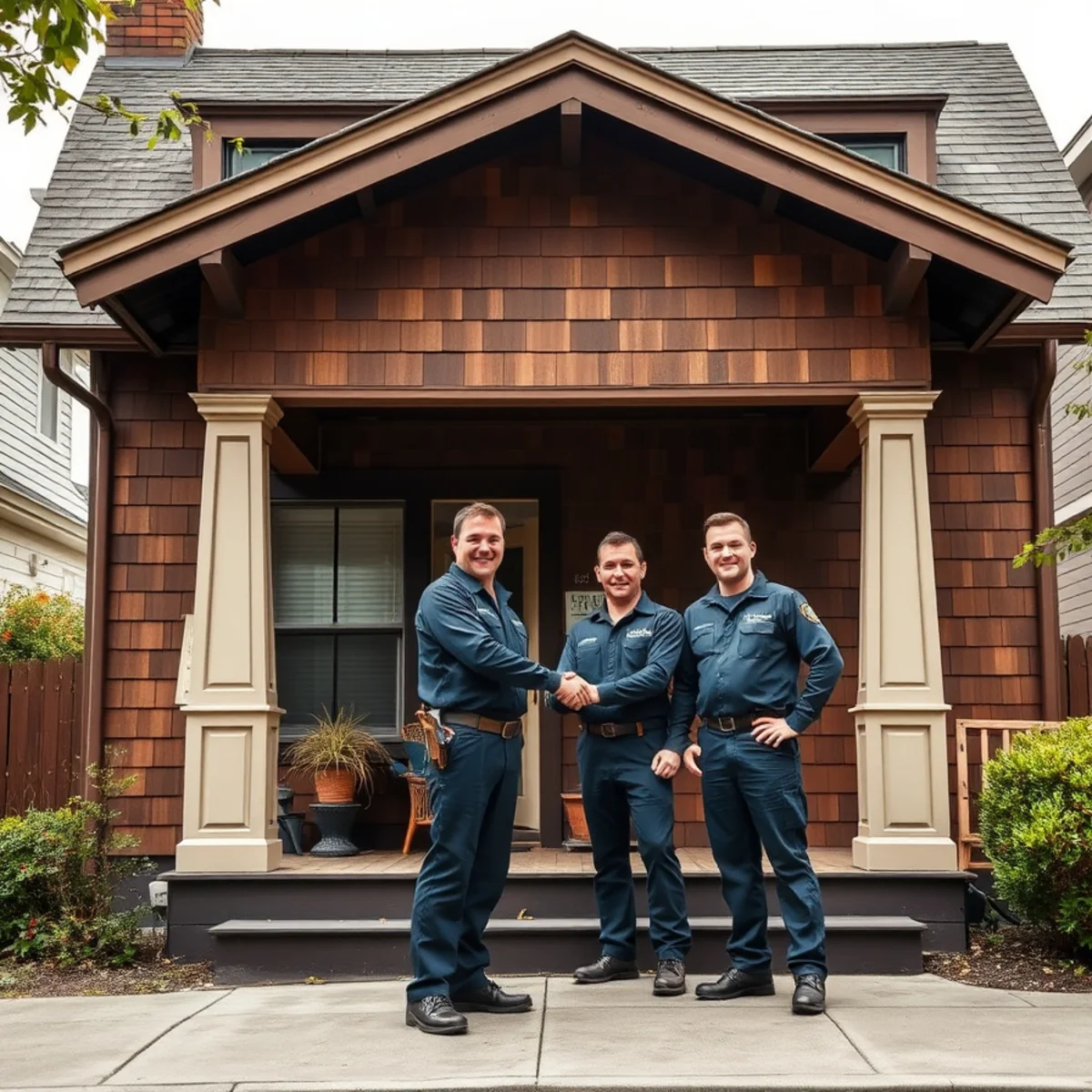 Berkeley Local
8 min read
A hundred-year-old house has a hundred-year-old plumbing system and a crawl space nobody has looked at. Both are fixable before they are urgent.
Read article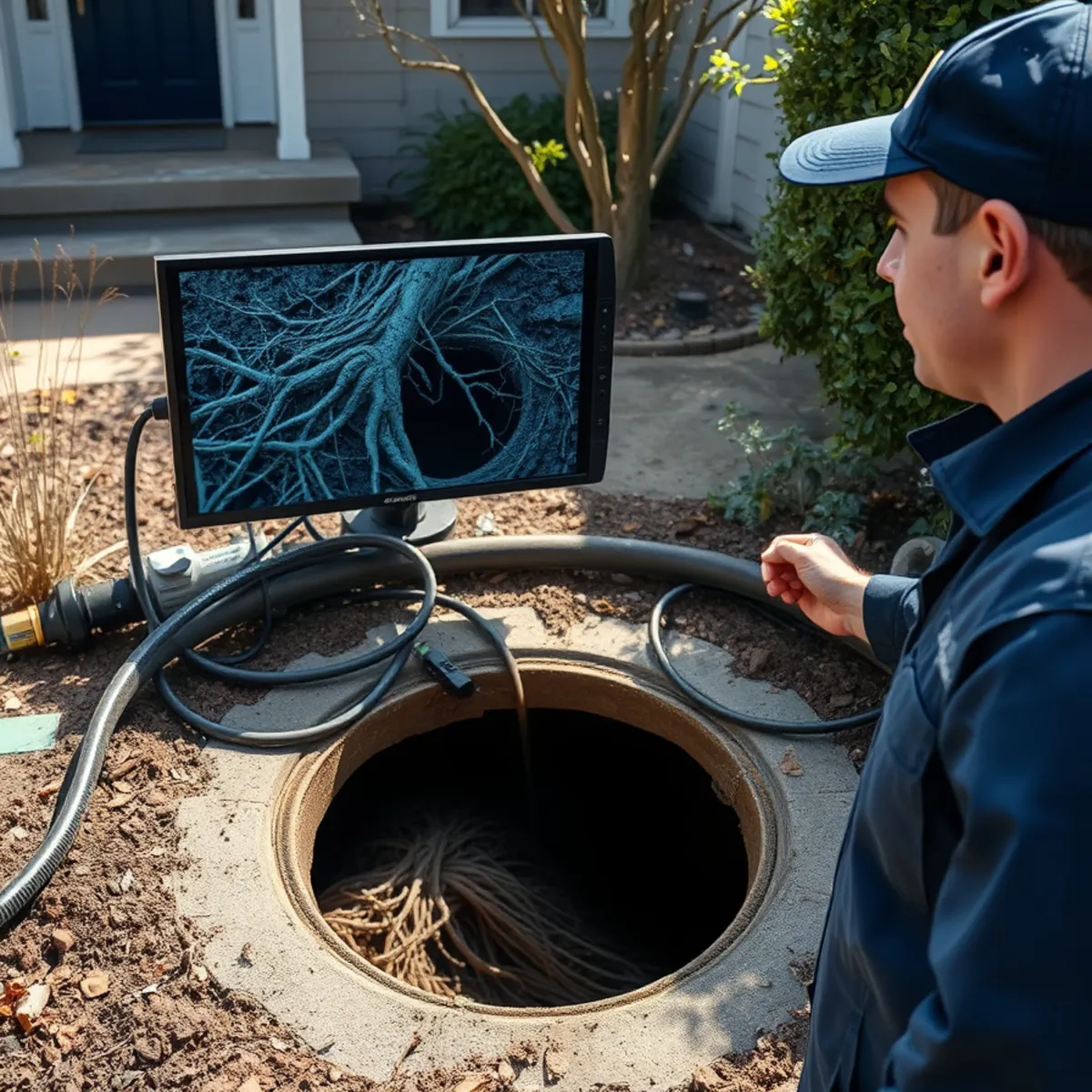 Berkeley Local
6 min read
Most Berkeley homeowners learn that the lateral is theirs on the worst possible day. Here is what to know before that day.
Read articleTypically 15–25 minutes up Euclid or Hearst. A live local dispatcher answers day or night. Free inspection, written estimate, and we bill your insurance directly.