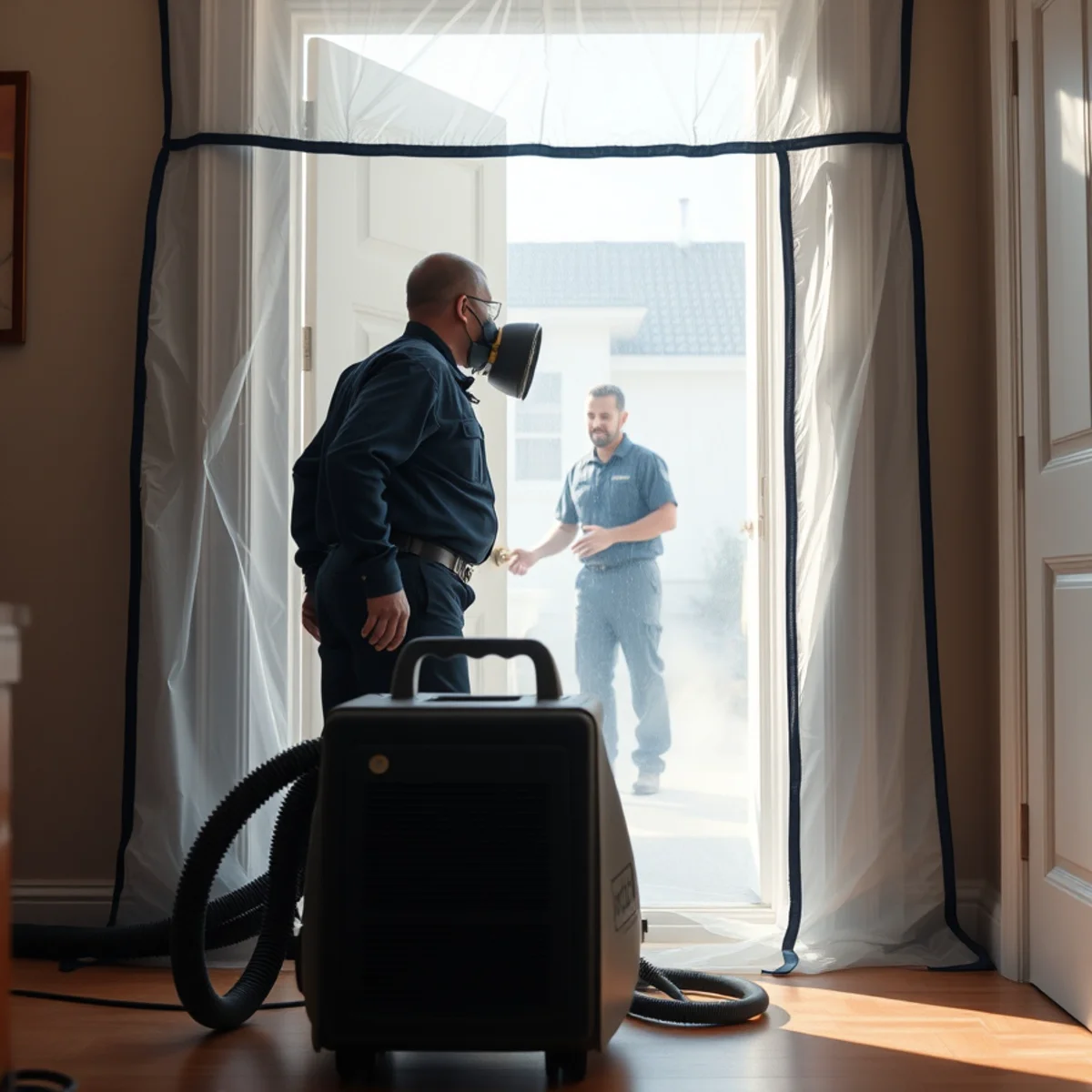

The question everybody asks on day one is how long the equipment stays. The honest answer is that nobody can tell you on day one, and anyone who gives you a confident number before taking a reading is quoting an average rather than your house.
What we can tell you is the normal range, what moves it, and — more useful — how to tell whether the company drying your house is actually measuring anything.
The normal range
- Three to five days for a typical contained residential loss: drywall, carpet and pad, framing, modern subfloor.
- Five to seven days where plaster over wood lath is involved, because the lath holds water behind a surface that reads dry.
- A week or more for solid hardwood, dense old-growth fir, concrete slabs and masonry. These are the Class 4 materials — they release moisture slowly no matter how much equipment you point at them.
- Longer again for a crawl space with saturated soil under it, where you are effectively drying the ground as well as the structure.
Berkeley skews toward the slow end of that range more than most places, because so much of the housing stock is pre-war. A 1920s Craftsman with lath-and-plaster walls and original fir floors takes noticeably longer than a 1990s house with the same amount of water in it.
What is actually happening in those days
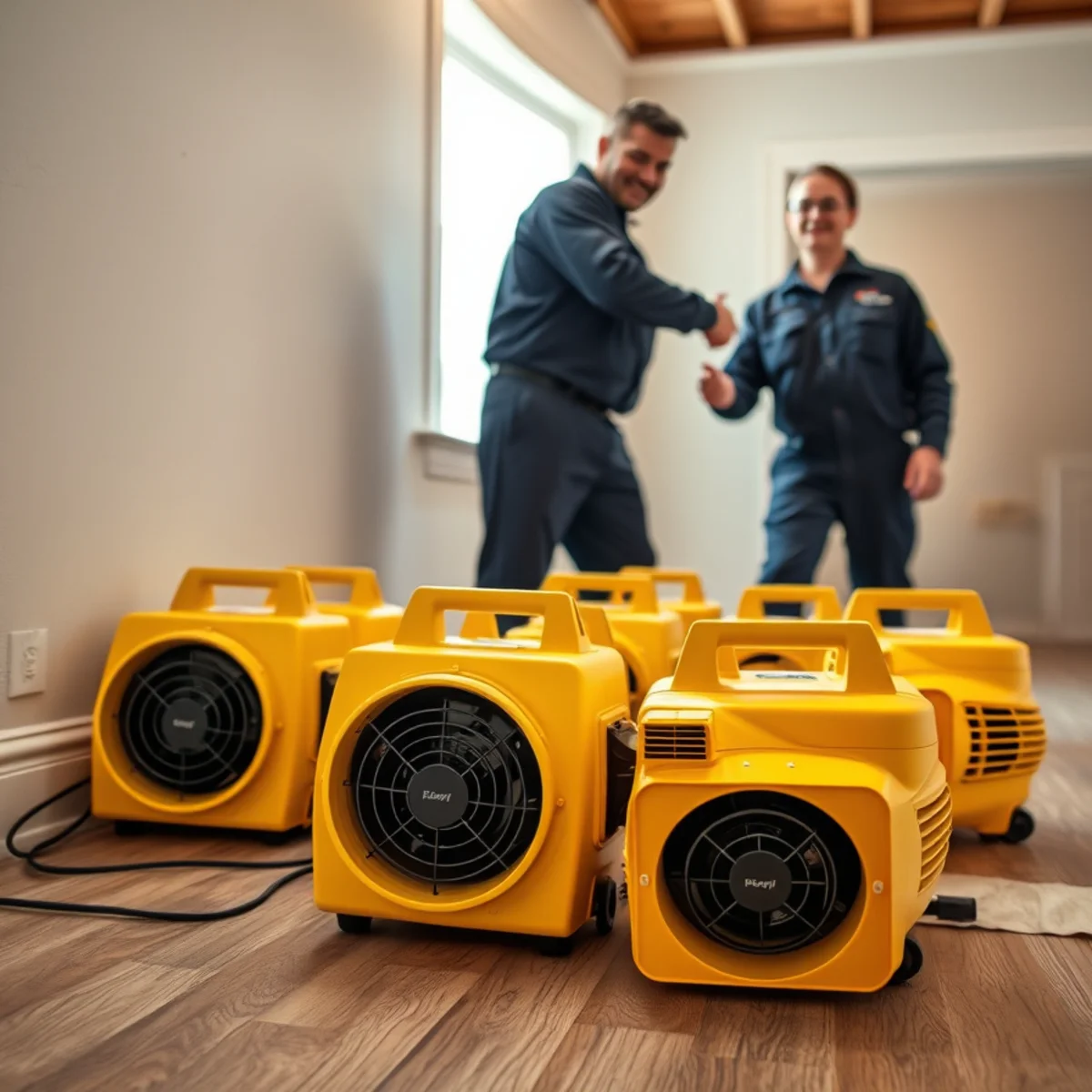
Drying is two machines doing two different jobs. Air movers create evaporation at the surface of wet materials, pushing moisture into the air. Dehumidifiers pull that moisture back out of the air and dump it as liquid. Run air movers without dehumidification and you have not dried anything — you have relocated the water from the floor into the drywall and the air.
That is the single most common failure in a do-it-yourself dry-down, and it is why a row of box fans and open windows is not a drying plan. Open windows help only when the outside air is drier than the inside air, which during a Berkeley wet season is frequently not the case.
How anyone knows when it is dry
This is the part worth understanding, because it is the difference between a job that is finished and a job that is merely over.
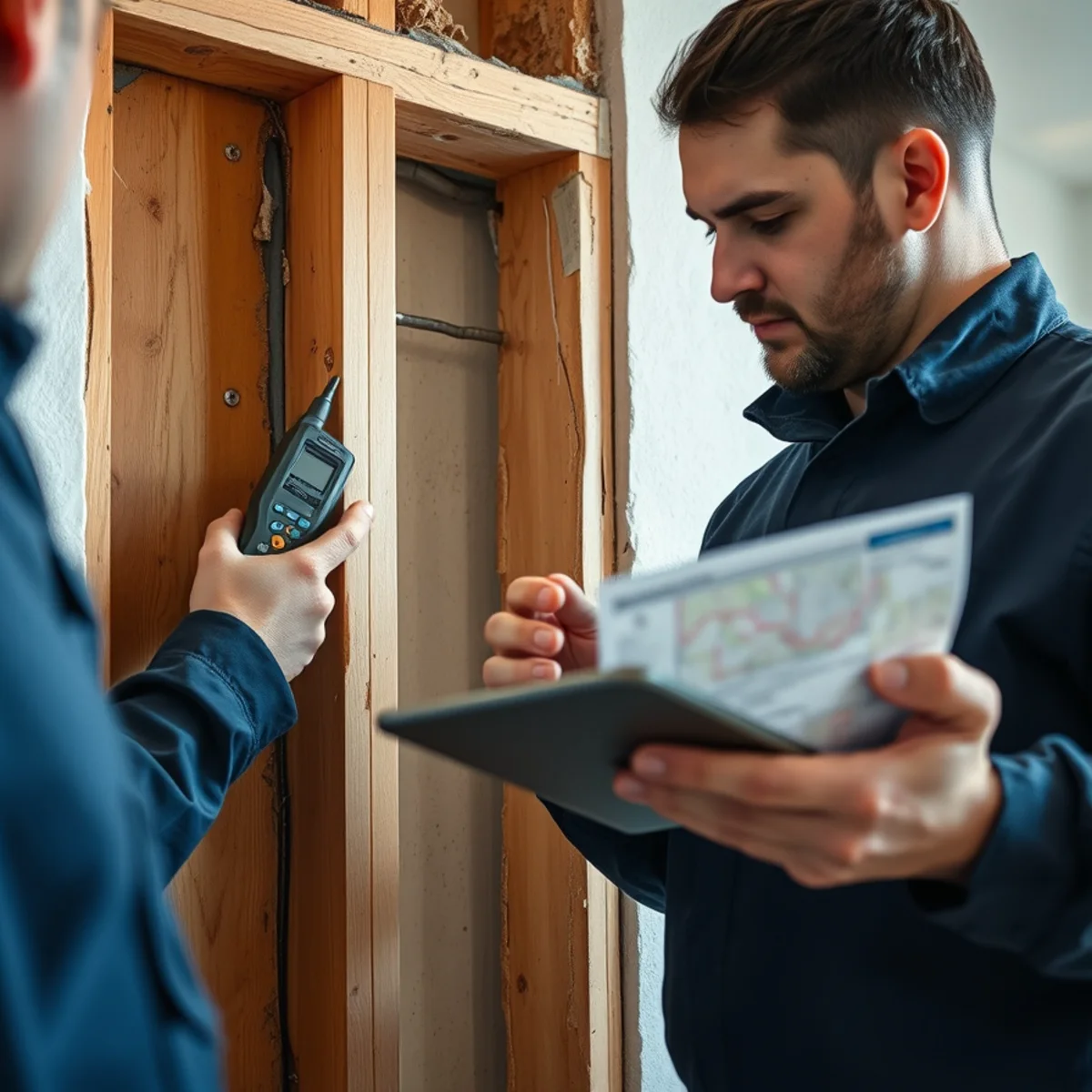
The target is not a fixed moisture percentage. It is a comparison. We take a reading from an unaffected area of the same material in the same building — a wall in another room, a section of subfloor well away from the loss — and that becomes the dry standard for your house. Affected materials are dried until they match it. A reading that would be alarming in one house is completely normal in another, which is why the comparison matters more than any absolute figure.
Readings are taken daily, in the same locations, and written down. The log should show a curve that flattens as materials approach standard. If readings stop improving for two days, something is wrong with the setup rather than with the schedule, and the equipment plan gets changed rather than extended.
What makes a dry-down take longer
- How long the water sat. Material that was wet for three days before anyone started holds moisture deeper than material extracted within the hour.
- Trapped assemblies. Water between a vinyl floor and a subfloor, or behind a vapour barrier, has no path out. These usually need a small access point rather than more equipment.
- Density. Old-growth fir, plaster and concrete all release moisture slowly. Pushing them harder causes cupping and splitting rather than faster drying.
- Weather. During an atmospheric river the outside air is saturated, so dehumidifiers work harder for the same result. Our guide to storm flooding in Berkeley homes covers that season.
- Equipment that is simply undersized. The commonest cause of a dry-down that stalls.
Can you shorten it?
Only at the front. Every hour between the loss and the start of extraction adds disproportionately to the drying schedule, because water keeps migrating into material that was dry. That is the entire argument for calling immediately rather than waiting until morning — and it is why we run a 60 to 90 minute emergency response rather than a next-day booking.
Once equipment is placed, the schedule belongs to physics. What you can control is not turning the equipment off because it is loud. Dehumidifiers that run for eight hours a night instead of twenty-four will roughly double your dry-down, and the equipment rental is usually billed per day.
If you want the detail on how we size and verify a dry-down, that is covered on our structural drying and dehumidification page, and the classification that drives equipment count is explained in water damage categories and classes.
Frequently Asked Questions
Three to five days is the usual range for a contained residential loss, assuming extraction started quickly. Add a couple of days if the house has plaster over lath or solid hardwood, both of which are common in Berkeley and both of which release moisture slowly. The honest version is that the meter decides, not the calendar.
Please do not. The equipment is loud and the temptation is real, but drying is a continuous process and shutting down overnight means the air re-humidifies and materials re-absorb some of what you removed. Running eight hours instead of twenty-four does not save money either, because equipment is typically billed per day — it just adds days.
Ask for the moisture log. A legitimate dry-down produces a daily record of readings at fixed points, plus the dry standard taken from an unaffected part of your own building. You should be able to see the curve flatten as materials reach standard. If no such document exists, there is no evidence the structure was dried — which also means no evidence for your insurer if mold appears later.
Trapped moisture goes somewhere. Typically it shows up as mold inside the wall cavity within a few weeks, cupping or crowning in hardwood over a month or two, and a musty smell that cleaning does not fix. The repair then costs considerably more than the extra two days of drying would have, and the insurance position is weaker because the original claim was closed.
Dealing with this right now?
Call (201) 277-9344 and a live local dispatcher will answer — any hour, any day. Free inspection, and we bill your insurance directly.
- 60–90 Min Response
- Live dispatcher, never an answering service
- We bill your insurance directly