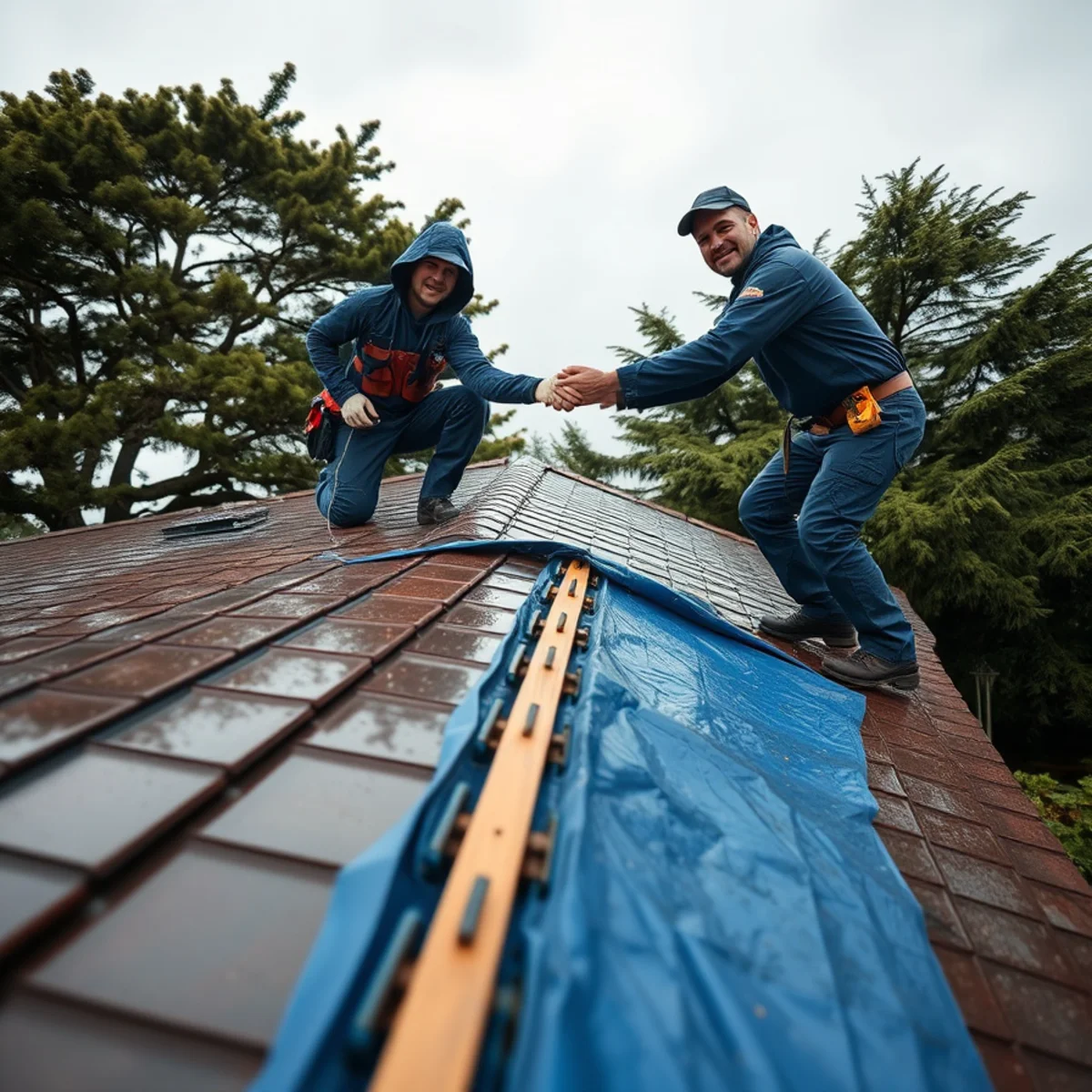
Storm Damage Restoration
Emergency tarping and board-up the same night, then the full repair once the weather clears.
Learn more
24/7 Emergency
(201) 277-9344
Orinda · 24/7 Emergency Service
It also has a genuinely different climate from the bay side. Summers are hotter and drier, winters bring more concentrated runoff off the hills, and the tree cover that makes Orinda beautiful drops a great deal of material into gutters and drains every autumn.
We reach most Orinda addresses in forty-five to seventy minutes depending on tunnel traffic.
San Pablo Creek runs through the middle of Orinda and several tributary creeks feed it. In heavy years these come up, and properties near the channels see ground-level water. Because it is creek water it is contaminated and gets Category 3 handling.
Steep, wooded lots produce the second failure mode. Rain that falls on a hillside covered in oak and bay arrives at the bottom carrying leaf litter and duff, which is exactly what blocks an area drain or a culvert inlet. A blocked drain on a slope does not fail gently — it redirects the entire flow toward whatever is downhill, which is frequently a garage or a downhill wall.
Long driveways on steep grades are a recurring root cause. Water sheets down them and ponds at the bottom, which is usually where the house is.
Deep tree cover also means gutters fill fast. Overflowing gutters run down the wall and saturate the ground against the foundation, and in Orinda they fill in weeks rather than seasons.

Orinda built out mostly from the late 1940s through the 1970s, with a strong mid-century ranch and contemporary character — single-storey and split-level homes, wide footprints, low-pitched roofs, and generous glazing, set into hillsides on large lots.
That vintage generally means copper supply plumbing rather than galvanized, which changes the failure mode. Copper of this age develops pinhole pitting: slow, hidden leaks that run inside walls and under floors for months. Those produce mold jobs rather than emergency extractions, and by the time anyone notices, the affected area is considerably larger than the leak.
Low-pitched roofs are the other characteristic issue. They shed water less aggressively than steep roofs, so any marginal flashing detail or worn section gets tested during a sustained storm. Wide overhangs help, but the roofs themselves are less forgiving.
Some properties in the outlying areas are on septic systems, and a saturated leach field in a wet winter is its own kind of problem.
Orinda is creeks, slopes, large lots and a great many oaks, and those four things between them cause most of the water damage we see on this side of the tunnel.
The oaks are part of the problem
Leaf and debris load fills gutters and blocks area drains faster than most owners expect, so the first heavy storm of the season overflows a system that looked fine in September.
Slope water needs drainage, not just drying
On a large hillside lot the water arriving at your foundation has crossed a lot of ground first. Correcting grade and discharge is the durable fix; drying alone buys you one winter.
Mid-century houses on big lots
Long low footprints, extensive crawl spaces and original drains — which means a small failure can travel a surprising distance before anything shows indoors.
An honest number through the Caldecott
Forty-five to seventy minutes depending on the tunnel. We give you the real figure and talk you through shutting off the main while we are on the way.
Areas and landmarks we cover in and around Orinda:
Local Questions
Forty-five to seventy minutes through the Caldecott, traffic depending. We give you a real number on the call. During a major storm event, when tunnel traffic and call volume both spike, we will tell you honestly if it is going to be longer.
Copper pinhole leaks. Homes of Orinda's vintage are plumbed in copper, and copper of that age develops tiny pits that weep slowly inside walls for months. There is never a dramatic event — just a gradually spreading damp area that eventually smells. We find the source with thermal imaging and moisture meters before opening anything.
Not under a standard homeowners policy. Surface and rising water need separate flood coverage. If your property is near San Pablo Creek or one of its tributaries, it is worth checking your FEMA zone and getting a flood quote before the next rainy season.
Mold needs moisture, not necessarily a leak, and on a large hillside lot there is usually a supply you have not noticed. The two we find most often here are a crawl space taking slope runoff or groundwater with no vapour barrier over the soil, and chronic condensation where warm interior air meets cold surfaces in an under-insulated wall or floor. Blocked area drains and gutters heavy with oak debris are frequently the upstream cause, redirecting water against the foundation every time it rains. The remediation is straightforward; the part that matters is identifying and correcting the moisture source, because without that it simply returns.
Services in Orinda
Emergency tarping and board-up the same night, then the full repair once the weather clears.
Learn more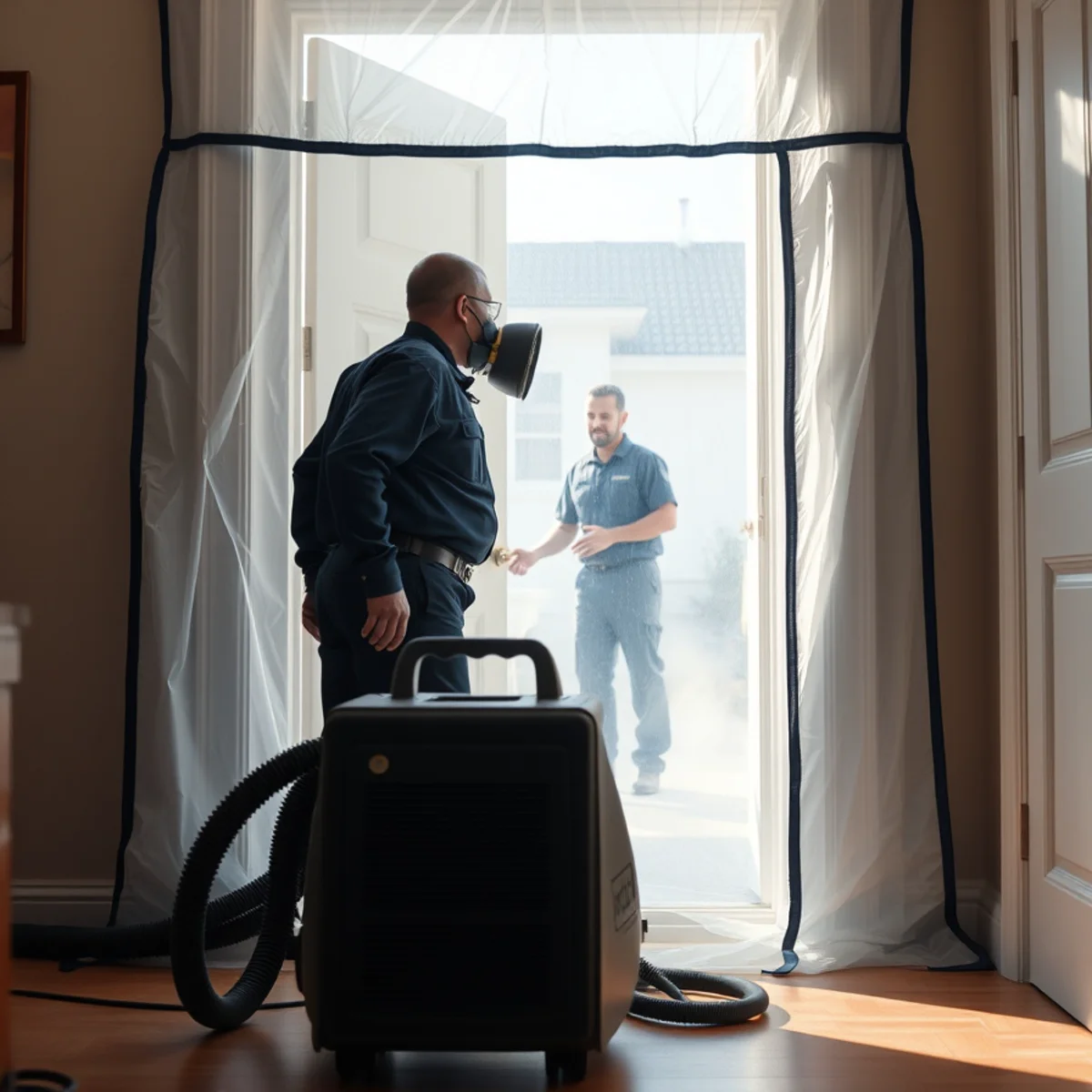
Find it, contain it, remove it — and fix the moisture source, or it comes straight back.
Learn more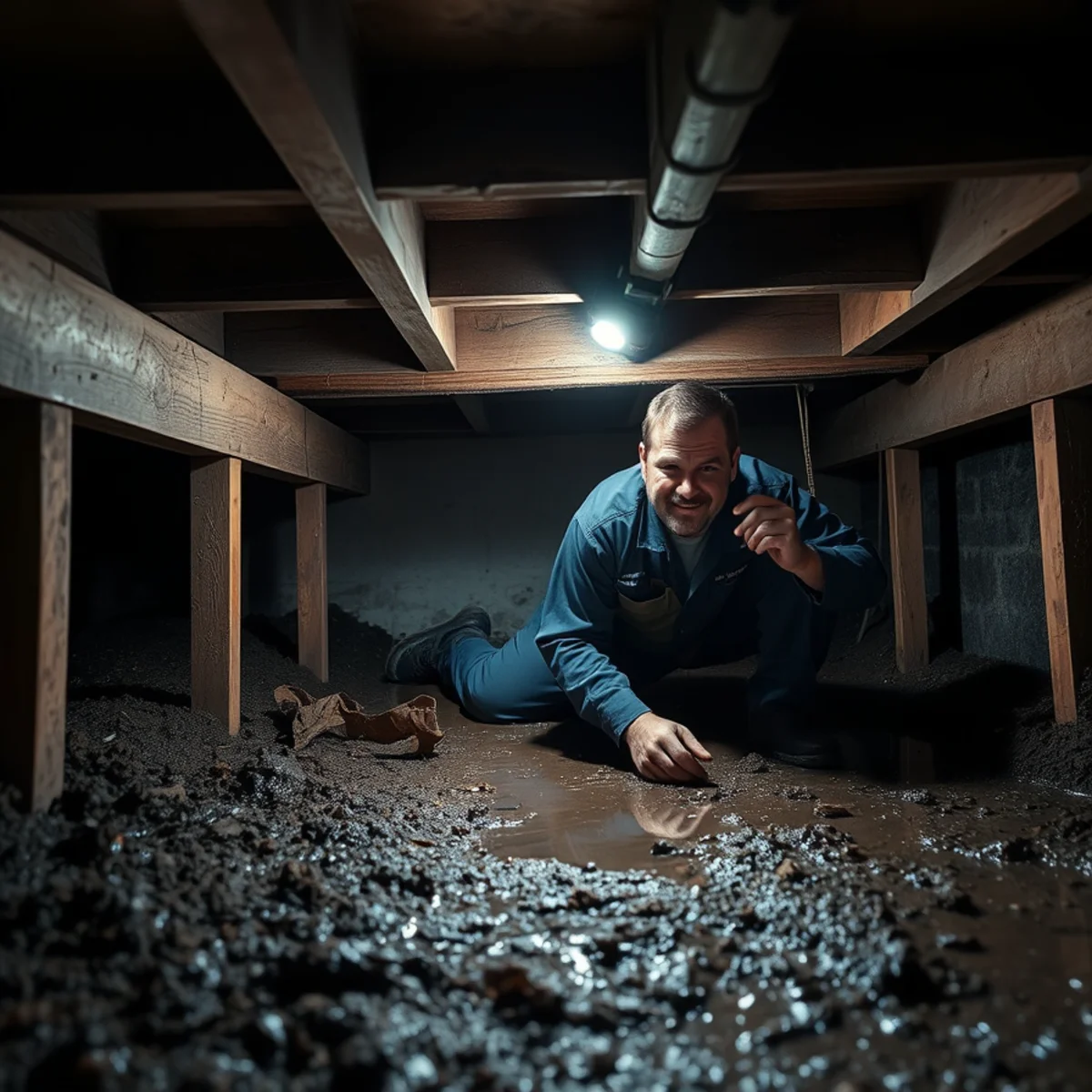
The space nobody looks at, humidifying the whole house from below — pumped, dried, and sealed properly.
Learn moreEnd-to-end recovery from the first phone call to the final repaint — extraction, drying, sanitizing, and rebuild under one crew.
Learn moreGround and storm water is contaminated by definition — we clean it to Category 3 protocol, not like a spilled bathtub.
Learn moreA live local dispatcher every hour of the year, and a crew at your door in 60–90 minutes anywhere in Berkeley.
Learn moreWhat Neighbors Say
Sample content. These are illustrative examples, not customer reviews. Replace them with verified reviews from your Google Business Profile before launch — see src/data/testimonials.ts.
“A supply line let go in the upstairs bathroom of our 1920s place around midnight. Someone actually answered the phone, walked me to the shut-off in the dark, and had a crew here inside the hour. They saved the fir floors, which I had written off.”
“The crawl space had been wet for years and we had no idea. They found it, dried it, put in a vapor barrier, and explained exactly why our downspouts were the actual culprit. No upsell to anything we did not need.”
“Sewage backup in the downstairs unit during a storm. They set containment before touching anything, documented every step for the insurance company, and the claim went through without a single argument.”
Keep Exploring
Usually 30–45 minutes via Broadway or Highway 24.
94610 · 94611
View areaUnder 90 minutes to most of Oakland, day or night.
94609 · 94608 · 94610 · 94611
View areaTypically 20–35 minutes up into the hills.
94708 · 94705 · 94709
View area Berkeley Local
8 min read
A hundred-year-old house has a hundred-year-old plumbing system and a crawl space nobody has looked at. Both are fixable before they are urgent.
Read article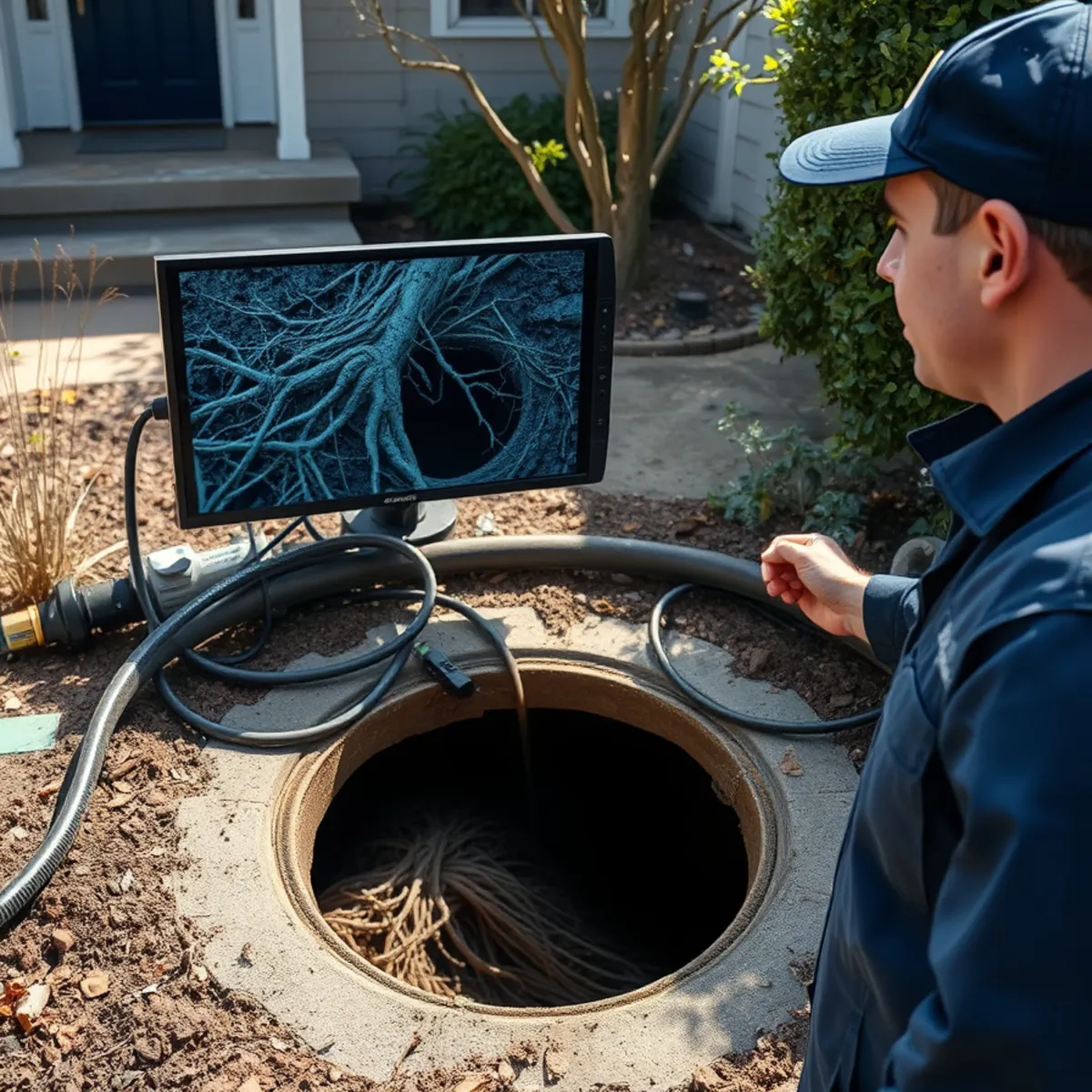 Berkeley Local
6 min read
Most Berkeley homeowners learn that the lateral is theirs on the worst possible day. Here is what to know before that day.
Read articleUsually 45–70 minutes through the Caldecott Tunnel. A live local dispatcher answers day or night. Free inspection, written estimate, and we bill your insurance directly.