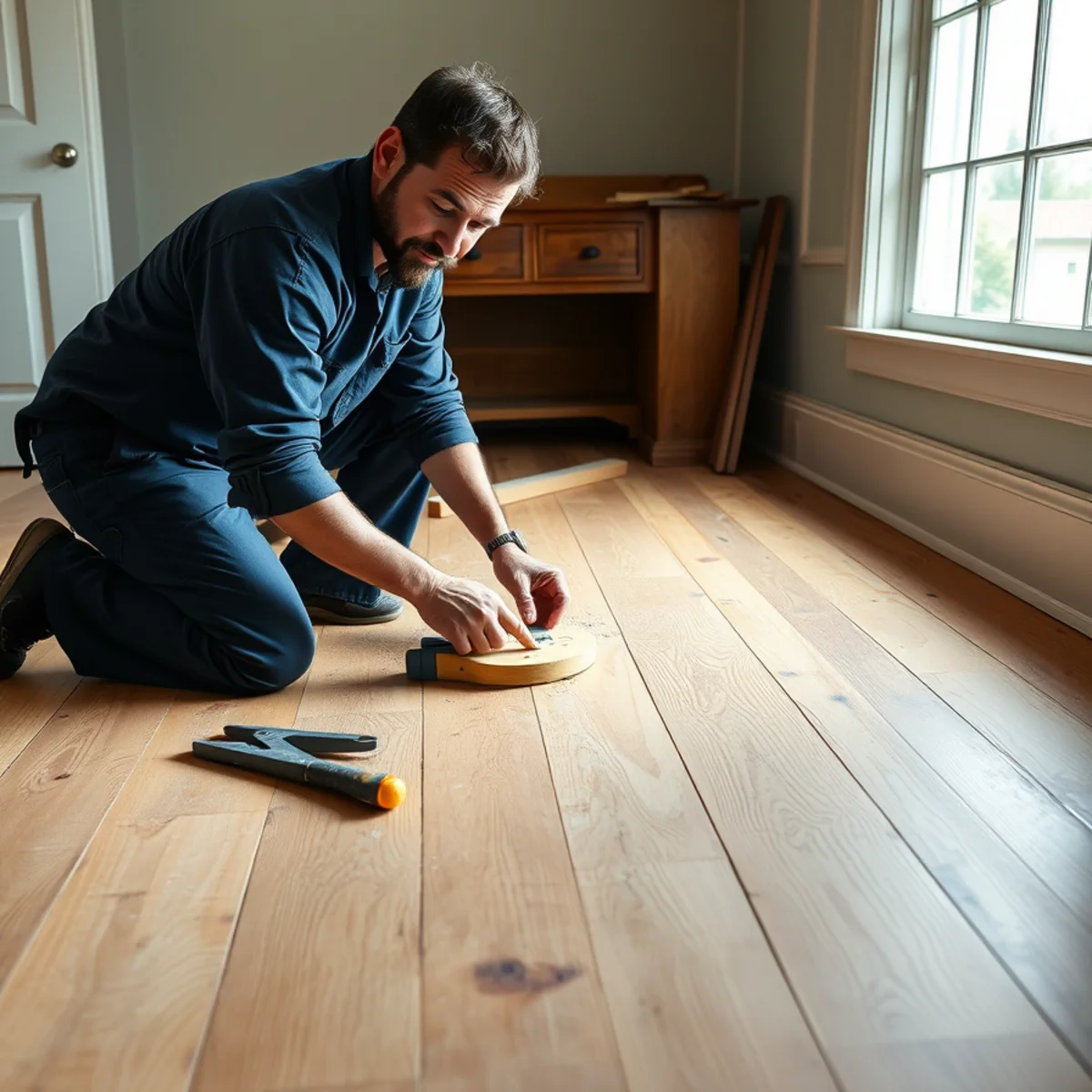
Water Damage Repair
The build-back — floors, ceilings, plaster and trim put right, matched to what was there before.
Learn more
24/7 Emergency
(201) 277-9344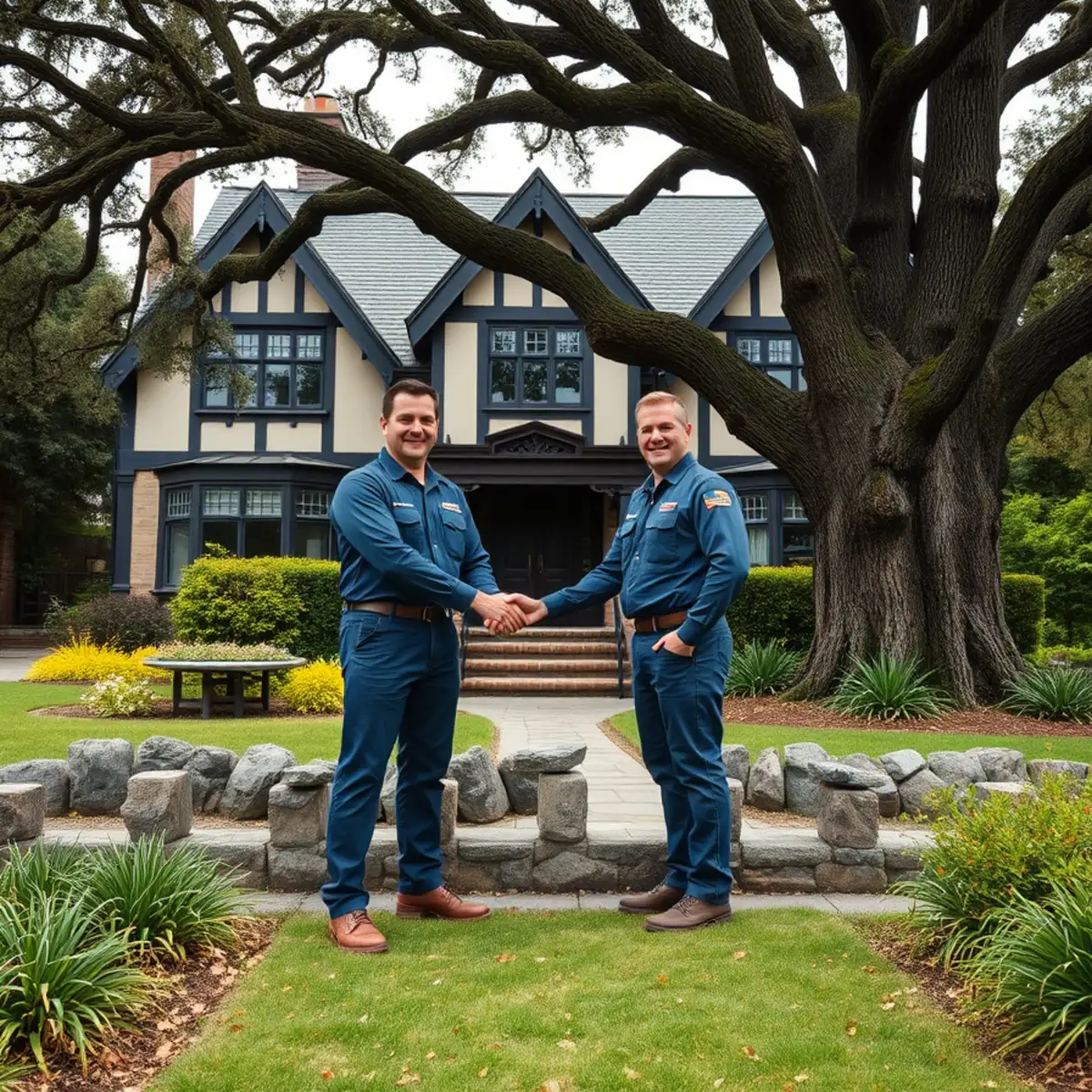
Piedmont · 24/7 Emergency Service
That changes what "restored" has to mean. Nobody rebuilding a 1915 Piedmont house wants stock baseboard and a drywall patch where the plaster used to be. The repair standard here is matching — profile for profile, texture for texture — and the drying standard is careful enough not to damage the material we are trying to save.
We reach Piedmont in thirty to forty-five minutes, and we bring the same period-work approach we use on Berkeley's Craftsman and brown-shingle homes.
The plumbing story is the familiar East Bay one, amplified by scale. A house built in 1912 has a lot of pipe in it, and in Piedmont a lot of that original galvanized run is inside walls on upper floors. When a joint lets go on the third floor of a large house it has two full storeys to damage on the way down.
Mature landscaping is the second factor. The oaks and redwoods that define Piedmont streets have had a century to find clay sewer laterals, and root intrusion here is as reliable as anywhere we work. It is also expensive to correct, because the lateral frequently runs under established hardscape and planting.
Topography adds hillside drainage to the mix. Piedmont is genuinely hilly, with terraced lots, retaining walls, and stone garden structures that all move water in ways their original builders did not fully plan for.
Piedmont's housing is dominated by Tudor Revival, Mediterranean, Colonial Revival, and shingle-style homes from roughly 1900 to 1940, many of substantial size and several by notable Bay Area architects.
These materials do not tolerate aggressive drying. Three-coat plaster over wood lath needs to be dried from behind, through a controlled access point, rather than blasted at the face. Old-growth fir and quartersawn oak flooring is dense and slow to release moisture — push it too hard and you get checking and splits that were not part of the original loss. Solid-core doors and heavy period millwork cup and split if the exposed face dries much faster than the back.
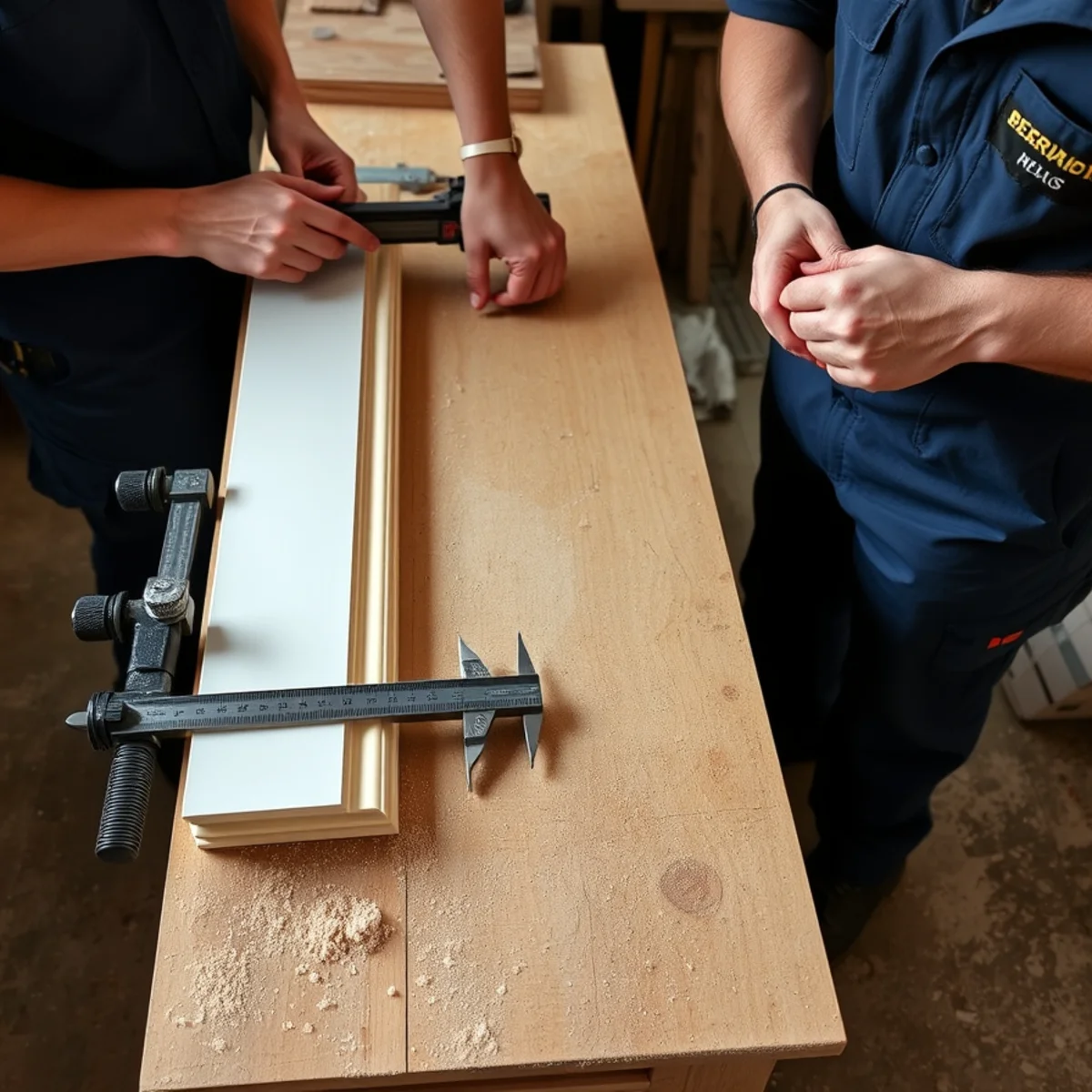
Our approach on these houses is more dehumidification and less brute-force airflow, plus patience: a day or two longer on the schedule, and material that survives. On the repair side we mill trim to match a sample of your original, patch plaster with plaster keyed into the existing lath, and weave hardwood repairs into the field so there is no visible boundary.
Piedmont’s housing is older, larger and more architecturally specific than almost anything else in the East Bay. On these houses the restoration risk is not just the water — it is what an unsympathetic crew does to original material while removing it.
Restore before replace, as the default
Original plaster, old-growth fir and period trim are usually salvageable and almost always cheaper to save than to reproduce. Replacement is our fallback, not our opening scope.
We mill and match rather than approximate
Trim run to your existing profile, plaster patched with plaster and matched for texture, and hardwood woven in and finished as one field so the repair has no visible boundary.
Contents handled with a real inventory
Large period homes hold a lot. Items are photographed and inventoried at pack-out, which protects both the belongings and the contents portion of your claim.
Thirty to forty-five minutes via Broadway or Highway 24
Close enough for a genuine emergency response, and familiar enough with Highland Avenue and Crocker Highlands that we are not navigating for the first time at midnight.
Areas and landmarks we cover in and around Piedmont:
Local Questions
Yes — that is the standard we work to. Plaster is patched with plaster keyed into the existing lath, texture is hand-matched and sampled on a board for your approval first, and trim profiles are milled from a section of your original stock. Where a wall must be fully replaced we use a blueboard-and-veneer-plaster system that matches the hardness and finish of the original.
Not the way we do it. Aggressive airflow on dense old-growth flooring causes checking and splitting, so we lean on dehumidification, dry from below through the joist bays where we can reach them, and give the floor several weeks to acclimate before deciding whether it needs sanding. Most cupped floors flatten on their own.
Through an inventoried pack-out. Every item is photographed, logged, and barcoded before it moves, restored off-site by the appropriate process, and stored in a climate-controlled facility until the house is ready. For fine art, antiques, or instruments we coordinate outside specialists.
Not if it is done at the right rate, and this is the single most common way period floors get ruined during a restoration. Old-growth fir and quarter-sawn oak are dense and release moisture slowly, so aggressive airflow dries the exposed face far faster than the underside and the board cups, checks or splits — damage that was not there before the loss. Our approach on these floors is dehumidification-led with restrained airflow, metered daily, accepting an extra day or two in exchange for keeping the material. On a floor that cannot be bought again, that trade is not close.
Usually thirty to forty-five minutes, day or night. On the disruption question: drying equipment is loud and runs continuously, so we plan placement and containment to keep it out of the rooms you most need, and on larger period homes we can often phase the work wing by wing. We schedule deliveries and equipment moves at sensible hours, keep the site clean daily, and give you a written timeline after the inspection so you are not guessing how long the house will be full of machinery.
Services in Piedmont
The build-back — floors, ceilings, plaster and trim put right, matched to what was there before.
Learn more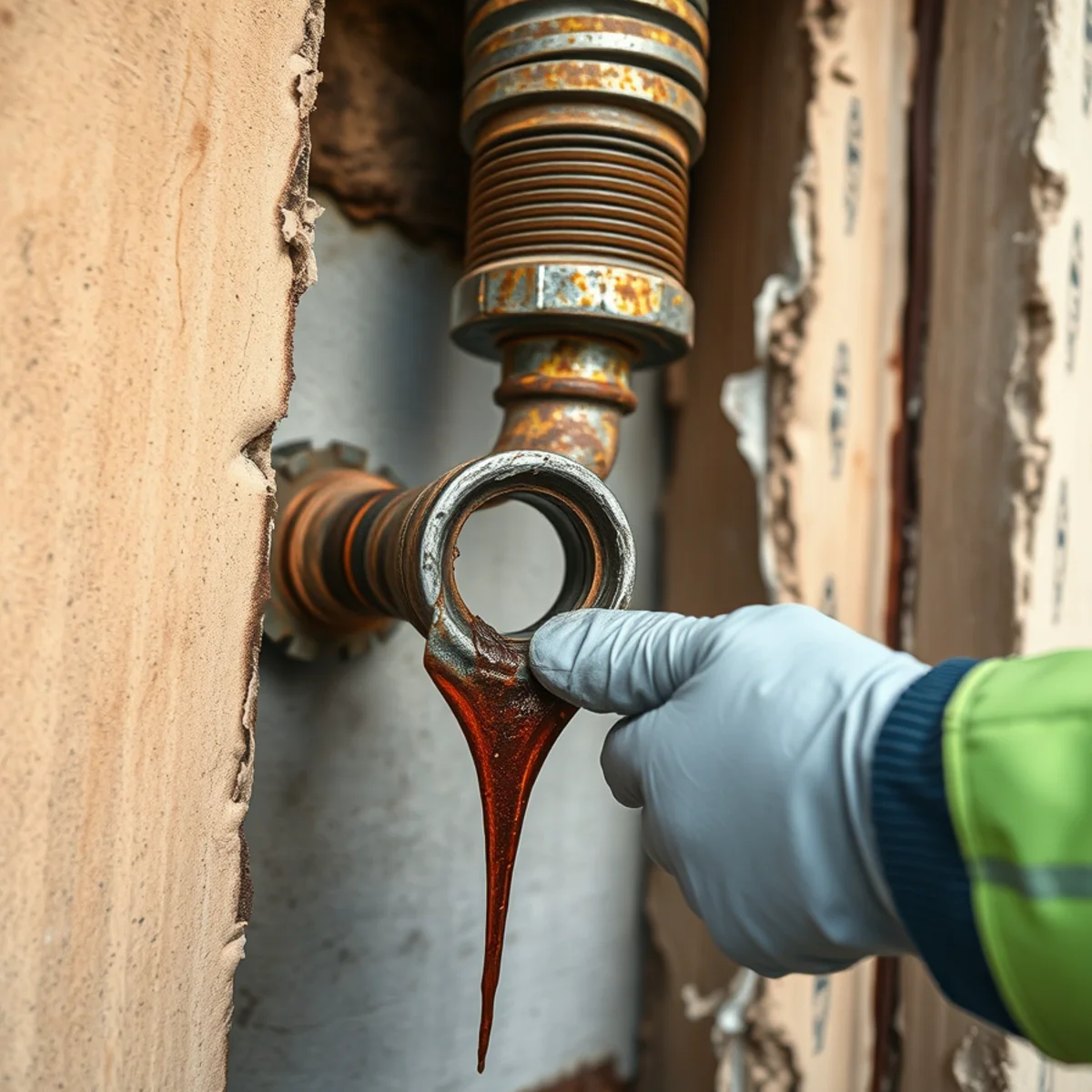
The classic Berkeley failure — hundred-year-old galvanized pipe letting go behind a wall at 2 a.m.
Learn more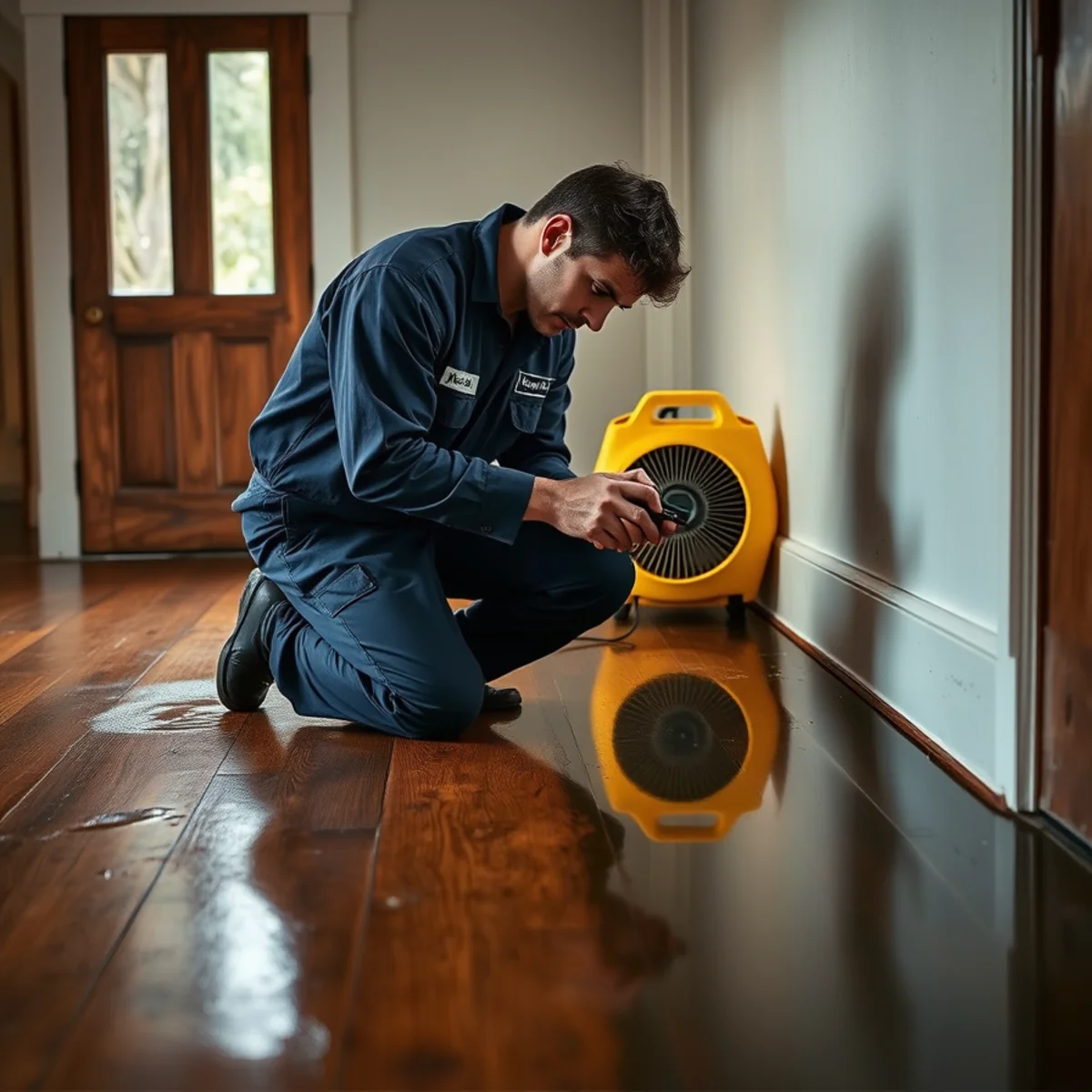
End-to-end recovery from the first phone call to the final repaint — extraction, drying, sanitizing, and rebuild under one crew.
Learn moreYour belongings inventoried, cleaned, and stored safely — including documents and photos most people assume are gone.
Learn moreFind it, contain it, remove it — and fix the moisture source, or it comes straight back.
Learn moreCategory 3 water handled the way it has to be — containment, PPE, HEPA filtration, and verified decontamination.
Learn moreWhat Neighbors Say
Sample content. These are illustrative examples, not customer reviews. Replace them with verified reviews from your Google Business Profile before launch — see src/data/testimonials.ts.
“A supply line let go in the upstairs bathroom of our 1920s place around midnight. Someone actually answered the phone, walked me to the shut-off in the dark, and had a crew here inside the hour. They saved the fir floors, which I had written off.”
“The crawl space had been wet for years and we had no idea. They found it, dried it, put in a vapor barrier, and explained exactly why our downspouts were the actual culprit. No upsell to anything we did not need.”
“Sewage backup in the downstairs unit during a storm. They set containment before touching anything, documented every step for the insurance company, and the claim went through without a single argument.”
Keep Exploring
Under 90 minutes to most of Oakland, day or night.
94609 · 94608 · 94610 · 94611
View areaUsually 25–45 minutes from Downtown Berkeley.
94608
View areaUsually 45–70 minutes through the Caldecott Tunnel.
94563
View area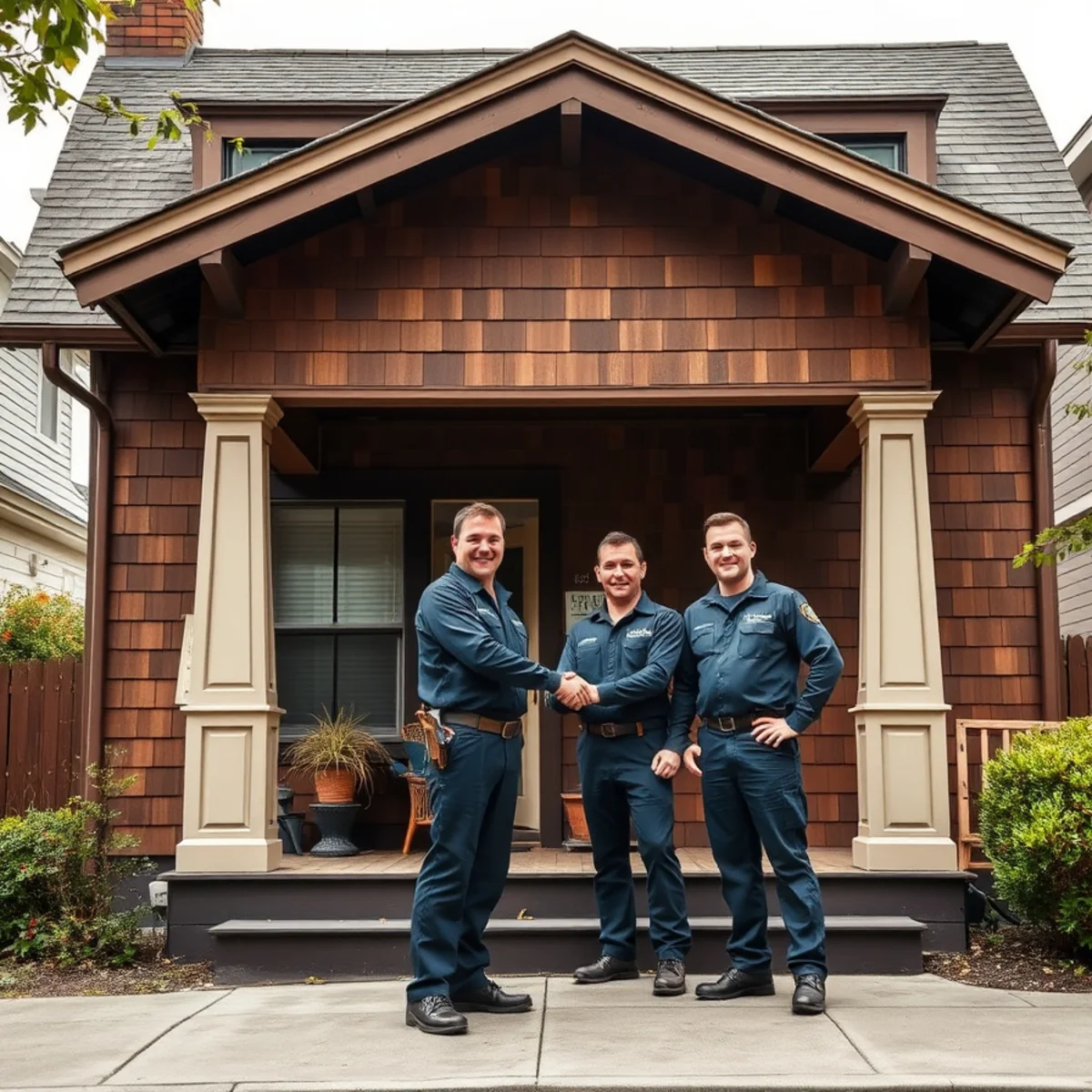 Berkeley Local
8 min read
A hundred-year-old house has a hundred-year-old plumbing system and a crawl space nobody has looked at. Both are fixable before they are urgent.
Read article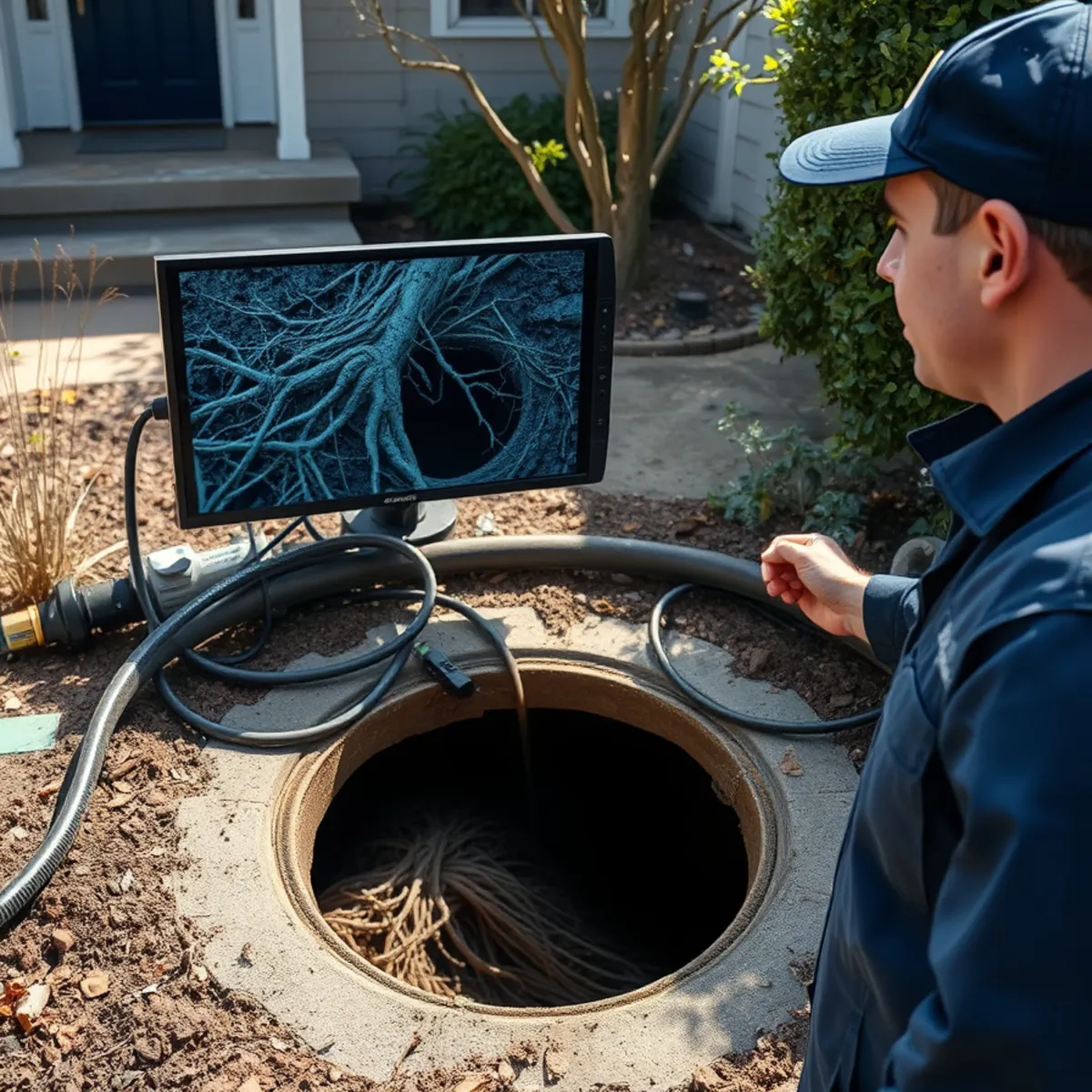 Berkeley Local
6 min read
Most Berkeley homeowners learn that the lateral is theirs on the worst possible day. Here is what to know before that day.
Read articleUsually 30–45 minutes via Broadway or Highway 24. A live local dispatcher answers day or night. Free inspection, written estimate, and we bill your insurance directly.