
Water Damage Repair
The build-back — floors, ceilings, plaster and trim put right, matched to what was there before.
Learn more
24/7 Emergency
(201) 277-9344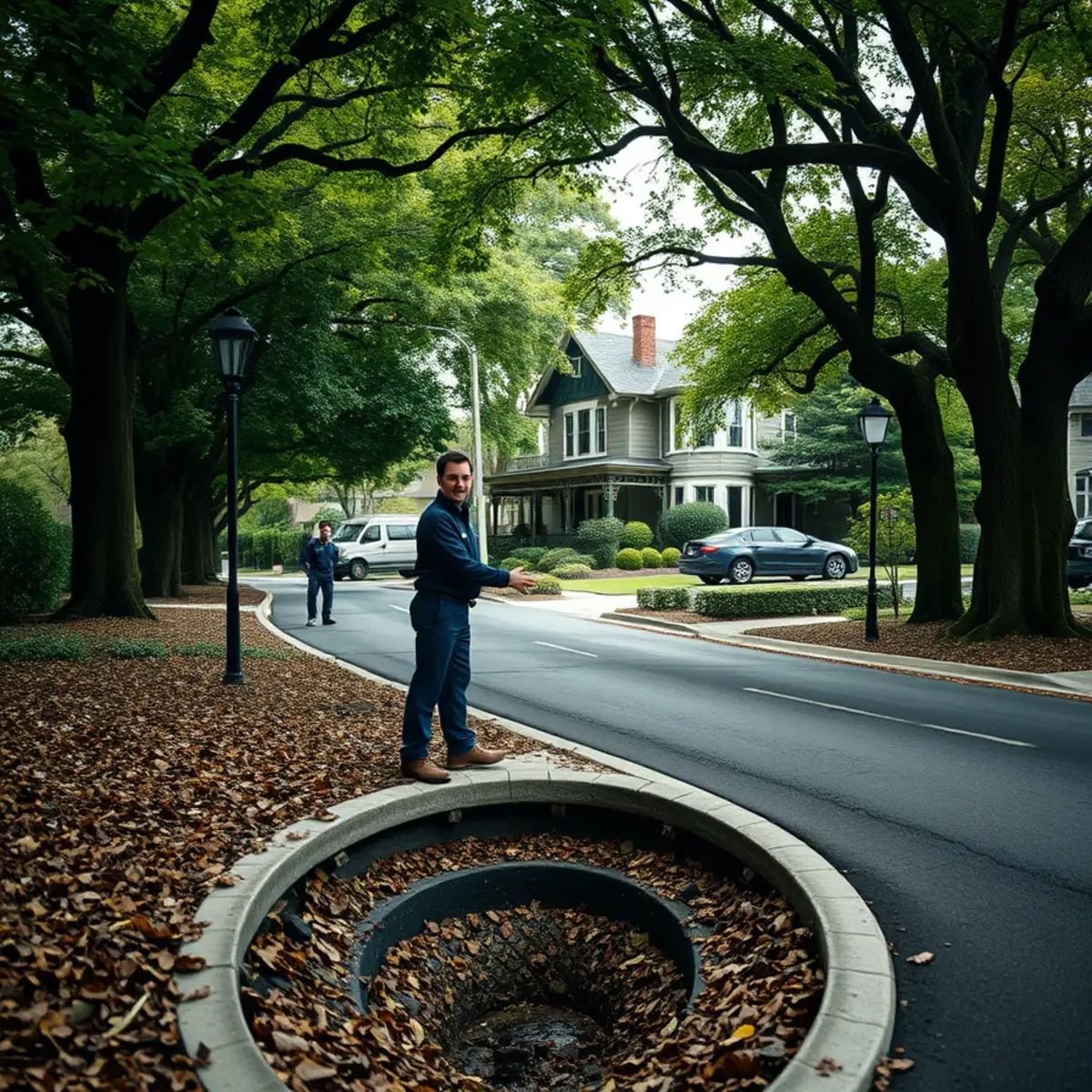
The Uplands · 24/7 Emergency Service
It is one of the most attractive residential settings in the East Bay and one of the more demanding to work in. The tree canopy is heavy, the lots are steep, and a creek runs down out of the canyon through the neighborhood.
We reach The Uplands in twenty to thirty minutes.
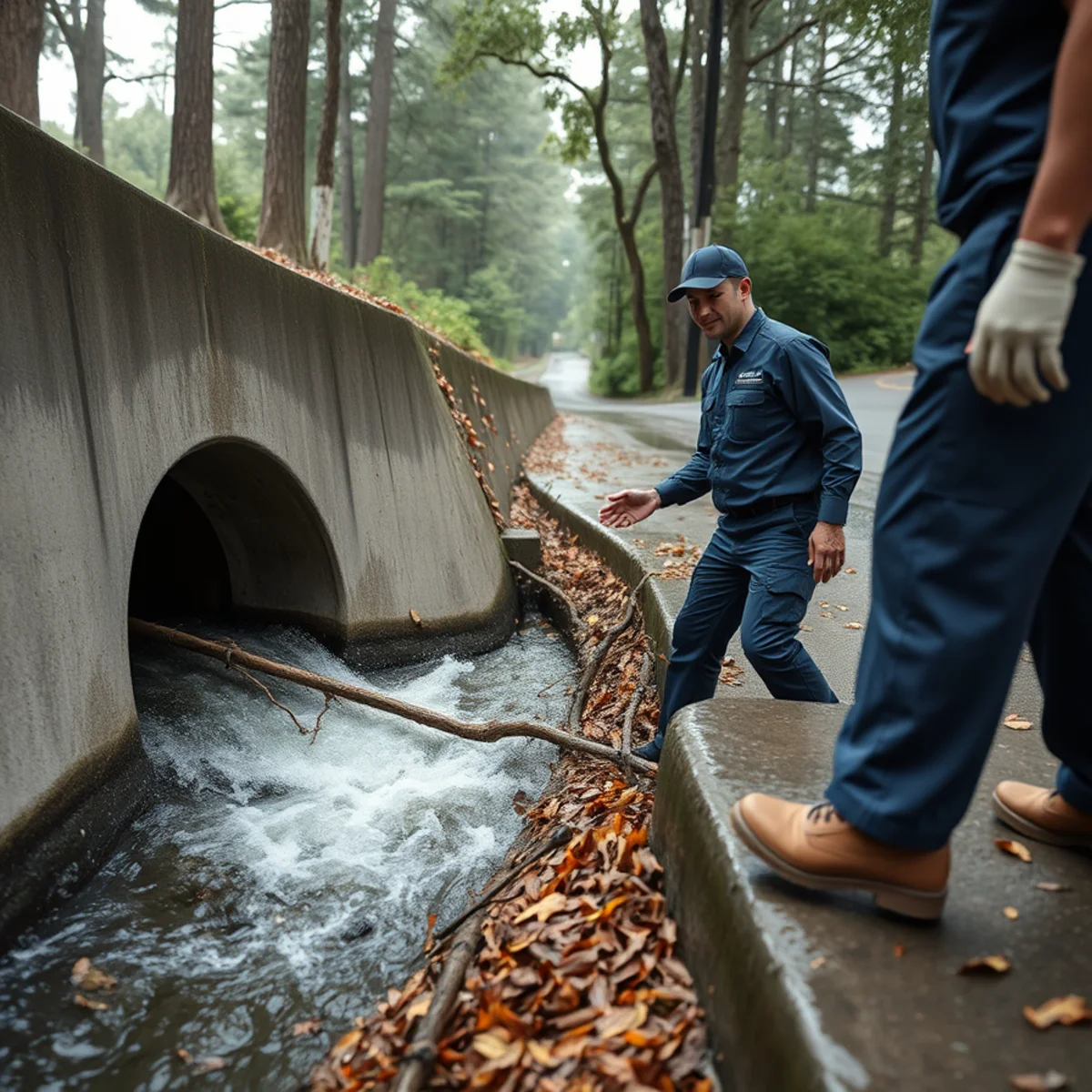
Claremont Creek comes out of the canyon above and passes through this neighborhood, partly open and partly culverted. In a heavy year those culverted sections run at capacity, and creek water arriving in a building is contaminated by definition — Category 3, with the containment and material-removal protocol that implies.
The tree canopy is the underrated factor. Mature oak and bay drop an enormous volume of leaf litter and duff, and it goes straight into gutters, area drains and culvert inlets. A blocked inlet on a slope this steep does not fail gently — it redirects the entire flow toward whatever is downhill. On these lots, drain clearing is a twice-a-season job rather than an annual one.
Slope and retaining walls complete the picture. Most properties have at least one wall holding back earth, and where the drainage behind it has silted up over the decades the wall holds water instead of shedding it.
The housing is substantial and largely from the 1910s and 1920s — big Mediterranean, Tudor and shingle-style homes with plaster over lath, old-growth hardwood floors, extensive original millwork and, frequently, built-in casework that is a genuine part of the property's value.
The plumbing story is the familiar one, scaled up. A large house of that age contains a great deal of original galvanized supply pipe, much of it on upper floors and inside walls, and a failure at that height damages everything below it on the way down.
These are also houses where the restoration standard matters more than the drying schedule. We dry plaster from behind through a controlled access point, use dehumidification rather than high-velocity airflow on dense old-growth flooring, and give cupped floors several weeks to acclimate before deciding anything. Repairs are matched — plaster with plaster, trim milled from your original profile, hardwood woven into the field.
For contents, we run an inventoried pack-out with photography and barcoding, and coordinate outside specialists for fine art, antiques and instruments.
The Uplands puts a creek, a heavy tree canopy and a real slope in the same few blocks, around estate-scale houses built from materials that cannot be casually replaced.
Creek and canopy work together
Claremont Creek raises groundwater while the canopy fills gutters and area drains with litter. The first heavy storm then overwhelms a system that looked fine in September.
Period materials treated as irreplaceable
Restore before replace as the default: plaster patched in plaster, trim milled to profile, old-growth floors dried at a rate that keeps them flat.
Contents inventoried, not just moved
Large houses hold a great deal. Everything is photographed and inventoried at pack-out, which protects both the belongings and the contents part of the claim.
Twenty to thirty minutes via Claremont Avenue
Close enough for genuine emergency response, with access planned for the narrower upper drives.
Areas and landmarks we cover in and around The Uplands:
Local Questions
Generally not. Standard California policies exclude surface water and rising groundwater, and creek overflow falls squarely inside that exclusion regardless of how sudden it felt. Separate flood coverage handles it and carries a waiting period, so it has to be arranged before the season rather than during a storm. What can be covered is a different mechanism with a similar appearance — for instance a sudden failure of a covered plumbing component, or a storm-created opening in the structure. Because those distinctions decide the entire claim, we document cause, timing and water path in writing from the first visit.
Containment first: the working area is sealed under negative pressure with HEPA filtration so dust and any airborne contamination do not migrate into the rest of the house. Floors and circulation routes are protected, and anything at risk is either blocked up off the floor or packed out. Where a pack-out is needed, items are photographed and inventoried individually at the point they leave, with condition recorded, so nothing depends on memory later. We also phase the work room by room where the house allows it, so you are not living with the whole ground floor unavailable.
Services in The Uplands
The build-back — floors, ceilings, plaster and trim put right, matched to what was there before.
Learn more
Your belongings inventoried, cleaned, and stored safely — including documents and photos most people assume are gone.
Learn more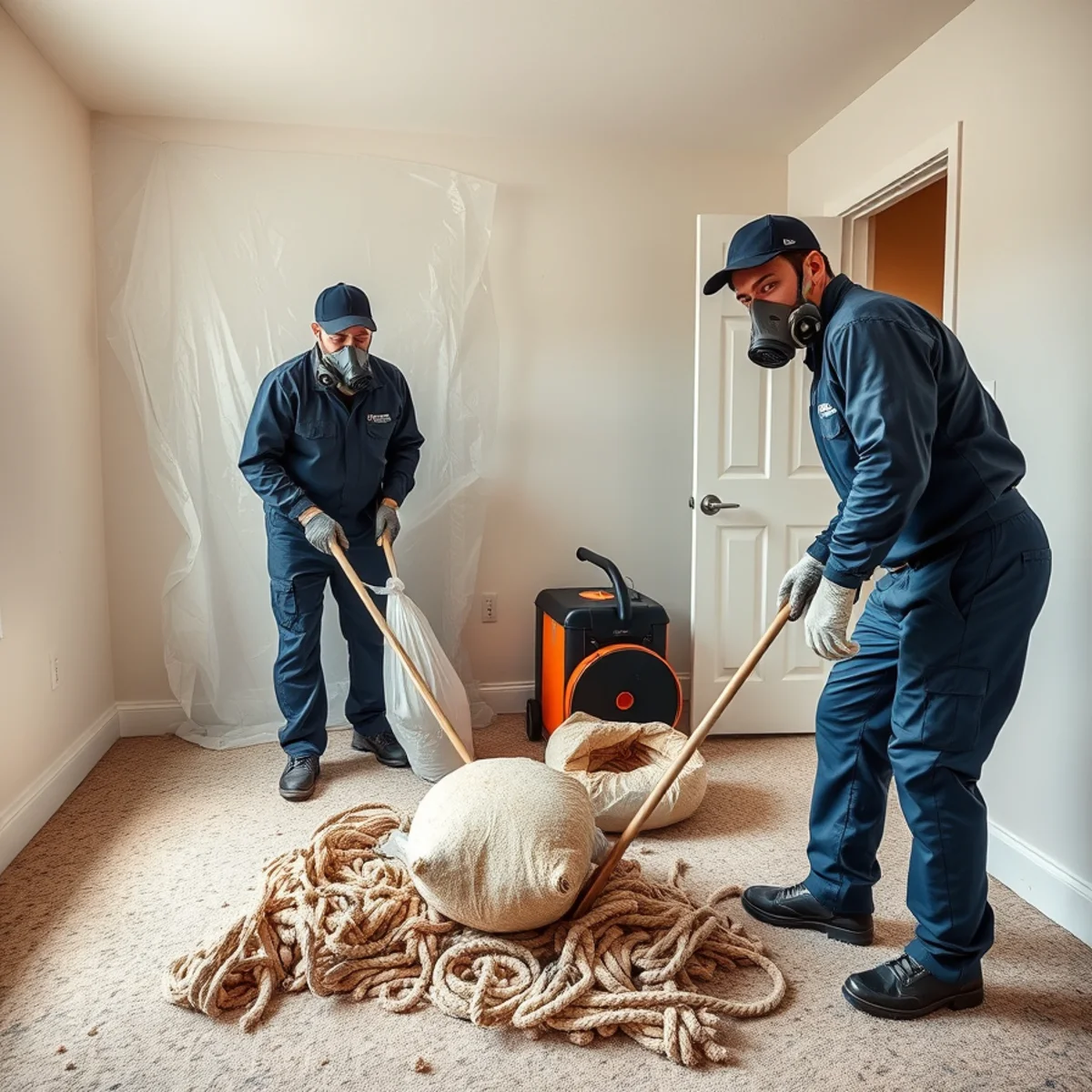
Ground and storm water is contaminated by definition — we clean it to Category 3 protocol, not like a spilled bathtub.
Learn moreThe classic Berkeley failure — hundred-year-old galvanized pipe letting go behind a wall at 2 a.m.
Learn moreEmergency tarping and board-up the same night, then the full repair once the weather clears.
Learn moreFind it, contain it, remove it — and fix the moisture source, or it comes straight back.
Learn moreWhat Neighbors Say
Sample content. These are illustrative examples, not customer reviews. Replace them with verified reviews from your Google Business Profile before launch — see src/data/testimonials.ts.
“A supply line let go in the upstairs bathroom of our 1920s place around midnight. Someone actually answered the phone, walked me to the shut-off in the dark, and had a crew here inside the hour. They saved the fir floors, which I had written off.”
“The crawl space had been wet for years and we had no idea. They found it, dried it, put in a vapor barrier, and explained exactly why our downspouts were the actual culprit. No upsell to anything we did not need.”
“Sewage backup in the downstairs unit during a storm. They set containment before touching anything, documented every step for the insurance company, and the claim went through without a single argument.”
Keep Exploring
Typically 20–30 minutes up Claremont Avenue.
94705
View areaTypically 20–30 minutes off Claremont Avenue.
94705
View areaTypically 20–35 minutes up into the hills.
94708 · 94705 · 94709
View area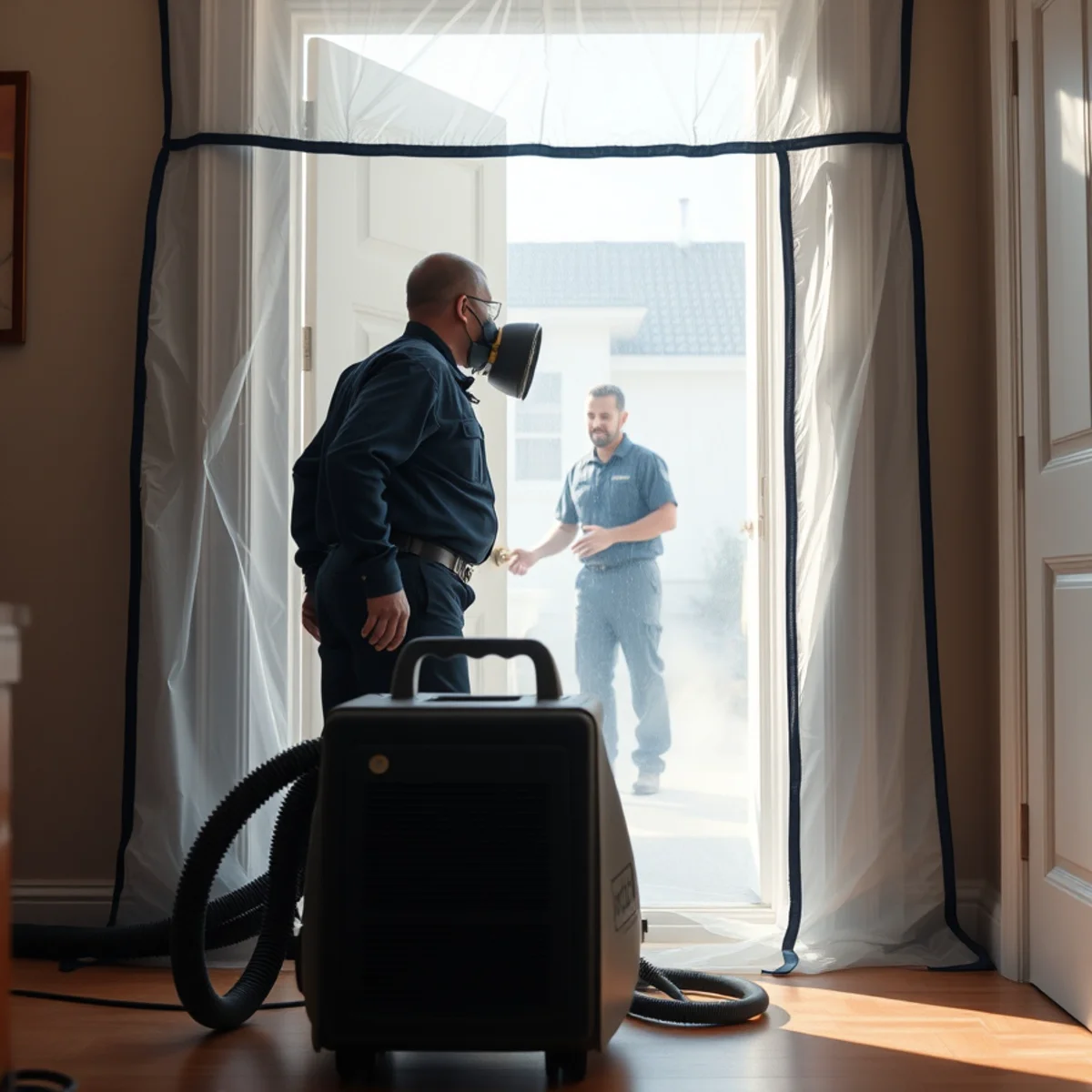 Mold & Health
7 min read
Testing tells you what and how much. Remediation removes it. Knowing which one you need first saves most people a few hundred dollars.
Read article Process & Education
7 min read
Most dry-downs run three to five days. The ones that go wrong are the ones that were stopped by a calendar instead of a meter.
Read articleTypically 20–30 minutes via Claremont Avenue. A live local dispatcher answers day or night. Free inspection, written estimate, and we bill your insurance directly.