24/7 Emergency Service
A live local dispatcher every hour of the year, and a crew at your door in 60–90 minutes anywhere in Berkeley.
Learn more
24/7 Emergency
(201) 277-9344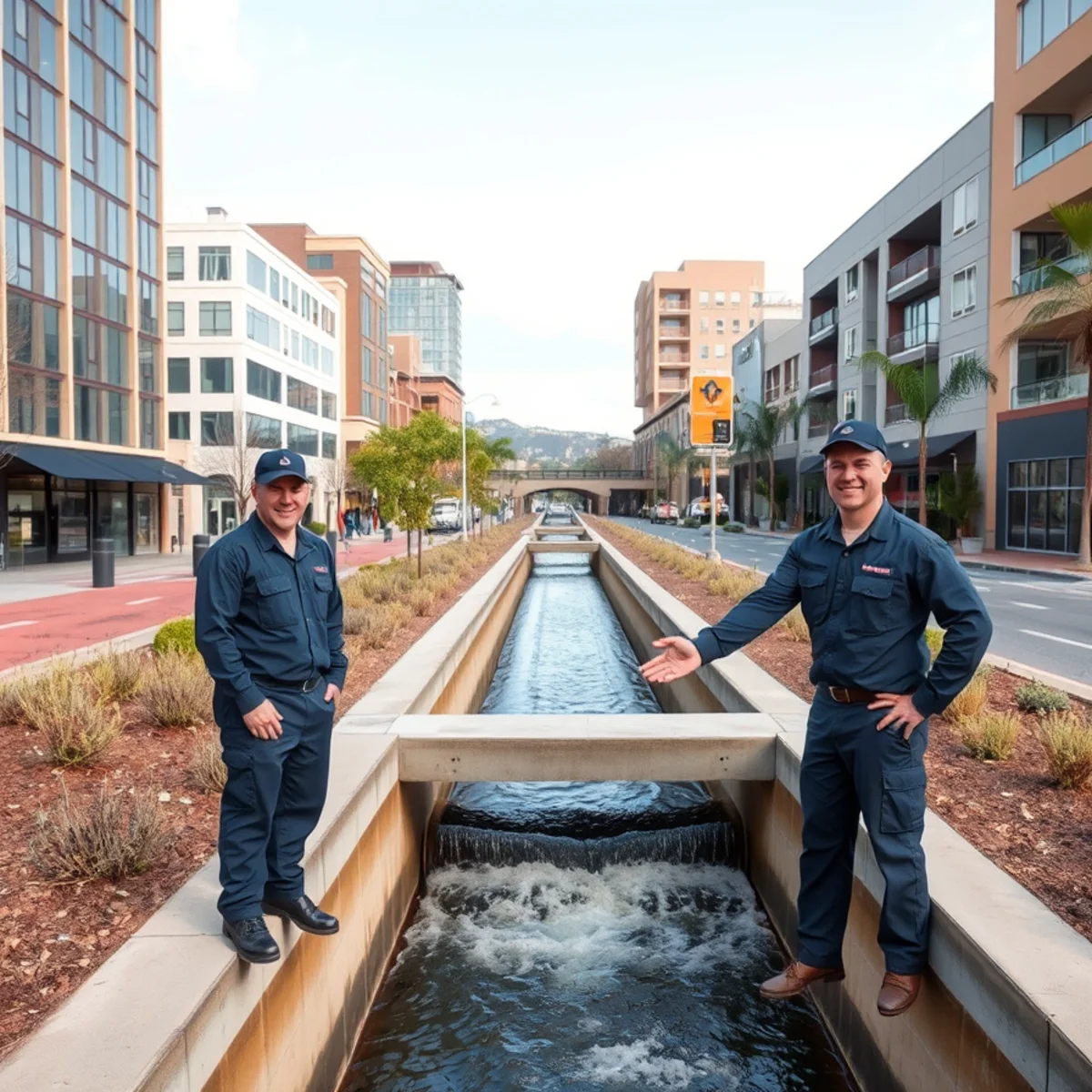
Walnut Creek · 24/7 Emergency Service
It is also the most varied city in our service area by building type: a genuinely urban downtown core with mid-rise residential, an enormous condominium and co-op community at Rossmoor, and post-war and later single-family tracts spreading out through Ygnacio Valley and Northgate.
Each of those fails in a different way, and the response has to match.
Walnut Creek is named for the watercourse running through it, and the confluence of Walnut Creek and San Ramon Creek sits close to the downtown core. Much of that system has been engineered into concrete flood control channels precisely because the flooding history warranted it. Those channels have capacity, but capacity is finite — during an extreme event, properties in the historic floodplain are exposed.
Condominium and multi-storey buildings — Rossmoor, downtown mid-rise, and the newer development around the BART corridor — bring the vertical problem. Fire sprinkler discharge is the largest single-event loss we see in these buildings, usually accidental rather than fire-related, and stacked plumbing means a supply failure on an upper floor drops through every unit below it.
Hot dry summers matter more than people expect. Extreme summer heat is hard on supply lines, appliance hoses and water heaters, and the failures they cause tend to happen while nobody is home.
Single-family tracts through Ygnacio Valley and Northgate are largely slab-on-grade or raised post-war construction with copper plumbing and its pinhole-pitting failure mode.
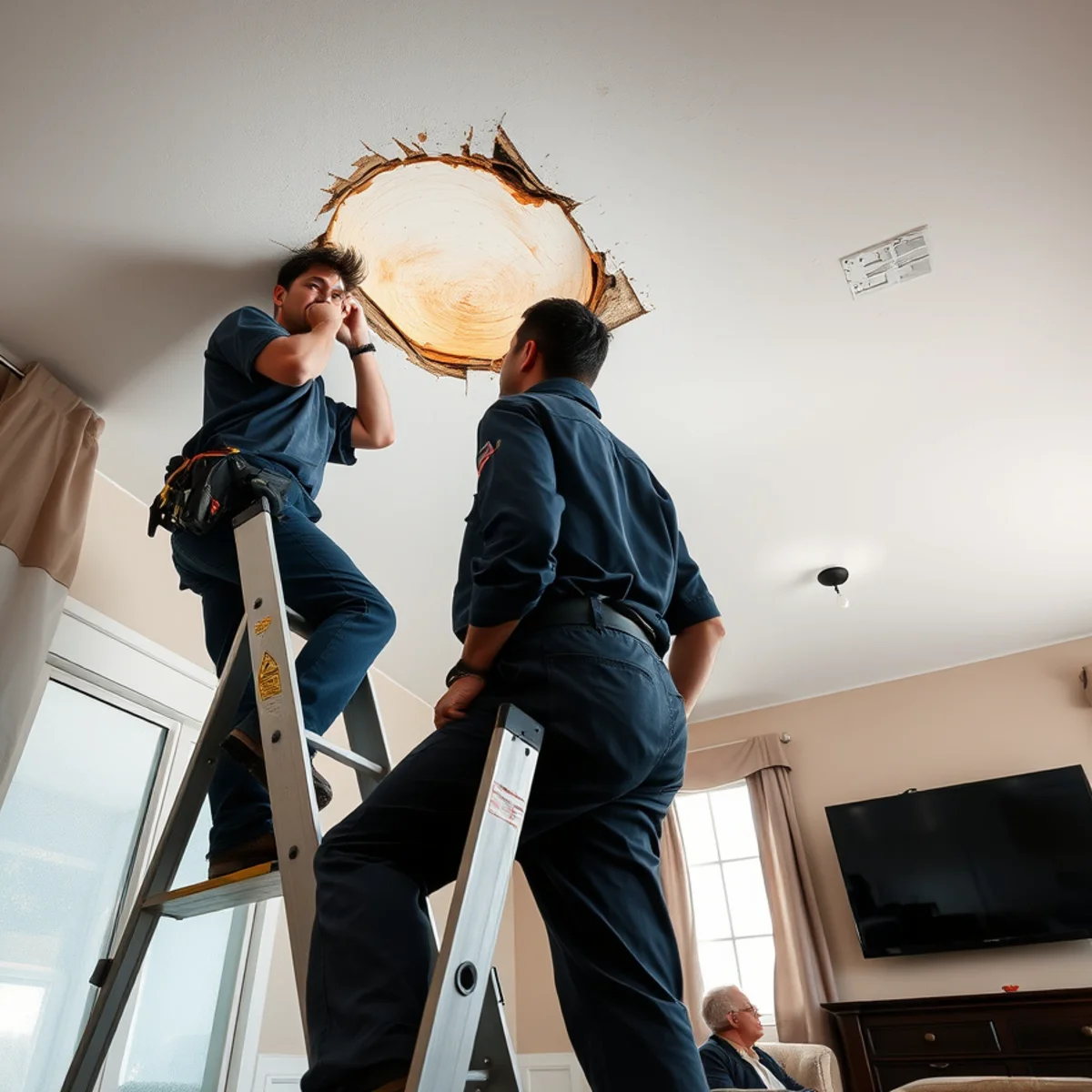
For condominium and co-op losses, the technical work is the smaller half. Water crosses demised boundaries and does not care whose unit it is under. Broadly, the association master policy covers the structure and common elements while individual HO-6 policies cover interiors and contents — and the CC&Rs decide the rest.
Our job is to document the loss precisely enough that the split is obvious rather than litigated: which unit it originated in, the path it took, and what it affected in each space. Each owner gets a separate documentation package built from the same underlying record.
We also coordinate with association management on access, elevator and dock scheduling, and after-hours work so residents are disrupted as little as the job allows.
For single-family tracts, slab leaks are located acoustically before any concrete is opened, and rerouting above the slab is frequently the cheaper and less destructive answer.
Walnut Creek is built around its creeks and its flood control channel, and its housing runs from single-family tracts to downtown mid-rise and large condominium communities — which means very different losses depending on where you are.
Multi-unit losses handled as one job
In a condo or mid-rise, one failed supply line becomes several units in minutes. We extract top-down and produce documentation the HOA, the building insurer and each owner can all work from.
Creek and channel flooding is surface water
The flood control channel exists for a reason, and what it handles is exactly what your homeowners policy excludes. We identify cause carefully because that distinction decides the claim.
Tract housing on slab, scoped accordingly
Slab construction spreads water sideways under flooring and up into wall bases rather than draining. It needs mapping and mat drying, not a fan in the hallway.
Sixty to eighty-five minutes, quoted honestly
This is the outer edge of our range and we say so plainly, along with what to do in the meantime.
Areas and landmarks we cover in and around Walnut Creek:
Local Questions
It depends on the CC&Rs and where the failure originated. Generally the association master policy covers the structure and common elements while individual HO-6 policies cover interiors and contents. We document the origin, the path and the damage in each unit so the allocation rests on evidence rather than negotiation.
For a significant loss or a job needing careful period or multi-unit work, often yes — and we will say plainly when it is not. In an active emergency where every minute counts and a closer company can be on site substantially sooner, we will tell you that on the first call.
Sometimes yes and sometimes no, and we will tell you which. Sixty to eighty-five minutes via the Caldecott and Highway 24 is our outer range, so for a fast-moving active leak you may be better served by someone closer, and we will say that rather than book the job. Where we are genuinely worth the drive is the work that comes after the emergency: a disputed claim, a period property that needs careful restoration rather than replacement, or a job another company dried without documenting. Either way you get free guidance on the phone.
It usually splits three ways and the split is decided by your governing documents, not by who is most upset. Broadly: the association policy covers the building structure as defined in the CC&Rs, the responsible unit owner’s liability coverage may cover damage to others, and each owner’s HO-6 covers their own interior finishes and contents. What settles it in practice is evidence — where the failure started, when, and how far the water travelled. We document the loss across every affected unit as a single record, which is what stops three adjusters producing three incompatible accounts.
Services in Walnut Creek
A live local dispatcher every hour of the year, and a crew at your door in 60–90 minutes anywhere in Berkeley.
Learn more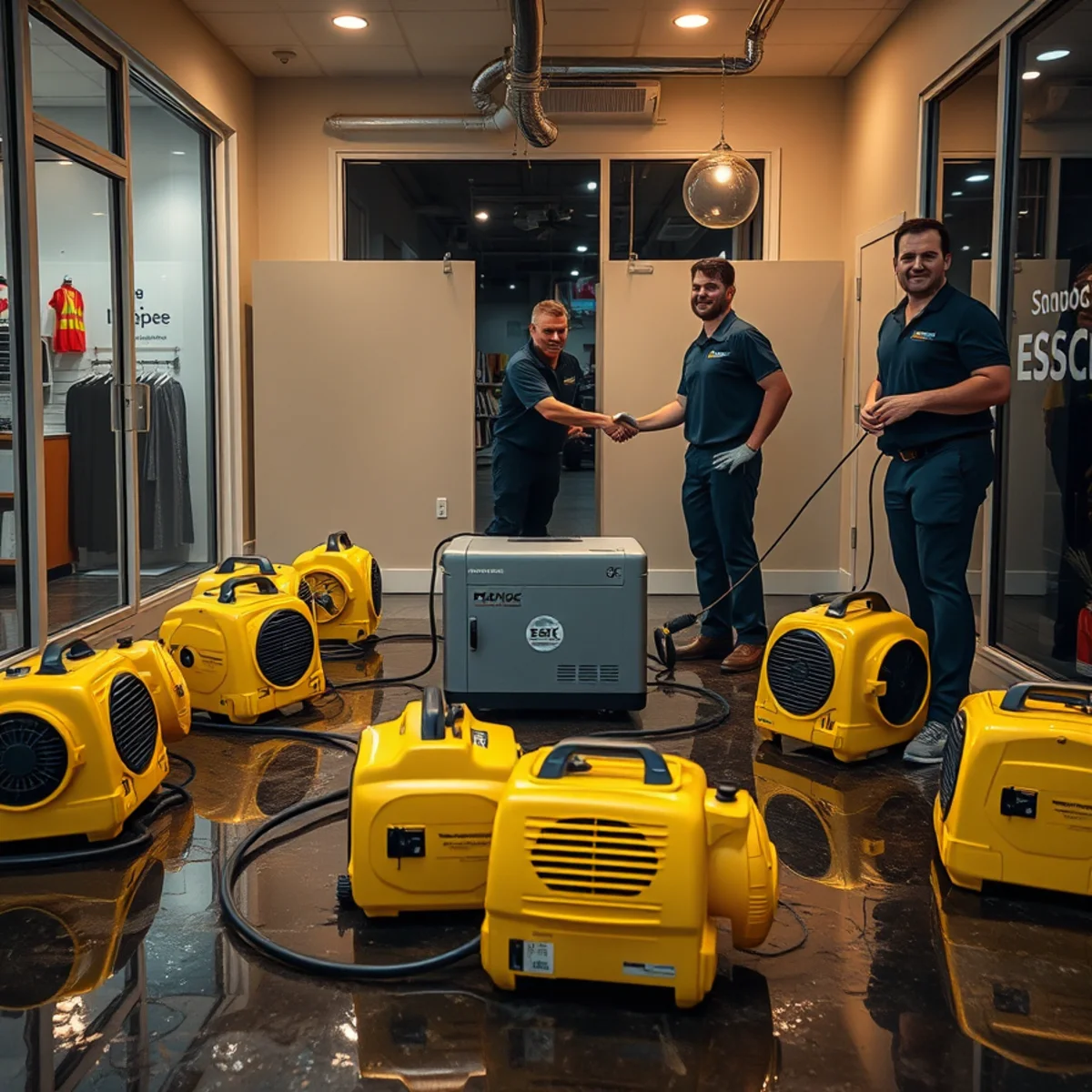
Every hour closed is revenue gone — we phase the work and run crews after hours to keep you trading.
Learn more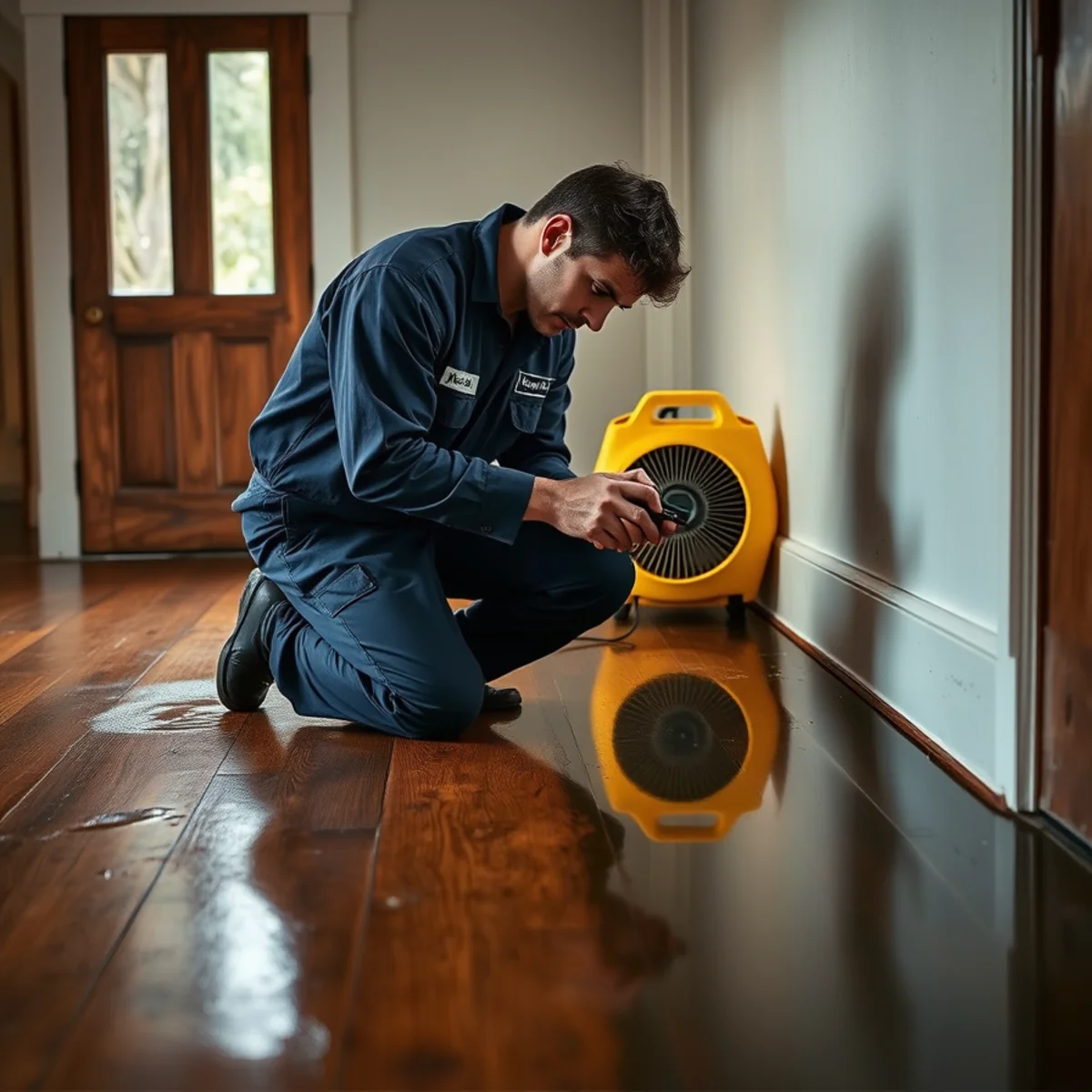
End-to-end recovery from the first phone call to the final repaint — extraction, drying, sanitizing, and rebuild under one crew.
Learn moreGround and storm water is contaminated by definition — we clean it to Category 3 protocol, not like a spilled bathtub.
Learn moreFind it, contain it, remove it — and fix the moisture source, or it comes straight back.
Learn moreTruck-mounted extraction that pulls hundreds of gallons an hour — the single highest-leverage hour of the entire job.
Learn moreWhat Neighbors Say
Sample content. These are illustrative examples, not customer reviews. Replace them with verified reviews from your Google Business Profile before launch — see src/data/testimonials.ts.
“A supply line let go in the upstairs bathroom of our 1920s place around midnight. Someone actually answered the phone, walked me to the shut-off in the dark, and had a crew here inside the hour. They saved the fir floors, which I had written off.”
“The crawl space had been wet for years and we had no idea. They found it, dried it, put in a vapor barrier, and explained exactly why our downspouts were the actual culprit. No upsell to anything we did not need.”
“Sewage backup in the downstairs unit during a storm. They set containment before touching anything, documented every step for the insurance company, and the claim went through without a single argument.”
Keep Exploring
Usually 50–75 minutes through the Caldecott Tunnel.
94549
View areaUsually 55–80 minutes through the Caldecott via Moraga Way.
94556
View areaUsually 45–70 minutes through the Caldecott Tunnel.
94563
View area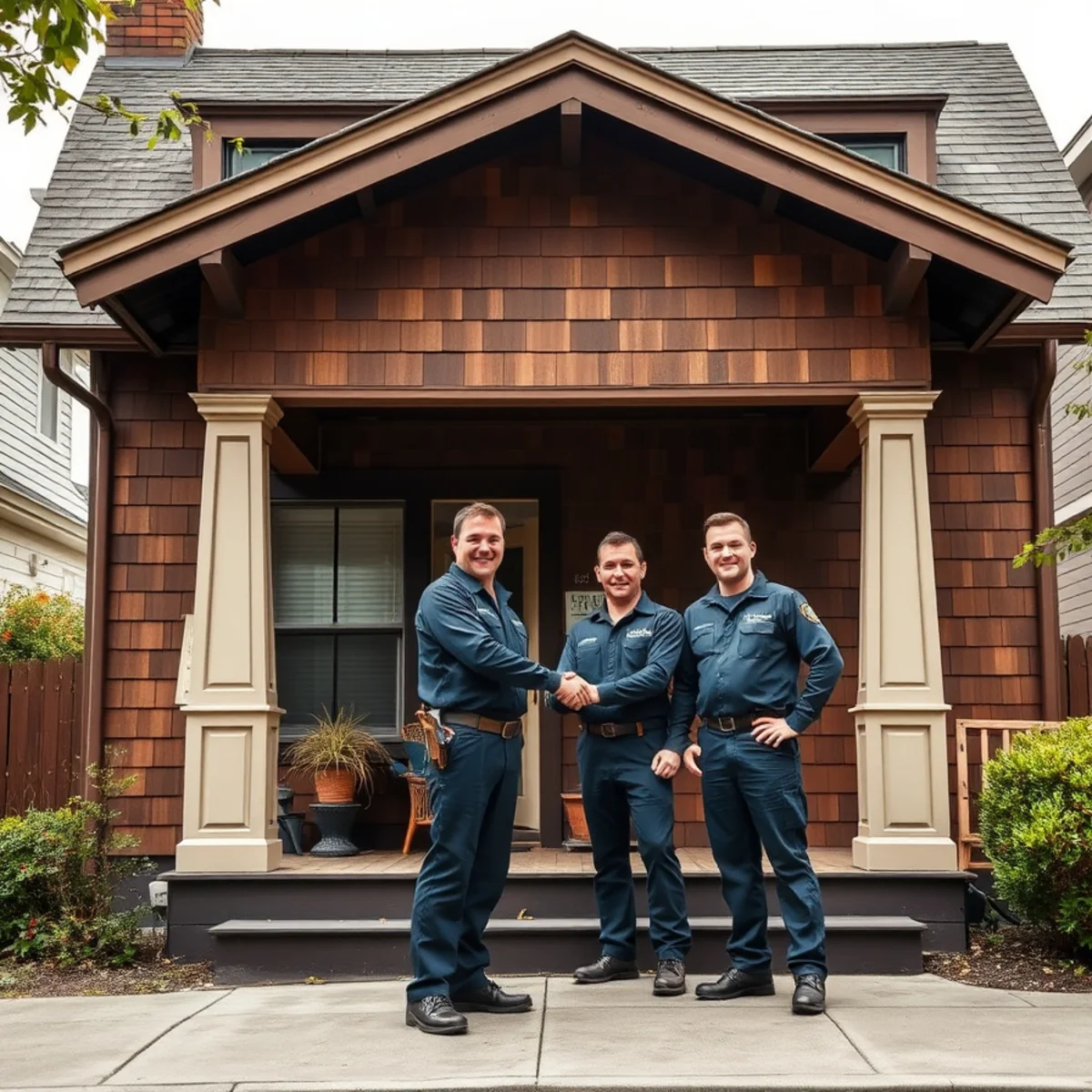 Berkeley Local
8 min read
A hundred-year-old house has a hundred-year-old plumbing system and a crawl space nobody has looked at. Both are fixable before they are urgent.
Read article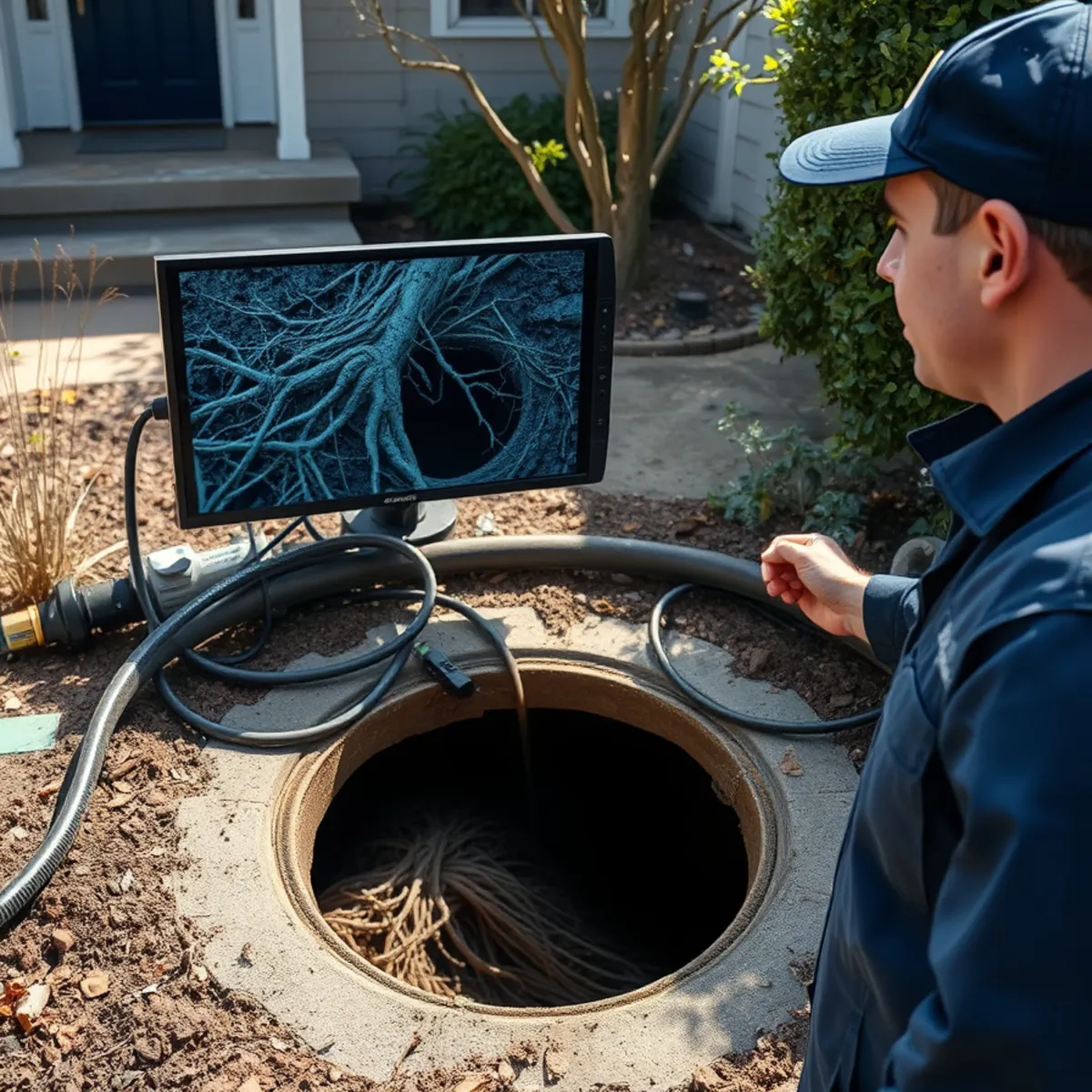 Berkeley Local
6 min read
Most Berkeley homeowners learn that the lateral is theirs on the worst possible day. Here is what to know before that day.
Read articleUsually 60–85 minutes via the Caldecott and Highway 24. A live local dispatcher answers day or night. Free inspection, written estimate, and we bill your insurance directly.