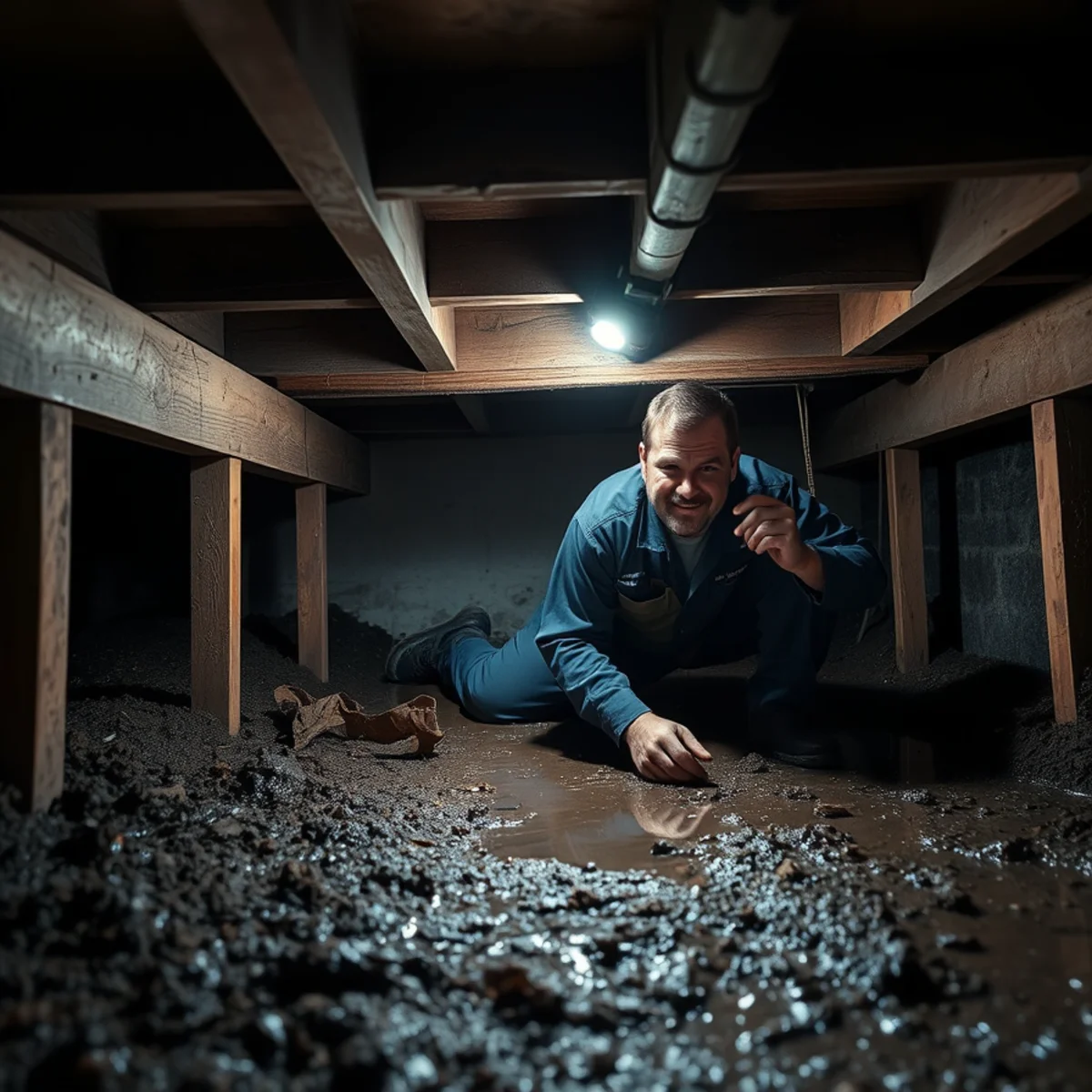
Crawl Space & Basement Water
The space nobody looks at, humidifying the whole house from below — pumped, dried, and sealed properly.
Learn more
24/7 Emergency
(201) 277-9344
Poet's Corner · 24/7 Emergency Service
It is a compact, consistent neighborhood of modest early-twentieth-century bungalows on small flat lots, and it produces a correspondingly consistent set of water problems. After enough jobs here we generally know what we will find before we open a wall.
We reach it in fifteen to twenty-two minutes via Gilman or Hopkins.
Lot geometry is the everyday problem. Parcels here are narrow and houses sit close to each other and to the property line, so there is very little room to move roof runoff away from a foundation. Downspouts frequently discharge within a foot or two of the stem wall, and over years that saturates the soil right against the house and pushes moisture into the crawl space.
Extending those downspouts to discharge at least five feet from the foundation is a thirty-dollar fix and it resolves a genuinely large share of the calls we get from these streets.
Flat ground and a high water table do the rest. Surface water drains slowly, so during heavy sustained rain it ponds; and crawl spaces stay damp through the wet season with no leak involved.
Above ground it is standard pre-war Berkeley: galvanized supply pipe near or past end of life, and clay laterals with root intrusion.
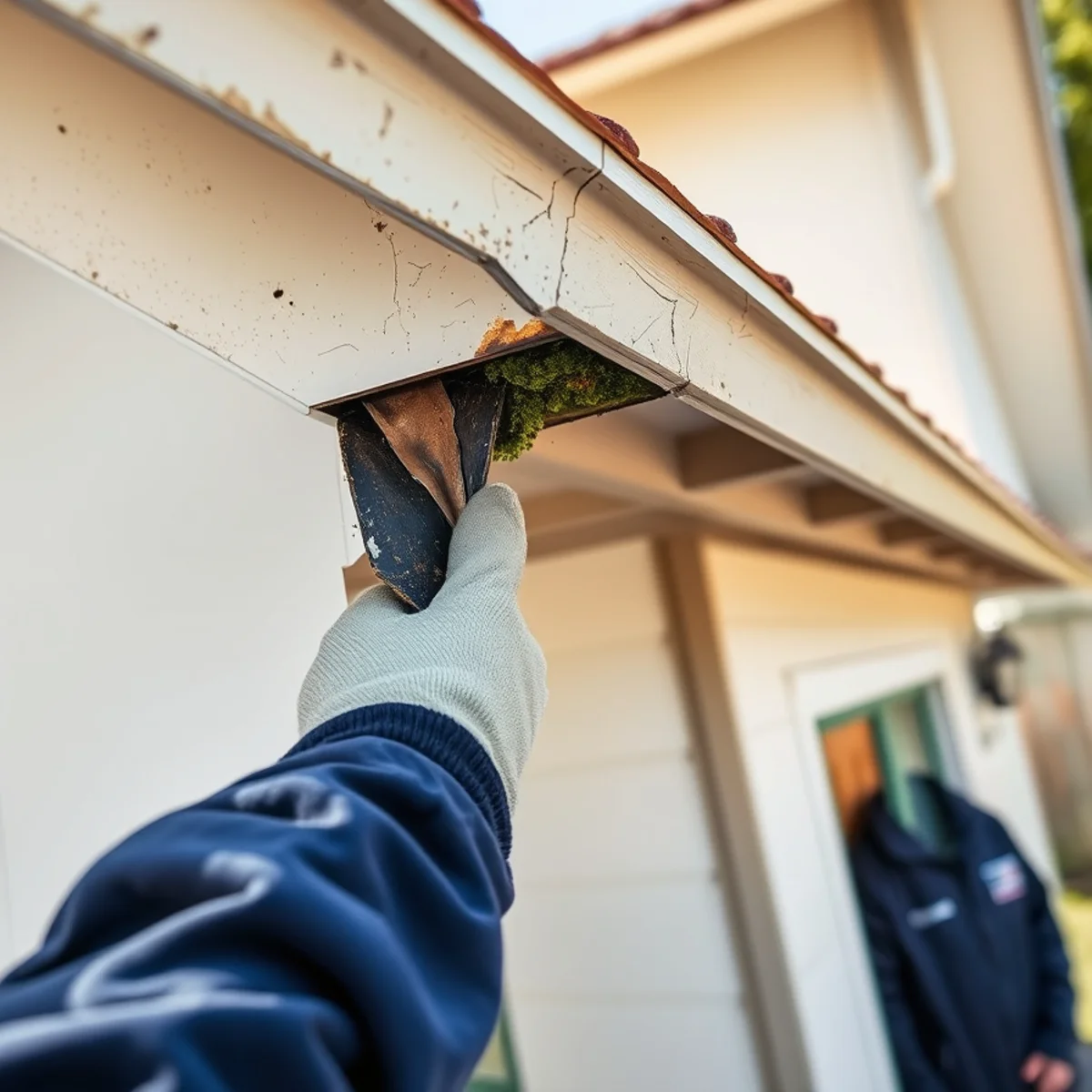
The housing is mostly 1900s through 1930s single-storey bungalows and small Craftsman cottages, on raised foundations over shallow crawl spaces with bare soil beneath.
Many have had a rear addition or a garage conversion added at some point, and the junction between original construction and addition is where a surprising share of our work here begins — different foundation heights, patched-in plumbing, and roof transitions that were never flashed properly.
Because the neighborhood built out in a narrow window, houses on the same block tend to reach the end of their plumbing life together. When we start getting calls from one street here, we usually get more from it within a couple of seasons — so a neighbor repiping is worth paying attention to.
The highest-value preventive work is unglamorous: a sealed vapor barrier over the crawl-space soil, and downspouts extended away from the foundation.
Poet’s Corner is a consistent bungalow neighbourhood on small flat lots — which means very little room between houses for water to go anywhere except into a foundation.
Small lots leave water nowhere to go
Short downspout runs and narrow side yards discharge storm water within a metre of the foundation. It is the most common cause of crawl-space moisture on these streets.
A uniform housing stock ages together
The bungalows along Browning, Byron and Chaucer were built in the same period with the same materials, so failures tend to arrive on a street rather than at one address.
Additions leak where they meet the original
The junction between an original bungalow and a later addition is the single most common entry point we find here.
Fifteen to twenty-two minutes via Gilman or Hopkins
A short, reliable run from Downtown at any hour.
Areas and landmarks we cover in and around Poet's Corner:
Local Questions
Two things, both cheap. Extend your downspouts so they discharge at least five feet from the foundation, and put a sealed vapor barrier over the bare soil in your crawl space. Between them they address the two largest moisture sources on a house in this neighborhood.
Very. Roof transitions between original construction and a later addition are one of the most reliable leak sources in the flats — the flashing was often done quickly and has had decades to fail. We trace the actual entry point with thermal imaging rather than assuming it is directly above the stain.
Because that junction is the hardest detail on the building and the one most often done imperfectly. Two structures built decades apart settle at different rates and move differently, so the roof-to-wall connection, the flashing at the join and any change in roof pitch are all under constant stress. Water tracks in at the flashing, runs along the framing and appears somewhere else entirely — often at the ceiling of the original house rather than the addition. Fixing it properly means correcting the flashing detail rather than sealing the visible symptom, which typically buys one season.
Get your downspout discharge away from the building — on lots this size it is the highest-value change available. Most crawl-space moisture we find in this neighbourhood traces back to water leaving a downspout within a foot or two of the foundation and soaking straight back into the soil beside it. Extending discharge several feet out, ideally to a drain that carries it to the street, resolves a surprising proportion of chronic damp. After that: inexpensive leak sensors under sinks and by the water heater, and knowing where your main shutoff is before you need it at 2 a.m.
Services in Poet's Corner
The space nobody looks at, humidifying the whole house from below — pumped, dried, and sealed properly.
Learn more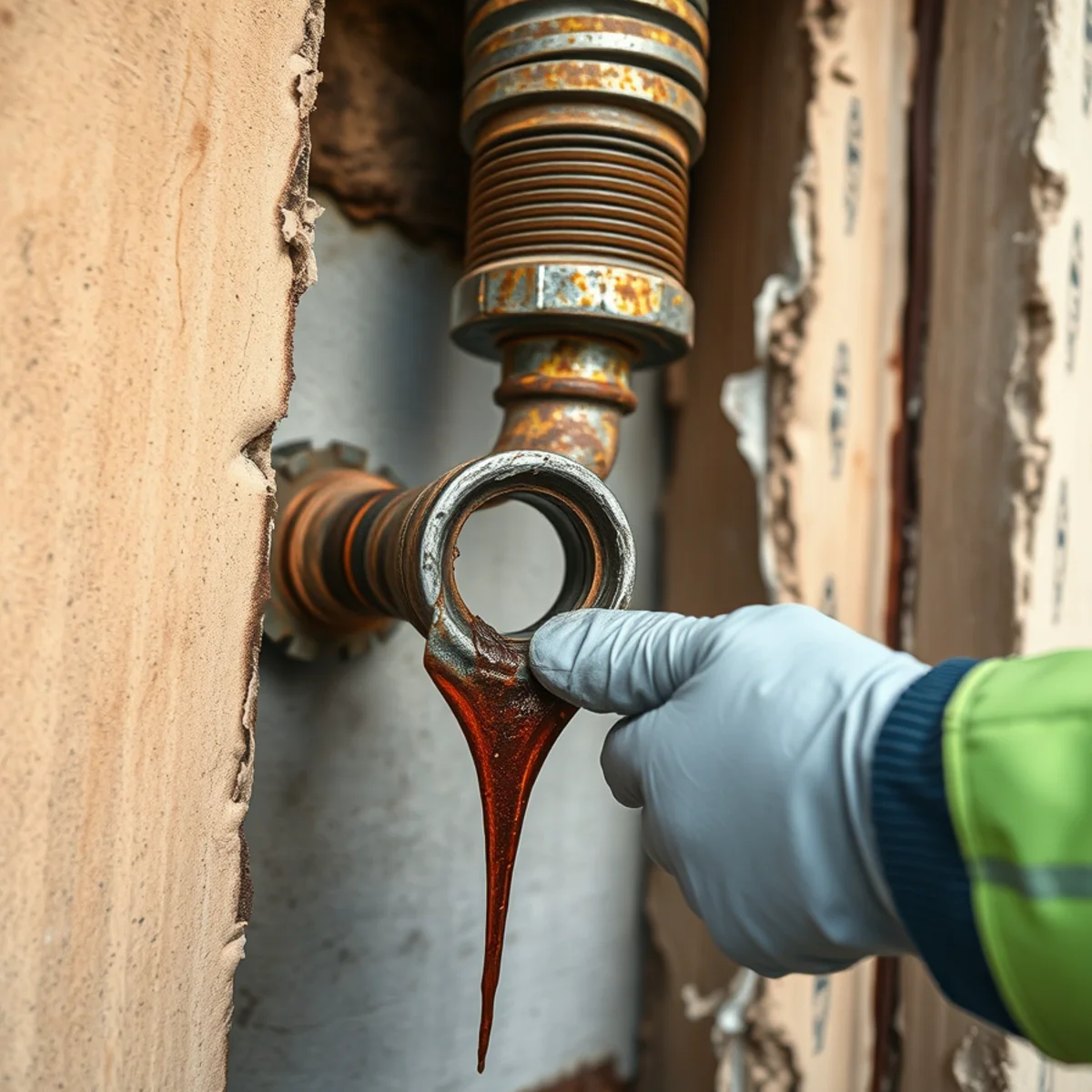
The classic Berkeley failure — hundred-year-old galvanized pipe letting go behind a wall at 2 a.m.
Learn more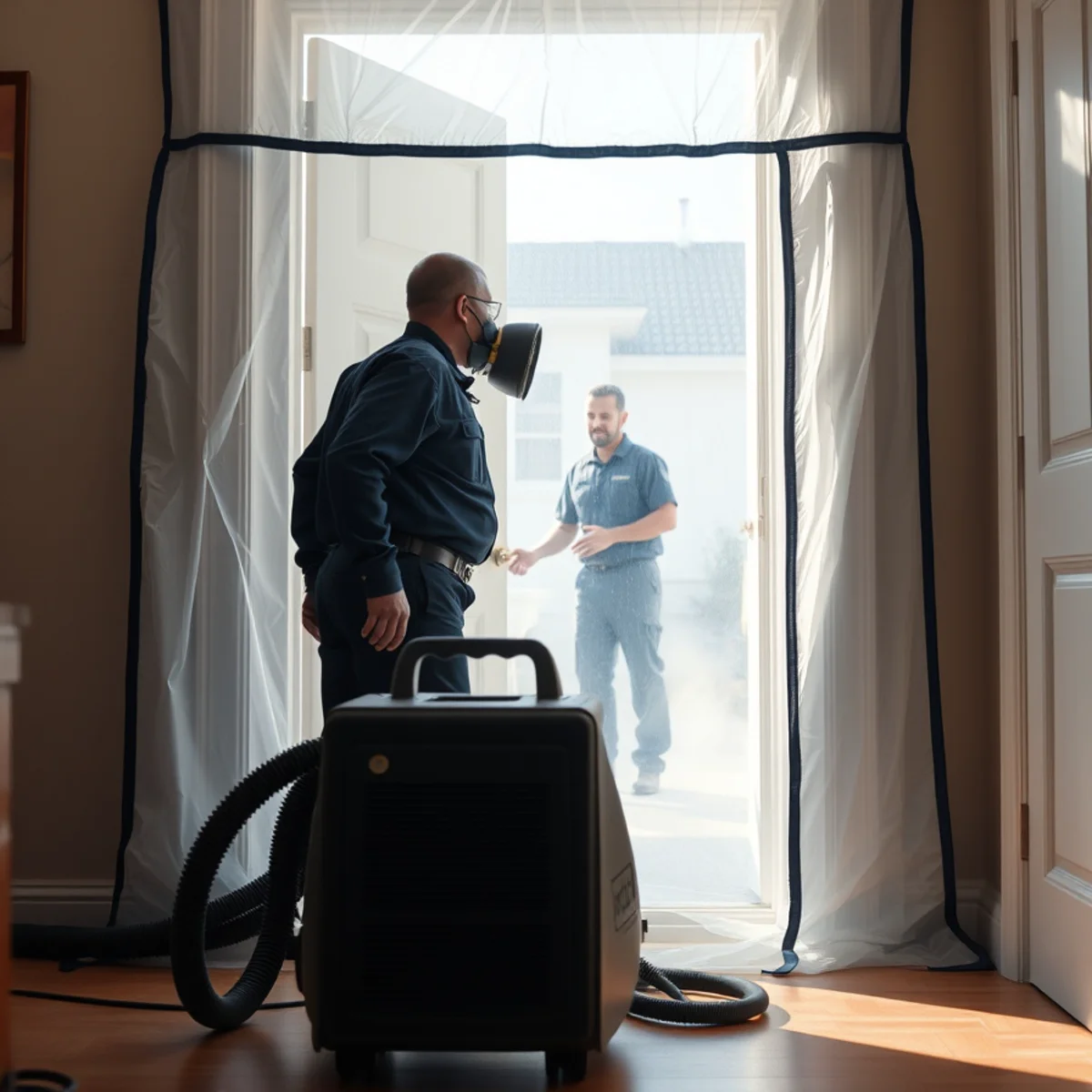
Find it, contain it, remove it — and fix the moisture source, or it comes straight back.
Learn moreEnd-to-end recovery from the first phone call to the final repaint — extraction, drying, sanitizing, and rebuild under one crew.
Learn moreEmergency tarping and board-up the same night, then the full repair once the weather clears.
Learn moreThe build-back — floors, ceilings, plaster and trim put right, matched to what was there before.
Learn moreWhat Neighbors Say
Sample content. These are illustrative examples, not customer reviews. Replace them with verified reviews from your Google Business Profile before launch — see src/data/testimonials.ts.
“A supply line let go in the upstairs bathroom of our 1920s place around midnight. Someone actually answered the phone, walked me to the shut-off in the dark, and had a crew here inside the hour. They saved the fir floors, which I had written off.”
“The crawl space had been wet for years and we had no idea. They found it, dried it, put in a vapor barrier, and explained exactly why our downspouts were the actual culprit. No upsell to anything we did not need.”
“Sewage backup in the downstairs unit during a storm. They set containment before touching anything, documented every step for the insurance company, and the claim went through without a single argument.”
Keep Exploring
Typically 15–22 minutes via Gilman Street.
94710
View areaTypically 12–20 minutes straight down University.
94710 · 94702
View areaTypically 18–28 minutes up Sacramento or The Alameda.
94707 · 94706
View area Berkeley Local
8 min read
A hundred-year-old house has a hundred-year-old plumbing system and a crawl space nobody has looked at. Both are fixable before they are urgent.
Read article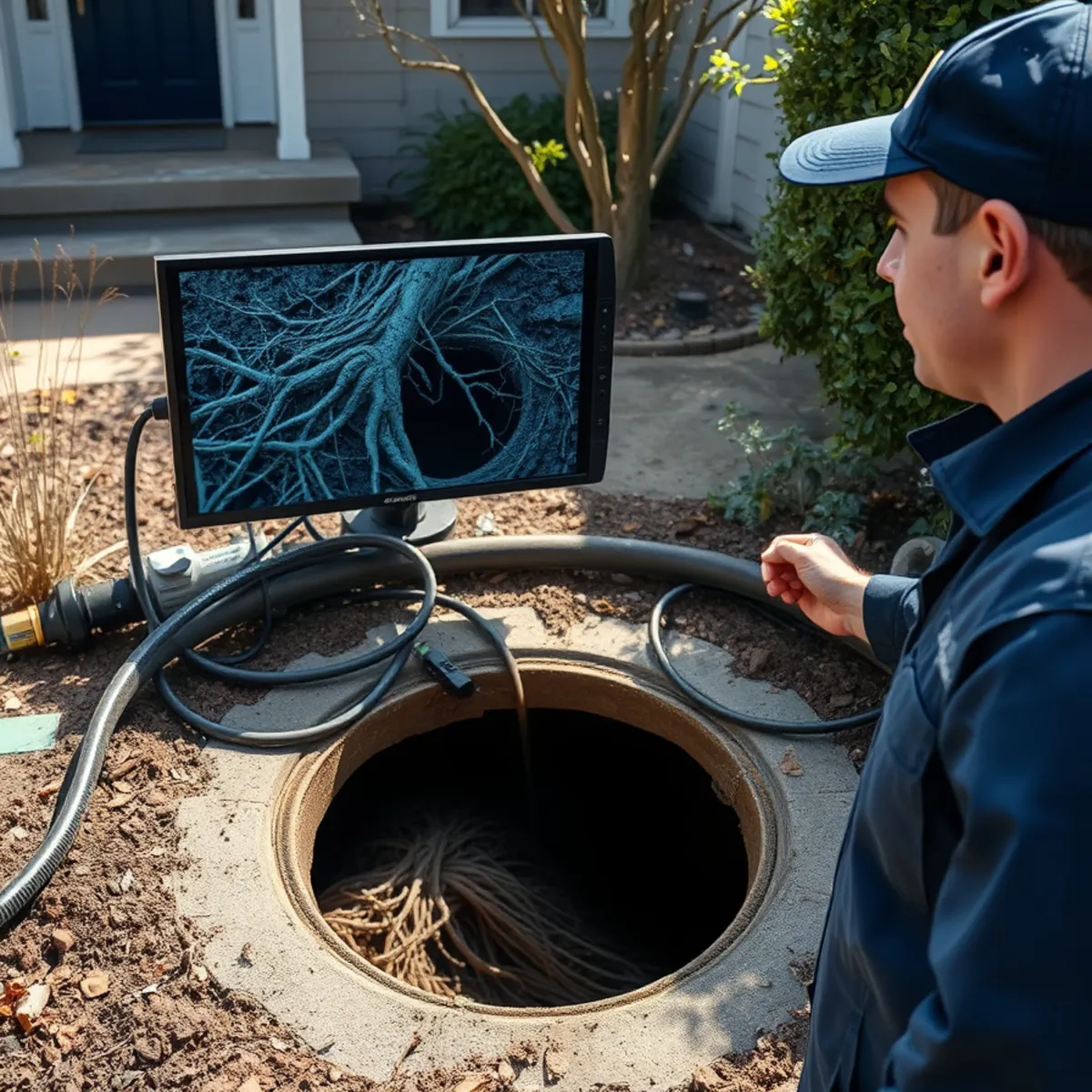 Berkeley Local
6 min read
Most Berkeley homeowners learn that the lateral is theirs on the worst possible day. Here is what to know before that day.
Read articleTypically 15–22 minutes via Gilman or Hopkins. A live local dispatcher answers day or night. Free inspection, written estimate, and we bill your insurance directly.