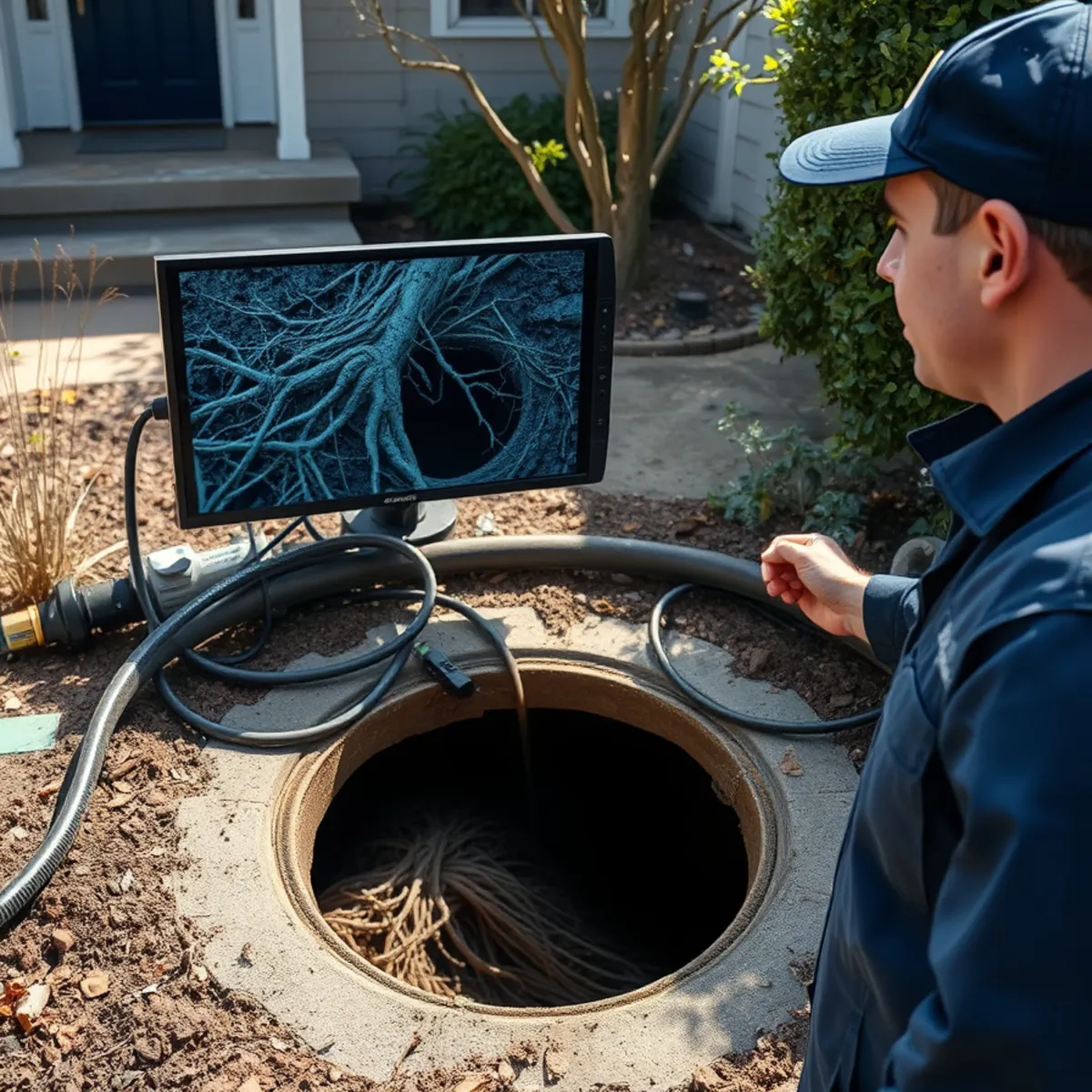
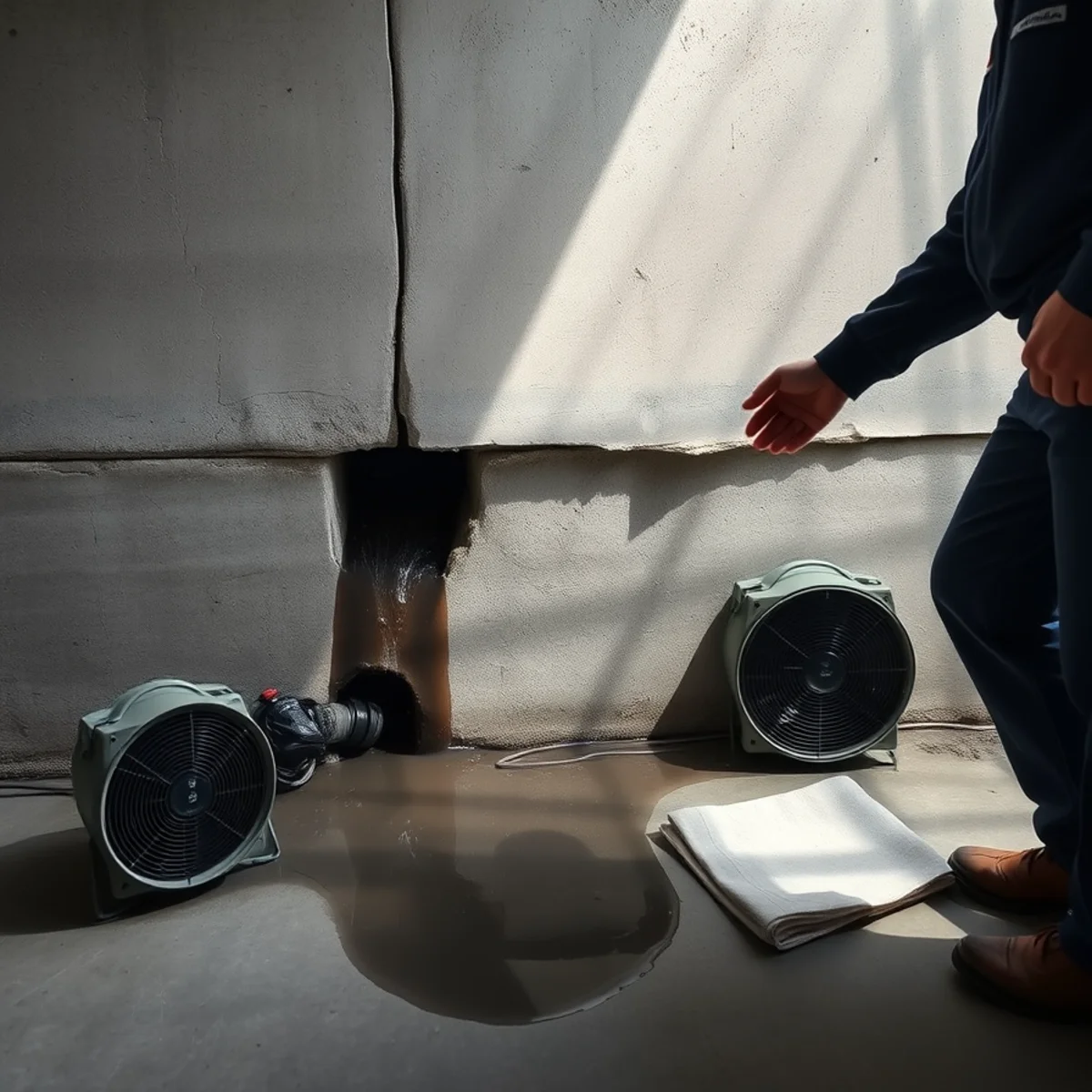
Every winter we get the same call from the Berkeley Hills: water is coming through the wall of a downstairs room, the homeowner has already applied a waterproofing paint from the hardware store, and it did not work.
It did not work because the problem is not the wall. The problem is what is behind it.
Hydrostatic pressure, explained without the jargon
When soil on a slope saturates, the water in it has weight, and that weight exerts pressure against whatever is holding the soil back — your foundation wall, your retaining wall, or both.
Concrete is not waterproof. It is porous, and under pressure water moves through it. It also finds the easy paths first: cold joints where two pours meet, form-tie holes, hairline shrinkage cracks, and the joint between the wall and the slab.
This is why interior sealants fail. Applying a coating to the inside face of a wall under hydrostatic pressure does not remove the pressure — the water simply finds the next available path, often popping the coating off in the process. You cannot solve a pressure problem with a surface treatment.
Retaining walls: the system nobody maintains
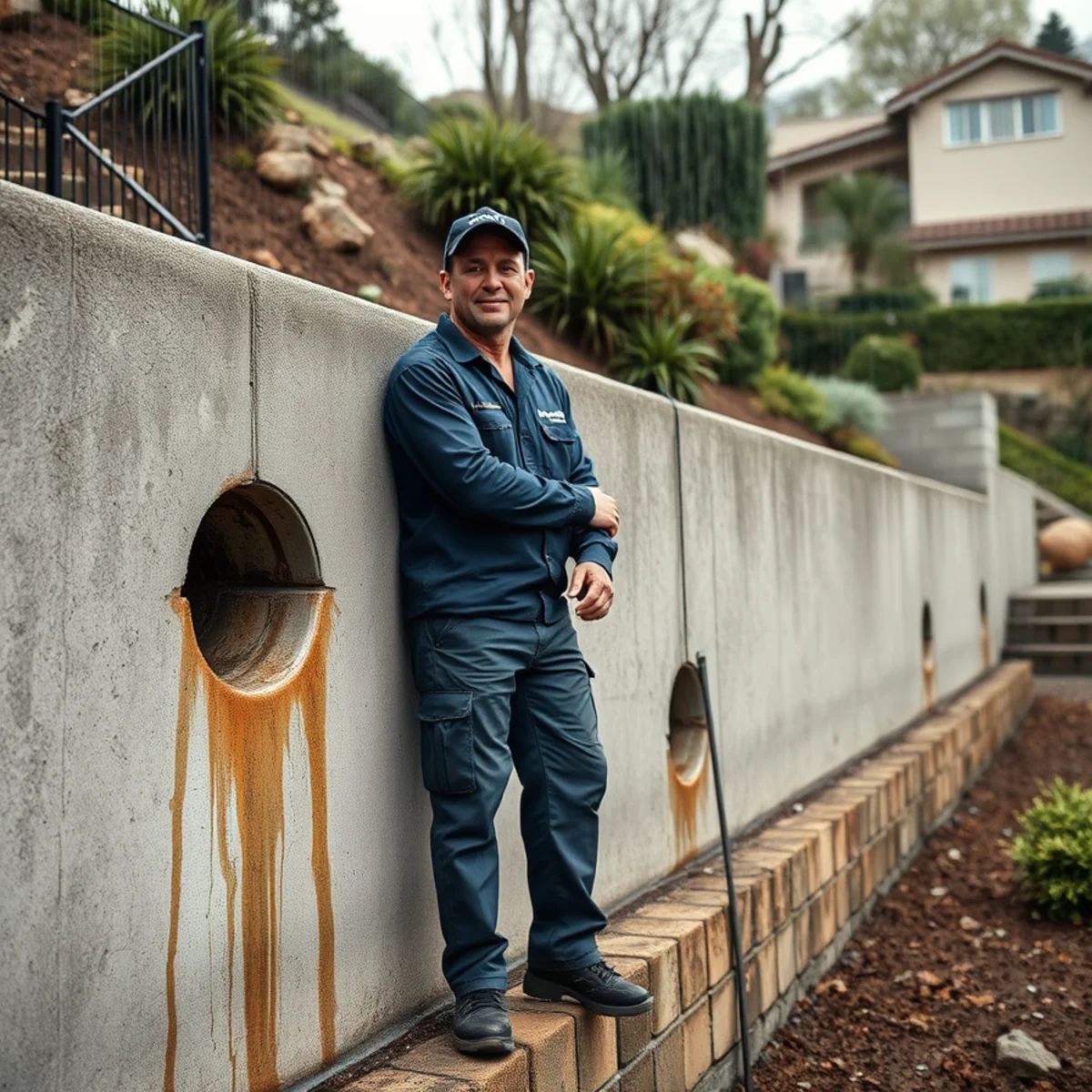
A properly built retaining wall is a drainage system as much as a structural one. Behind the wall there should be free-draining rock, a perforated pipe at the base to collect water, and weep holes through the face to let it out.
Over decades, silt migrates into the drain rock and roots grow into the perforated pipe. The weep holes get blocked by soil, plantings, or a well-meaning repointing job. Once that drainage stops working, the wall is no longer releasing water — it is holding it, and it transmits that pressure to whatever is behind it.
If your retaining wall has weep holes and none of them have ever run during a heavy rain, the drainage behind it has failed. That is a diagnosis you can make yourself in ten minutes with an umbrella.
Surface runoff: the underestimated half
A great deal of what looks like groundwater intrusion is actually surface water that had somewhere better to go and did not take it.
- Downspouts discharging next to the foundation. You are concentrating the entire roof catchment into the soil against your own wall.
- Blocked area drains. On a slope, one blocked grate redirects the whole flow toward the next low point, which is usually a garage or a downhill wall.
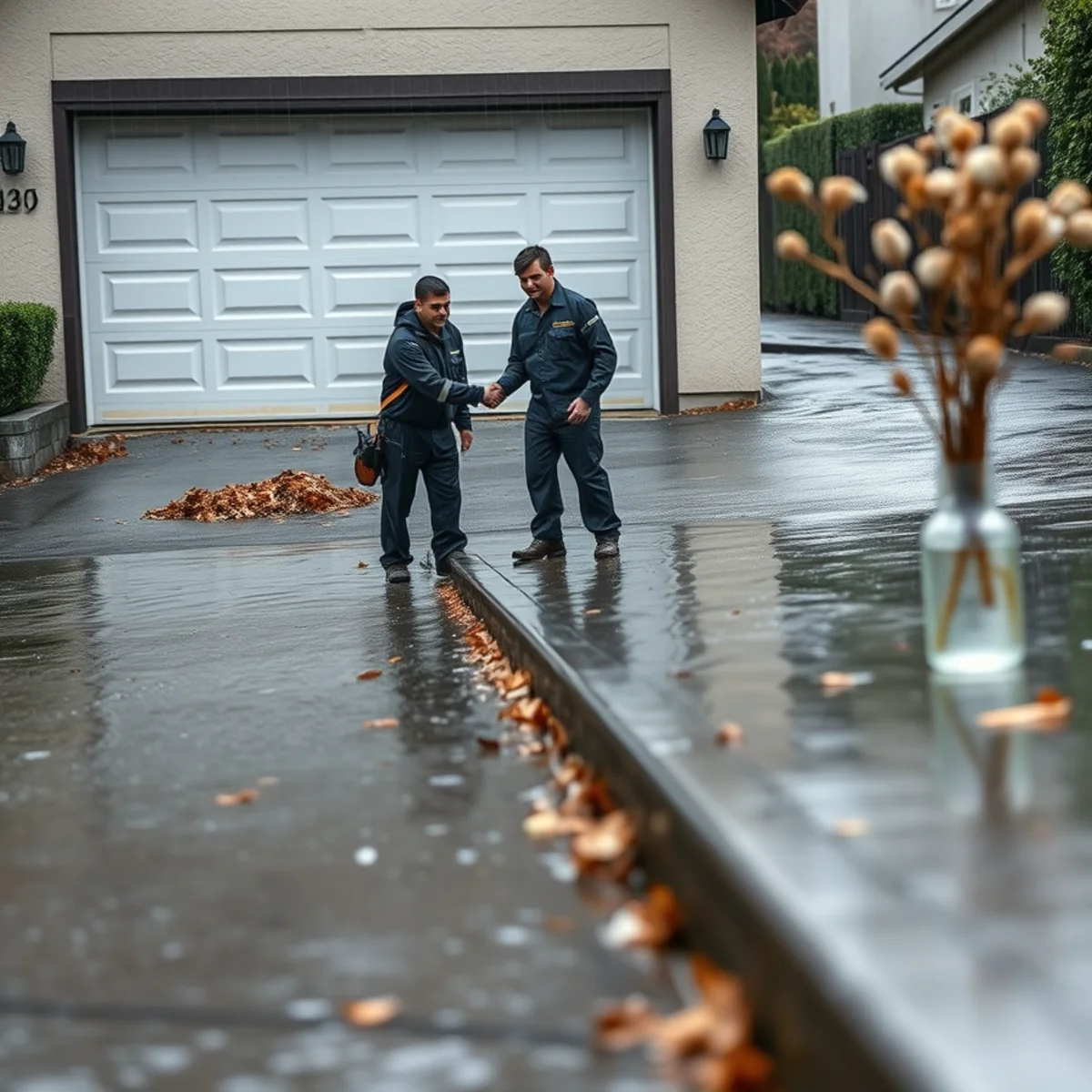
- Driveway sheet flow. Long steep driveways collect and channel a large volume, and it ponds at the bottom — where the house is.
- Grading that settled toward the house. Common on lots that were cut and filled decades ago.
- Uphill neighbors. Water does not respect property lines. Sometimes the fix is a conversation.
Springs and seeps: the honest category
Some Berkeley Hills properties have groundwater that emerges on the site year-round in a wet year. This is genuinely common and it is not a defect anyone created.
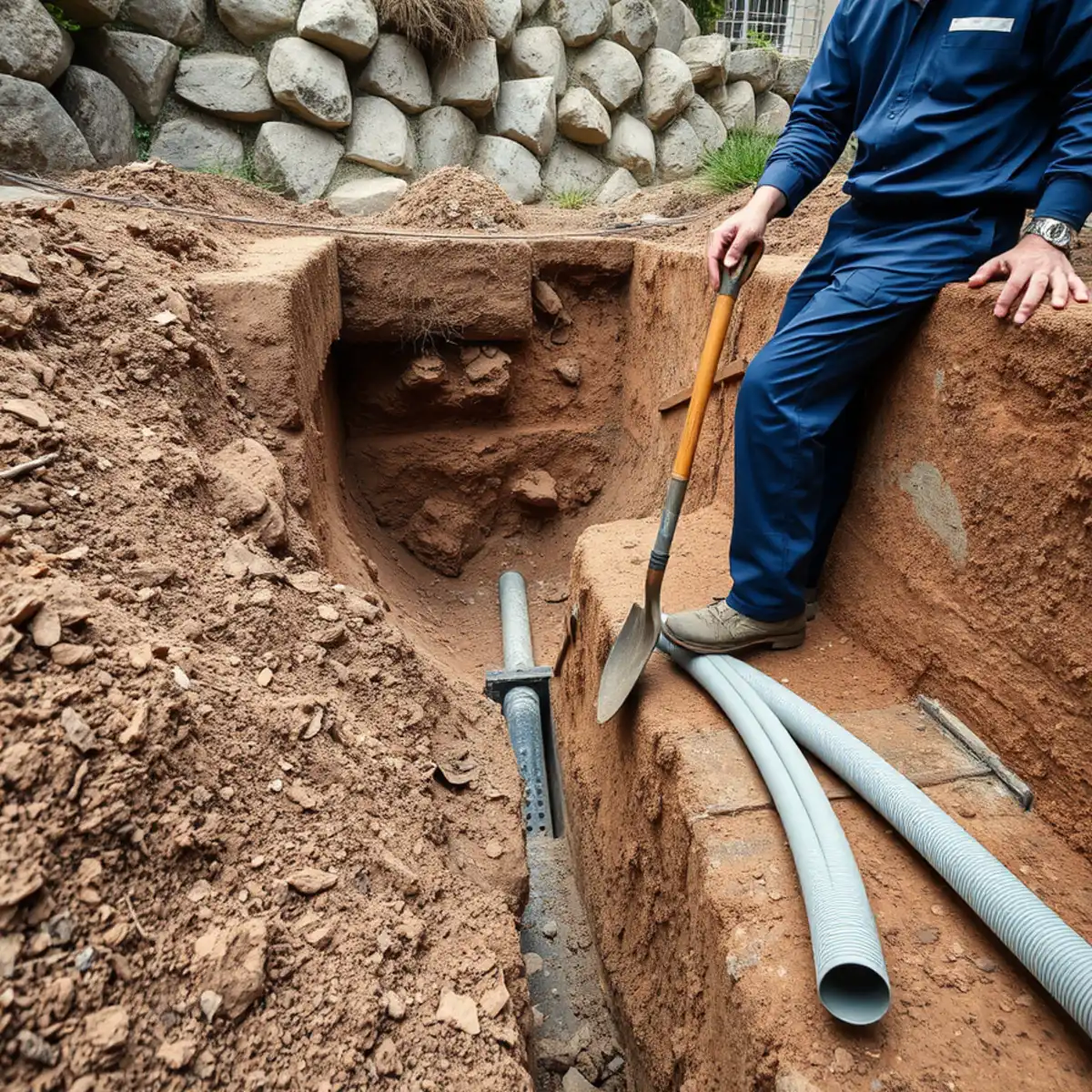
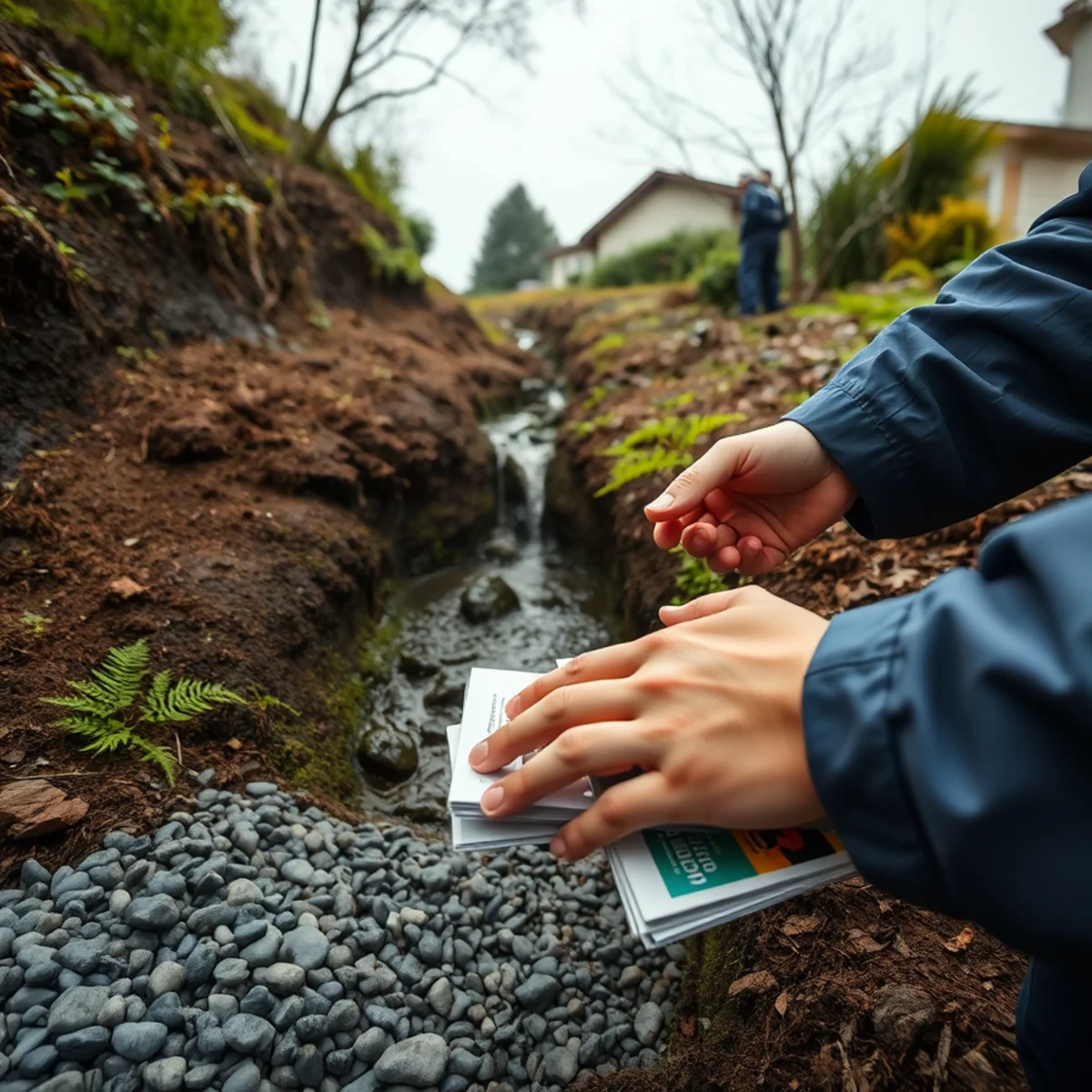
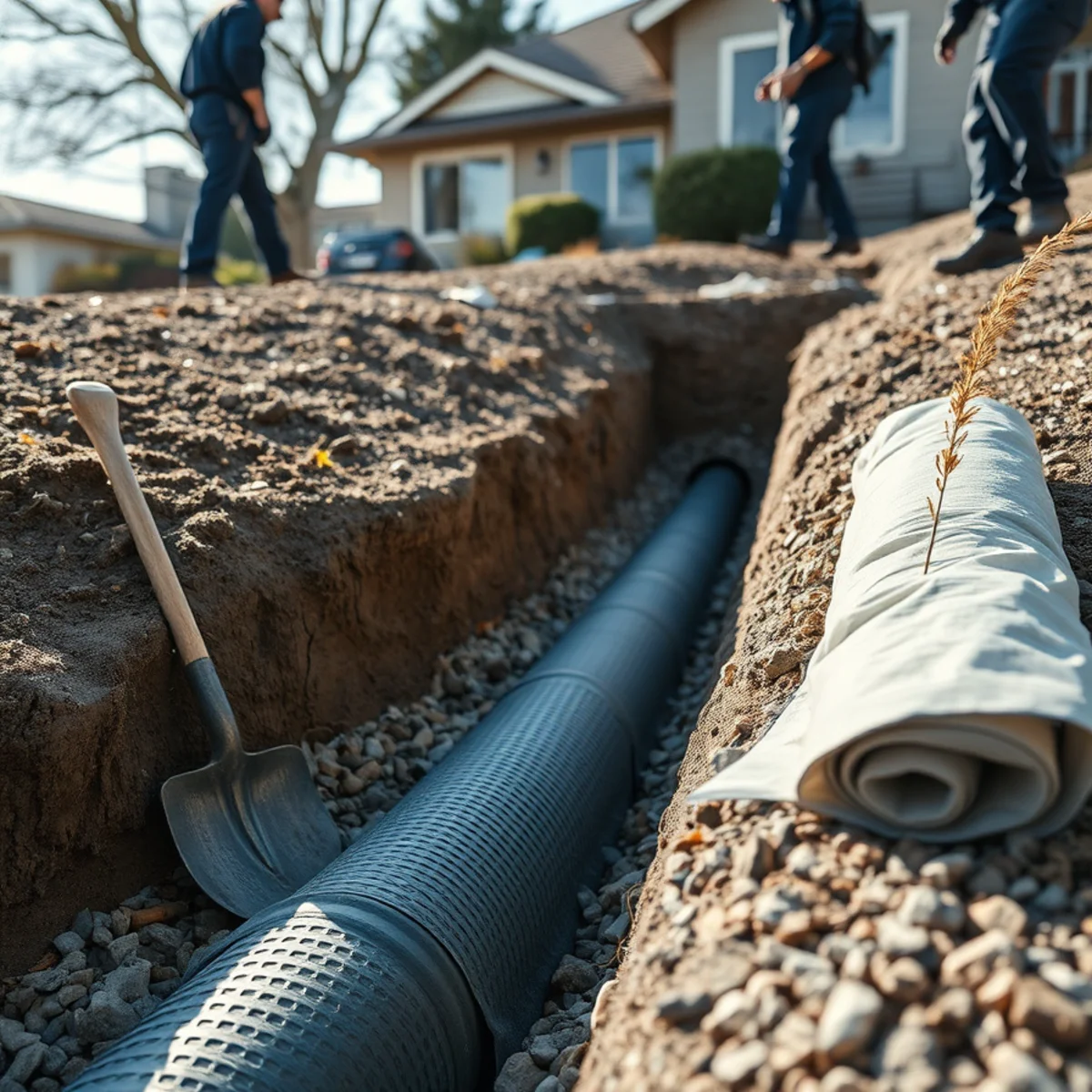
A spring is a management problem, not a repair. The approach is interception — a French drain or curtain drain upslope of the structure that catches the water before it reaches the building and routes it around. Trying to block it at the wall never works.
What actually fixes it, in order
- Extend the downspouts. Cheapest, fastest, and it resolves more hillside intrusion than any other single item.
- Clear and restore the area drains. Every grate on the property, and the pipe they run into.
- Restore the retaining wall drainage. Clear weep holes, and where the drain behind the wall has silted up, it may need to be excavated and rebuilt.
- Correct the grading. Re-establish a slope away from the building — a few inches of fall over the first several feet does a great deal.
- Install a curtain drain upslope. Intercept water before it reaches the foundation, on properties where the volume warrants it.
- Exterior waterproofing. Excavating to the footing, membrane on the outside face, drain rock and a footing drain. Expensive, disruptive, and permanent — the right answer when everything upslope has been done and water still comes through.
- Interior drainage and a sump. A perimeter channel and a pump with battery backup. Manages water rather than stopping it, and it is a legitimate answer when exterior work is impractical.
Notice that six of the seven happen outside. That is not a coincidence — hillside water is almost always solved upslope of the wall it is coming through.
What we do when you call
First, dry it out and deal with what the water has already done — extraction, structural drying, and mold remediation if it has been going on long enough, which on these jobs it usually has.
Then we diagnose the source rather than assuming it. Where is water entering, at what elevation, and what is upslope of it? A thermal camera and a walk of the property during or right after rain answers most of it.
Then we tell you what will actually fix it, including when the answer is a thirty-dollar downspout extension rather than a project. We would rather give you a small honest answer than sell you a large unnecessary one.
The insurance reality
Groundwater and surface water intrusion is typically excluded from a homeowners policy as flood or maintenance. A sudden plumbing failure is covered. It is worth knowing which one you have before you file, and our inspection tells you.
Which means hillside drainage work is usually a maintenance investment rather than a claim. It is still worth doing — the alternative is remediating the same wall every winter, and eventually replacing framing that has been damp for a decade.
Frequently Asked Questions
No. Under hydrostatic pressure the water simply finds another path, and it frequently pushes the coating off the wall. Hillside water intrusion is solved upslope — drainage, grading, and downspouts — not with a surface treatment on the inside face.
Go out during heavy rain and look at the weep holes. If water is running from them, the system is working. If they are dry while the ground above is saturated, the drainage behind the wall has silted up and the wall is holding water rather than releasing it.
Usually not — groundwater and surface water are typically excluded as flood or maintenance. A sudden plumbing failure is covered. We tell you which one you have after the inspection, since it determines whether you are filing a claim or planning a drainage project.
Dealing with this right now?
Call (201) 277-9344 and a live local dispatcher will answer — any hour, any day. Free inspection, and we bill your insurance directly.
- 60–90 Min Response
- Live dispatcher, never an answering service
- We bill your insurance directly