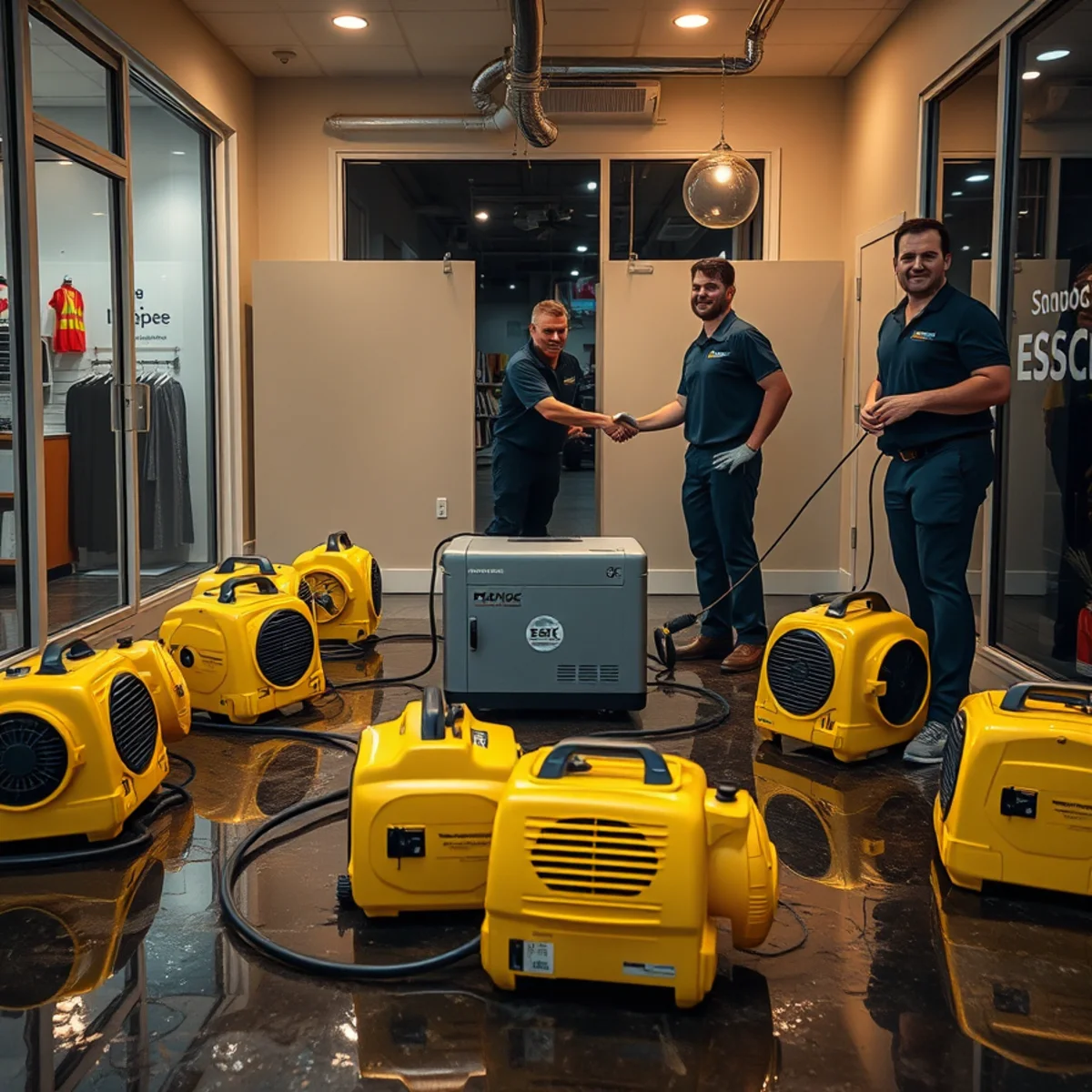
Commercial Restoration
Every hour closed is revenue gone — we phase the work and run crews after hours to keep you trading.
Learn more
24/7 Emergency
(201) 277-9344
Gourmet Ghetto · 24/7 Emergency Service
Commercial kitchens run hard, ground-floor tenancies sit directly beneath apartments, and much of the building stock is early-twentieth-century commercial construction where a failure on one floor is a failure on three.
We are up Shattuck in fifteen to twenty-five minutes, and we run overnight crews as a matter of routine so a restaurant can serve the next service.
Commercial kitchen failures are the loss we respond to most in this corridor. Grease line blockages, failed dishwasher and ice machine supply lines, floor drains that back up under load — all of them Category 2 or Category 3 the moment they reach a floor, and all of them a health department problem as much as a restoration one.
Vertical travel between tenancies is the second. A failure in an upstairs apartment goes through the ceiling of the restaurant below, and now three parties and three insurance policies are involved. Older commercial buildings here have penetrations between floors that were never properly firestopped or sealed, so water moves faster than the floor plan suggests.
Low-slope and flat roof sections on the commercial buildings drain through internal drains. When one blocks, ponded water sits on the membrane and finds the nearest penetration — which is invariably above a tenant space.
The residential blocks either side are standard pre-war North Berkeley: 1900s to 1920s Craftsman and brown-shingle homes on original galvanized supply pipe and clay laterals.
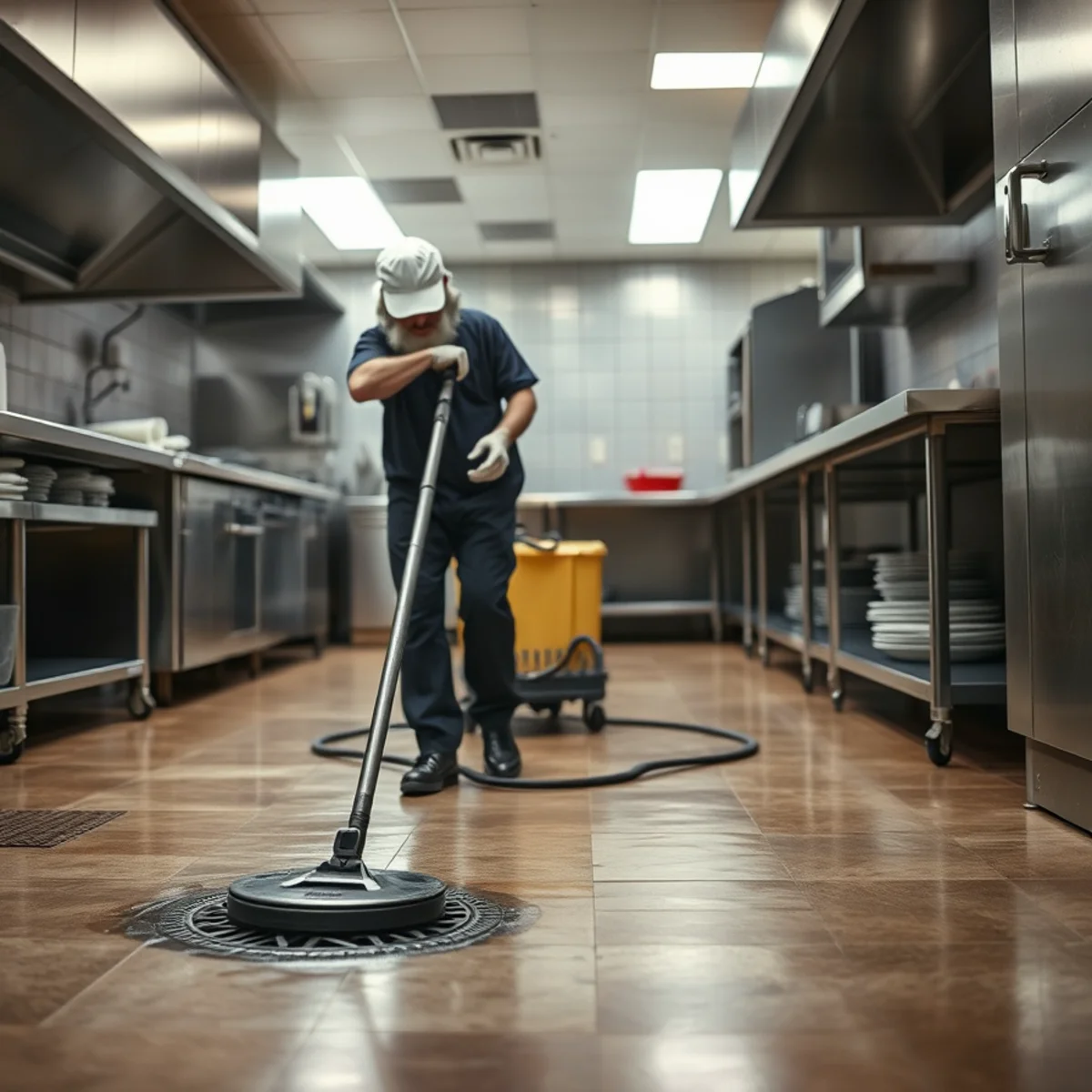
For the commercial tenancies, the restoration bill is rarely the biggest number — the lost covers are. A restaurant closed for a week in term time loses far more in revenue than the drying equipment ever cost.
So we phase these jobs around service. Overnight crews, hard containment where customers can see it, and the sales or dining floor restored ahead of back-of-house. Where Category 2 or 3 water reached a prep or storage area, decontamination is documented properly because the health department sign-off depends on it.
For multi-tenancy losses we document each affected space separately — origin, path, and damage in each unit — so the building policy and each tenant policy respond to their own portion without anyone reconstructing the sequence from memory six weeks later.
On the residential side, the approach is the same as the rest of North Berkeley: plaster dried from behind and patched in kind, old-growth fir dried slowly, trim milled to match.
This is a restaurant district in old commercial buildings with apartments above, which produces a very specific loss: someone else’s water, arriving in your kitchen, during service.
We work overnight so you can open
Containment and after-hours crews along North Shattuck and Vine so a drying schedule does not become a closure. Closing costs far more than the restoration.
Stacked tenancies mean shared water paths
A failure in an apartment above becomes a commercial ceiling below within minutes. We work the whole column and document it as one loss.
Documentation written to health-permit standard
Food service has requirements beyond an insurance scope. We write the record to the stricter of the two, because that is what your inspector will ask for.
Fifteen to twenty-five minutes up Shattuck
Fast enough to matter during service, at any hour of the night.
Areas and landmarks we cover in and around Gourmet Ghetto:
Local Questions
Yes, and for restaurants that is our default here. We contain the affected zone, work through the night, and phase the job so the dining room is back before back-of-house. Keeping you trading is almost always worth more than the off-hours labor premium.
It depends on the lease and the building policy, but the practical answer is that documentation decides it. We record the origin, the path and the damage in each affected space so the building insurer and each tenant insurer can respond to their own portion rather than arguing about scope.
Usually yes, and it is almost always the cheaper path since lost trading days outweigh the restoration cost quickly. We seal the affected area under negative pressure with HEPA filtration so the rest of the space stays usable and safe, run demolition and the loudest equipment overnight or before opening, and phase the work so front of house returns first. The exception is a Category 3 loss reaching food preparation surfaces, where we will tell you plainly that the area has to be closed until decontamination is verified — and we will document that verification for your health inspector.
It usually resolves between three policies, and evidence decides it rather than argument. The building owner’s policy typically covers the structure, the upstairs occupant’s liability coverage may respond to damage they caused, and your own business policy covers your contents, equipment and often business interruption. What settles it in practice is establishing where the failure began, when, and how long it ran. We document the loss across both spaces as a single record with dated photographs and moisture mapping, which is what prevents two adjusters producing two incompatible accounts and stalling everyone’s claim.
Services in Gourmet Ghetto
Every hour closed is revenue gone — we phase the work and run crews after hours to keep you trading.
Learn more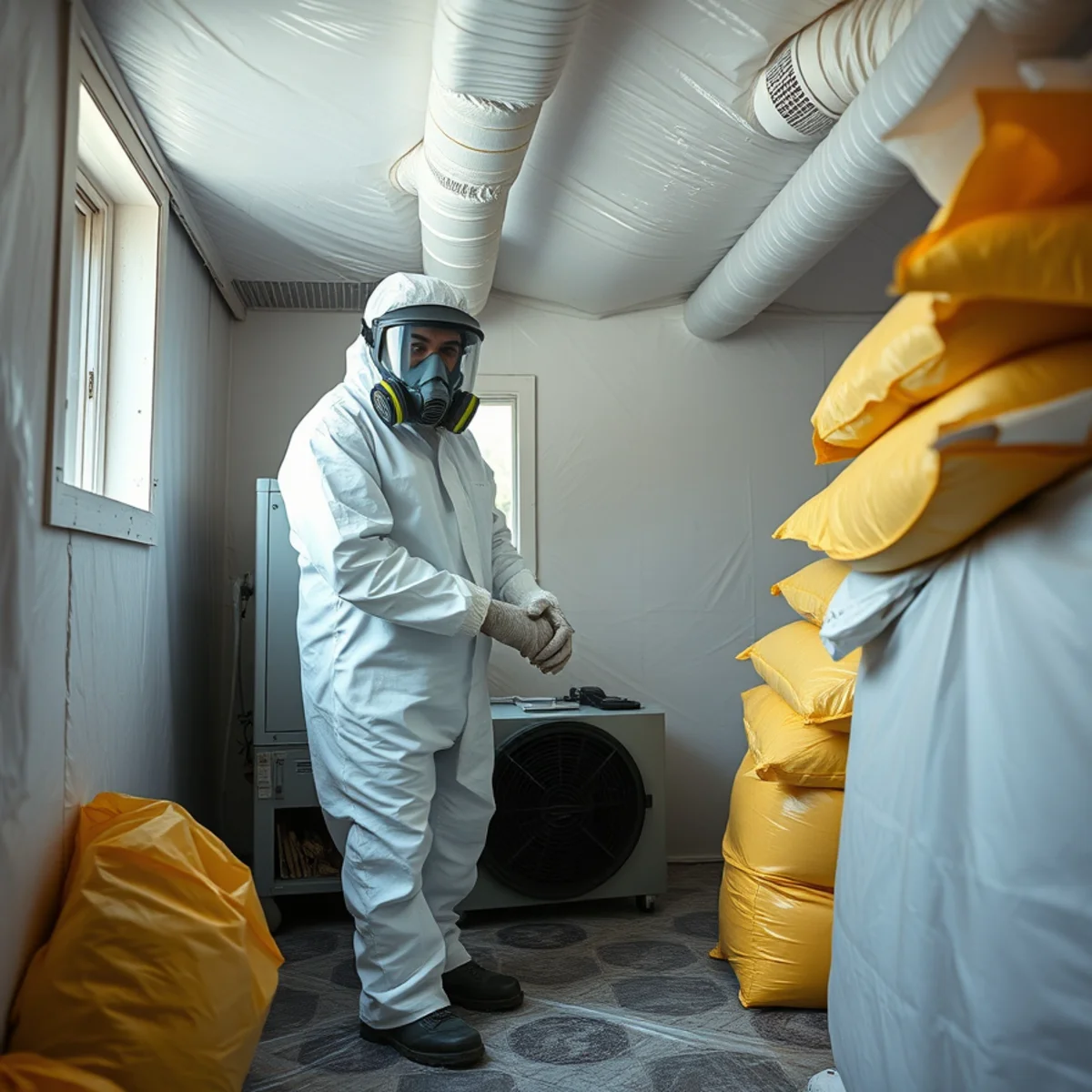
Category 3 water handled the way it has to be — containment, PPE, HEPA filtration, and verified decontamination.
Learn more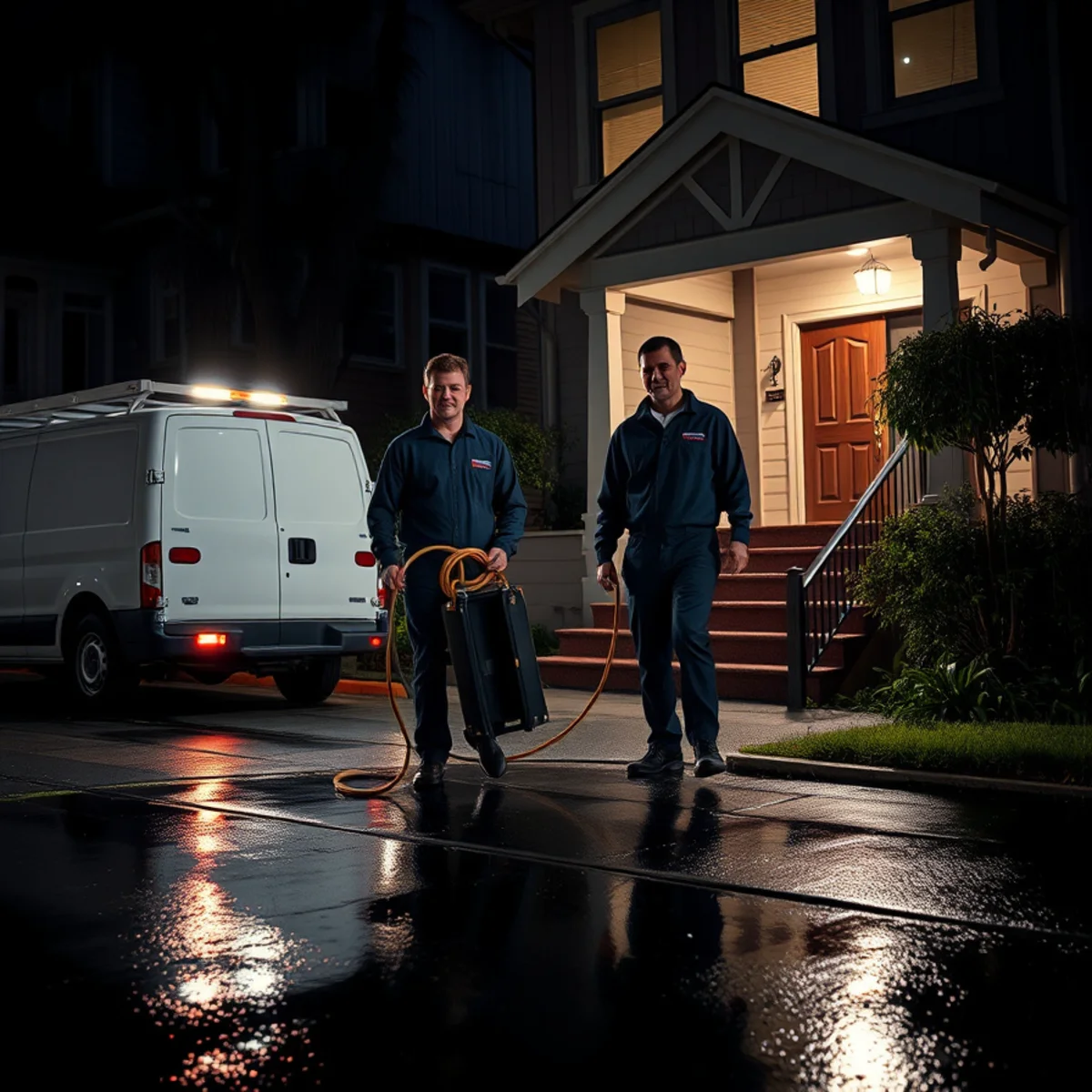
A live local dispatcher every hour of the year, and a crew at your door in 60–90 minutes anywhere in Berkeley.
Learn moreTruck-mounted extraction that pulls hundreds of gallons an hour — the single highest-leverage hour of the entire job.
Learn moreEnd-to-end recovery from the first phone call to the final repaint — extraction, drying, sanitizing, and rebuild under one crew.
Learn moreFind it, contain it, remove it — and fix the moisture source, or it comes straight back.
Learn moreWhat Neighbors Say
Sample content. These are illustrative examples, not customer reviews. Replace them with verified reviews from your Google Business Profile before launch — see src/data/testimonials.ts.
“A supply line let go in the upstairs bathroom of our 1920s place around midnight. Someone actually answered the phone, walked me to the shut-off in the dark, and had a crew here inside the hour. They saved the fir floors, which I had written off.”
“The crawl space had been wet for years and we had no idea. They found it, dried it, put in a vapor barrier, and explained exactly why our downspouts were the actual culprit. No upsell to anything we did not need.”
“Sewage backup in the downstairs unit during a storm. They set containment before touching anything, documented every step for the insurance company, and the claim went through without a single argument.”
Keep Exploring
Typically 15–25 minutes up Shattuck.
94709 · 94707
View areaTypically 15–25 minutes up Euclid or Hearst.
94709 · 94720
View areaOften under 20 minutes — our shop is on Center Street.
94704
View area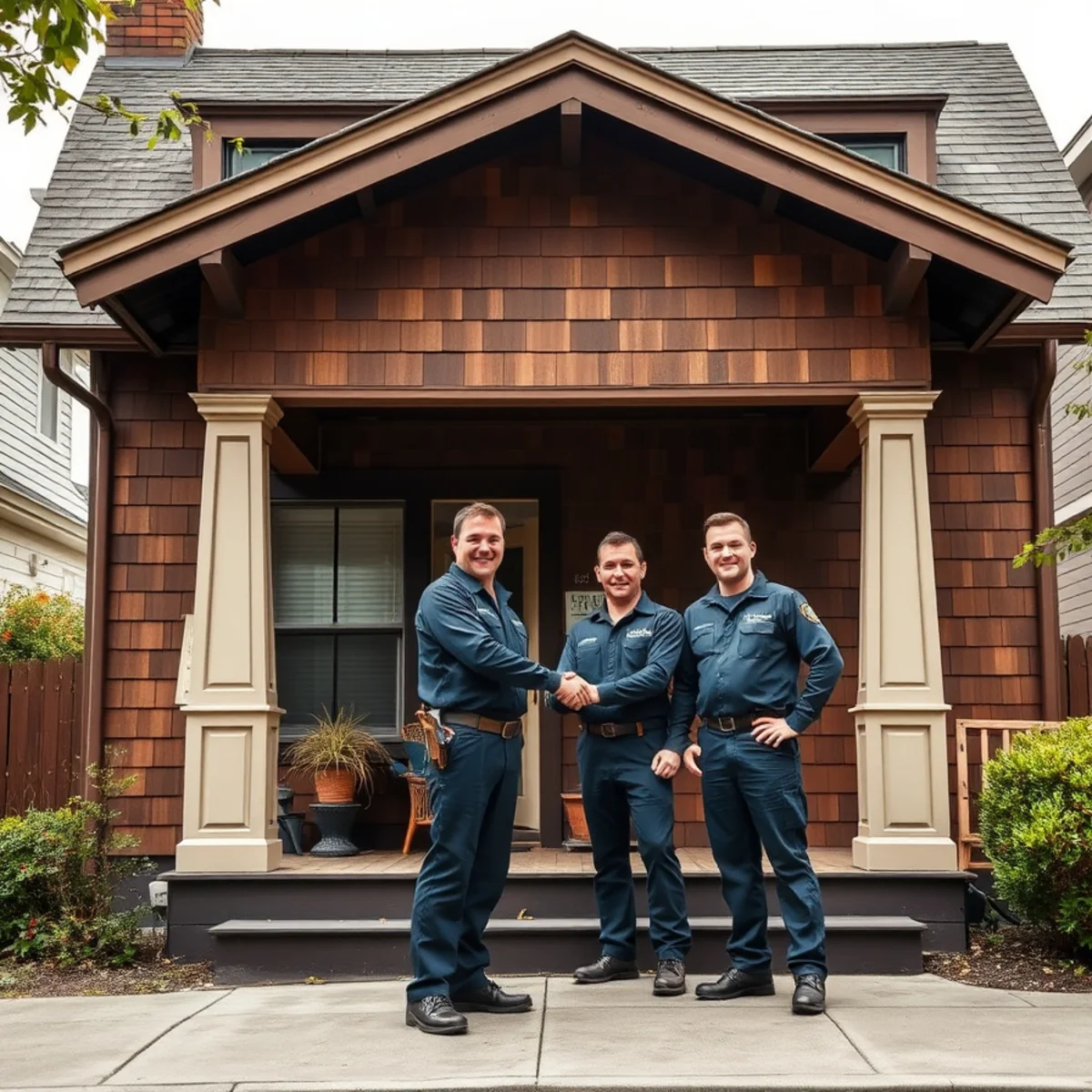 Berkeley Local
8 min read
A hundred-year-old house has a hundred-year-old plumbing system and a crawl space nobody has looked at. Both are fixable before they are urgent.
Read article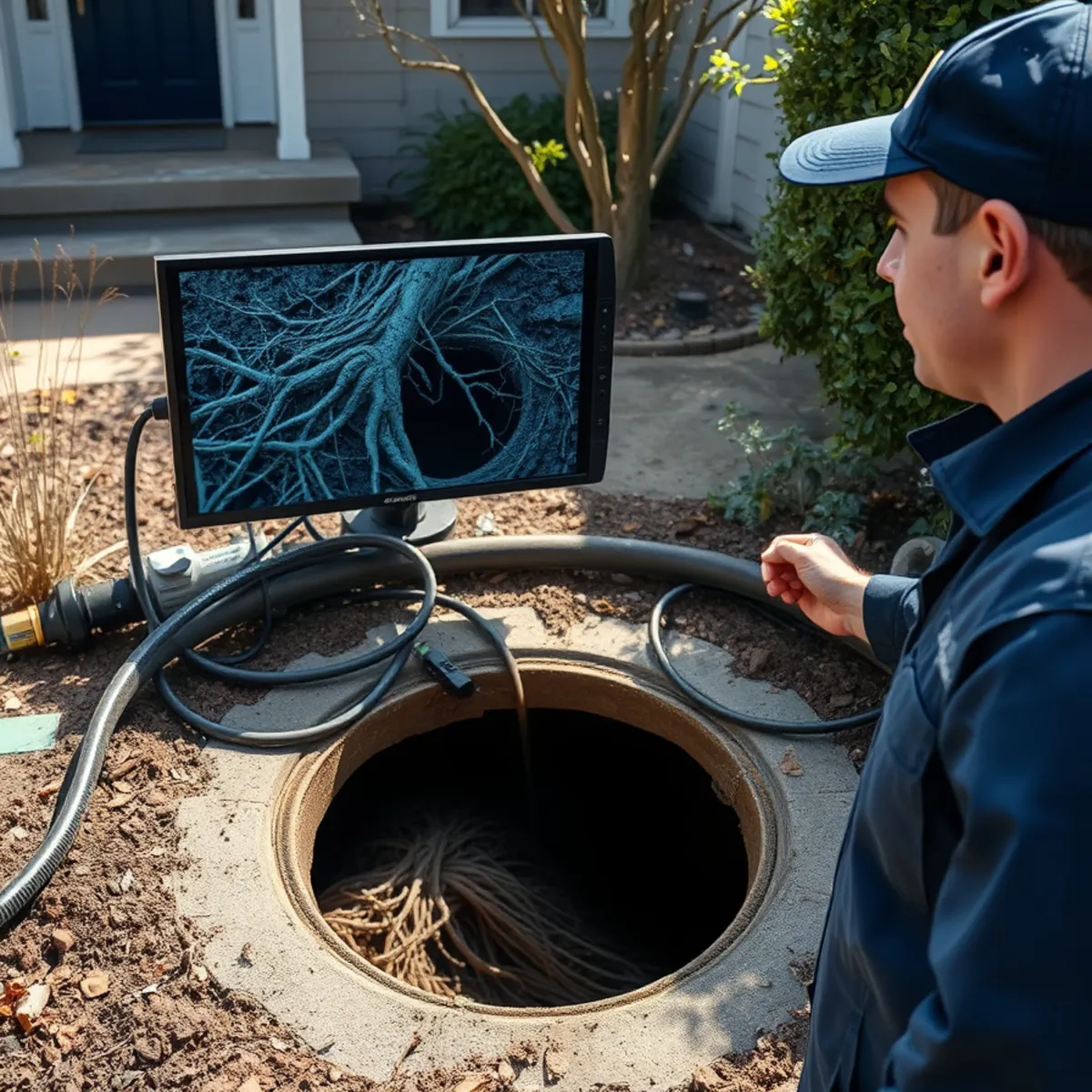 Berkeley Local
6 min read
Most Berkeley homeowners learn that the lateral is theirs on the worst possible day. Here is what to know before that day.
Read articleTypically 15–25 minutes straight up Shattuck. A live local dispatcher answers day or night. Free inspection, written estimate, and we bill your insurance directly.