Handing your possessions to a company and watching them drive away is the least comfortable moment in a restoration job. People sign the authorisation without really knowing what happens next, and then spend three weeks wondering where their things are.
So here is the whole process, including the parts that go wrong when it is done badly.
Why a pack-out happens at all
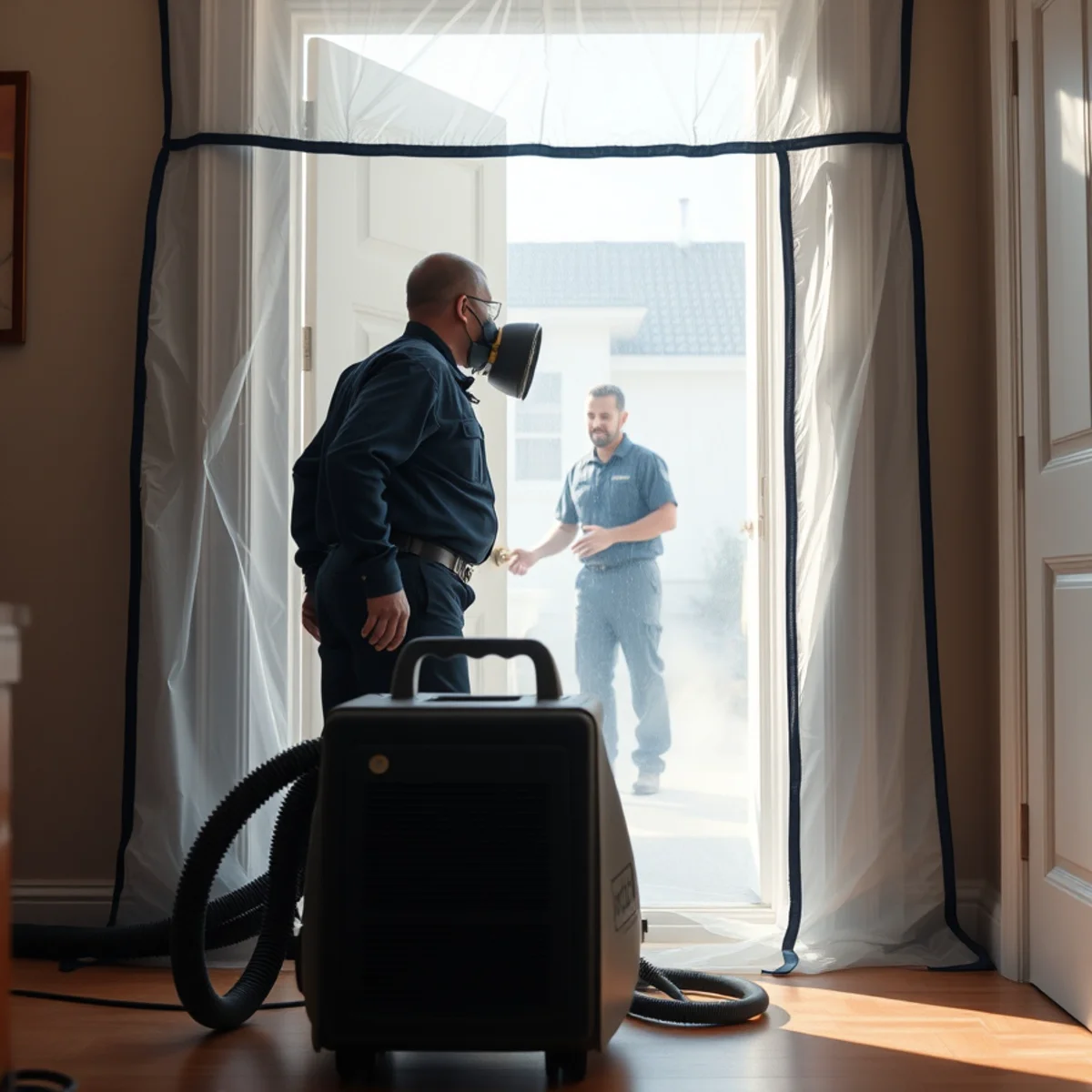
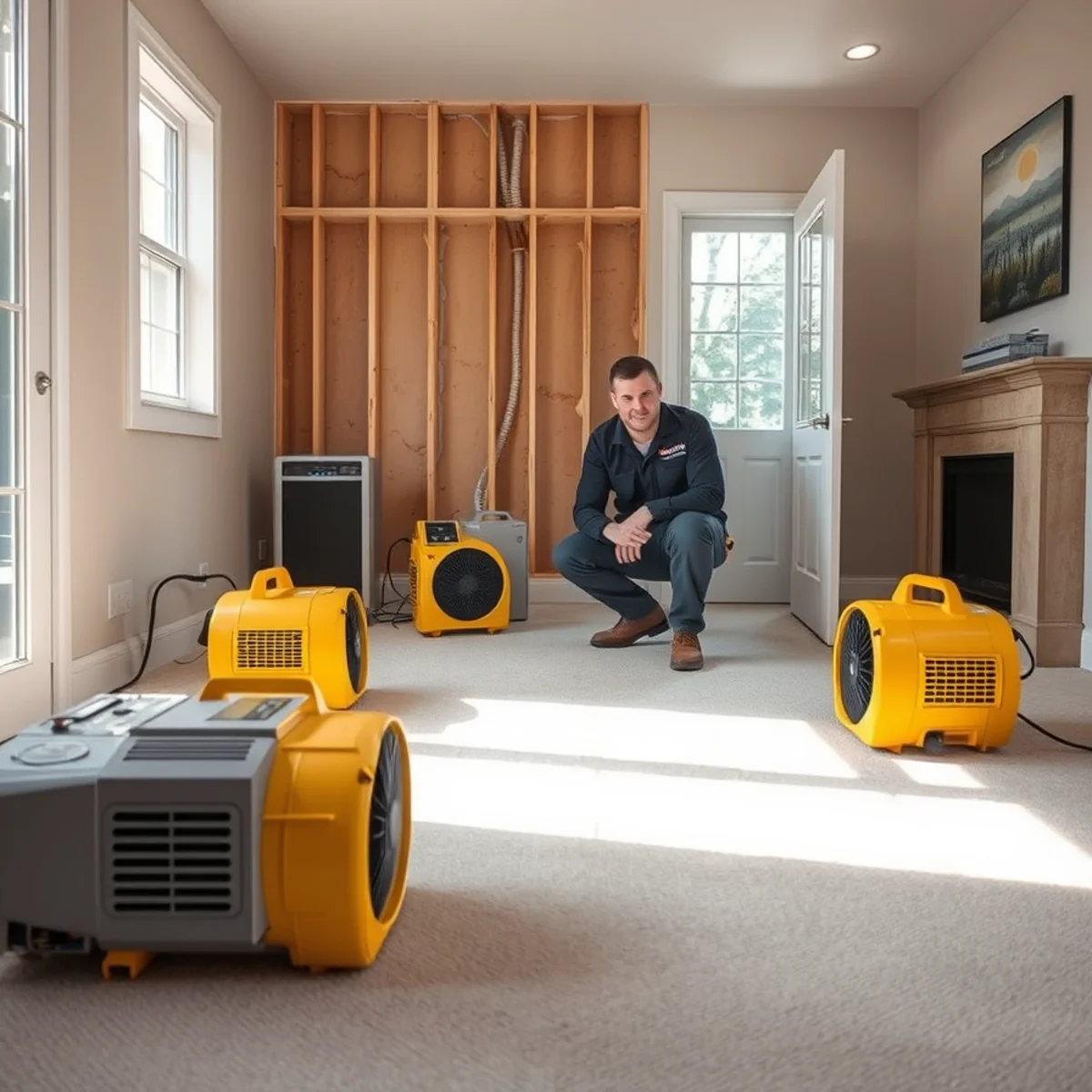
Two reasons, and they are different. The first is that the structure cannot be dried or rebuilt around a full room — you cannot pull a saturated carpet pad or cut a flood line in drywall with furniture standing on it. The second is that the contents themselves need treatment that cannot happen on site, particularly after contaminated water.
If neither applies, you should not be having a pack-out. A contained loss in one corner of a room usually needs a block-and-wrap instead: items lifted on blocks, wrapped, and moved to the far side of the house. Any company that proposes emptying a house for a loss of that size is quoting a bigger job than you have.
Step one: nothing moves before it is photographed
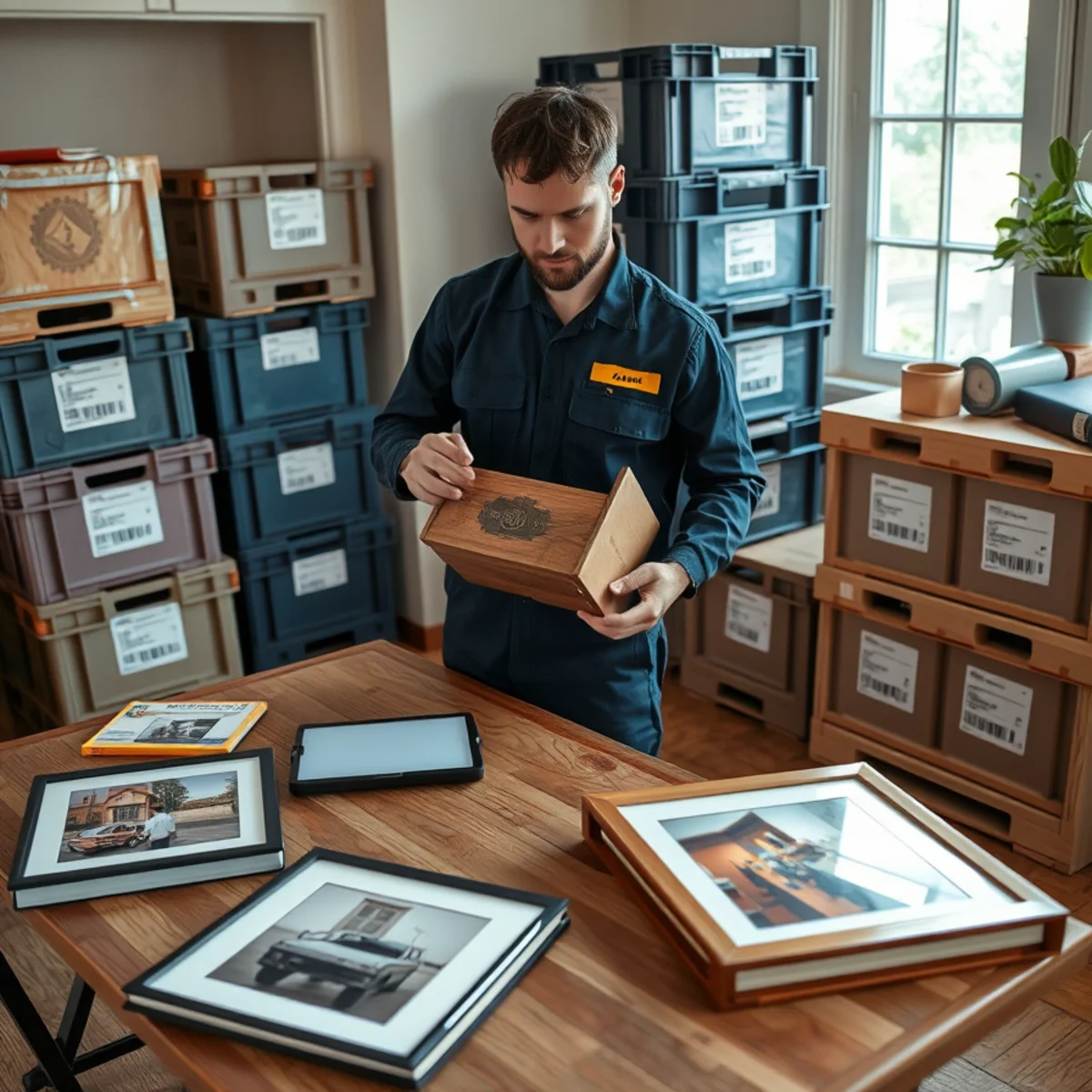
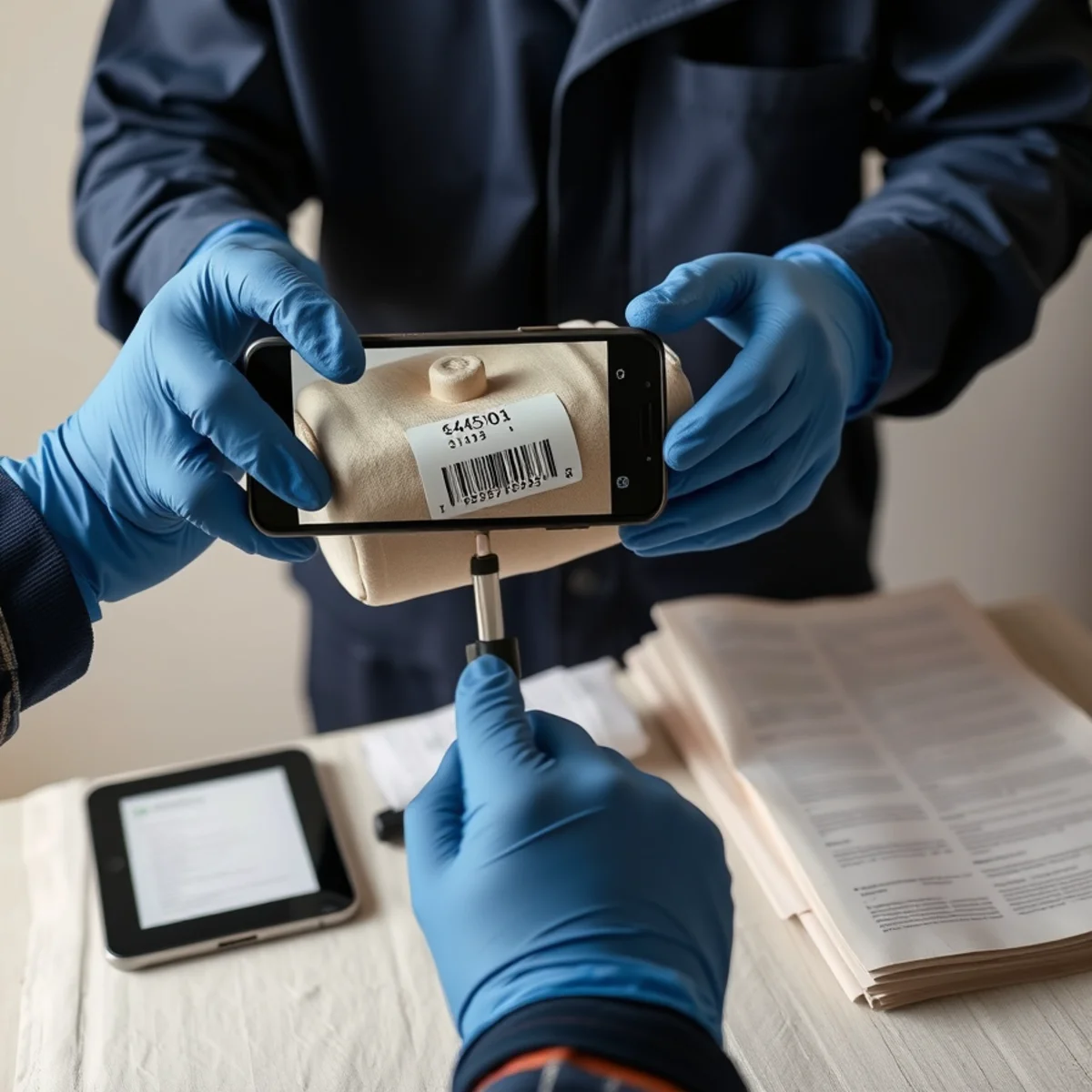
This is the step that decides whether your contents claim is straightforward or contested, and it is the step that gets rushed. Every item is photographed where it sits, assigned an inventory number, and logged with its condition at the moment it was found — not as it looked a week earlier, and not from memory.
You should receive that inventory. So should your adjuster. When a contents claim stalls months later, it is almost always because nobody can establish what was in the room or what state it was in, and the dispute becomes one person's recollection against another's.
Step two: the triage
Items sort into three groups, and the sorting rules are not a judgement call.
- Unaffected. Moved out of the work zone, stored, returned. The majority of a household, usually.
- Restorable. Cleaned, deodorised and returned. Hard goods, most textiles, sealed furniture, electronics that were not submerged, and a great deal of what people assume is finished.
- Non-restorable. Anything porous that absorbed Category 3 water. Upholstered furniture, mattresses, pillows, particle-board furniture that has swollen, and opened food or cosmetics. This is not negotiable under the standard and it is not an upsell — contaminated porous material cannot be reliably decontaminated.
The dividing line is the water category, which is why that classification matters so much on day one. Our guide to water damage categories and classes explains where it comes from and how fast Category 2 becomes Category 3.
Documents and photographs are not automatically lost
This surprises people every time. Wet paper and photographs are recoverable far more often than assumed, provided they are stabilised quickly rather than left in a stack to dry. Paper that dries in contact with other paper fuses, and the recovery window closes.
Stabilisation usually means freezing, which halts both deterioration and mold growth and buys time for controlled drying afterwards. If you have wet documents, photo albums, or anything sentimental on paper, say so on the first call rather than at the end of the week — the first few hours are the ones that matter.
Storage, and the questions worth asking
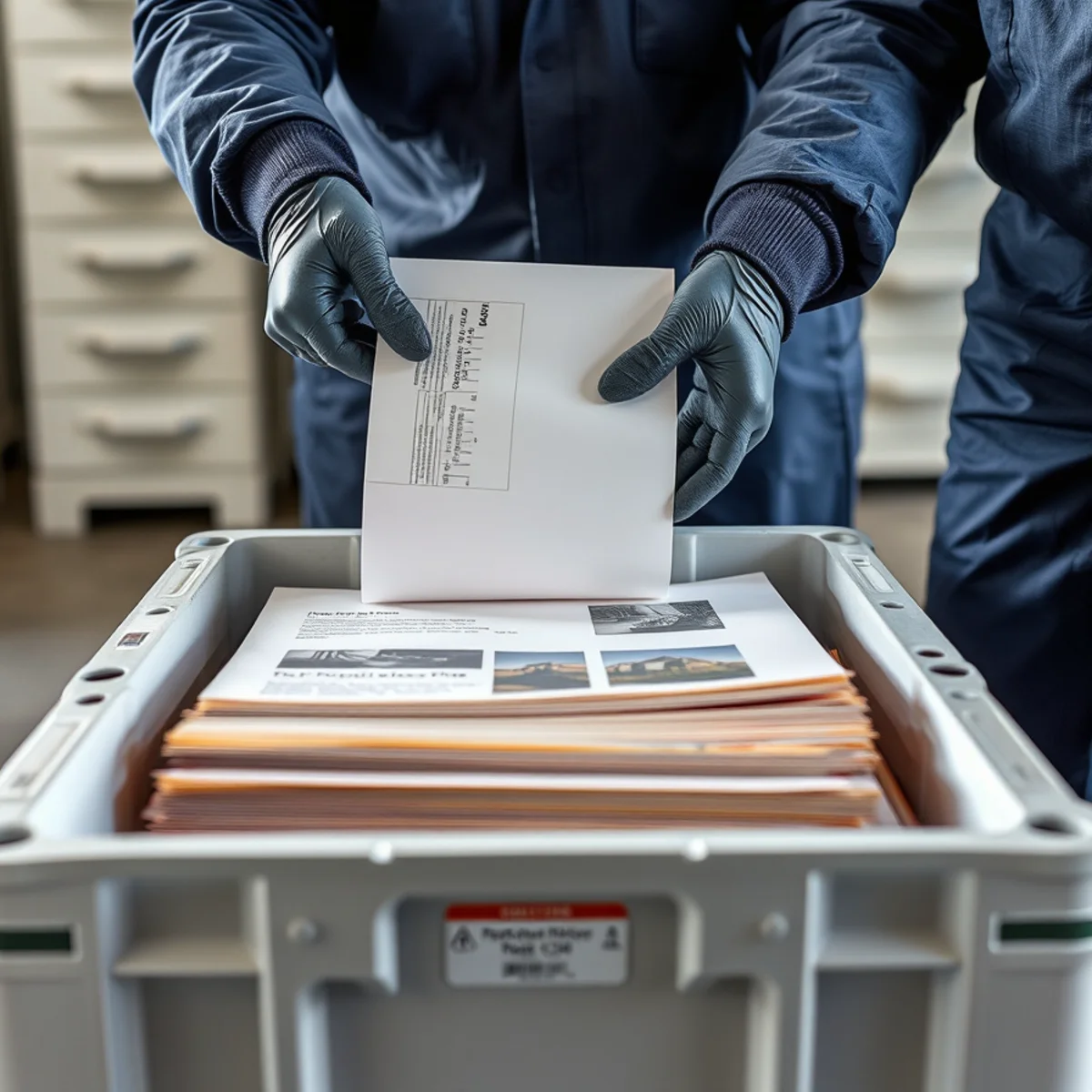
Contents are stored while the structure is dried and rebuilt, which on a significant loss can run weeks. Before you authorise anything, ask three things: where the storage facility is and whether it is climate controlled, whether your items are stored in a dedicated container or co-mingled with other jobs, and what the insurance position is on the stored goods while they are in the company's care.
Also ask whether you can retrieve something mid-job. The answer should be yes with notice. If you need a document, a passport or a specific item during the work, a proper inventory makes that a ten-minute lookup instead of an afternoon in a warehouse.
The return, and what should happen at the end
Items come back after the structure is complete and dry — not before, because moving a household back into a space that is still drying is how you get a second claim. Everything should be checked back against the same inventory it left on, with any non-restorable items listed separately for your contents claim.
If you want the service detail rather than the process explanation, that is on our contents restoration and pack-out page, and the claim side of it is covered under how we handle insurance.
Frequently Asked Questions
Not necessarily. A partial pack-out of one or two affected rooms happens while people stay in the rest of the house regularly. A full pack-out normally coincides with the house being uninhabitable for other reasons anyway, in which case loss-of-use coverage usually applies. We cover that in our guide to staying in a house with water damage.
More often than people expect, if they are stabilised fast. Freezing halts deterioration and mold growth and buys time for controlled drying later. What closes the window is letting a wet stack air-dry in place, because the sheets fuse. Flag anything on paper in the first phone call rather than at the end of the job.
On a covered loss this normally falls under the contents portion of your policy rather than the dwelling portion, and storage during the work is typically included. The item-level inventory is what makes it payable without argument — which is the real reason we photograph and log everything before it moves rather than after.
Anything porous that was in contact with the water: upholstered furniture, mattresses, pillows, carpet and pad, particle-board furniture, and any opened food or cosmetics. Hard non-porous items — sealed wood, metal, glass, glazed ceramic — clean and disinfect normally. That line comes from the IICRC S520 and S500 standards rather than from us, and a contractor who offers to clean and return a Category 3 mattress is not doing you a kindness.
Dealing with this right now?
Call (201) 277-9344 and a live local dispatcher will answer — any hour, any day. Free inspection, and we bill your insurance directly.
- 60–90 Min Response
- Live dispatcher, never an answering service
- We bill your insurance directly