24/7 Emergency Service
A live local dispatcher every hour of the year, and a crew at your door in 60–90 minutes anywhere in Berkeley.
Learn more
24/7 Emergency
(201) 277-9344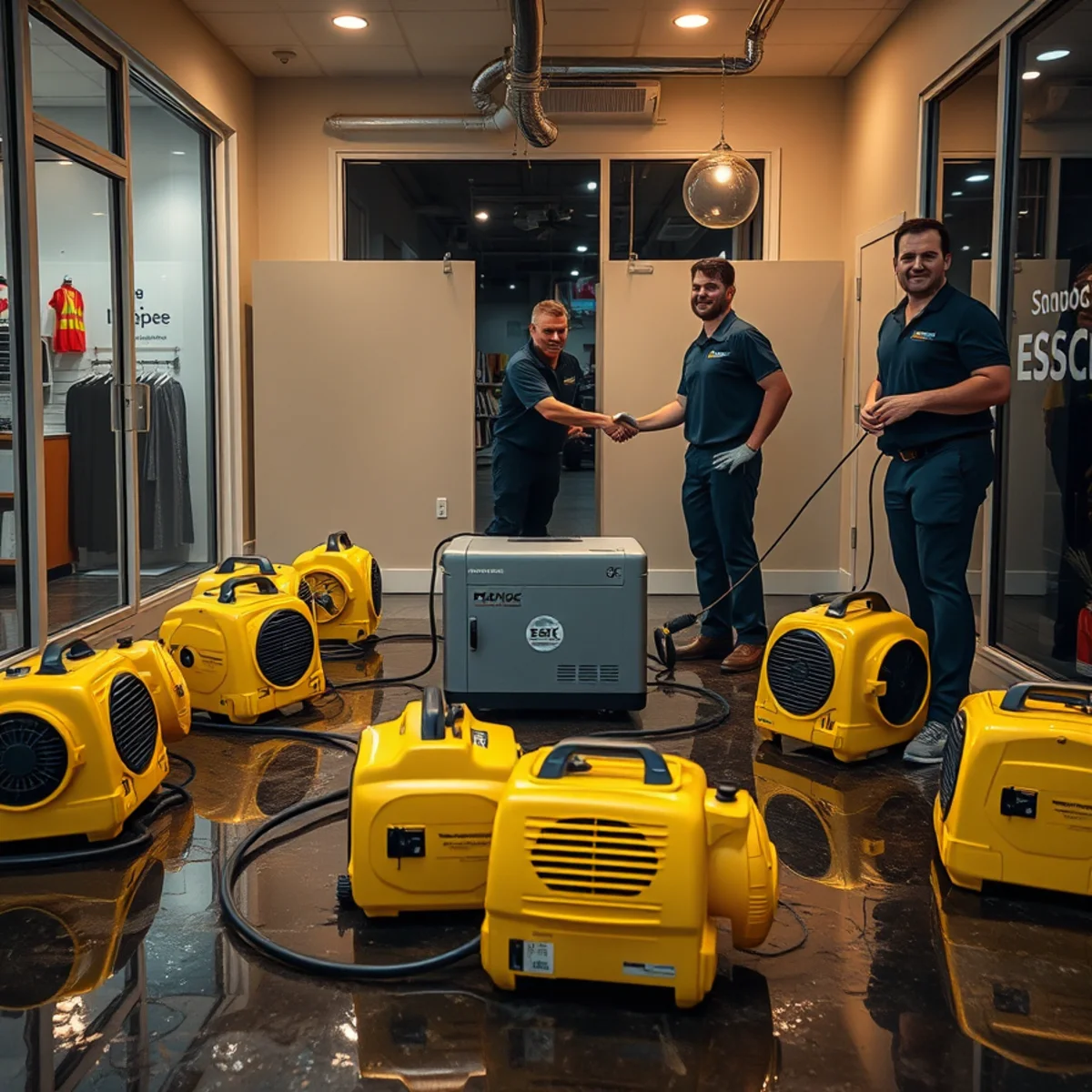
24/7 Emergency Service
So commercial work is planned differently from residential. We phase the job so the parts of your space that can stay open stay open, we run crews overnight and on weekends to work around your hours, and we build containment that keeps a work zone genuinely separated from a trading floor.
We work with Berkeley restaurants and retail, offices, multi-tenant buildings, student housing, medical and dental practices, labs, and property management portfolios across the East Bay.
Warning Signs
One activated head can put out dozens of gallons a minute across multiple floors. Frequently accidental — impact damage or corrosion rather than fire.
Flat commercial roofs rely on drains. When one blocks, ponding water finds the weakest penetration and comes through the ceiling grid.
Commercial units hold far more water than residential, and they are usually in a mechanical room nobody enters daily.
The worst case in multi-tenant property: a failure in an unoccupied unit runs for days before anyone notices.
A health-department problem as much as a restoration one. Requires documented Category 3 remediation before reopening.
Wind-driven rain through curtain wall joints, skylights, or a failed roof membrane.
How It Works
Within the first hour we tell you what is affected, what can stay open, and what the realistic timeline is. You need that to make decisions about staff and customers.
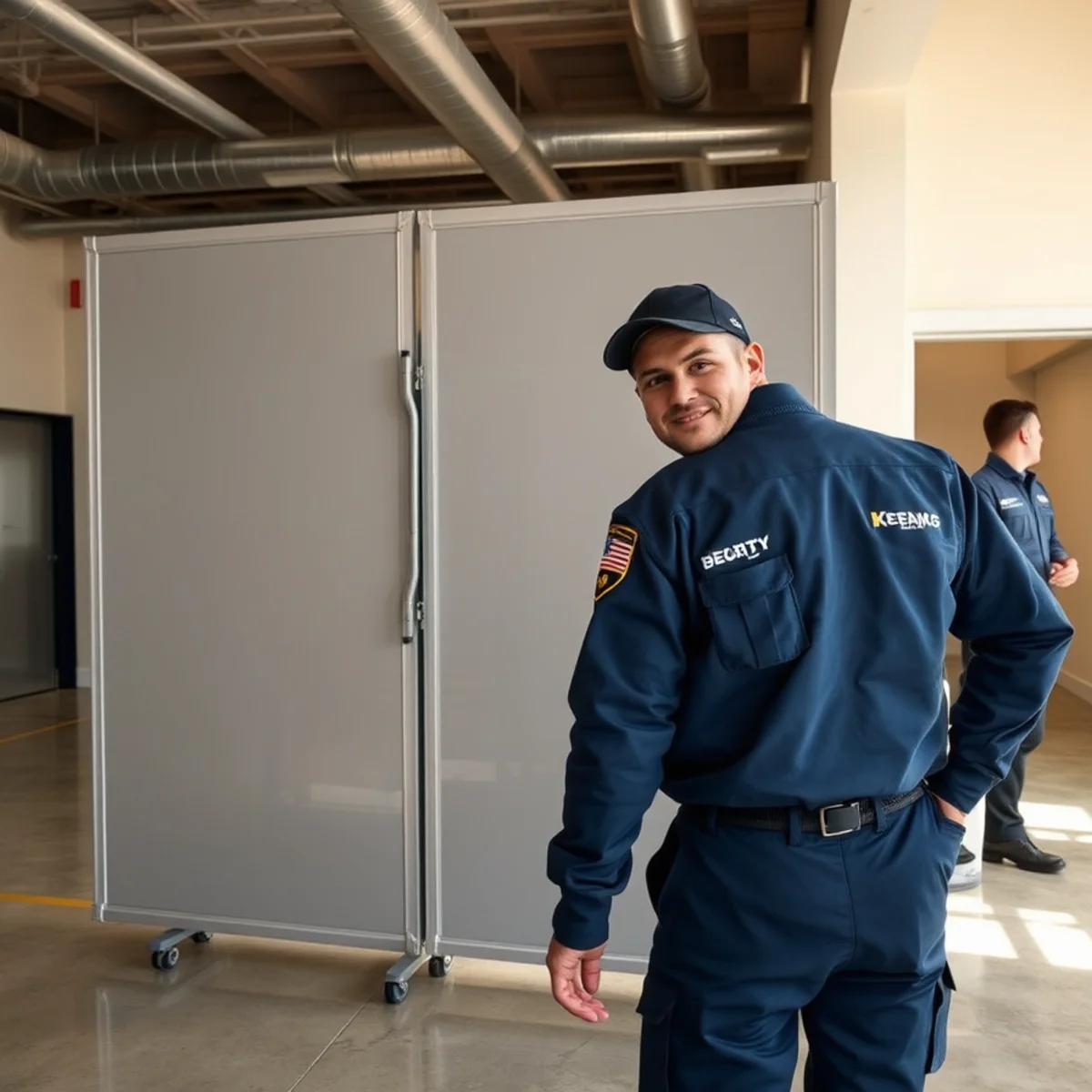
Hard containment where the public will see it, negative air where contamination is involved. The goal is a work zone that does not look or feel like a construction site from the customer side.
Standing water out, power and safety hazards addressed, product and equipment moved or protected.
Restaurants get overnight crews. Offices get weekend work. Retail gets the sales floor first and the stockroom second. Multi-tenant buildings get sequenced by unit with notice to each tenant.
Business interruption claims need daily records — dates, affected square footage, what was unusable and when. We keep that log from day one because reconstructing it afterwards never goes well.
Equipment placed and ducted to keep noise and cabling out of customer areas as far as possible.
Build-back scheduled around your calendar, plus coordination with health department or building inspection sign-off where the occupancy requires it.
A water loss in a multi-unit building is a coordination problem wearing a restoration costume. Water crosses demised boundaries and does not care whose lease it is under.
The recurring question is who pays for what. Broadly: the building policy covers the structure and common areas, each tenant's policy covers their improvements and contents, and the lease decides the rest. Our job is to document the loss precisely enough that the split is obvious rather than litigated — which unit the water originated in, where it traveled, and what it affected in each space.
We handle tenant notice and access scheduling, work around occupied units, keep egress paths clear and compliant during the work, and provide separate documentation packages per unit so each party can file their own claim from the same underlying record.
Around the UC Berkeley campus this comes up constantly. Student housing has high fixture density, heavy use, and long vacancies over the summer — the combination that produces the most expensive discovered-late losses we see.
What "restored" means depends entirely on what happens in the space.
Restaurants and food service
Health department requirements govern reopening. Any Category 2 or 3 water in a prep or storage area requires documented decontamination. We work overnight so you can serve the next service.
Retail
Inventory triage first — salvage what can be sold, document what cannot for the claim. Sales floor is restored ahead of back of house.
Offices and professional services
Electronics, servers, and paper records are the priority. We stabilize IT areas first and coordinate document drying before paper is lost.
Medical, dental, and labs
Contamination control and equipment protection are paramount. Documentation has to satisfy compliance requirements, not just the insurer.
Warehouse and light industrial
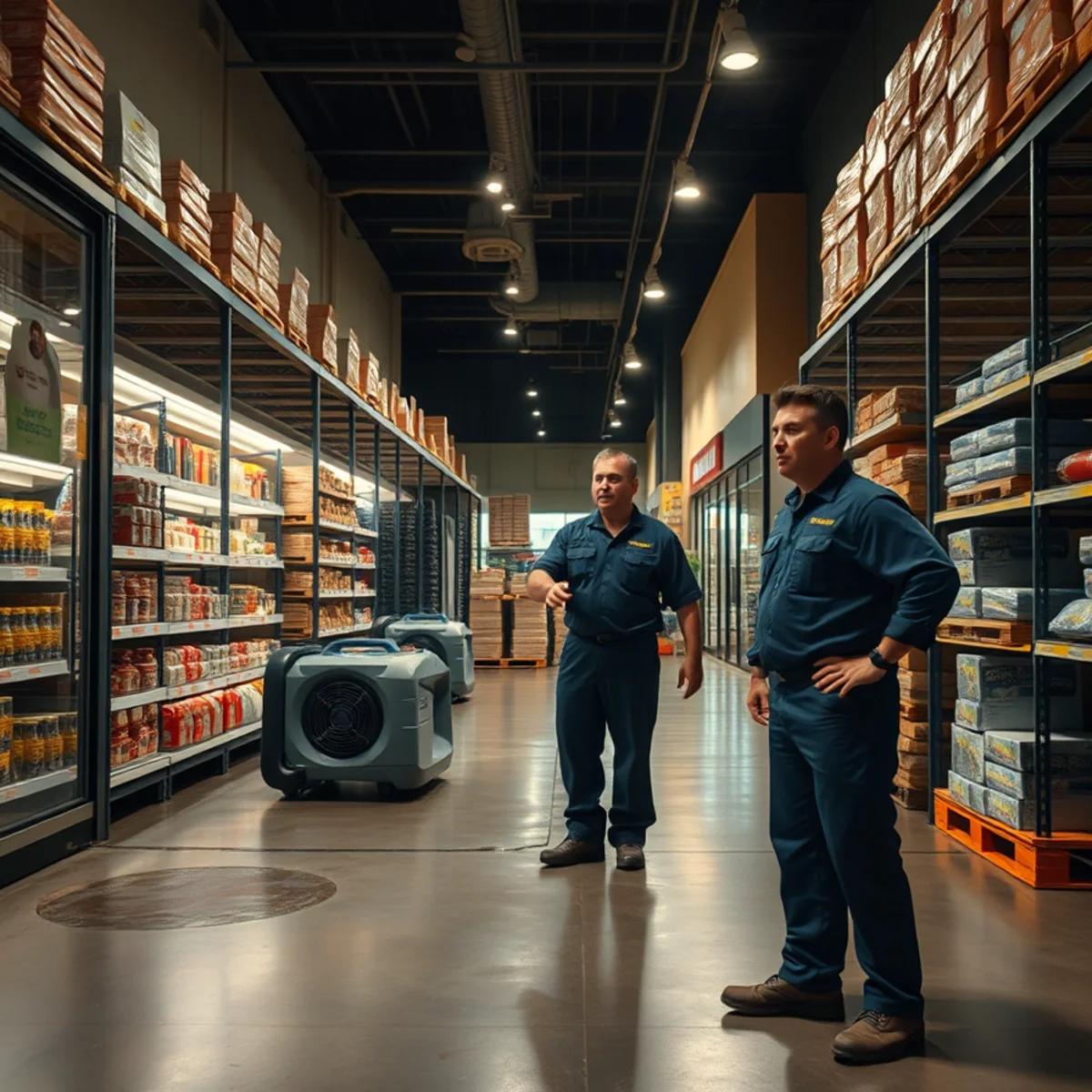
Racking, palletized inventory, and concrete slab drying, which behaves very differently from a wood-framed floor.
For a commercial loss the restoration itself is rarely the expensive part. The expensive part is the days you cannot trade, which is why the scheduling decisions matter more than the equipment list.
We phase the work so you can keep trading
Containment around the affected area, crews after hours and overnight where the space allows it, and a sequence built around your opening times rather than ours.
One point of contact, documented daily
Property managers, owners and tenants all need the same facts. You get one contact and a daily written position rather than three versions of the story.
Documentation that satisfies compliance, not just the carrier
Food service, clinical and lab spaces have requirements beyond an insurance scope. We write the record to the stricter of the two.
Downtown, so we arrive before the shift does
Being based on Center Street means a 60 to 90 minute response across Berkeley — often the difference between opening late and not opening.
Honest Pricing
Commercial spaces are larger and involve HVAC, sprinkler, and electrical systems that residential work does not.
Overnight and weekend work costs more per hour and is almost always cheaper than the revenue lost to closing during business hours.
Keeping a work zone separated in an occupied, publicly accessible building takes more than poly and tape.
Moving, storing, and triaging stock and equipment.
Concrete slabs, raised access floors, and multi-story assemblies need different equipment and longer schedules.
Health department, building department, or industry-specific sign-off before you can reoccupy.
Commercial policies frequently include business interruption coverage, which reimburses lost income during restoration. It is often the largest part of the claim and the part most likely to be under-documented. We keep the daily log that supports it from the first site visit.
Questions
Yes, and for most commercial clients that is the default. Overnight crews for restaurants and retail, weekends for offices. Keeping you trading is usually worth far more than the off-hours labor premium.
Often not entirely. We phase the work and contain the affected zone so unaffected areas keep operating. Full closure is normally only necessary with Category 3 water in a food-service or medical space, or when a structural or electrical hazard makes occupancy unsafe.
We document each affected space separately — origin, path, and what was damaged in each unit — and provide a separate package per tenant. That lets the building policy and each tenant policy respond to their own portion without anyone reconstructing the sequence from memory later.
We keep the operational record your adjuster and accountant need: daily photographs, affected square footage, which areas were unusable and on which dates, and the restoration timeline. Your accountant calculates the loss; we supply the evidence it rests on.
60–90 minutes in Berkeley, day or night, same as residential. For property management portfolios we can set up a pre-authorized response agreement so work begins immediately without waiting for approvals.
What Neighbors Say
Sample content. These are illustrative examples, not customer reviews. Replace them with verified reviews from your Google Business Profile before launch — see src/data/testimonials.ts.
“A supply line let go in the upstairs bathroom of our 1920s place around midnight. Someone actually answered the phone, walked me to the shut-off in the dark, and had a crew here inside the hour. They saved the fir floors, which I had written off.”
“The crawl space had been wet for years and we had no idea. They found it, dried it, put in a vapor barrier, and explained exactly why our downspouts were the actual culprit. No upsell to anything we did not need.”
“Sewage backup in the downstairs unit during a storm. They set containment before touching anything, documented every step for the insurance company, and the claim went through without a single argument.”
Where We Provide This Service
Keep Reading
A live local dispatcher every hour of the year, and a crew at your door in 60–90 minutes anywhere in Berkeley.
Learn moreYour belongings inventoried, cleaned, and stored safely — including documents and photos most people assume are gone.
Learn moreCategory 3 water handled the way it has to be — containment, PPE, HEPA filtration, and verified decontamination.
Learn more Insurance & Cost
8 min read
Nobody can quote your job from a web page. But every variable that moves the number is knowable — here they all are.
Read article Insurance & Cost
8 min read
The short answer: sudden and accidental, yes. Gradual and surface water, no. The long answer is where every denied claim lives.
Read articleA live local dispatcher answers day or night, and we get a crew to most Berkeley addresses in 60 to 90 minutes. Free inspection, written estimate, and we bill your insurance directly.