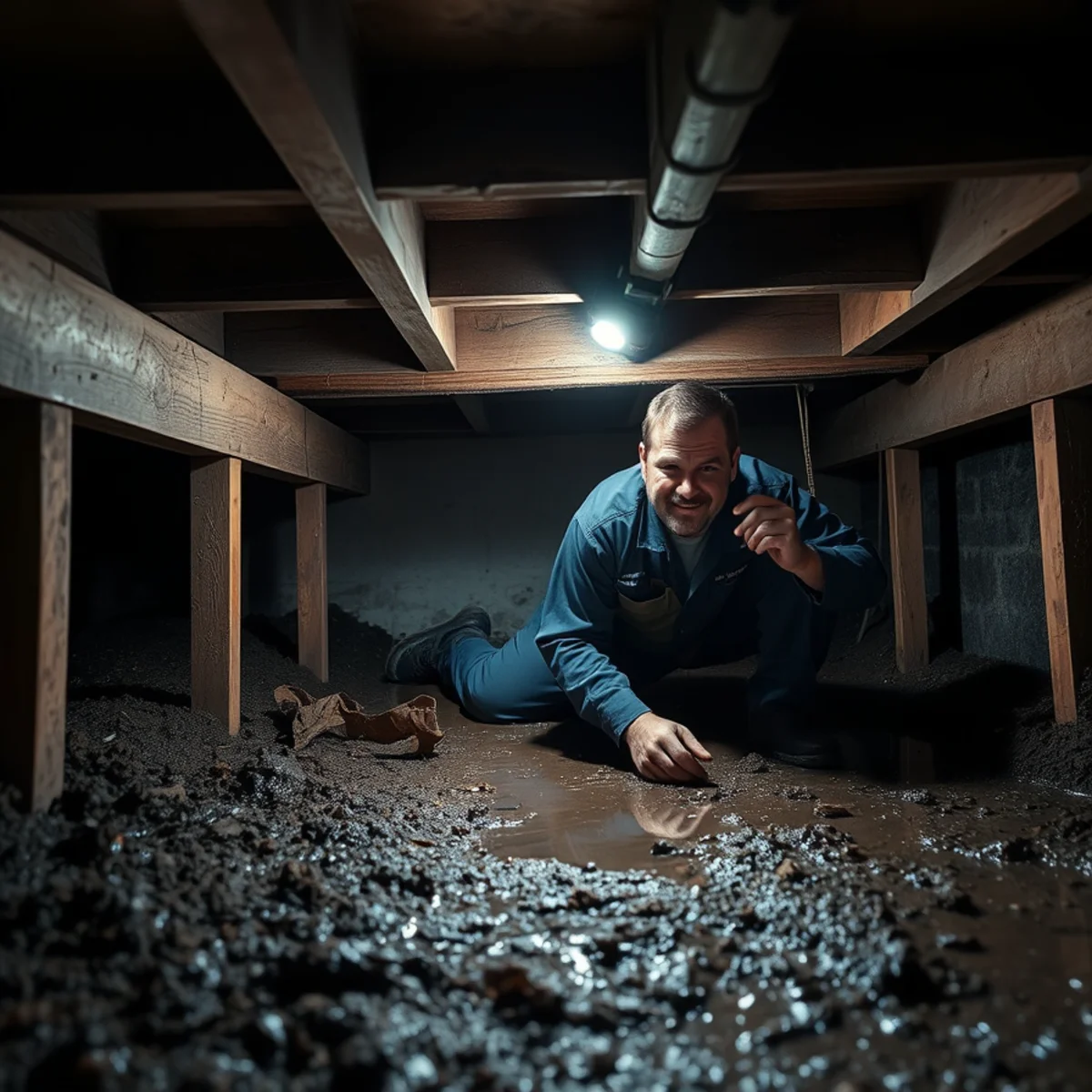
Crawl Space & Basement Water
The space nobody looks at, humidifying the whole house from below — pumped, dried, and sealed properly.
Learn more
24/7 Emergency
(201) 277-9344
Southampton · 24/7 Emergency Service
It is quiet, established, and it behaves like the rest of this hillside when it rains: water arrives from above, and the properties that stay dry are the ones whose drainage is actually maintained.
We reach Southampton in twenty to thirty minutes off Claremont Avenue.
The dominant mechanism is surface runoff concentrating on a slope. Rain that falls on the open ground and steep lots above arrives fast, follows the driveways and the low points, and ends up at the downhill side of whatever building is in the way — most often a tucked-under garage or a lower level built against earth.
Hydrostatic pressure does the rest. Where living space sits against a retaining or foundation wall holding back saturated soil, water gets pushed through the concrete itself — through a cold joint, a form-tie hole or a shrinkage crack. Nothing is leaking in the plumbing sense, and no amount of sealant applied to the inside face will stop it.
Efflorescence — the white crystalline crust that appears on the inside of a concrete or masonry wall — is the early warning here. It is mineral left behind as water passes through the wall, and it shows up well before a visible puddle does.
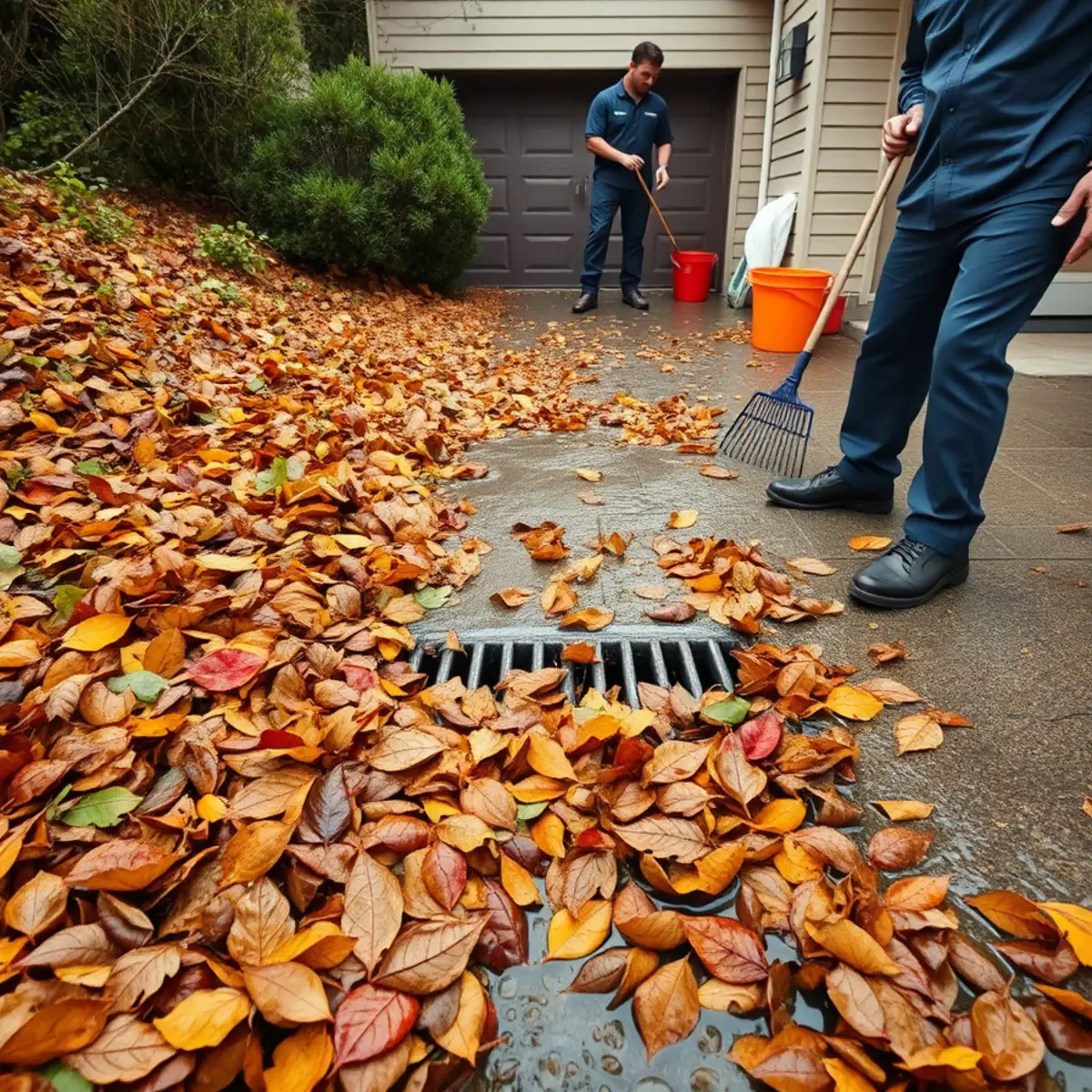
Heavy leaf and duff load from the surrounding tree cover blocks area drains reliably every autumn, which is the single most common root cause we find on these streets.
The houses here are largely early-to-mid twentieth century, built into the grade with stepped foundations, partial basements and tucked-under garages. Most have at least one room with an earth-retaining wall, and those rooms are where the calls come from.
Original galvanized supply pipe is present in the older stock and is at or past the end of its service life, with the usual warning signs: water pressure that has slowly declined over the years, and rusty water first thing in the morning after the house has sat.
Interiors run to plaster over lath and old-growth fir flooring, which we dry slowly and repair in kind rather than substituting drywall and stock trim.
Southampton is small, stepped and steep — a few streets where hillside physics produces the same handful of problems in house after house.
Stepped lots stack the water problem
Houses built into terraces take water at the uphill wall of the lowest level, which is usually the least visited room in the house and the last place anyone looks.
Efflorescence is a symptom, not a stain
White powdery residue on a foundation wall means water is moving through the masonry. Painting over it treats the evidence and leaves the mechanism running.
Period houses on difficult ground
Original plaster, fir and trim in structures that have been settling on a slope for a century — dried carefully rather than opened up wholesale.
Twenty to thirty minutes off Claremont Avenue
A short run from Downtown, with access planned for the narrower stepped drives.
Areas and landmarks we cover in and around Southampton:
Local Questions
Efflorescence — mineral salts left behind as water passes through the concrete or masonry. It means water is already moving through the wall, even if you have never seen standing water. It is the earliest reliable warning of a hydrostatic problem and worth acting on before it becomes a wet floor.
Groundwater and surface water intrusion are typically excluded as flood or maintenance. A sudden plumbing failure is covered. We tell you honestly which one you have after the inspection, because it determines whether you are filing a claim or planning drainage work.
That is efflorescence, and it is evidence rather than a cosmetic problem. Water moving through concrete or masonry dissolves mineral salts, carries them to the surface, and leaves them behind as the water evaporates — so the deposit is proof that moisture is actively passing through the wall, not merely condensing on it. On the stepped lots here that almost always means hydrostatic pressure from saturated soil uphill. Cleaning or sealing the surface hides it for a season. The real fix is on the outside: grade correction, drainage, and getting downspout and area-drain discharge well away from the uphill wall.
Usually not, and the reason is the mechanism rather than the address. Standard policies cover sudden and accidental discharge from a plumbing system and exclude surface water, groundwater and hydrostatic pressure — which describes most intrusion on a stepped hillside lot. What is sometimes covered is a consequence: if saturated ground causes a sudden failure of a covered component, that portion may qualify. Because these claims turn almost entirely on establishing cause, we document from the first visit with dated photographs, moisture mapping and a written narrative, so you are arguing from evidence rather than impression.
Services in Southampton
The space nobody looks at, humidifying the whole house from below — pumped, dried, and sealed properly.
Learn more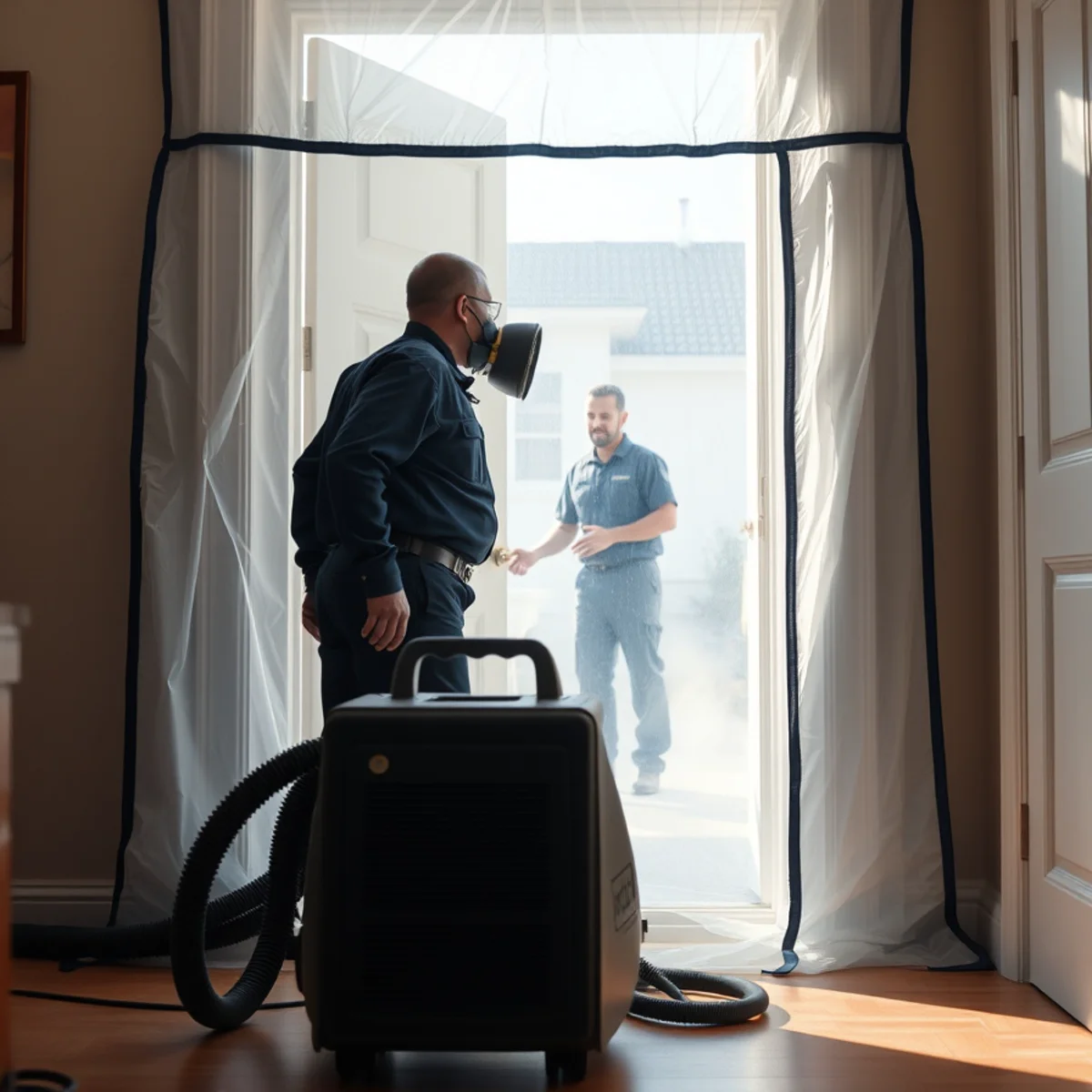
Find it, contain it, remove it — and fix the moisture source, or it comes straight back.
Learn more
Emergency tarping and board-up the same night, then the full repair once the weather clears.
Learn moreThe classic Berkeley failure — hundred-year-old galvanized pipe letting go behind a wall at 2 a.m.
Learn moreEnd-to-end recovery from the first phone call to the final repaint — extraction, drying, sanitizing, and rebuild under one crew.
Learn moreMetered, documented drying to a real dry standard — not a fan in the corner and a guess about Thursday.
Learn moreWhat Neighbors Say
Sample content. These are illustrative examples, not customer reviews. Replace them with verified reviews from your Google Business Profile before launch — see src/data/testimonials.ts.
“A supply line let go in the upstairs bathroom of our 1920s place around midnight. Someone actually answered the phone, walked me to the shut-off in the dark, and had a crew here inside the hour. They saved the fir floors, which I had written off.”
“The crawl space had been wet for years and we had no idea. They found it, dried it, put in a vapor barrier, and explained exactly why our downspouts were the actual culprit. No upsell to anything we did not need.”
“Sewage backup in the downstairs unit during a storm. They set containment before touching anything, documented every step for the insurance company, and the claim went through without a single argument.”
Keep Exploring
Typically 20–30 minutes via Claremont Avenue.
94705
View areaTypically 20–30 minutes up Claremont Avenue.
94705
View areaTypically 20–35 minutes up into the hills.
94708 · 94705 · 94709
View area Berkeley Local
8 min read
A hundred-year-old house has a hundred-year-old plumbing system and a crawl space nobody has looked at. Both are fixable before they are urgent.
Read article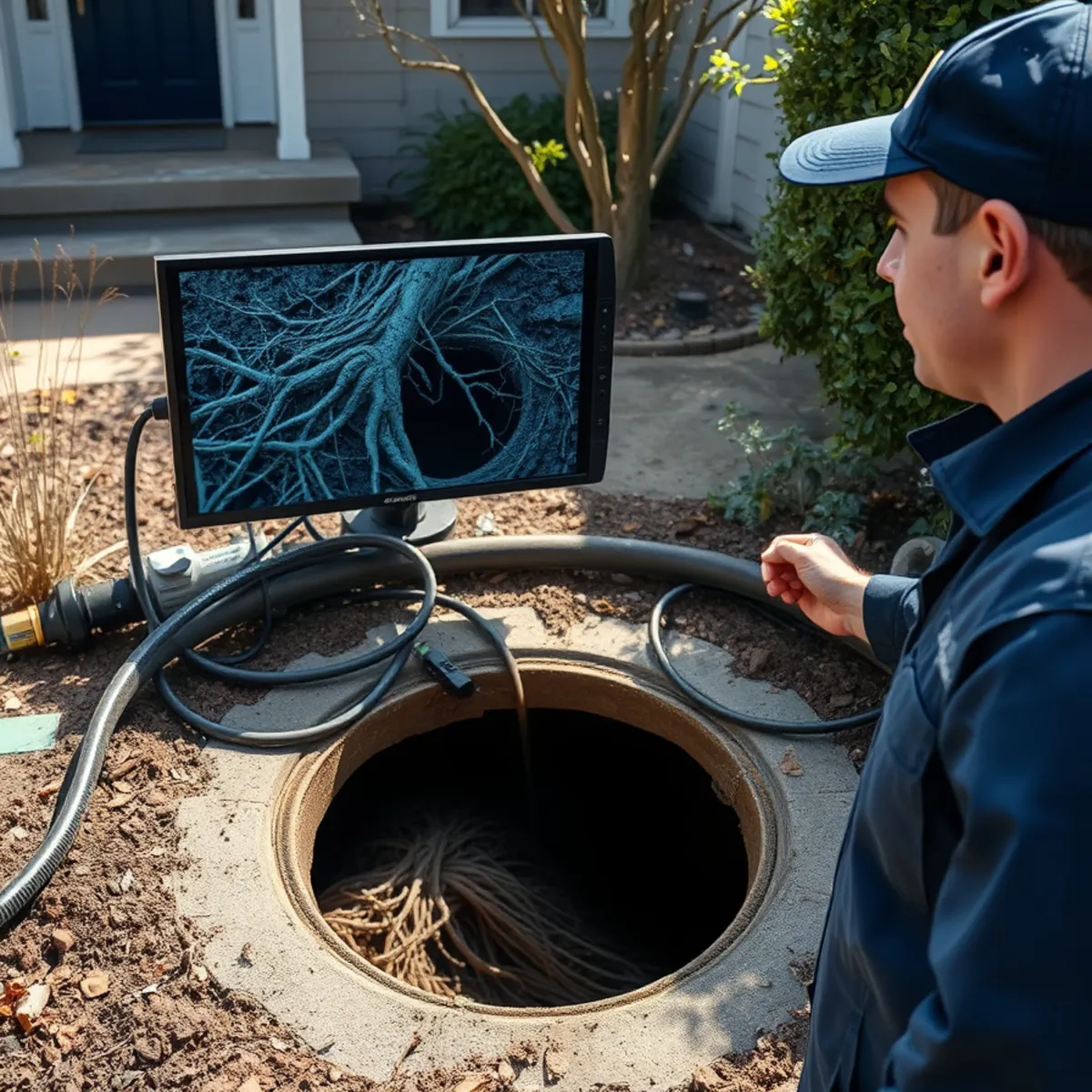 Berkeley Local
6 min read
Most Berkeley homeowners learn that the lateral is theirs on the worst possible day. Here is what to know before that day.
Read articleTypically 20–30 minutes off Claremont Avenue. A live local dispatcher answers day or night. Free inspection, written estimate, and we bill your insurance directly.