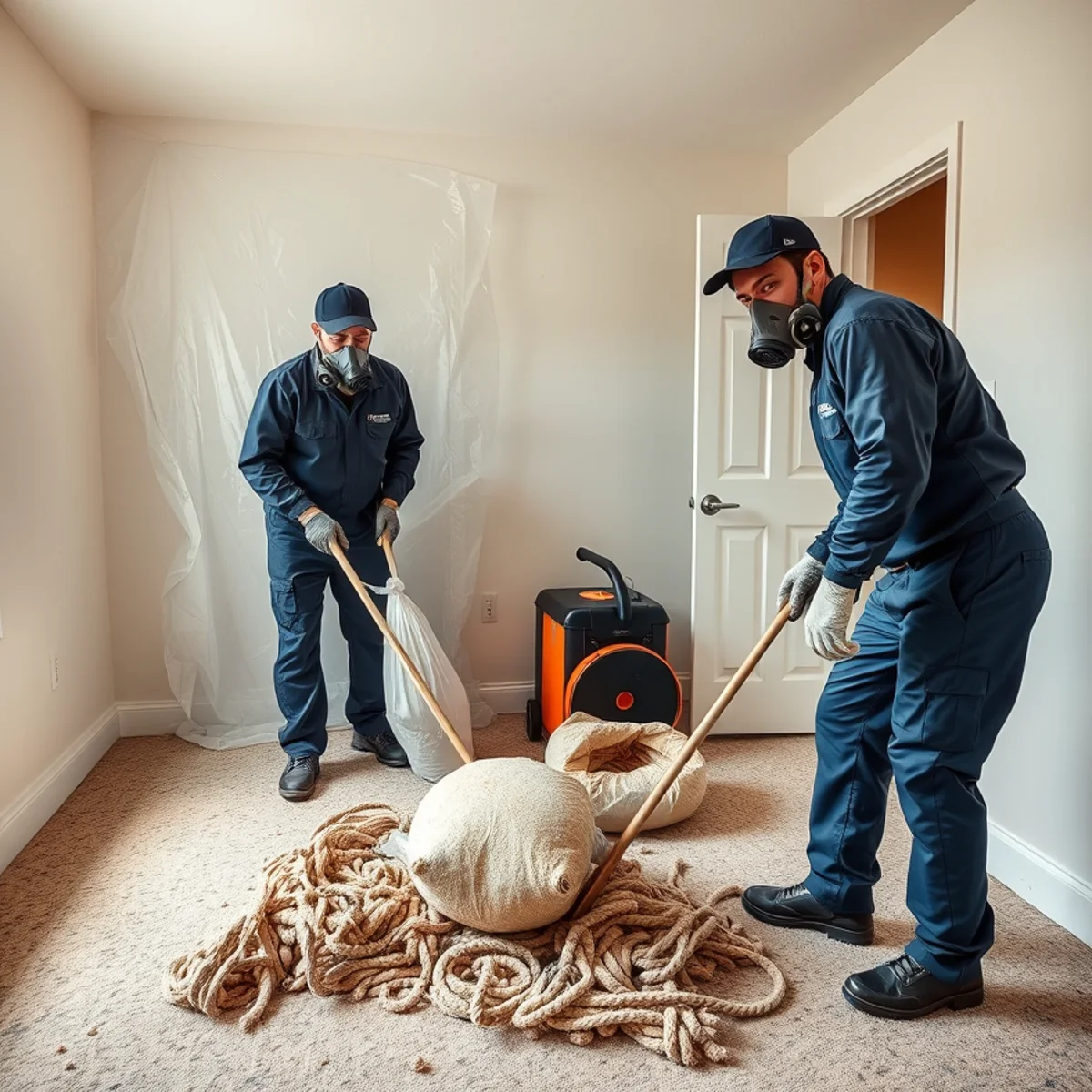
Flood Damage Cleanup
Ground and storm water is contaminated by definition — we clean it to Category 3 protocol, not like a spilled bathtub.
Learn more
24/7 Emergency
(201) 277-9344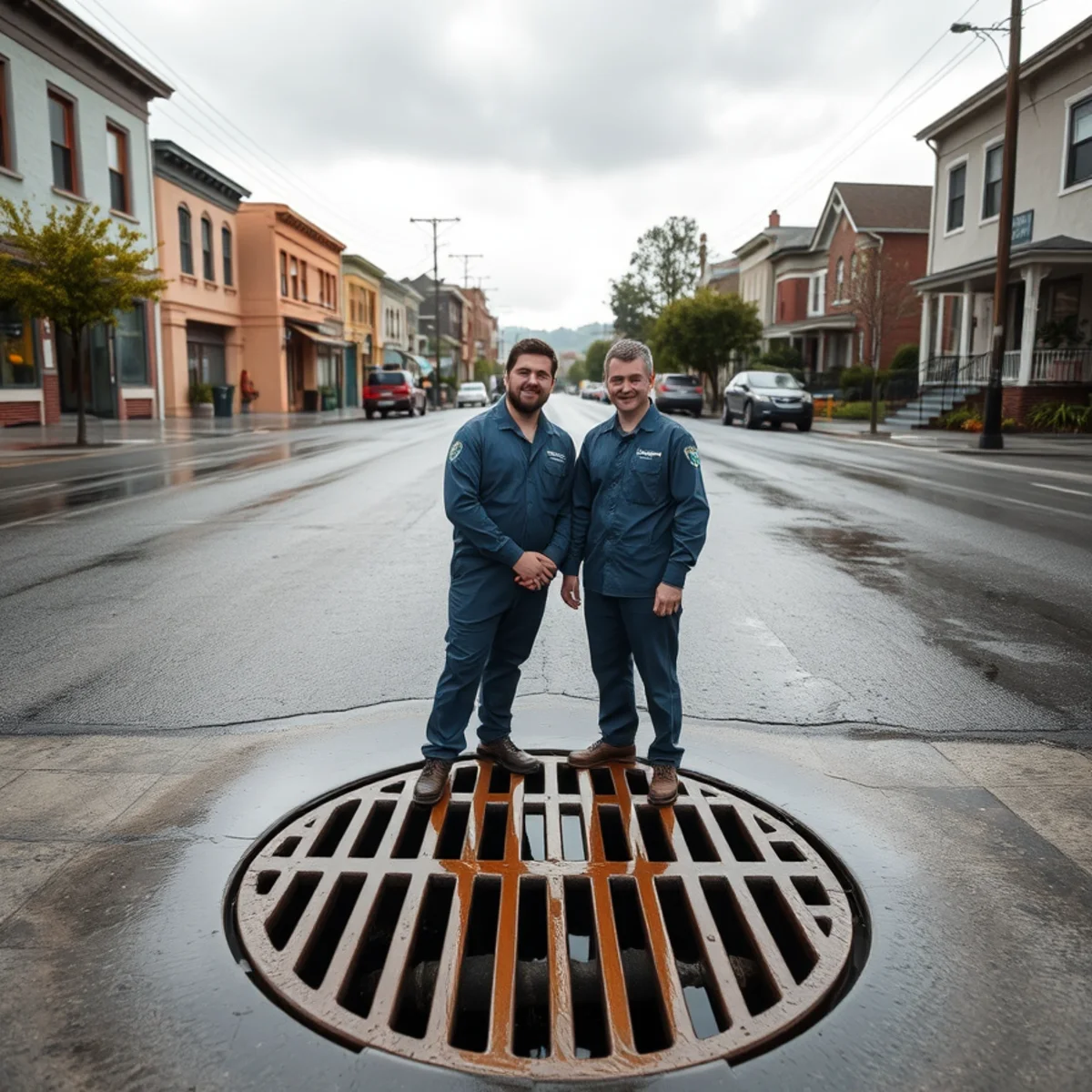
West Berkeley · 24/7 Emergency Service
The flats sit on what used to be marsh and creek outflow. The ground is low, the water table is high, and the storm drain system has to move a lot of water a short distance to the Bay through a network that was not built for three inches of rain in a day.
When an atmospheric river parks over the Bay Area, this is where we get the ground-level flooding calls. We are down University in twelve to twenty minutes.
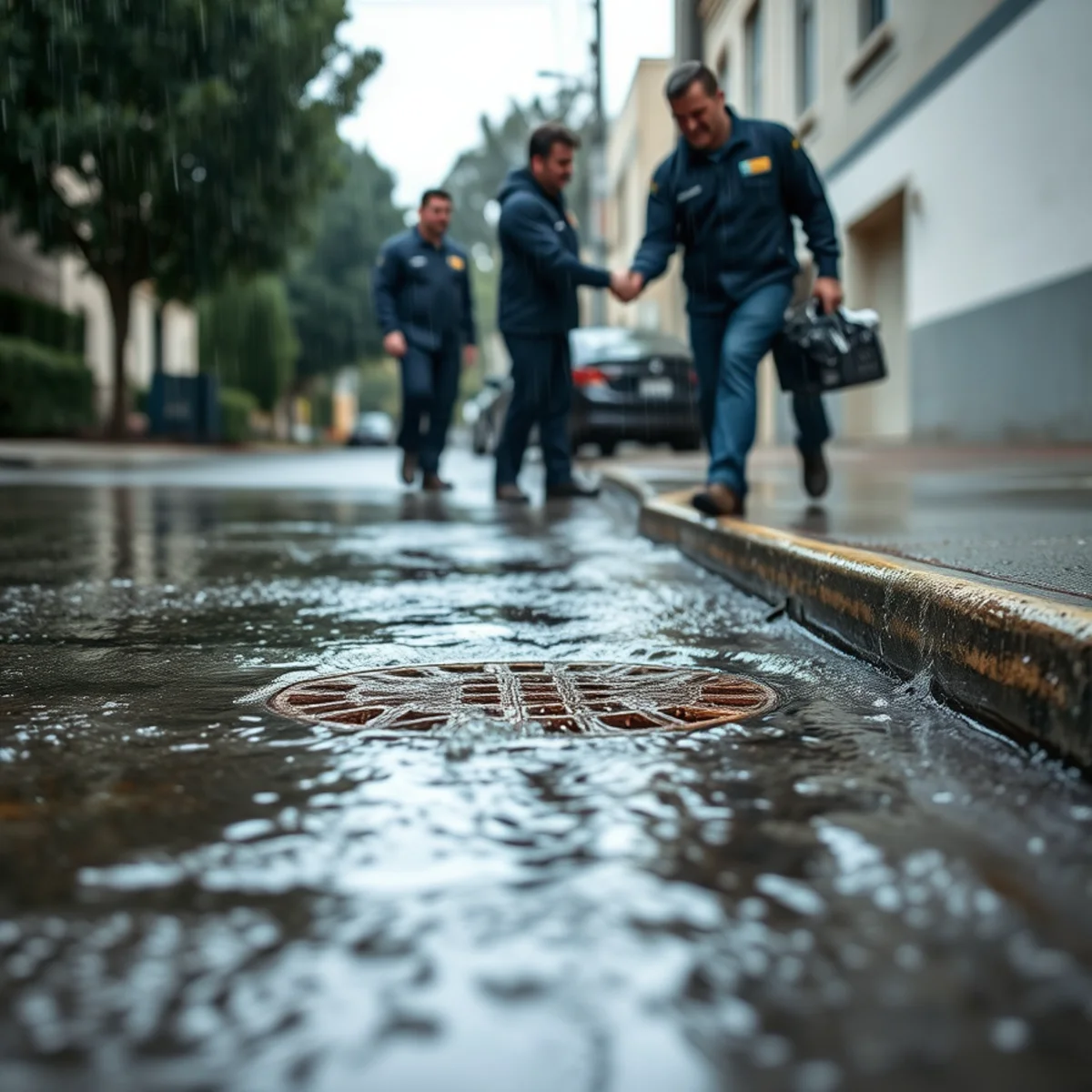
Storm drain capacity is the primary mechanism. Under sustained heavy rain the system runs full, and when it does, water reverses. It comes up through floor drains and low fixtures, and it ponds at street level with nowhere to go. Add a high tide at the outfall and the drains have nothing to discharge into at all.
Elevation compounds it. Much of West Berkeley is only a few feet above sea level, so surface water does not drain away by gravity — it sits until it is pumped or it soaks in.
A high water table means crawl spaces here stay damp through the wet season without any leak at all. In a wet year the groundwater level can rise to meet the underside of a house.
Buried creeks run through the neighborhood. Strawberry Creek and several neighboring watercourses were culverted as the area was developed, and during heavy events those culverts run full beneath properties whose owners have no idea they are there.
All of this water is ground and storm water, which means it is Category 3 — contaminated — and gets full containment and material-removal protocol.
Ocean View is the oldest part of Berkeley, predating the university, and it has small workers' cottages from the 1870s onward alongside later infill. Poet's Corner and the blocks around it are largely modest 1900s–1930s single-family homes on small lots. The Gilman District and the corridor toward Fourth Street mix light industrial, live-work conversions, and newer residential.
The older housing has shallow crawl spaces very close to grade, which is exactly the wrong configuration for a high water table. Vapor barriers and, in the worst cases, full encapsulation with a dedicated dehumidifier are what actually solve chronic dampness here — not another round of drying.
Converted industrial and live-work buildings bring concrete slabs and masonry, which are slow-drying and need specialty equipment. Slab-on-grade construction in a high-water-table area also means moisture migrating up through the slab, which reads as a flooring problem and is actually a vapor problem.
The flats have a genuinely different water problem from the rest of the city, and it is one that most restoration companies scope incorrectly because they treat it as a plumbing loss.
Tide-locked drainage is the local mechanism
When heavy rain coincides with a high bay, storm drains cannot discharge and back up instead. It is not your plumbing, and it will happen again on the same tide and rainfall combination.
A high water table keeps crawl spaces damp
Low elevation means the ground under these houses holds moisture year round. Vapour barrier and drainage do more here than drying equipment alone.
Storm-drain water is Category 3
Anything that arrives via a storm drain is contaminated by definition. Containment and decontamination come first, drying second.
Twelve to twenty minutes straight down University
The flats are a fast, unobstructed run from our Center Street shop at any hour.
Areas and landmarks we cover in and around West Berkeley:
Local Questions
The water table. West Berkeley sits low with groundwater close to the surface, so soil moisture evaporates into the crawl space continuously through the wet season. A sealed vapor barrier over the soil cuts most of it; full encapsulation with a dedicated dehumidifier ends it.
No. Surface and rising water are excluded from standard policies, and that includes storm drain backup in most cases. Separate NFIP or private flood coverage handles it, and a water backup endorsement covers sewer and drain reversal. Given West Berkeley's exposure, both are worth pricing.
Treat it as contaminated. Storm and ground water carries street runoff, bacteria, and often sewage from an overwhelmed system. Keep children and pets out of it, and let us handle removal under containment rather than mopping it up.
Because the storm drain system discharges to the bay by gravity. When the tide is high the outfalls are effectively submerged, so the system has nowhere to send water and backs up through the lowest inlets — which in the flats can mean the street, a driveway, or a ground-floor drain. The same rainfall six hours later, on a low tide, often produces nothing at all. It is worth knowing your own combination, because it is predictable: if you have flooded twice on a king tide with a heavy storm, you will flood again on the next one, and that is an argument for a backwater valve rather than for better luck.
It is the water table rather than a failure. In the flats the ground under your house sits close to saturated for much of the wet season, and without a vapour barrier over the soil that moisture evaporates straight up into your joists and subfloor. The results are consistent: elevated framing moisture, musty air in the ground-floor rooms, mold on the underside of the floor, and sometimes cupping in the boards above. The fix is a sealed barrier over the soil, corrected drainage and downspout discharge well clear of the foundation, and on chronically wet spaces a dedicated dehumidifier.
Services in West Berkeley
Ground and storm water is contaminated by definition — we clean it to Category 3 protocol, not like a spilled bathtub.
Learn more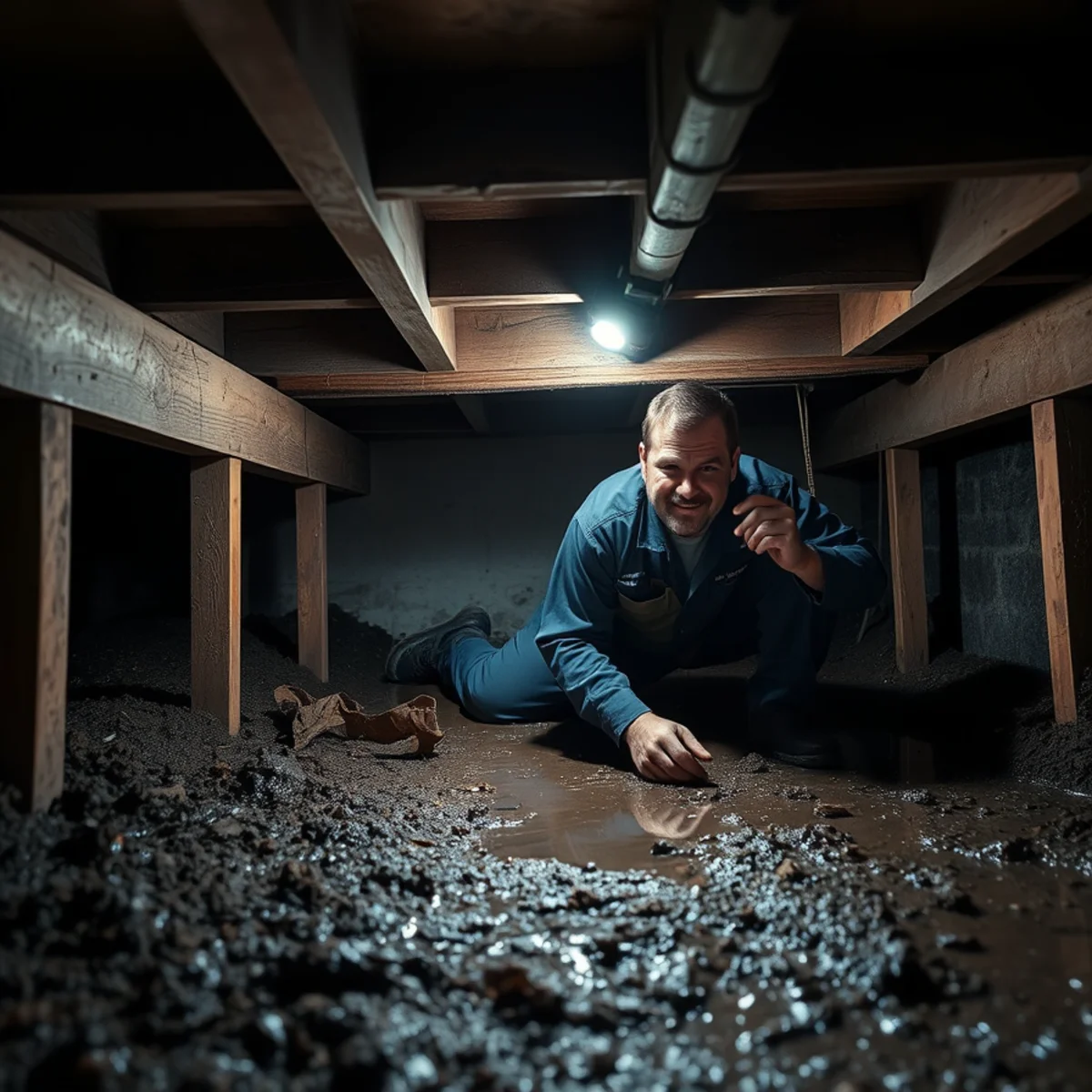
The space nobody looks at, humidifying the whole house from below — pumped, dried, and sealed properly.
Learn more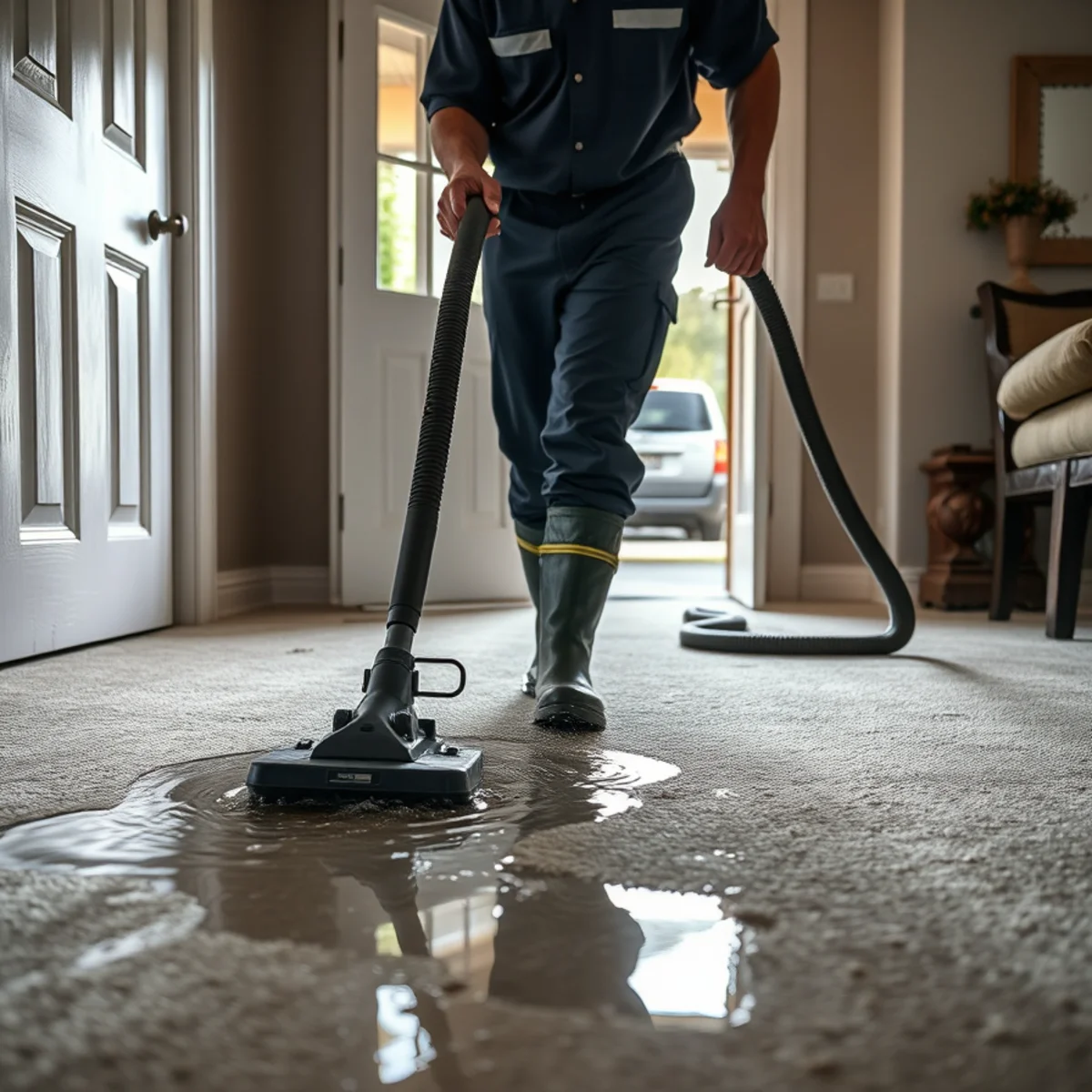
Truck-mounted extraction that pulls hundreds of gallons an hour — the single highest-leverage hour of the entire job.
Learn moreFind it, contain it, remove it — and fix the moisture source, or it comes straight back.
Learn moreCategory 3 water handled the way it has to be — containment, PPE, HEPA filtration, and verified decontamination.
Learn moreEmergency tarping and board-up the same night, then the full repair once the weather clears.
Learn moreWhat Neighbors Say
Sample content. These are illustrative examples, not customer reviews. Replace them with verified reviews from your Google Business Profile before launch — see src/data/testimonials.ts.
“A supply line let go in the upstairs bathroom of our 1920s place around midnight. Someone actually answered the phone, walked me to the shut-off in the dark, and had a crew here inside the hour. They saved the fir floors, which I had written off.”
“The crawl space had been wet for years and we had no idea. They found it, dried it, put in a vapor barrier, and explained exactly why our downspouts were the actual culprit. No upsell to anything we did not need.”
“Sewage backup in the downstairs unit during a storm. They set containment before touching anything, documented every step for the insurance company, and the claim went through without a single argument.”
Keep Exploring
Typically 15–25 minutes down University to the waterfront.
94710
View areaTypically 12–20 minutes down Shattuck or Sacramento.
94703 · 94702 · 94705
View areaOften under 20 minutes — our shop is on Center Street.
94704
View area Berkeley Local
8 min read
A hundred-year-old house has a hundred-year-old plumbing system and a crawl space nobody has looked at. Both are fixable before they are urgent.
Read article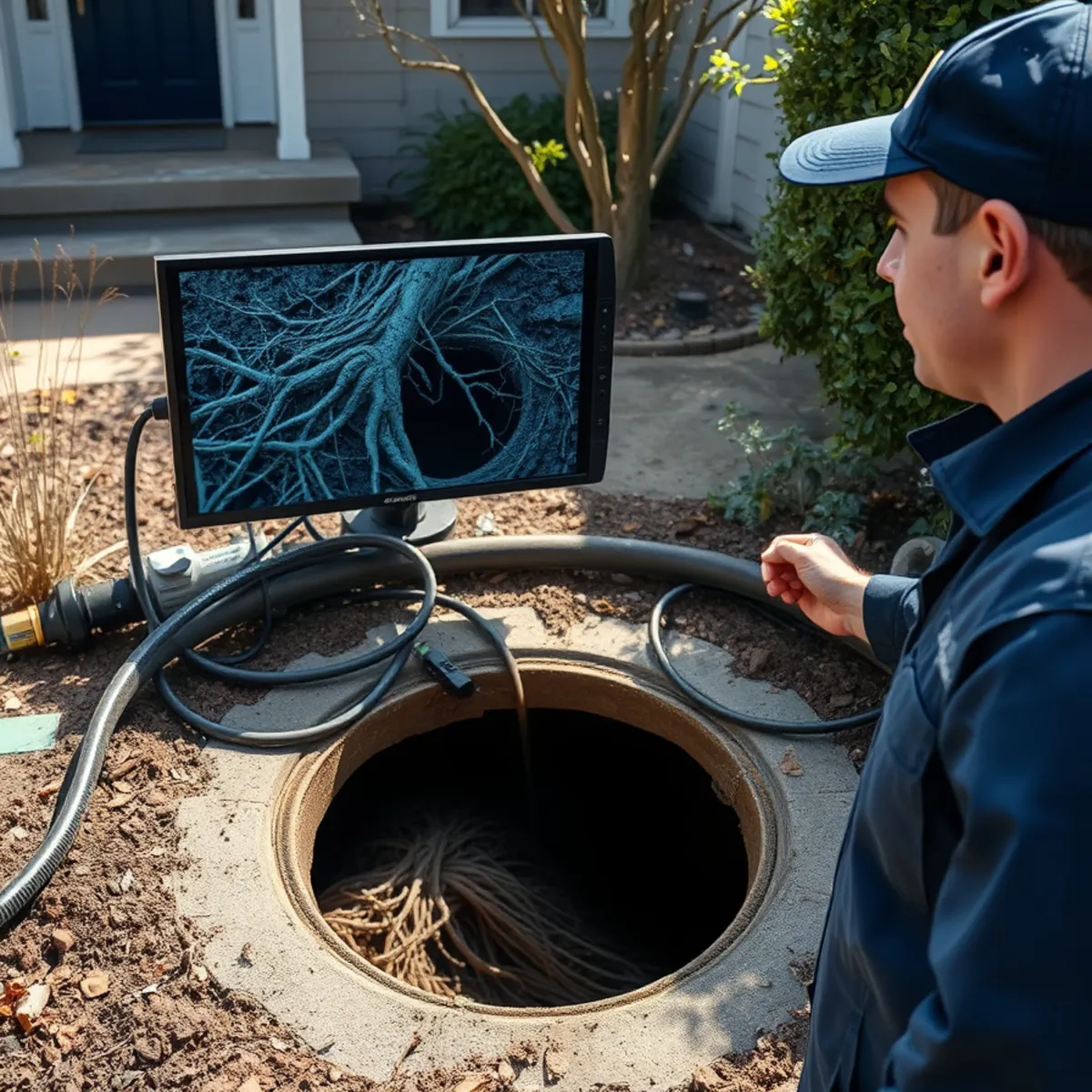 Berkeley Local
6 min read
Most Berkeley homeowners learn that the lateral is theirs on the worst possible day. Here is what to know before that day.
Read articleTypically 12–20 minutes straight down University. A live local dispatcher answers day or night. Free inspection, written estimate, and we bill your insurance directly.