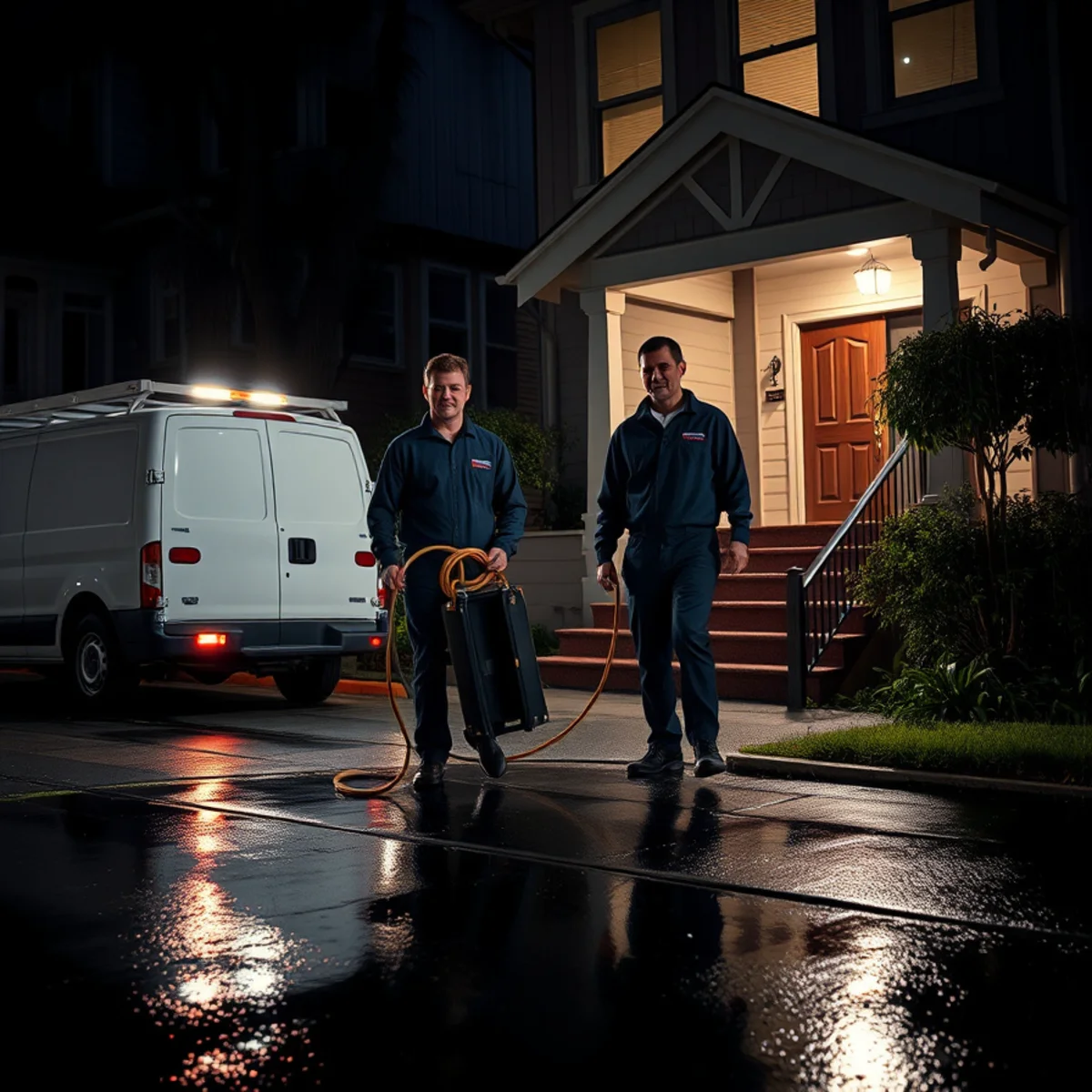
24/7 Emergency Service
A live local dispatcher every hour of the year, and a crew at your door in 60–90 minutes anywhere in Berkeley.
Learn more
24/7 Emergency
(201) 277-9344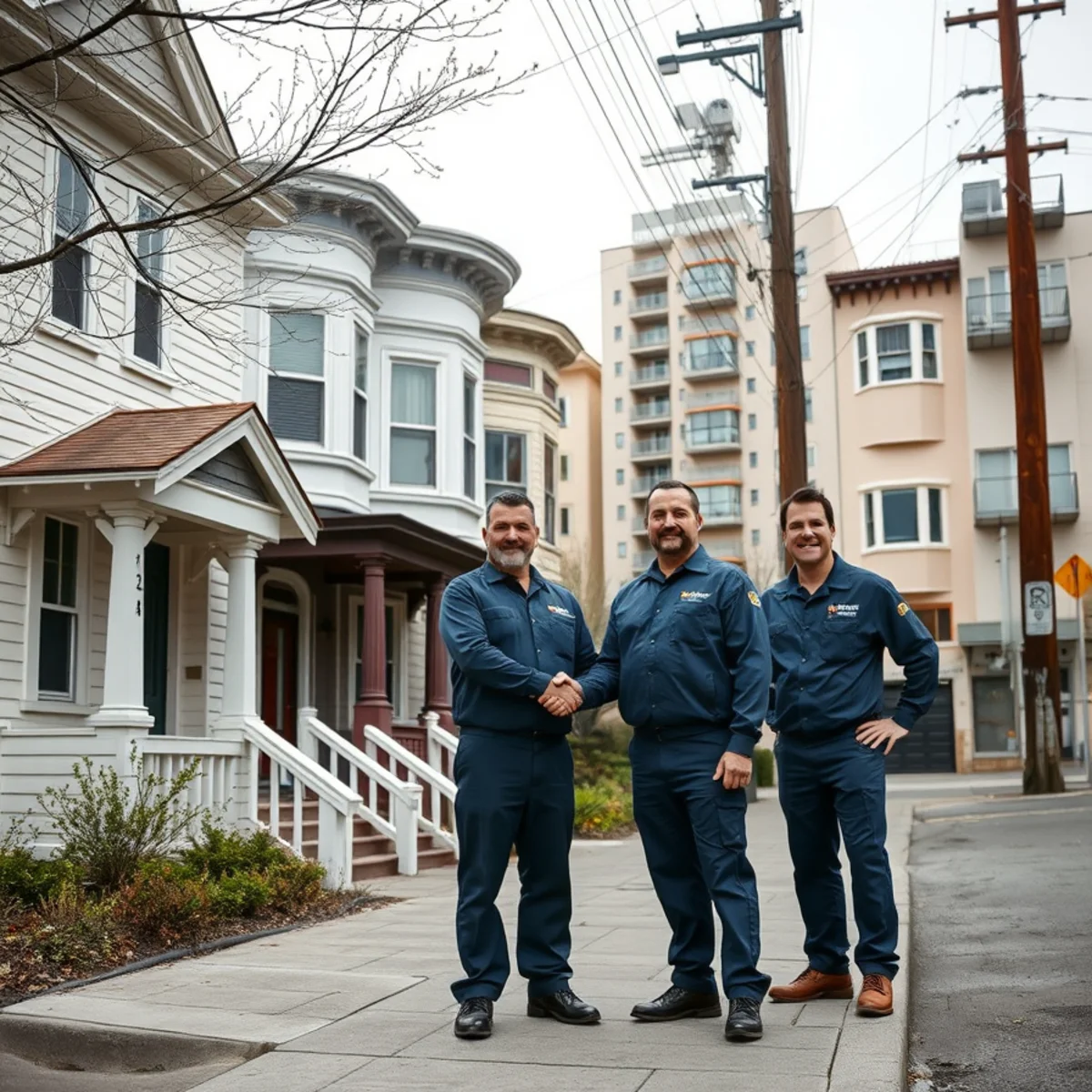
Central Berkeley · 24/7 Emergency Service
It has the widest mix of building types in the city on a per-block basis: 1900s cottages next to 1960s apartment blocks next to recent infill, all sharing the same street and much of the same underground infrastructure.
It is also the closest neighborhood to our shop after Downtown. We are typically there in ten to eighteen minutes.
Because the housing spans a century, so do the failure modes. The pre-1960 stock has galvanized steel supply pipe at end of life. The post-1960 stock has copper, which fails differently — pinhole pitting producing slow hidden leaks rather than dramatic bursts. The recent infill has modern plumbing and the multi-unit problem of vertical water travel through shared chases.
Clay sewer laterals under mature street trees are the constant, and Berkeley's Private Sewer Lateral ordinance makes that pipe the property owner's responsibility. Backups here cluster during storms, when groundwater infiltrates through open joints and the line runs at capacity.
Ground elevation is moderate — this is neither hills nor true flats — so surface flooding is a lesser factor than it is west of San Pablo Avenue. When we get storm-season calls in Central Berkeley they are usually roof, gutter or lateral, not street water.
The apartment stock brings its own pattern: aged buildings at high occupancy, and losses that cross several tenancies at once.
The oldest housing is late-Victorian and early-1900s cottage stock, small, on raised foundations over shallow bare-soil crawl spaces. Then 1910s–1930s bungalows, then a substantial body of post-war and 1960s–70s apartment buildings along the arterials, then recent multi-family development.
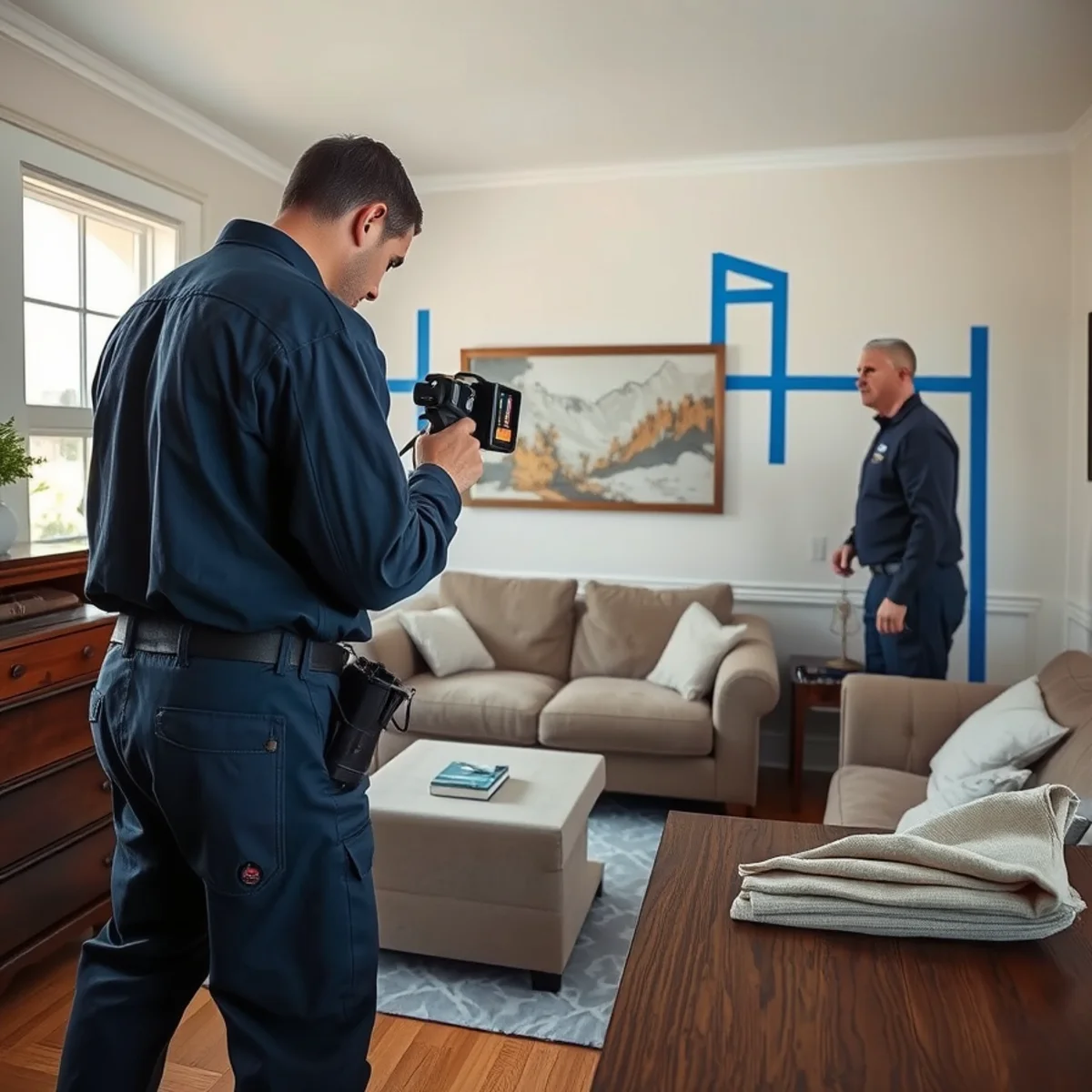
That mix means we cannot assume anything before we arrive. A moisture map and thermal survey on a Central Berkeley job routinely turns up construction that does not match the age of the façade — additions, garage conversions and re-plumbing done in eras that left no drawings.
For the older houses we handle plaster and old-growth fir the way we do elsewhere in pre-war Berkeley: dried patiently and repaired in kind. For the apartment buildings we document per unit and phase the work so occupied units stay habitable.
Central Berkeley is our own back yard, and it contains essentially every failure mode in the city — Victorian cottages, apartment blocks and new infill, often on the same block.
Ten to eighteen minutes, at any hour
This is the fastest response we run anywhere. For a loss that is still actively spreading, that gap is the difference between mitigation and remediation.
Every construction era, scoped correctly
A 1900s cottage, a 1960s apartment block and a 2015 infill building dry three different ways. We identify which we are in before choosing equipment.
Old laterals under a dense street grid
Century-old clay lines and mature street trees make storm-season backups a recurring local event rather than bad luck.
The truck arrives loaded
Extraction, air movers, dehumidifiers and containment on the first visit, because coming back for equipment costs you rooms.
Areas and landmarks we cover in and around Central Berkeley:
Local Questions
Ten to eighteen minutes in most cases. Our shop is at 2130 Center St, so Central Berkeley is one of the shortest runs we make — day or night.
Almost certainly not. It is groundwater getting into a cracked clay lateral through joints that root intrusion has opened, filling the line so your lowest fixture becomes the relief point. Snaking clears the immediate blockage but will not stop it recurring next storm — the lateral needs a camera inspection.
Usually ten to eighteen minutes, day or night — this is the closest work we do and our equipment is already here rather than being dispatched from another county. That speed changes outcomes rather than just being convenient: water spreads through framing continuously, so arriving before it has reached two more rooms is what keeps a job in the mitigation category instead of the remediation one. When you call we start talking you through shutting off the main immediately, so useful work is happening before the truck arrives.
Most often it is the private lateral — the section of line from your house to the main, which is your responsibility under the regional sewer lateral ordinance. A backup that tracks heavy rainfall rather than water use points to groundwater infiltrating that line through cracked joints and root intrusion, which is very common given the age of the pipe and the size of the street trees around here. A camera inspection distinguishes root intrusion that can be cut from a collapsed section needing replacement. Whatever comes back up is Category 3 and needs containment, not a mop.
Services in Central Berkeley
A live local dispatcher every hour of the year, and a crew at your door in 60–90 minutes anywhere in Berkeley.
Learn more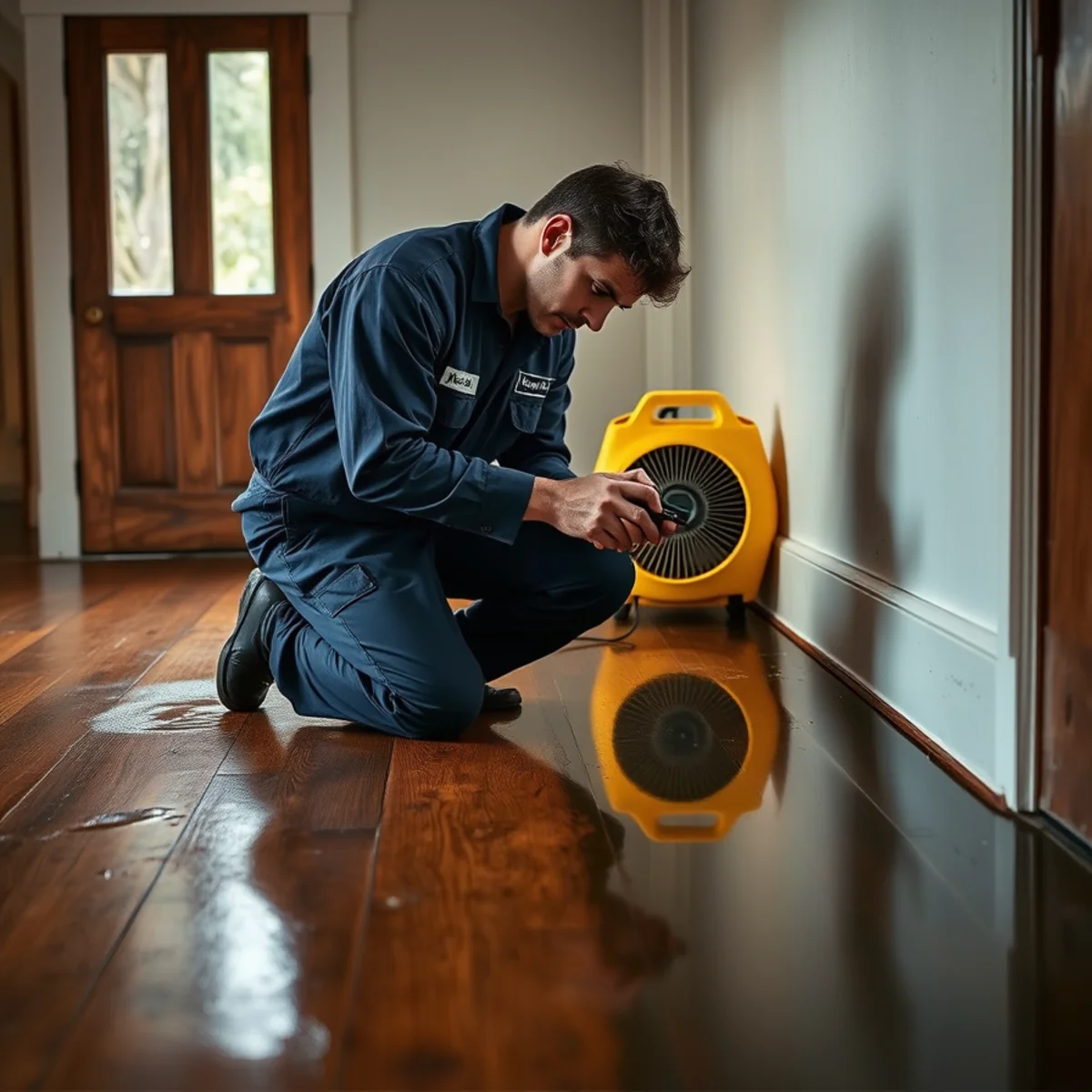
End-to-end recovery from the first phone call to the final repaint — extraction, drying, sanitizing, and rebuild under one crew.
Learn more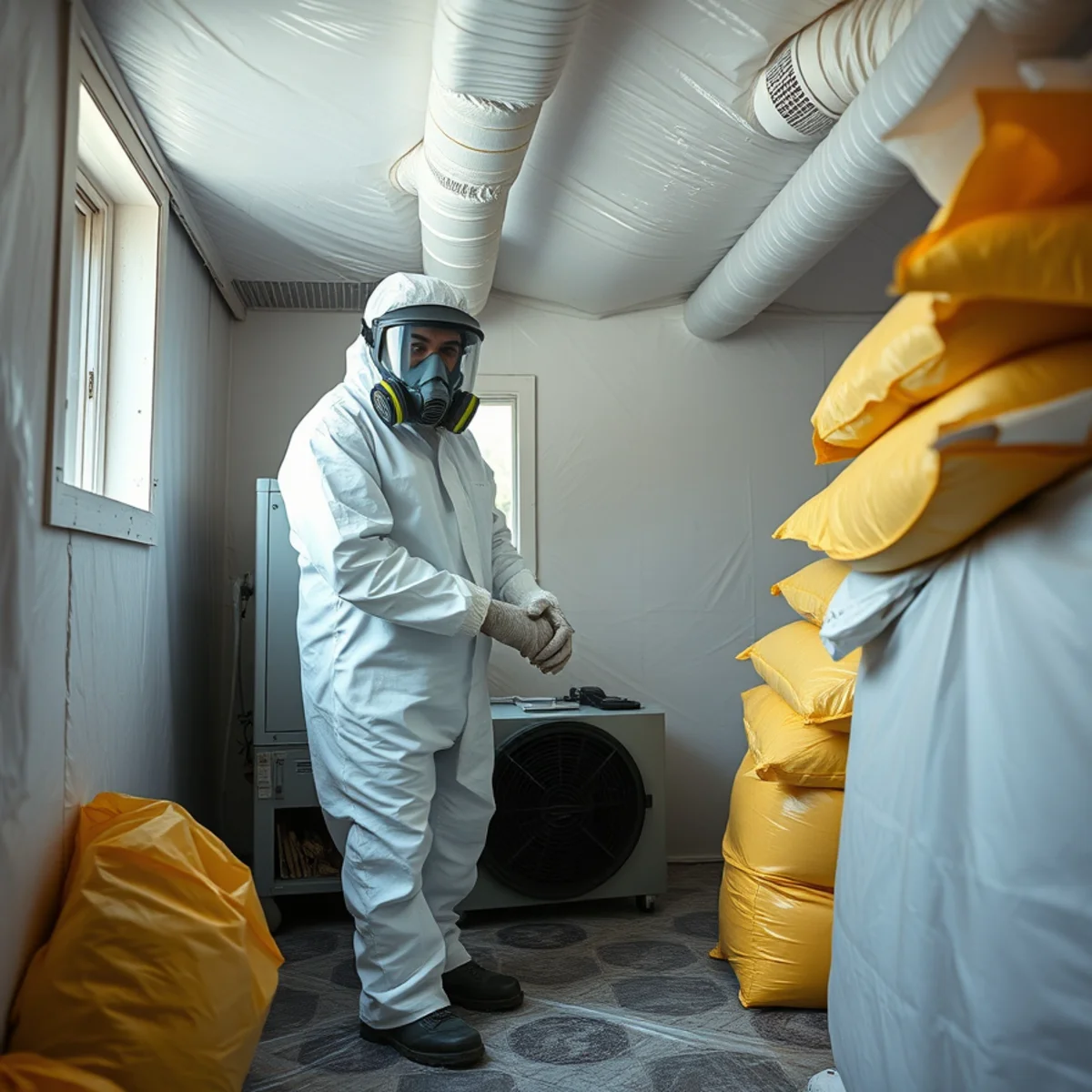
Category 3 water handled the way it has to be — containment, PPE, HEPA filtration, and verified decontamination.
Learn moreThe classic Berkeley failure — hundred-year-old galvanized pipe letting go behind a wall at 2 a.m.
Learn moreFind it, contain it, remove it — and fix the moisture source, or it comes straight back.
Learn moreThe build-back — floors, ceilings, plaster and trim put right, matched to what was there before.
Learn moreWhat Neighbors Say
Sample content. These are illustrative examples, not customer reviews. Replace them with verified reviews from your Google Business Profile before launch — see src/data/testimonials.ts.
“A supply line let go in the upstairs bathroom of our 1920s place around midnight. Someone actually answered the phone, walked me to the shut-off in the dark, and had a crew here inside the hour. They saved the fir floors, which I had written off.”
“The crawl space had been wet for years and we had no idea. They found it, dried it, put in a vapor barrier, and explained exactly why our downspouts were the actual culprit. No upsell to anything we did not need.”
“Sewage backup in the downstairs unit during a storm. They set containment before touching anything, documented every step for the insurance company, and the claim went through without a single argument.”
Keep Exploring
Often under 20 minutes — our shop is on Center Street.
94704
View areaTypically 12–20 minutes down Shattuck or Sacramento.
94703 · 94702 · 94705
View areaTypically 12–20 minutes straight down University.
94710 · 94702
View area Berkeley Local
8 min read
A hundred-year-old house has a hundred-year-old plumbing system and a crawl space nobody has looked at. Both are fixable before they are urgent.
Read article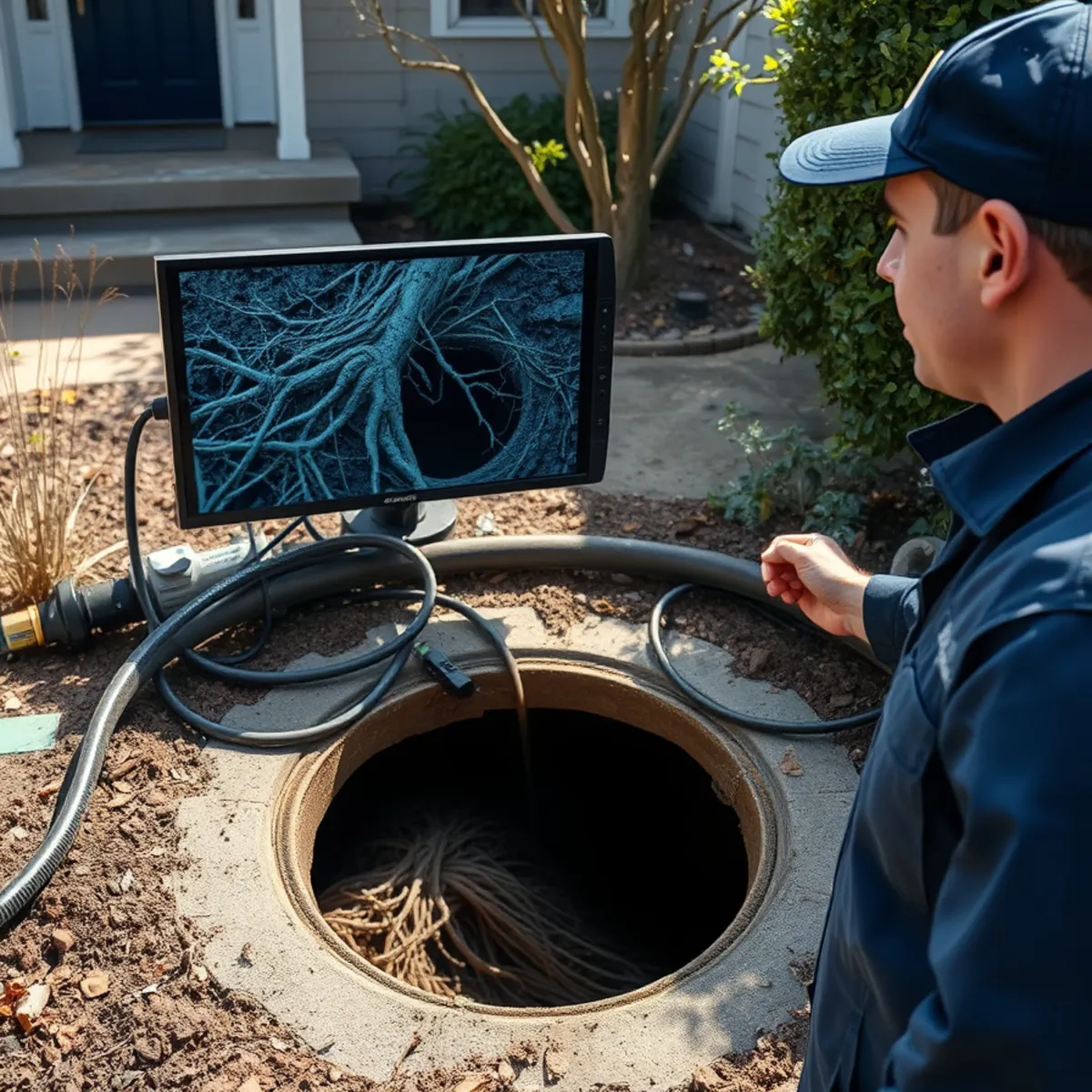 Berkeley Local
6 min read
Most Berkeley homeowners learn that the lateral is theirs on the worst possible day. Here is what to know before that day.
Read articleTypically 10–18 minutes — this is our own back yard. A live local dispatcher answers day or night. Free inspection, written estimate, and we bill your insurance directly.