Water Damage Restoration
End-to-end recovery from the first phone call to the final repaint — extraction, drying, sanitizing, and rebuild under one crew.
Learn more
24/7 Emergency
(201) 277-9344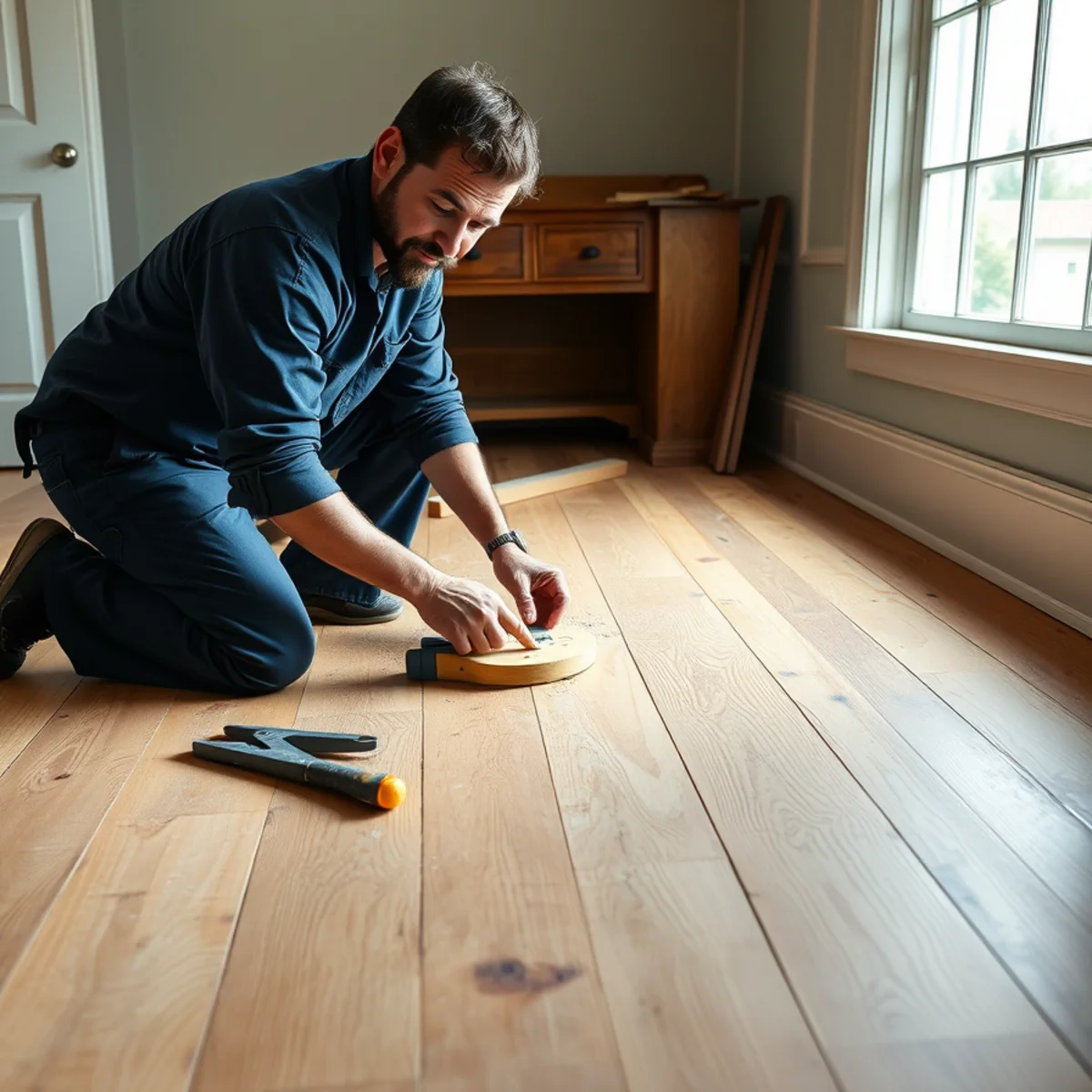
24/7 Emergency Service
We carry losses all the way through the rebuild, which matters for two reasons. The crew that dried the structure knows exactly what is behind the wall it is closing up. And you deal with one company and one estimate instead of coordinating a mitigation contractor, a flooring subcontractor, and a painter yourself.
On Berkeley's older houses the standard is matching, not replacing. Plaster texture, fir trim profiles, picture rail, and original floor board widths can all be reproduced — and a repair that reads as a repair is a permanent reminder of the loss.
Warning Signs
Cupping is edges high from moisture underneath. Mild cupping often flattens as it dries and can be sanded; severe cupping or buckling means boards have to come up.
A brown ring means the drywall paper is compromised. Sagging means the gypsum has lost structural integrity and it is coming down one way or another.
Press it. If it gives, the gypsum core has broken down and no amount of drying restores it.
The two- or four-foot horizontal cut where wet drywall was removed. Standard practice, but it needs closing properly.
MDF trim is done once it swells. Solid wood can often be dried, re-milled, and reused — worth doing on original profiles.
Particleboard cabinet bottoms and toe kicks fail first. Sometimes a base replacement saves the box and the doors.
How It Works
Final moisture readings and photographs on file. We walk the house with you and write a line-item scope of everything being put back.
Flooring species, board width, and finish sheen; trim profile; plaster texture; paint colour. On an older home we mill to match rather than substituting the closest stock item.
Sistering a compromised joist, replacing delaminated subfloor, or repairing a damaged ceiling frame. Everything else depends on this being right.
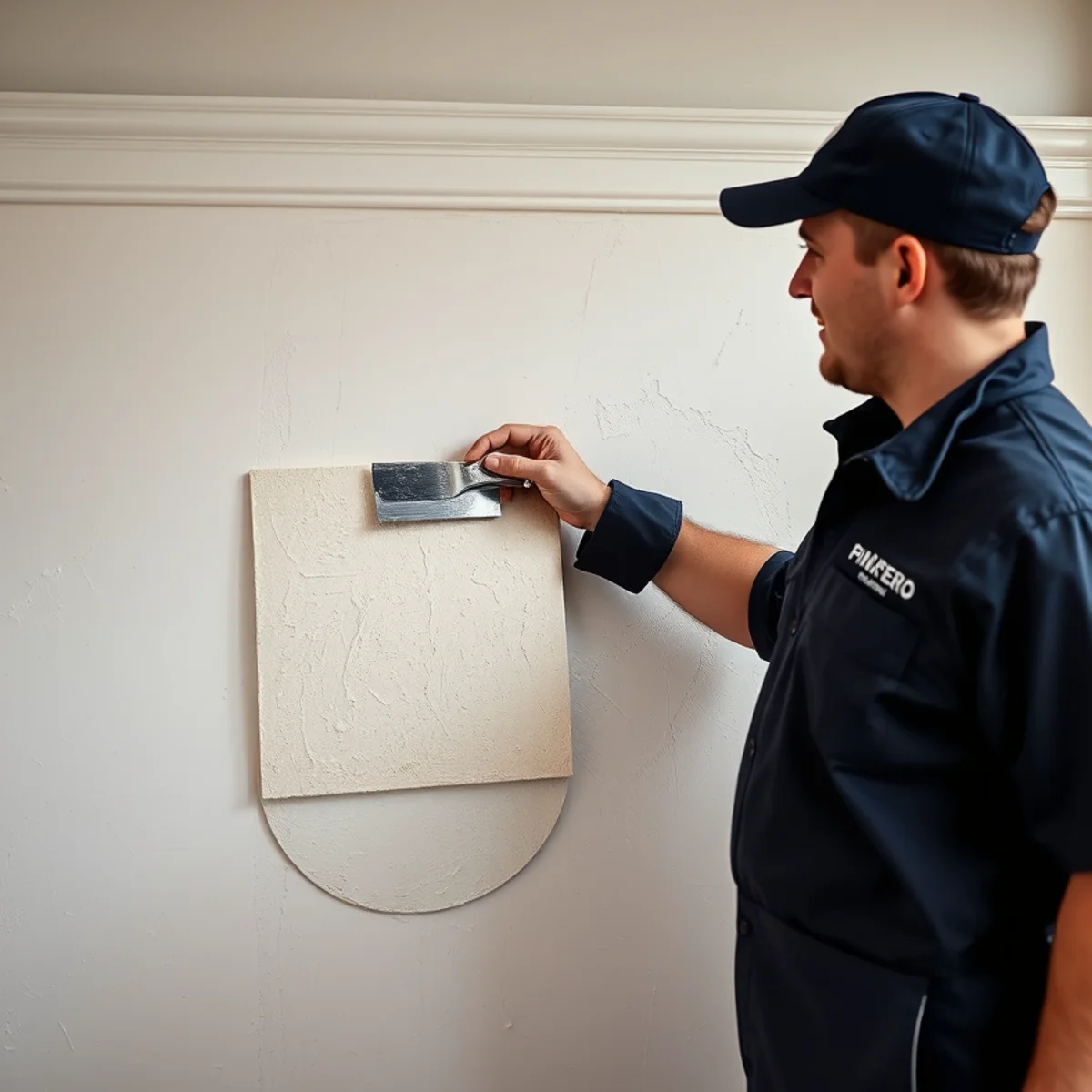
New insulation, then board hung, taped, and finished — or three-coat plaster where the house has plaster. Texture is matched by hand and sampled for approval before the whole wall gets it.
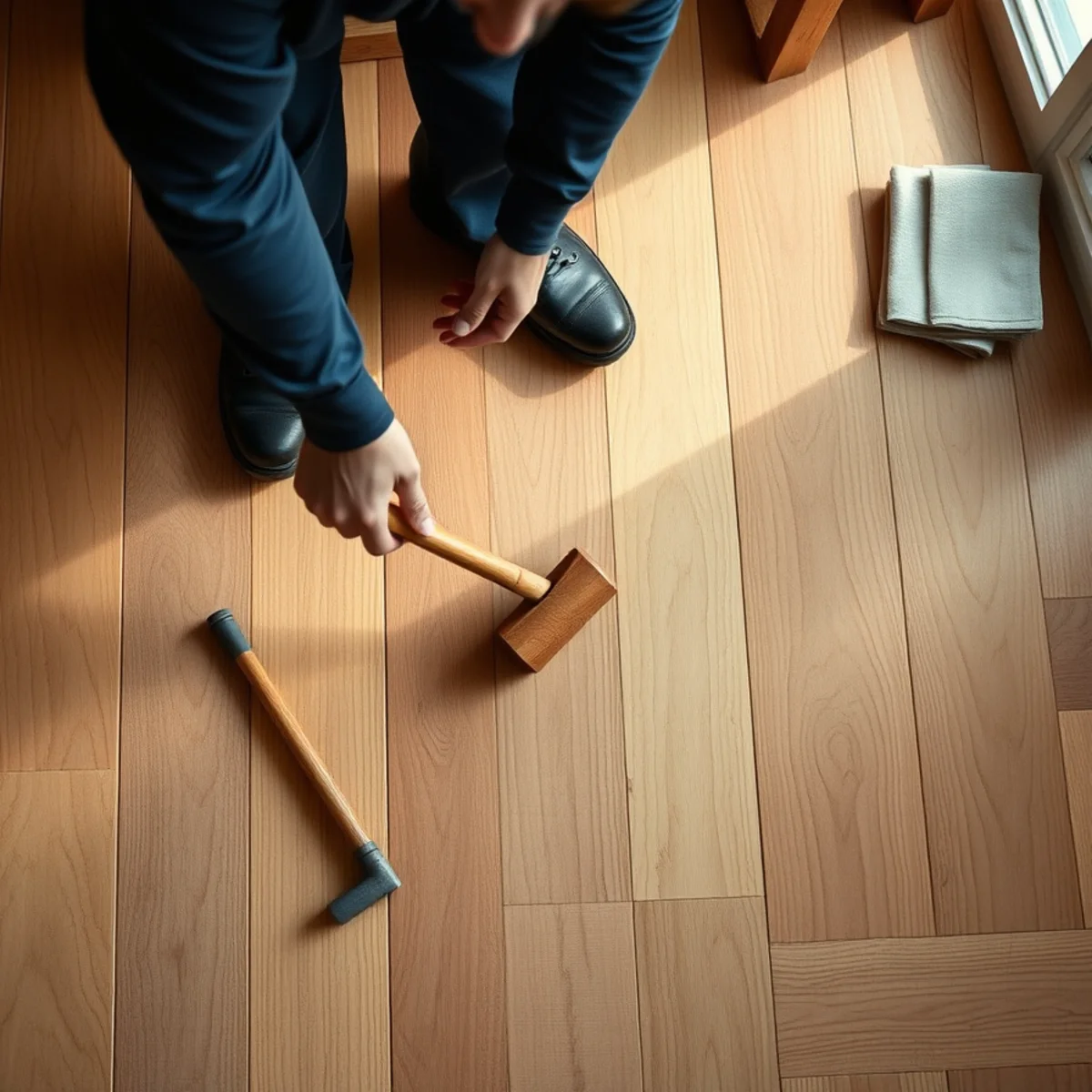
Refinish where boards can be saved, weave in new material where they cannot. Weaving a repair into an existing floor rather than seaming it off is what makes it disappear.
Baseboard, casing, picture rail, and door repairs. Original profiles are duplicated when stock cannot match.
Sealer on any stained substrate — water stains bleed through latex if you do not block them first — then paint to a natural break, not a patch in the middle of a wall.
You walk it with the lead. Anything on the list gets fixed before we call it done.
Most Berkeley houses from the 1910s through the 1930s have old-growth Douglas fir or narrow oak floors. That material is effectively irreplaceable — modern lumber does not have the same grain density — so we work hard to save it.
Cupping happens when the underside of a board takes on more moisture than the top, so the edges swell and rise. Caught early and dried correctly, a cupped floor frequently flattens on its own over a few weeks. Sanding too soon is the classic mistake: sand a cupped floor flat and you get the opposite problem when it dries and the middle rises.
Buckling is the severe case — boards have lost adhesion or pulled their fasteners and lifted off the subfloor. Buckled sections come up, but often only those sections. Crowning is a cupped floor that was sanded before it dried.
Our approach is to dry from below wherever we can reach the joist bays, use floor-drying mats on top where we cannot, and give the floor several weeks to acclimate before deciding anything. Patience saves more original flooring than technique does.
A lot of restoration contractors treat every wall as drywall. On a 1922 Berkeley house that produces a repair you can see from across the room.
Original walls here are typically three-coat plaster over wood lath — scratch, brown, and a hard lime finish coat. It is thicker than drywall, harder, and has a slightly irregular surface that a flat sheet of gypsum board simply does not have. Patching plaster with drywall leaves both a thickness step and a texture mismatch at the seam.
We patch plaster with plaster where the surrounding wall is sound, keying into the existing lath. Where an entire wall has to be replaced we use a blueboard-and-veneer-plaster system that matches the hardness and finish. Texture is worked by hand and sampled on a test board for you to approve first.
The same principle applies to trim. Craftsman baseboard, door casing, and picture rail from this era use profiles nobody stocks. We take a section of the original to a knife grinder and mill new stock to match.
Plaster over lath
Patched in kind and keyed to existing lath — not skimmed over with drywall.
Original trim profiles
Custom-milled from a sample of your existing stock.
Fir and oak flooring
Woven in, then sanded and finished as one field so the repair has no visible boundary.
Stain blocking
Shellac-based primer over any water stain. Latex alone lets tannin bleed back through within weeks.
Most restoration companies dry your house and hand you a list of contractors. That handoff is where jobs stall for months, because the drying company has left and the builder was not there for the demo and has to re-open everything to see what happened.
The crew that dried it rebuilds it
No handoff, no second mobilisation, no re-opening finished work to find out what is behind it. The people closing the wall are the ones who opened it.
Period materials matched properly
Plaster patched with plaster, trim milled to your original profile, and fir or oak flooring woven in and finished as one field so there is no visible boundary where the repair starts.
One estimate, one carrier conversation
Mitigation and reconstruction on a single Xactimate estimate, so the adjuster is not reconciling two scopes from two companies and holding up your depreciation release.
Restore first, replace only when we must
Old-growth fir and original plaster are usually worth saving and almost always cheaper to save than to replace in kind. Replacement is the fallback, not the default.
Honest Pricing
A two-foot flood cut in one room is a modest patch. Full drywall replacement across a floor is a different project.
Builder-grade paint and stock baseboard is quick. Hand-matched plaster texture and custom-milled fir trim is skilled labor.
Refinishing in place beats replacement on cost. A weave-in repair costs more than a seam but is the only approach that disappears.
Replacing a cabinet base is far cheaper than replacing a run. Custom or original built-ins take cabinet-shop time.
Sistering joists or replacing subfloor adds engineering and labor before any finish work starts.
Structural or electrical changes need City of Berkeley permits and inspection. We pull them and manage the schedule.
On an insurance claim, reconstruction is written in Xactimate line items just like mitigation. If your policy is replacement-cost rather than actual-cash-value, the depreciation holdback is released once the work is complete — we handle that documentation.
Questions
Frequently, yes. Mild to moderate cupping usually flattens on its own once the subfloor and the underside of the boards are properly dried, and then it can be sanded and refinished. The critical thing is not to sand it early — sanding a cupped floor flat guarantees crowning later. We dry, wait several weeks for acclimation, then evaluate.
That is the whole point. We match flooring species and board width, mill trim profiles from a sample of your original, hand-match plaster texture with a sample board you approve, and paint to a natural break rather than leaving a patch mid-wall.
A single-room drywall, texture, and paint repair is typically three to five days. A kitchen or a whole floor of hardwood is two to four weeks. Custom millwork and cabinetry add lead time for fabrication. You get a schedule with the scope.
The whole job. One crew, one estimate, one point of contact from the first extraction through the final coat of paint. It is also why our documentation stays consistent for your adjuster — the same people wrote the first moisture reading and the last line item.
Not with latex — the tannins bleed straight back through, usually within a few weeks. A water stain needs a shellac-based stain-blocking primer first. And if the drywall behind it is soft, it needs replacing regardless of how good the paint looks.
What Neighbors Say
Sample content. These are illustrative examples, not customer reviews. Replace them with verified reviews from your Google Business Profile before launch — see src/data/testimonials.ts.
“A supply line let go in the upstairs bathroom of our 1920s place around midnight. Someone actually answered the phone, walked me to the shut-off in the dark, and had a crew here inside the hour. They saved the fir floors, which I had written off.”
“The crawl space had been wet for years and we had no idea. They found it, dried it, put in a vapor barrier, and explained exactly why our downspouts were the actual culprit. No upsell to anything we did not need.”
“Sewage backup in the downstairs unit during a storm. They set containment before touching anything, documented every step for the insurance company, and the claim went through without a single argument.”
Where We Provide This Service
Keep Reading
End-to-end recovery from the first phone call to the final repaint — extraction, drying, sanitizing, and rebuild under one crew.
Learn moreMetered, documented drying to a real dry standard — not a fan in the corner and a guess about Thursday.
Learn moreThe classic Berkeley failure — hundred-year-old galvanized pipe letting go behind a wall at 2 a.m.
Learn more Room & Material
7 min read
Most cupped floors flatten on their own. The mistake that guarantees they will not is sanding them too early.
Read article Berkeley Local
8 min read
A hundred-year-old house has a hundred-year-old plumbing system and a crawl space nobody has looked at. Both are fixable before they are urgent.
Read articleA live local dispatcher answers day or night, and we get a crew to most Berkeley addresses in 60 to 90 minutes. Free inspection, written estimate, and we bill your insurance directly.