The short version: a standard California homeowners policy covers water damage that is sudden and accidental, and excludes water damage that is gradual or that comes from surface flooding. Almost every denied claim we see turns on which side of that line the carrier decides you are on.
Here is what that means in practice.
Normally covered
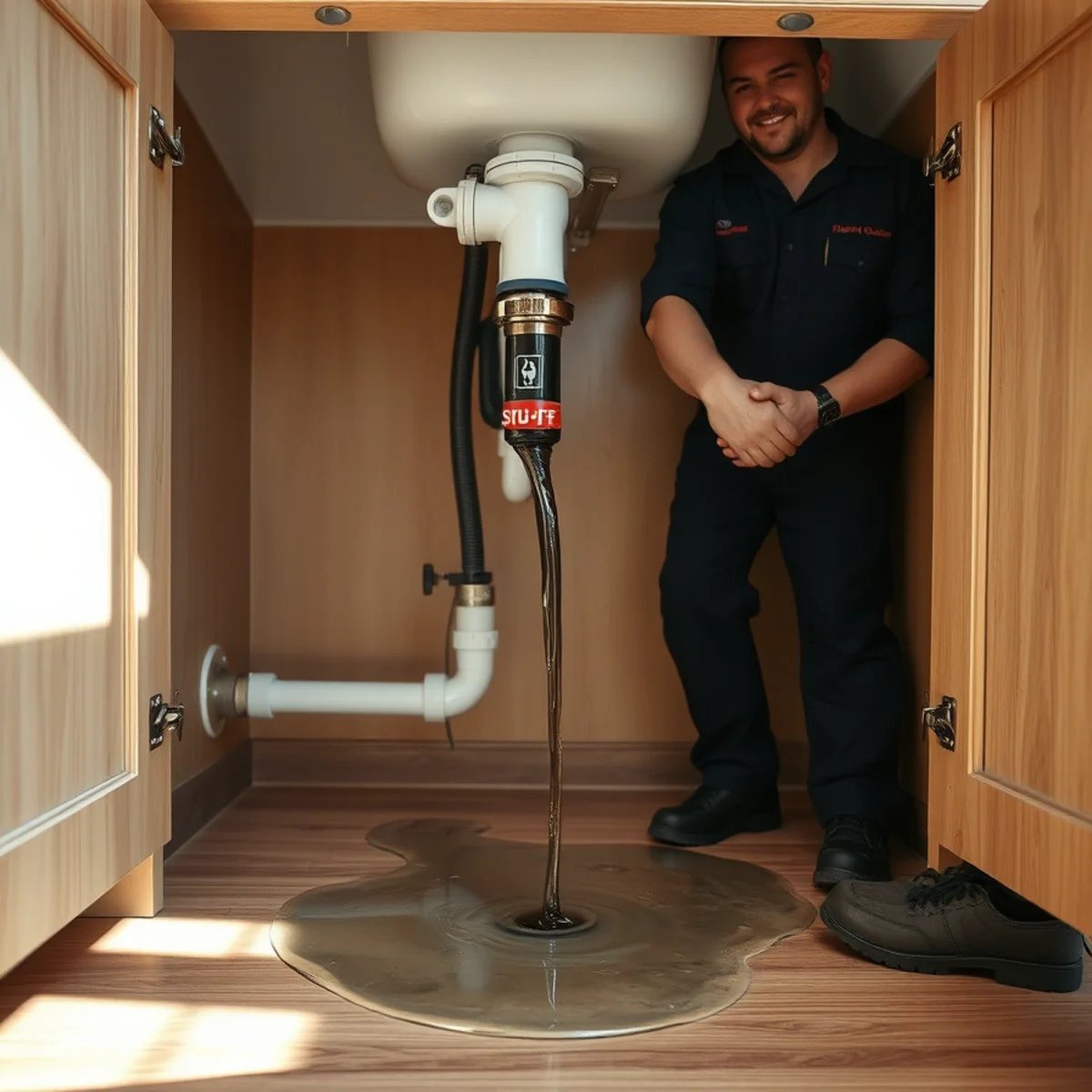
- Burst pipes. The textbook covered loss — a supply line fails suddenly and water damages the building.
- Water heater failure. A tank that splits and dumps forty-plus gallons.
- Appliance failures. Washing machine hoses, dishwasher supply lines, refrigerator ice-maker lines.
- Accidental overflow. A bathtub or sink left running.
- Storm-created openings. Wind removes shingles and rain comes through the roof — the resulting interior damage is generally covered.
- Fire suppression water. Water the fire department used to extinguish a covered fire.
- Water damage from a burglary or vandalism.
Normally excluded
- Flood. Surface water, rising water, storm surge, creek overflow. This needs a separate NFIP or private flood policy — it is never in a homeowners policy.
- Sewer and drain backup. Excluded from the base policy; available as an inexpensive endorsement.
- Gradual leaks. Anything a carrier can characterize as long-term seepage the homeowner should have noticed.
- Maintenance and wear. A pipe that failed from corrosion may have its resulting damage covered, but the pipe itself usually is not.
- Ground water and seepage. Water coming through a foundation wall or up through a slab.
- Mold — except where it results from a covered sudden loss, and then usually under a sub-limit.
- Earth movement. Damage from soil shifting, including where water caused the movement.
The endorsements worth having in Berkeley
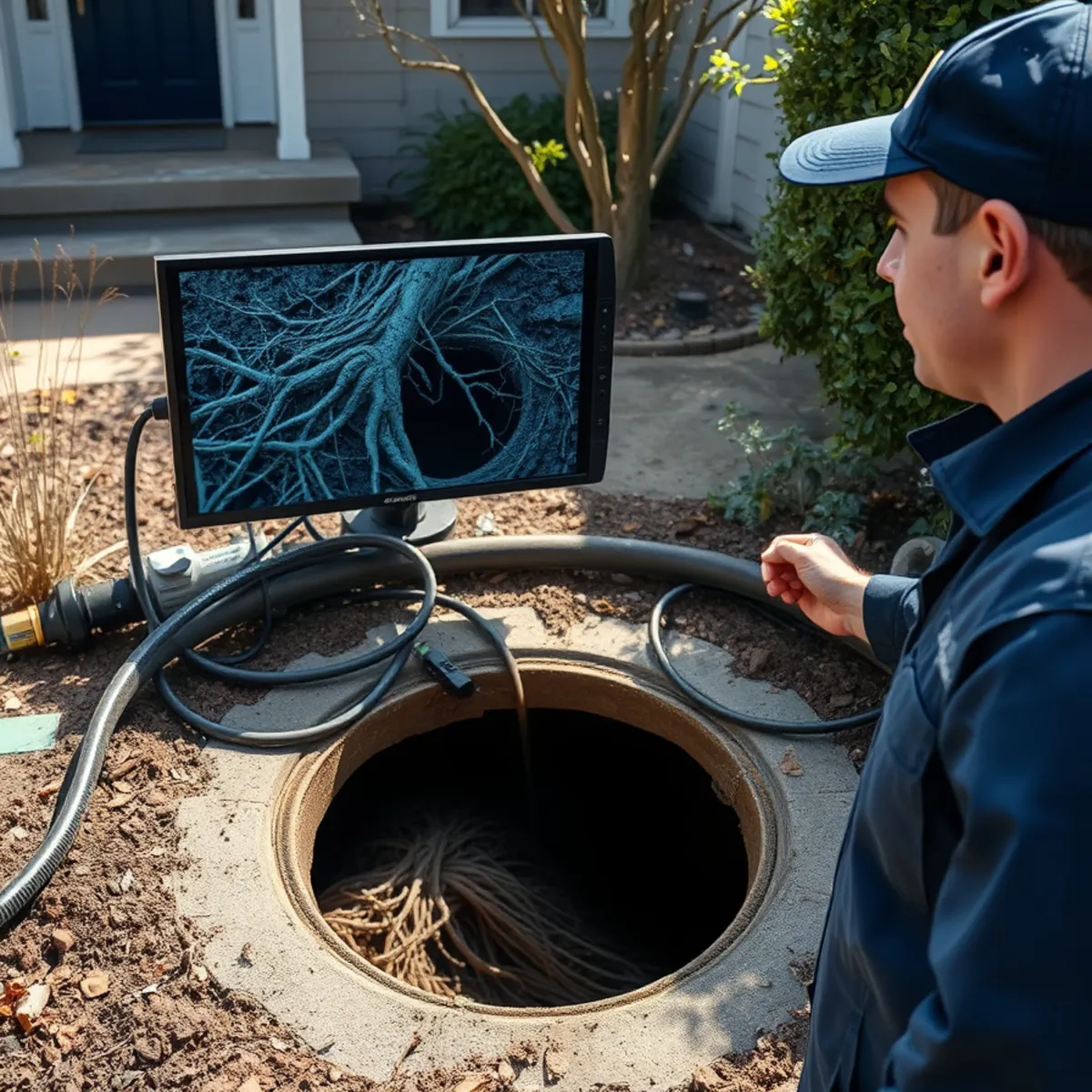
Water backup / sewer and drain coverage. This is the one we tell every Berkeley homeowner to check for. It is typically inexpensive, with limits commonly ranging from around $5,000 to $25,000, and Berkeley's combination of century-old clay laterals and mature street trees makes a backup a realistic event rather than a remote one. Read our guide to Berkeley's sewer lateral program for why.
Flood insurance. If your property is near the Berkeley Marina, in the West Berkeley flats, or along a creek alignment, price this out. A large share of parcels near the waterfront carry meaningful flood risk, and no homeowners policy will respond to it.
Service line coverage. Covers the buried water and sewer lines on your property between the house and the street — the part Berkeley's ordinance makes your responsibility.
Building ordinance or law coverage. Berkeley's building code has moved a long way since 1920. If you have to repair a damaged wall, current code may require upgrades the original construction did not have. This endorsement pays that difference; without it, you do.

Replacement cost versus actual cash value
Check which one your policy uses, because the difference is large.
Replacement cost value (RCV) pays what it costs to replace damaged property with new material of like kind and quality. Actual cash value (ACV) pays replacement cost minus depreciation — so a fifteen-year-old carpet is paid at fifteen-year-old carpet value, which is not enough to buy carpet.
Most RCV policies pay in two stages: ACV up front, then the depreciation holdback released once the work is actually completed and documented. That is one of several reasons documentation matters — we handle that paperwork so the holdback gets released.
What actually gets claims paid
Six things, in rough order of importance.
- Report immediately. Every policy has a prompt-notice requirement. Delay is the most common reason a legitimate claim gets reduced.
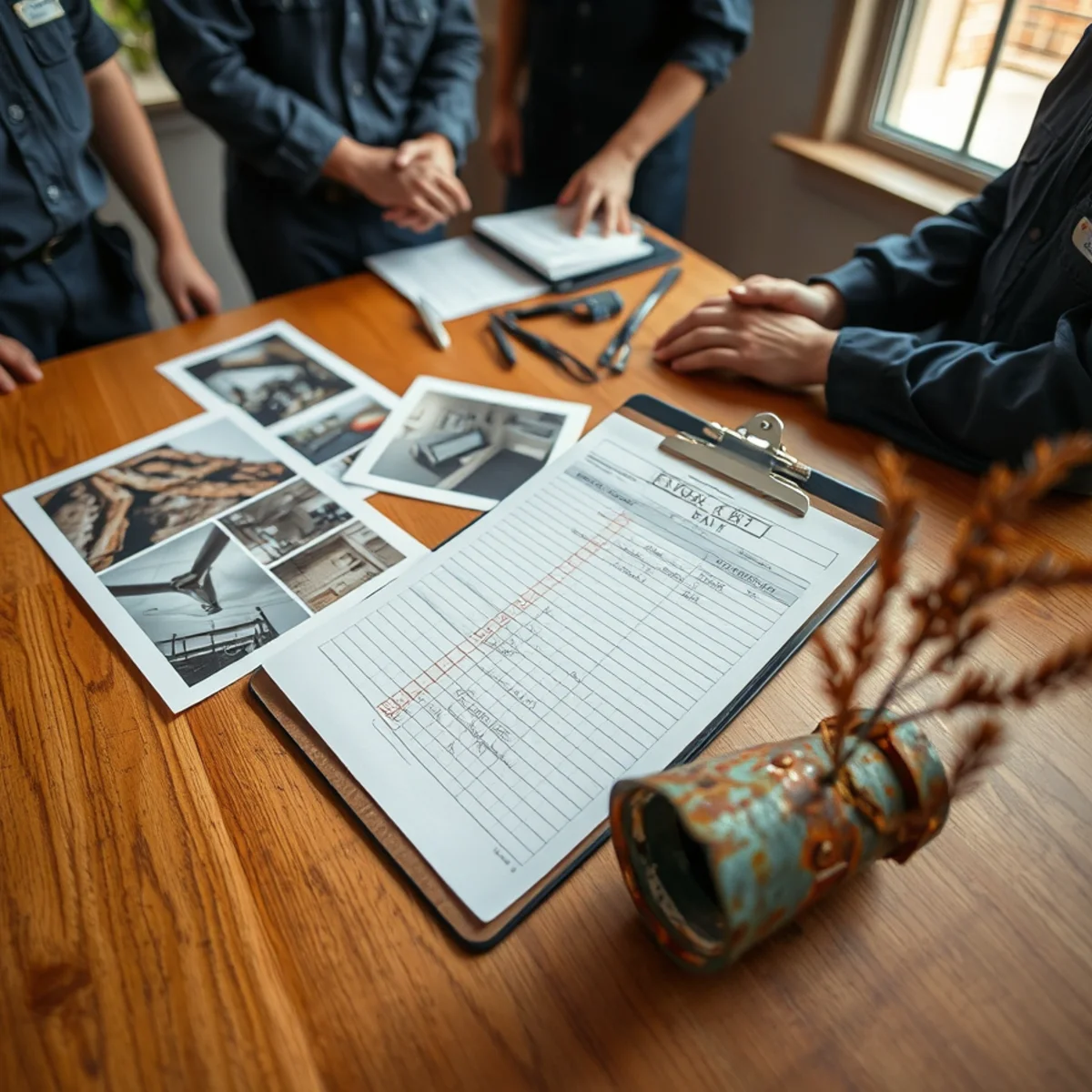
- Photograph before you touch anything. Wide shots, close-ups, water depth against a baseboard, and a narrated video. Time-stamped and taken in the original state.
- Start mitigation right away. Your policy obligates you to prevent further damage. Waiting for authorization to begin extraction hurts you rather than protecting you.
- Keep the physical evidence. A section of split galvanized pipe is persuasive proof that a failure was sudden.
- Keep every receipt. Mitigation costs, temporary repairs, hotel and meals under loss-of-use.
- Use a contractor who writes in Xactimate. It is the line-item pricing platform adjusters use. An estimate in the same format is far harder to dispute.
If your claim is denied
A denial is a position, not a verdict. Get it in writing with the specific policy language cited. Read that language against your actual policy — carriers occasionally cite an exclusion that does not apply to the facts.
Request an internal appeal and supply what the denial says is missing. If the dispute is about cause or scope, an independent assessment carries weight. California policyholders can also contact the Department of Insurance, which handles complaints and has real leverage. For larger disputes, a licensed public adjuster works for you rather than the carrier.
The single best defense is documentation captured at the time of loss. It is very hard to argue with dated photographs and a moisture log.

Frequently Asked Questions
No. Surface and rising water are universally excluded from homeowners policies in California and require a separate NFIP or private flood policy. Water entering through a storm-created opening in the roof or wall is a different thing and is generally covered.
It can, and California carriers do consider claims history. Weigh a small claim against your deductible before filing. For a significant loss, the coverage is worth far more than the premium effect — that is what you have been paying for.
Policies require prompt notice, which practically means days rather than weeks. California has a longer statutory window for legal action, but waiting gives the carrier a strong argument that delay increased the damage.
Often, if the mold resulted from a covered sudden loss you reported promptly — usually subject to a sub-limit around $10,000. Mold from a slow leak or humidity is typically excluded, which is why reporting even a small water loss matters.
Dealing with this right now?
Call (201) 277-9344 and a live local dispatcher will answer — any hour, any day. Free inspection, and we bill your insurance directly.
- 60–90 Min Response
- Live dispatcher, never an answering service
- We bill your insurance directly