Flood Damage Cleanup
Ground and storm water is contaminated by definition — we clean it to Category 3 protocol, not like a spilled bathtub.
Learn more
24/7 Emergency
(201) 277-9344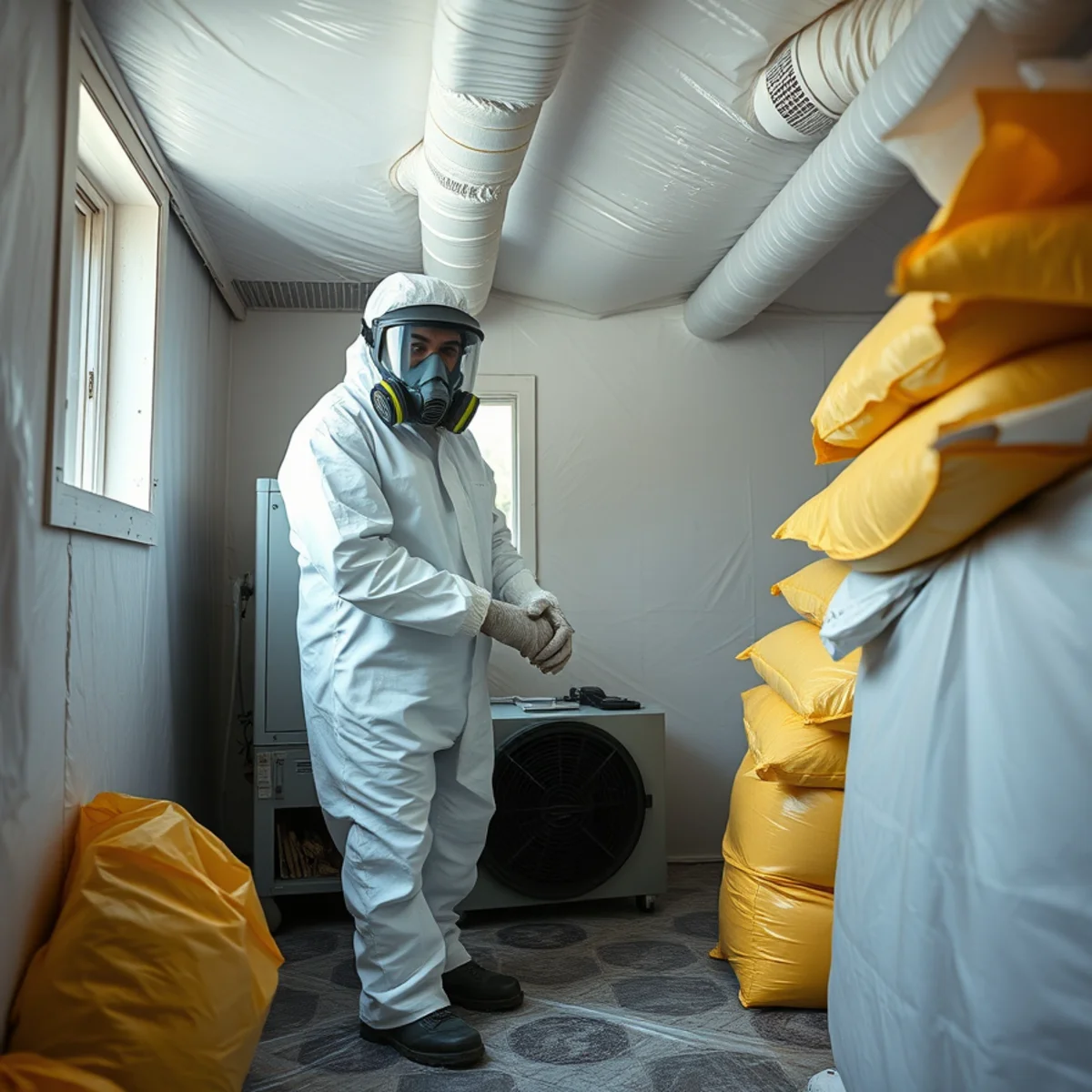
24/7 Emergency Service
Sewage is Category 3 water: grossly contaminated, carrying bacteria, viruses, and parasites. It is the one water loss where the health risk genuinely outweighs the property damage, and it is not a job to take on with a mop and a bottle of bleach. Bleach does not disinfect a porous surface, and disturbing contaminated material without containment aerosolizes it through the rest of the house.
Our crews run sewage losses under full containment with negative air pressure, in protective equipment, following IICRC S500 Category 3 protocol. We are available around the clock at (201) 277-9344.
Warning Signs
The lowest fixture in the house backs up first. If water rises in a downstairs shower when you flush upstairs, the main line is blocked.
One slow drain is a local clog. Two or three at once is the main lateral.
Air being displaced past a partial blockage. This is the early warning, usually days before an actual backup.
A cracked or separated lateral leaking underground. Common in Berkeley where clay pipe meets mature street trees.
It is being fertilized. That is a leaking lateral, not good luck.
Groundwater infiltrating a cracked lateral and overwhelming it. Very common in the flats during atmospheric river events.
How It Works
Water use stops. We identify whether the blockage is in your lateral or the city main — that determines who is responsible and who pays.
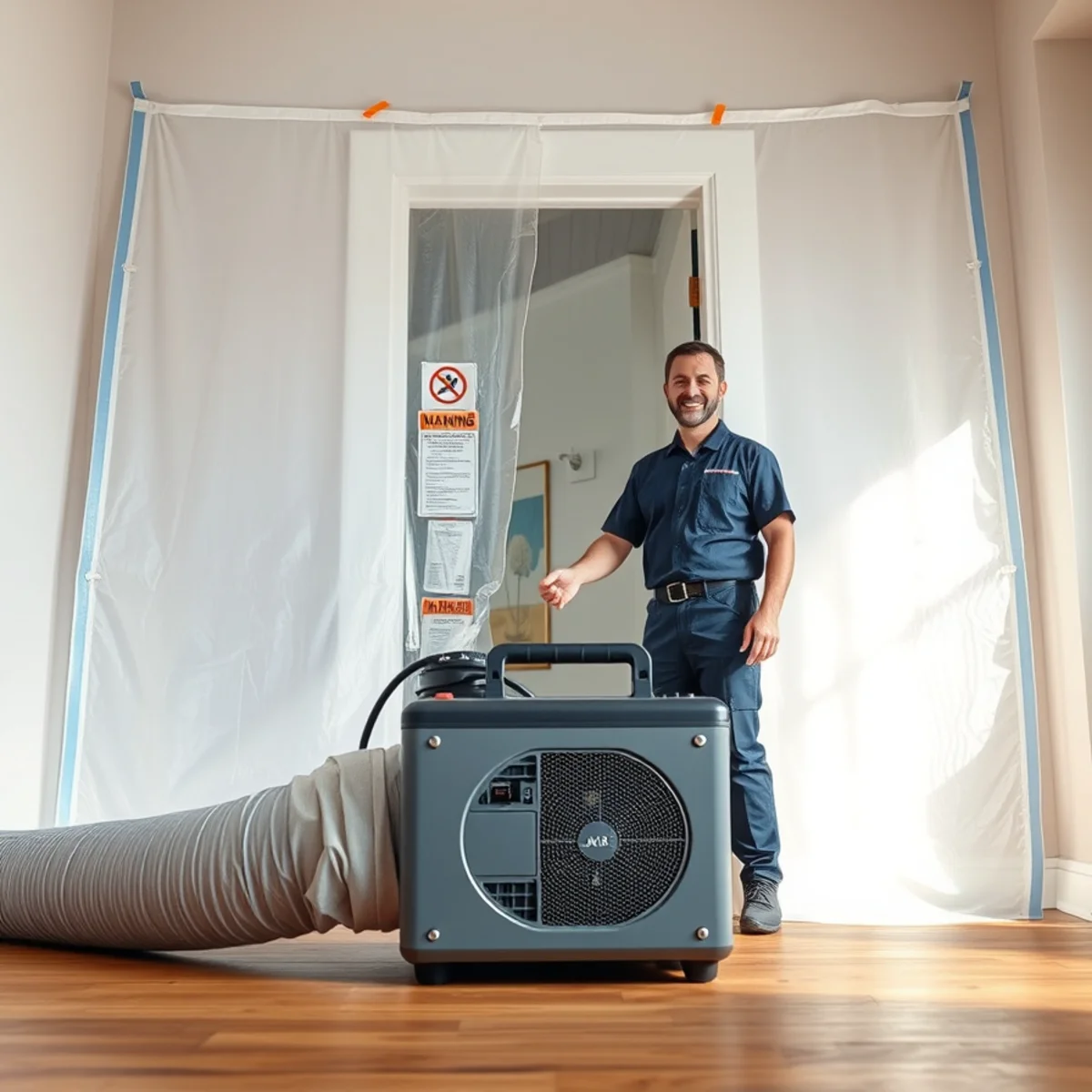
Poly barriers seal the affected area. HEPA-filtered negative air machines pull air out of the containment so contaminated air cannot migrate into clean parts of the house.
Pumped and extracted as regulated waste. Solids are removed by hand. Nothing goes down a storm drain.
Carpet, pad, insulation, particleboard, and the affected height of drywall are removed and bagged inside containment. Porous material that has absorbed Category 3 water cannot be disinfected — this is not a judgment call.
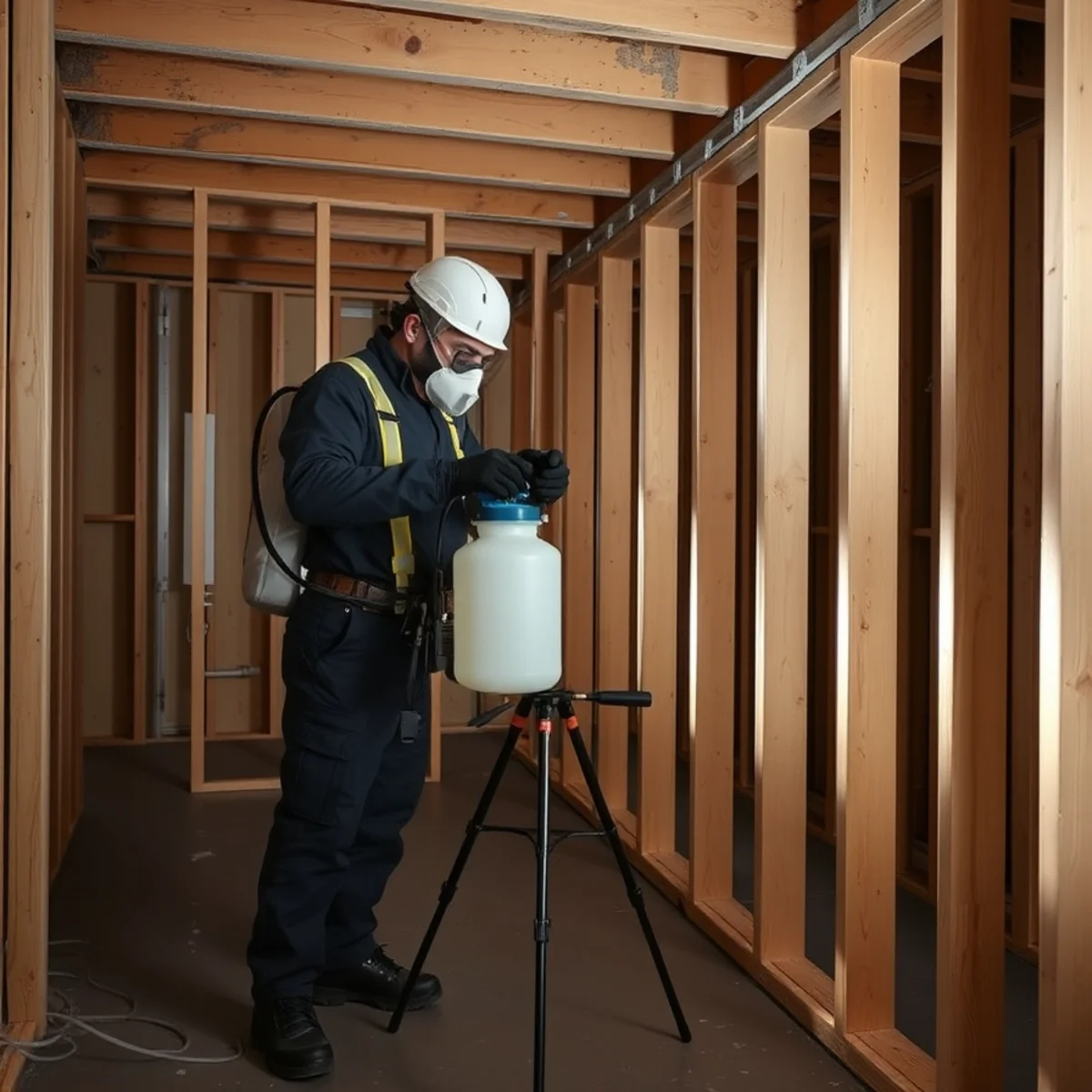
Every remaining surface is cleaned first, then treated with an EPA-registered hospital-grade disinfectant. Cleaning has to come before disinfecting; disinfectant applied over organic soil does not work.
Framing and hard surfaces are HEPA-vacuumed. Air scrubbers run through the duration to clear airborne particulate.
Structural drying begins only after decontamination is complete. We verify both moisture levels and, where warranted, post-remediation cleanliness before containment comes down.
New insulation, drywall, flooring, and trim. We also flag whatever caused the backup so it gets fixed rather than repeated.
In Berkeley, the pipe running from your house to the city main is your responsibility, not the city's. Most homeowners find this out on the worst possible day.
The city's Private Sewer Lateral ordinance requires that lateral to be tested and certified — most commonly triggered at the point of sale, during significant remodels, or after certain permit work. A failed test means repair or replacement before the transaction closes.
The underlying issue is age and material. Berkeley's older neighborhoods were plumbed with vitrified clay pipe in short sections with mortared joints. Sixty to a hundred years later, those joints have shifted and opened, and the street trees that make Elmwood and Northbrae beautiful have sent roots straight into them. Roots find the joint, widen it, and build a mat that catches everything that passes.
Two things follow. First, backups here are frequently a lateral failure rather than something you flushed. Second, a cracked lateral lets groundwater in during the rainy season, which is why so many Berkeley backups happen during storms.
We understand the instinct — it is your house and it feels like a mopping problem. Here is what actually happens.
Category 3 water carries E. coli, salmonella, hepatitis A, giardia, and rotavirus among others. Exposure routes are ingestion, broken skin, and inhalation of aerosolized particles. That last one is the reason mopping and wet-vacuuming without containment is worse than doing nothing: it puts contaminated aerosol into the air of your house and your HVAC system carries it everywhere else.
Bleach is also not the answer people think it is. It does not penetrate porous material, it is deactivated by organic matter, and mixing it with ammonia-based cleaners produces chloramine gas. Professional disinfection uses EPA-registered products applied after the surface has actually been cleaned.
And there is a documentation angle. If sewage backup coverage is on your policy, the claim depends on evidence of proper Category 3 remediation. A DIY cleanup with no containment log and no verification usually fails that test.
Keep out
Children, pets, and anyone immunocompromised, pregnant, or with respiratory conditions stay out of the area entirely.
Shut down air handling
Turn off HVAC serving the affected area so contamination is not distributed through the ducts.
Stop all water use
Every drain in the house feeds the same lateral.
Photograph, then leave it alone
Document for the claim from a safe distance and wait for containment.
This is the one category of water loss where hiring the cheapest available option can genuinely make people ill. Category 3 work has published protocol, and either a company follows it or it does not.
Full S500 Category 3 protocol, every time
Negative-pressure containment, HEPA air scrubbing, full PPE, and removal of porous material rather than an attempt to disinfect and dry it. No shortcuts because the basement is small.
We know Berkeley’s laterals
Century-old clay lines under mature street trees fail in a pattern. We can usually tell you on site whether you are looking at a root intrusion, a collapsed section, or a city-main issue — and what the lateral ordinance means for you.
Decontaminate first, dry second
Drying a contaminated space just aerosolises it. The sequence is containment, removal, decontamination, verification, and only then structural drying.
Documented clearance before we rebuild
You get written verification that the space is decontaminated before anything closes back up — which is also what your carrier and any future buyer will want to see.
Honest Pricing
Barriers, negative air machines, HEPA filtration, and disposable protective equipment for every technician on every entry.
Everything porous the water contacted comes out, so the removal scope is larger than a comparable clean-water loss.
Contaminated material and water are disposed of under regulation, not sent to a standard bin.
A finished basement or a crawl space is slower and more restricted to work in than an open ground-floor room.
Cleanup restores the building. If a collapsed or root-blocked lateral caused it, that repair is a separate scope — we will tell you plainly what we found.
Sewage backup is often excluded from a base homeowners policy but covered by a water backup endorsement, which many Berkeley homeowners carry without realizing it. Check your declarations page for "sewer and drain backup" — and let us document the loss properly either way.
Questions
Treat it as one. Keep everyone out of the area, stop using water, shut down HVAC serving that space, and call. The risk is exposure to pathogens through contact and aerosol, not just the mess.
No. Carpet, pad, upholstered furniture, mattresses, insulation, and particleboard that contacted Category 3 water all get removed and disposed of. Hard, non-porous surfaces — tile, sealed concrete, metal, glass, solid wood — can be cleaned and disinfected.
If the blockage is in your private lateral — the line from your house to the main — it is yours. If the city main itself backed up, the city may be liable. We identify which it is during the assessment and document it, because that determines who pays for the repair.
Not under a standard policy. It is typically covered by a separate water backup or sewer-and-drain endorsement, which is inexpensive and worth having in a city with Berkeley's lateral age. Check your declarations page.
Decontamination and removal is usually one to two days. Drying adds three to five. Rebuild depends on how much came out. Containment stays up until verification is complete.
What Neighbors Say
Sample content. These are illustrative examples, not customer reviews. Replace them with verified reviews from your Google Business Profile before launch — see src/data/testimonials.ts.
“A supply line let go in the upstairs bathroom of our 1920s place around midnight. Someone actually answered the phone, walked me to the shut-off in the dark, and had a crew here inside the hour. They saved the fir floors, which I had written off.”
“The crawl space had been wet for years and we had no idea. They found it, dried it, put in a vapor barrier, and explained exactly why our downspouts were the actual culprit. No upsell to anything we did not need.”
“Sewage backup in the downstairs unit during a storm. They set containment before touching anything, documented every step for the insurance company, and the claim went through without a single argument.”
Where We Provide This Service
Keep Reading
Ground and storm water is contaminated by definition — we clean it to Category 3 protocol, not like a spilled bathtub.
Learn moreFind it, contain it, remove it — and fix the moisture source, or it comes straight back.
Learn moreThe space nobody looks at, humidifying the whole house from below — pumped, dried, and sealed properly.
Learn more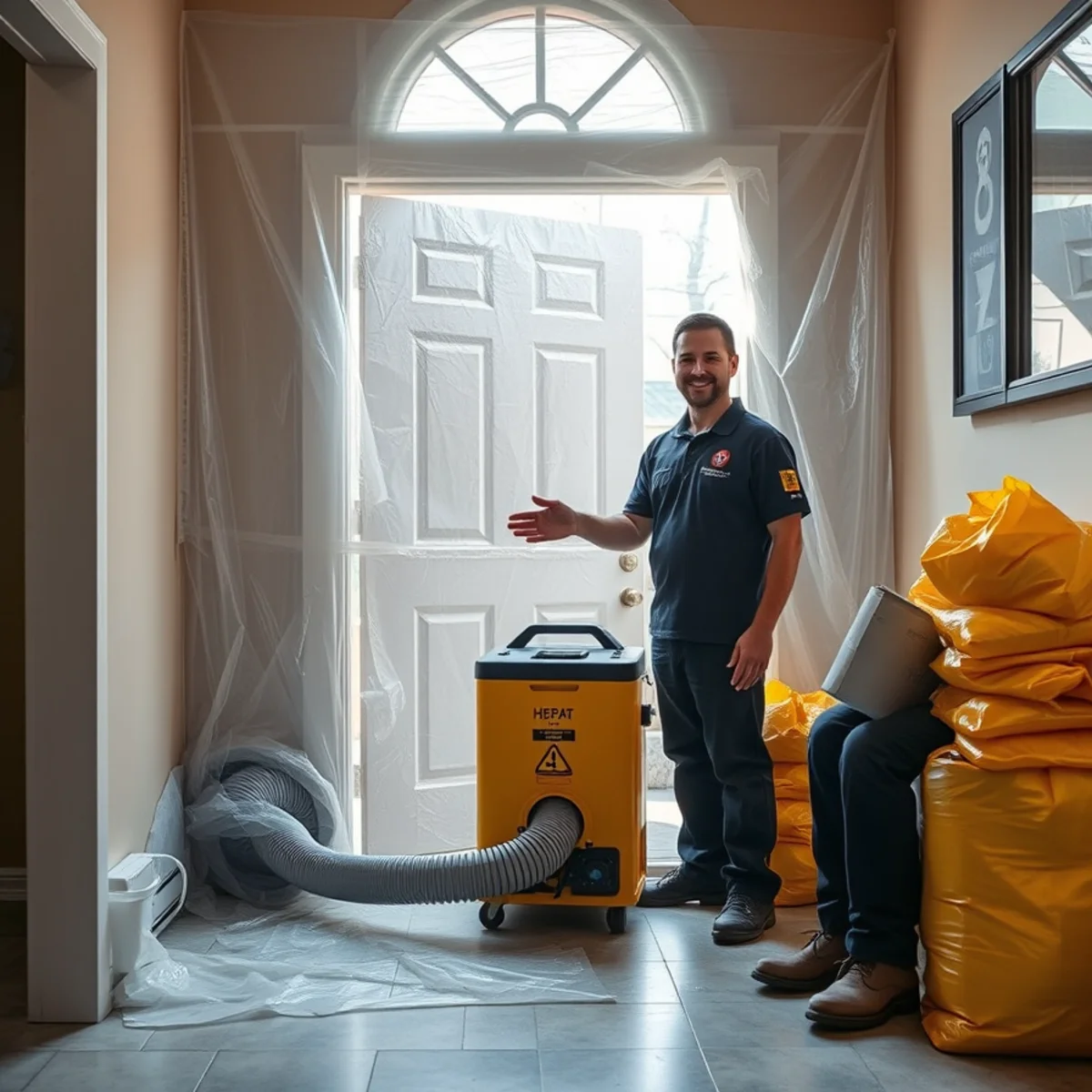 Emergency Response
6 min read
Bleach does not disinfect porous material, and mopping aerosolizes pathogens through your whole house. What sewage cleanup actually requires.
Read article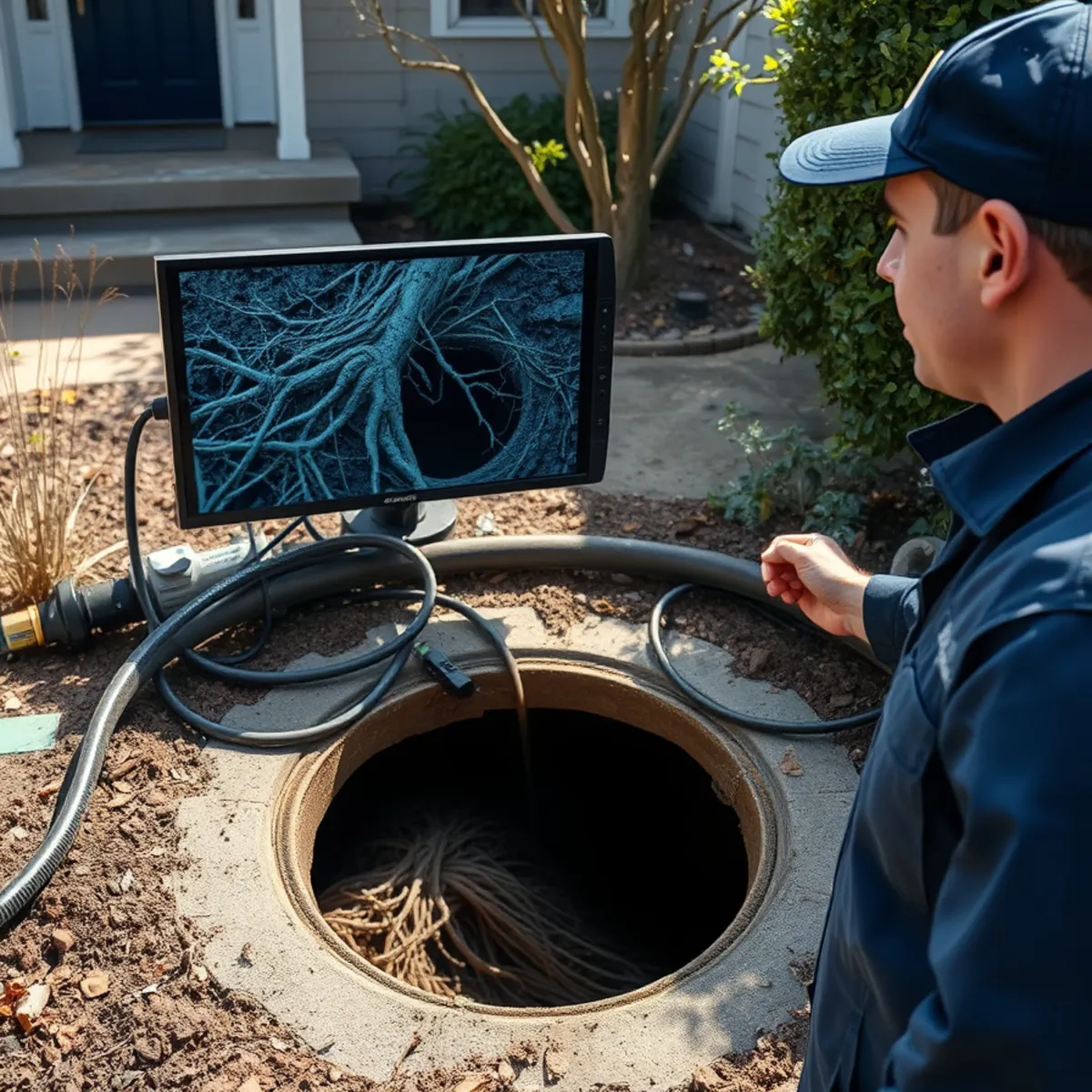 Berkeley Local
6 min read
Most Berkeley homeowners learn that the lateral is theirs on the worst possible day. Here is what to know before that day.
Read articleA live local dispatcher answers day or night, and we get a crew to most Berkeley addresses in 60 to 90 minutes. Free inspection, written estimate, and we bill your insurance directly.