Flood Damage Cleanup
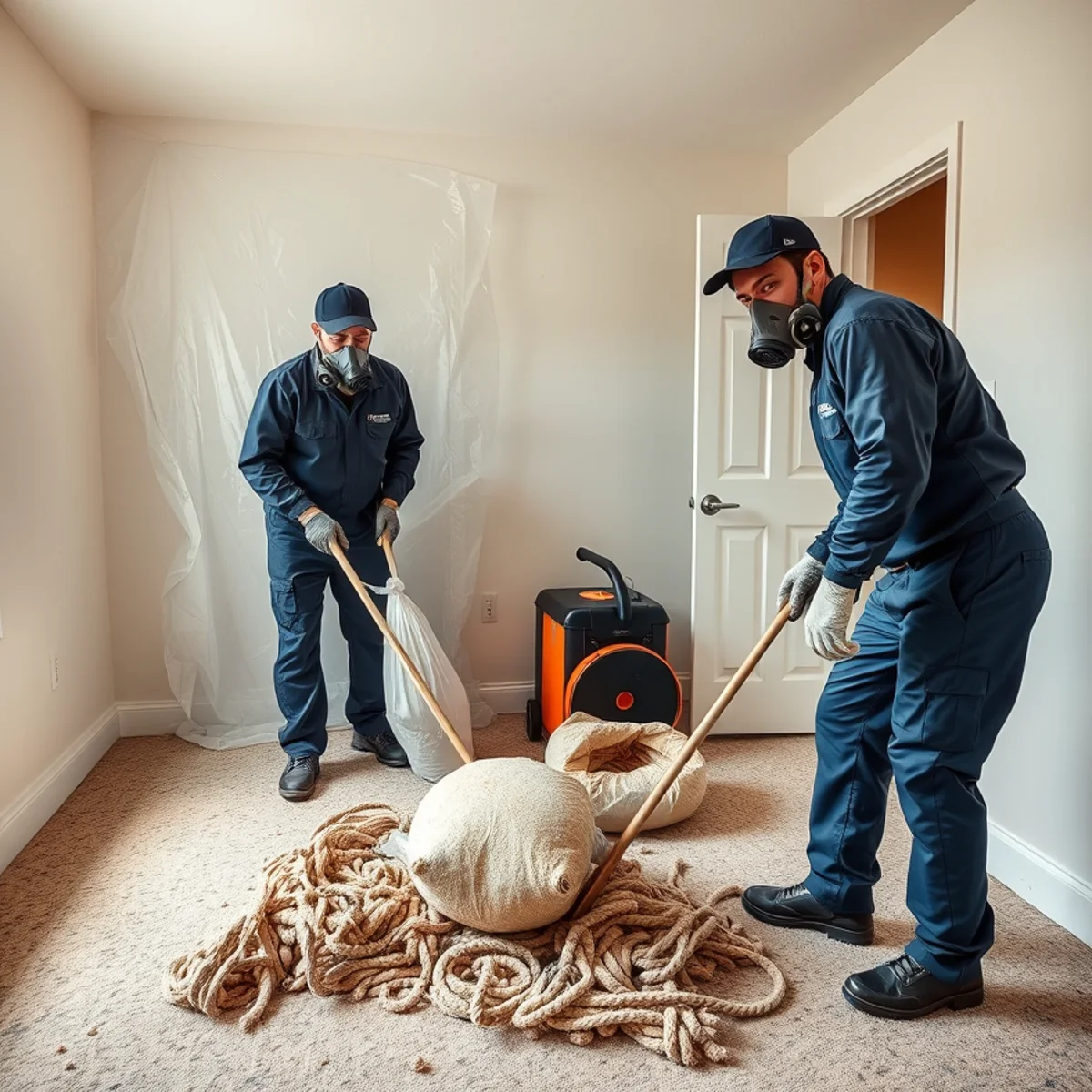
Ground and storm water is contaminated by definition — we clean it to Category 3 protocol, not like a spilled bathtub.
Learn more
24/7 Emergency
(201) 277-9344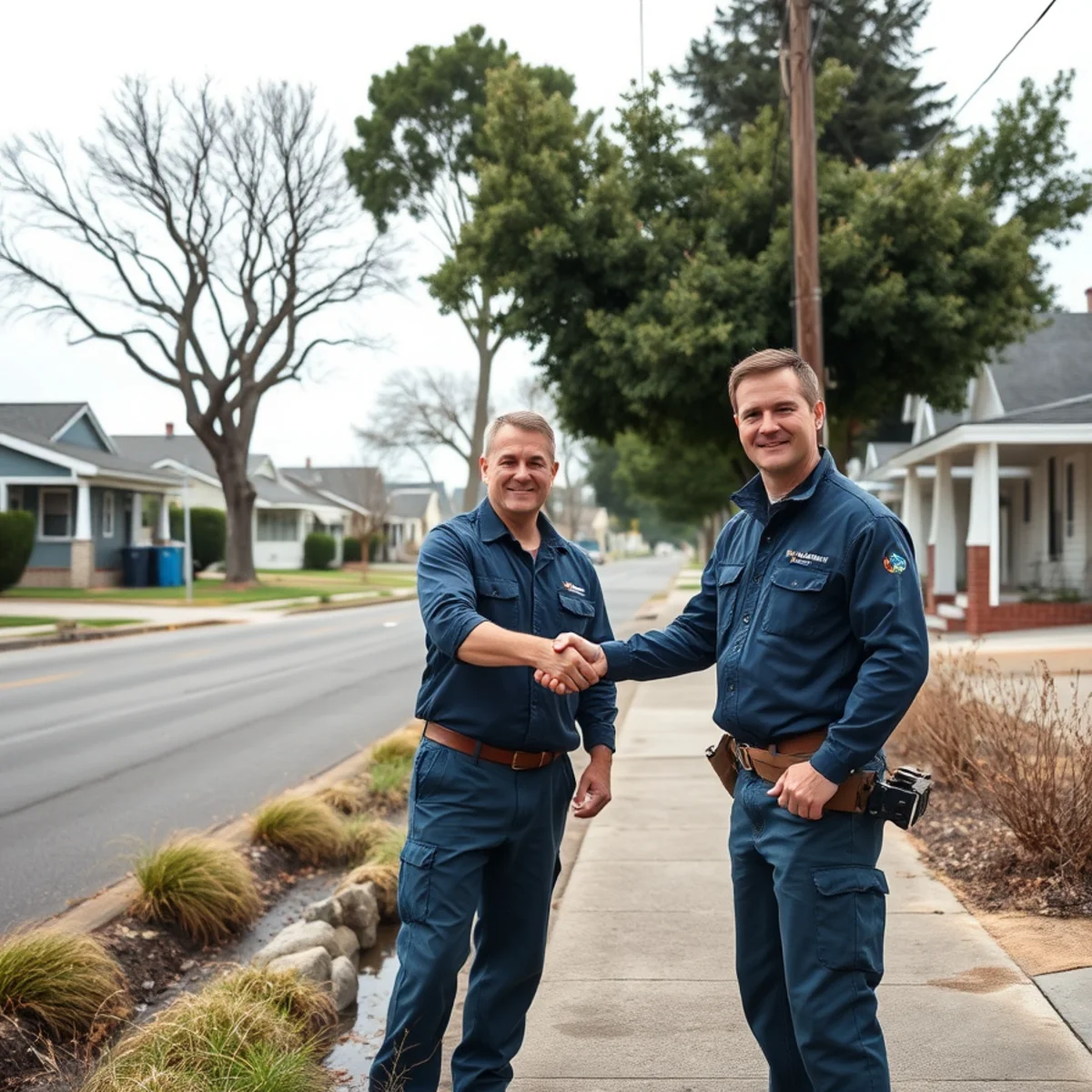
San Pablo · 24/7 Emergency Service
Two creeks — Wildcat and San Pablo — run through or along the city, and both have a documented history of overtopping in heavy years. When we get San Pablo calls in a wet January, they are usually flood calls rather than plumbing calls.
We reach the city in roughly forty-five to sixty-five minutes from Downtown Berkeley.
Wildcat Creek and San Pablo Creek both drain substantial watersheds coming down out of the hills, and both pass through developed areas where the channel has been narrowed and partly engineered. In a major atmospheric river the capacity gets tested. Properties in the flood corridors take water at ground level, and because it is creek water it arrives contaminated — Category 3, with the full containment and material-removal protocol that implies.
The second recurring issue is sewer backup. Older lines plus heavy rain equals infiltration: groundwater gets into cracked pipe, the system runs at capacity, and the lowest fixtures in nearby houses back up. This is why sewage calls here cluster during storms rather than being spread evenly through the year.
Low elevation across much of the city means surface water drains slowly once it is down. Standing water often needs a pump rather than time.
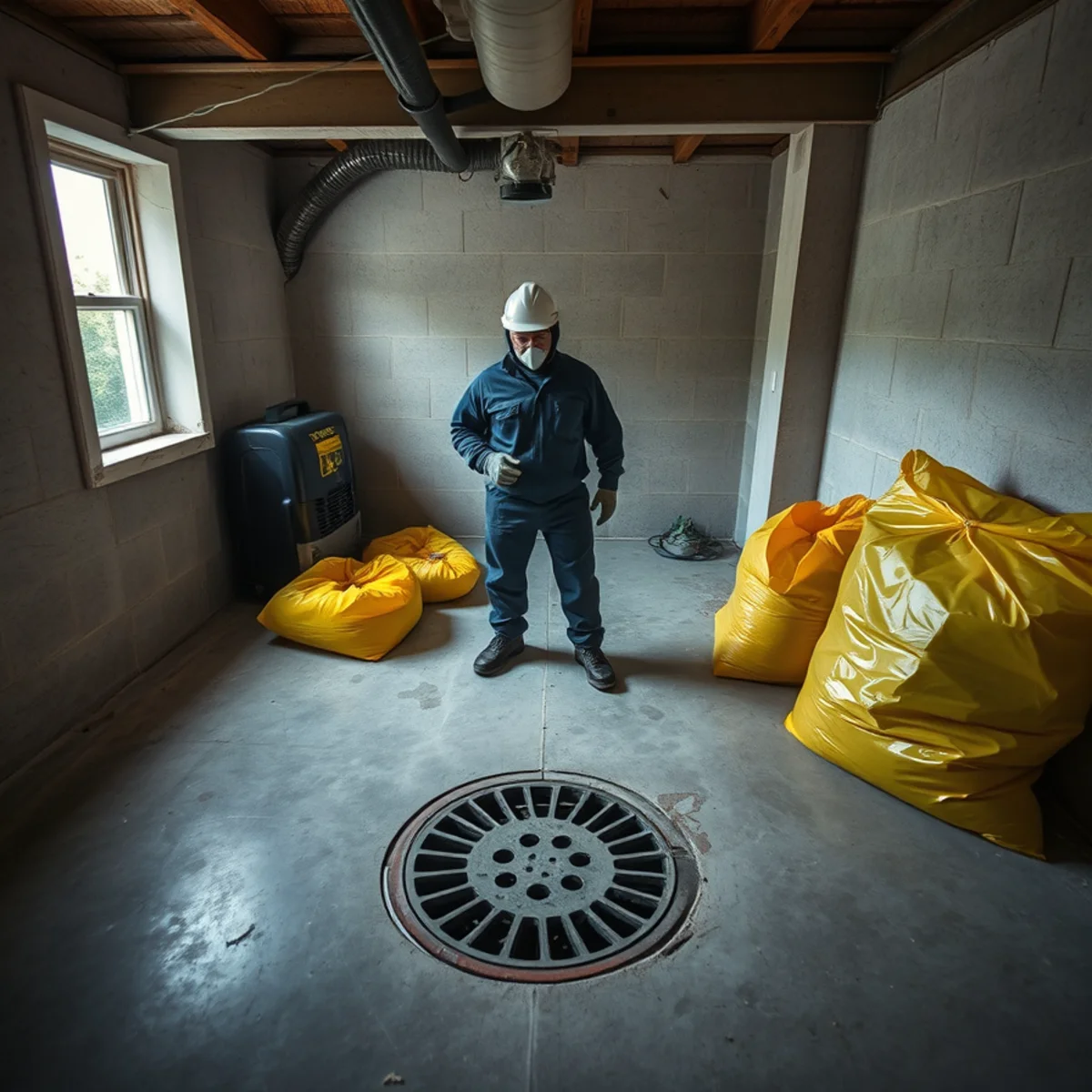
San Pablo built out largely between the late 1940s and the 1960s — modest single-family homes on regular lots, mostly one storey, on a mix of raised foundations and slabs.
That vintage means plumbing at the boundary between galvanized steel and copper. Homes at the early end still have galvanized supply lines nearing eighty years of service. Homes from the later end have copper, which fails differently — pinhole pitting producing slow, hidden leaks rather than dramatic bursts.
Slab-on-grade homes here get slab leaks, which show up as an unexplained water bill or a warm patch on the floor rather than as visible water. Those are worth catching early; a slab leak running for months does a great deal of quiet damage to flooring and framing.
Crawl spaces in the raised-foundation homes are shallow and, in the low-lying parts of the city, damp for months at a stretch.
Two creeks and an ageing sewer system define the water risk here, and the housing is mostly post-war single-family construction that was never built with either problem in mind.
Backups treated as Category 3 from the first minute
Ageing lines and heavy storm loading produce genuine sewage backups. That is full containment, PPE and HEPA filtration, with porous material removed rather than dried.
Creek flooding, and what it means for your claim
San Pablo and Wildcat Creek overflow is surface water. We will tell you before you file whether you are looking at a covered loss or a flood exclusion.
Post-war construction, shallow foundations
Slab and low crawl-space houses from the 1950s, with original drains and often no vapour barrier under the structure.
Forty-five to sixty-five minutes, stated honestly
It is a real drive and we will give you a true ETA rather than a stock answer, plus immediate guidance on the phone.
Areas and landmarks we cover in and around San Pablo:
Local Questions
Almost certainly groundwater infiltration into cracked sewer line — either your lateral or the public main. Rain gets into the pipe through failed joints, the system runs at capacity, and the lowest fixture in your house is where it comes back out. We clean up and decontaminate; then the lateral needs camera inspection to find where the water is getting in.
Not under a standard homeowners policy — surface and rising water are excluded. That requires separate NFIP or private flood coverage. Sewer backup is different again and is often covered by an inexpensive water backup endorsement. Check your declarations page for both.
A backup that tracks rainfall rather than water use is almost always infiltration into the sewer line rather than a blockage you created. During a long storm, groundwater enters ageing clay and cast-iron laterals through cracked joints and root intrusion, the line runs at capacity, and the lowest fixture in your house becomes the overflow point — usually a basement or ground-floor drain. Clearing it helps for a season; a camera inspection tells you whether you are looking at root intrusion that can be cut or a collapsed section that needs replacing. Either way, what comes back up is Category 3 and should not be cleaned without containment.
Standard homeowners policies do not. Surface water and rising groundwater — which is what creek overflow is — are excluded, and that exclusion is one of the most consistent in California policies. Separate flood coverage handles it, and it carries a waiting period so it has to be in place before the rainy season. Sewer backup is a different question with a different answer: many carriers offer a water backup endorsement for a modest premium, and given the state of the lines here it is worth asking about specifically. We document cause carefully on every job, because which of these categories a loss falls into decides the whole claim.
Services in San Pablo
Ground and storm water is contaminated by definition — we clean it to Category 3 protocol, not like a spilled bathtub.
Learn more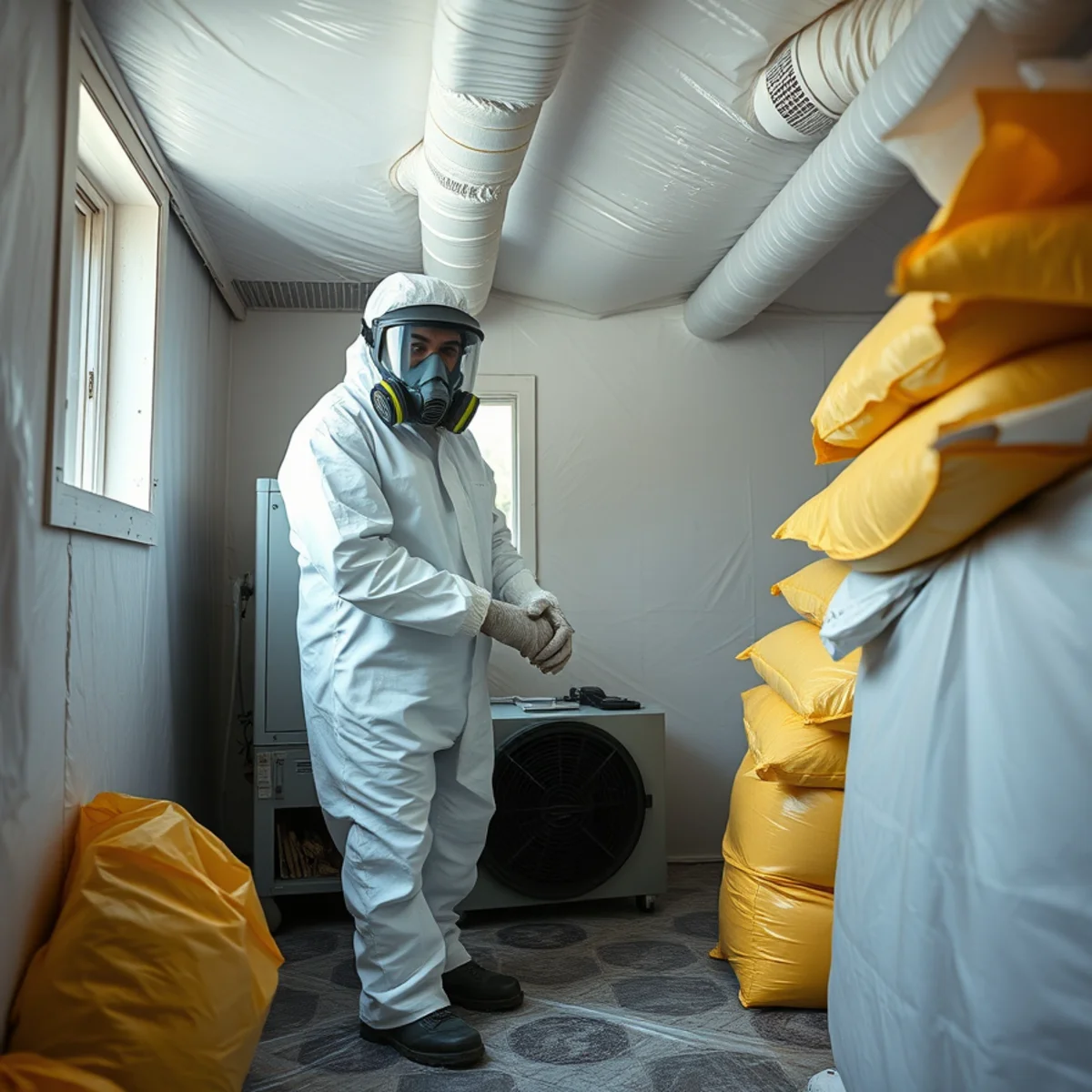
Category 3 water handled the way it has to be — containment, PPE, HEPA filtration, and verified decontamination.
Learn more
A live local dispatcher every hour of the year, and a crew at your door in 60–90 minutes anywhere in Berkeley.
Learn moreEnd-to-end recovery from the first phone call to the final repaint — extraction, drying, sanitizing, and rebuild under one crew.
Learn moreFind it, contain it, remove it — and fix the moisture source, or it comes straight back.
Learn moreThe space nobody looks at, humidifying the whole house from below — pumped, dried, and sealed properly.
Learn moreWhat Neighbors Say
Sample content. These are illustrative examples, not customer reviews. Replace them with verified reviews from your Google Business Profile before launch — see src/data/testimonials.ts.
“A supply line let go in the upstairs bathroom of our 1920s place around midnight. Someone actually answered the phone, walked me to the shut-off in the dark, and had a crew here inside the hour. They saved the fir floors, which I had written off.”
“The crawl space had been wet for years and we had no idea. They found it, dried it, put in a vapor barrier, and explained exactly why our downspouts were the actual culprit. No upsell to anything we did not need.”
“Sewage backup in the downstairs unit during a storm. They set containment before touching anything, documented every step for the insurance company, and the claim went through without a single argument.”
Keep Exploring
Usually 40–60 minutes up I-80 or San Pablo Avenue.
94801 · 94804 · 94805 · 94806
View areaUsually 30–50 minutes up San Pablo or the Arlington.
94530
View areaTypically 20–40 minutes — Albany is our closest neighbor.
94706
View area Berkeley Local
8 min read
A hundred-year-old house has a hundred-year-old plumbing system and a crawl space nobody has looked at. Both are fixable before they are urgent.
Read article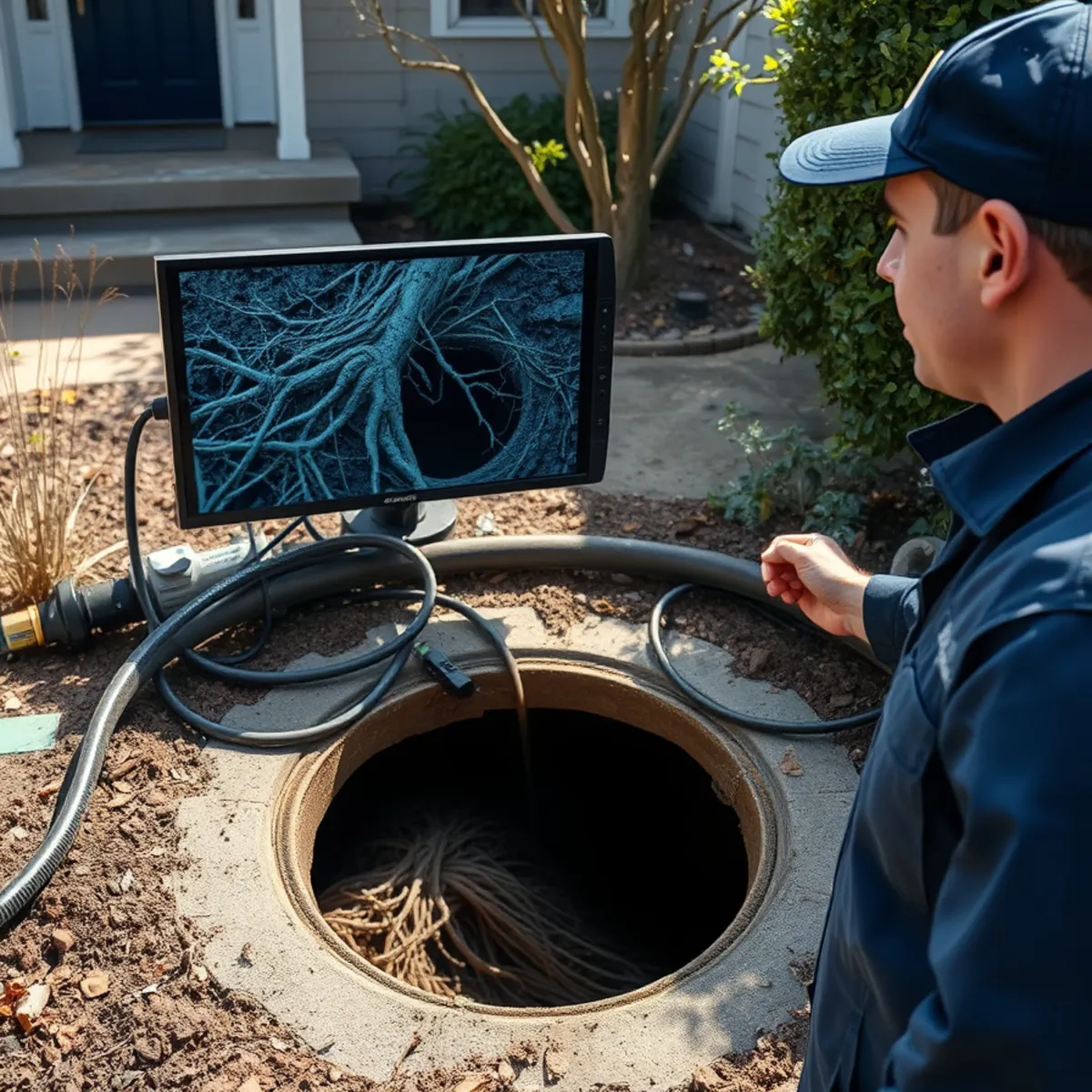 Berkeley Local
6 min read
Most Berkeley homeowners learn that the lateral is theirs on the worst possible day. Here is what to know before that day.
Read articleUsually 45–65 minutes via I-80 or San Pablo Avenue. A live local dispatcher answers day or night. Free inspection, written estimate, and we bill your insurance directly.