The industry answer is 24 to 48 hours, and it is broadly correct. But it is worth understanding what is actually happening in that window, because "48 hours" gets treated as a deadline when it is really a starting gun.
Mold needs three things, and your wet house has all of them
Mold spores are already in your home. They are in every home — they come in on shoes, through open windows, on pets. They are inert and harmless until they get moisture, an organic food source, and time.
A wet building supplies all three instantly. Drywall paper facing, wood framing, the cellulose in insulation, dust, and the adhesives in engineered flooring are all food. Add water and the countdown starts.
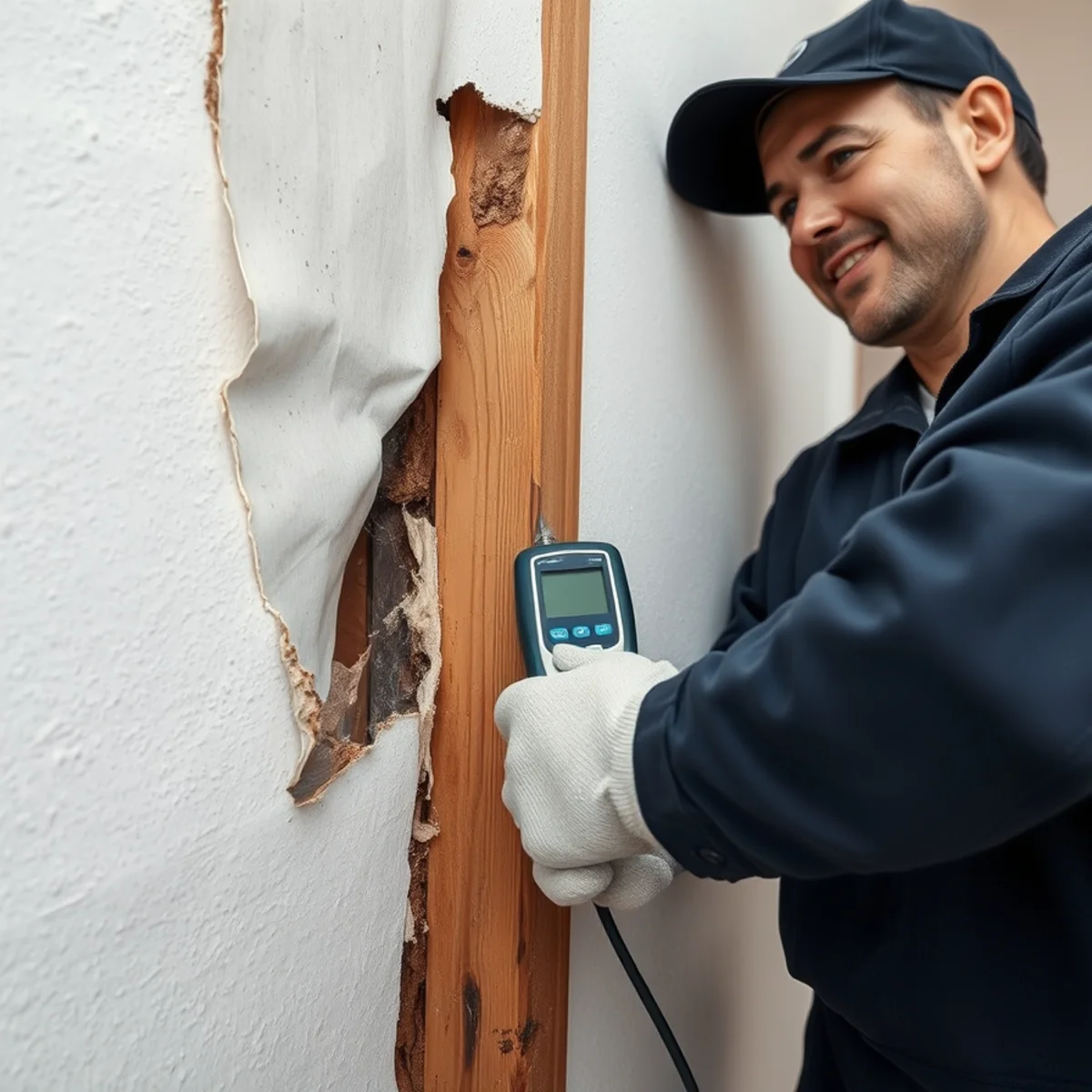
The actual timeline
- Hours 0–24. Spores absorb water and germinate. Nothing is visible and nothing smells yet. This is the window where drying prevents the problem entirely.
- Hours 24–48. Hyphae — the root-like filaments — begin extending into the material. Colonization has started. Still typically invisible.
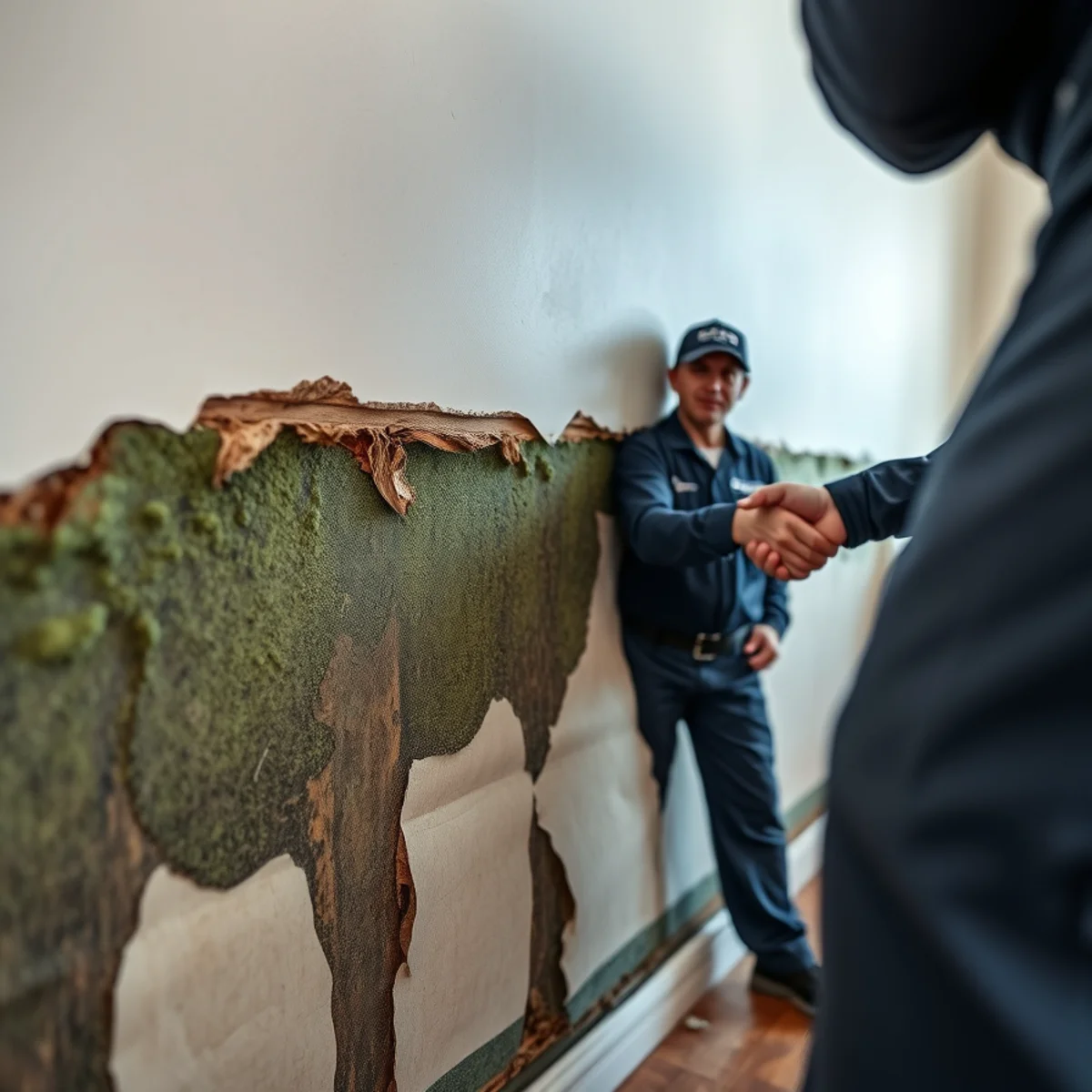
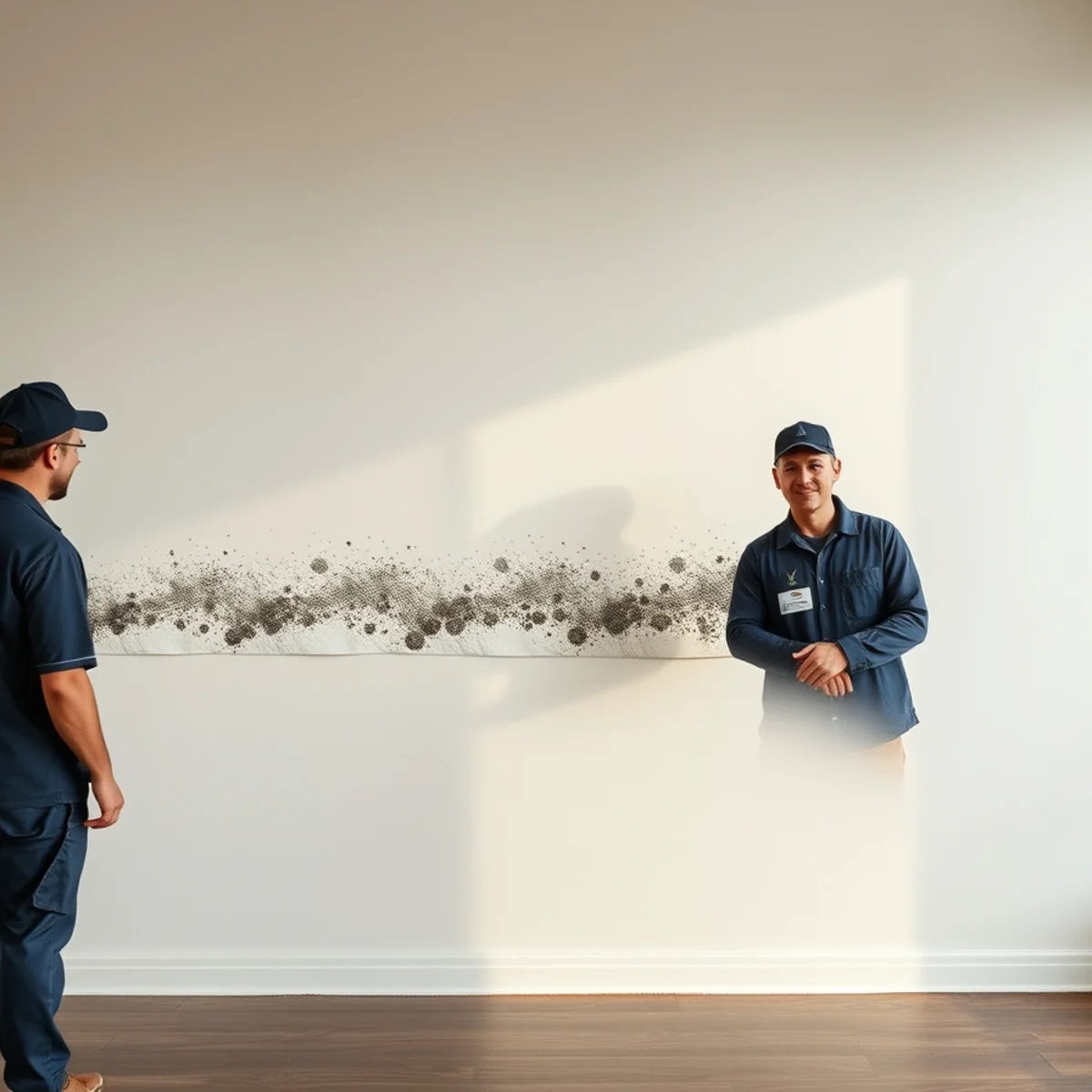
- Days 3–7. Colonies become visible and start producing the musty odor most people notice first. On drywall paper this can be dramatic.
- Days 7–21. Colonies mature and begin releasing spores, which is when it spreads to areas that were never wet. Remediation scope grows quickly here.
- Beyond three weeks. Established growth with material degradation. Drywall, insulation, and often framing surfaces need removal under containment.
What speeds it up
Temperature. Most indoor molds thrive between about 60 and 80°F — normal indoor conditions. Warmer accelerates growth.
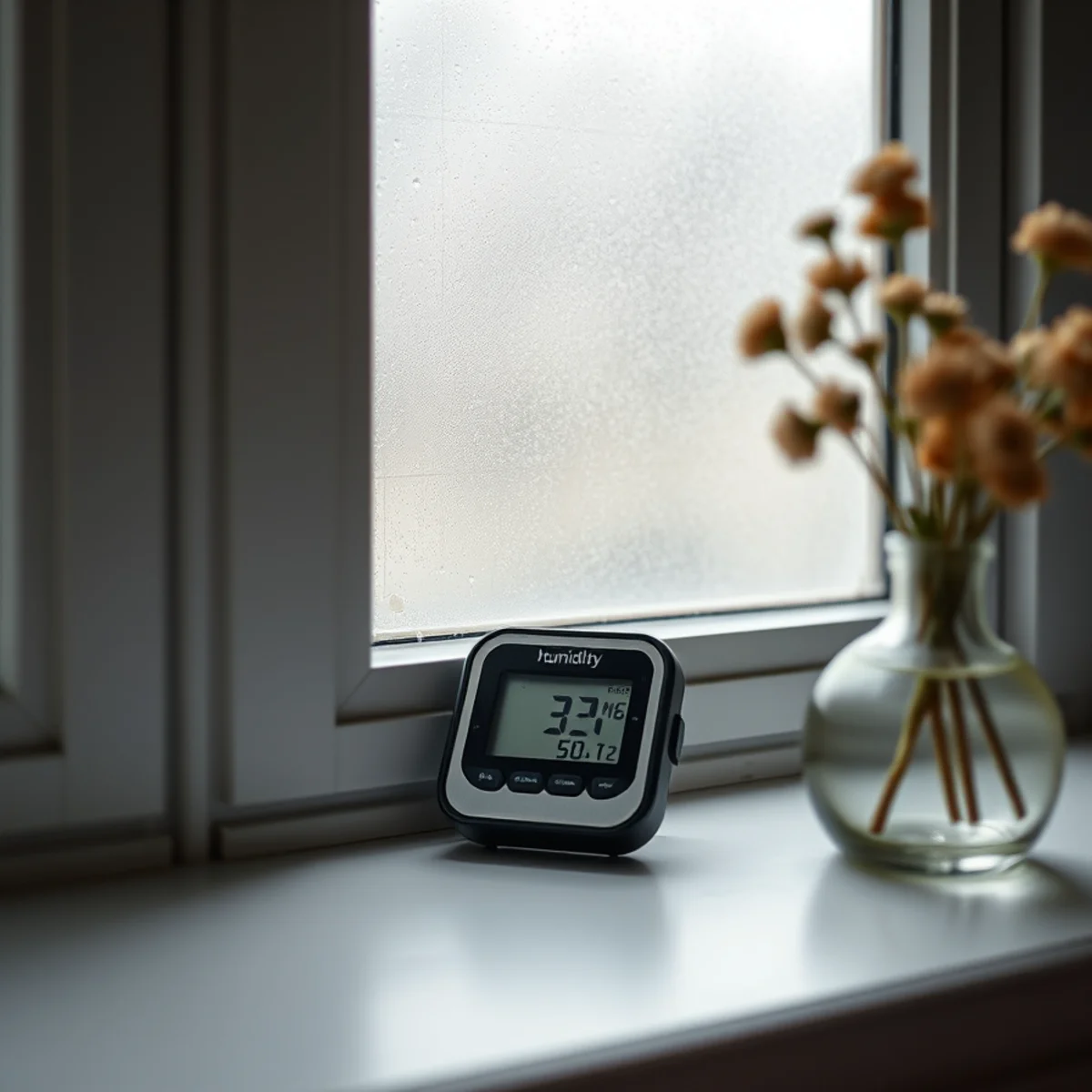
Humidity. Above 60% relative humidity, growth accelerates sharply. Below 50%, it slows dramatically. This is precisely why dehumidification matters more than airflow, and why running fans without a dehumidifier makes things worse.
Darkness and still air. Wall cavities, crawl spaces, and under-cabinet voids are ideal. Which is why the mold we find is almost never in the room the water was in.
Contamination. Category 2 and 3 water carries additional nutrients and organisms, which is why those losses grow faster than clean-water losses.
Berkeley’s climate is a factor
Our mild coastal climate is unusually good for mold. Temperatures stay in the growth-favorable band nearly year-round, so there is no seasonal die-back.
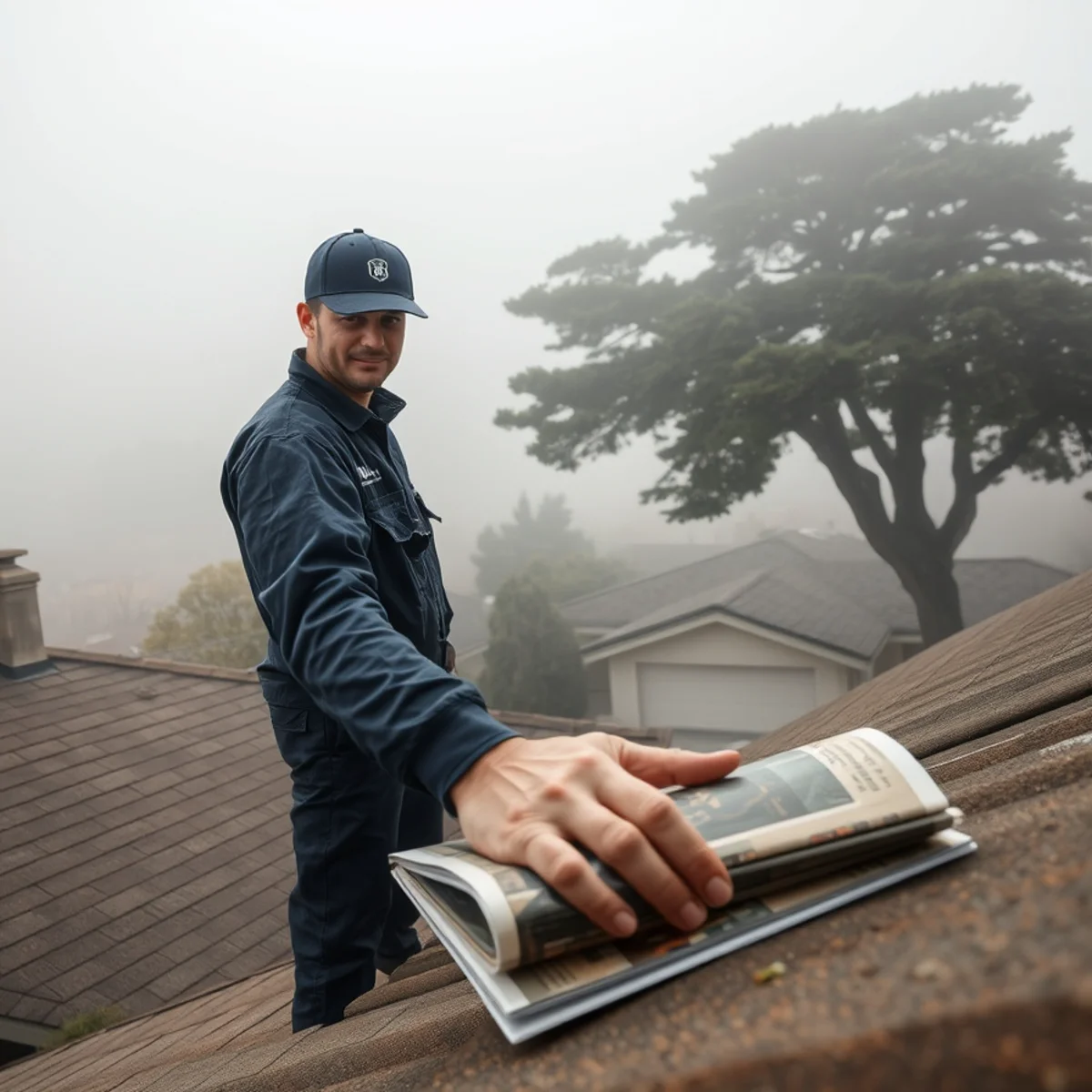
The wet season from November through March brings sustained outdoor humidity in the 75 to 90 percent range. Opening windows to "air out" a wet house during those months adds moisture rather than removing it — a genuinely counterproductive instinct that we see constantly.
Summer brings the marine layer, which keeps morning humidity high even in July. And the vented crawl spaces under nearly every pre-war Berkeley house pull that humid air in under the floor. Read more on that in our crawl space guide.
Where it actually grows
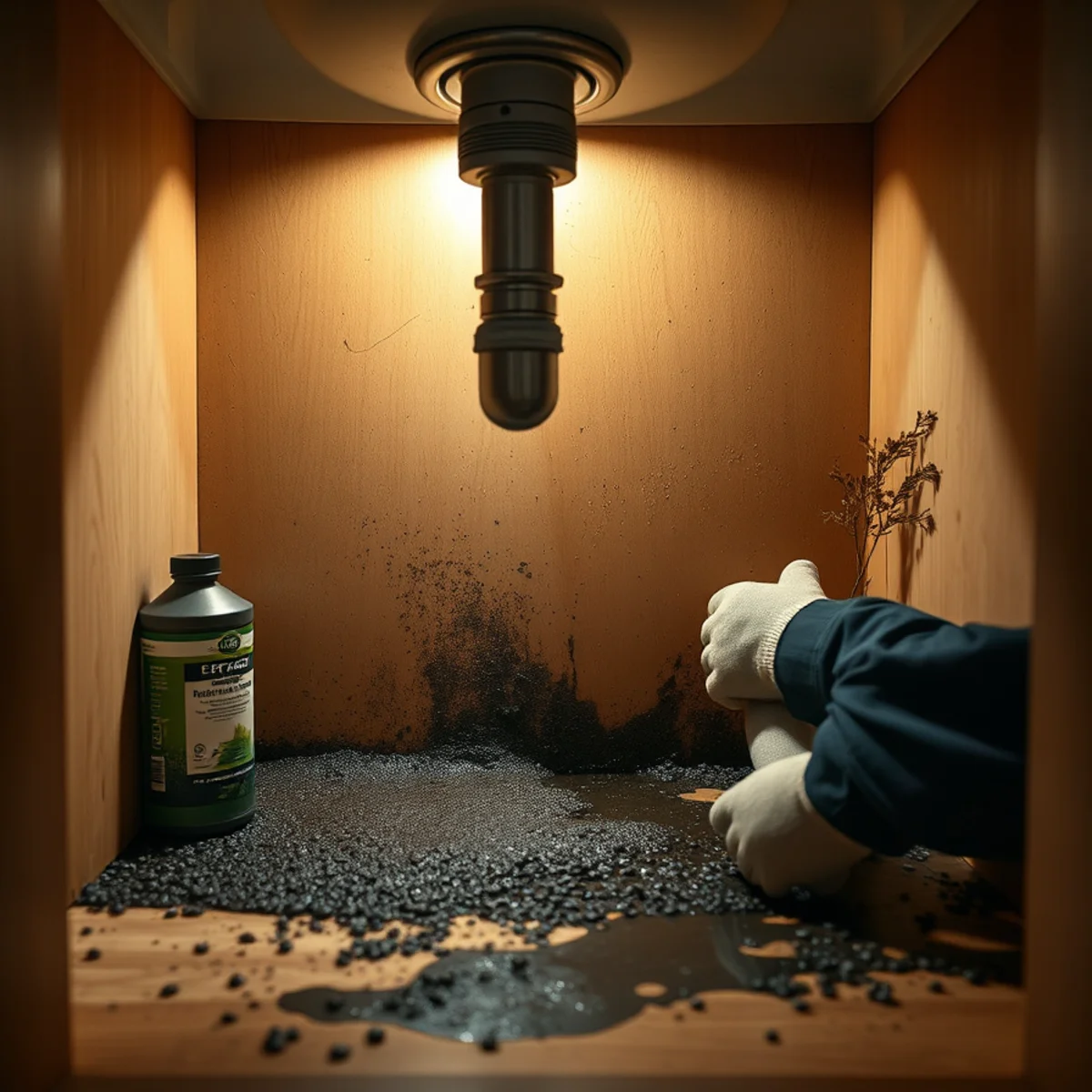
After enough jobs in this city the list is predictable: crawl spaces, under-sink cabinets, behind bathroom tile, north-facing exterior walls that stay cool, window sills on original single-pane sash, and behind furniture pushed against a cool exterior wall.
Notice that none of those are places you look. That is the point — visible mold is the late signal.
How to actually beat the window
Extract the water, get real drying equipment in place, and verify the result with readings rather than by touch.
That last part is what consumer equipment cannot do. Even if a box fan happened to dry a room, you would have no evidence the structure reached a dry standard — which matters if mold turns up in six months and your carrier asks whether the building was properly dried. Our structural drying process meters daily against readings taken from an unaffected part of your own house, and you get the complete log.
If you are past the window already, that is not a catastrophe — it is a bigger job. Mold remediation under containment handles it. But the damage stops progressing the day work starts, which is the argument for calling today rather than next week.
Frequently Asked Questions
If the structure is genuinely dry — including inside wall cavities and under flooring — then yes, colonization does not get established. The catch is that surface-dry and structurally-dry are very different things, and only moisture readings can tell you which you have.
No. Properly dried losses do not develop mold. It follows incomplete drying, hidden moisture that was never found, or delayed response.
Usually, yes. That musty smell is microbial volatile organic compounds — the gas mold releases as it grows. Odor with no visible growth means it is somewhere you cannot see, which is worth investigating rather than masking.
Dealing with this right now?
Call (201) 277-9344 and a live local dispatcher will answer — any hour, any day. Free inspection, and we bill your insurance directly.
- 60–90 Min Response
- Live dispatcher, never an answering service
- We bill your insurance directly