Water Damage Restoration
End-to-end recovery from the first phone call to the final repaint — extraction, drying, sanitizing, and rebuild under one crew.
Learn more
24/7 Emergency
(201) 277-9344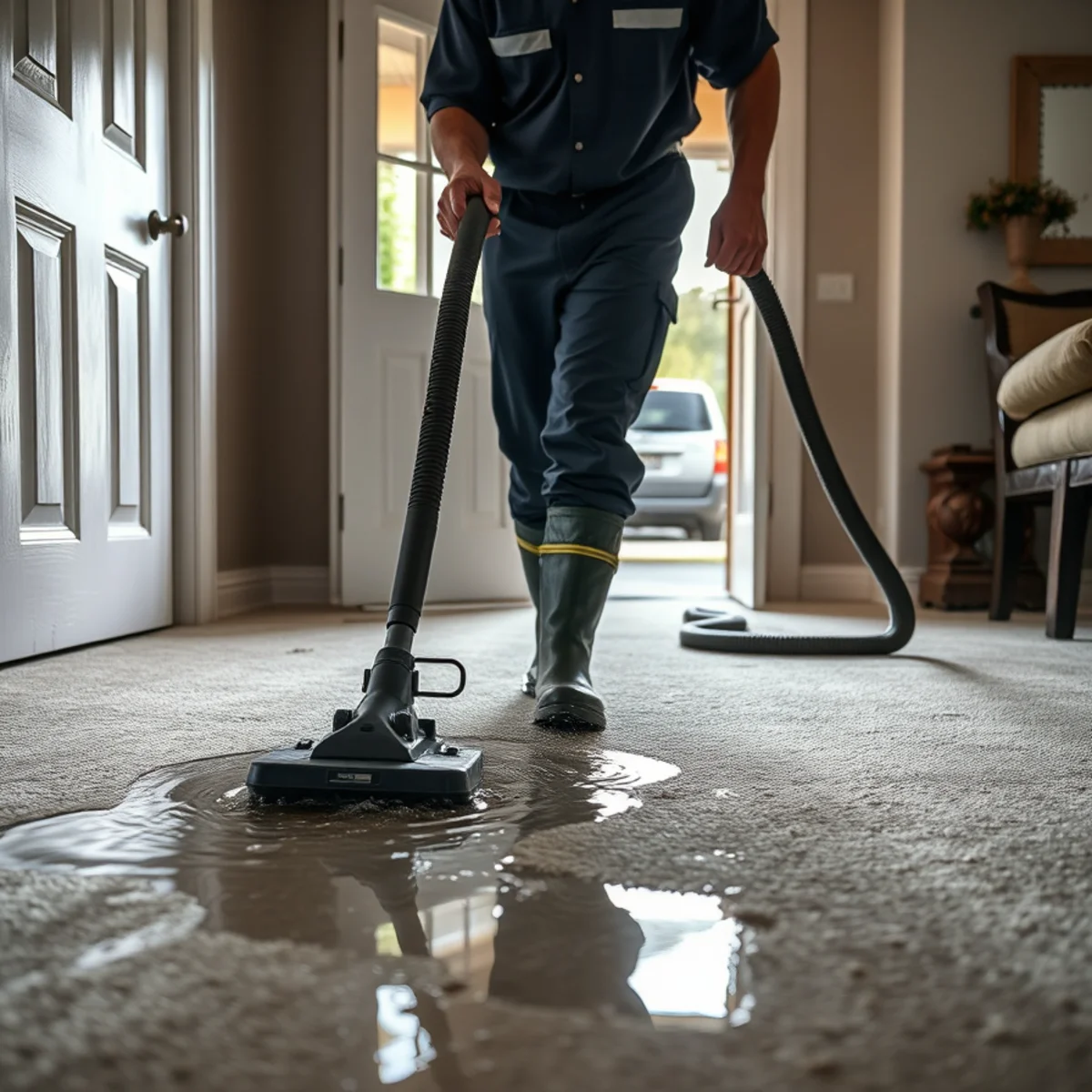
24/7 Emergency Service
A commercial extractor removes water roughly 1,200 times faster than an air mover can evaporate it. That is not a marketing number; it is why we show up with pumps before we show up with fans, and why the first two hours on site matter more than the next two days.
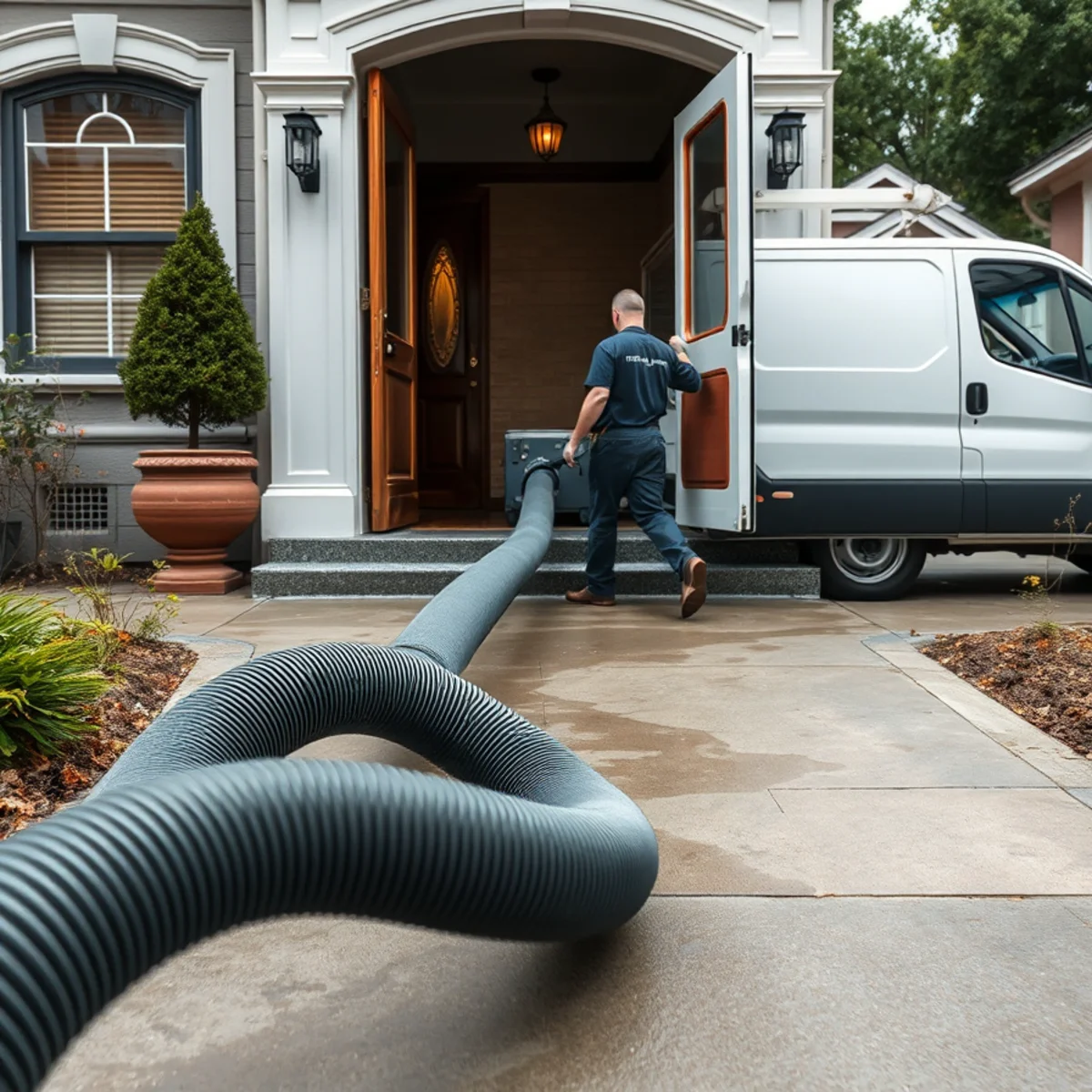
We run truck-mounted units for volume work and portable extractors for upper floors, tight Berkeley stairwells, and units where we cannot get a hose to the curb. Call any hour — (201) 277-9344.
Warning Signs
Anything past a small puddle. A shop-vac holds five gallons; a bathtub overflow can put two hundred gallons into a floor before you notice.
Carpet pad holds several times its weight in water and releases it slowly. Surface-vacuuming carpet leaves the pad soaked underneath.
It is already in the ceiling assembly below. Extraction has to happen from above and the cavity below has to be opened and dried.
Below-grade water needs pumping, not vacuuming, and it needs to be discharged somewhere legal — not back against your own foundation.
If you do not know how long it has been there, assume it has traveled. Extraction is only step one at that point.
How It Works
Power gets killed to affected circuits before anyone steps in standing water. We check for sagging ceilings, and on any suspected sewage we go straight into full PPE.
There is no point extracting while the supply line is still open. If the source is not obvious we find it — a failed angle stop, a slab leak, a roof penetration, a backed-up lateral.
Submersible pumps for anything deep. Truck-mounted extraction for volume. On hard surfaces we squeegee to the extraction point rather than chasing water around the room.
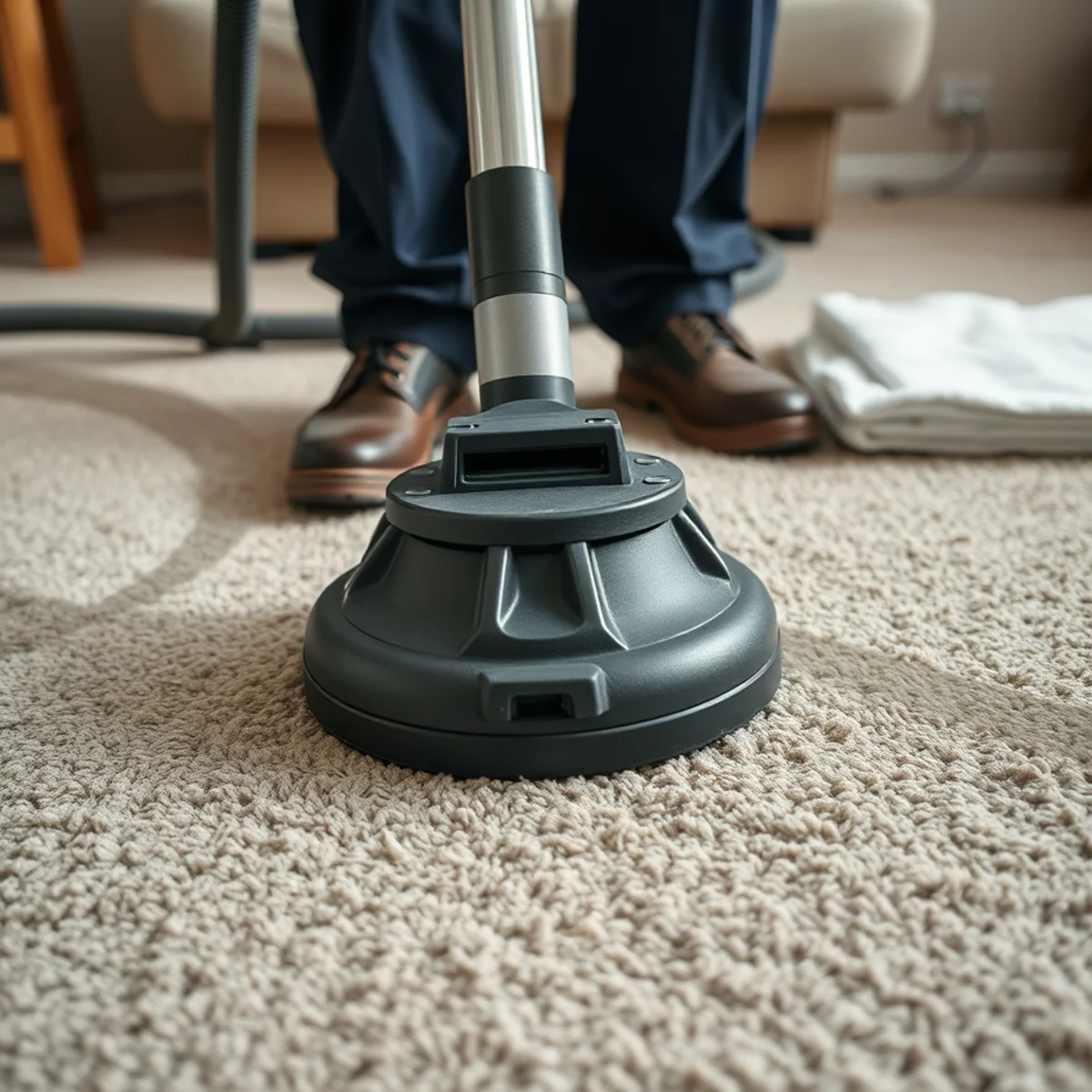
A weighted extractor uses body weight to compress the carpet and pad against the extraction head. It pulls out dramatically more water than a hand wand, and it is often the difference between saving your carpet and replacing it.
For water trapped under hardwood or between floors, we use specialty mats and injection panels that pull water out through the material instead of tearing it up.
We take readings before we leave so the drying plan starts from real numbers. This is also the baseline your adjuster will compare final readings against.
The puddle you can see is a fraction of the problem. Water moves along the path of least resistance, and in a wood-framed house that means it runs along the top plate of a wall, down through the stud bays, and out into rooms nobody thinks to check.
It wicks upward too. Drywall pulls water vertically through capillary action — a floor-level flood routinely leaves a wet band twelve to eighteen inches up the wall, hidden entirely behind baseboard and paint.
This is why we map before we extract. A thermal camera shows the temperature difference of evaporative cooling on a wet surface, and a meter confirms it. In practice, we routinely find that a "kitchen leak" is a kitchen, dining room, and hallway closet leak.
A 1920s house does not behave like a 1990s tract home, and extraction has to account for that.
Plaster-and-lath walls hold water differently than drywall — the plaster sheds it while the wood lath behind absorbs and holds it, which means readings taken on the surface can badly understate the problem. Old-growth Douglas fir subfloor is dense and slow to release moisture. Many Berkeley homes also have layers: original fir, then a plywood underlayment, then vinyl or tile from a later remodel, and water gets trapped between the layers.
We open small, targeted inspection points rather than tearing out a floor on assumption. It takes longer up front and saves a lot of material on the back end.
Hillside and crawl-space homes
Discharge has to be routed downhill and away from the foundation, or you pump the same water twice.
Multi-unit and student housing
Near campus, a single failed supply line can affect three units vertically. We extract top-down and coordinate access with the property manager.
Flat-lot homes in West Berkeley
Low elevation and a high water table mean standing water often has nowhere to drain on its own. It waits for a pump.
Extraction is the one phase where arriving sooner genuinely changes the invoice, so the things worth comparing between companies are all about speed and capacity — not marketing.
We are downtown, so the pump arrives sooner
A 60 to 90 minute commitment anywhere in Berkeley, from 2130 Center St. Every hour water sits is more wicking up drywall and more days of drying equipment on the bill.
Truck-mounted capacity, not a rented shop vac
Hundreds of gallons an hour, plus weighted extraction that pulls water back out of carpet pad and subfloor rather than just skimming the surface.
We find the water you cannot see
Thermal imaging and pin meters map the wet cavities before we start, so we extract the whole loss rather than the visible puddle and come back to a mold call in three weeks.
Readings recorded from the first visit
IICRC S500 documentation from hour one. That log is what turns an extraction invoice into an approved line item rather than an argument with your adjuster.
Honest Pricing
Two inches across a great room is a different job from a damp hallway. Depth determines whether we are pumping or extracting.
Clean water extraction is straightforward. Sewage extraction requires containment, disposal handling, and PPE, all of which add cost.
Hard surfaces extract fast. Carpet with pad takes weighted passes. Water trapped under hardwood or between floor layers needs specialty equipment.
How far we have to run hose from the truck, and whether there is a legal discharge point nearby.
We do not charge a premium to answer at 3 a.m., but overnight and holiday labor rates are standard in the industry and will appear as their own line on an insurance estimate.
Extraction is emergency mitigation, and carriers approve it faster than almost any other line item — delaying it costs them more than paying for it. We start the moment you authorize, and handle the billing with your adjuster.
Questions
For a few gallons on tile or sealed hardwood, sure. Do not use a household vacuum — it is not rated for water and it is a genuine electrocution risk. And on carpet, a shop-vac only takes surface water; the pad underneath stays saturated and keeps feeding moisture back into the room for days.
Most residential extractions run two to five hours. A flooded crawl space or a large commercial space can take a full day. We do not leave a job partially extracted — drying equipment goes in the same visit.
Often, if it is clean water and we get there quickly. Weighted extraction plus floating the carpet to dry underneath saves a lot of it. The pad is usually replaced regardless — it is cheap and it holds contamination. For gray or black water, carpet and pad both go; that is a health call, not a cost one.
Almost always yes. A floor that feels dry to a bare hand can still be holding water in the pad beneath it, in the subfloor, and in the bottom few inches of drywall where it wicked upward. That is exactly the condition mold wants — dark, enclosed, and damp. We meter it before we commit to anything: if the readings genuinely match an unaffected part of your house, we will tell you that and charge you nothing for the visit. If they do not, you have found the problem before it found you.
Clean water goes to a sanitary sewer connection. Contaminated water is handled as regulated waste and disposed of accordingly. We never discharge to a storm drain — in Berkeley that runs to the Bay, and it is illegal.
What Neighbors Say
Sample content. These are illustrative examples, not customer reviews. Replace them with verified reviews from your Google Business Profile before launch — see src/data/testimonials.ts.
“A supply line let go in the upstairs bathroom of our 1920s place around midnight. Someone actually answered the phone, walked me to the shut-off in the dark, and had a crew here inside the hour. They saved the fir floors, which I had written off.”
“The crawl space had been wet for years and we had no idea. They found it, dried it, put in a vapor barrier, and explained exactly why our downspouts were the actual culprit. No upsell to anything we did not need.”
“Sewage backup in the downstairs unit during a storm. They set containment before touching anything, documented every step for the insurance company, and the claim went through without a single argument.”
Where We Provide This Service
Keep Reading
End-to-end recovery from the first phone call to the final repaint — extraction, drying, sanitizing, and rebuild under one crew.
Learn moreMetered, documented drying to a real dry standard — not a fan in the corner and a guess about Thursday.
Learn moreThe space nobody looks at, humidifying the whole house from below — pumped, dried, and sealed properly.
Learn more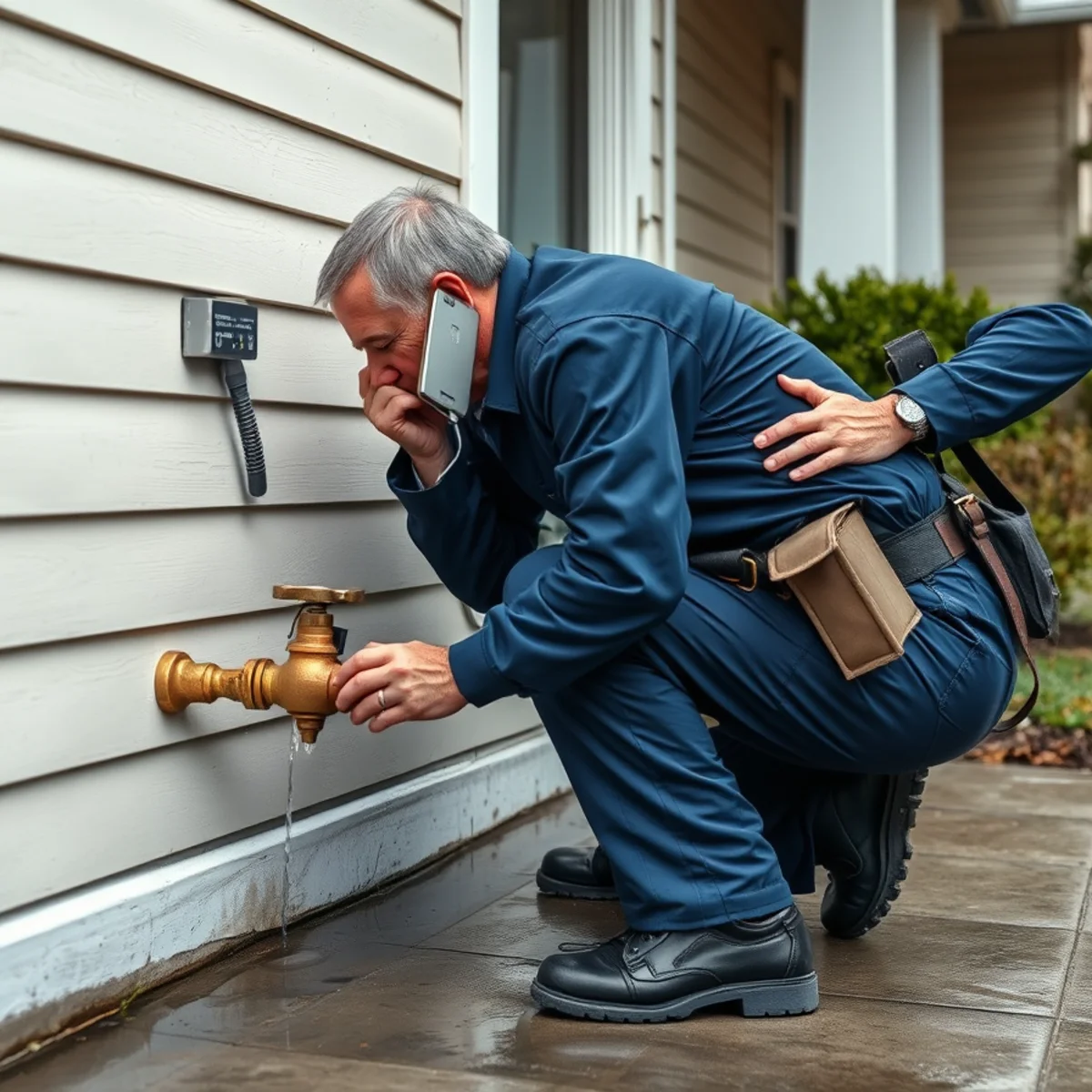 Emergency Response
6 min read
The first hour decides how big the job gets. Here is exactly what to do — in order — from the moment you find water in your Berkeley home.
Read article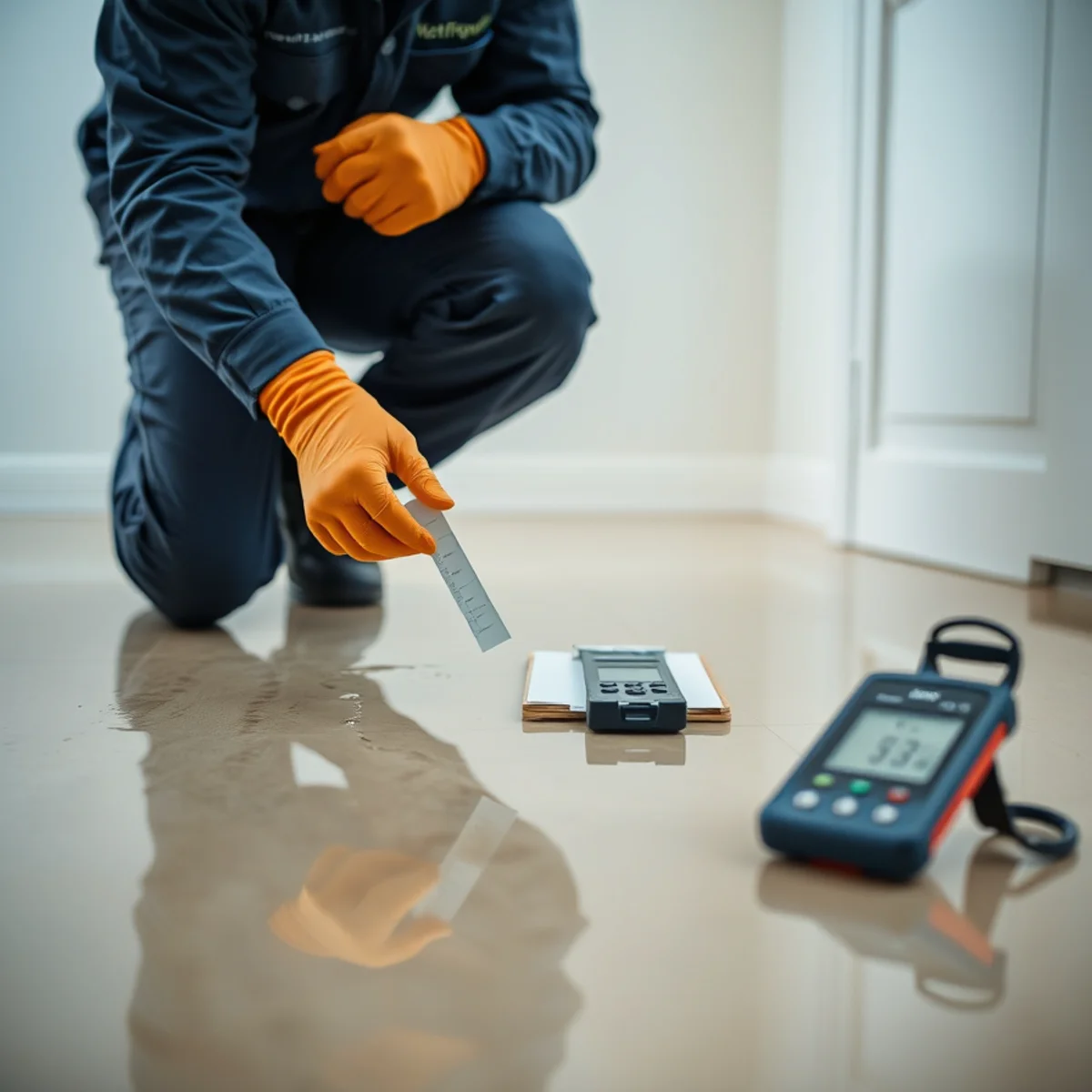 Process & Education
7 min read
The source of the water decides everything: what gets saved, what gets removed, what it costs, and whether you should be in the room.
Read articleA live local dispatcher answers day or night, and we get a crew to most Berkeley addresses in 60 to 90 minutes. Free inspection, written estimate, and we bill your insurance directly.