24/7 Emergency Service
A live local dispatcher every hour of the year, and a crew at your door in 60–90 minutes anywhere in Berkeley.
Learn more
24/7 Emergency
(201) 277-9344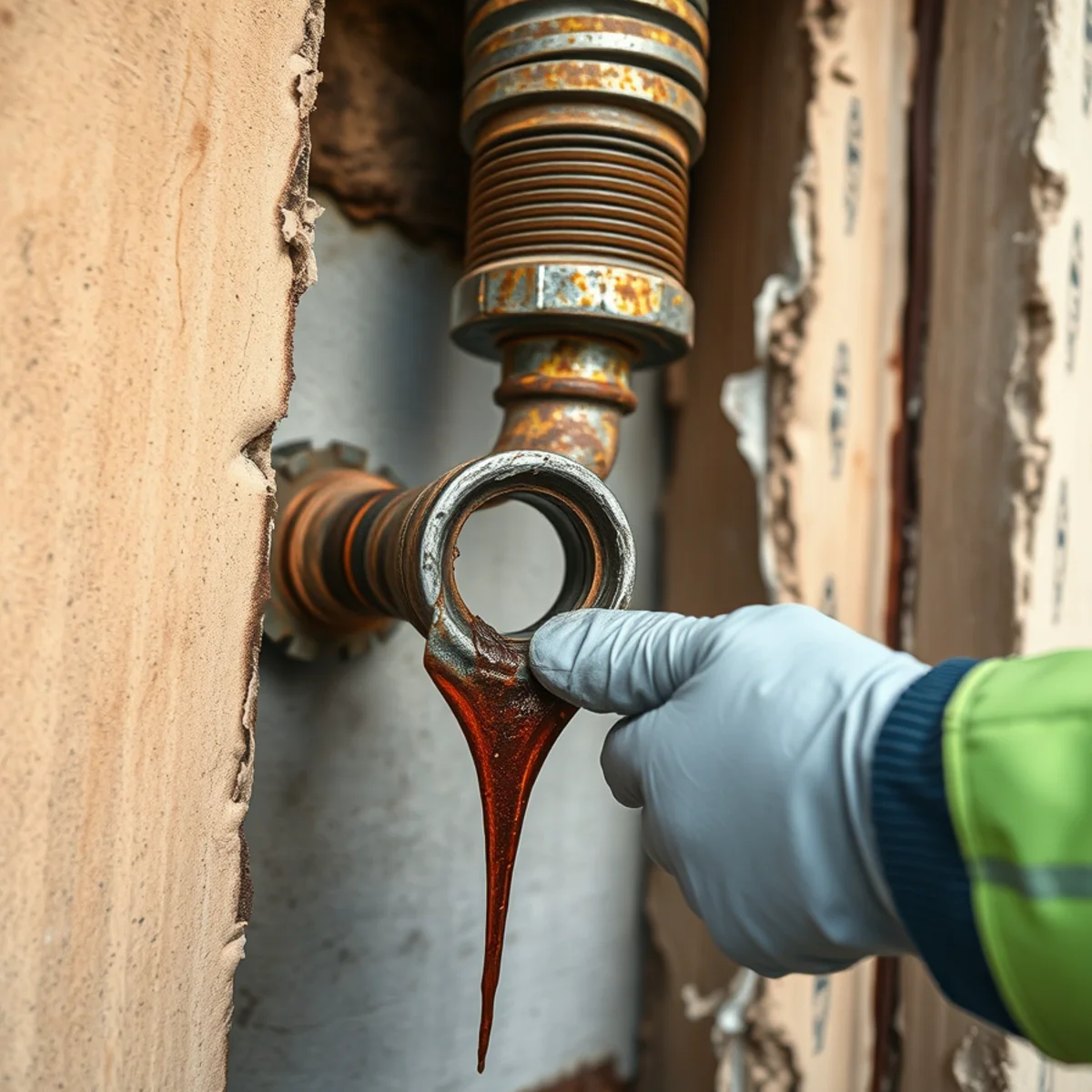
24/7 Emergency Service
The very first thing to do is shut off the water at the main. In most Berkeley homes it is in a concrete box at the sidewalk, or on the exterior wall near the water heater. If you cannot find it, call us and we will find it with you over the phone — that call takes two minutes and saves more damage than anything else you can do.
Then we handle the rest: extraction, drying the wall and floor cavities the water traveled through, and putting the finishes back. We coordinate with your plumber on the pipe repair, or bring ours.
Warning Signs
The signature of galvanized pipe. Corrosion builds up inside and narrows the bore until a half-inch line is passing water like a quarter-inch one.
Brown or orange water first thing in the morning means the inside of your supply pipe is corroding into it.
Water hammer. Repeated shock loading works fittings and old joints loose over time.
Look at exposed pipe in the basement, garage, or crawl space. Flaking scale and mineral crust means the pipe has been weeping for a while.
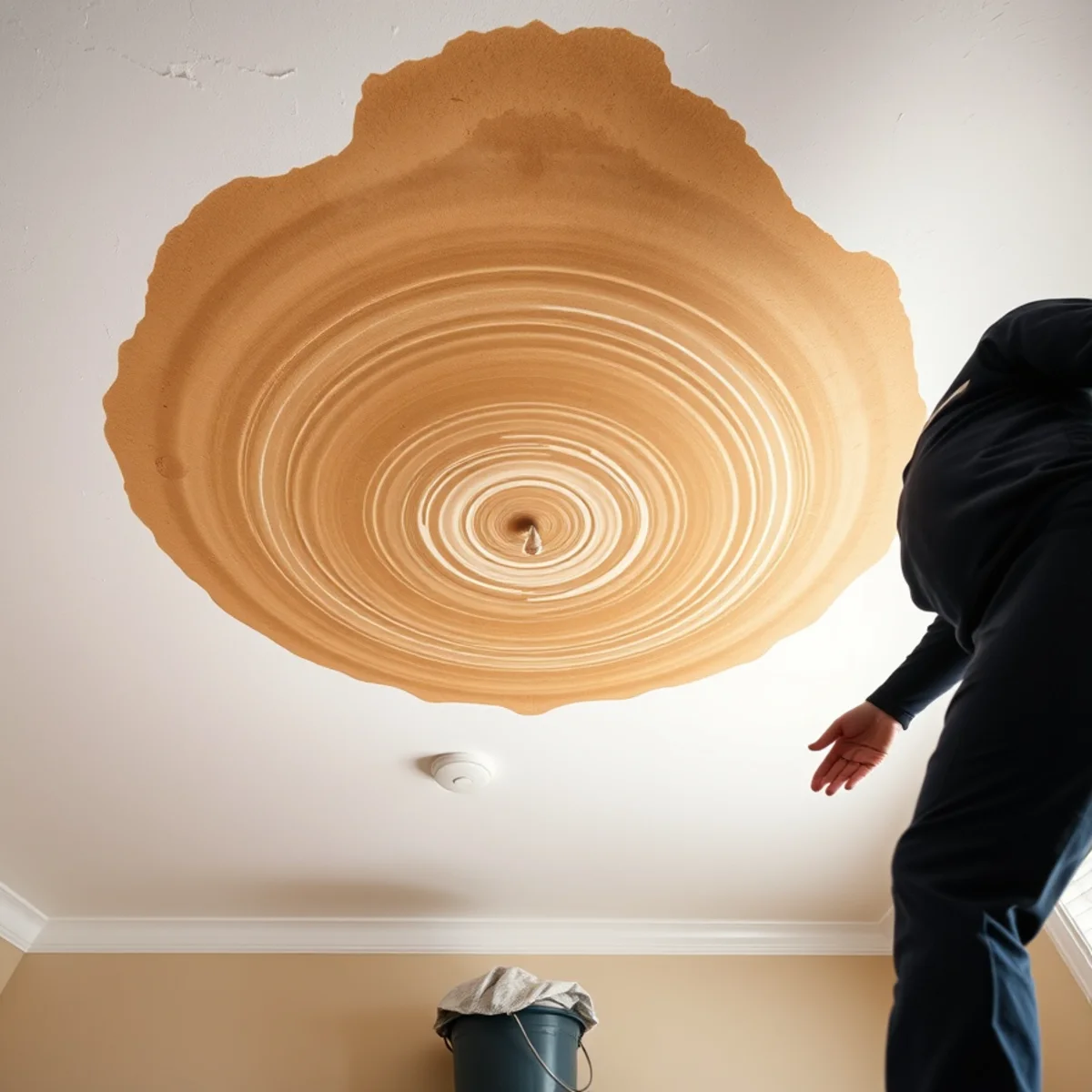
Something is running that you cannot see — often a slab leak or a failed line under the house.
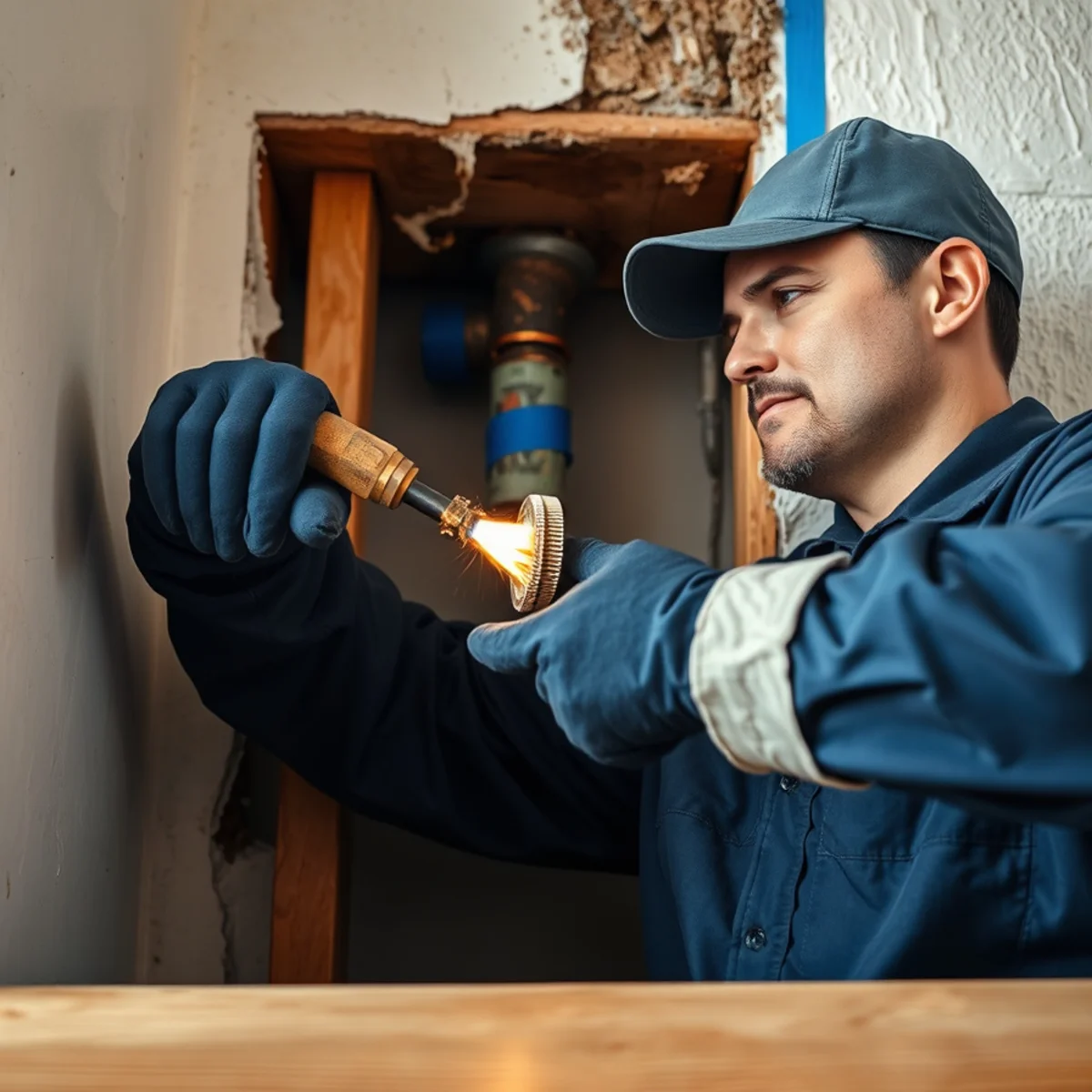
Classic hot-water slab leak. Common in Berkeley post-war additions built on slab rather than raised foundation.
How It Works
Main valve, or the individual angle stop if the failure is at a fixture. We verify it on arrival rather than assuming.
Thermal imaging and moisture meters trace the water back to its source without opening walls at random. On a suspected slab leak we bring in acoustic detection.
Standing water out first, from the top floor down, since water that fell through a ceiling has already wet everything on the way.
A clean, minimal access cut to reach the failed section and let the cavity dry. Straight cuts on stud lines make the rebuild cleaner and cheaper.
We coordinate directly with your plumber, or handle it ourselves. If the failed section is corroded galvanized, we will tell you honestly what the rest of the system probably looks like.
Wall cavities, subfloor, and ceiling assemblies get dried and metered daily. Injection drying keeps most walls intact.
Drywall or plaster patch, texture match, paint, trim, flooring. On pre-war houses we match original profiles rather than substituting modern stock.
Homes built before roughly 1960 were plumbed with galvanized steel supply pipe, and an enormous share of Berkeley's housing stock is exactly that age. Elmwood, Northbrae, Thousand Oaks, the Lorin District, and most of the flats went up between 1905 and 1940.
Galvanized pipe was zinc-coated to resist corrosion. The coating lasts decades, then it does not. Once bare steel is exposed to water, it rusts from the inside — building scale that restricts flow, and thinning the wall until pressure finds the weakest point.
Rated service life is around fifty years. A great deal of Berkeley pipe is now pushing eighty or a hundred. When it fails it usually fails at a threaded joint, and it usually fails inside a wall, because that is where the pipe is coldest and least maintained.
Seismic activity accelerates it. Even minor movement stresses rigid threaded connections that have already lost wall thickness — which is why we see a measurable bump in supply-line failures in the weeks after a noticeable quake.
Galvanized steel
Pre-1960. Corrodes internally, restricts flow, fails at threaded joints. Repiping is the permanent fix.
Copper
1960s onward. Long-lived, but vulnerable to pinhole pitting and to freezing in an uninsulated crawl space during a cold snap.
Polybutylene
Late 70s to mid 90s. Grey flexible pipe that degrades from chlorinated water and fails without warning. If you have it, plan to replace it.
PEX
Modern, flexible, freeze-tolerant. What we recommend for repipes in older homes because it can be routed without opening every wall.
A second-floor supply line does not damage the second floor. It damages the whole house.
Water runs along the top plate of the wall, finds the first penetration — a wire, a pipe, a light box — and drops into the ceiling below. It spreads across the ceiling drywall, saturating it until the paper bond fails, then comes through. On the way it soaks insulation, which holds it and keeps everything around it wet long after the leak is stopped.
It also travels sideways along the subfloor, under cabinets and behind baseboard, into rooms with no visible sign of anything. This is the reason we map with a thermal camera before we place a single piece of equipment. On a typical two-story burst-pipe loss we usually find three to five affected rooms when the homeowner reported one.
A burst supply line is the most common serious loss in this city, and it is almost always the same story: pre-war galvanized pipe, a wall cavity, and nobody home. We have run this job enough times to know where the water went before we open anything.
We map before we cut
Thermal imaging and pin meters find the full spread first. That is the difference between three targeted access points and a torn-out ceiling that was never wet.
Galvanized pipe is our home ground
We know how pre-1960 Berkeley plumbing fails, where the runs are behind plaster, and why the second-floor bathroom wall is nearly always worth checking first.
Sudden failure documented as sudden
Carriers pay for sudden and accidental, and deny gradual. The failed section, dated photographs and a written cause narrative are what keep your claim on the right side of that line.
We put the wall back too
Plaster matched to your existing texture, trim milled to your original profile, and hardwood woven in rather than patched. One crew, one contract, from the shutoff to the final coat.
Honest Pricing
The dominant variable by a wide margin. Ten minutes is a wet floor. Ten hours while you were at work is a multi-room reconstruction.
A ground-floor failure affects one level. An upstairs failure affects the ceiling assembly, the room below, and often the room below that.
Exposed pipe in a garage or crawl space is cheap to reach. Inside a finished wall means opening, drying, and rebuilding.
A slab leak requires acoustic location and often concrete work, or a reroute above the slab. Berkeley's raised-foundation houses are generally easier and cheaper.
Painted drywall is straightforward. Plaster, original hardwood, and period trim take skilled labor to match.
A burst pipe is the textbook "sudden and accidental" loss, which is exactly what homeowners policies are designed to cover. The pipe itself is usually excluded, but the water damage it caused is usually covered. Prompt reporting matters — carriers push back on delayed claims.
Questions
In most Berkeley homes, there is a street-side valve in a concrete box near the sidewalk, usually needing a meter key or a wrench. Many houses also have a house-side valve on an exterior wall near the water heater or where the supply enters. Find it now while nothing is wrong, and make sure it actually turns.
Generally yes for the resulting water damage — it is the classic sudden and accidental loss. The pipe repair itself is often excluded, since policies cover damage rather than the failed component. Long-term seepage from a pipe that had been weeping for months is a different and much harder conversation.
A plumber stops the leak, which is the urgent part and not the same job as drying the building. What is left behind is water inside wall cavities, under the subfloor and in the insulation, sitting at moisture levels that will grow mold in 24 to 48 hours and quietly rot framing over months. Plumbers do not carry moisture meters, thermal cameras, air movers or dehumidifiers, and their invoice does not document the loss for your carrier. Get the pipe fixed first, absolutely — then get the house dried and metered.
If you have galvanized steel and it has now failed once, seriously consider it. Corrosion is systemic, not local — a failure at one joint means every other joint is the same age and in the same condition. Repiping in PEX during an open-wall restoration is dramatically cheaper than doing it later as a standalone project.
Rarely, but it does. Berkeley almost never gets a hard freeze, so exposed pipe in crawl spaces, unheated garages, and exterior walls tends to be uninsulated. During a genuine cold snap those are the lines that fail. Hose bibs and crawl-space runs are the ones worth insulating.
What Neighbors Say
Sample content. These are illustrative examples, not customer reviews. Replace them with verified reviews from your Google Business Profile before launch — see src/data/testimonials.ts.
“A supply line let go in the upstairs bathroom of our 1920s place around midnight. Someone actually answered the phone, walked me to the shut-off in the dark, and had a crew here inside the hour. They saved the fir floors, which I had written off.”
“The crawl space had been wet for years and we had no idea. They found it, dried it, put in a vapor barrier, and explained exactly why our downspouts were the actual culprit. No upsell to anything we did not need.”
“Sewage backup in the downstairs unit during a storm. They set containment before touching anything, documented every step for the insurance company, and the claim went through without a single argument.”
Where We Provide This Service
Keep Reading
A live local dispatcher every hour of the year, and a crew at your door in 60–90 minutes anywhere in Berkeley.
Learn moreThe build-back — floors, ceilings, plaster and trim put right, matched to what was there before.
Learn moreMetered, documented drying to a real dry standard — not a fan in the corner and a guess about Thursday.
Learn more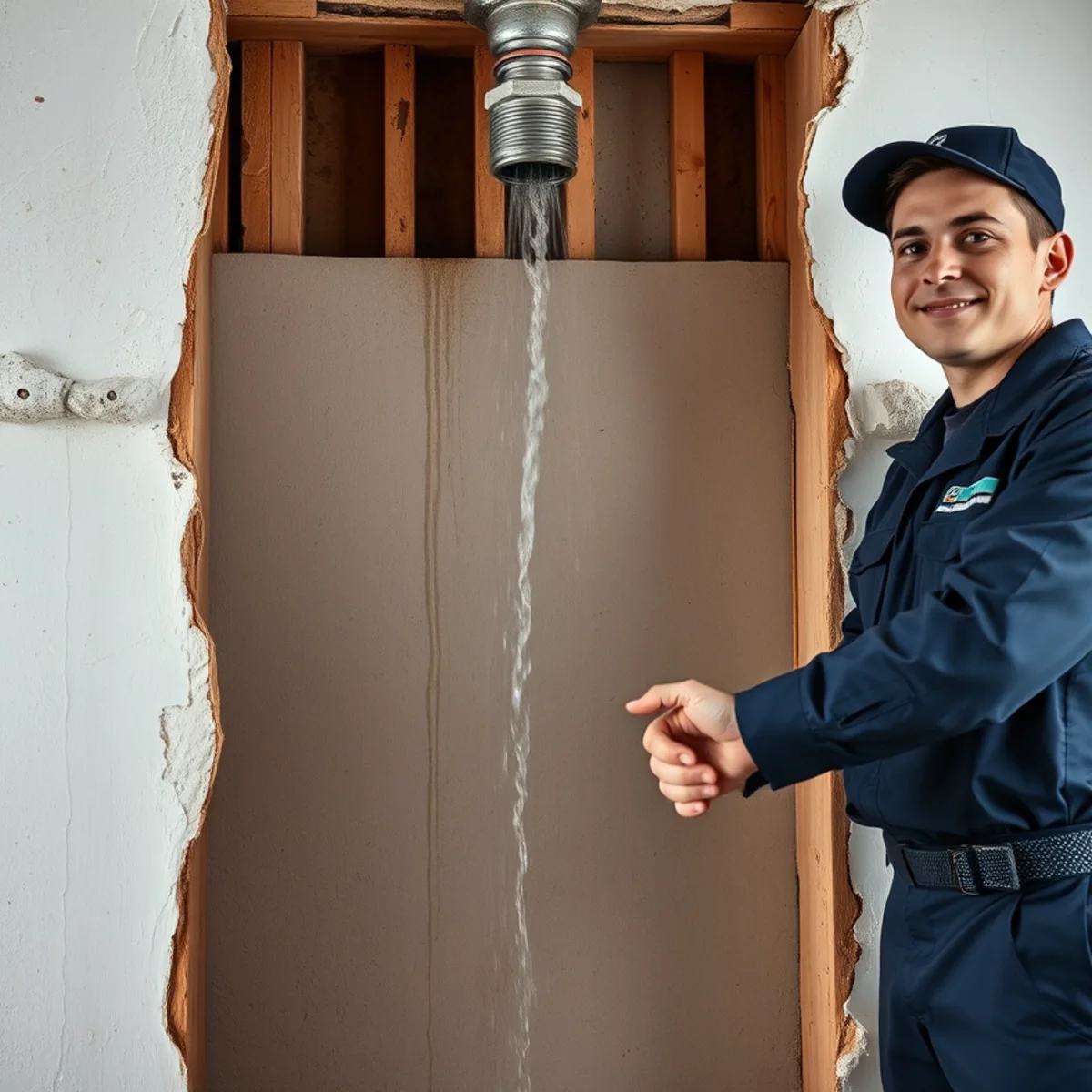 Emergency Response
7 min read
A half-inch supply line moves six to ten gallons a minute. Seven things worth doing while you wait — and three that make it worse.
Read article Berkeley Local
8 min read
A hundred-year-old house has a hundred-year-old plumbing system and a crawl space nobody has looked at. Both are fixable before they are urgent.
Read articleA live local dispatcher answers day or night, and we get a crew to most Berkeley addresses in 60 to 90 minutes. Free inspection, written estimate, and we bill your insurance directly.