Contents & Pack-Out
Your belongings inventoried, cleaned, and stored safely — including documents and photos most people assume are gone.
Learn more
24/7 Emergency
(201) 277-9344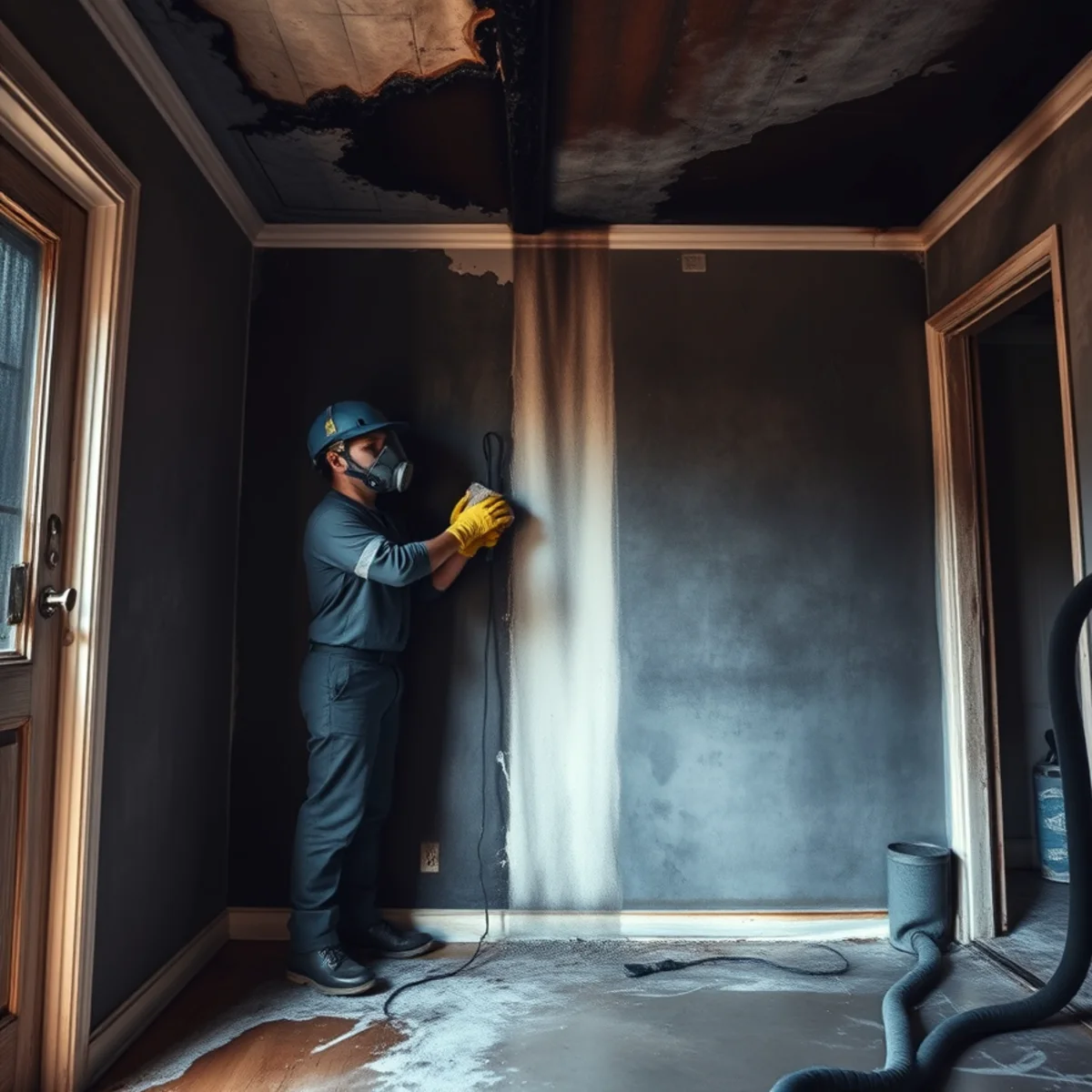
24/7 Emergency Service
The order matters. Water has to be extracted and the structure stabilized within hours, because a wet, soot-covered building grows mold on top of everything else. But soot is acidic and actively corroding metal, etching glass, and staining porous surfaces the entire time, so it cannot wait either.
We are a water restoration company first, which is a genuine advantage on a fire loss — the water half is usually the part that gets underestimated. We handle all three phases with one crew.
Warning Signs
Smoke follows air currents through the whole building, into closets, drawers, and the HVAC system.
From suppression. It is under everything, and it is now carrying soot and ash with it.
Odor molecules penetrate porous material — drywall, carpet, upholstery, wood. Surface cleaning does not remove it.
Soot is acidic. Left on chrome, electronics, or appliance finishes it causes permanent etching within days.
Another acidity effect, and another reason speed matters more than most people expect.
Framing that has lost cross-section needs engineering assessment before anything is rebuilt on it.
How It Works
Board-up, roof tarping, and shoring where needed. We do not enter until the fire department has released the scene and the structure is assessed.
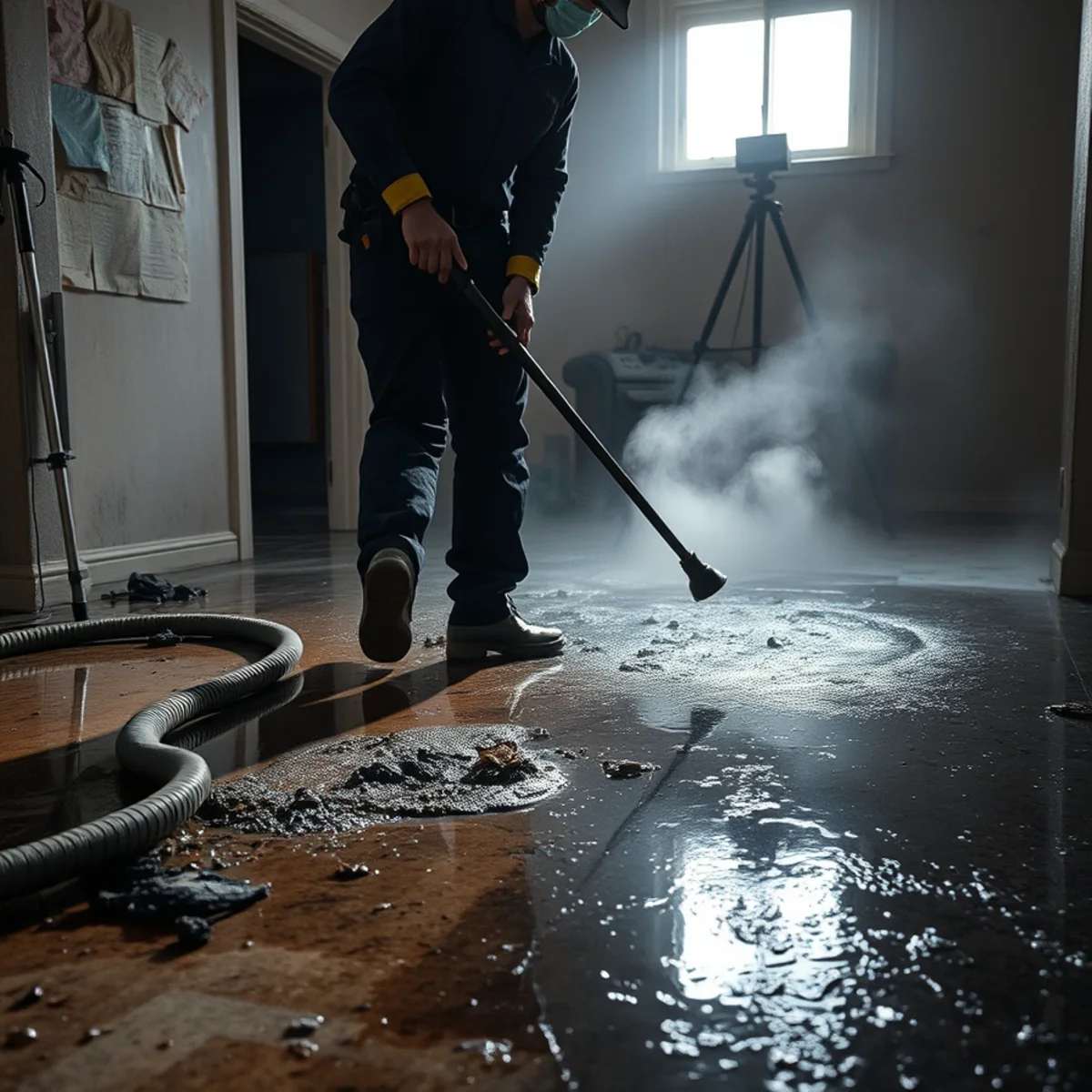
Suppression water comes out immediately. This runs in parallel with soot cleaning because the mold clock started the moment the hoses stopped.
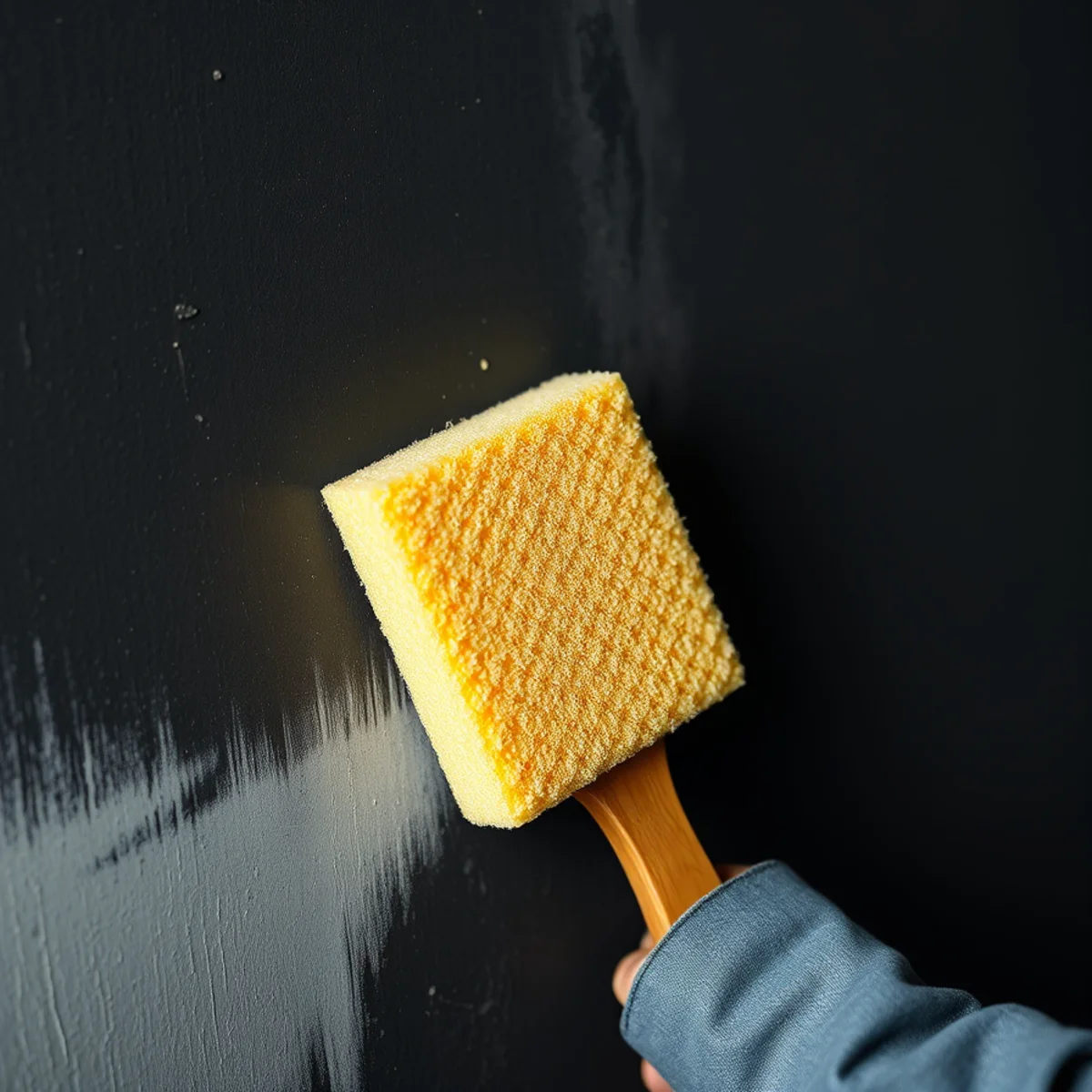
Dry soot from fast, high-oxygen fires is vacuumed and dry-sponged. Wet, greasy soot from smoldering fires needs solvent cleaning. Protein residue from a kitchen fire is nearly invisible and extremely pungent, and needs a different chemistry again. Using the wrong method drives soot into the surface permanently.
Charred framing, saturated soot-laden insulation, and porous finishes that have absorbed odor beyond cleaning.
Belongings are inventoried, and what can be saved goes off-site for specialized cleaning while the structure is worked on.
Hydroxyl generators and, where the space can be safely vacated, ozone. Thermal fogging for deep penetration into materials that held odor. HVAC ducts are cleaned — otherwise the system redistributes odor forever.
Remaining framing is sealed with a stain- and odor-blocking primer before it is closed up, then full reconstruction.
A single fire hose can deliver well over a hundred gallons a minute. A twenty-minute suppression effort routinely puts several thousand gallons into a house — far more water than any burst pipe we respond to.
That water goes everywhere gravity takes it: down through ceilings, into wall cavities, through the floor into the crawl space. And unlike a clean supply-line leak, it is carrying soot, ash, and whatever chemistry came off burning synthetics. It is contaminated water by definition.
What we see when a fire-only contractor handles the loss is a building that gets soot-cleaned beautifully and then grows mold in the walls six weeks later, because the drying phase was treated as an afterthought. On our jobs extraction and drying start the same day as soot cleaning, and the structure gets metered daily like any other water loss.
Odor returning weeks after a cleanup is the most common complaint in fire restoration, and it always comes down to a source that was never removed.
Smoke odor is not a film on a surface. Combustion produces microscopic particles and volatile compounds that penetrate porous material — the paper facing on drywall, the backing of carpet, upholstery foam, and the pores of unfinished wood in the attic and wall cavities. Cleaning the surface does nothing to material that has absorbed odor through its thickness.
Humidity is what brings it back. Porous material that holds odor compounds releases them faster when it is warm and damp, which in Berkeley means the first humid week after the work is done. If the source is still in the building, that is when you smell it.
The fix is unglamorous: remove what cannot be cleaned, clean everything that can be, seal the framing that stays, and clean the HVAC system so it is not recirculating. Ozone and fogging are finishing tools, not substitutes for removal.
Dry soot
Powdery, from fast high-oxygen fires. Dry-cleaning methods only — wetting it sets the stain.
Wet soot
Sticky and smeary, from low-oxygen smoldering fires. Needs solvent cleaning and a lot of patience.
Protein residue
From kitchen fires. Nearly invisible, discolours varnish and paint, and produces the most persistent odor of the three.
Fuel oil soot
From furnace puff-backs. Distributed through the entire duct system before anyone notices.
A fire loss is really two losses stacked on top of each other, and the reason many of these jobs go wrong is that the water half gets ignored while everyone focuses on the soot.
We handle the water the fire department left
Suppression can put thousands of gallons into a building. Soot cleaning on a structure that was never dried gives you a clean-looking house that grows mold inside the walls.
The right order, which is not the obvious one
Stabilise and dry, then clean soot, then address odor, then rebuild. Reversing any two of those steps means doing at least one of them twice.
Odor treated at the source
Smoke odor returns because residue was left in cavities, ductwork and porous material. Sealing over it works until the first warm humid week. We remove it and then seal.
One contract for a very long job
Fire jobs run months and involve contents, structure, odor and rebuild. Running that through one crew and one estimate is the difference between a schedule and a stalemate.
Honest Pricing
A small contained fire with heavy smoke distribution can cost more than a slightly larger fire that stayed put.
Whether soot reached one floor or the whole building including the ducts. This is usually the biggest surprise on a fire estimate.
Protein and wet soot take substantially more labor per square foot than dry soot.
A full water mitigation scope on top of the fire scope.
How much can be cleaned and restored versus replaced, and whether a pack-out is needed.
From drywall and paint through to framing, roof structure, and engineering.
Fire is covered by every standard homeowners policy, including smoke damage and the water used to extinguish it. Fire claims are also where loss-of-use coverage matters most — it pays for somewhere to live while the work is done. We document all three damage types separately so nothing gets missed in the settlement.
Questions
Not until the fire department releases it and the structure has been assessed. Beyond the obvious structural risk, soot is a respiratory irritant and the air can carry combustion products from burned synthetics. Do not sleep in the building until it has been cleared and cleaned.
In most cases, yes — but only by removing the materials that absorbed it rather than masking what is left. Odor that comes back after a cleanup means a source is still in the building, usually in insulation, subfloor, or the duct system.
Please do not. Using the wrong method on the wrong soot type drives it permanently into the surface, and something a professional could have cleaned becomes something that has to be replaced. Wiping wet soot with a damp cloth is the classic irreversible mistake.
Cleaning and deodorization of a contained fire is typically one to three weeks. Structural fires with significant rebuild run two to six months. We give you a phased schedule after the assessment.
They are inventoried, photographed, and evaluated item by item. What can be restored goes to our facility for specialized cleaning — ultrasonic for hard goods, textile processing for clothing, document drying for paper. What cannot be restored is documented for your claim.
What Neighbors Say
Sample content. These are illustrative examples, not customer reviews. Replace them with verified reviews from your Google Business Profile before launch — see src/data/testimonials.ts.
“A supply line let go in the upstairs bathroom of our 1920s place around midnight. Someone actually answered the phone, walked me to the shut-off in the dark, and had a crew here inside the hour. They saved the fir floors, which I had written off.”
“The crawl space had been wet for years and we had no idea. They found it, dried it, put in a vapor barrier, and explained exactly why our downspouts were the actual culprit. No upsell to anything we did not need.”
“Sewage backup in the downstairs unit during a storm. They set containment before touching anything, documented every step for the insurance company, and the claim went through without a single argument.”
Where We Provide This Service
Keep Reading
Your belongings inventoried, cleaned, and stored safely — including documents and photos most people assume are gone.
Learn moreEnd-to-end recovery from the first phone call to the final repaint — extraction, drying, sanitizing, and rebuild under one crew.
Learn moreEvery hour closed is revenue gone — we phase the work and run crews after hours to keep you trading.
Learn more Emergency Response
6 min read
Sometimes yes, sometimes absolutely not. The four risks that decide it — and what your policy pays for if you have to leave.
Read article Insurance & Cost
8 min read
The short answer: sudden and accidental, yes. Gradual and surface water, no. The long answer is where every denied claim lives.
Read articleA live local dispatcher answers day or night, and we get a crew to most Berkeley addresses in 60 to 90 minutes. Free inspection, written estimate, and we bill your insurance directly.