Storm Damage Restoration
Emergency tarping and board-up the same night, then the full repair once the weather clears.
Learn more
24/7 Emergency
(201) 277-9344
24/7 Emergency Service
Under the IICRC standard, floodwater is Category 3 — grossly contaminated — from the moment it enters your home. That changes everything about how the cleanup is done. Porous materials that absorbed it do not get dried and saved; they get removed. Surfaces do not get wiped; they get cleaned and disinfected under containment.
We handle flood cleanup across Berkeley, with particular experience in the West Berkeley flats, the Marina and Aquatic Park corridor, and the hillside neighborhoods where storm runoff concentrates against foundations.
Warning Signs
Under a door, through a garage, up through a floor drain. If it came in during heavy rain, it is storm water and it is contaminated.
When the system is at capacity, water reverses. In the flats this is the most common flooding mechanism we respond to.
Runoff coming down a slope hits a house broadside, gets past a retaining wall or a clogged area drain, and enters through the downhill wall or crawl space.
Often discovered weeks later by smell. Standing water under a house does not evaporate — it humidifies the whole floor above it.
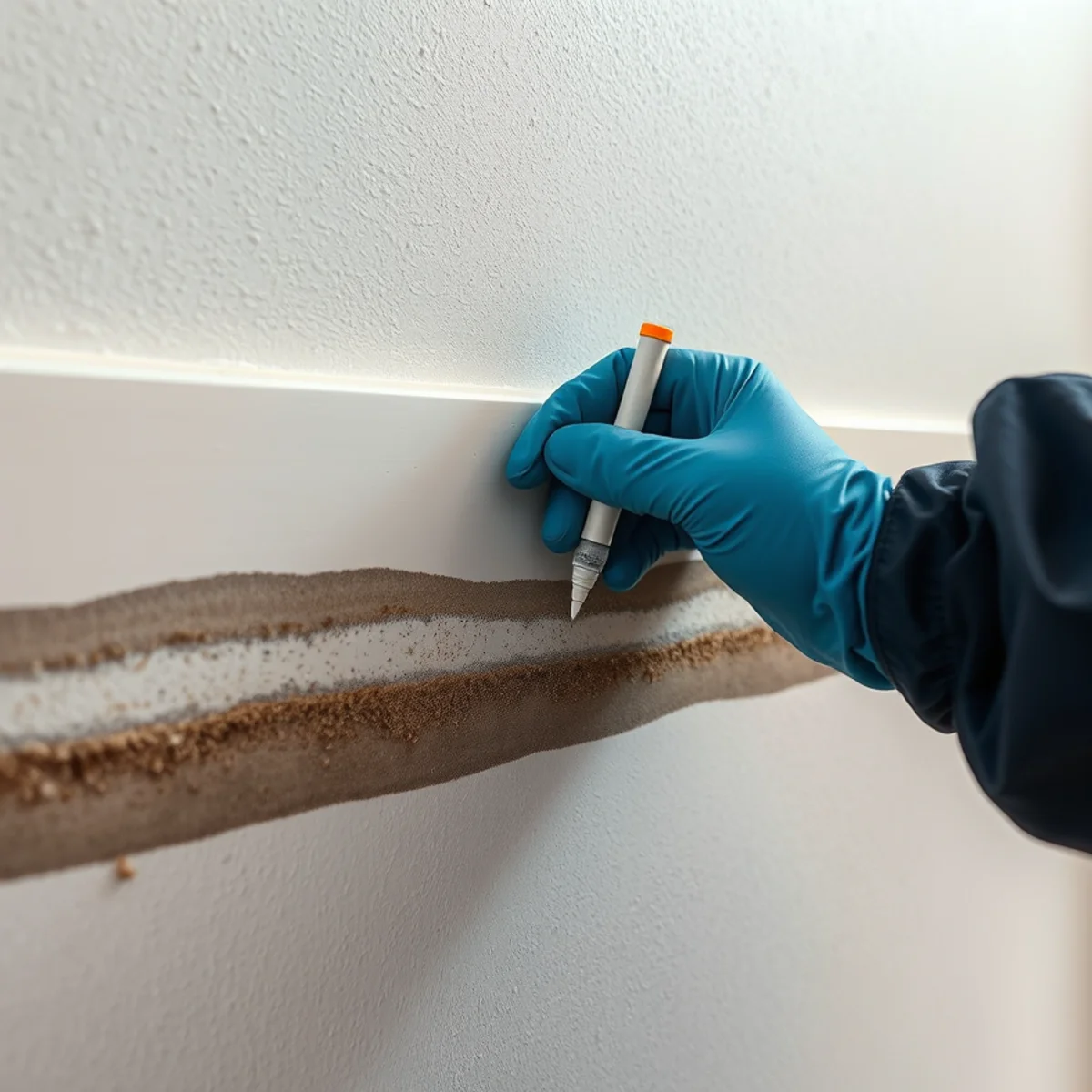
The high-water mark on a wall or a fine layer of grit on the floor tells us exactly how deep it got and what came in with it.
Combined-system overflow or a backed-up lateral. Stop using water in the house and call immediately.
How It Works
Electrical, structural, and contamination. We do not send anyone into standing water on a live circuit, and we check whether a saturated ceiling is about to come down.
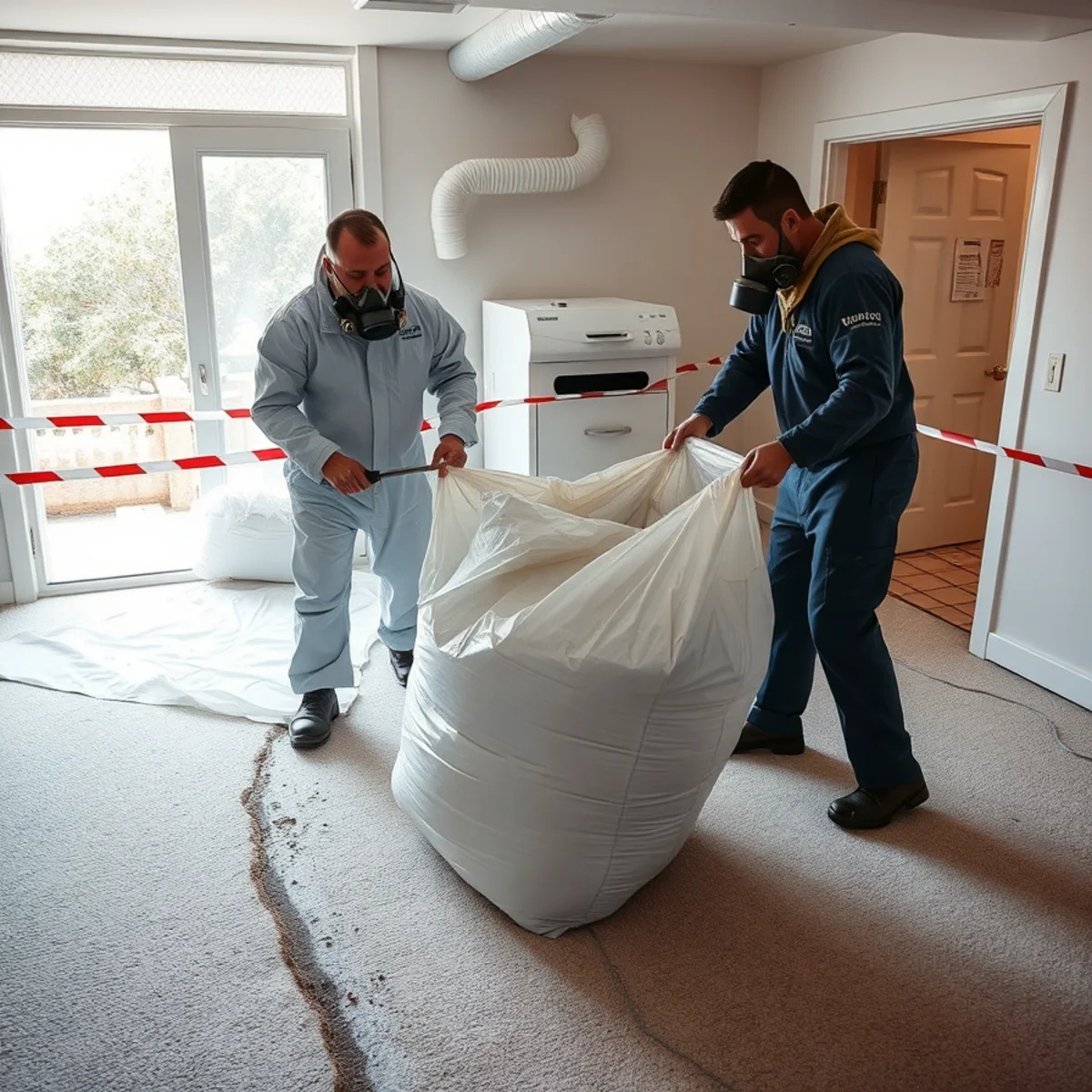
Affected areas are isolated from clean areas with poly barriers, and negative air pressure keeps contaminated air from migrating into the rest of the house. Crews work in full protective equipment.
Submersible pumps clear standing water; extractors take the rest. Silt and debris are removed by hand while the surface is still wet — it is far harder once it dries.
Carpet, pad, insulation, particleboard, and the affected height of drywall come out and are disposed of as contaminated waste. This is not negotiable on Category 3 water.
Framing, subfloor, and remaining surfaces are cleaned, then treated with EPA-registered antimicrobials. HEPA air scrubbers run throughout.
Only after decontamination. Air movers and dehumidifiers bring framing and subfloor back to the moisture content of unaffected areas, verified daily.
Insulation, drywall, flooring, trim, and paint. Where it makes sense, we rebuild with more flood-resilient materials at the base of the wall.
The city sits on a slope that runs from the Bay up into the hills, and water behaves very differently at each elevation.
The flats and West Berkeley are low, flat, and built over what used to be marsh and creek outflow. The water table is high, the storm system drains slowly under load, and there is nowhere for surface water to go but into buildings. Around the Marina and Aquatic Park, elevation and tide combine — a king tide during a storm means the storm drains have nothing to drain into.
The hills flood by velocity rather than volume. Rain that falls on a steep, partly paved slope arrives fast and concentrated. It finds the low point of a driveway, overtops a clogged area drain, and goes into a garage or a downhill crawl space. The flash flooding on Centennial Drive in November 2024 was exactly this pattern.
Berkeley also has creeks running under it. Strawberry Creek and several of its neighbors were culverted decades ago, and during a heavy event those culverts run full. Homes built along the old creek alignments — many of them in Central and South Berkeley — sit above a channel most owners do not know exists.
This is the conversation nobody wants to have after the fact, so we will have it now: a standard California homeowners policy excludes flood. Rising water, surface water, storm surge, and water backing up from an overwhelmed drain are all typically outside the policy.
What is often covered is water that entered through a storm-created opening — wind tore off shingles and rain came through the roof, for example. And sewage backup is sometimes covered by a specific endorsement you may or may not have.
We document the point of entry and the mechanism carefully, because that distinction is what determines coverage. If you are in a mapped flood zone — and a large share of properties near the Berkeley Marina are — separate NFIP or private flood coverage is worth pricing out before the next rainy season.
Covered, usually
Storm-created opening in the roof or wall; a burst pipe; a failed water heater or appliance.
Excluded, usually
Surface flooding, rising groundwater, and storm-drain backup — unless you carry flood coverage or a backup endorsement.
Argued about
Long-term seepage and anything a carrier can characterize as deferred maintenance. Documentation decides these.
Flood work is different from a burst pipe in one decisive way: ground and storm water is contaminated the moment it enters, so it is a Category 3 job from the first minute. That changes who you should let in the door.
We treat it as Category 3 from the start
Containment, PPE and HEPA filtration as standard, not as an upsell once somebody gets sick. Porous material that sat in floodwater comes out rather than getting dried and hoped over.
We know which Berkeley floods, and why
The flats tide-lock and back up through storm drains; the hills deliver runoff and hydrostatic pressure against foundations. Same rainfall, two different jobs, and we scope them differently.
Storm-night capacity
Atmospheric rivers do not produce one call, they produce fifty. We staff for the season rather than telling you Thursday, and we will give you an honest position in the queue on the phone.
We document for the coverage fight you may have
Flood exclusions turn on cause and mechanism. Dated photographs, moisture mapping and a written cause narrative from day one are what decide a disputed claim months later.
Honest Pricing
Category 3 protocol means containment, PPE, HEPA filtration, and regulated disposal. That is labor and equipment a clean-water job does not need.
Porous material that absorbed floodwater cannot be saved. The higher the water got, the more comes out.
Storm water leaves sediment behind. Hand-cleaning it out of framing and floor joists is slow work.
Confined-space work is slower, and saturated soil under a house holds moisture long after the standing water is gone.
Replacing builder-grade baseboard is not the same as matching 1920s fir trim.
If you have flood coverage, we handle the claim documentation the same way we do a standard carrier claim. If you do not, we will give you a written estimate up front and phase the work so the urgent decontamination happens first.
Questions
Treat it as contaminated. Ground and storm water carries bacteria, chemical runoff from streets, and often sewage from an overwhelmed system. Keep kids and pets out of it, do not walk through it in open shoes, and wash thoroughly if you do come into contact.
Hard, non-porous items usually clean up fine — tile, sealed concrete, metal, solid wood furniture, glassware. Porous items that soaked in floodwater generally do not: carpet, pad, mattresses, upholstered furniture, particleboard, and insulation. Documents and photographs can sometimes be saved through freeze-drying if we get to them fast.
Twenty-four to forty-eight hours in the right conditions, and floodwater plus a Berkeley winter is exactly the right conditions. That window is why we push to get decontamination and drying started the same day.
Yes, and this is the most expensive assumption people make after a flood. Receding water leaves the contamination behind — silt, sewage bacteria and whatever the storm drain carried — dried into carpet pad, wall cavities and crawl-space soil, where it becomes airborne once the house warms up. It also leaves framing and subfloor at moisture levels that will grow mold within days. What looks like a cleanup job is really a decontamination job, and it needs meters and containment rather than a mop and an open window.
A standard policy excludes flood. Separate NFIP or private flood coverage handles rising and surface water; some carriers offer a sewer-and-drain backup endorsement. We will document the entry point and mechanism precisely, since that is what your adjuster will base the decision on.
What Neighbors Say
Sample content. These are illustrative examples, not customer reviews. Replace them with verified reviews from your Google Business Profile before launch — see src/data/testimonials.ts.
“A supply line let go in the upstairs bathroom of our 1920s place around midnight. Someone actually answered the phone, walked me to the shut-off in the dark, and had a crew here inside the hour. They saved the fir floors, which I had written off.”
“The crawl space had been wet for years and we had no idea. They found it, dried it, put in a vapor barrier, and explained exactly why our downspouts were the actual culprit. No upsell to anything we did not need.”
“Sewage backup in the downstairs unit during a storm. They set containment before touching anything, documented every step for the insurance company, and the claim went through without a single argument.”
Where We Provide This Service
Keep Reading
Emergency tarping and board-up the same night, then the full repair once the weather clears.
Learn moreThe space nobody looks at, humidifying the whole house from below — pumped, dried, and sealed properly.
Learn moreCategory 3 water handled the way it has to be — containment, PPE, HEPA filtration, and verified decontamination.
Learn more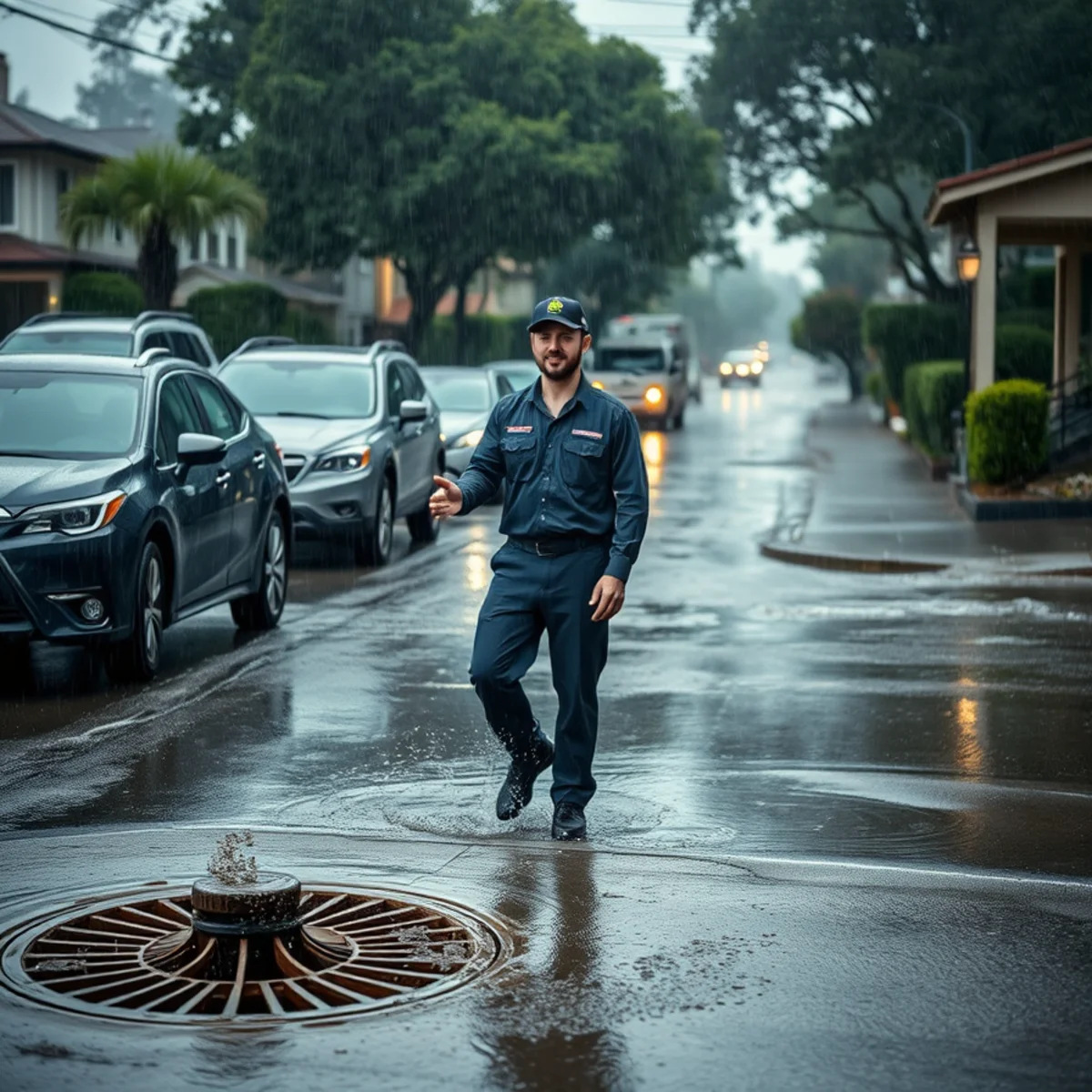 Berkeley Local
7 min read
It is not the wind. It is a month of rain in thirty-six hours arriving on ground that is already full — and three different failure modes across one city.
Read article Berkeley Local
7 min read
An afternoon in October prevents most of what we get called about in January. Here is the list, in order of value.
Read articleA live local dispatcher answers day or night, and we get a crew to most Berkeley addresses in 60 to 90 minutes. Free inspection, written estimate, and we bill your insurance directly.