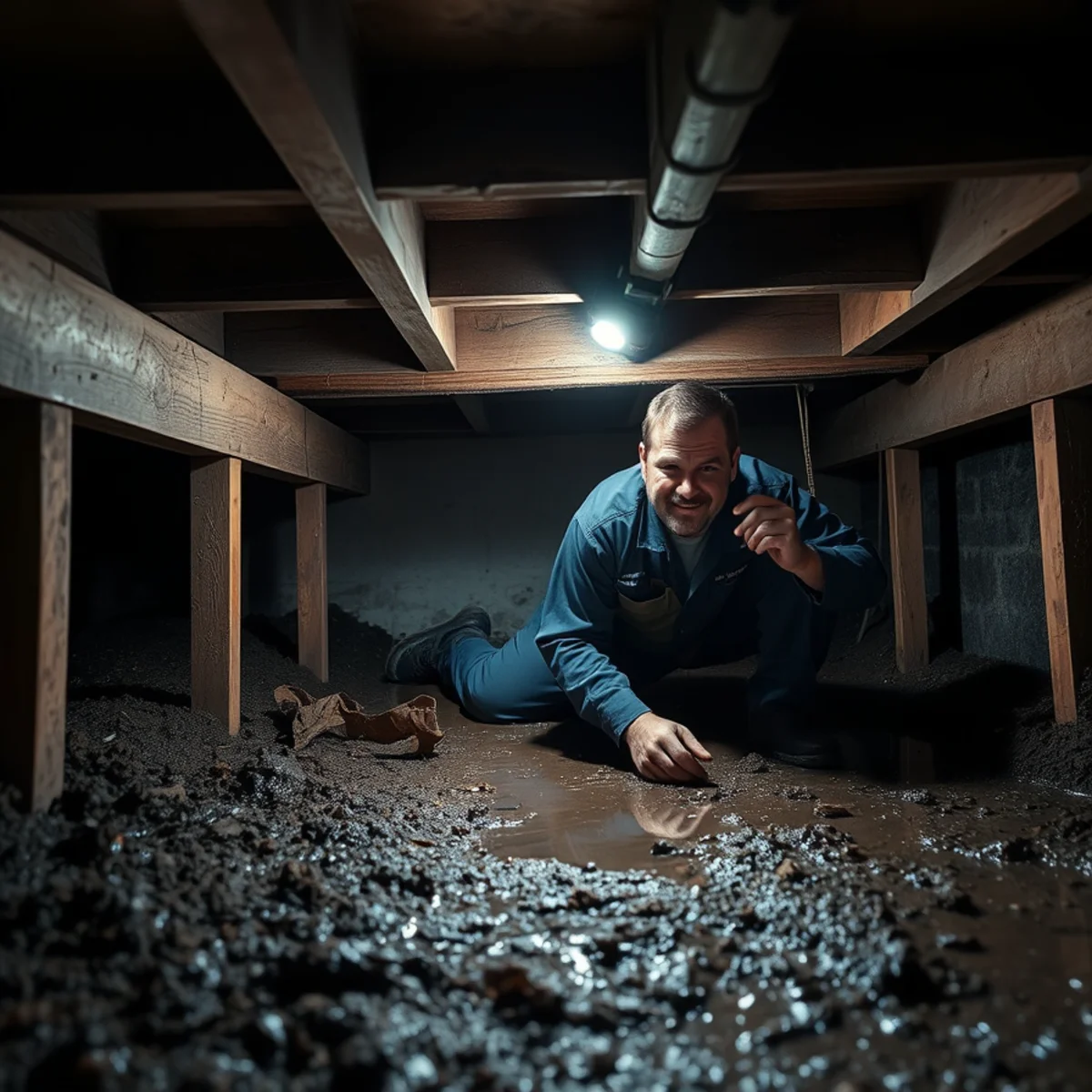
Crawl Space & Basement Water
The space nobody looks at, humidifying the whole house from below — pumped, dried, and sealed properly.
Learn more
24/7 Emergency
(201) 277-9344
San Pablo Park · 24/7 Emergency Service
It is a neighborhood of small early-twentieth-century bungalows and cottages on regular lots, and its water problems come almost entirely from being low and level rather than from anything dramatic.
We are down Sacramento or Dwight in twelve to twenty minutes.
The defining condition is elevation and gradient — or the lack of both. Surface water here has nowhere to run to, so during sustained heavy rain it ponds at street level and waits for the storm system to catch up. When that system is already running at capacity, water reverses and comes up through low fixtures and floor drains.
The water table sits high enough that crawl spaces in this neighborhood stay damp through the wet season with no leak involved at all. Ground moisture evaporates continuously into the floor structure above, which is why so much of the mold we remediate here started under the house rather than in it.
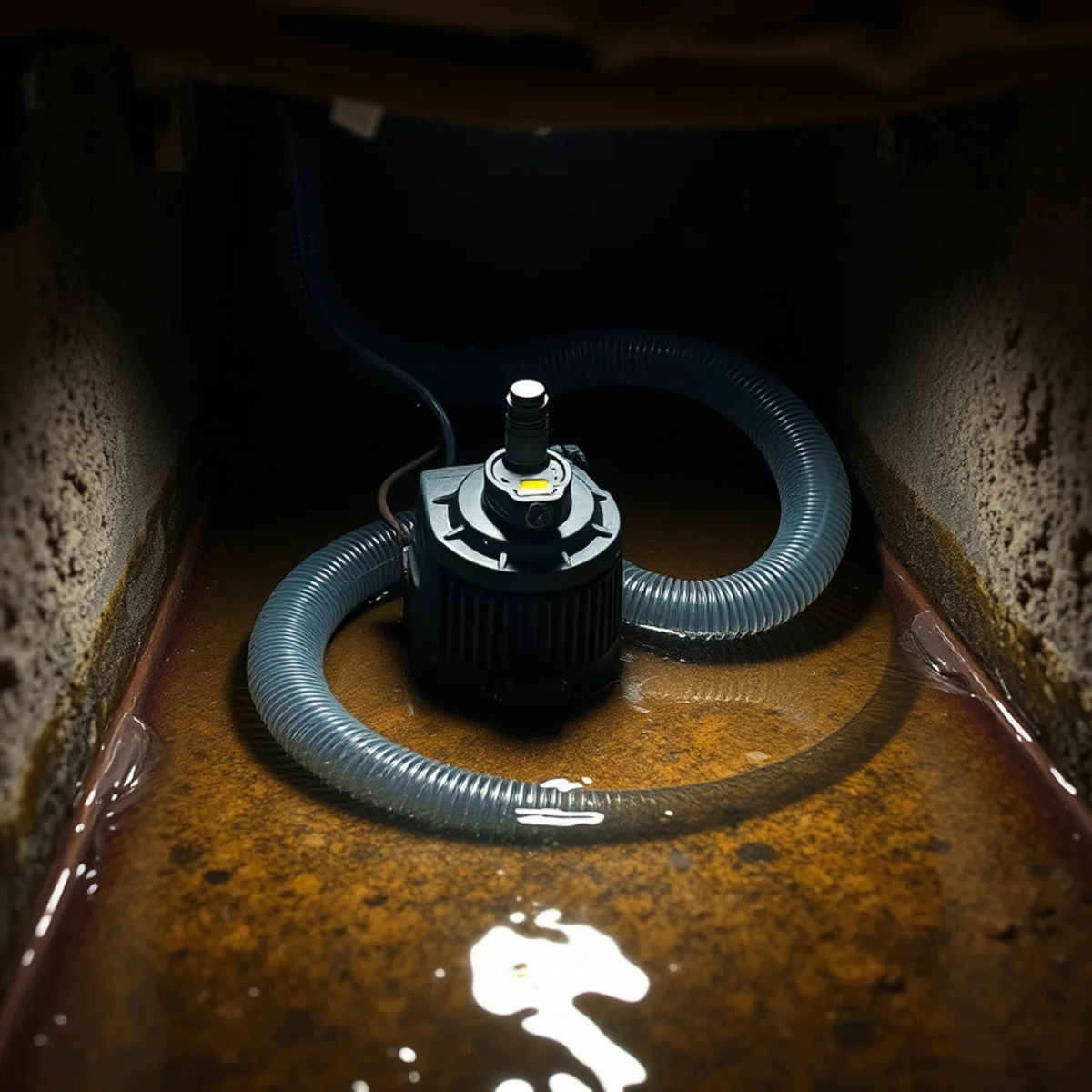
That has a practical consequence: standing water under a house in this neighborhood will not drain away on its own. It needs a pump.
Above ground it is the standard pre-war Berkeley picture — galvanized supply pipe at end of life and clay laterals under mature street trees.
The housing is mostly 1900s through 1930s: modest bungalows and cottages, single storey, on raised foundations with very shallow crawl spaces — often eighteen to twenty-four inches of clearance.
Low clearance adds real labor hours to any below-grade work, but it does not change the approach. The fix for a chronically damp crawl space here is the same one it is everywhere in the flats: a heavy polyethylene vapor barrier sealed across the soil, overlapped, taped and run up the stem walls, plus downspouts extended at least five feet from the foundation. On the persistently wet ones, full encapsulation with a dedicated dehumidifier is what actually ends the problem.
A vapor barrier over bare crawl-space soil is the single highest-value preventive item on a house in this neighborhood, and it is not an expensive one.
Interiors are plaster over lath with narrow-board fir floors, dried patiently and repaired in kind.
Flat ground and shallow crawl spaces define this neighbourhood. Water that arrives has nowhere to drain to and very little room underneath the house to sit before it reaches the structure.
Flat ground drains slowly or not at all
Without gradient, storm water pools and finds the lowest opening rather than running off. Discharge and grading matter more here than in almost any other part of Berkeley.
Shallow crawl spaces reach the framing fast
With little clearance under these bungalows, standing water and saturated soil are close enough to the joists to affect them immediately.
Street flooding is contaminated water
Water that has crossed a street or come from a storm drain is Category 3. That changes the protocol regardless of how clean it looks.
Twelve to twenty minutes down Sacramento or Dwight
A quick direct run at any hour, with low-profile equipment for the tight crawl spaces here.
Areas and landmarks we cover in and around San Pablo Park:
Local Questions
The water table. The ground here sits close enough to the surface that soil moisture evaporates into the crawl space continuously through the wet season. A sealed vapor barrier over the soil cuts most of it; full encapsulation with a dedicated dehumidifier ends it. Neither requires touching your plumbing.
Not by a standard homeowners policy — surface and rising water are excluded, and that generally includes storm drain backup. Separate NFIP or private flood coverage handles it, and an inexpensive water backup endorsement covers sewer and drain reversal. In this part of Berkeley both are worth pricing.
Usually not under a standard homeowners policy, because it is surface water and that exclusion is close to universal in California. Separate flood coverage responds to it, and a sewer and drain backup endorsement covers the related scenario where a storm drain backs up into the house — that one is often inexpensive and, given how flat this neighbourhood is, worth asking your agent about specifically. Regardless of coverage, treat the water itself as contaminated: anything that has crossed a street or come through a drain is Category 3 and should not be cleaned up without containment.
It is the ground rather than a failure. On flat, low-lying land the soil beneath these bungalows stays close to saturated through the wet season, and with no vapour barrier over it that moisture evaporates straight upward into the joists and subfloor. The clearance under most houses here is shallow, so there is very little distance between wet soil and structural timber. The results are consistent: elevated framing moisture, musty ground-floor air, mold on the underside of the floor, and eventually cupping in the boards. A sealed barrier, corrected discharge, and on the worst spaces a dedicated dehumidifier resolve it.
Services in San Pablo Park
The space nobody looks at, humidifying the whole house from below — pumped, dried, and sealed properly.
Learn more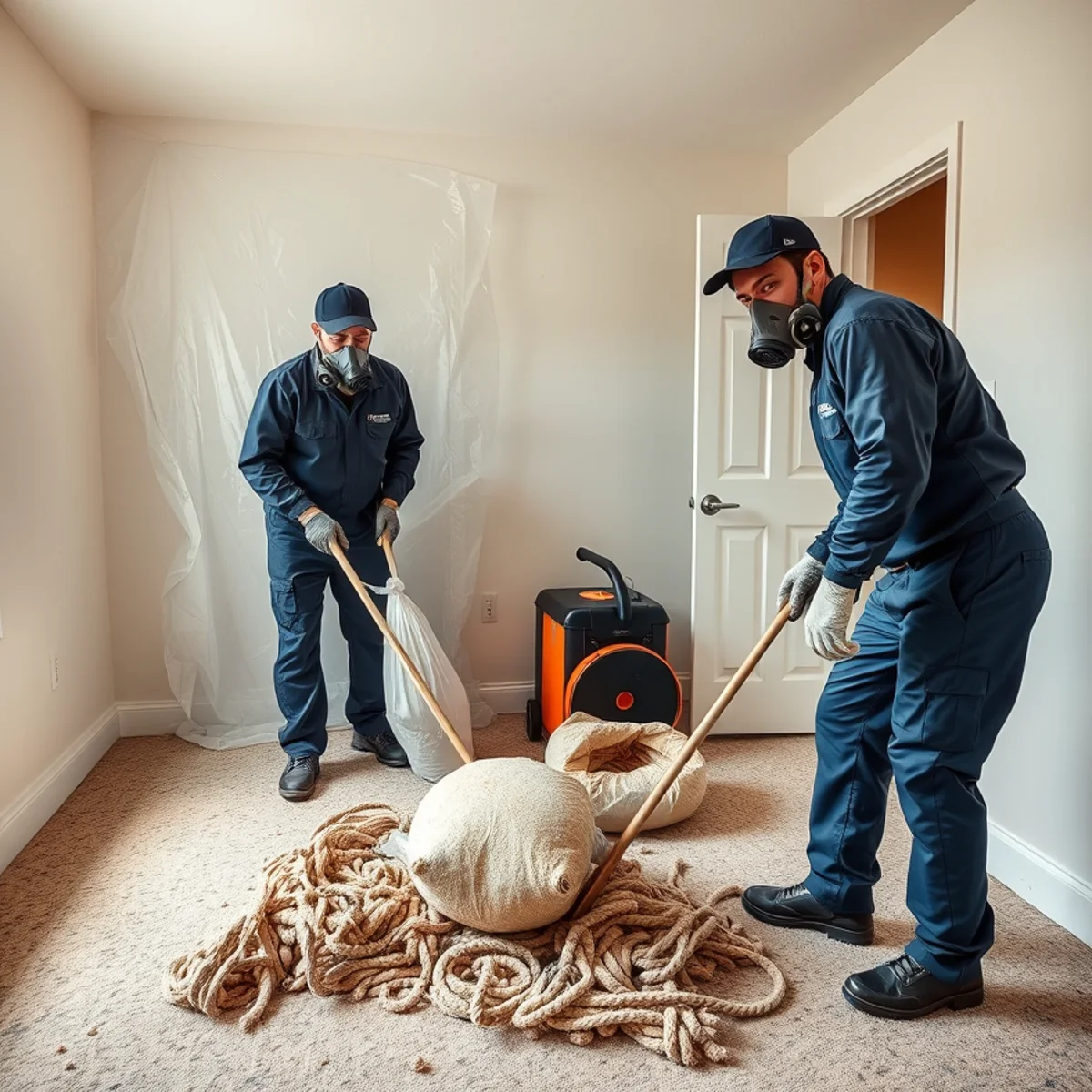
Ground and storm water is contaminated by definition — we clean it to Category 3 protocol, not like a spilled bathtub.
Learn more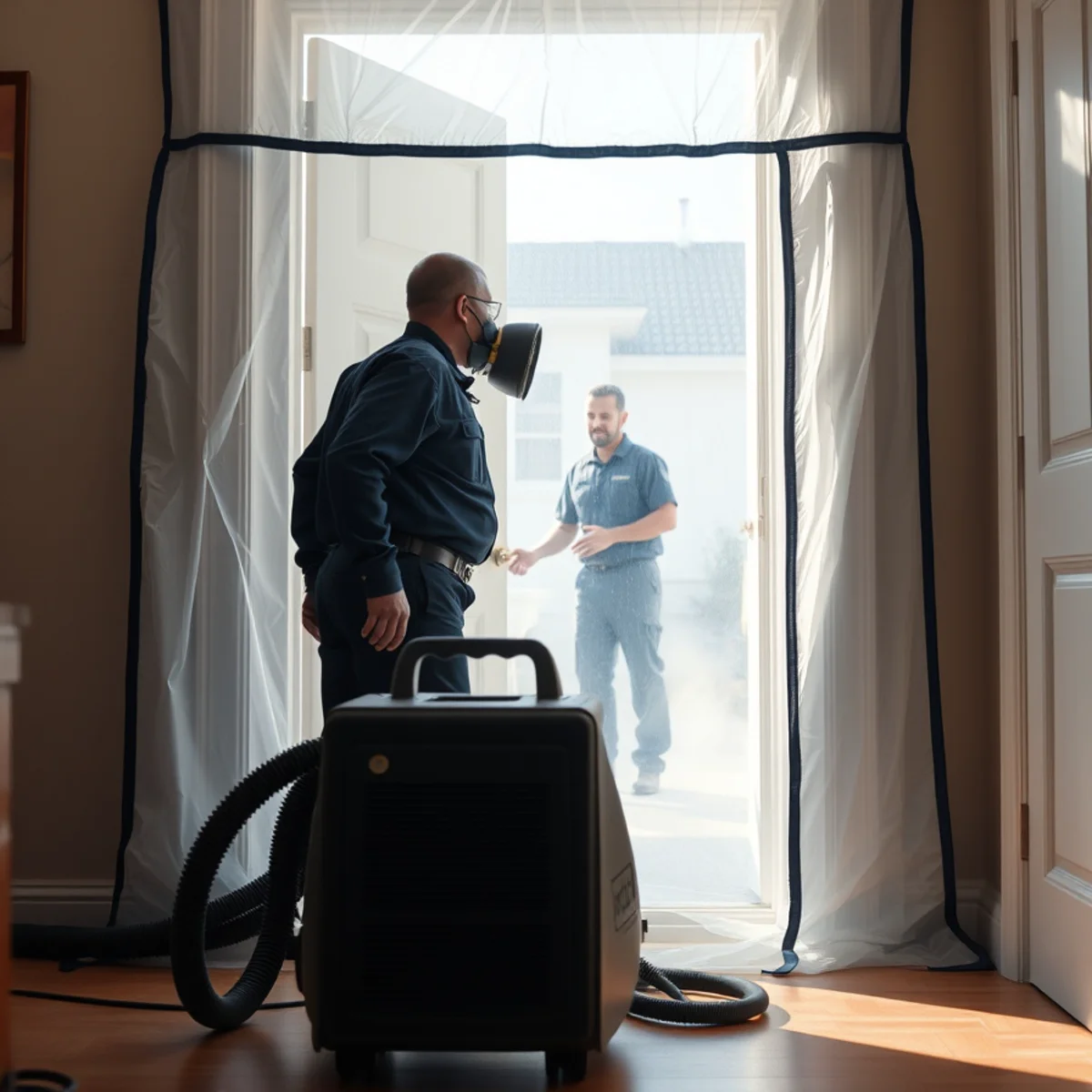
Find it, contain it, remove it — and fix the moisture source, or it comes straight back.
Learn moreCategory 3 water handled the way it has to be — containment, PPE, HEPA filtration, and verified decontamination.
Learn moreEnd-to-end recovery from the first phone call to the final repaint — extraction, drying, sanitizing, and rebuild under one crew.
Learn moreThe classic Berkeley failure — hundred-year-old galvanized pipe letting go behind a wall at 2 a.m.
Learn moreWhat Neighbors Say
Sample content. These are illustrative examples, not customer reviews. Replace them with verified reviews from your Google Business Profile before launch — see src/data/testimonials.ts.
“A supply line let go in the upstairs bathroom of our 1920s place around midnight. Someone actually answered the phone, walked me to the shut-off in the dark, and had a crew here inside the hour. They saved the fir floors, which I had written off.”
“The crawl space had been wet for years and we had no idea. They found it, dried it, put in a vapor barrier, and explained exactly why our downspouts were the actual culprit. No upsell to anything we did not need.”
“Sewage backup in the downstairs unit during a storm. They set containment before touching anything, documented every step for the insurance company, and the claim went through without a single argument.”
Keep Exploring
Typically 12–20 minutes down Adeline or Shattuck.
94703
View areaTypically 12–20 minutes straight down University.
94710 · 94702
View areaTypically 12–20 minutes down Shattuck or Sacramento.
94703 · 94702 · 94705
View area Berkeley Local
8 min read
A hundred-year-old house has a hundred-year-old plumbing system and a crawl space nobody has looked at. Both are fixable before they are urgent.
Read article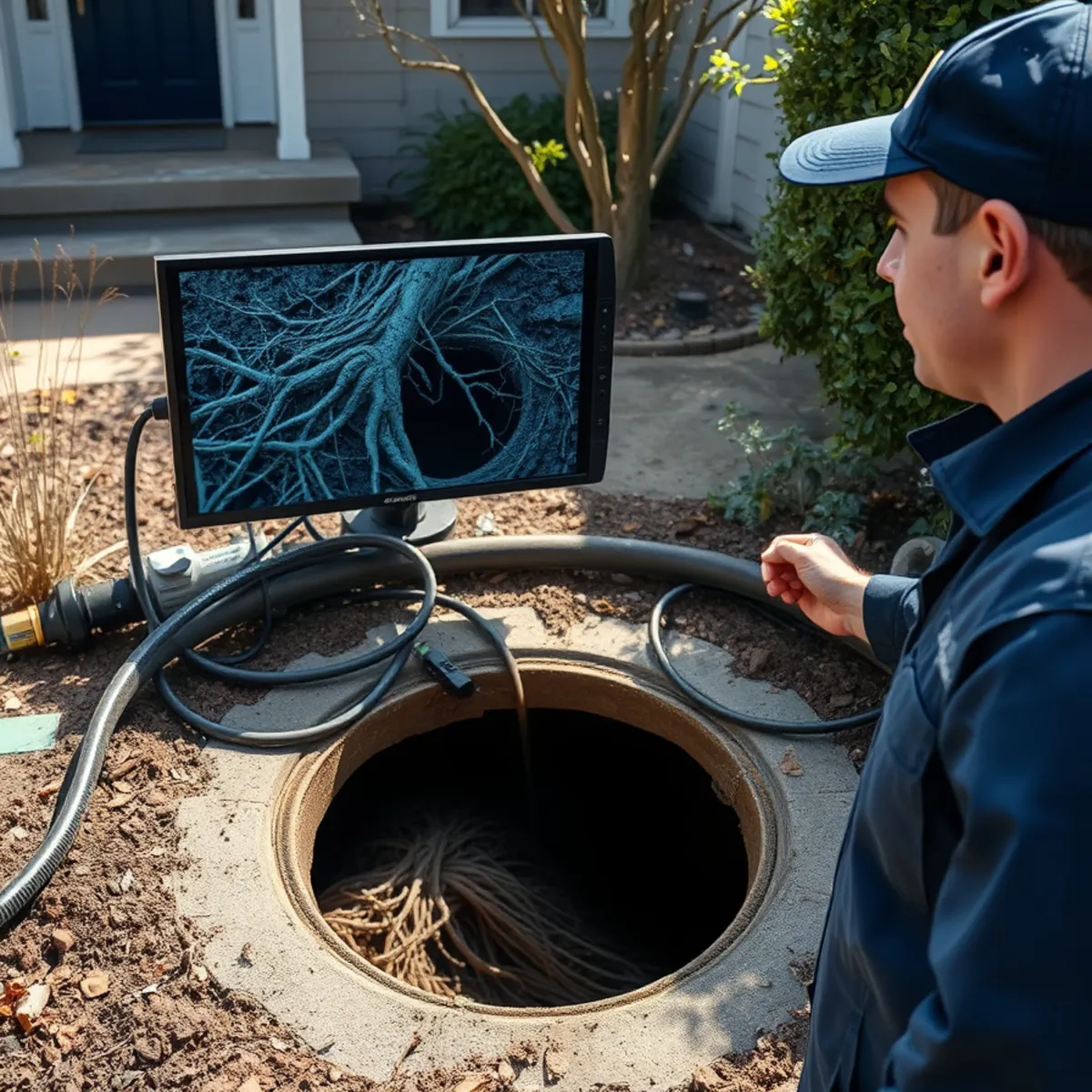 Berkeley Local
6 min read
Most Berkeley homeowners learn that the lateral is theirs on the worst possible day. Here is what to know before that day.
Read articleTypically 12–20 minutes down Sacramento or Dwight. A live local dispatcher answers day or night. Free inspection, written estimate, and we bill your insurance directly.