Flood Damage Cleanup
Ground and storm water is contaminated by definition — we clean it to Category 3 protocol, not like a spilled bathtub.
Learn more
24/7 Emergency
(201) 277-9344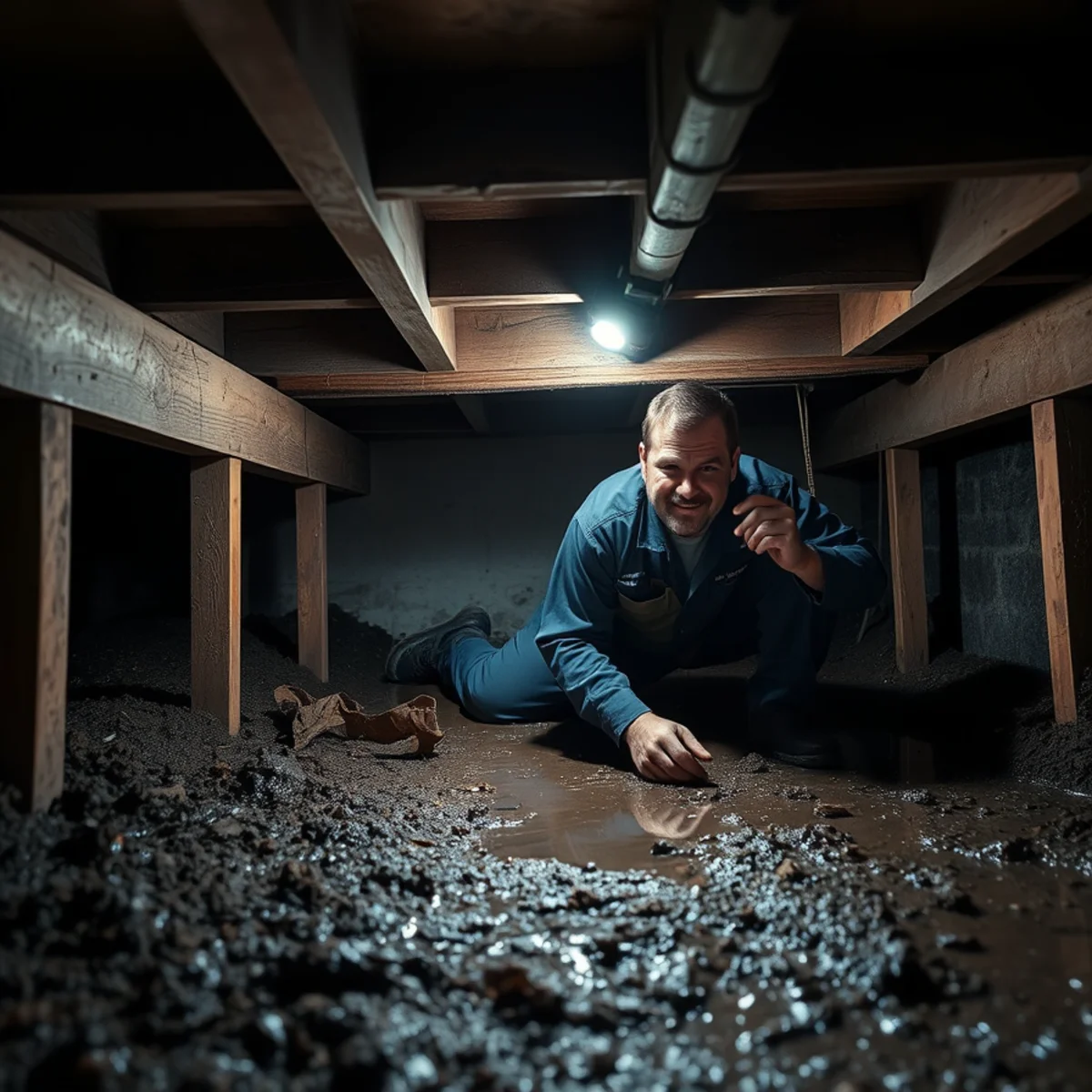
24/7 Emergency Service
That matters more than most owners realize, because of the stack effect: air enters a house low and exits high, which means a meaningful share of the air you breathe upstairs passed through the crawl space first. A wet crawl space is not an isolated problem down there — it is a humidity source for the entire structure, and it is where we find the majority of the mold in this city.
We pump out standing water, dry the structure properly, and fix the reason it was wet: drainage, vapor barrier, ventilation, or all three.
Warning Signs
Especially near floor vents, closets on exterior walls, or at the bottom of a staircase. Crawl space air rising into living space.
Wet insulation between joists loses R-value. Soft spots mean the subfloor is deteriorating from below.
Moisture coming from underneath. Boards absorb from the bottom face and curl upward at the edges.
A hygrometer reading consistently above 60% indoors during the wet season usually points down, not out.
A white crystalline crust on concrete or brick. It is mineral left behind as water passes through the masonry.
If you have looked and there is water, or the dirt is dark and soft, it has probably been that way for a while.

How It Works
Confined space protocol. We check for gas lines, live wiring in water, and structural conditions before anyone goes under.
Submersible pumps clear standing water; extractors take the rest. Saturated debris, fallen insulation, and organic material come out.
Groundwater intrusion, a plumbing failure, downspouts discharging against the foundation, a failed area drain, or hillside runoff. Each has a different fix.
Wet fiberglass between joists holds water against your subfloor indefinitely and provides no insulation value. It comes out.
Air movers plus dehumidification in the confined space. Soil takes far longer than framing and drives the schedule.
Joists, subfloor underside, and posts are cleaned and treated. Below-grade wood almost always has some growth by the time we are called.
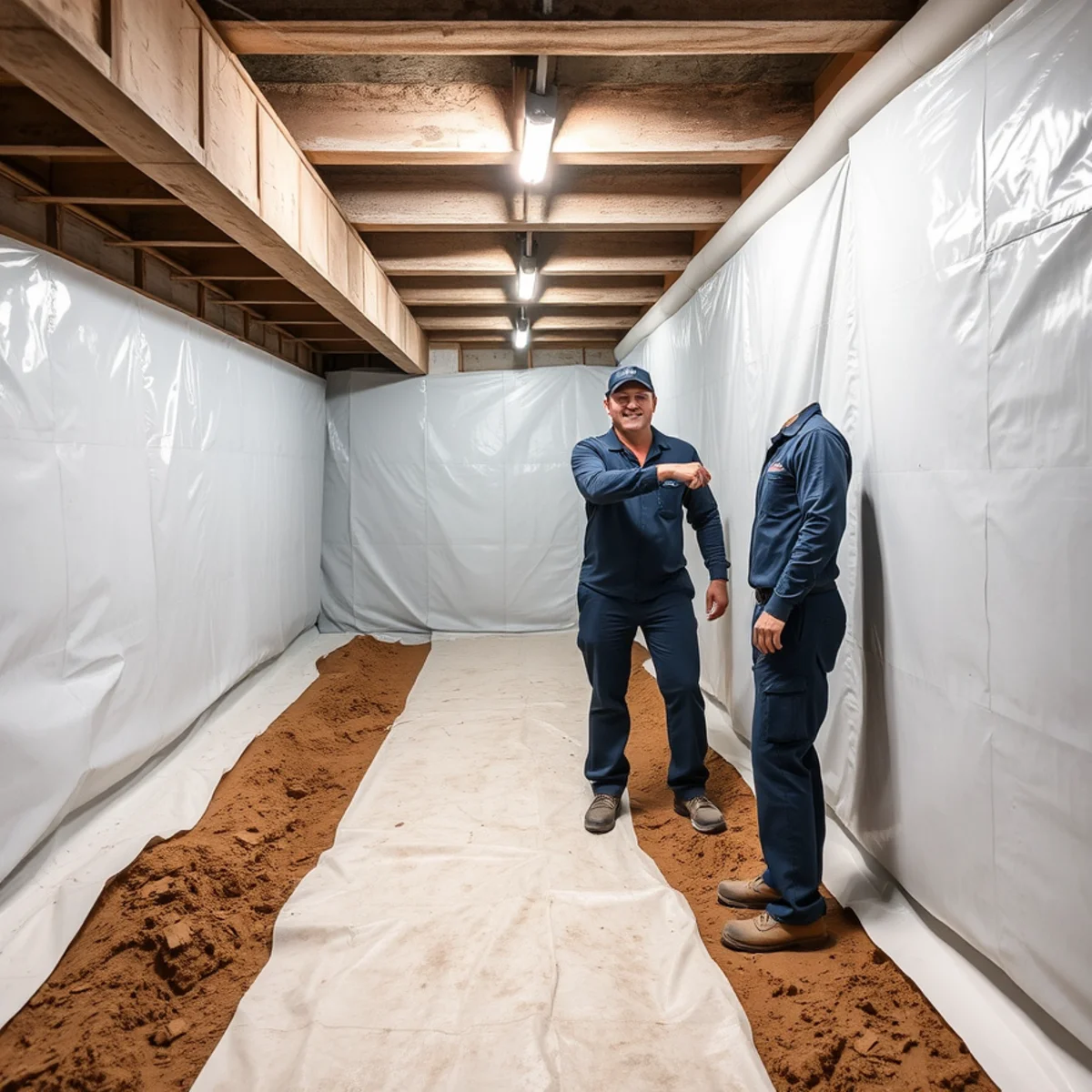
Heavy poly sealed across the soil and up the stem walls cuts ground moisture at the source. Full encapsulation with a conditioning dehumidifier is the durable answer on chronically wet crawl spaces.
Regrading, extending downspouts, clearing or adding area drains, French drains, or a sump with a battery backup — whatever the site actually calls for.
Berkeley's topography splits below-grade water into two failure modes, and the fix is different for each.
In the hills, the enemy is hydrostatic pressure and runoff. A house cut into a slope has an uphill wall holding back saturated soil, and during a wet week that soil exerts real pressure against the foundation. Water finds the cold joint, a form-tie hole, or a crack, and comes through. Add roof runoff and driveway sheet flow that concentrates at the uphill side, and a Claremont or Cragmont crawl space can take on water in a single storm.
In the flats and West Berkeley, the enemy is the water table. Low elevation, historic marshland, and a shallow water table mean that in a wet winter the ground water level can simply rise to meet the underside of your house. Nothing is leaking — the water is already there. That is a drainage and encapsulation problem, sometimes with a sump, not a sealing problem.
Hillside fixes
Uphill surface drainage, French drain, downspout extension away from the foundation, retaining wall weep maintenance.
Flatland fixes
Vapor barrier, encapsulation, dedicated crawl space dehumidification, sump pump with battery backup.
Both
Downspouts must discharge at least five feet from the foundation. This one cheap fix solves a surprising share of the calls we get.
Older Berkeley crawl spaces were built vented, on the theory that outside air would carry moisture away. In a mild coastal climate that theory partly backfires — during the wet season and marine-layer mornings the outside air being drawn in is often more humid than the crawl space air, and it condenses on cool surfaces under the house.
A vapor barrier — heavy polyethylene laid across the soil, overlapped, taped, and run up the stem walls — is the minimum. Bare dirt in a Berkeley crawl space can release gallons of water vapor per day into the structure. Sealing it costs relatively little and has an outsized effect on the humidity of the whole house.
Full encapsulation goes further: barrier on floor and walls, vents sealed, and a dedicated dehumidifier conditioning the space. On a chronically damp crawl space, or on any hillside house that has had repeated moisture problems, it is the fix that actually holds.
Crawl spaces are the part of the house nobody inspects and every contractor quotes differently, largely because most of them never actually go all the way in. What you are buying here is somebody willing to crawl the whole footprint and tell you the truth about it.
We crawl the whole space, not the hatch
Full-perimeter inspection with readings on soil, framing and subfloor. Half the problems in Berkeley crawl spaces sit in the far corner nobody has looked at since the house was built.
Hills and flats get different fixes
Hillside water is hydrostatic pressure and uphill runoff — it needs drainage and grading. Flatland water is a high water table and tide-locked storm drains — it needs a pump and a barrier. Prescribing the wrong one wastes your money.
We treat it as a whole-house air problem
A wet crawl space humidifies every room above it through the floor. That is why it shows up as musty bedrooms and cupping floors long before anyone thinks to open the hatch.
Honest about encapsulation
It is the right answer for a chronically wet space and an expensive one for a space that needs a downspout extension. We will tell you which you have.
Honest Pricing
A four-foot crawl space is manageable. An eighteen-inch one triples the labor hours for the same square footage.
Pumping is quick. Drying saturated soil is the long pole — it can add days.
Groundwater and sewer-adjacent intrusion is Category 3, which adds containment and disposal requirements.
Wet insulation, ductwork, and any deteriorated subfloor or joist that has to be sistered or replaced.
A vapor barrier is modest. Full encapsulation with a dedicated dehumidifier, or exterior drainage work, is a larger investment that permanently ends the problem.
Insurance usually covers sudden below-grade water from a plumbing failure. Groundwater intrusion and seepage are typically excluded as flood or maintenance — but the drying and mold prevention may still be worth doing on your own dime, because the alternative is joist replacement later.
Questions
Yes, more than most people expect. Because of the stack effect, a large share of your indoor air originates down there. Standing water under a house raises humidity throughout the building, feeds mold on the joists and subfloor, and over time degrades the wood your floors sit on.
Longer than a room upstairs. Framing dries in three to five days; saturated soil can take a week or more even with dedicated equipment. Confined air volume and limited access are what stretch it.
Usually yes. Most Berkeley crawl spaces run somewhere between about eighteen inches and three feet, and our technicians work in that range routinely with low-profile equipment and flexible ducting rather than standard-height air movers. Where access genuinely will not allow it — a sealed slab section, or a space blocked by later ductwork or a foundation retrofit — we will tell you on the inspection and price the access work separately rather than discovering it halfway through and issuing a change order.
If your water is groundwater rising from below rather than surface water coming in, a sump with a battery backup is usually the right answer. If it is surface water — runoff, downspouts, a failed area drain — fix the drainage first, because a sump treating a drainage problem runs forever.
On a chronically damp Berkeley crawl space, yes. It ends ground-moisture evaporation permanently, drops whole-house humidity, improves floor comfort, and removes the conditions that produce recurring mold. On a dry crawl space that flooded once from a burst pipe, a vapor barrier is plenty.
What Neighbors Say
Sample content. These are illustrative examples, not customer reviews. Replace them with verified reviews from your Google Business Profile before launch — see src/data/testimonials.ts.
“A supply line let go in the upstairs bathroom of our 1920s place around midnight. Someone actually answered the phone, walked me to the shut-off in the dark, and had a crew here inside the hour. They saved the fir floors, which I had written off.”
“The crawl space had been wet for years and we had no idea. They found it, dried it, put in a vapor barrier, and explained exactly why our downspouts were the actual culprit. No upsell to anything we did not need.”
“Sewage backup in the downstairs unit during a storm. They set containment before touching anything, documented every step for the insurance company, and the claim went through without a single argument.”
Where We Provide This Service
Keep Reading
Ground and storm water is contaminated by definition — we clean it to Category 3 protocol, not like a spilled bathtub.
Learn moreFind it, contain it, remove it — and fix the moisture source, or it comes straight back.
Learn moreMetered, documented drying to a real dry standard — not a fan in the corner and a guess about Thursday.
Learn more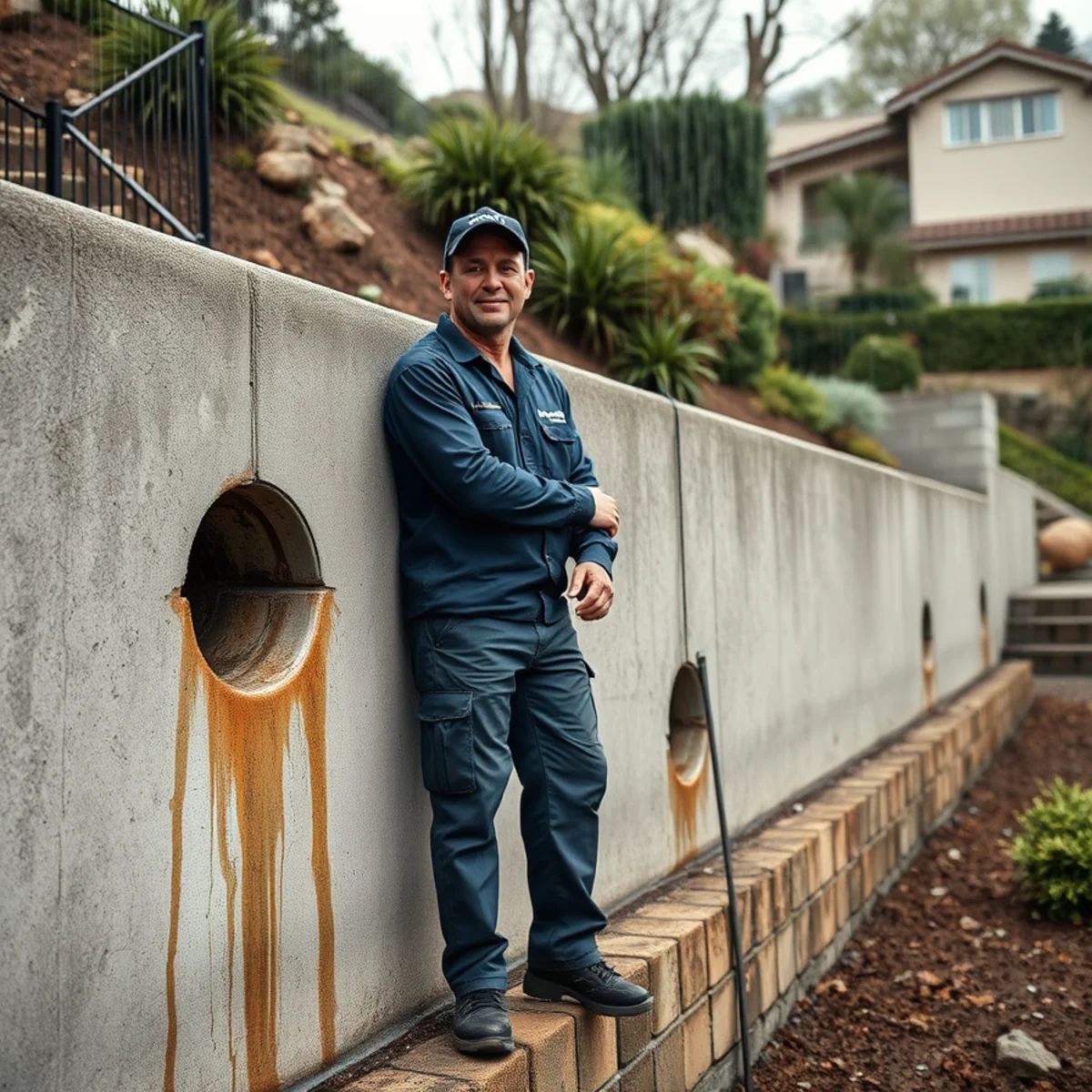 Berkeley Local
7 min read
Sealing the wall from inside does not work. Here is what is actually pushing water through your foundation, and where the fix lives.
Read article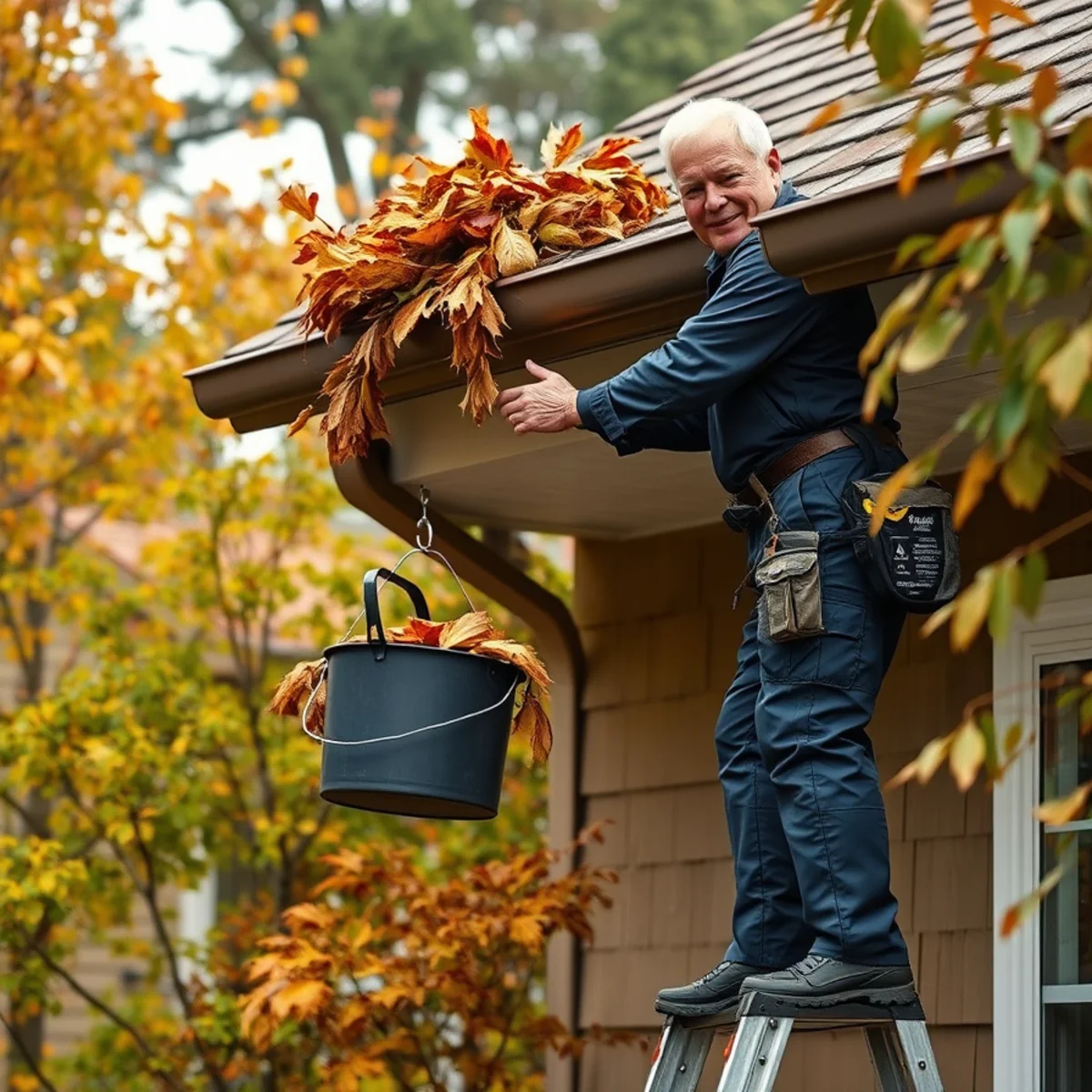 Berkeley Local
7 min read
An afternoon in October prevents most of what we get called about in January. Here is the list, in order of value.
Read articleA live local dispatcher answers day or night, and we get a crew to most Berkeley addresses in 60 to 90 minutes. Free inspection, written estimate, and we bill your insurance directly.