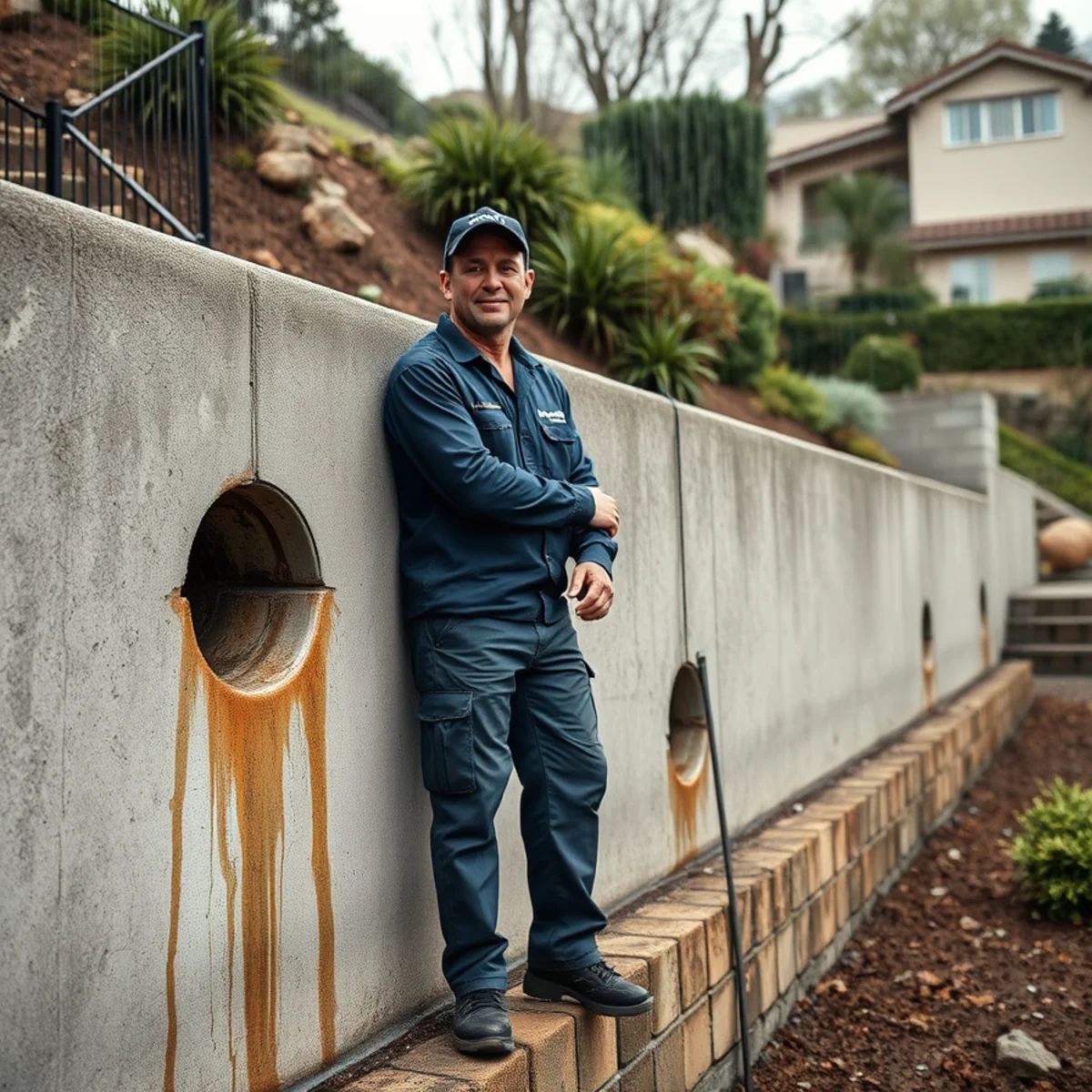

Berkeley's brown-shingle and Craftsman houses are the reason a lot of people live here. Deep eaves, unpainted shingle siding, old-growth Douglas fir floors, three-coat plaster, built-in benches and buffets — the kind of material and craft nobody builds with any more.
They also come with a hundred-year-old plumbing system, a vented crawl space full of bare dirt, and a set of failure modes we see week after week. Both parts of that are true, and the second part is manageable if you know what to look at.
The plumbing is the main event
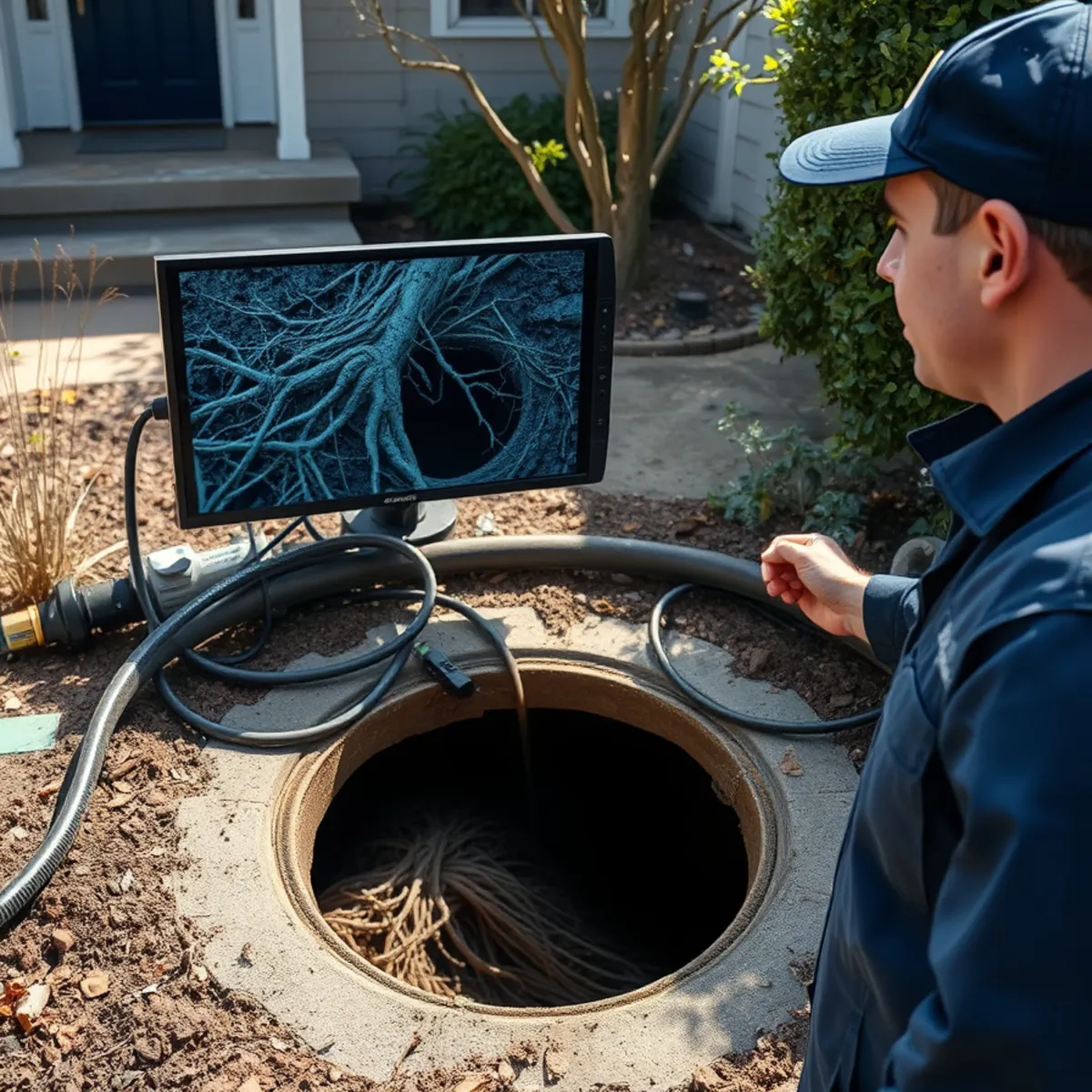
Houses built before roughly 1960 were plumbed with galvanized steel supply pipe, and Berkeley's pre-war neighborhoods — Elmwood, Northbrae, Thousand Oaks, the Lorin District, most of the flats — are almost entirely in that band.
Galvanized pipe was zinc-coated to resist corrosion. The coating lasts decades and then it does not. Once bare steel meets water it rusts from the inside, building scale that restricts flow and thinning the pipe wall until pressure finds the weakest point. Rated service life is around fifty years. A lot of Berkeley's is now pushing eighty or a hundred.
It gives you warning, and the warning is easy to miss because it develops so slowly.
- Water pressure that has gotten worse over the years. Corrosion narrowing the bore. A half-inch line passing water like a quarter-inch one.
- Rusty or brown water after the house has sat overnight. That is the inside of your pipe.
- Banging pipes when a valve closes. Water hammer works old threaded joints loose over time.
- Visible flaking, scale, or green crust at a joint on exposed pipe in the basement, garage, or crawl space.
If two or more of those are true, the plumbing is telling you what is coming. Repiping on your schedule costs a fraction of repiping after a 2 a.m. failure takes out a plaster ceiling and an original fir floor. PEX is what we recommend for these houses — it is flexible enough to route through existing cavities without opening every wall.

The crawl space is the quiet one
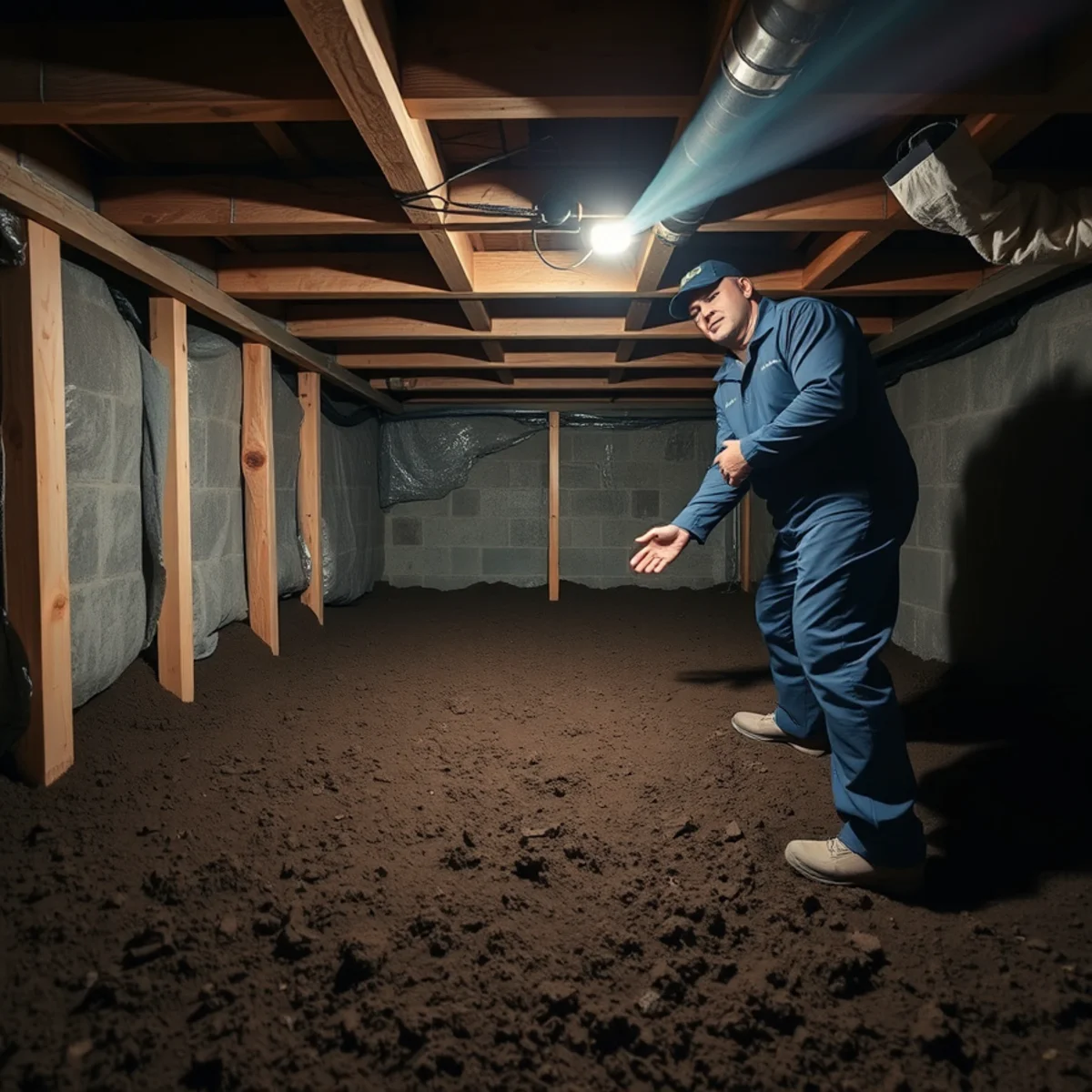
Nearly every pre-war Berkeley house sits on a raised foundation over a vented crawl space with bare soil. It is the least-visited part of the building and the most consistently damp — and because of the stack effect, a meaningful share of the air you breathe upstairs passed through it first.
Bare soil in a crawl space releases a large volume of water vapor into the structure continuously through the wet season. No leak required. It is where most of the mold we remediate in this city originates, and it is why a house can smell musty with no history of a water event at all.
The fix is a sealed vapor barrier — heavy poly across the soil, overlapped, taped, and run up the stem walls. It is not expensive and its effect on whole-house humidity is disproportionate to the cost. On chronically wet crawl spaces, full encapsulation with a dedicated dehumidifier is the durable answer.
The envelope: shingles, eaves, and gutters
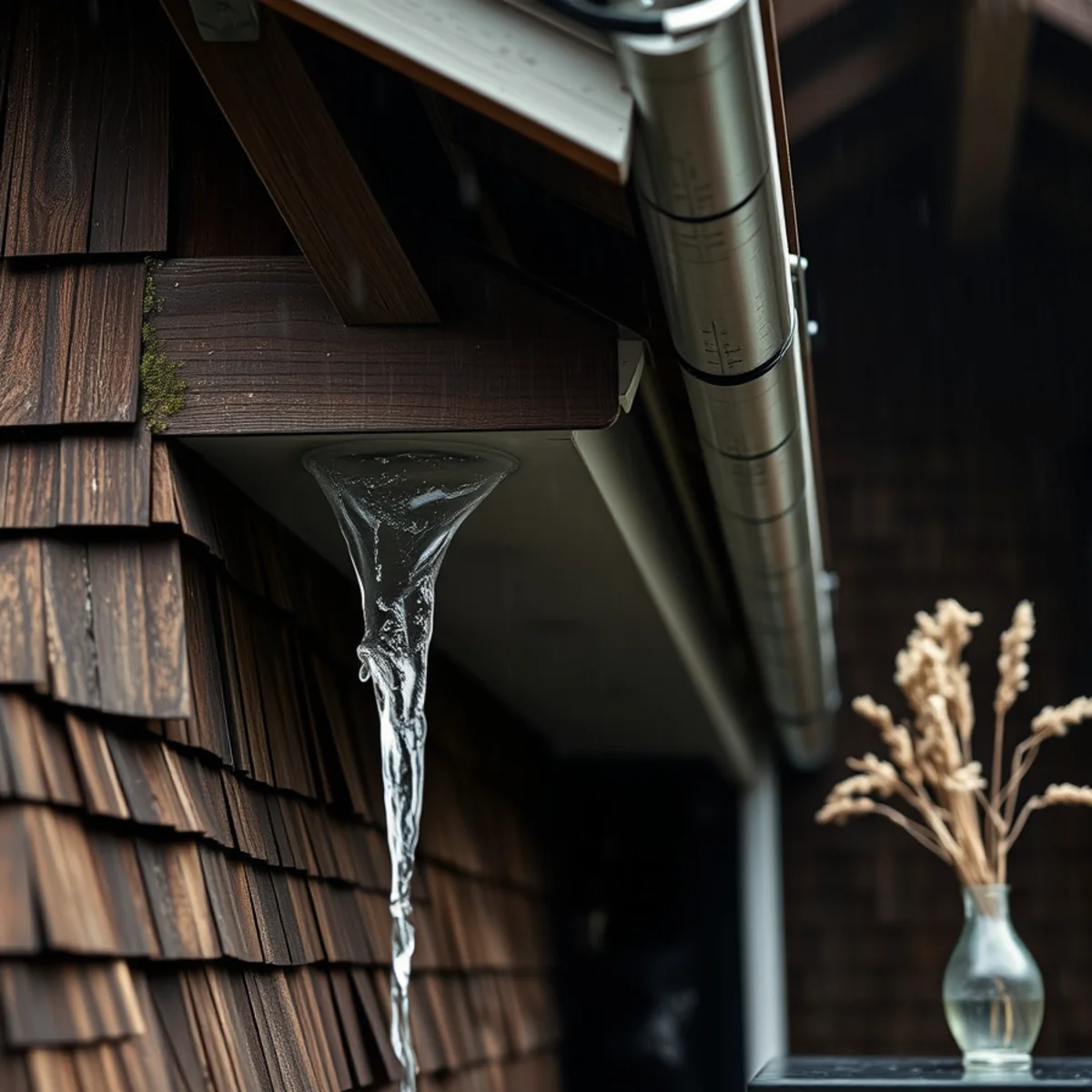
The deep eaves on these houses are genuinely functional — they throw water away from the walls, which is a large part of why unpainted shingle siding has survived a century of Berkeley winters.
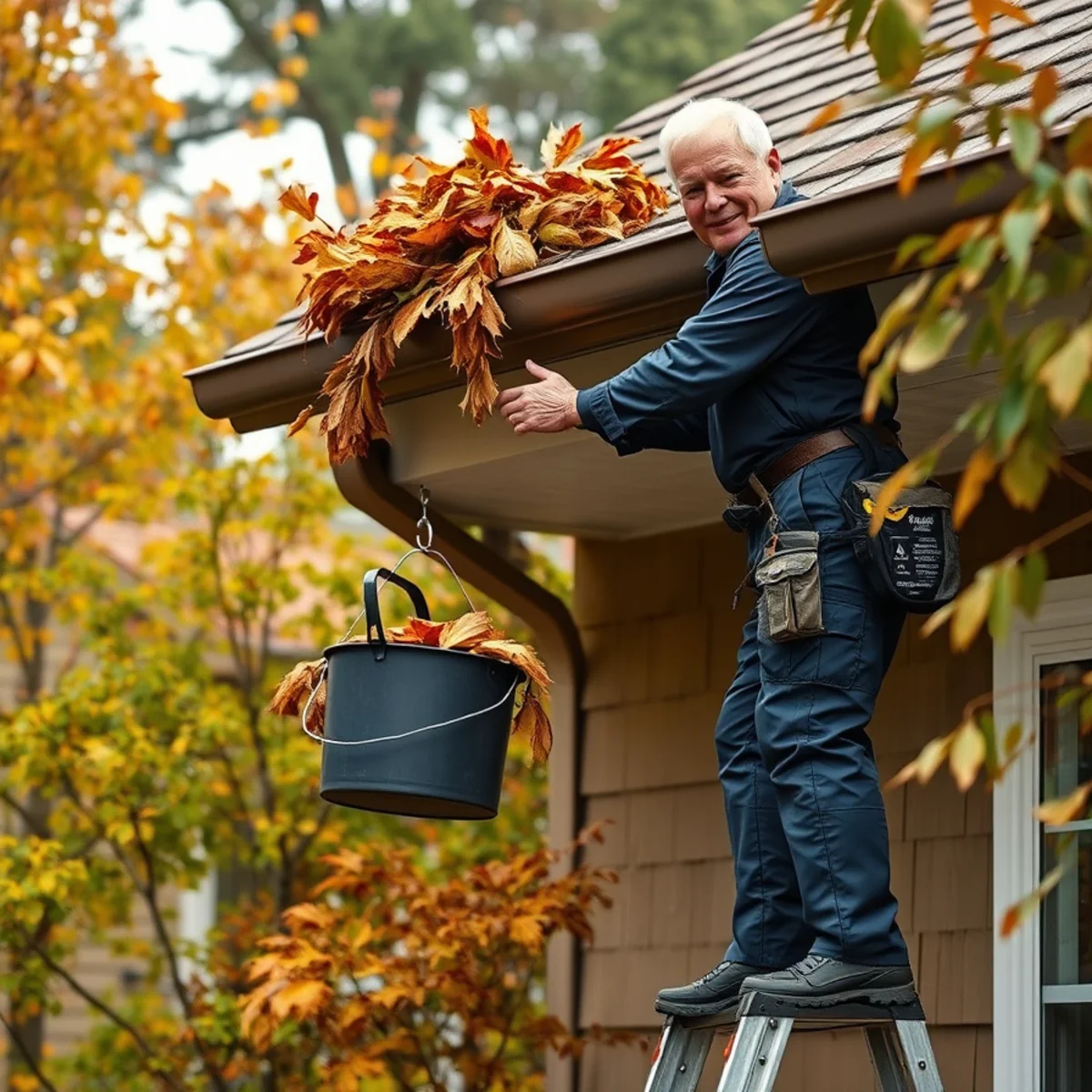
What undermines them is the gutter. When a gutter overflows, water runs down the shingle wall and saturates the ground right against the foundation, defeating the eave entirely and turning a roof issue into a crawl space issue. Clear them in October and again mid-season if you have tree cover.
Also worth checking: the bottom courses of shingle where they meet grade or a deck, which is where rot starts; and the flashing at any later addition, because roof transitions between original construction and a 1970s addition are one of the most reliable leak sources in these houses.
Restoring one without wrecking it
This is where it matters who you call. Aggressive drying and generic repairs can do more permanent damage to a pre-war house than the water did.
Drying
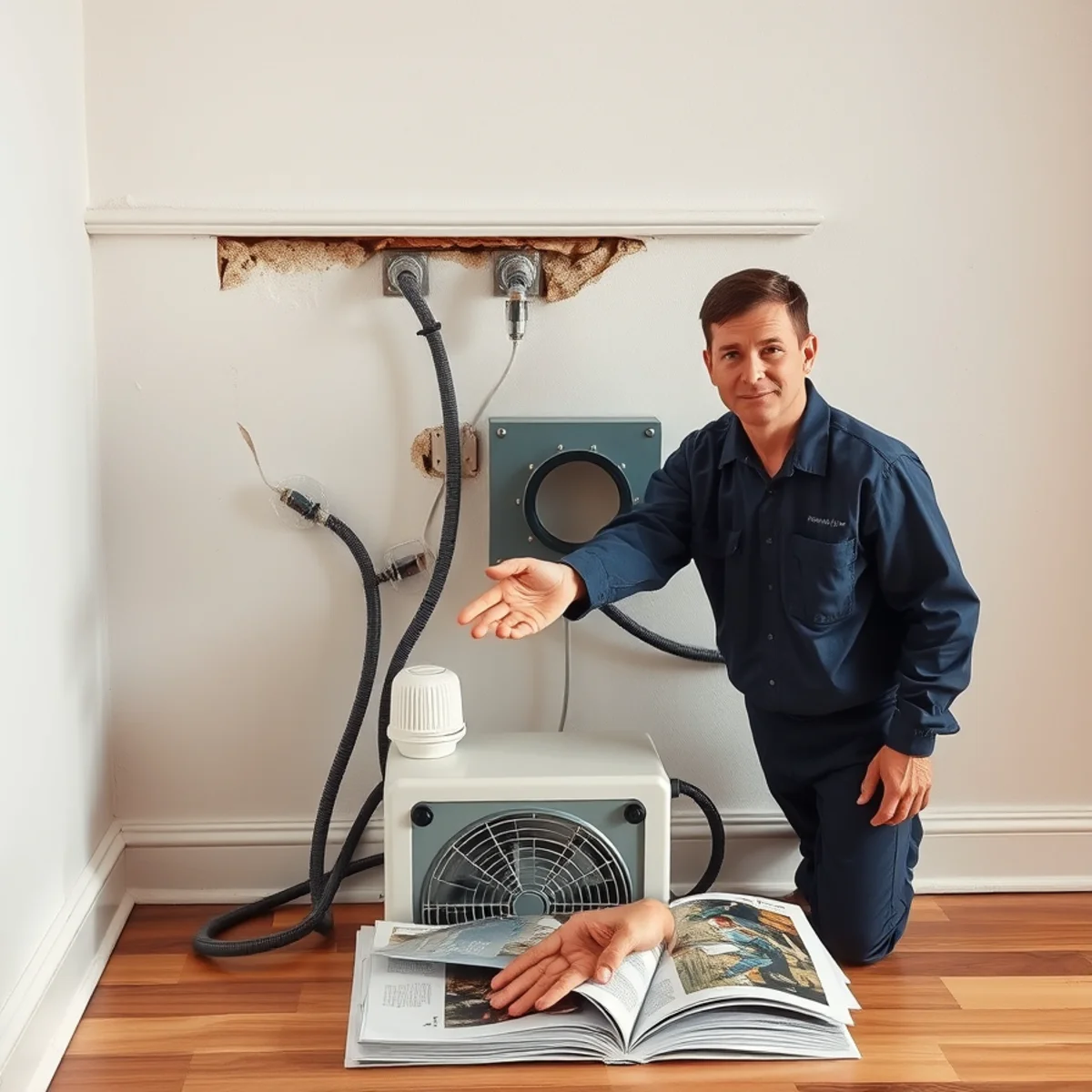
Plaster over wood lath needs to be dried from behind, through a controlled access point, rather than blasted at the face. The plaster sheds water while the lath behind absorbs and holds it — which means surface readings badly understate the problem.
Old-growth Douglas fir is dense, tight-grained, and slow to release moisture. Push it too hard with high-velocity airflow and you get checking and splits that were not part of the original loss. We use more dehumidification and less brute-force air, and accept a slightly longer schedule.
Solid doors and heavy period millwork cup and split when the exposed face dries much faster than the back. They get dried slowly or removed and dried flat.
Repair
Patch plaster with plaster, keyed into the existing lath — not skimmed over with drywall, which leaves both a thickness step and a texture mismatch at the seam. Texture is worked by hand and sampled on a test board for approval before it goes on the wall.
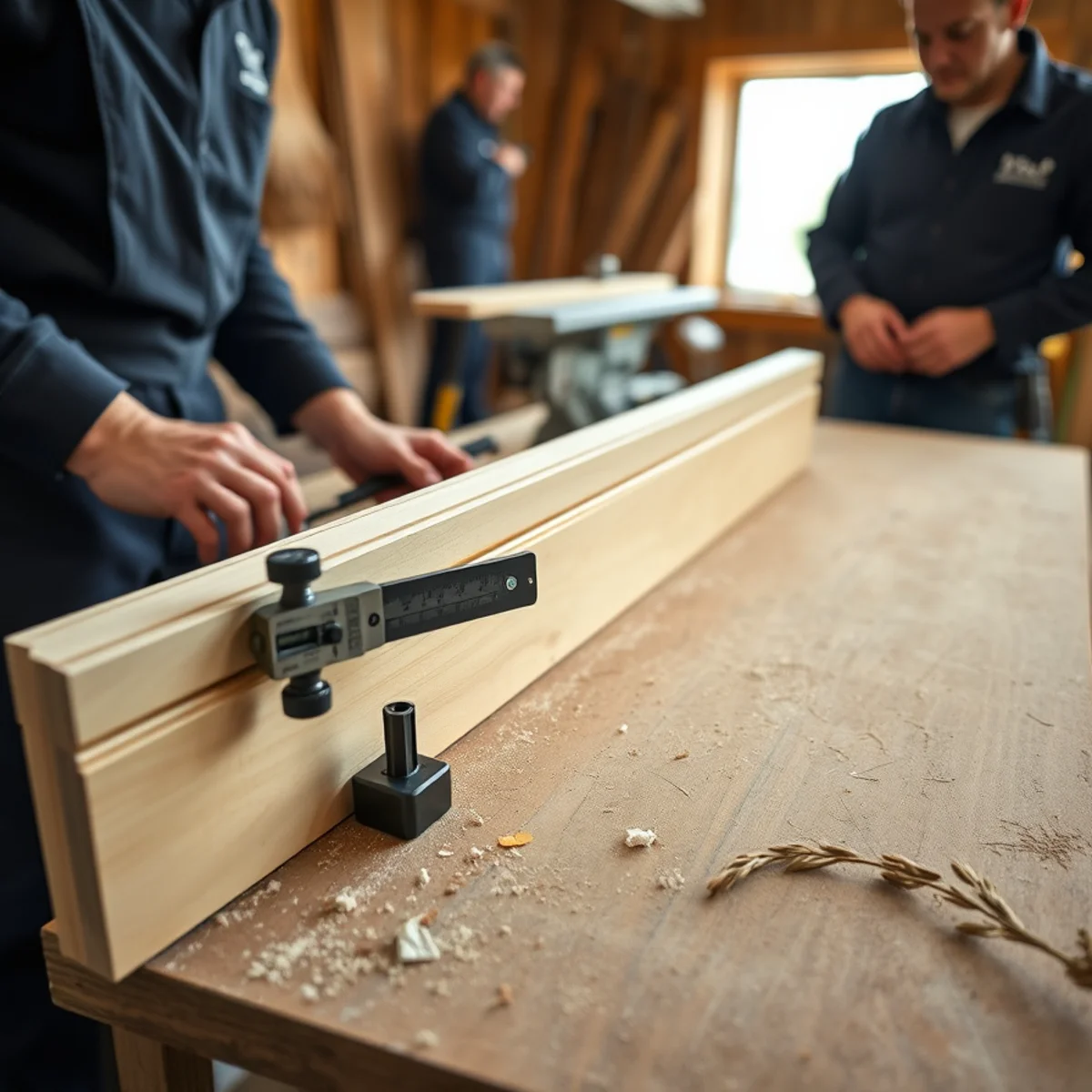
Mill trim to match. Nobody stocks 1912 Craftsman casing or picture rail, and substituting the nearest modern profile is visible from across the room. A section of your original goes to a knife grinder and new stock gets run to match.
Weave hardwood repairs into the existing field and finish the whole floor as one, so the repair has no boundary. And be patient with cupped floors — most flatten on their own, and sanding early guarantees they will not.
The short list
If you own one of these houses and want the highest-value actions in order: know your shut-off valve and confirm it turns; put a vapor barrier over the crawl space soil; extend your downspouts five feet from the foundation; replace rubber washing machine hoses with braided stainless; and take the galvanized pipe warning signs seriously rather than adapting to falling water pressure.
These houses have already lasted a hundred years. With reasonable attention they will outlast all of us — and our water damage repair work in Elmwood, North Berkeley, and Thousand Oaks is built around keeping the material that makes them worth having.
Frequently Asked Questions
If you have galvanized steel and you are seeing falling pressure or rusty morning water, seriously consider it. Corrosion is systemic — every joint is the same age and in the same condition. Planned repiping in PEX costs a fraction of repiping after a failure has taken out a plaster ceiling and an original floor.
It can and should be repaired. Plaster is patched with plaster keyed into the existing lath, and where a full wall must be replaced, a blueboard-and-veneer-plaster system matches the original hardness and finish. Drywall against original plaster leaves a visible step and a texture mismatch.
A sealed vapor barrier over the bare soil in your crawl space. It is the largest chronic moisture source in these houses, it is not expensive, and cutting it drops humidity through the whole building — which reduces mold risk everywhere, not just underneath.
Dealing with this right now?
Call (201) 277-9344 and a live local dispatcher will answer — any hour, any day. Free inspection, and we bill your insurance directly.
- 60–90 Min Response
- Live dispatcher, never an answering service
- We bill your insurance directly