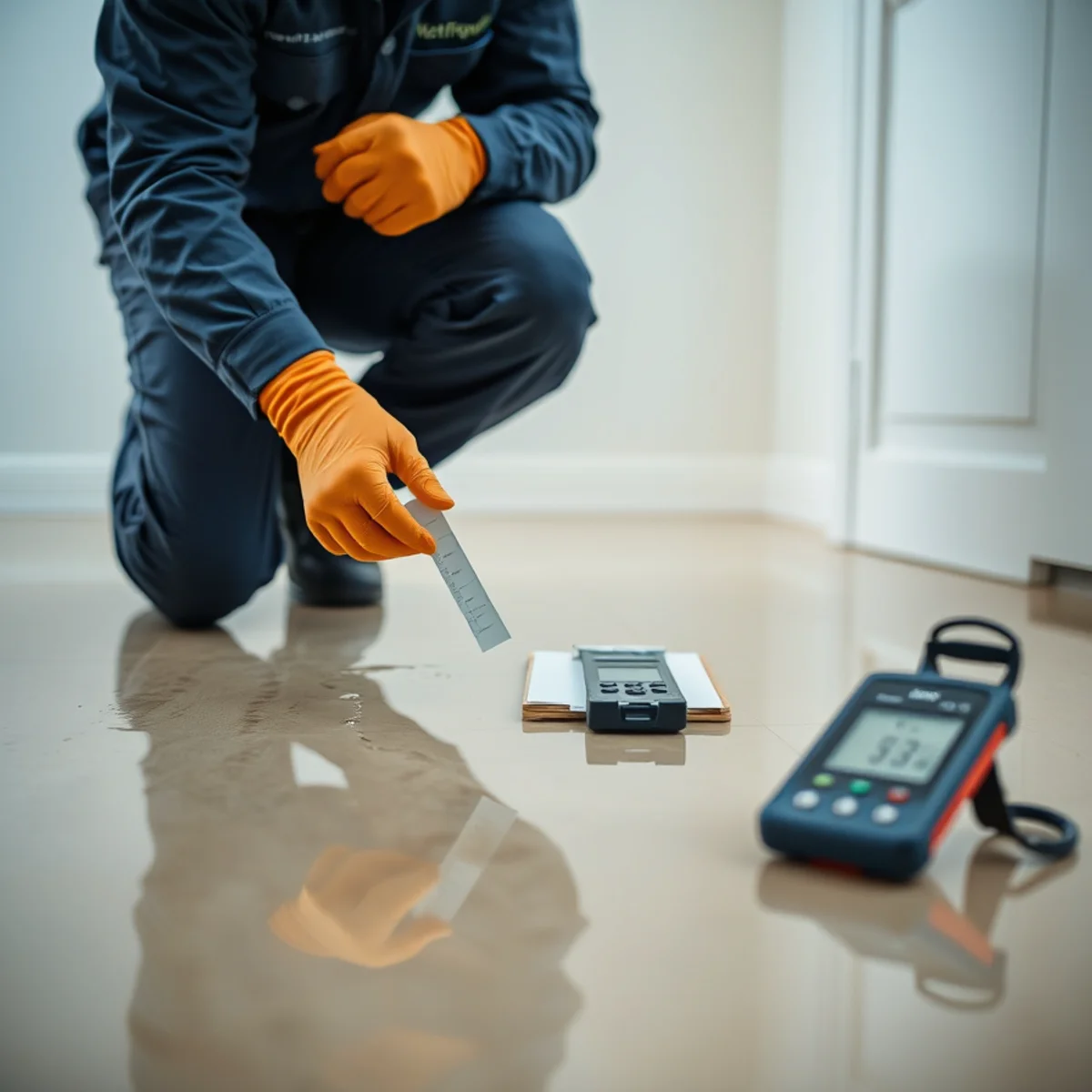
Every restoration decision starts with one question: where did the water come from? The answer sets the category, and the category determines what can be dried and saved versus what has to be removed and replaced.
This is the IICRC S500 framework — the same standard your insurance adjuster works from.
Category 1: Clean water
Water from a sanitary source that poses no immediate health risk.
- Broken supply lines and burst pipes
- Overflowing sinks or bathtubs with no contaminants
- Failed water heaters
- Appliance supply line failures — refrigerator, dishwasher, washing machine
- Rainwater entering through a roof breach, before it contacts anything else
What happens: fast extraction, then structural drying and dehumidification. Carpet, pad, drywall, and hardwood can very often be saved if drying starts within 24 to 48 hours. This is the cheapest outcome and the one where response time makes the biggest difference.
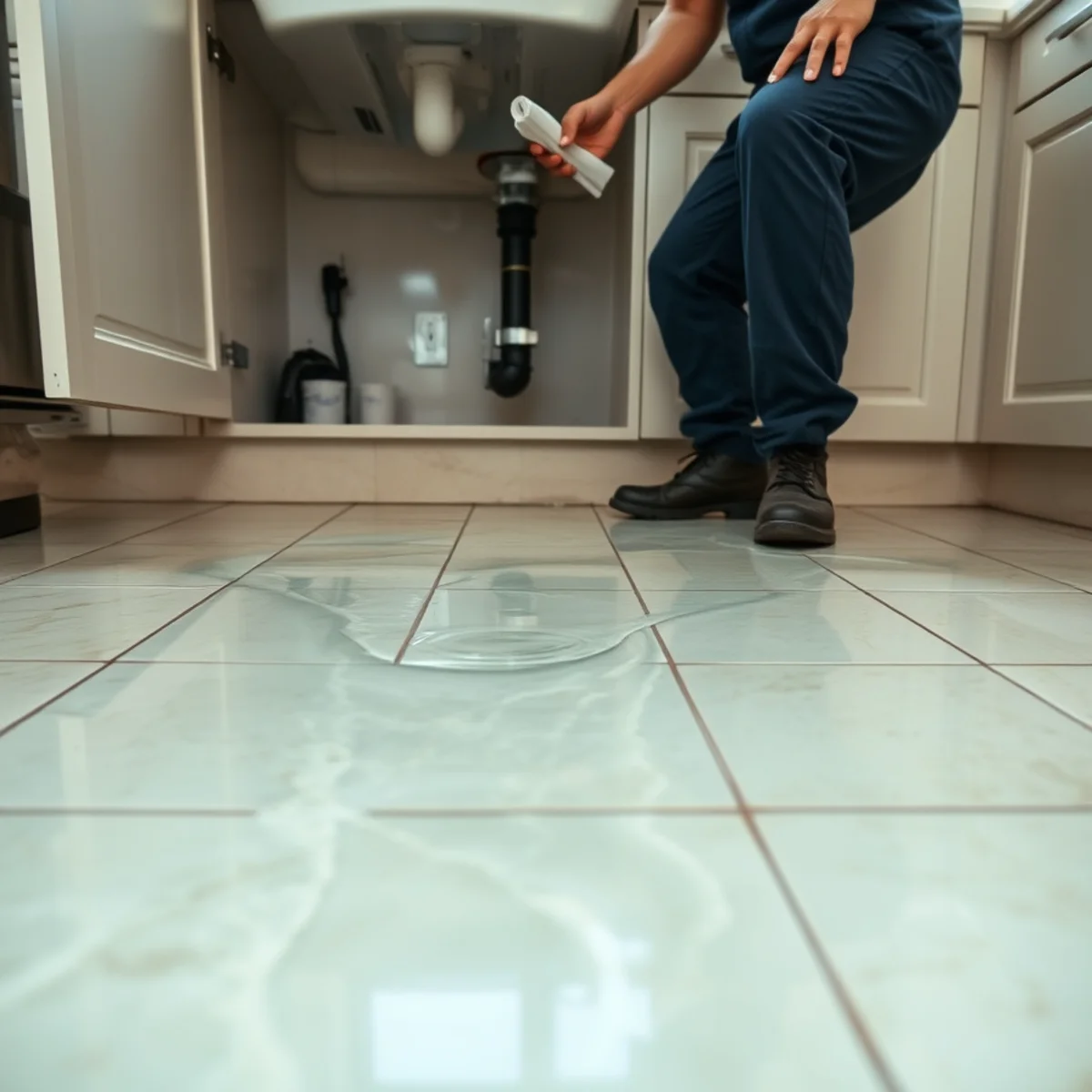
Category 2: Gray water
Water with significant contamination that may cause discomfort or illness on exposure.
- Dishwasher or washing machine discharge
- Toilet overflow containing urine but no solids
- Sump pump failures
- Aquarium and waterbed leaks
- Water that has passed through building materials and picked up contaminants
What happens: extraction, removal of affected porous materials — carpet pad and insulation come out as a matter of course — thorough cleaning, antimicrobial treatment, and accelerated drying. Carpet itself is sometimes salvageable with professional cleaning; the pad essentially never is.
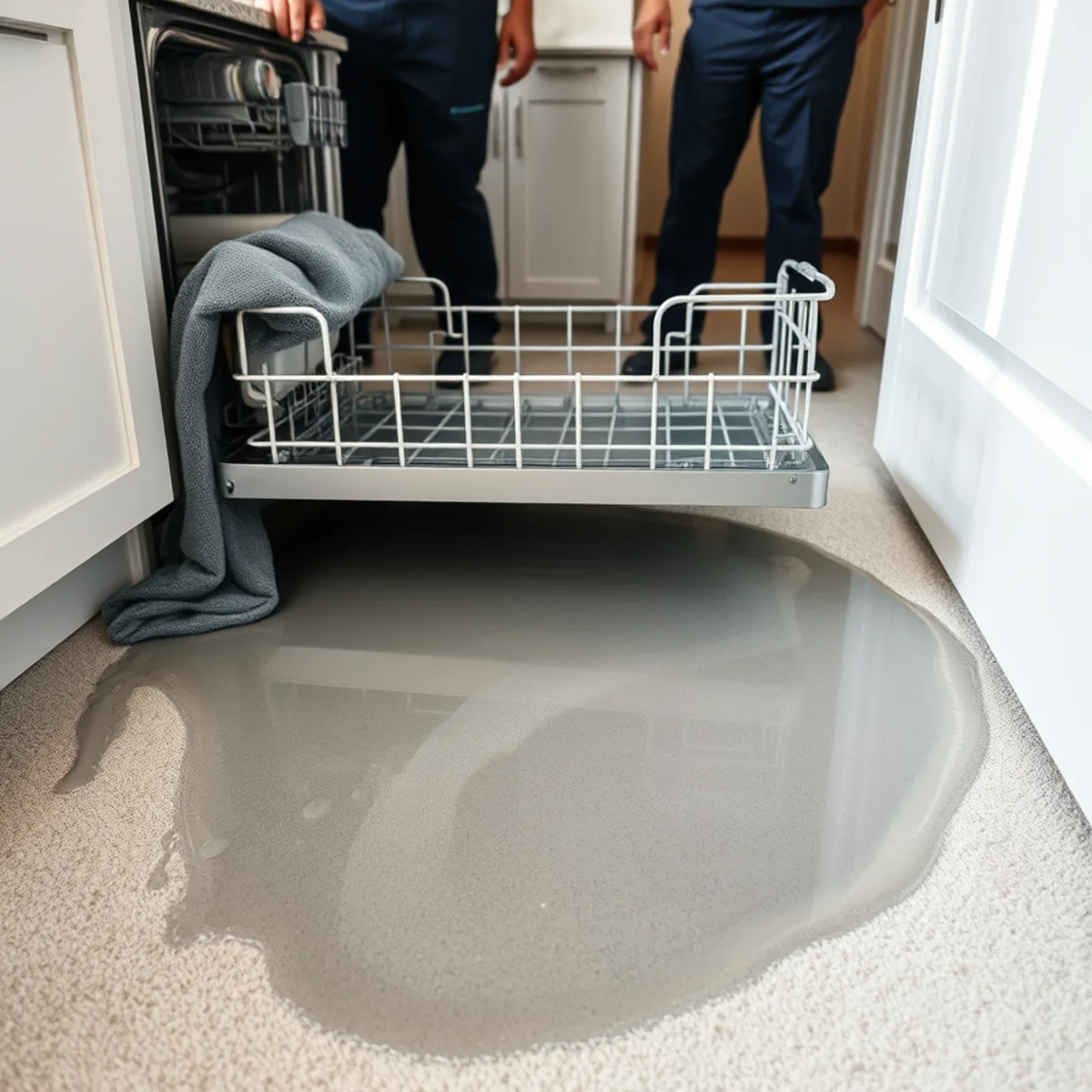
Category 3: Black water
Grossly contaminated water containing pathogenic, toxigenic, or otherwise harmful agents.
- Sewage backups and toilet overflow with solids
- Flooding from rivers, creeks, or the Bay
- Storm water and ground water that crossed the ground before entering
- Any Category 1 or 2 water left standing long enough to grow
What happens: full containment with negative air pressure, PPE, removal of all affected porous materials, extensive cleaning and disinfection, and structural drying only after decontamination is complete. Drywall, insulation, carpet, and flooring generally all come out. See our sewage cleanup and flood damage pages for the full protocol.
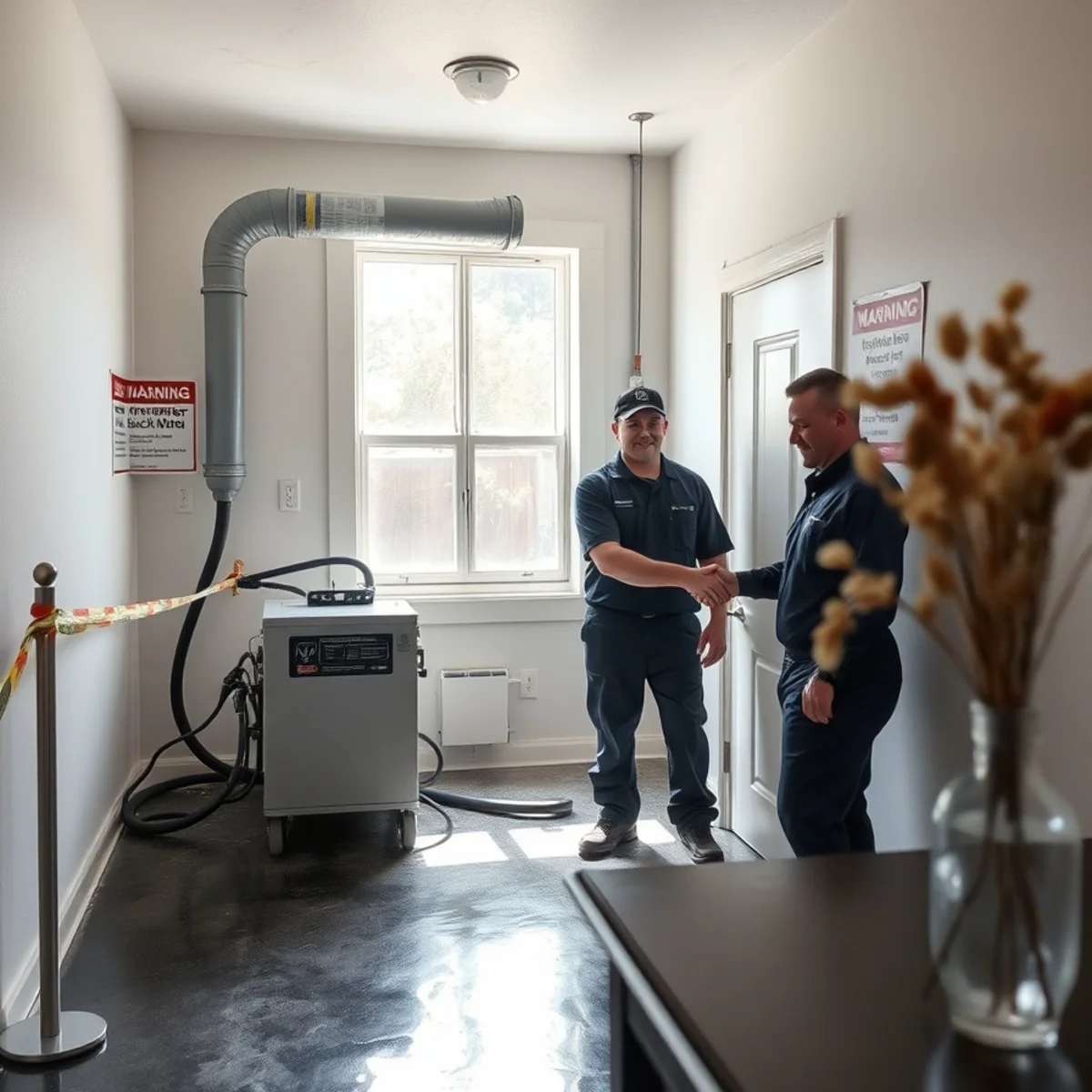
The four classes: how much, not how dirty
Category is contamination. Class is the drying difficulty — how much material got wet and how readily it releases moisture. Class drives the equipment count and the schedule.
- Class 1 — least absorption. A small area, mostly hard surfaces. Quickest to dry.
- Class 2 — a whole room of carpet and pad, with moisture wicking up walls less than two feet.
- Class 3 — water came from above and saturated ceilings, walls, insulation, and floors throughout.
- Class 4 — deeply saturated low-evaporation materials: hardwood, plaster, concrete, stone. Needs specialty equipment and the longest schedule.
Berkeley's pre-war housing produces a disproportionate share of Class 4 losses, because plaster over lath and old-growth Douglas fir are both slow-release materials. A loss in an Elmwood Craftsman that looks identical to one in a 1990s house takes noticeably longer to dry.
Why the category matters to your wallet
Cost scales with category, and it scales sharply. Category 1 is mostly equipment and time. Category 2 adds material removal. Category 3 adds containment, negative air, PPE for every entry, regulated waste disposal, and near-total replacement of anything porous.
It matters for coverage too. A Category 1 loss from a burst pipe is the classic covered sudden-and-accidental claim. Category 3 from a sewer backup needs a specific endorsement. Category 3 from surface flooding needs separate flood insurance entirely.
The one variable you control is time. Water discovered and extracted in hour one is very likely still Category 1. The same water in day three may not be — which is the entire reason we commit to a 60 to 90 minute response across Berkeley.
Frequently Asked Questions
Start with the source. Supply line or clean rainwater is Category 1. Appliance discharge or a urine-only toilet overflow is Category 2. Anything involving sewage, ground water, or storm water is Category 3. If it has been standing more than about 48 hours, assume it has escalated at least one level.
Hard, non-porous items can be cleaned and disinfected — tile, sealed concrete, metal, glass, glazed ceramics. Porous material that absorbed Category 3 water cannot be reliably decontaminated and is removed. That is the standard, not a contractor upsell.
Category describes how contaminated the water is and therefore what must be removed. Class describes how much material got wet and how hard it will be to dry, which drives equipment count and schedule. Every loss has both.
Dealing with this right now?
Call (201) 277-9344 and a live local dispatcher will answer — any hour, any day. Free inspection, and we bill your insurance directly.
- 60–90 Min Response
- Live dispatcher, never an answering service
- We bill your insurance directly