It depends, and the honest answer is more useful than a blanket one. Four risks decide it: electrical, structural, contamination, and air quality. Work through them in that order.
Risk 1: Electrical
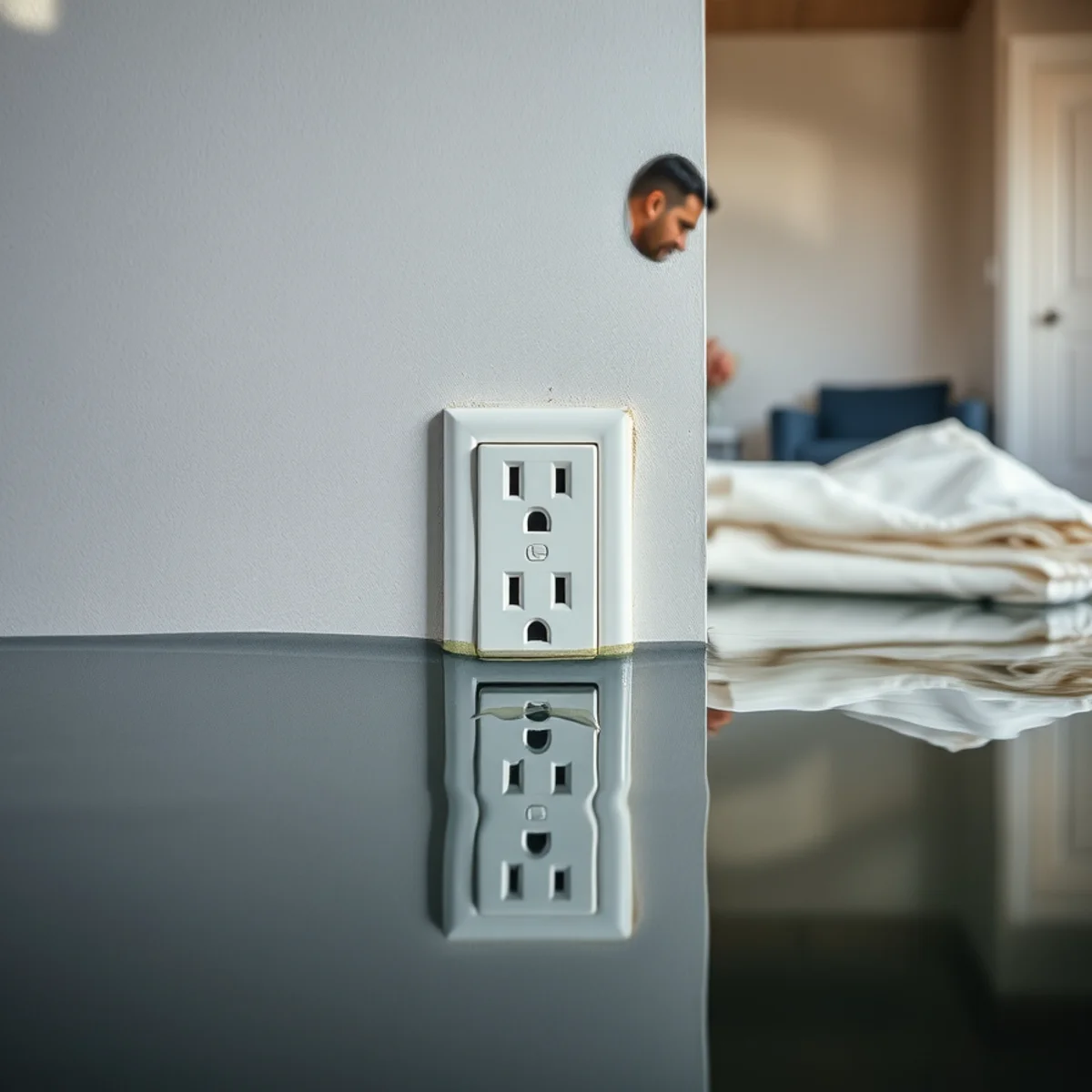
This is the one that kills people, and it is the easiest to get wrong because the danger is invisible.
Leave immediately if water has reached outlets, an electrical panel, or a hardwired appliance, or if you see or hear arcing. Do not walk through standing water to reach a breaker panel — if you cannot get to it from a dry position, get out and call PG&E or the fire department.
You can generally stay if the water is confined to a floor well away from any electrical, the affected circuits are off, and the rest of the house is on separate, dry circuits.
Risk 2: Structural
Water is heavy — roughly eight and a third pounds a gallon — and building materials that absorb it lose strength while gaining weight.
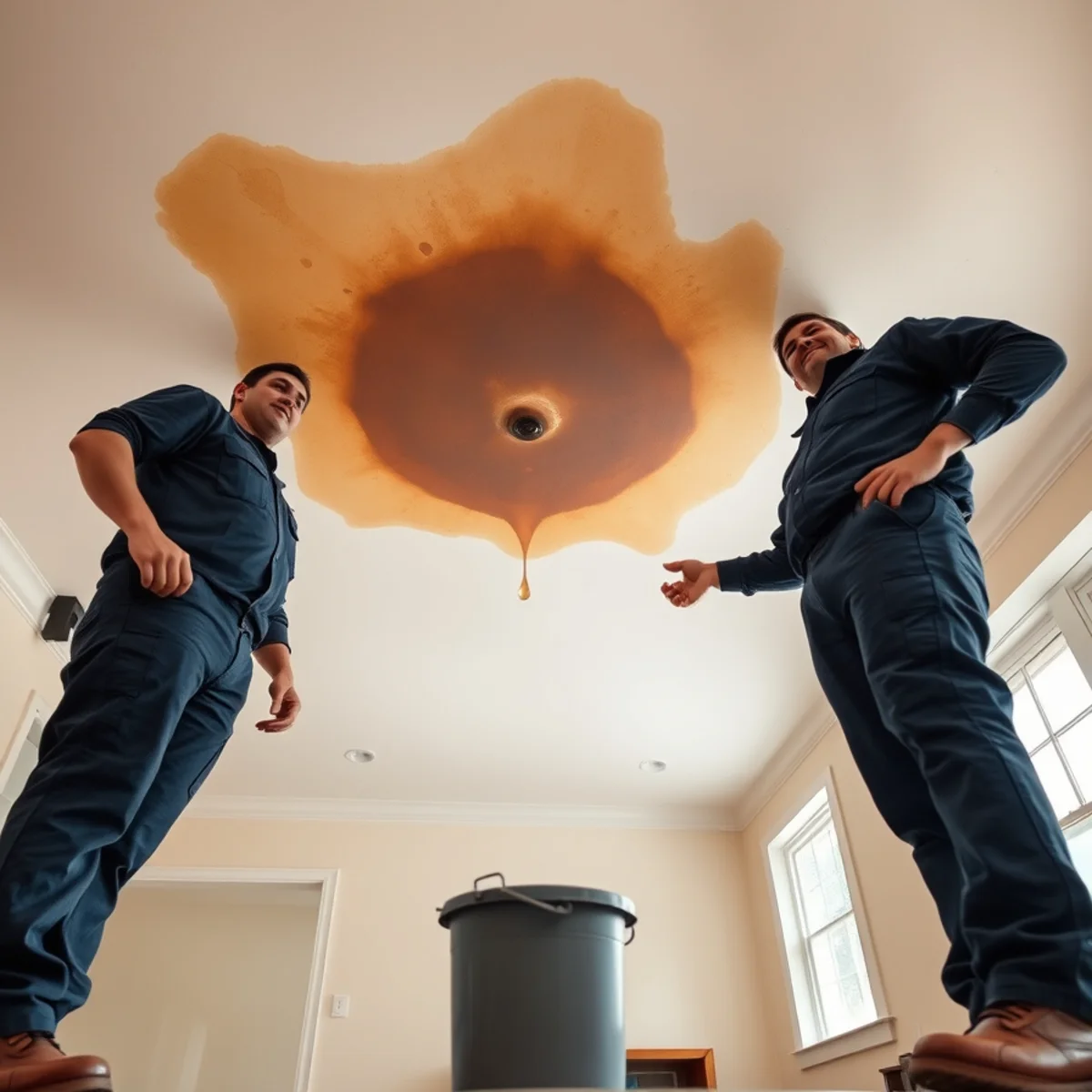
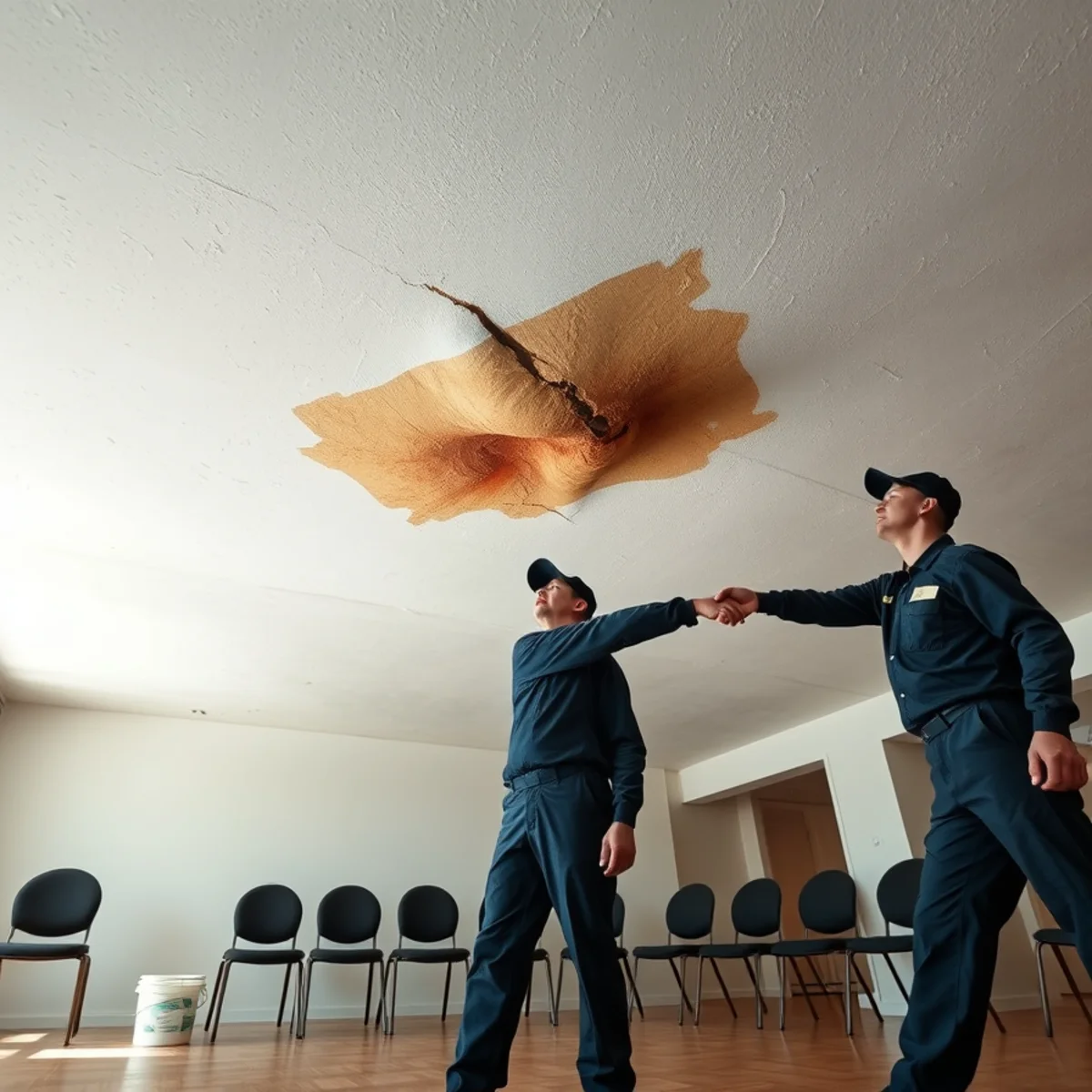
Get out from under it if a ceiling is sagging, bulging, or has a visible brown ring that keeps growing. Saturated drywall holds approximately its own weight in water before the paper bond fails, and when it goes, it goes all at once. Do not poke a bulging ceiling to "let it drain" — people are injured doing exactly that every year.
Also treat as serious: floors that feel soft or spongy underfoot, doors and windows that suddenly will not close, and new cracks appearing at wall corners. Those suggest the structure has moved.
Risk 3: Contamination
The water category sets the rule here.
- Category 1 (clean supply water): staying is normally fine if electrical and structural check out.
- Category 2 (gray water): stay out of the affected rooms. The rest of the house is usually fine.
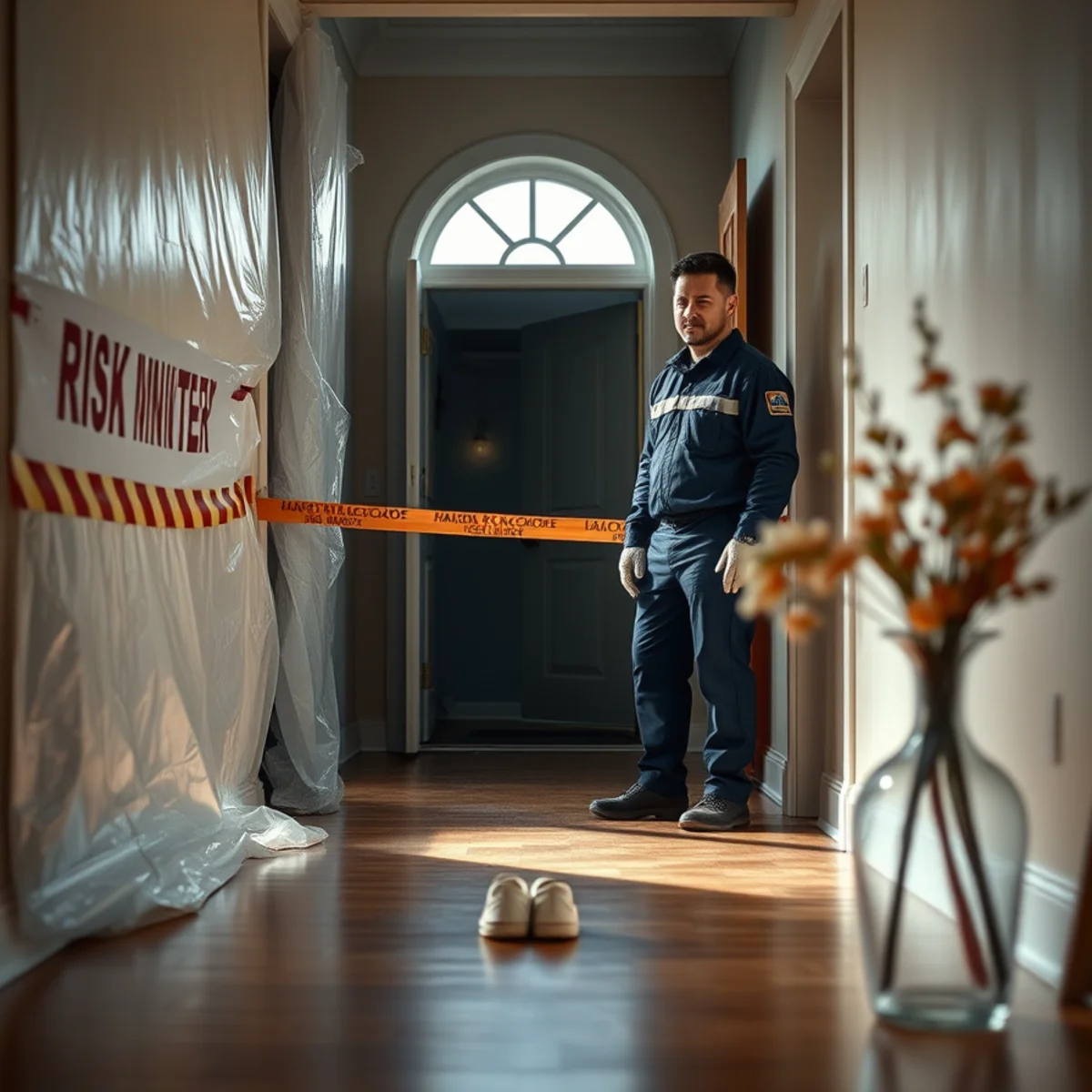
- Category 3 (sewage, flood, ground water): relocate. Contamination aerosolizes, and this is not a risk worth taking with children, older adults, or anyone immunocompromised in the house.
Risk 4: Air quality and mold
This is the slow one. Mold colonization begins in 24 to 48 hours on wet material, and spore counts in an affected space climb from there.
For most healthy adults, a few days in a house with a contained clean-water loss that is actively being dried is not a meaningful exposure. The people who should leave earlier are those with asthma or COPD, allergies to mold, compromised immunity, infants, and anyone pregnant.
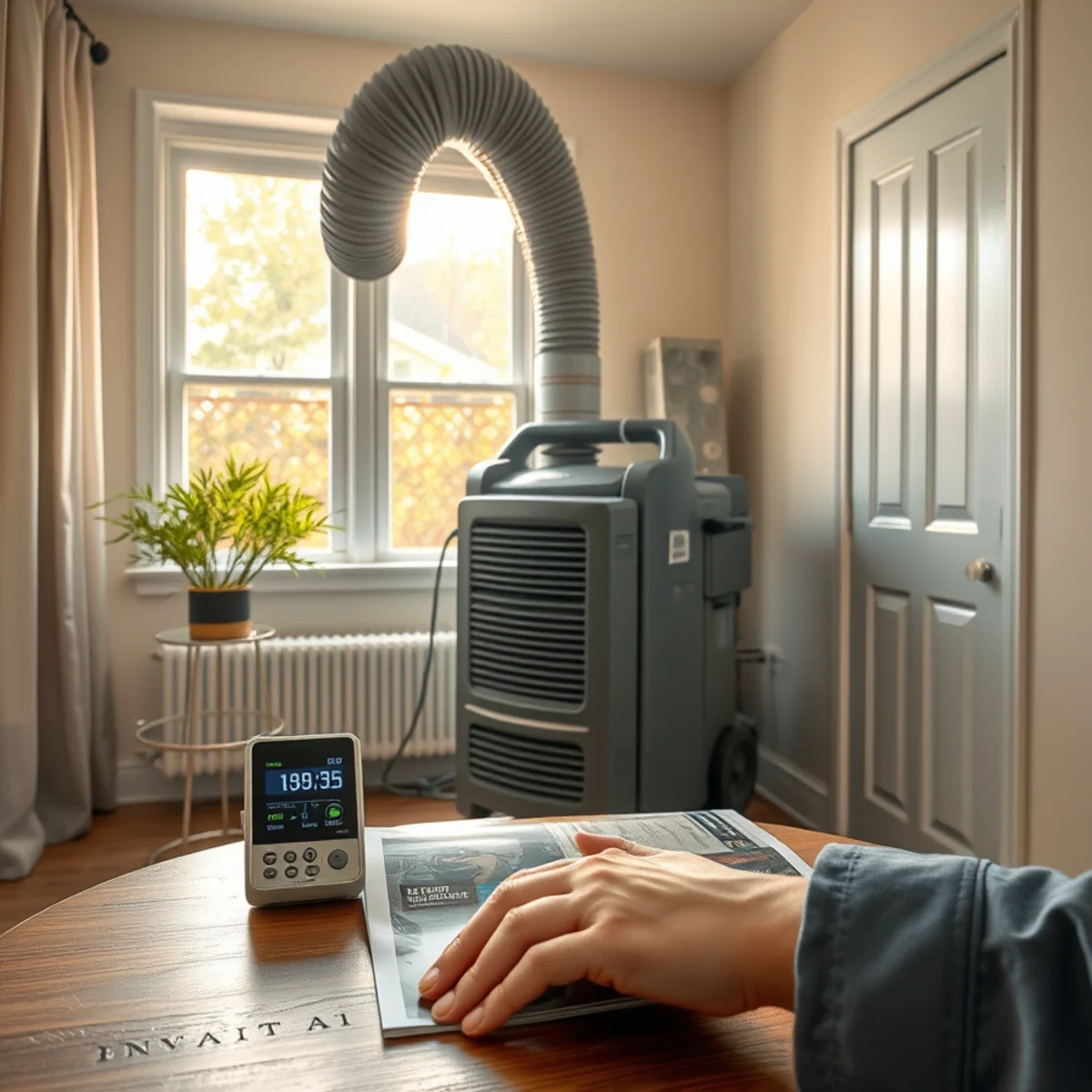
Proper structural drying with HEPA air scrubbers running actively improves indoor air quality during the work. A house drying under professional equipment is in better shape than a house someone pointed a box fan at.
What living through restoration is actually like
If you do stay, set expectations. Air movers and dehumidifiers run continuously, including overnight — shutting them off lets humidity rebound and erases a day of progress. They are loud, roughly like a window air conditioner in each affected room.
Temperature in the working area runs warm, because dehumidifiers exhaust heat. Doors stay open for airflow, and containment barriers may block normal routes through the house. There is equipment cabling to step over.
Most families with a single-room loss stay put. Most families with a whole-floor loss decide within two days that they would rather not.
Loss of use: what your policy pays
If your home is genuinely uninhabitable due to a covered loss, most homeowners policies include Additional Living Expenses — often around 20 to 30 percent of the dwelling coverage limit.
ALE covers the difference between your normal cost of living and what you are spending because you cannot be home: hotel or short-term rental, meals above your usual grocery spend, laundry, pet boarding, and additional commuting. Keep every receipt, and confirm the daily limit with your adjuster before booking anything.
One caution: ALE applies when the home is uninhabitable, not when it is merely unpleasant. Ask your adjuster to confirm coverage before you check in somewhere. We document conditions in a way that supports that determination.
Frequently Asked Questions
Usually yes for a contained clean-water loss, provided the electrical is safe and no ceiling is compromised. Equipment runs all night and it is loud. Relocate for Category 3 losses, for anything structural, or if anyone in the household has asthma, allergies, or compromised immunity.
Colonization starts within 24 to 48 hours on wet material. Meaningful airborne spore levels take longer than that, but sensitive individuals often react well before anything is visible.
If the home is uninhabitable from a covered loss, Additional Living Expenses coverage generally applies. Confirm the daily limit with your adjuster first and keep all receipts.
Dealing with this right now?
Call (201) 277-9344 and a live local dispatcher will answer — any hour, any day. Free inspection, and we bill your insurance directly.
- 60–90 Min Response
- Live dispatcher, never an answering service
- We bill your insurance directly