
An atmospheric river is a narrow band of concentrated water vapor moving off the Pacific — a river in the sky, carrying more water than the Mississippi. When one stalls over the Bay Area, Berkeley can take a month of normal rainfall in a day and a half.
That is the whole mechanism. Not violence — volume, arriving faster than any drainage system was designed to move it.
Why a roof that never leaked suddenly does
A roof that comfortably sheds a normal winter shower can fail under two inches an hour for eighteen hours straight. Every marginal detail gets tested past its capacity: a lifted flashing, a nail pop, a worn valley, a skylight seal that was fine at lower volume.
Wind-driven rain is the underappreciated second mechanism. Rain moving horizontally at forty miles an hour gets *under* shingles and *behind* siding, into places gravity would never take it. This is how water ends up inside a wall with no roof damage at all — and why "there is no hole in my roof" does not settle the question.
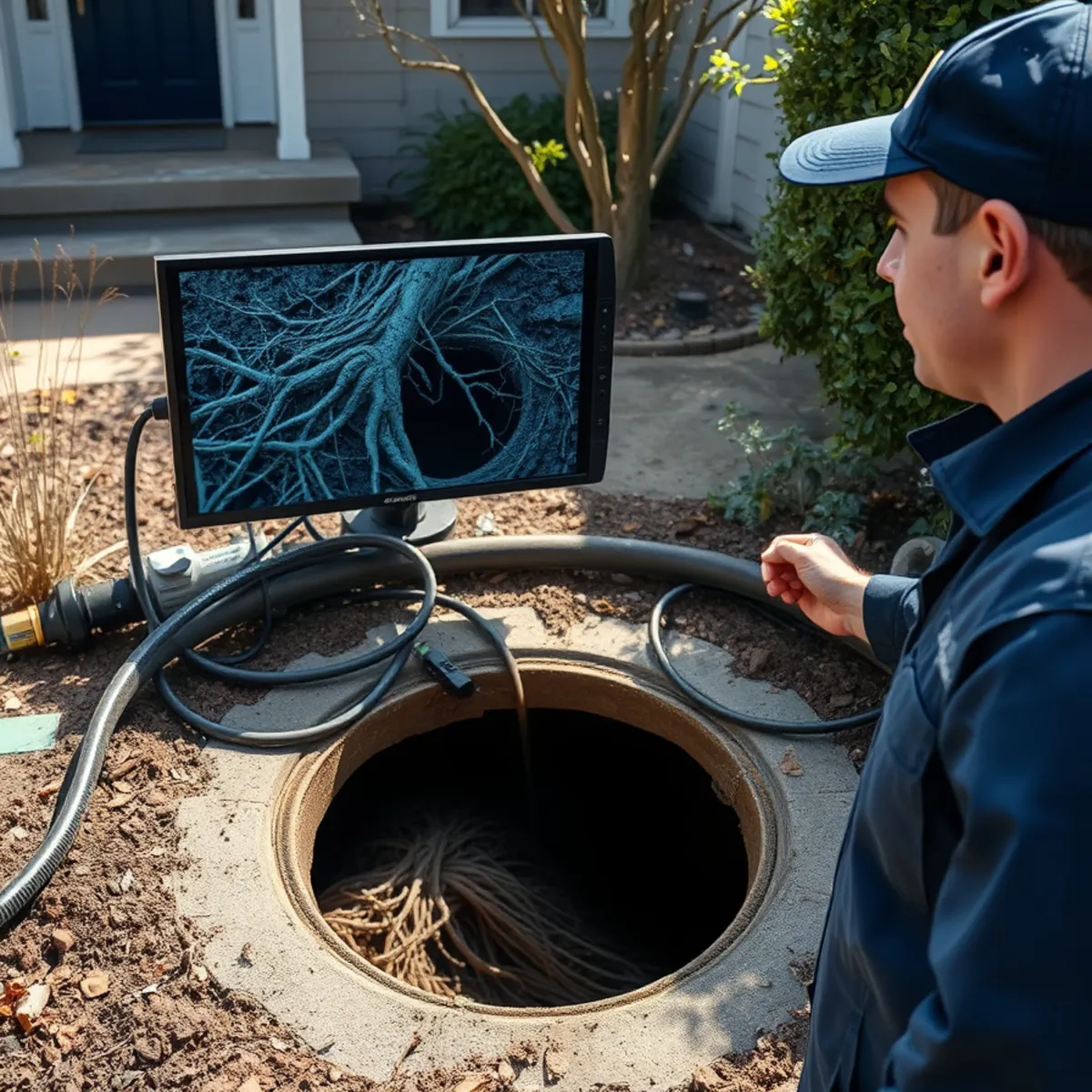
Saturation load is the third. By the third or fourth storm in a sequence the soil is at capacity, so all subsequent rain becomes runoff. That is when hillside drainage overwhelms, crawl spaces fill, and trees with waterlogged root balls come down in wind that would not have moved them in November.
Three Berkeleys, three failure modes
The hills: velocity
Rain falling on a steep, partly paved slope arrives fast and concentrated. It finds the low point of a driveway, overtops a clogged area drain, and goes into a garage or a downhill crawl space. The flash flooding on Centennial Drive in November 2024 was exactly this pattern.
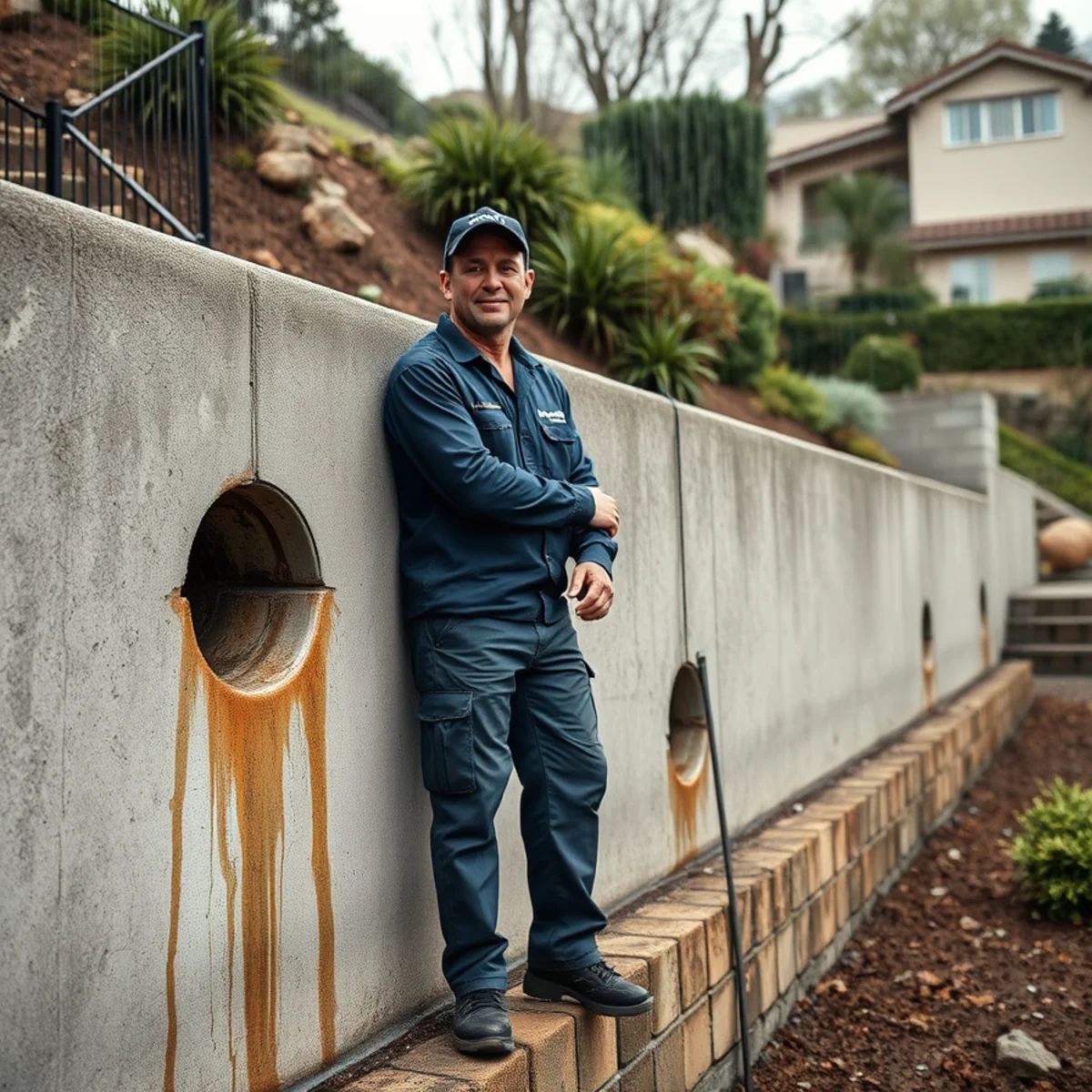
The other hills mechanism is hydrostatic pressure — saturated soil pressing against a foundation or retaining wall until water is pushed through concrete. Nothing is leaking in the plumbing sense. More on that in our guide to Berkeley Hills drainage problems.

The flats: capacity
West Berkeley is low, flat, and built over former marsh and creek outflow. The water table is high and the storm system has to move a lot of water a short distance to the Bay. Under sustained rain it runs full, and when a storm system runs full, water reverses — up through floor drains and low fixtures.
The buried creeks matter here too. Strawberry Creek and several neighbors were culverted as the city built over them, and during a big event those culverts run full beneath properties whose owners do not know they exist.

The waterfront: tide
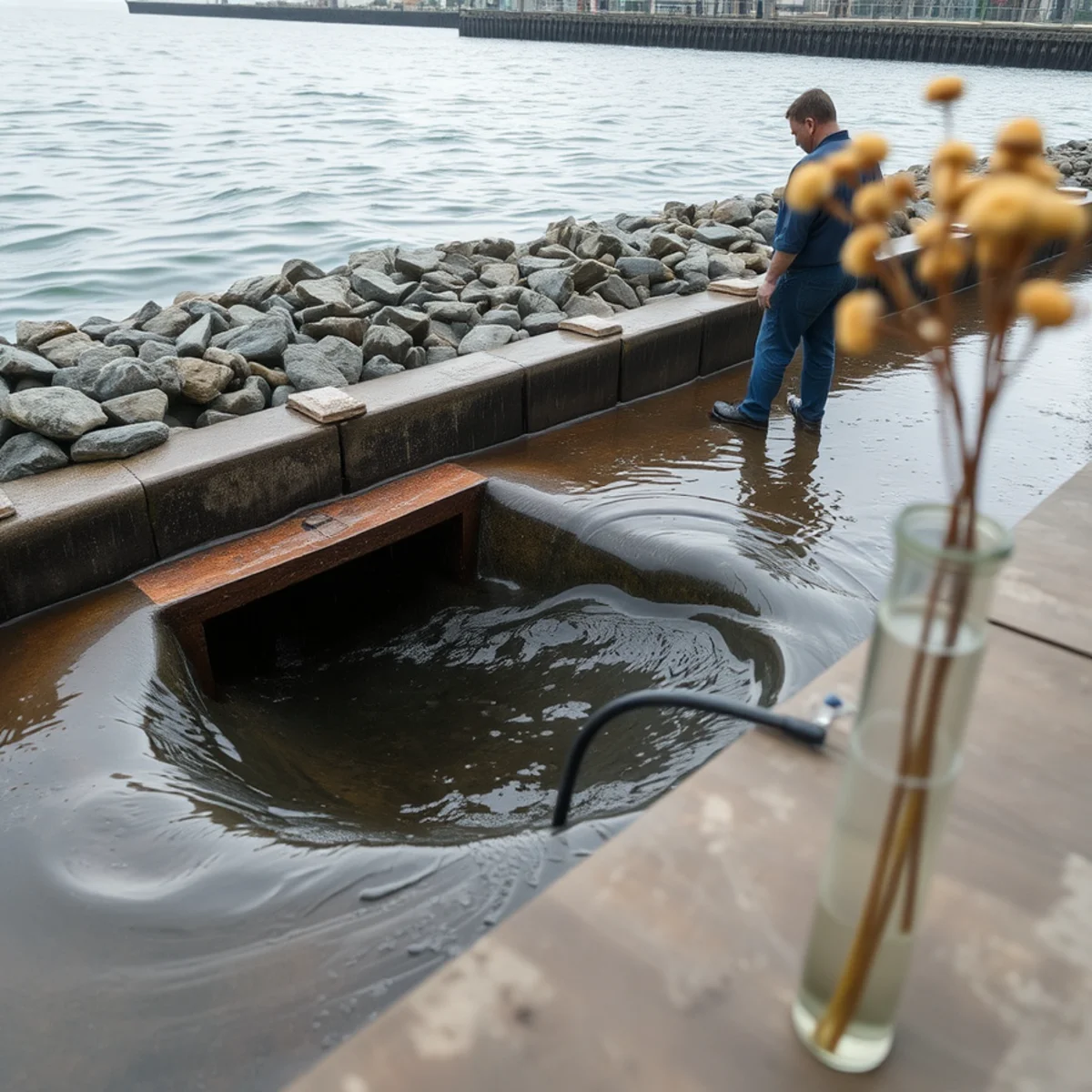
Near the Berkeley Marina and Aquatic Park, the controlling factor is not rainfall at all — it is whether the storm drains can discharge. Those outfalls drain to the Bay by gravity. During a king tide the outfall is submerged, gravity flow stops, and rain has nowhere to go until the tide drops.
This is why the *timing* of a storm matters as much as its size along the waterfront. The same rainfall at low tide is a non-event.
What to do before the next one
The high-value items are unglamorous and cheap.
- Clear gutters and downspouts — in October, and again mid-season if you have heavy tree cover.
- Extend downspout discharge at least five feet from the foundation. This single fix resolves a surprising share of the crawl space calls we get.
- Clear every area drain and grate on the property. A blocked drain on a slope redirects the entire flow toward whatever is downhill.
- Check the roof before the season — flashing, valleys, and any penetration. A hundred-dollar repair in September prevents a five-figure loss in January.
- Look at your trees. Dead limbs over the house come down in the wind that follows the rain.
- Test your sump pump and confirm the battery backup works. A pump that fails during the storm is worse than no pump, because you were relying on it.
During the storm
Walk the perimeter while it is actually raining hard — that is the only time you can see where the water goes. Note where it ponds, where it sheets off a slope, and where a gutter overflows. Photograph it. That fifteen minutes tells you more about your drainage than any dry-day inspection.
If water gets in, act during the storm rather than after it. Emergency tarping and board-up during a sequence buys you the days between systems, and those days are the difference between drying one room and replacing a ceiling, insulation, and the floor below it.
The insurance line
Wind damage to the building envelope and the resulting interior water damage is generally covered. Surface flooding is not — that requires separate flood coverage.
Both can happen in the same night, which is why we document the point and mechanism of entry carefully. Water through a storm-created opening in the roof is a covered claim. Water under the garage door from street runoff is not. Getting that distinction on the record while the evidence is fresh is worth doing properly.
Frequently Asked Questions
Water entering through a storm-created opening — wind removed shingles, rain came through — is generally covered. Surface water and rising water are excluded and need separate flood insurance. Since a single storm often produces both, documentation of where and how water entered is what separates the covered portion from the excluded one.
Yes, and that is usually when it matters most. Call volume spikes during these events and we prioritize by severity — active intrusion and structural hazards first. We give you an honest ETA rather than an optimistic one.
Because sustained high-volume rain tests details that lower volume never reached, and wind-driven rain gets under and behind materials that shed water fine when it falls straight down. A first leak in a twenty-year-old roof during an atmospheric river is completely normal.
Dealing with this right now?
Call (201) 277-9344 and a live local dispatcher will answer — any hour, any day. Free inspection, and we bill your insurance directly.
- 60–90 Min Response
- Live dispatcher, never an answering service
- We bill your insurance directly