You walked into the kitchen and there is water across the floor. Or you opened the door to the downstairs bedroom and the carpet squelched. Whatever brought you here, the next sixty minutes matter more than the next two days.
Here is the order of operations, written the way we would say it to you on the phone.
Minute 0–5: Stop the water and kill the power
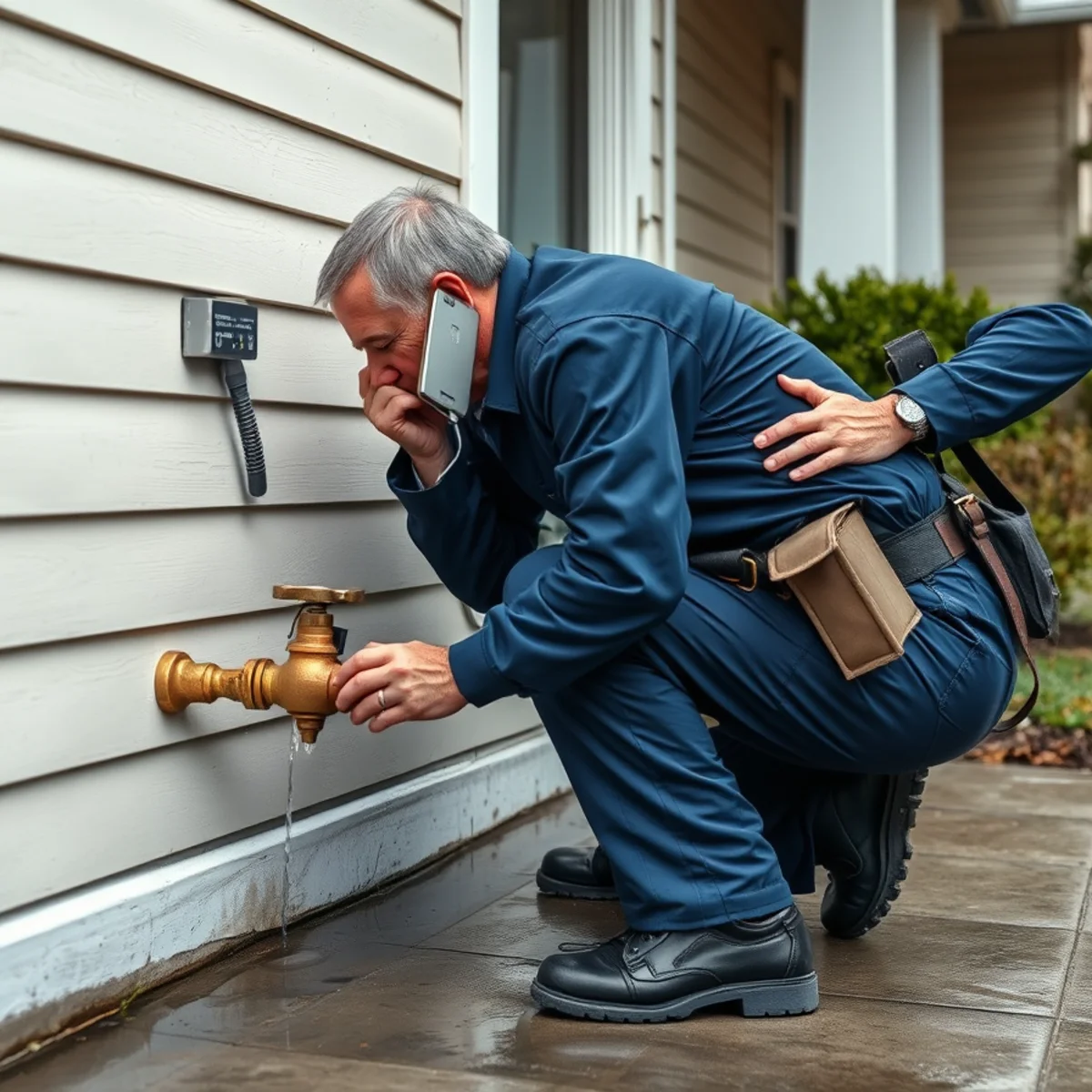
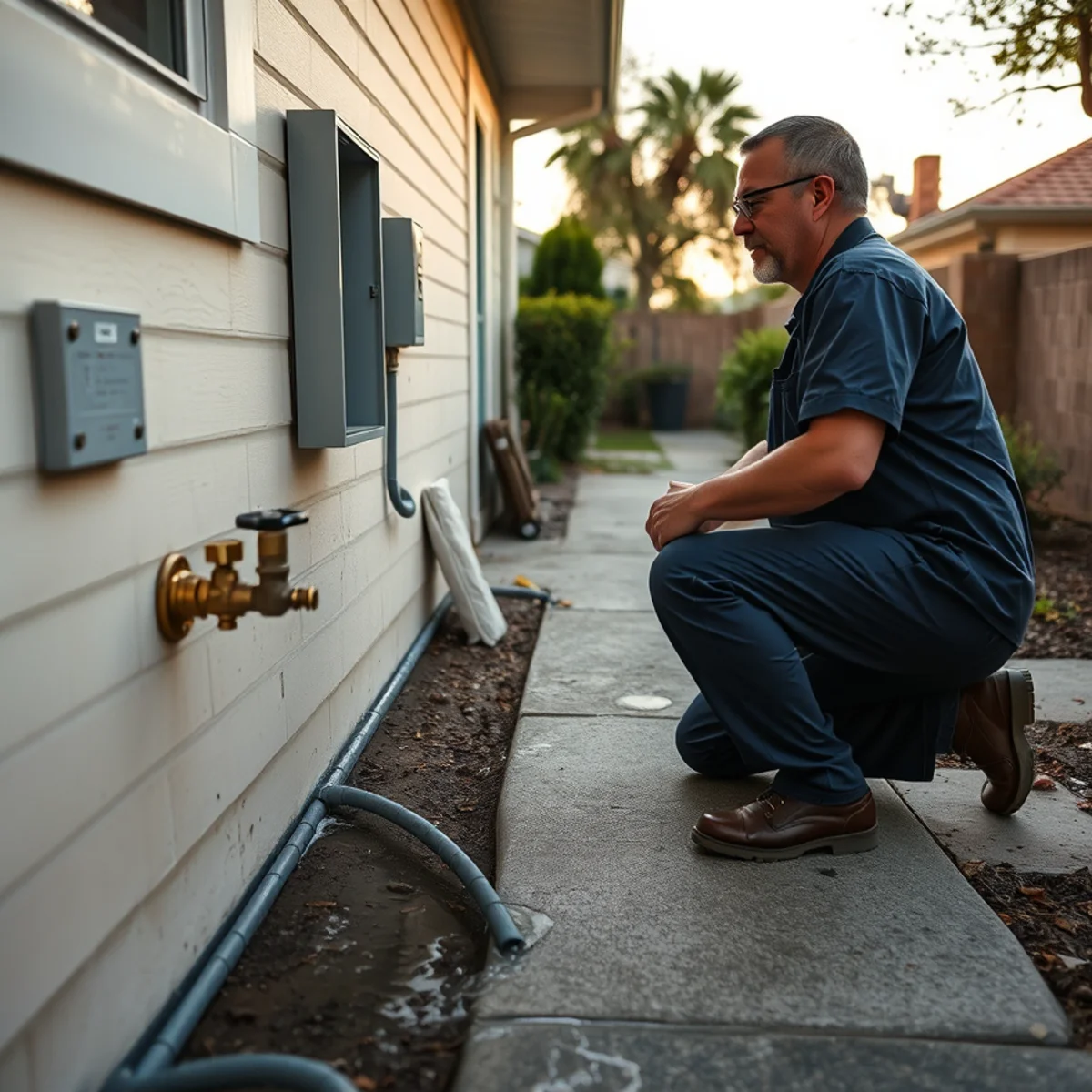
Shut off the water at the main. In most Berkeley homes there are two options: a street-side valve in a concrete box near the sidewalk, which usually needs a meter key or a crescent wrench, and a house-side valve on an exterior wall, often near the water heater. If the leak is at a single fixture — a toilet, a sink, a dishwasher — the angle stop under or behind it may be enough.
If you cannot find the valve, call us and we will talk you to it. That takes two minutes and it is the single highest-value thing anyone does on these jobs.
Then deal with electricity. If water is anywhere near outlets, an electrical panel, or a running appliance, do not walk into it. If you can reach your breaker panel from a dry position, cut power to the affected rooms. If you cannot, leave the area and wait.
Minute 5–15: Call for help before you start cleaning
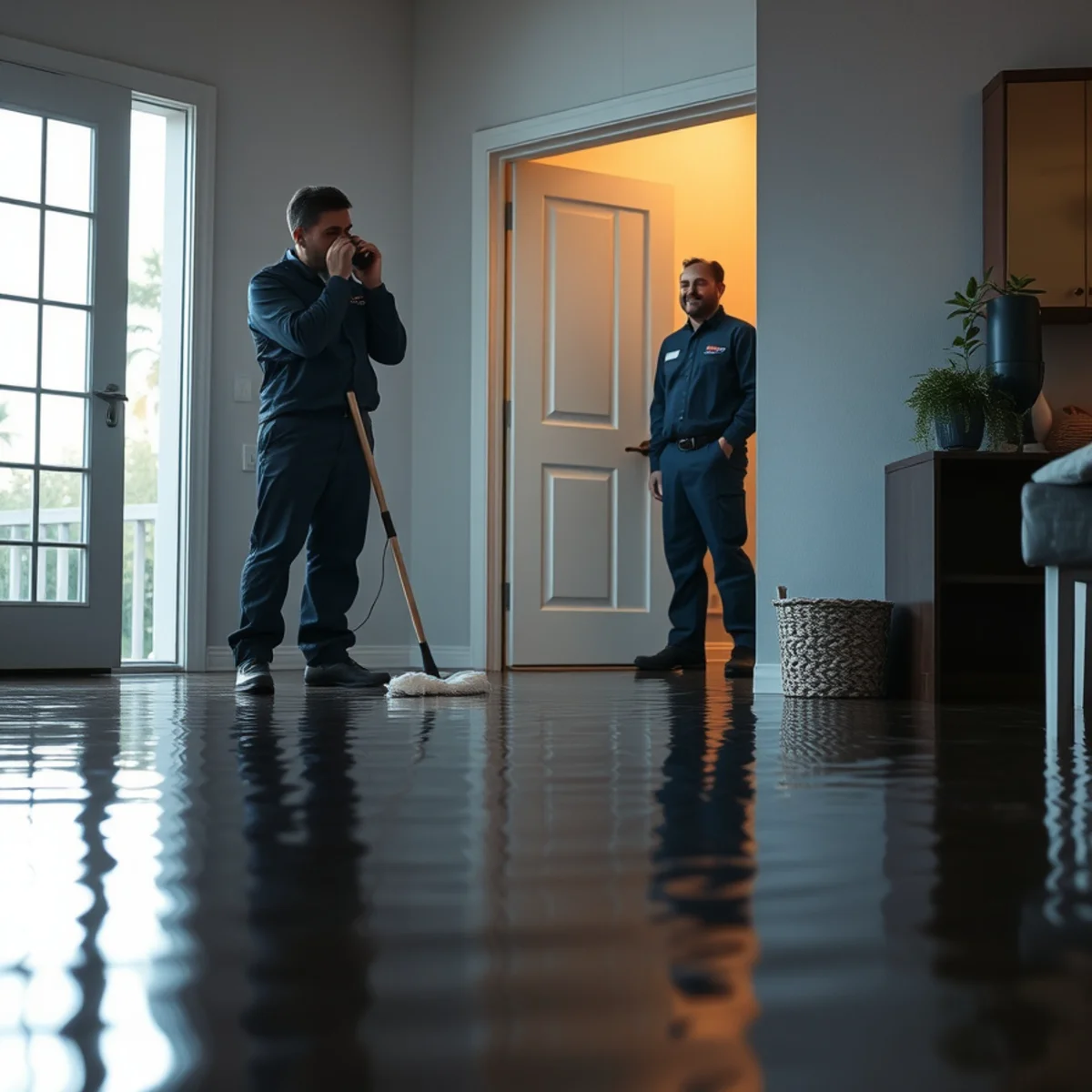
Call a restoration company now, not after you have mopped. There are two reasons.
The first is time. Drying equipment placed at hour one does dramatically more good than the same equipment placed at hour eight — and mold colonization begins in 24 to 48 hours. Our 24/7 emergency water damage service commits to arriving anywhere in Berkeley within 60 to 90 minutes, which means the clock starts moving in your favor while you are still figuring out what happened.
The second is documentation. Your insurance claim depends on evidence of the loss in its original state. Cleaning first and photographing second weakens the claim significantly.
Minute 15–25: Photograph everything
Before you move a single item, take photos and video. More than you think you need.
- Wide shots of every affected room, from at least two angles
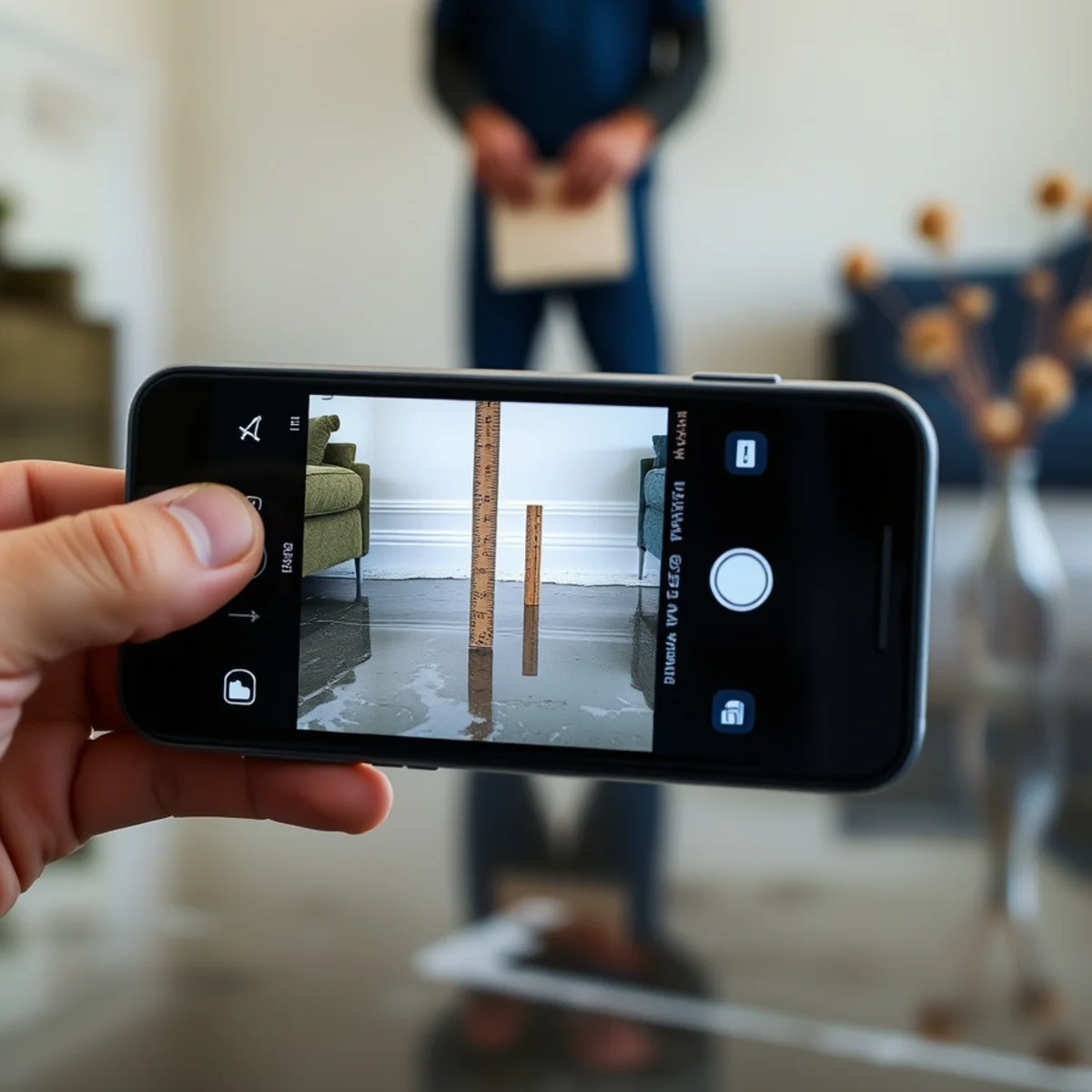
- The water itself — depth against a baseboard or a door frame gives scale
- The source, if you can see it: the failed pipe, the appliance, the ceiling stain
- Close-ups of damaged flooring, walls, cabinets, and furniture
- Any visible high-water mark on a wall
- Serial numbers and model plates on damaged appliances
- A slow video walkthrough with the phone, narrating what you are seeing
Time-stamped photos taken before anything moved are the most useful thing you can hand an adjuster. Nobody has ever regretted taking too many.
Minute 25–45: Limit the spread, safely
Now you can do some useful physical work — as long as the power is off and the water is clean. If the water is or might be sewage, stop here and stay out. That is Category 3 water and it needs containment, not a mop.
- Lift small items, rugs, and anything on the floor up onto dry surfaces.
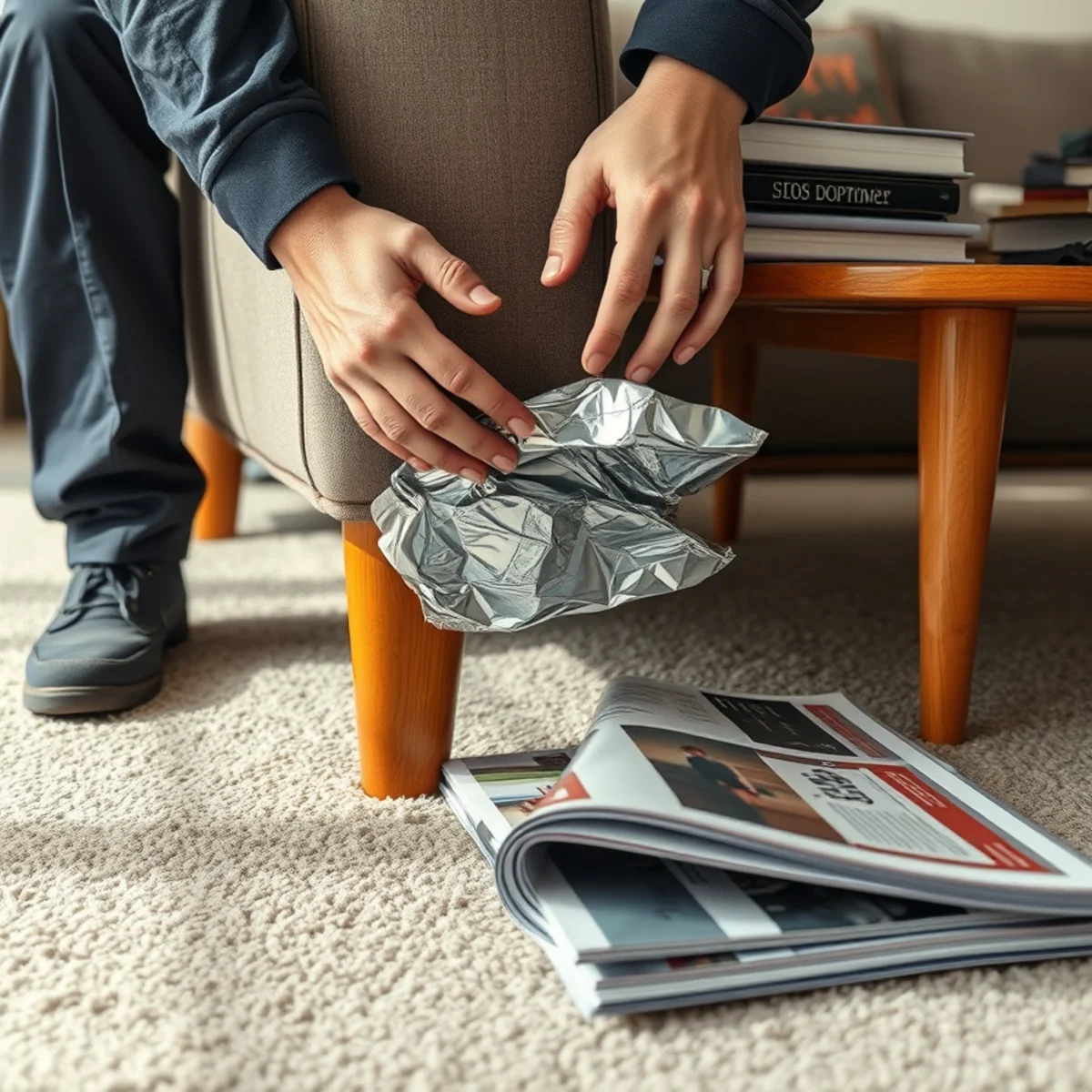
- Put aluminum foil or plastic under furniture legs. Wood stain and metal glides bleed into wet carpet within hours and the marks are permanent.
- Move electronics, books, documents, and photographs to a dry room first — these are the most time-critical items in the house.
- Remove standing water from hard surfaces with a mop or squeegee if it is safe to do so. Do not bother with carpet; a household vacuum cannot reach the pad and will not help.
- Open interior doors and closets so air can move between spaces.
- Turn off HVAC serving the affected area so it is not distributing humidity or contamination through the house.
Minute 45–60: Start the claim
Call your insurance carrier and open a claim. You do not need to know the scope or the cost — you need a claim number and a date of loss on record.
Tell them what happened, when you discovered it, and that you have engaged a restoration company for emergency mitigation. You are not asking permission. Every homeowners policy in California obligates you to take reasonable steps to prevent further damage, and that duty starts immediately.
Ask two questions while you have them: what your deductible is, and whether your policy includes loss-of-use coverage for temporary accommodation. Write down the adjuster's name and direct number. We can bill your carrier directly, which means for most homeowners the out-of-pocket ends up being the deductible.

What happens after the first hour
When our crew arrives, the sequence is inspection and moisture mapping, then water extraction, then structural drying with daily monitoring until readings match an unaffected part of your house. Then repairs.
The thing most people underestimate is how far the water traveled. On a typical loss in North Berkeley or Elmwood we routinely find three to five affected rooms when the homeowner reported one — water runs along framing, wicks up drywall, and gets under cabinets without leaving a visible trace.
That is the whole argument for acting inside the first hour. Water damage caught and dried in a day is a drying job. The same loss found a week later is a drying job plus a remediation plus a rebuild.
Frequently Asked Questions
The restoration company. Emergency mitigation is time-sensitive and your policy already requires you to prevent further damage — you do not need authorization to start. Open the claim within the same hour, but do not let the claims queue delay extraction.
Photograph everything first, then yes — lift items off wet floors, protect furniture legs, and squeegee hard surfaces if the power is off and the water is clean. Do not clean sewage, and do not use a household vacuum on water.
Call anyway. The damage stops progressing the day work starts. A delayed discovery usually means mold remediation is part of the scope, but that is a bigger job, not an impossible one.
Dealing with this right now?
Call (201) 277-9344 and a live local dispatcher will answer — any hour, any day. Free inspection, and we bill your insurance directly.
- 60–90 Min Response
- Live dispatcher, never an answering service
- We bill your insurance directly