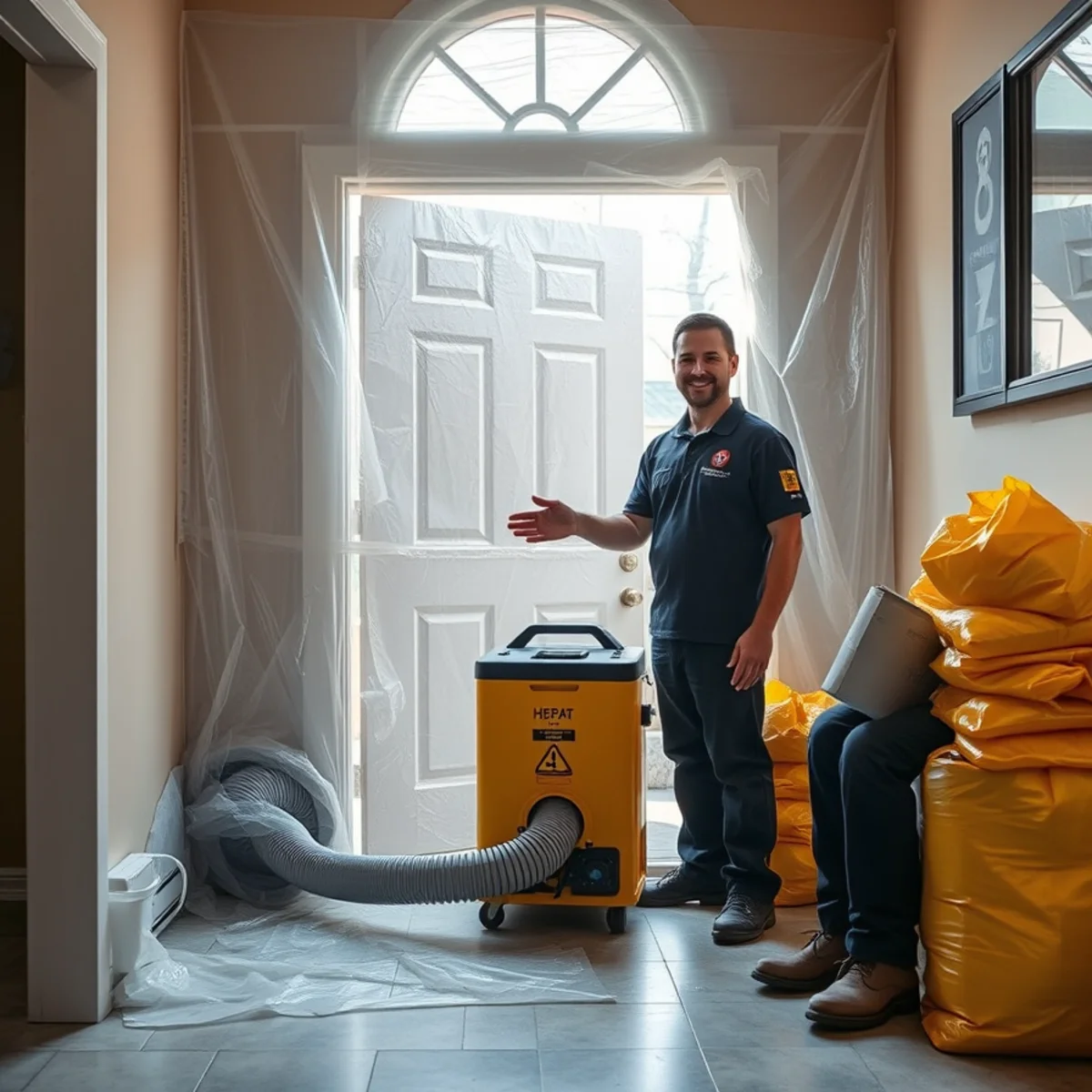
If sewage has come up anywhere in your house, do three things right now: stop using every drain in the building, keep everyone out of the affected area, and turn off any HVAC serving that space.
Then read the rest of this, because the instinct to grab a mop and a bottle of bleach is both completely understandable and genuinely dangerous.
What "Category 3" actually means
The IICRC S500 standard sorts water damage into three categories by contamination. Category 1 is clean supply-line water. Category 2 is gray water — dishwasher discharge, washing machine water, a toilet overflow without solids. Category 3 is grossly contaminated water containing pathogenic agents, and sewage is the definitive example.
What is in it is not abstract. Sewage carries E. coli, salmonella, shigella, hepatitis A, giardia, cryptosporidium, and rotavirus among others. Exposure happens three ways: ingestion, contact with broken skin, and — the one people never think about — inhalation of aerosolized particles.
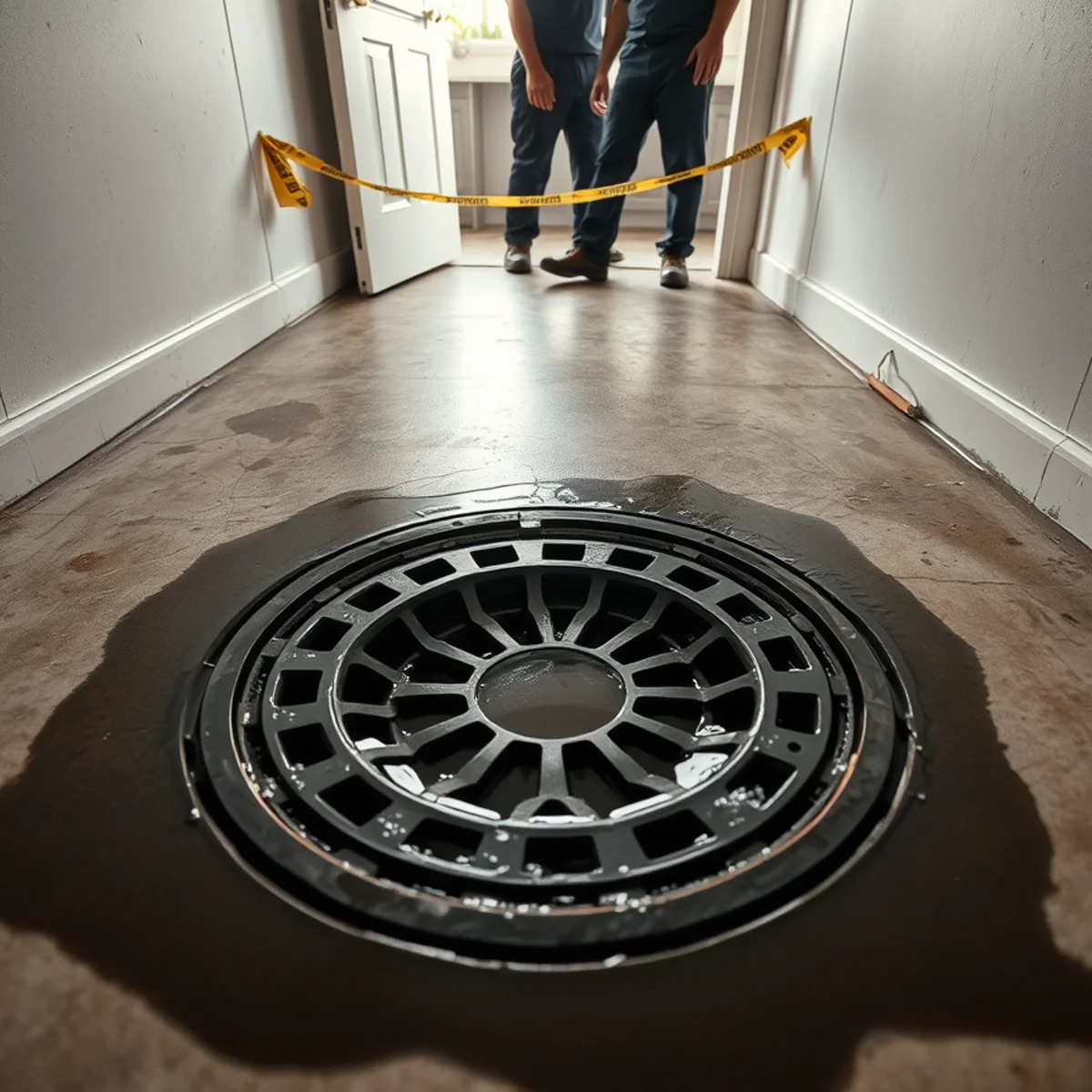
Why bleach is not the answer
Three reasons, all of them technical rather than a matter of opinion.
It does not penetrate porous material. Bleach on the surface of drywall, carpet, or wood does nothing about contamination that has soaked through the thickness. That is why the professional protocol removes porous material rather than treating it.
Organic matter deactivates it. Sodium hypochlorite is consumed by the soil it contacts. Applied to a surface that has not been cleaned first, most of it is neutralized before it reaches anything living. Proper disinfection is always a two-step process — clean, then disinfect.
It is dangerous mixed with other cleaners. Bleach plus an ammonia-based cleaner produces chloramine gas. People do this by accident during cleanups more often than you would expect.
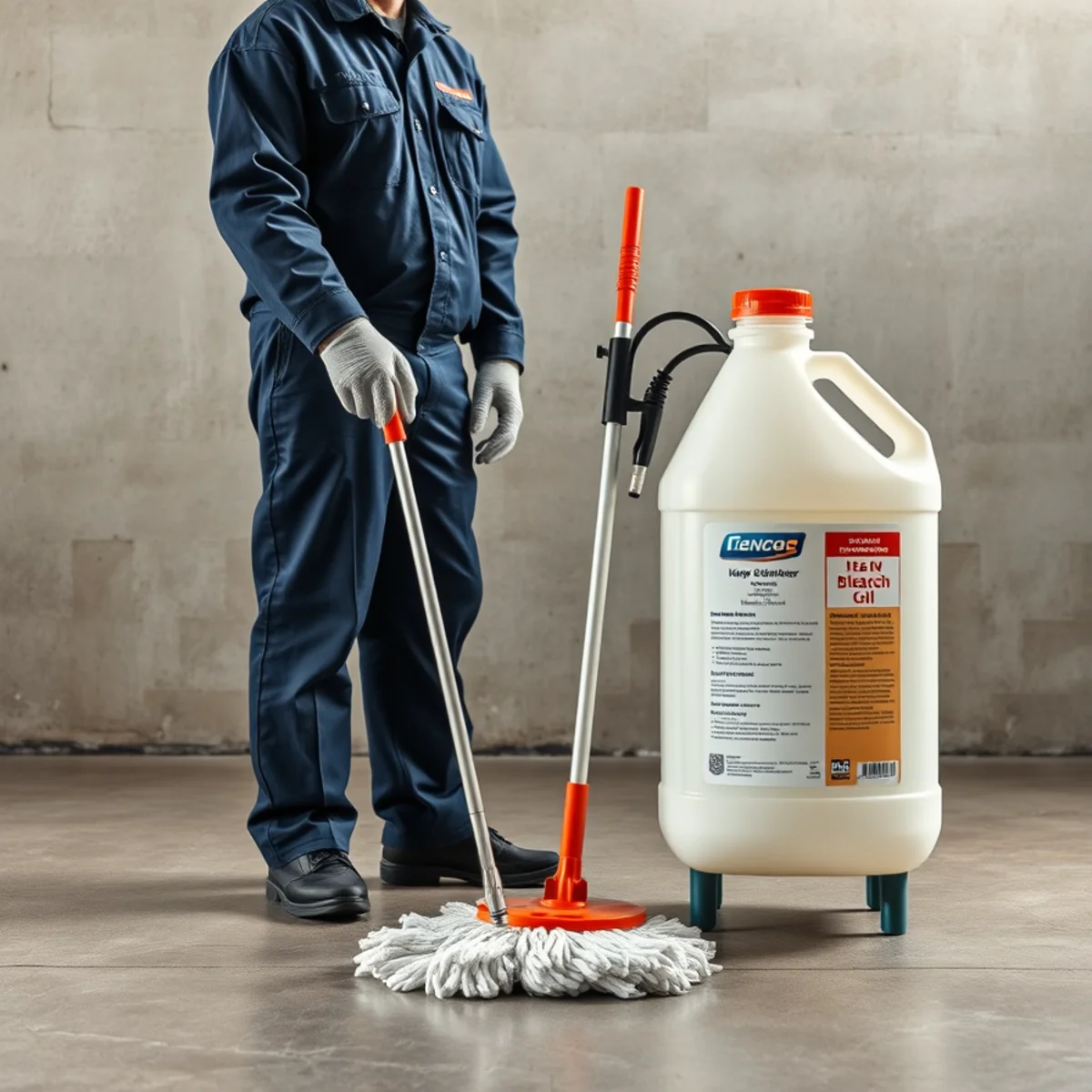
What professional decontamination involves
Every step in sewage backup cleanup exists to keep contamination inside the affected area and out of people's lungs.
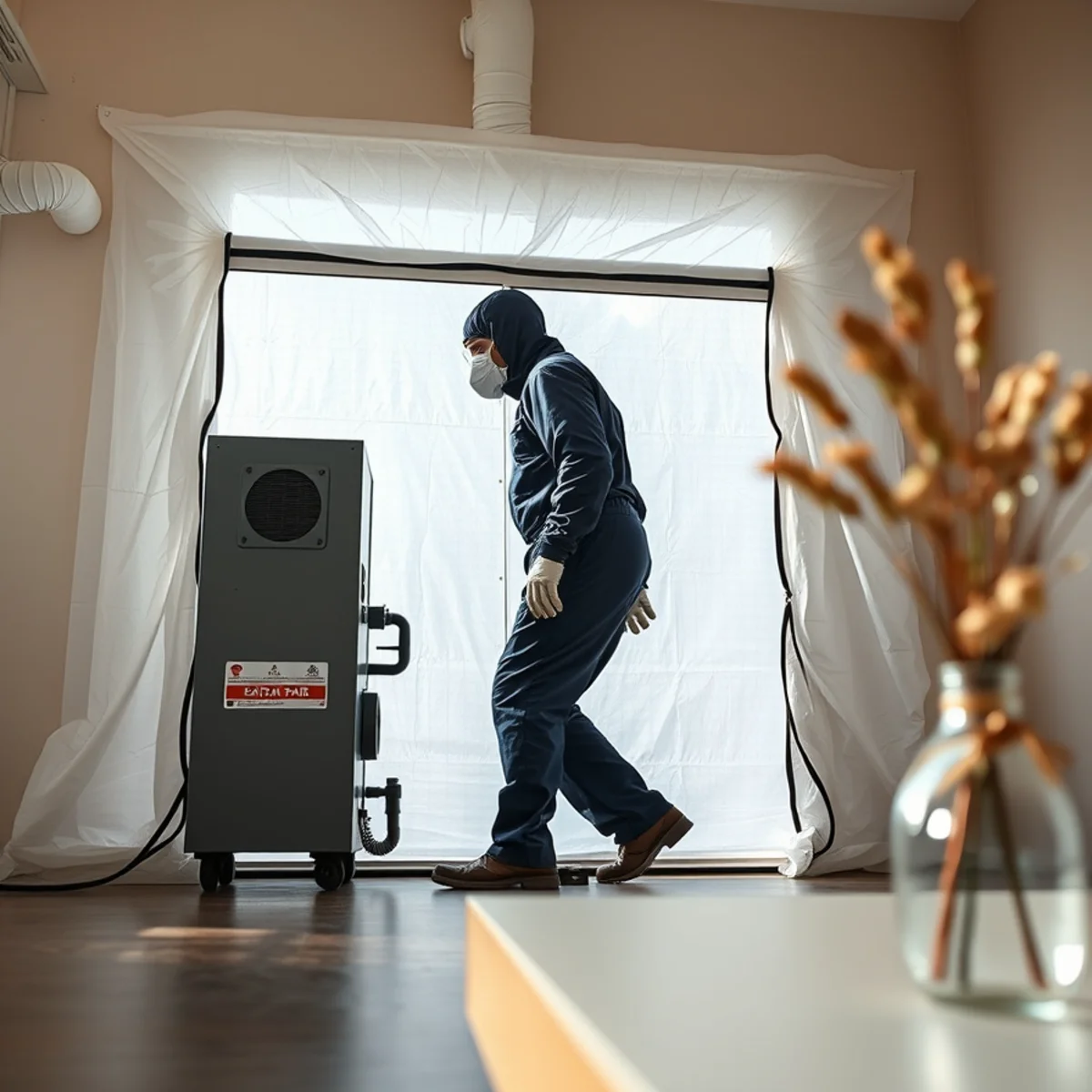
- Containment — poly barriers sealing the affected area from the rest of the building.
- Negative air pressure — HEPA-filtered machines pull air out of containment so contaminated air cannot migrate into clean space.
- Full PPE for every technician on every entry.
- Extraction of contaminated water and solids, handled and disposed of as regulated waste.
- Removal of all porous material the water contacted — carpet, pad, insulation, particleboard, and the affected height of drywall.
- Cleaning of every remaining surface, then disinfection with an EPA-registered hospital-grade product.
- HEPA vacuuming of framing and hard surfaces, with air scrubbers running throughout.
- Structural drying only after decontamination is complete, then verification before containment comes down.
What can be saved, honestly
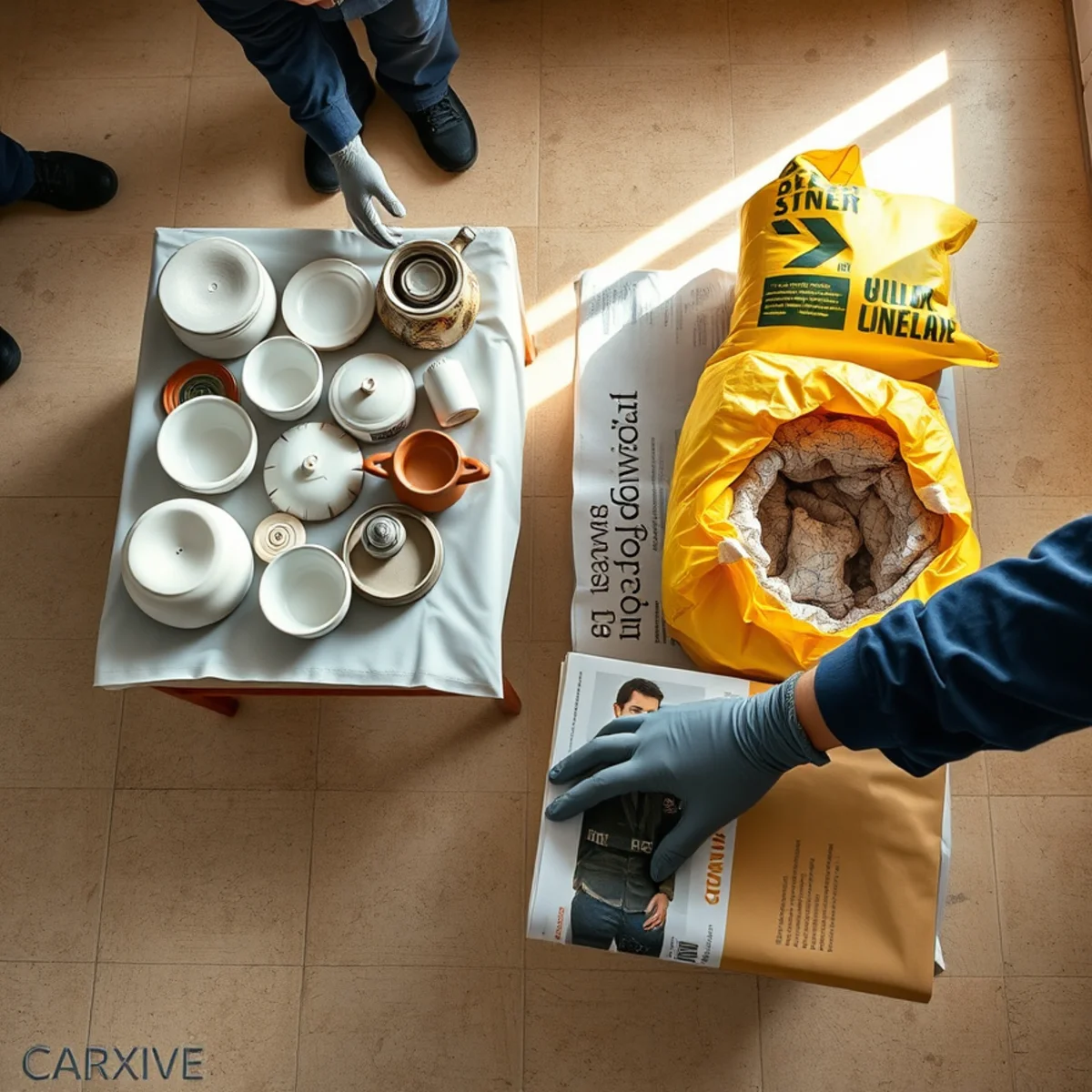
Hard, non-porous items clean up fine: tile, sealed concrete, metal, glass, glazed ceramics, solid wood furniture with intact finish.
Porous items that absorbed Category 3 water do not. Carpet and pad, upholstered furniture, mattresses, insulation, particleboard, and drywall all get removed. This is not a cost decision that a contractor is making to inflate an invoice — it is the standard, and it is a health call.
Why this happens so often in Berkeley
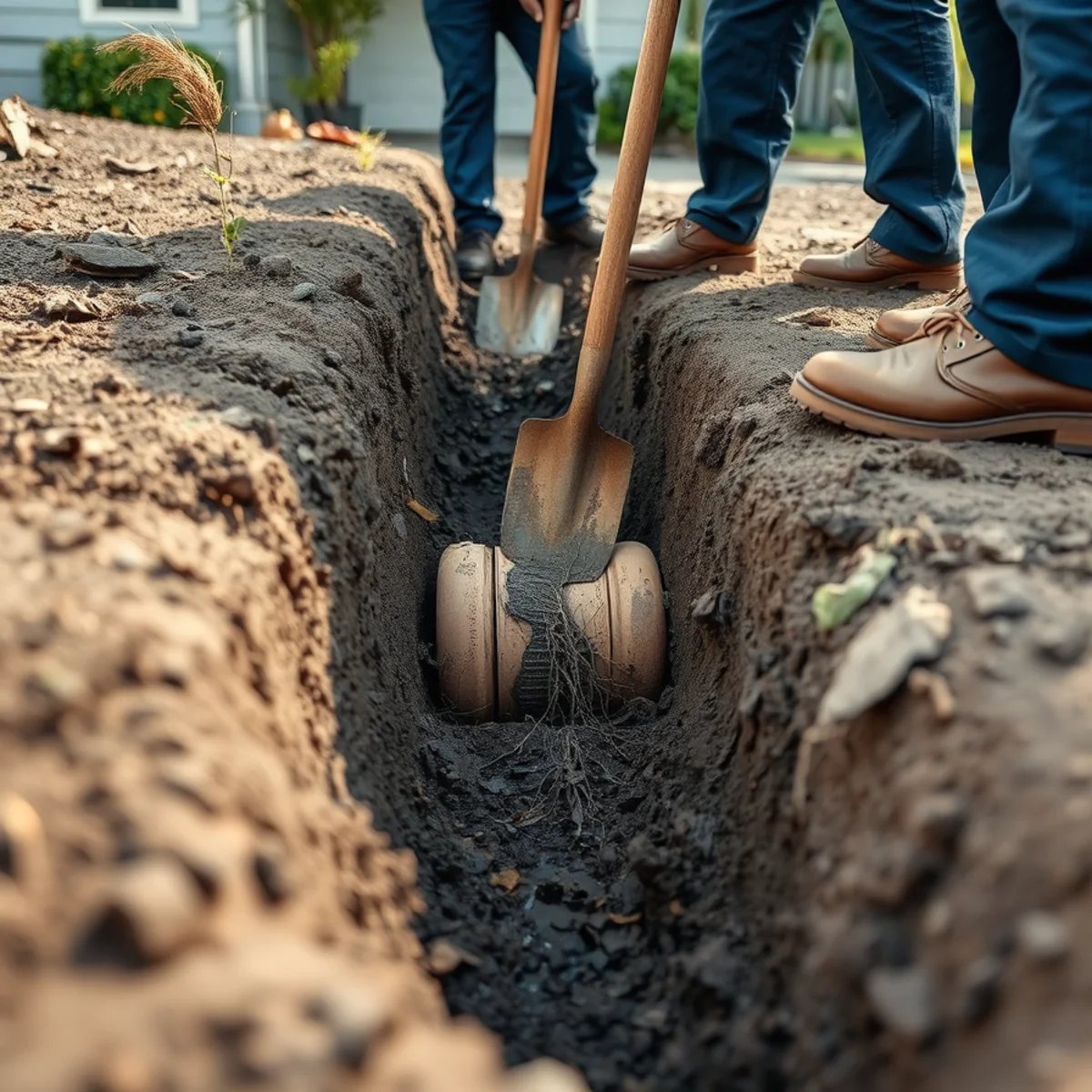
Berkeley's sewer laterals are old and they are the homeowner's responsibility. The city's Private Sewer Lateral ordinance requires that pipe to be tested and certified, most commonly triggered at point of sale — and a great many owners discover the requirement at the worst possible moment.
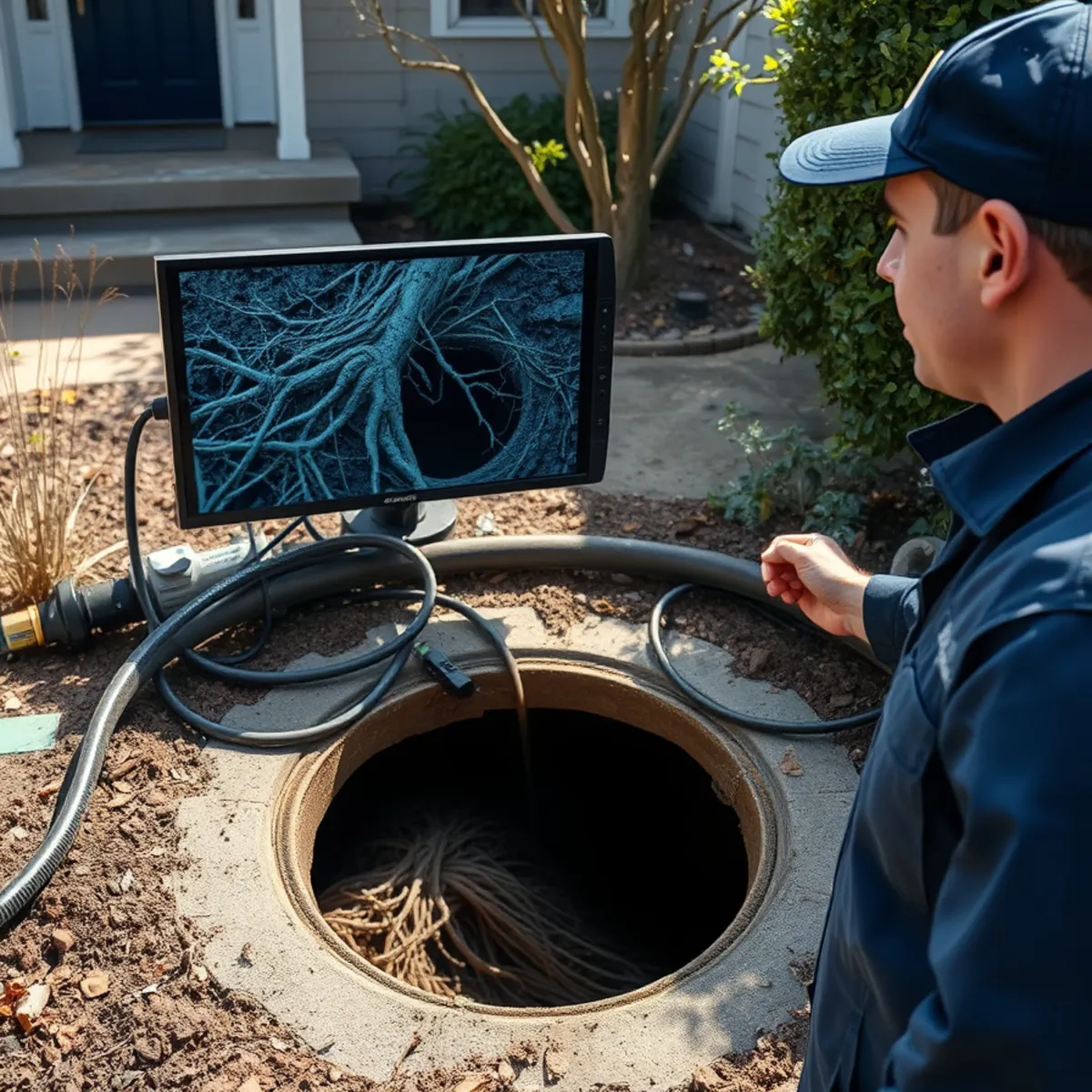
The underlying material is the problem. Older neighborhoods were plumbed with vitrified clay pipe in short sections with mortared joints. Sixty to a hundred years later those joints have shifted open, and the street trees that make South Berkeley and Elmwood pleasant to walk have found every one of them.
It also explains the timing. Backups here cluster during storms, because a cracked lateral lets groundwater infiltrate, the line runs at capacity, and the lowest fixture in the house becomes the relief point. If your house backs up every time it rains hard, you do not have a clog — you have a lateral with open joints. Read more in our guide to Berkeley's private sewer lateral program.
The insurance angle
Sewage backup is typically not covered by a base homeowners policy. It is covered by a separate water backup or sewer and drain backup endorsement, which is inexpensive and which a lot of Berkeley homeowners carry without realizing it. Check your declarations page.
If you do have it, the claim depends on evidence of proper Category 3 remediation — containment logs, disposal documentation, and verification. A DIY cleanup with none of that usually fails the test, which means you paid for the endorsement and then did the one thing that makes it unusable.
Frequently Asked Questions
We would not. Even a small backup carries the same pathogens, and disturbing it without containment aerosolizes them through the house. If it is genuinely confined to a hard, non-porous surface like a tiled shower pan, careful cleaning with PPE and a proper disinfectant is defensible — anything touching carpet, drywall, or a wood floor is not.
Any water containing sewage, any water from a toilet with solids, any flood or ground water, and any water that has been sitting long enough to grow. Category 2 water also escalates to Category 3 after roughly 48 hours.
If the failure is in the public main rather than your private lateral, the city may be liable. We identify which it is during the assessment and document it, because that determines who pays for the repair.
Dealing with this right now?
Call (201) 277-9344 and a live local dispatcher will answer — any hour, any day. Free inspection, and we bill your insurance directly.
- 60–90 Min Response
- Live dispatcher, never an answering service
- We bill your insurance directly