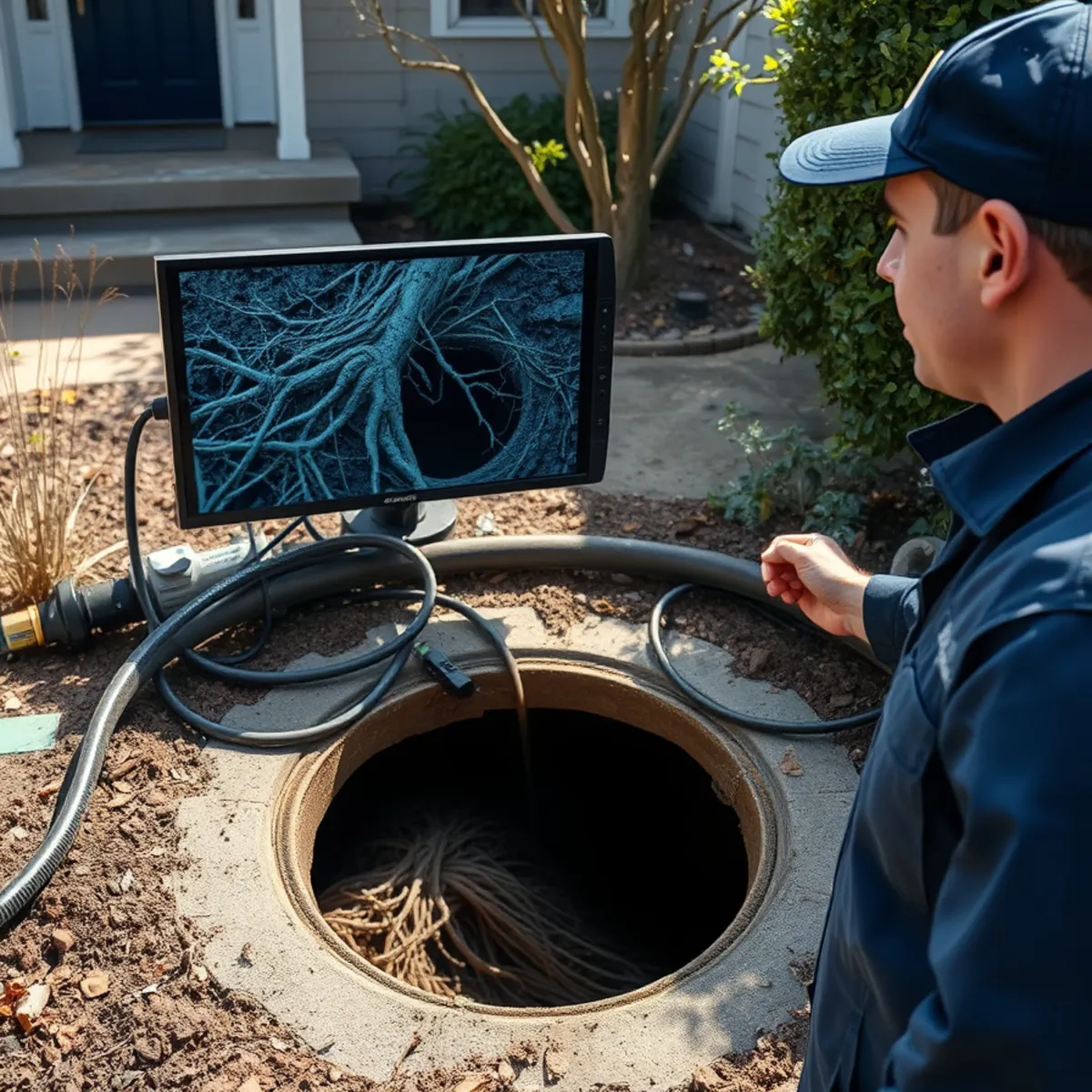
The sewer pipe running from your house to the city main is your responsibility, not the City of Berkeley's. Most homeowners find that out either when a lateral fails or when a sale falls into escrow and a certification is required.
It is worth understanding before either of those happens.
What the ordinance requires
Berkeley, like most cities in the EBMUD service area, has a Private Sewer Lateral ordinance requiring the private portion of the sewer line to be tested and certified as sound. The requirement is most commonly triggered at point of sale, and also by significant remodels and certain permit work.
A lateral that fails the test has to be repaired or replaced. In a transaction, that becomes a negotiation between buyer and seller — and a bill that arrives with very little notice.
The underlying policy reason is real: cracked laterals let groundwater into the sewer system during storms, and that infiltration is a major contributor to regional overflows during heavy rain. Requirements and thresholds do get updated, so confirm current details with the City of Berkeley or EBMUD before relying on any specific figure.
Why Berkeley laterals fail
Two things, and they compound.
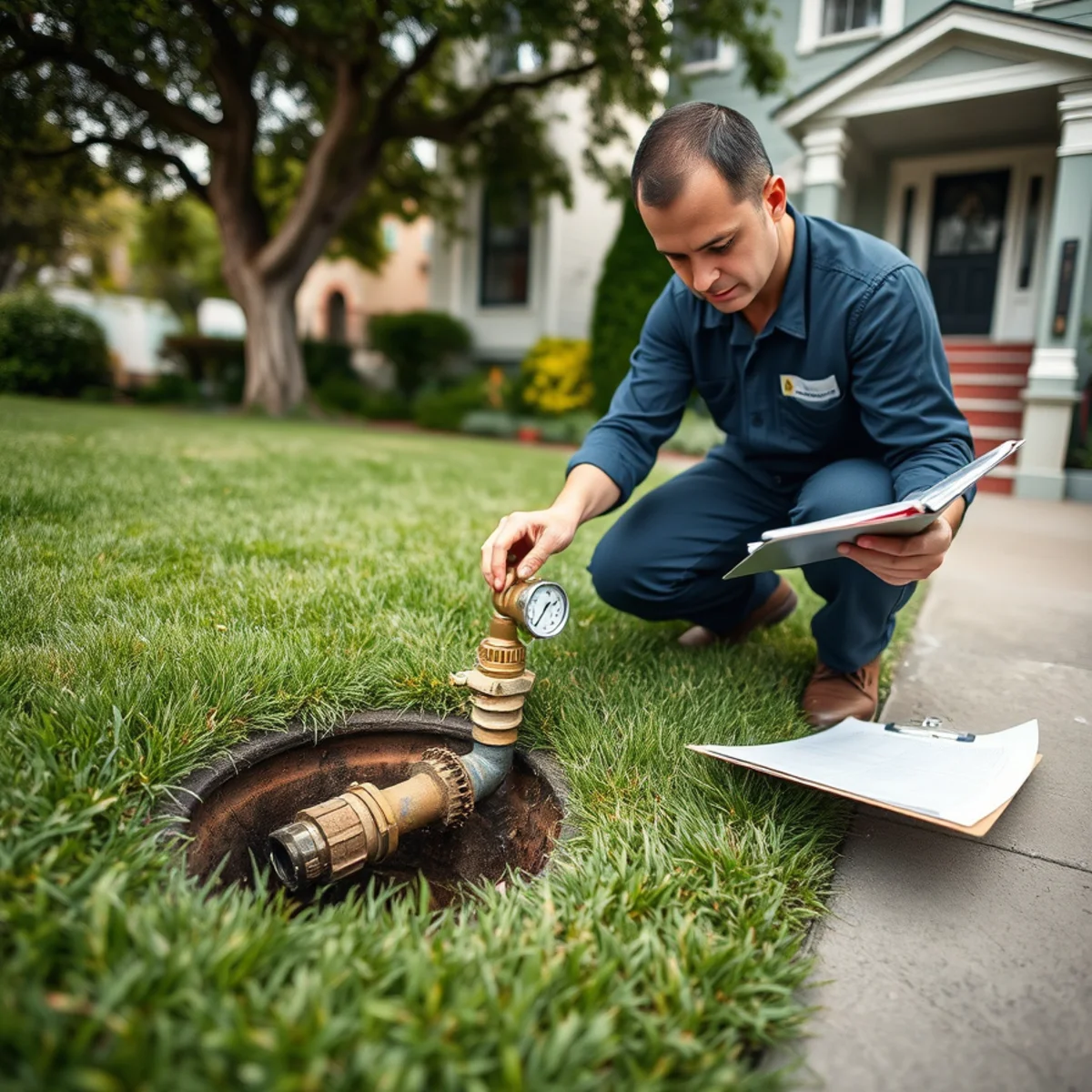
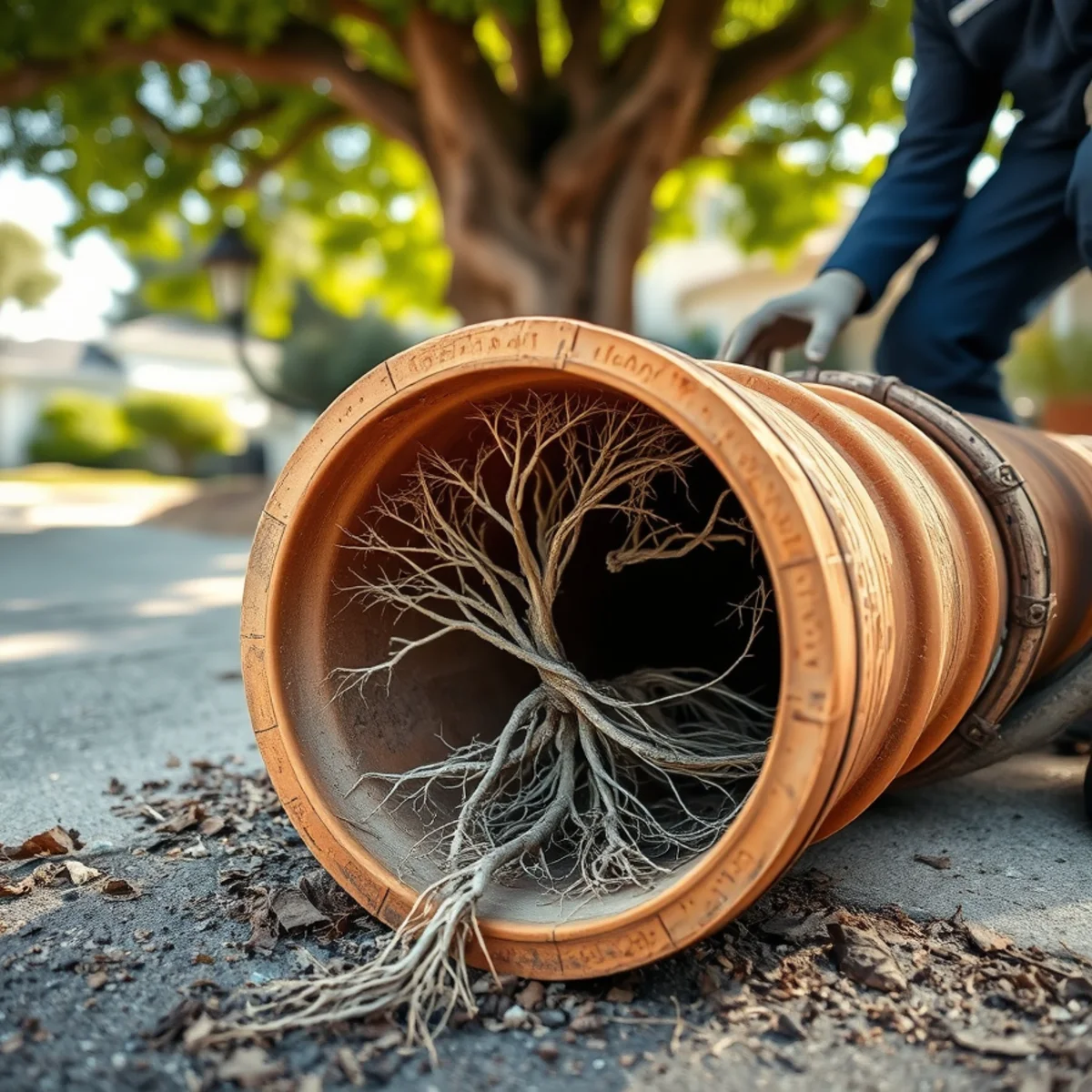
Vitrified clay pipe. Berkeley's older neighborhoods were plumbed with clay in short sections joined with mortar. Clay itself is remarkably durable — it does not corrode and it lasts a long time. The joints are the weakness. Sixty to a hundred years of ground movement and seismic activity opens them up.
Street trees. The mature oaks, liquidambars, and elms that make Elmwood, North Berkeley, and South Berkeley beautiful have root systems seeking moisture. An open joint in a sewer lateral is the most attractive thing in the soil. Roots find it, grow into it, widen it further, and build a mat that catches everything passing through.
The warning signs
- Gurgling from a toilet when you run a sink. Air being displaced past a partial blockage. This is the earliest signal, often weeks before an actual backup.
- Multiple fixtures draining slowly at once. One slow drain is a local clog; two or three is the main line.
- The lowest fixture in the house backing up when you use water elsewhere — a downstairs shower or a floor drain.
- Backups that only happen during heavy rain. Groundwater infiltrating through open joints. This is the classic Berkeley pattern and it is a lateral diagnosis, not a clog diagnosis.
- A sewage smell in the yard, or a patch of unusually green fast-growing grass over the line. It is being fertilized.
- Repeated clogs in the same place. Roots regrow. Snaking cuts them back; it does not remove them.
What to do when it backs up
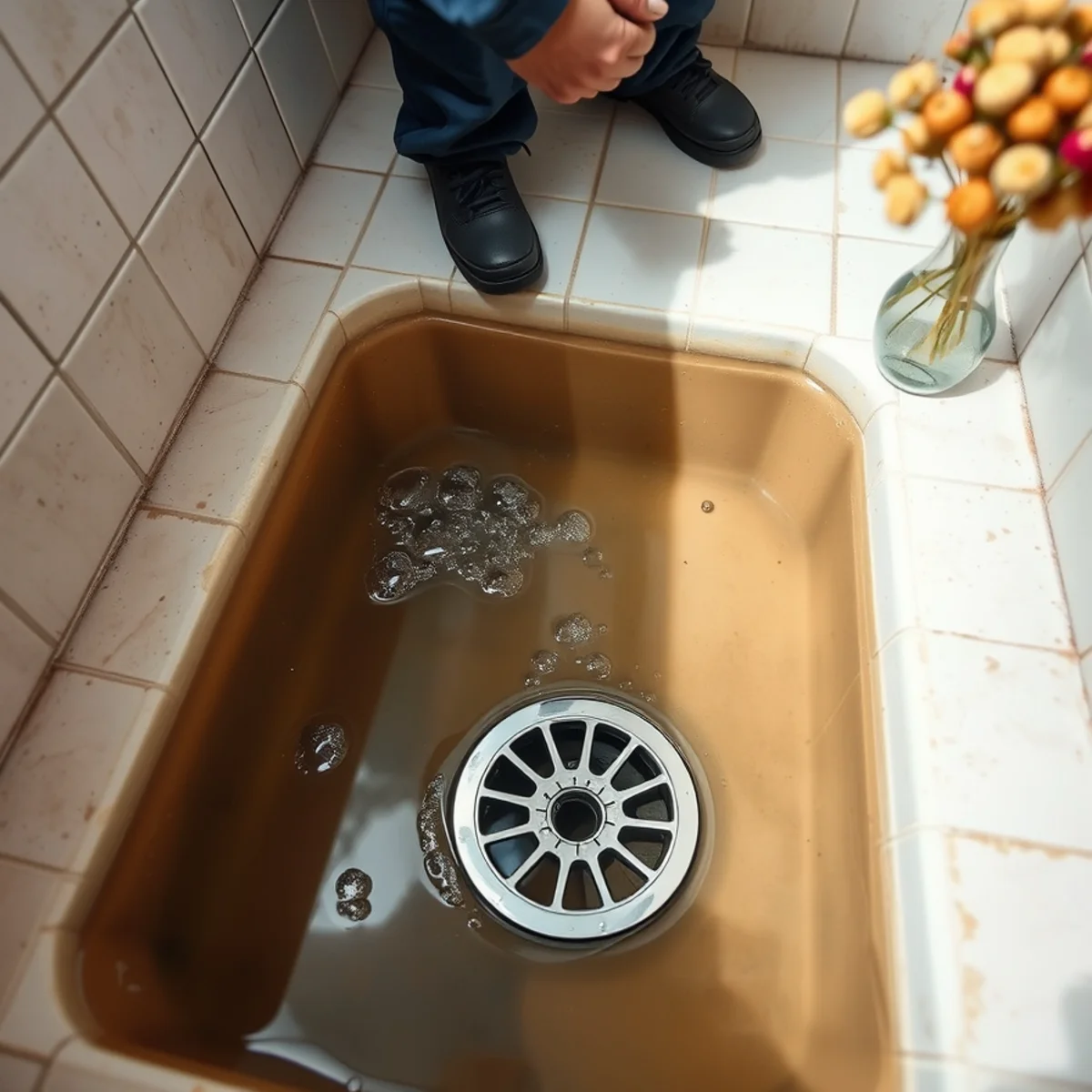
Stop using water in the entire house. Every sink, every toilet, the washing machine. Everything drains into the same lateral, and everything you run adds to what is coming up.
Keep people and pets out of the affected area, turn off HVAC serving that space so contamination is not distributed through the ducts, and call. Sewage is Category 3 water — it needs containment and proper decontamination, not a mop and bleach.
Repair options, roughly cheapest to most involved
- Hydro-jetting and root cutting. Clears the immediate blockage. Buys time — often a year or two — and does not fix the joint the roots came through.
- Spot repair. Excavate and replace a single failed section. Reasonable when a camera shows one clear failure point.
- Pipe lining (CIPP). A resin liner cured in place inside the existing pipe. Trenchless, so your garden and hardscape survive, and it seals every joint at once. Usually the best value on a lateral that is structurally intact but leaking at the joints.
- Pipe bursting. A head pulled through the old pipe fractures it outward while drawing new pipe behind. Also trenchless, and it works where the old line has collapsed.
- Full open-trench replacement. Necessary when the line has collapsed badly or the route needs changing. The most disruptive, and sometimes the only option.
A camera inspection comes first regardless. Nobody should be quoting a repair on a lateral nobody has looked inside.
Who pays
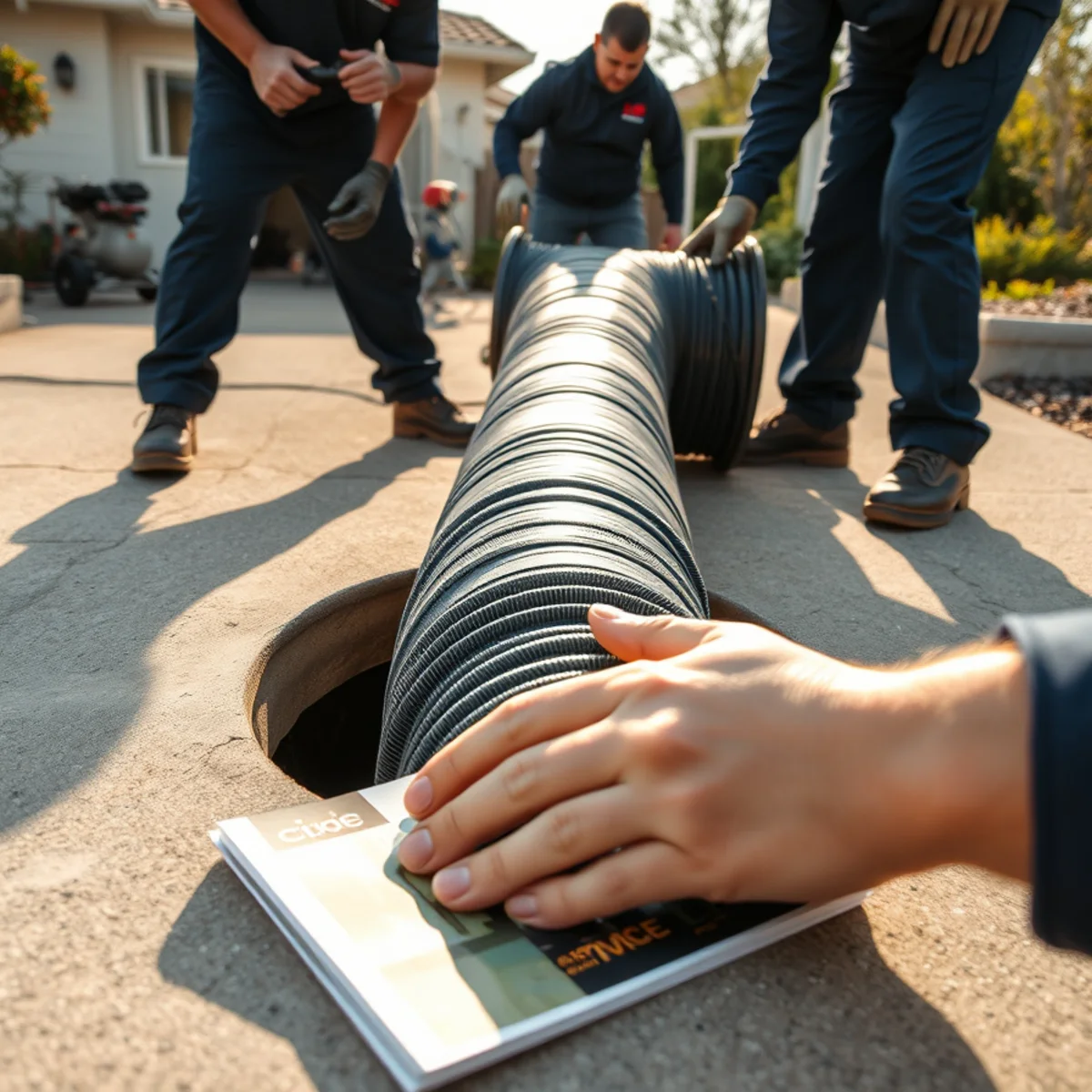
The private lateral is yours, including in most cases the portion running under the sidewalk and out to the main. If the blockage is in the public main itself, the city may be liable — which is exactly why identifying where the failure sits matters, and why we document it during the assessment.
For the interior damage: sewage backup is typically not covered by a base homeowners policy. It is covered by a separate water backup or sewer and drain endorsement, which is inexpensive and which a lot of Berkeley homeowners already carry without knowing. Check your declarations page.
The endorsement covers cleanup and damage. It does not cover the lateral repair — that is a plumbing expense. Some carriers offer separate service line coverage for exactly that.
If you are selling
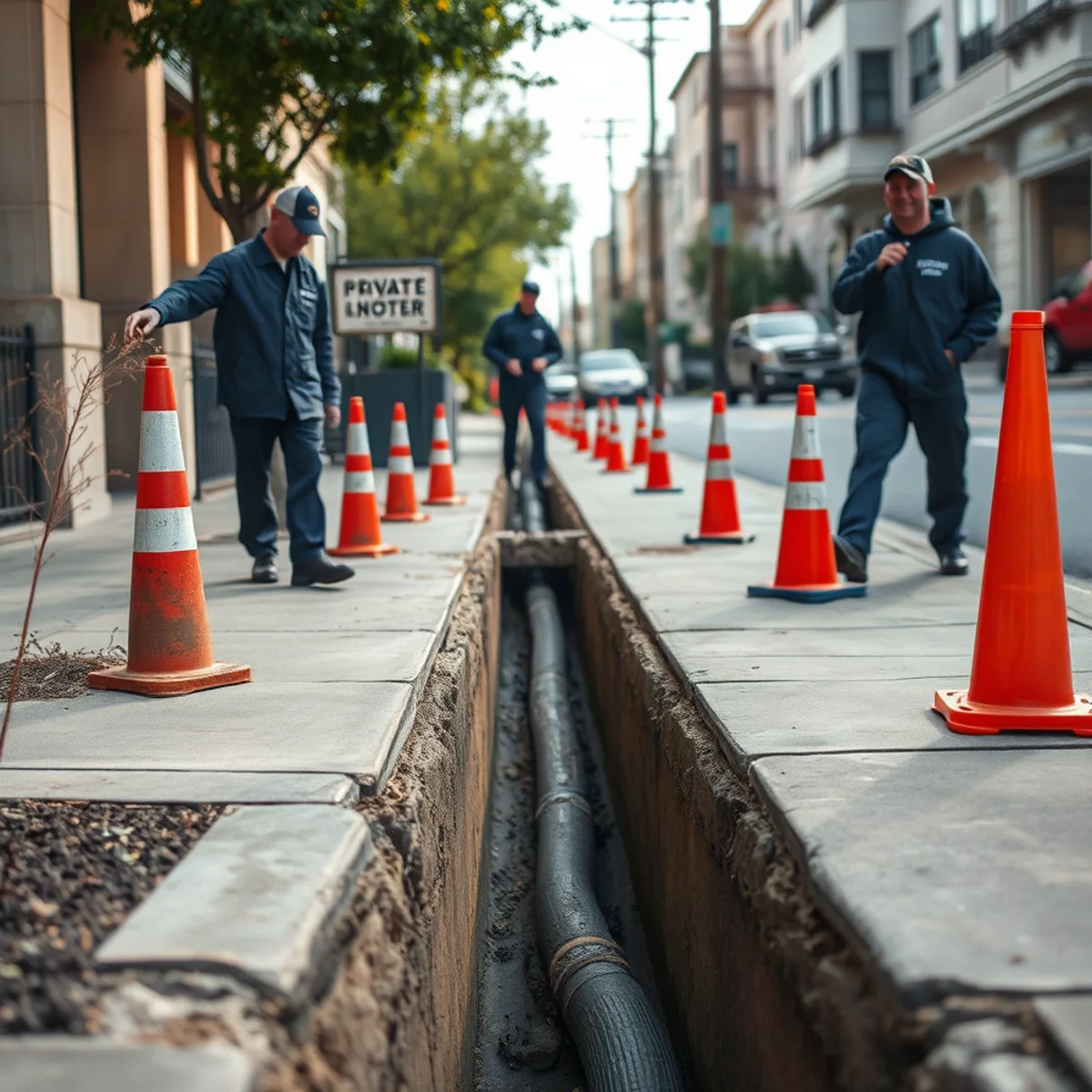
Get the lateral inspected and certified before you list rather than during escrow. A failure discovered mid-transaction becomes an urgent negotiation under time pressure, and urgent work is expensive work. Certification in hand is also a genuine selling point in a city where every informed buyer knows to ask.
Frequently Asked Questions
The property owner, generally including the portion running under the sidewalk to the connection at the main. The city is responsible for the public main itself. If a backup originates in the main rather than your lateral, that changes liability — which is why documenting where the failure sits matters.
Groundwater infiltration through open joints in a cracked lateral. Rain gets into the pipe, the line runs at capacity, and the lowest fixture in your house becomes the relief point. That is a lateral condition, not a clog — snaking it will not stop it happening next storm.
Not usually. A water backup endorsement covers the cleanup and interior damage; the pipe repair is a plumbing expense. Some carriers offer separate service line coverage that does cover the buried line, and it is worth asking about.
Dealing with this right now?
Call (201) 277-9344 and a live local dispatcher will answer — any hour, any day. Free inspection, and we bill your insurance directly.
- 60–90 Min Response
- Live dispatcher, never an answering service
- We bill your insurance directly