Berkeley houses from the 1900s through the 1930s are full of old-growth Douglas fir and narrow-strip oak flooring. That material is effectively irreplaceable — modern lumber does not have the same grain density — so the question after a water loss is almost always whether it can be saved rather than what to replace it with.
Usually it can. But there is one mistake that makes it permanent, and it is the mistake almost everyone makes.
Cupping: edges up, center low
Cupping happens when the underside of a board takes on more moisture than the top. The bottom face swells, the board curls upward at the edges, and you get a washboard texture across the floor.
It is by far the most common water damage pattern in hardwood, and it is the most recoverable. Wood is hygroscopic — it takes on and gives off moisture continuously, and it changes dimension when it does. Cupping is the floor responding normally to an abnormal moisture gradient.
Prognosis: good. Mild to moderate cupping frequently flattens entirely on its own once the subfloor and the underside of the boards are properly dried and the wood re-equilibrates.
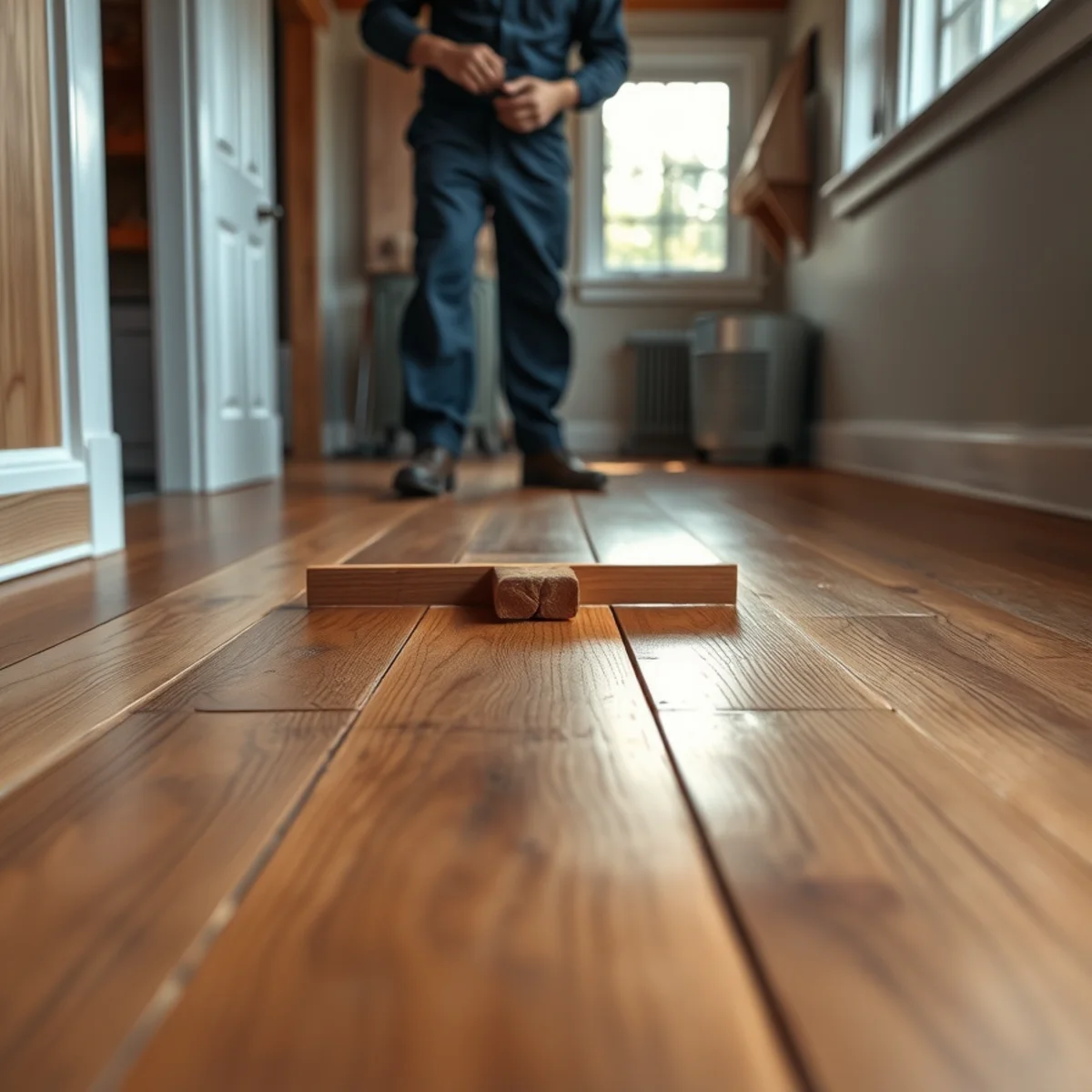
Crowning: center high, edges low
The inverse. Crowning happens when the top of a board is wetter than the bottom, or — far more often — because someone sanded a cupped floor before it dried.
Prognosis: mixed. Genuine moisture-driven crowning can resolve as the floor equilibrates. Crowning caused by premature sanding is permanent, because material that was removed is not coming back.
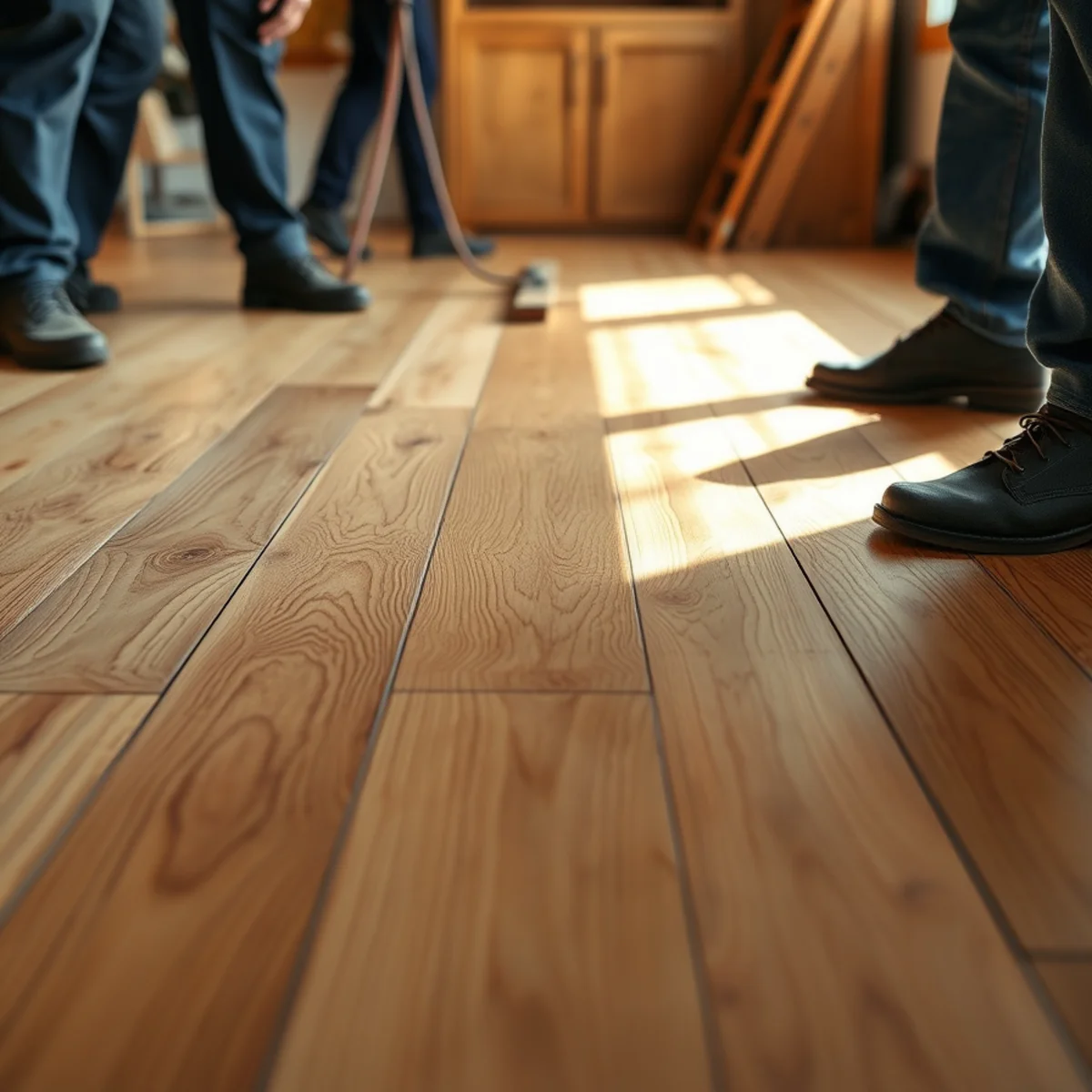
Buckling: boards lifting off the subfloor
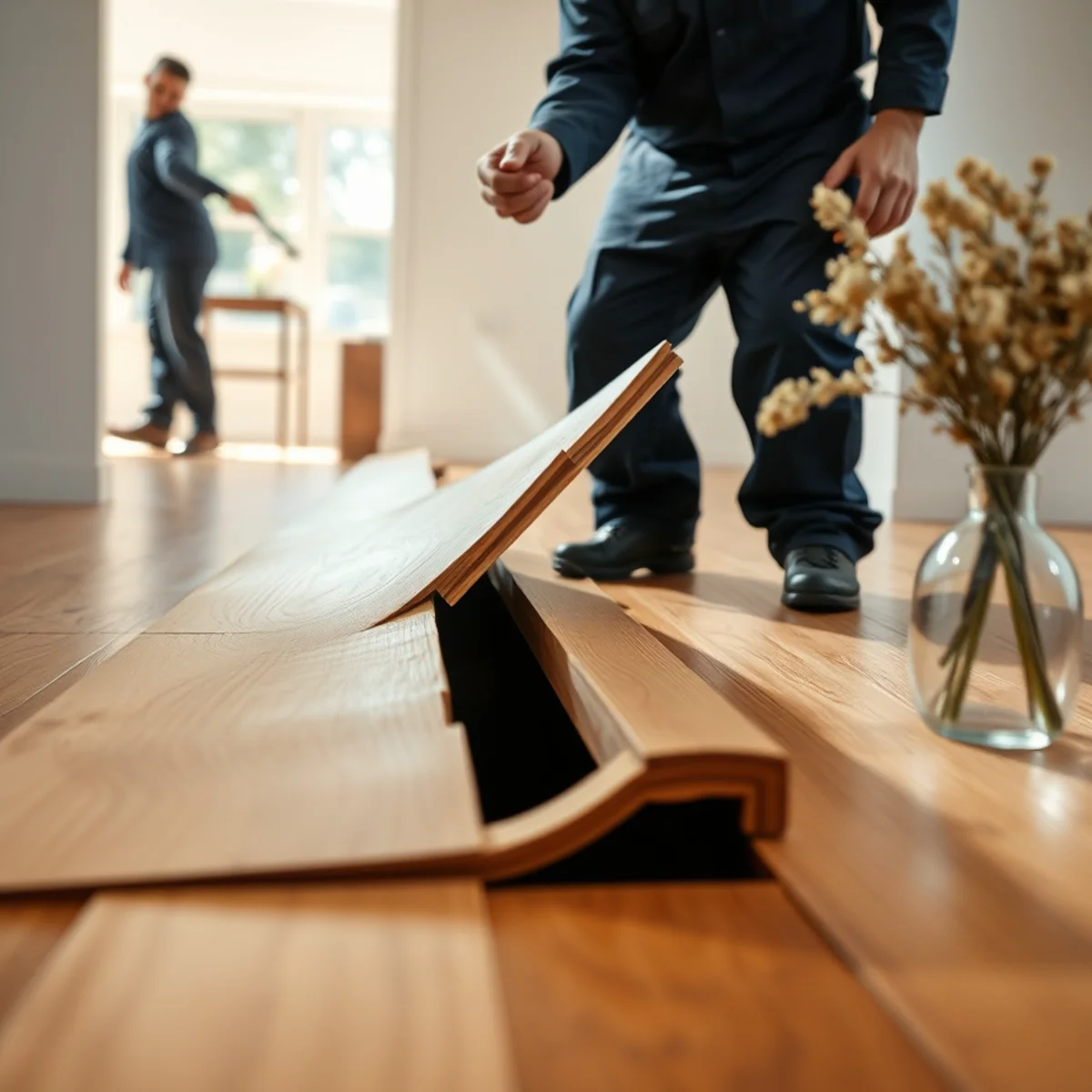
The severe case. Boards have expanded enough that there is nowhere left to go, so they lift away from the subfloor — sometimes tenting up several inches. Nails or adhesive have failed.
Prognosis: buckled sections come up. But often only those sections. A localized buckle in one area does not condemn the whole floor, and a skilled weave-in repair makes the patch invisible.
Why patience is the whole technique
The sequence that saves floors is unglamorous: dry properly, then wait, then decide.
Dry from below wherever possible. If we can reach the joist bays from a crawl space or basement, drying the underside is the fastest way to close the moisture gradient that caused the cup in the first place. Where we cannot, floor drying mats pull moisture up through the boards.
Do not rush the surface. Aggressive airflow on dense old-growth fir causes checking and splitting that was not part of the original loss. On these floors we lean on dehumidification and accept a slightly longer schedule.
Then wait several weeks. After readings hit standard, the floor needs time to re-equilibrate with the room. Most cupping resolves during this period. Sanding decisions come after that, not before — and the difference between a contractor who waits and one who does not is often the difference between keeping and replacing your floor.
What decides the outcome
- How long it was wet. Hours is very recoverable. Weeks means adhesive failure and subfloor delamination.
- Water category. Clean water is recoverable. Category 3 means removal regardless of the board condition — contaminated porous material comes out.
- Solid versus engineered. Solid hardwood can be sanded and refinished several times over its life. Engineered flooring has a thin wear layer, and once the core delaminates it is finished.
- Finish type. A site-finished oil floor breathes and dries more readily than a factory-applied urethane that traps moisture underneath.
- Subfloor condition. If the subfloor delaminated, the flooring comes up regardless — you cannot lay a good floor on a failed substrate.
Repairing rather than replacing
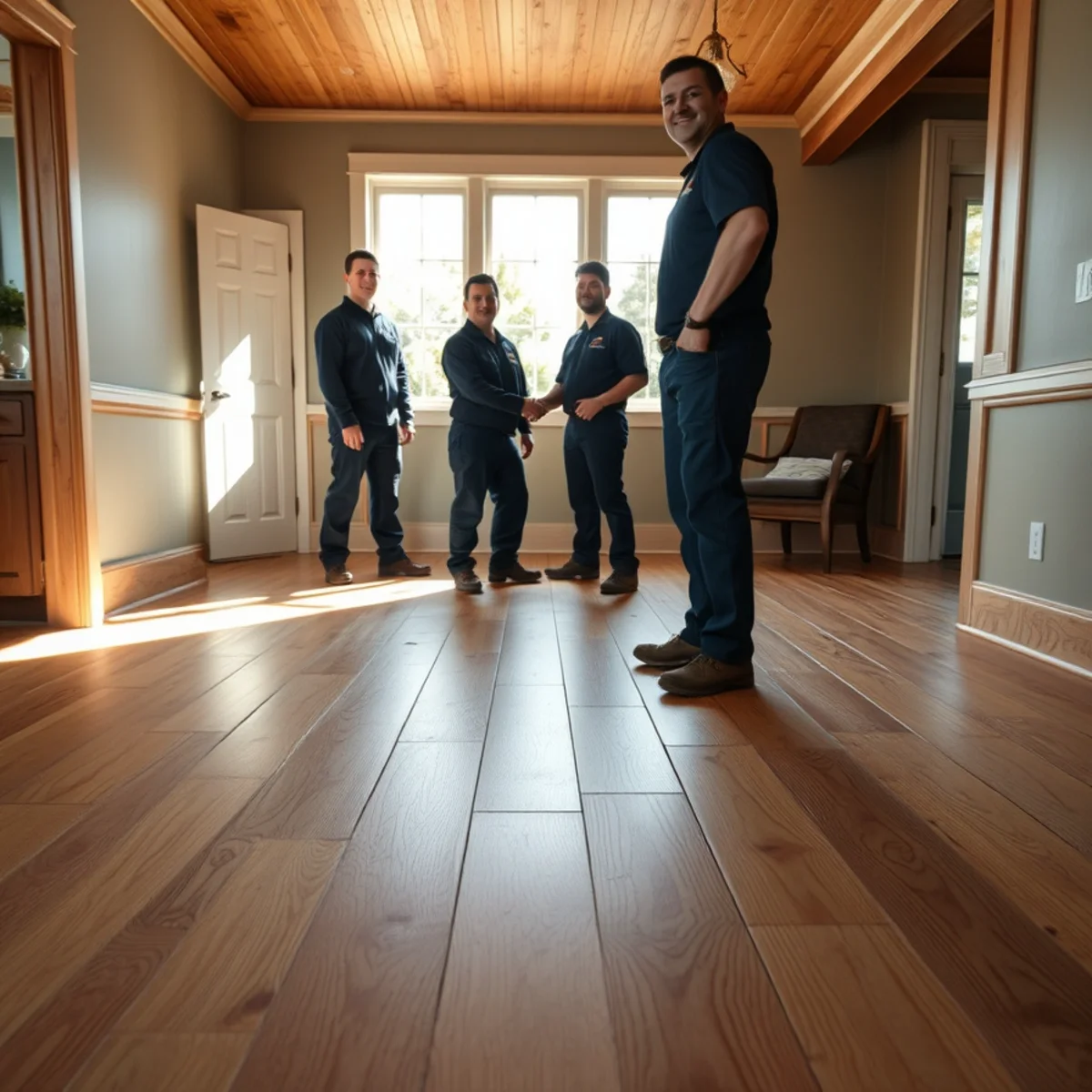
When boards do have to come out, the goal is a repair with no visible boundary. That means weaving in — staggering the new boards into the existing field so there is no seam line — rather than cutting a rectangle and dropping in a patch.
For Berkeley's pre-war houses we source reclaimed old-growth fir where we can, because new fir simply does not match the grain of a 1915 floor. The whole field is then sanded and finished as one, so the repair disappears into the floor rather than sitting next to it. That is the standard we work to on our water damage repair jobs in Elmwood and North Berkeley.
What to do right now if your floor is wet
- Get the standing water off immediately — every hour on the surface matters.
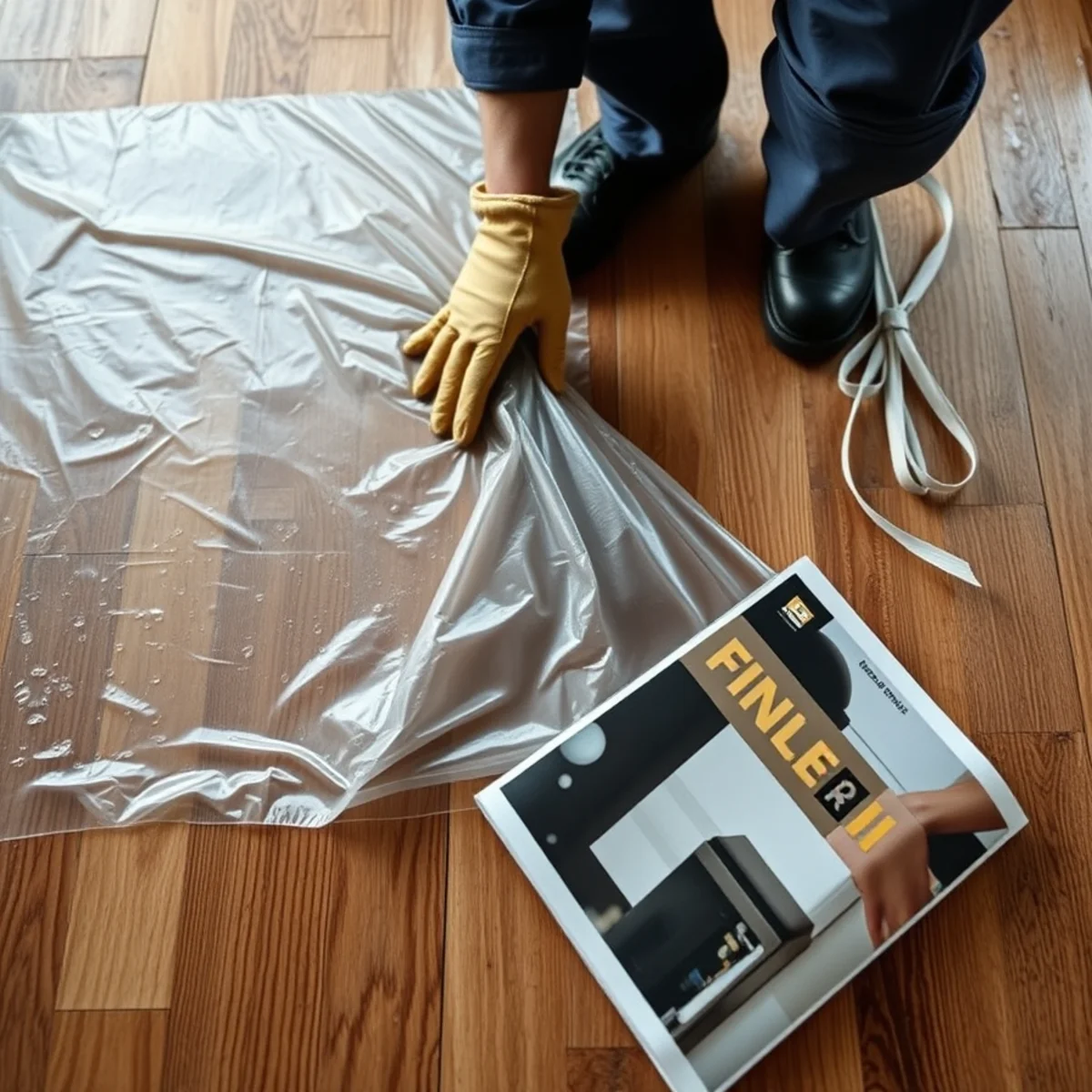
- Do not put plastic or a tarp over it. Trapping moisture against wood is exactly wrong.
- Do not turn the heat up to dry it faster. Fast surface drying on a wet subfloor causes checking.
- Do not pull up boards yourself. Undamaged boards get destroyed on removal, and they may not have needed to come out.
- Call for proper drying with metering, and be prepared for the answer to be "wait a few weeks and then we will look at it."
Frequently Asked Questions
Frequently, yes — mild to moderate cupping usually resolves once the subfloor and the underside of the boards are properly dried and the wood re-equilibrates over several weeks. The critical thing is not to sand during that period.
Drying takes several days to a week for hardwood. Then allow two to four weeks of acclimation before evaluating. Anyone who tells you on day three that the floor has to be replaced has not waited long enough to know.
Less often than solid hardwood. Engineered flooring has a thin veneer over a plywood or fiberboard core, and once that core delaminates the board is done. Brief clean-water exposure caught quickly is sometimes recoverable; sustained saturation generally is not.
Dealing with this right now?
Call (201) 277-9344 and a live local dispatcher will answer — any hour, any day. Free inspection, and we bill your insurance directly.
- 60–90 Min Response
- Live dispatcher, never an answering service
- We bill your insurance directly