
Two houses in North Berkeley. Same street, same era, same failed galvanized supply line inside a wall. One claim gets paid in full. The other gets denied.
The difference is not the pipe. It is whether the carrier concluded the damage happened suddenly or gradually.
What the policy actually says
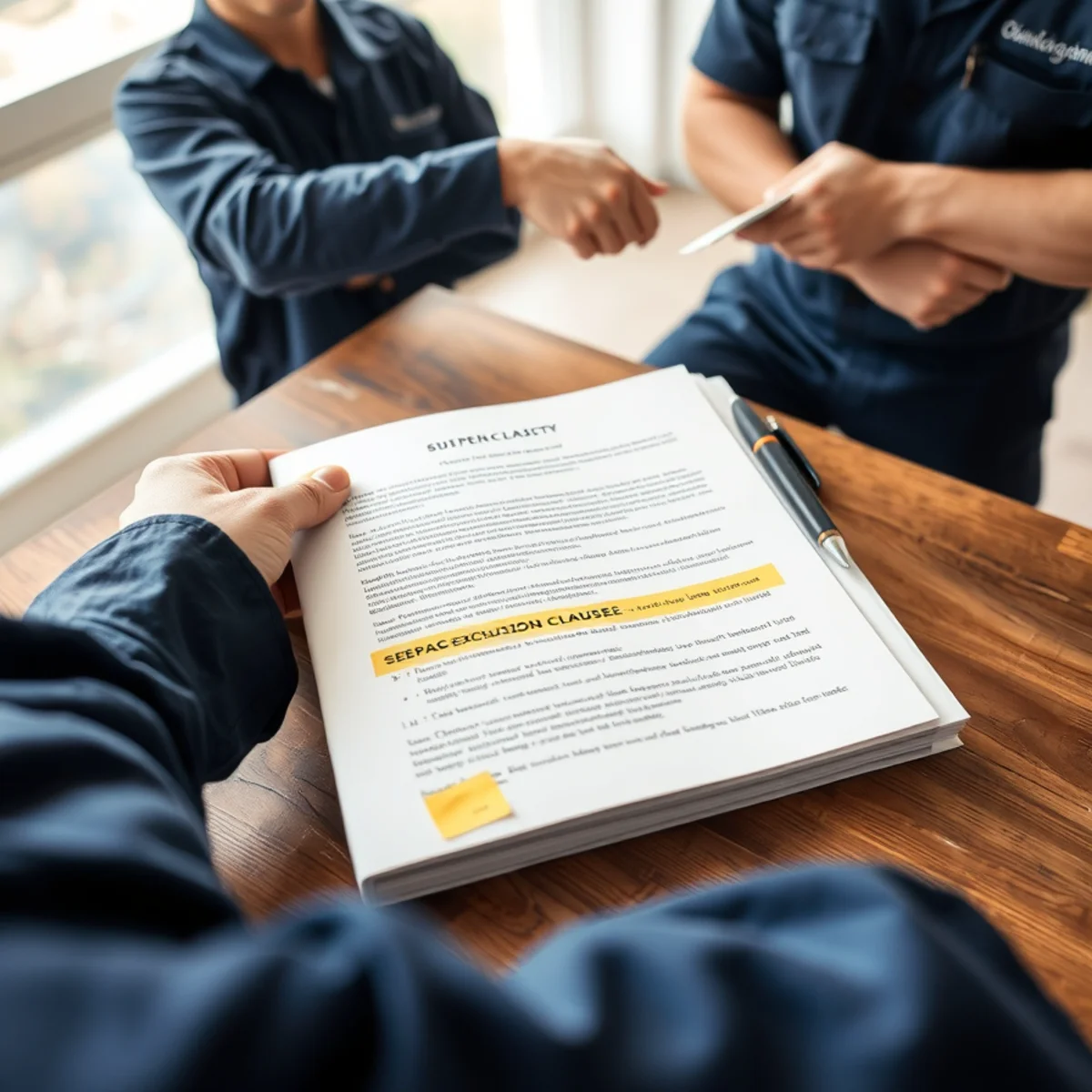
Standard California homeowners policies cover damage caused by the sudden and accidental discharge of water. They then exclude, in language that varies by carrier but not much in substance, loss caused by continuous or repeated seepage or leakage of water over a period of weeks, months, or years.
The logic is that insurance is for unforeseeable events, not for deferred maintenance. A carrier's position is that a leak running for six months is something a reasonable homeowner would have discovered and fixed.
That logic is defensible in the abstract and frequently unfair in practice, because a great many leaks are genuinely invisible until they are not.
How adjusters decide
There is no timer on the pipe. Adjusters and the engineers they hire read physical evidence, and it is worth knowing what they look at.
- Staining patterns. Multiple concentric tide lines on drywall indicate repeated wetting and drying over time. A single uniform saturation front suggests one event.
- Mineral deposits. Chalky white scale around a leak point takes months to build up. Its presence is a strong gradual indicator.
- Mold growth extent. Established colonies with visible structure suggest weeks or months. Early surface growth suggests days.
- Material deterioration. Rotted framing, delaminated subfloor, and crumbling drywall take time. Wet-but-intact material suggests a recent event.
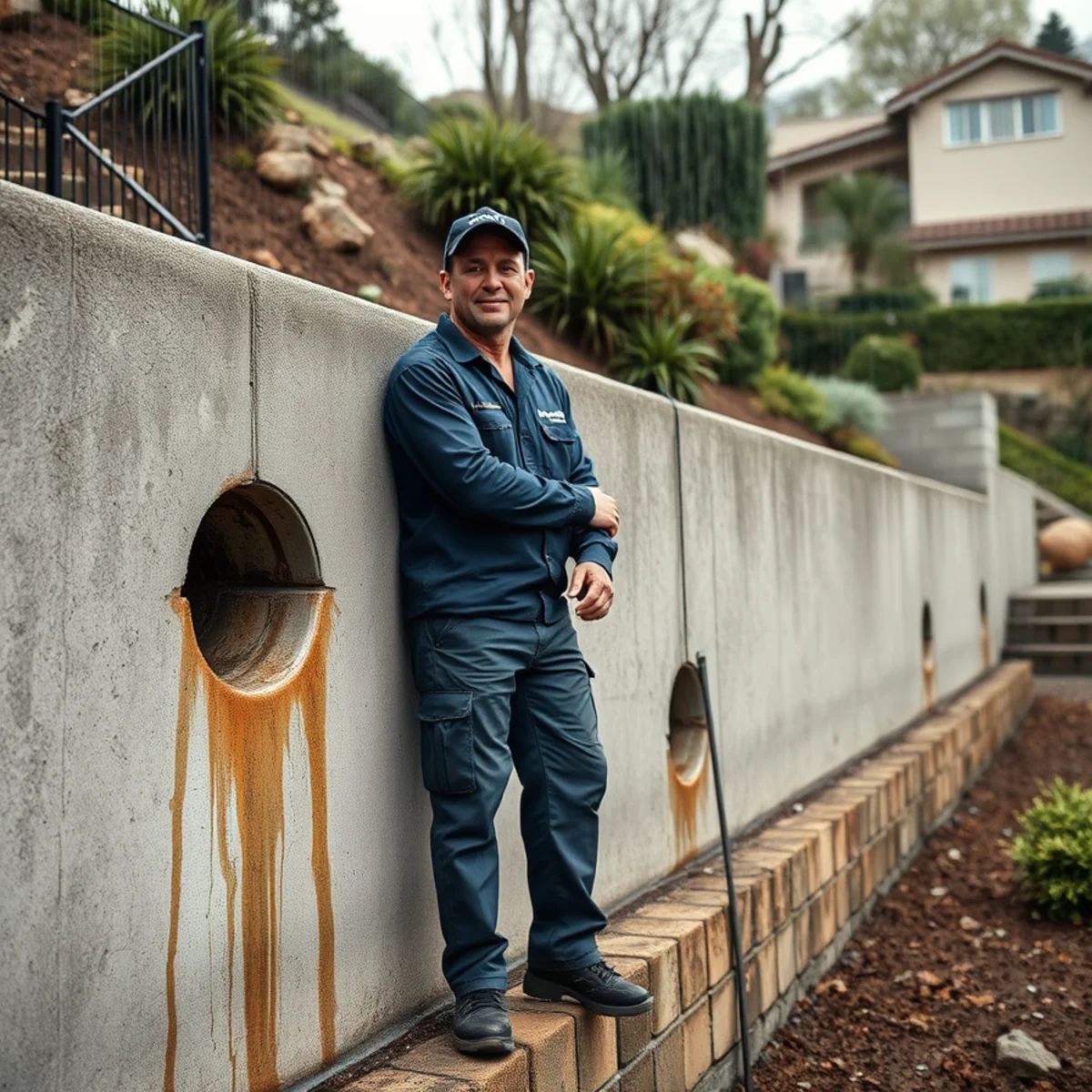
- Corrosion at the failure point. A clean split in otherwise sound pipe reads sudden. A pipe that has clearly been weeping — with rust staining trailing away from a pinhole — reads gradual.
- Rust or staining on nearby framing and fasteners. Time-dependent.

The Berkeley problem
Our housing stock makes this harder than it needs to be.
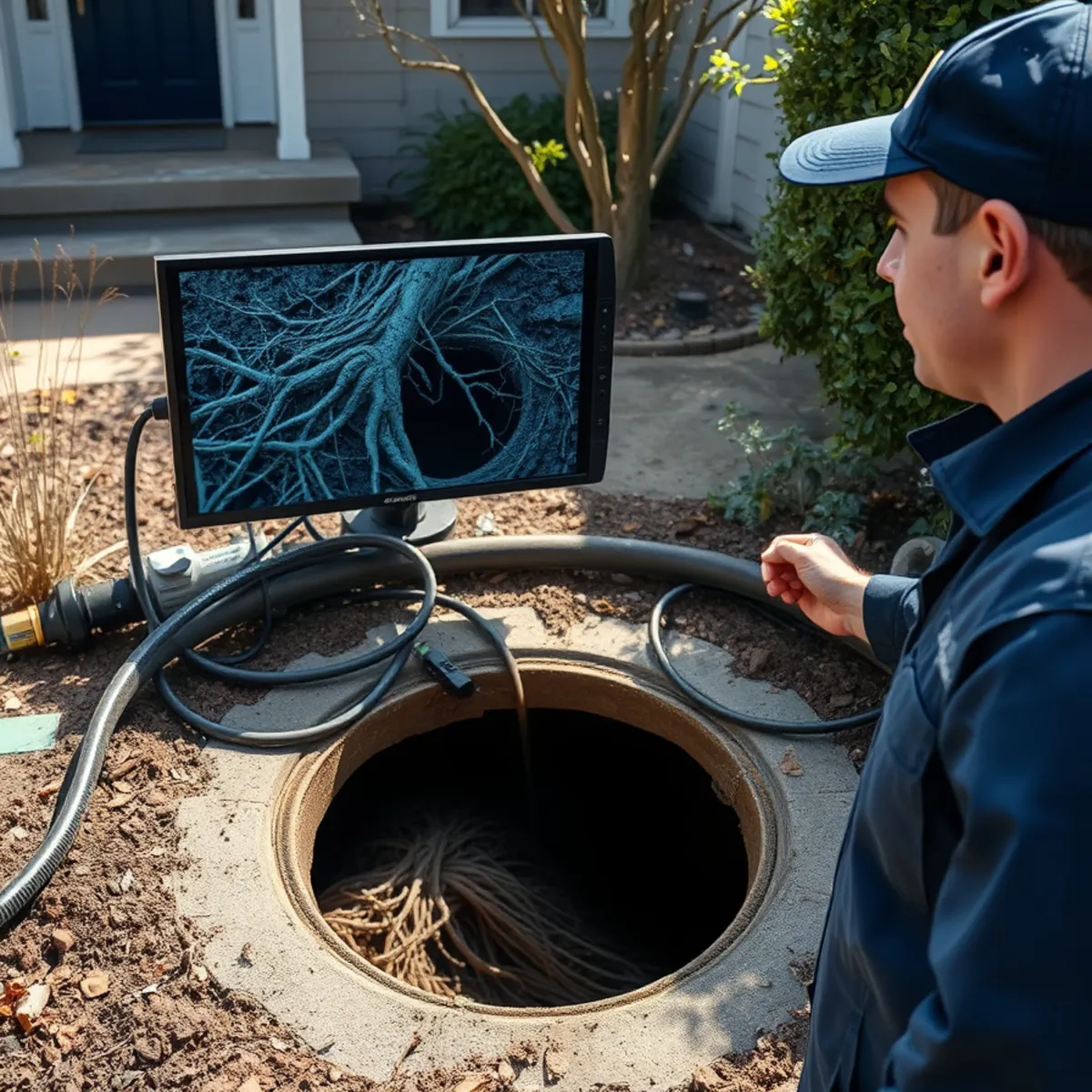
Galvanized pipe rarely fails cleanly. It corrodes internally for years, develops a pinhole that weeps slowly, and only later opens into a full break. So the physical evidence at the failure point often shows both signatures — long-term corrosion and a sudden final failure — and which one the adjuster leads with matters enormously.
Vented crawl spaces make it worse. A leak under a house in Northbrae or the flats can run for months with no visible sign upstairs, because the water goes into soil rather than through a ceiling. By the time anyone notices, the evidence looks unambiguously gradual even though the homeowner genuinely could not have known.

How to protect your position
Before anything happens: photograph your crawl space, under-sink cabinets, and water heater once a year. It takes fifteen minutes and it establishes that conditions were normal on a specific date. That single habit has resolved more disputes than any argument.
Keep plumbing invoices and inspection reports. Note the date if you notice anything unusual — a spot on a ceiling, a musty smell, a water bill that moved.
When you discover damage: report it the same day. A gap between discovery and reporting is the easiest thing for a carrier to use against you. Photograph before touching anything, and keep the failed component — a length of split pipe on a bench is very persuasive.
Get an independent professional assessment of cause and timeline. Our inspections document the failure mechanism, the moisture distribution, and the physical evidence of timing, all of it dated. When cause is disputed, that record is what the argument turns on.

The partial-coverage outcome nobody explains
A denial is not always all-or-nothing. Carriers frequently pay part of a claim, and it is worth knowing why.
A common resolution: the carrier accepts that the final failure was sudden and pays for the damage caused by the sudden event, while excluding deterioration that predated it. So you might get drywall, flooring, and drying covered while rotted framing that clearly predated the break is excluded.
If that is your outcome, it is often reasonable — and it is also often negotiable at the margins, because the line between "pre-existing deterioration" and "damage from the event" is genuinely blurry. Detailed documentation is what lets you argue the blurry part.

If you are denied
Get the denial in writing with the specific policy language cited. Read that language against your own policy. Request the engineering report the carrier relied on — you are entitled to it, and they are not always as conclusive as the denial letter implies.
Then supply what is missing: an independent assessment, dated photographs, maintenance records, the failed component. Request an internal appeal. If that fails, the California Department of Insurance takes complaints and has genuine leverage, and a licensed public adjuster works for you rather than the carrier on larger disputes.

Frequently Asked Questions
There is no fixed number. Carriers assess physical evidence — staining patterns, mineral deposits, mold development, material deterioration. Practically, damage that developed over more than a few weeks starts attracting the gradual exclusion.
That is the strongest position available, and it needs evidence: no visible signs, no accessible location, documented normal conditions from a recent inspection or photograph. A leak inside a wall or under a crawl space with no upstairs symptom is a legitimately unknowable failure — but you have to be able to show it.
Frequently, yes. Denials based on incomplete information get overturned when the missing evidence is supplied. Independent assessments, maintenance records, and the failed component itself all carry weight on appeal.
Dealing with this right now?
Call (201) 277-9344 and a live local dispatcher will answer — any hour, any day. Free inspection, and we bill your insurance directly.
- 60–90 Min Response
- Live dispatcher, never an answering service
- We bill your insurance directly