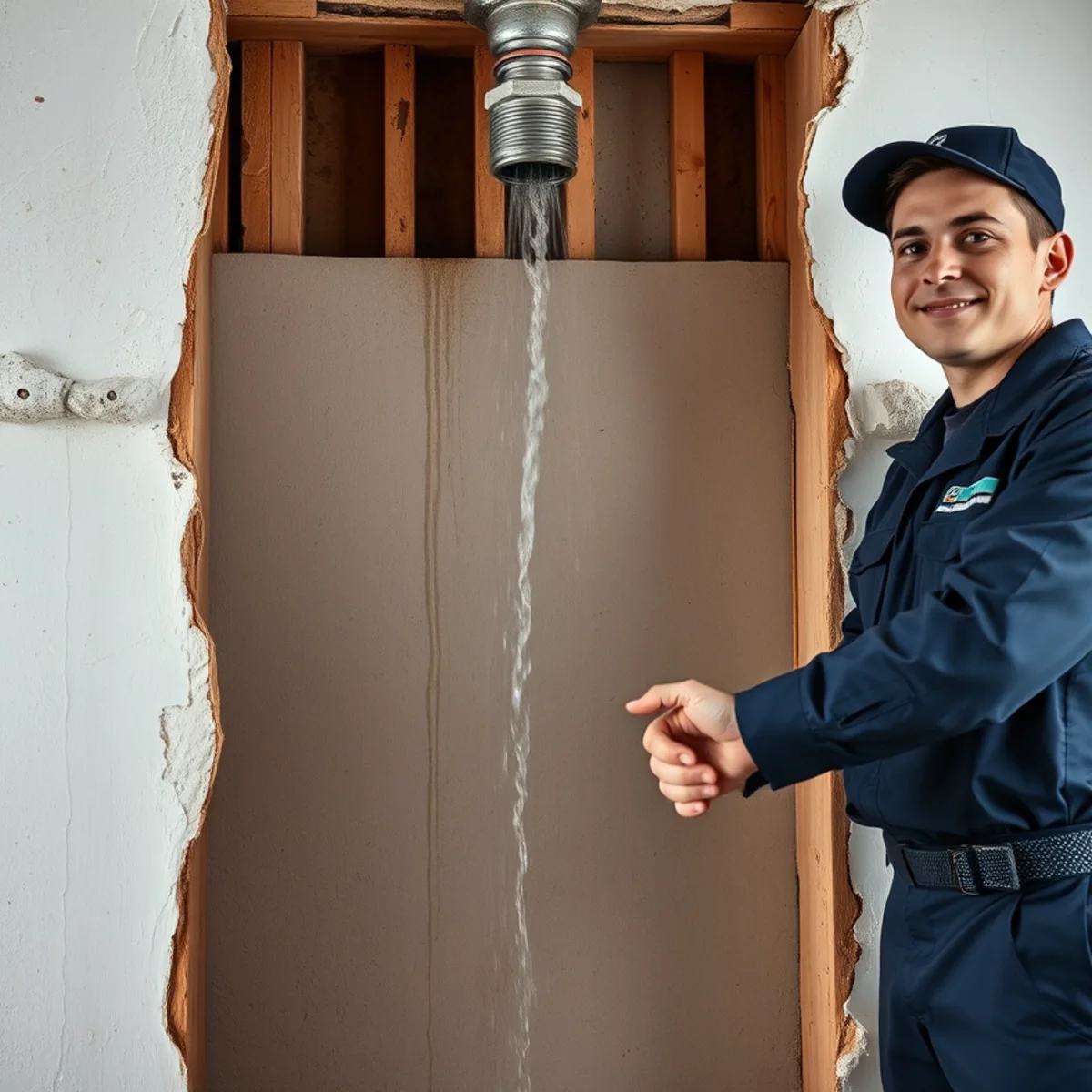
A half-inch supply line at typical household pressure delivers roughly six to ten gallons a minute. Ten minutes is a hundred gallons. An overnight failure while you are asleep upstairs is several thousand.
If that is happening right now, stop reading and go shut off your water. Then come back.
1. Shut off the main — and know where it is before you need it
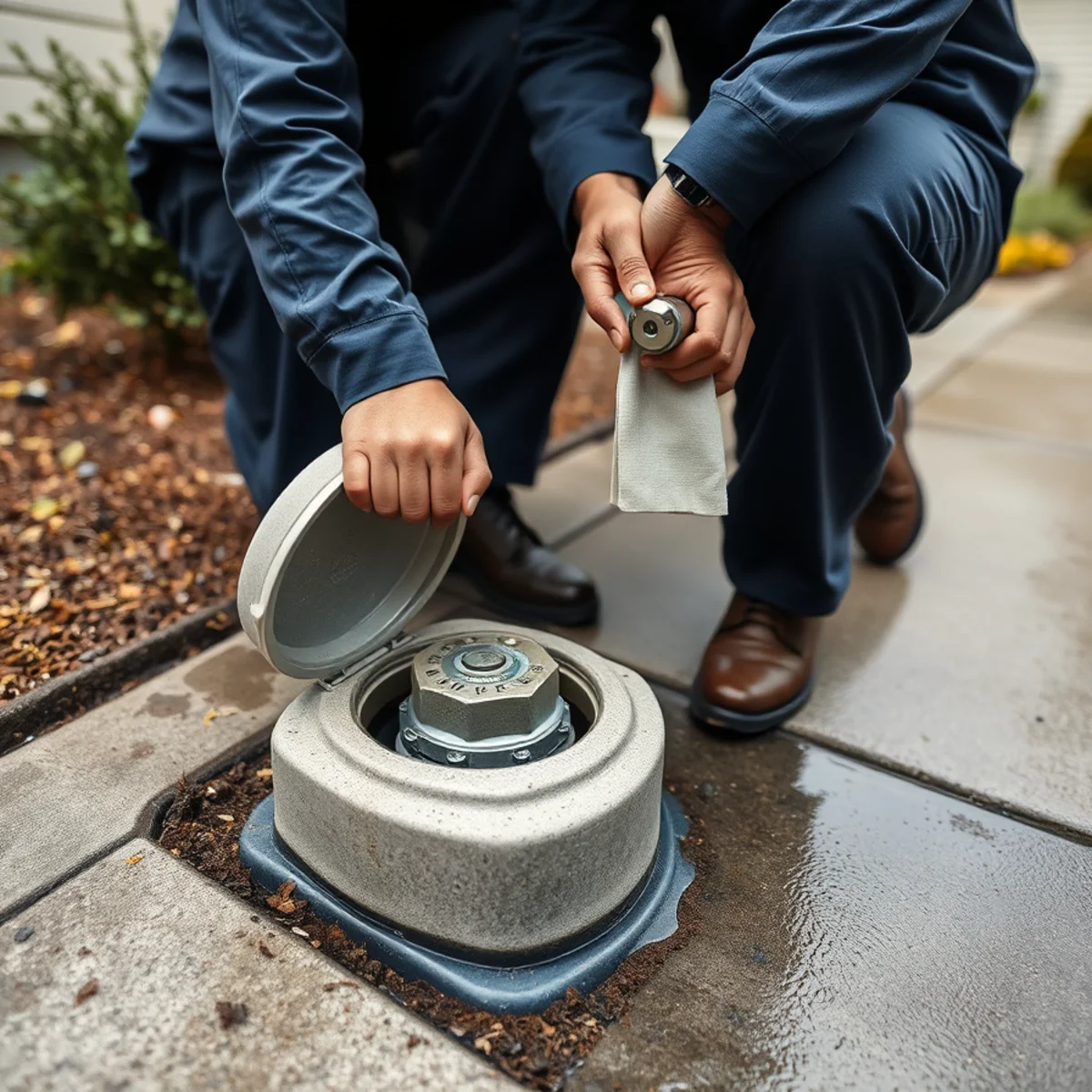
Berkeley homes typically have two shut-off options. The street valve sits in a concrete box near the sidewalk and usually needs a meter key or a crescent wrench. The house valve is often on an exterior wall near where the supply enters, frequently by the water heater.
Go find yours this weekend. Turn it, confirm it actually moves — valves that have not been operated in twenty years seize — and keep a meter key with your other tools. Every homeowner who has done this has been glad they did.
2. Cut power to the affected area
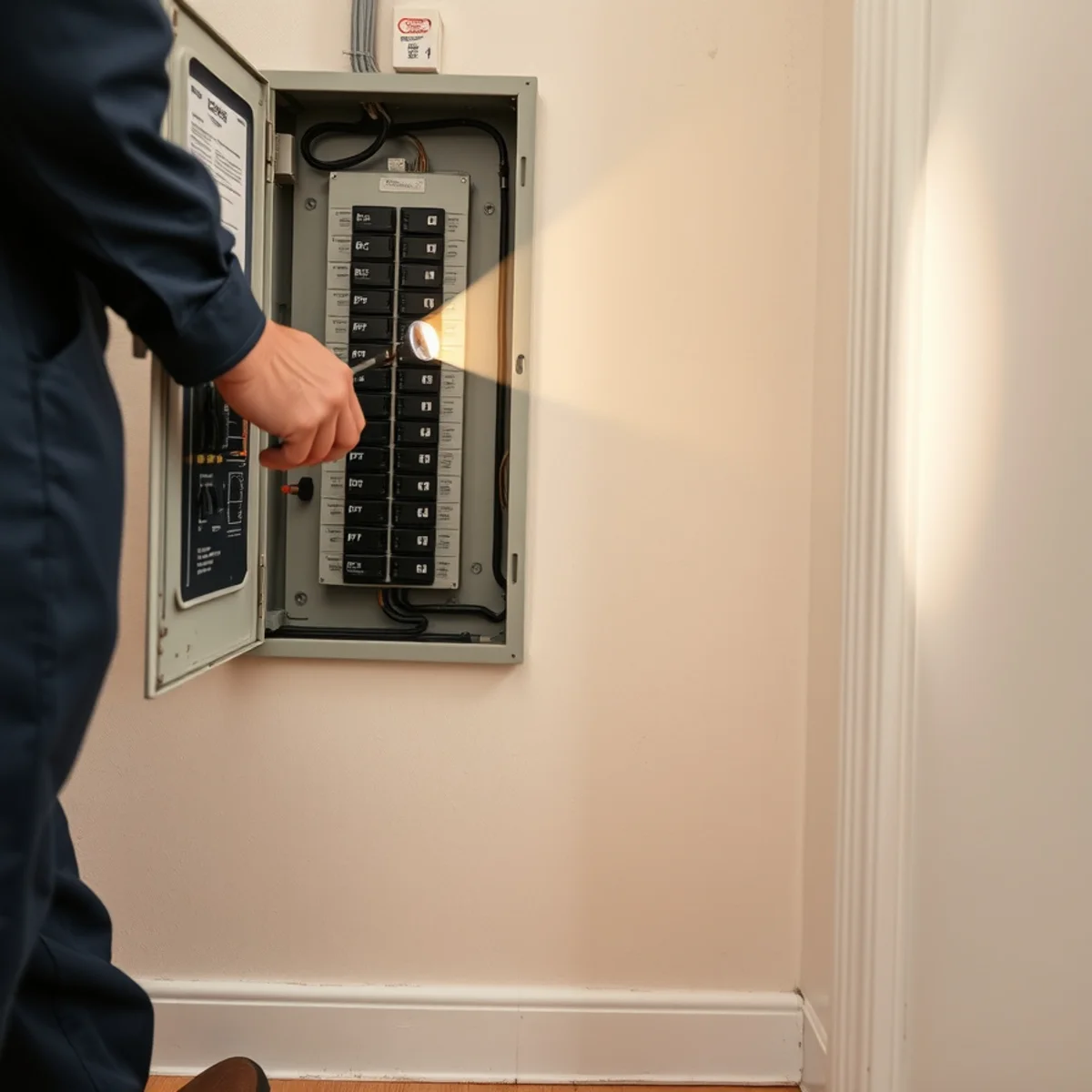
Water and electricity in the same room is the one genuine life-safety risk in a water loss. If you can reach your panel from a dry position, kill the breakers for the affected rooms. If the panel itself is in the wet area, do not go near it — wait for the crew or call PG&E.
3. Open the taps and drain the system
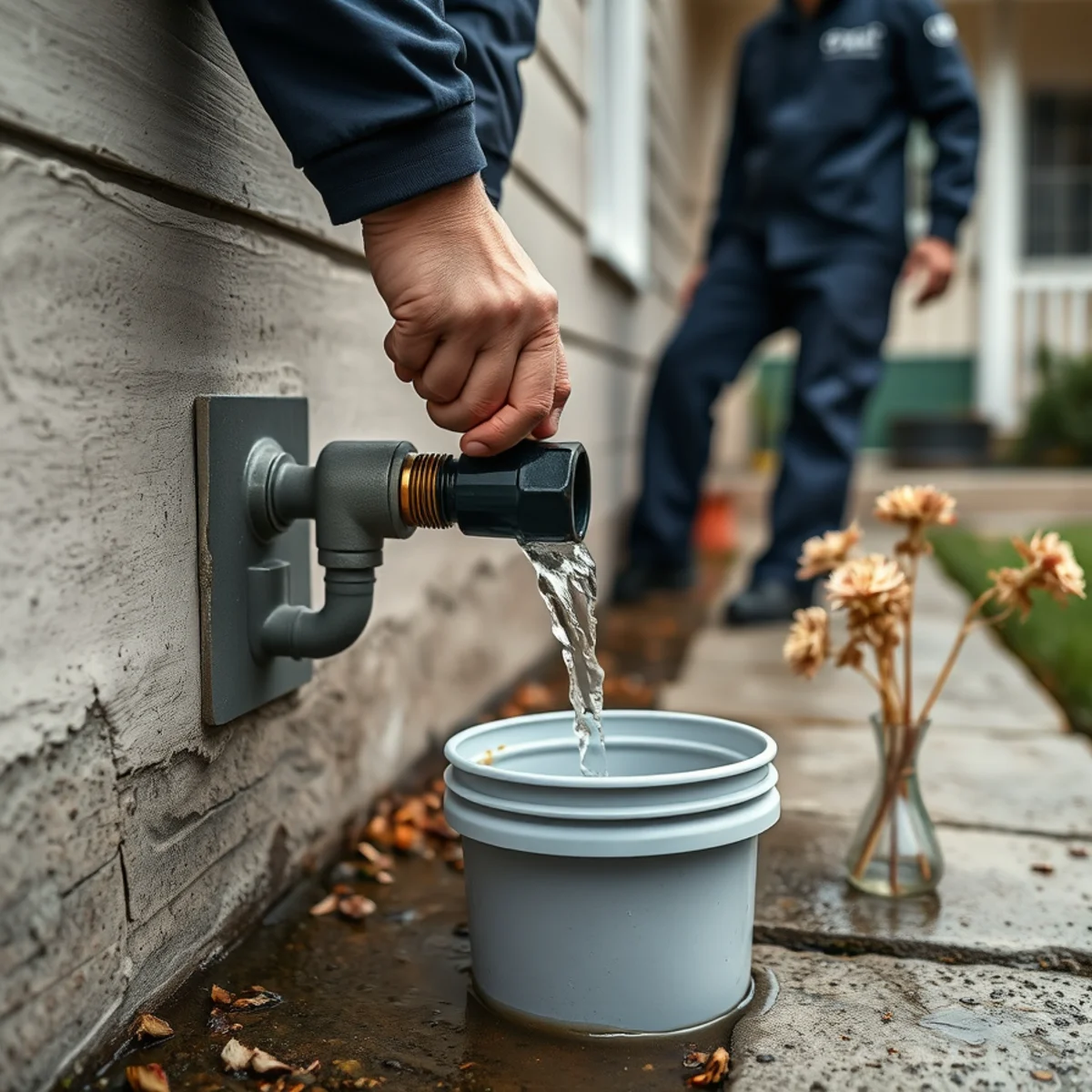
This one gets skipped and it is worth doing. After the main is off, open the lowest faucets in the house — often a basement or outside hose bib — to drain residual water out of the pipes. Otherwise the water still sitting in the lines above the break keeps draining out through it.
4. Photograph before you touch anything
Wide shots of each room, the water depth against a baseboard, the failed pipe itself if you can see it, and a slow narrated video walkthrough. Do this before you move furniture, not after. Your adjuster is going to ask what it looked like when you found it.

5. Protect what the water has not reached yet
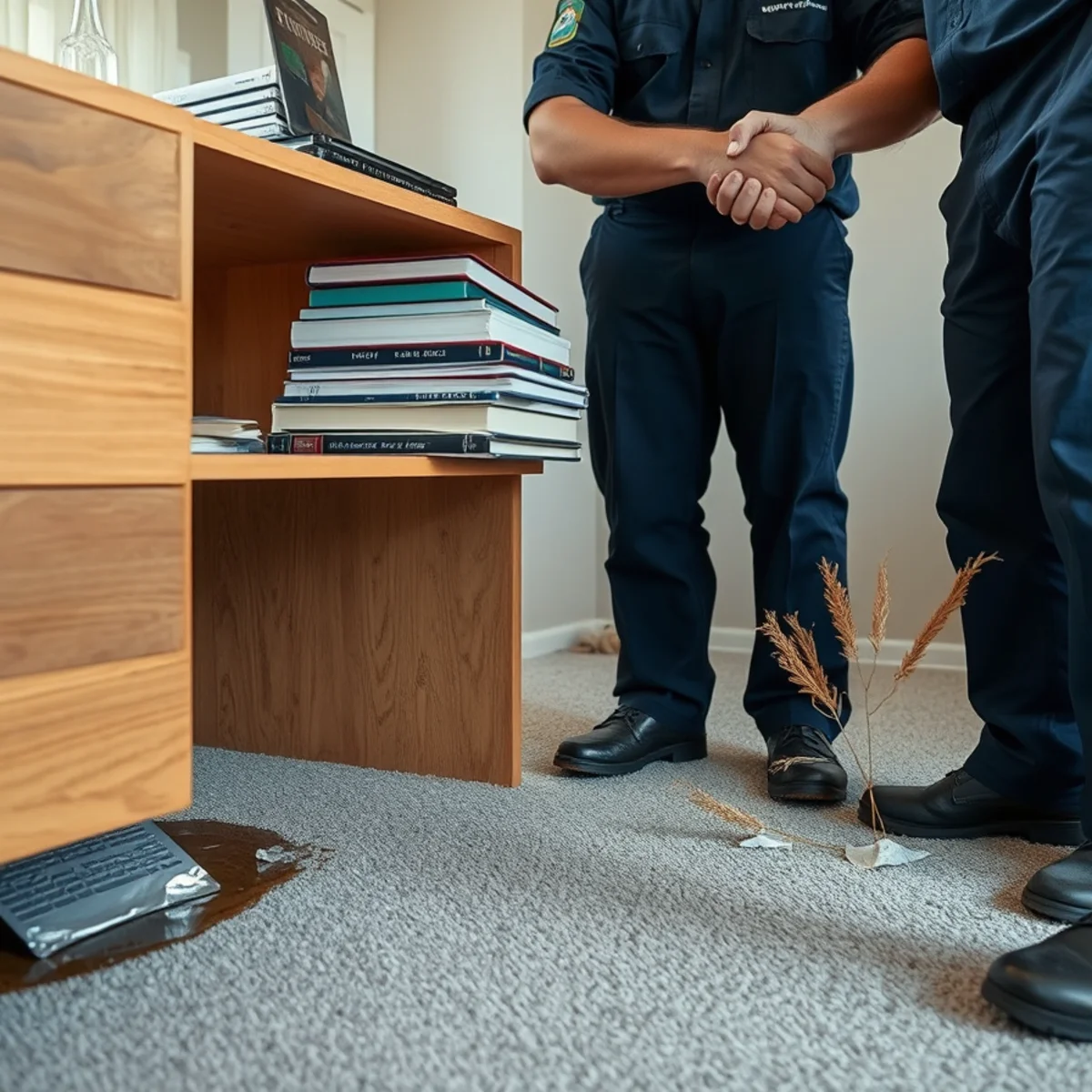
Move electronics, documents, photographs, and anything irreplaceable to a dry room. Lift small items off wet floors. Slide foil or plastic under furniture legs so wood stain and metal glides do not bleed into wet carpet — those marks do not come out.
Then stop. Do not try to pull up carpet, cut out drywall, or open walls yourself. Uncontrolled demolition creates more repair scope than it saves, and it can complicate the claim.
6. Call your restoration company and your carrier
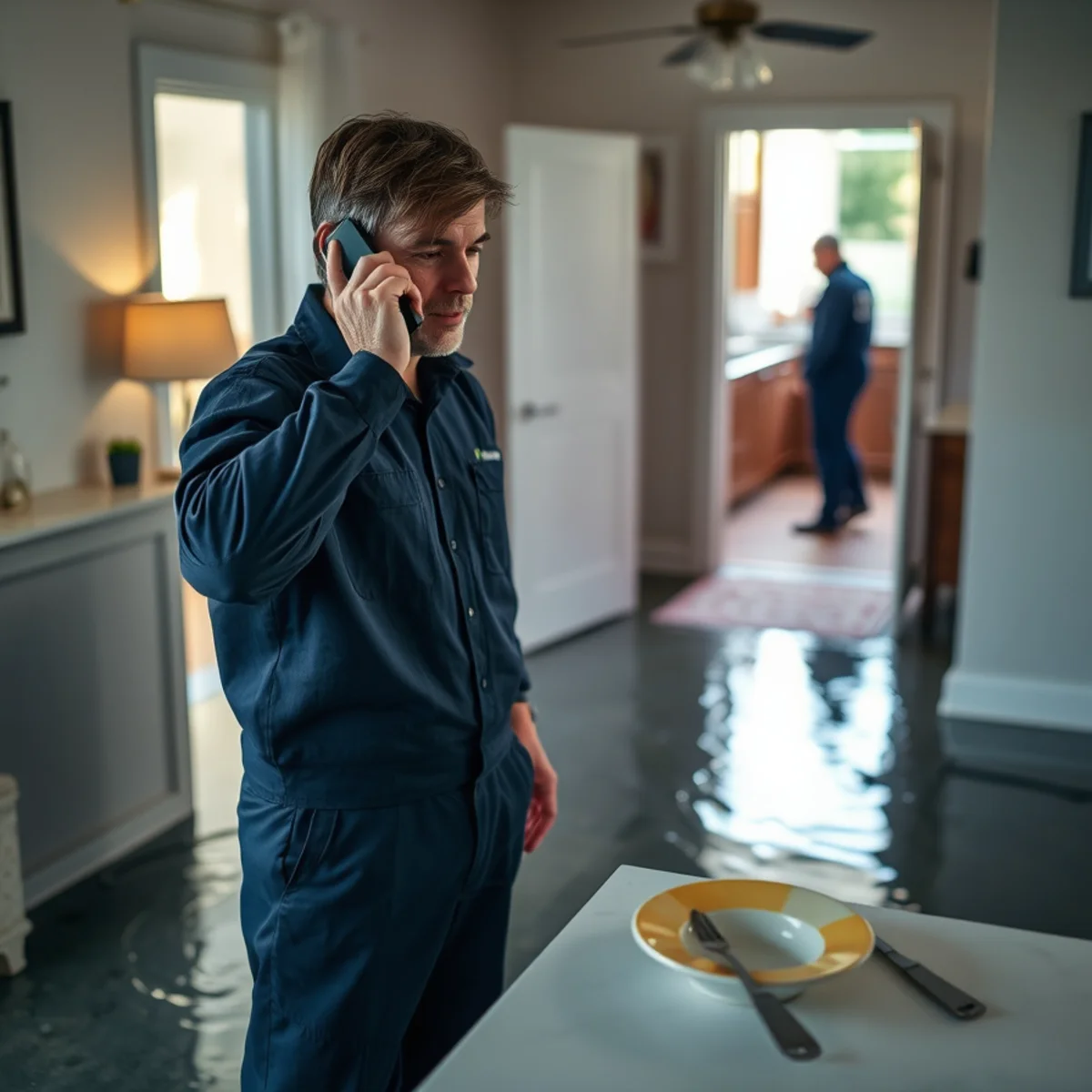
The restoration company first, because extraction is time-sensitive and your policy already obligates you to prevent further damage. We respond to burst pipe water damage anywhere in Berkeley in 60 to 90 minutes.
Then open the claim. Get a claim number, the adjuster's name and direct line, and confirm your deductible.
7. Do not run fans and call it handled
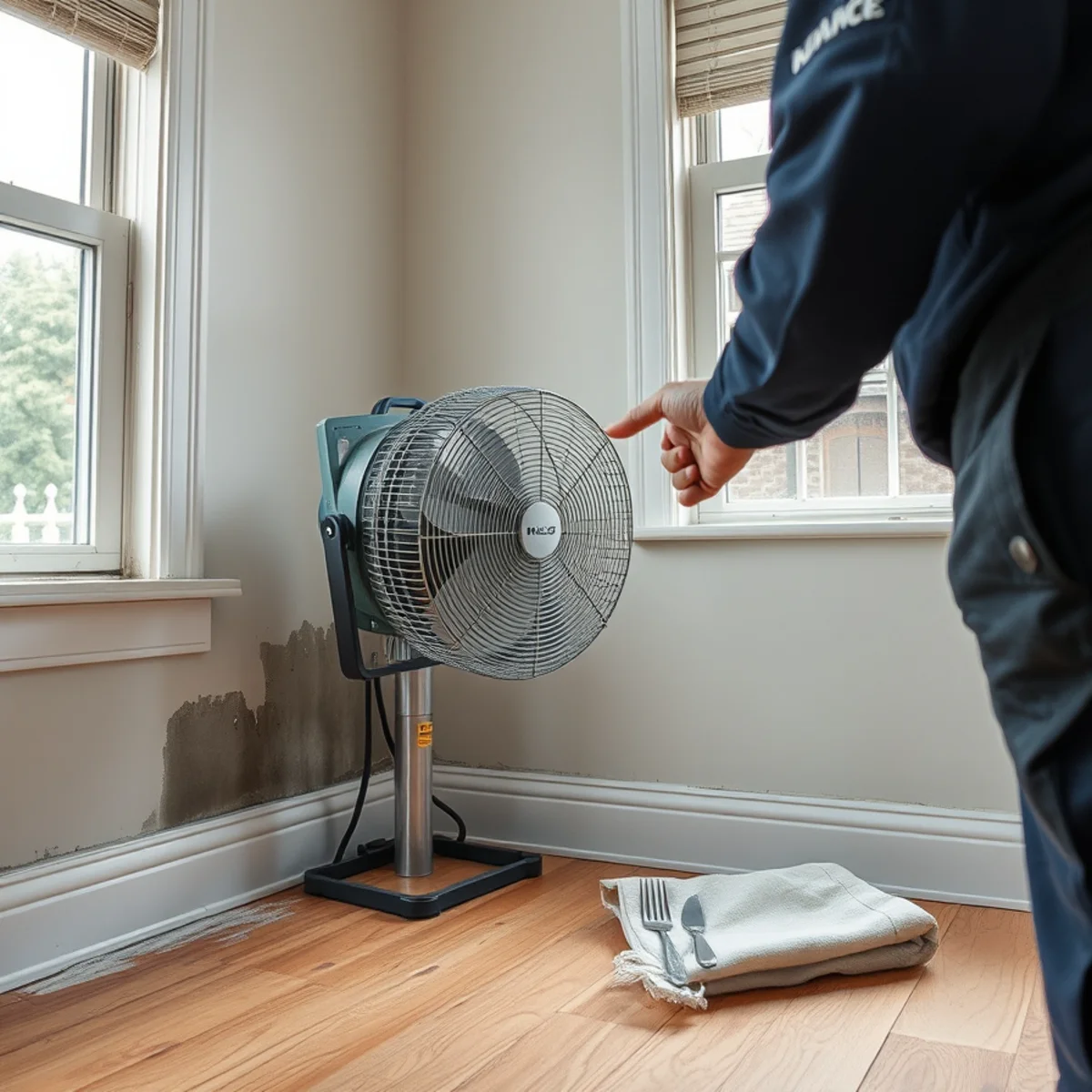
Box fans move air. They do not remove moisture from it. Without a dehumidifier, all a fan does is evaporate water out of your floor and deposit it into your drywall and framing — you have relocated the problem into places you cannot see.
Opening windows is usually worse in Berkeley. From November through March our outdoor air often sits at 75 to 90 percent relative humidity. Bringing it inside adds moisture to a house you are trying to dry. Proper structural drying needs both airflow and dehumidification, plus daily metering to prove the structure actually reached a dry standard.
Why this keeps happening in Berkeley
Homes built before roughly 1960 were plumbed with galvanized steel, and a very large share of Berkeley's housing is exactly that age — Elmwood, Northbrae, Thousand Oaks, the Lorin District, and most of the flats went up between 1905 and 1940.
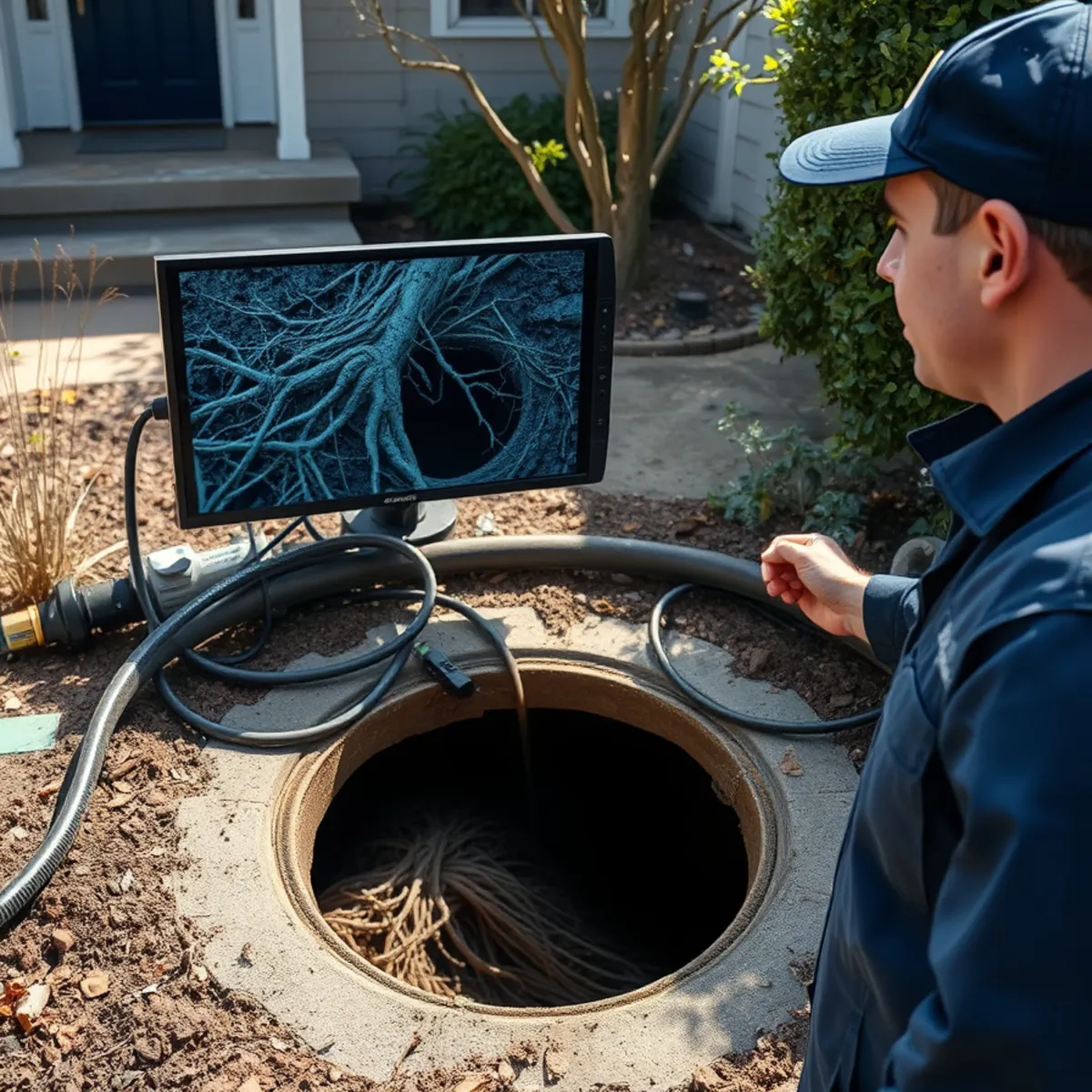
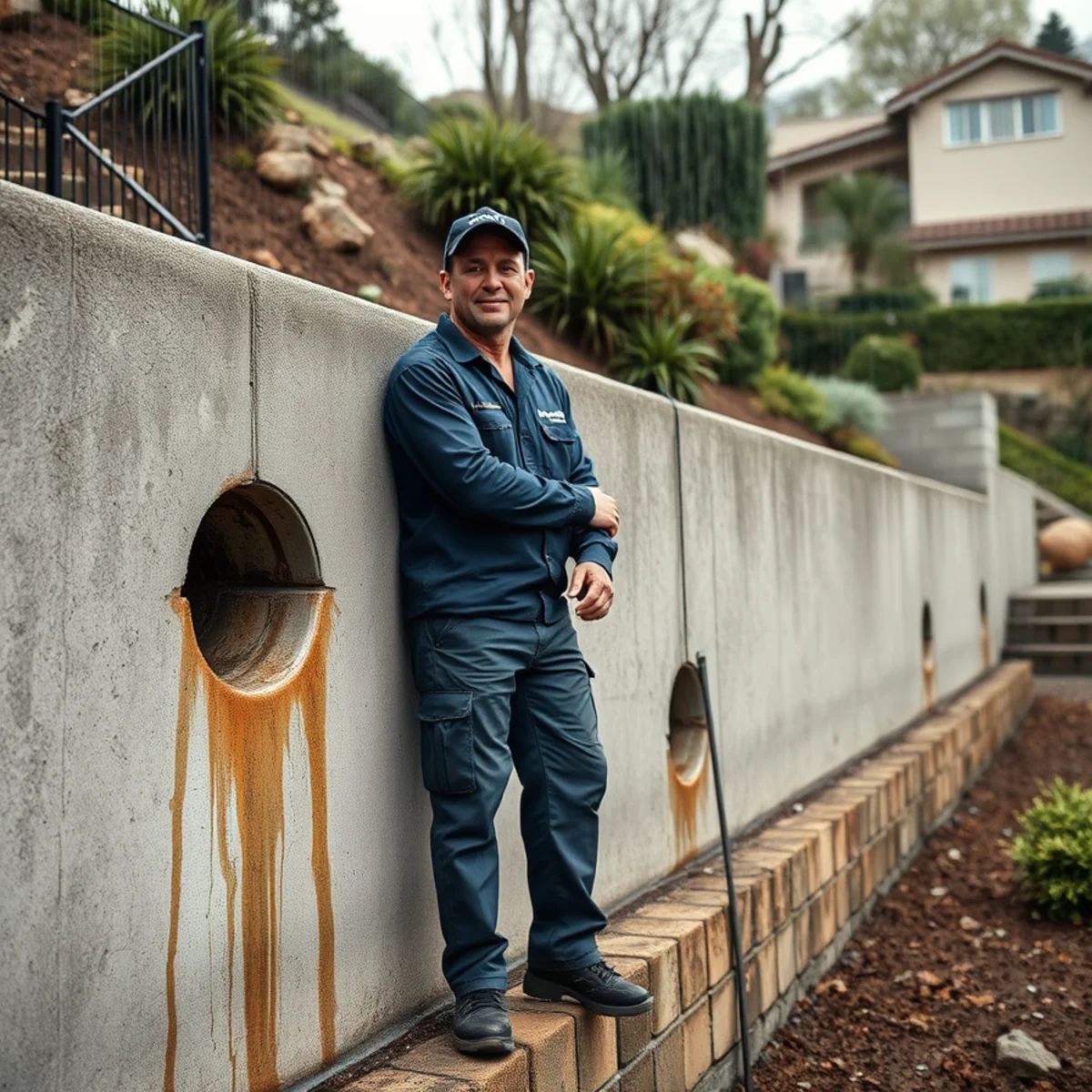
Galvanized pipe corrodes from the inside. The zinc coating protects it for decades, then bare steel starts rusting, scale builds up and restricts flow, and the wall thins until pressure finds the weakest point. Rated life is around fifty years. Much of Berkeley's is now pushing eighty or a hundred.
It gives warning, though. Water pressure that has slowly gotten worse over the years is corrosion narrowing the bore. Rusty or brown water after the house sits overnight is the inside of the pipe coming out of your tap. If both are true in your house, the plumbing is telling you what is coming — and repiping on your schedule costs a fraction of repiping after a 2 a.m. failure takes out a ceiling.
Frequently Asked Questions
Generally yes for the water damage it caused — this is the textbook sudden and accidental loss. The pipe repair itself is often excluded, since policies cover damage rather than the failed component. Long-term seepage from a pipe that had been weeping for months is a much harder claim.
A half-inch supply line at normal pressure moves roughly six to ten gallons per minute. That is 360 to 600 gallons an hour — an overnight failure can put several thousand gallons through a house.
If it is galvanized steel, seriously consider it. Corrosion is systemic rather than local — every other joint is the same age and in the same condition. Repiping in PEX while walls are already open for restoration is far cheaper than doing it later as a standalone project.
Dealing with this right now?
Call (201) 277-9344 and a live local dispatcher will answer — any hour, any day. Free inspection, and we bill your insurance directly.
- 60–90 Min Response
- Live dispatcher, never an answering service
- We bill your insurance directly