Most of the January calls we run were preventable in October. Not all — a galvanized pipe that has decided to fail will fail — but a genuinely large share of them.
This is the list, ordered by how much damage each item actually prevents rather than by how much effort it takes.
Highest value: where the water goes
1. Extend your downspouts
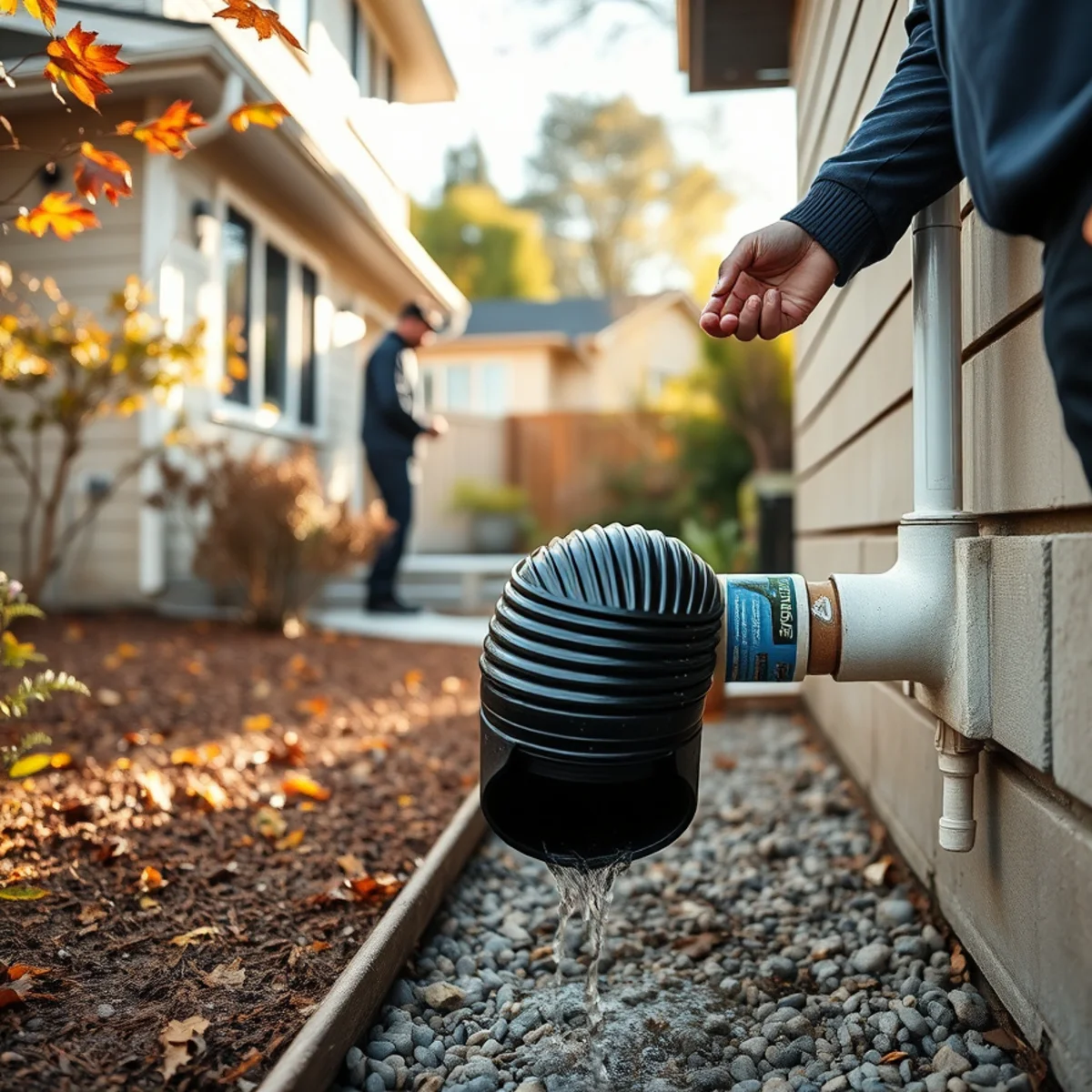
If your downspouts discharge within a foot of the foundation, you are pouring the entire roof catchment against your own stem wall every time it rains. Extend them to discharge at least five feet away, further on a slope.
This is a thirty-dollar fix and it is, without exaggeration, the single highest-value preventive item on this list. It solves a meaningful share of the crawl space moisture calls we get from Albany, Northbrae, and the flats.
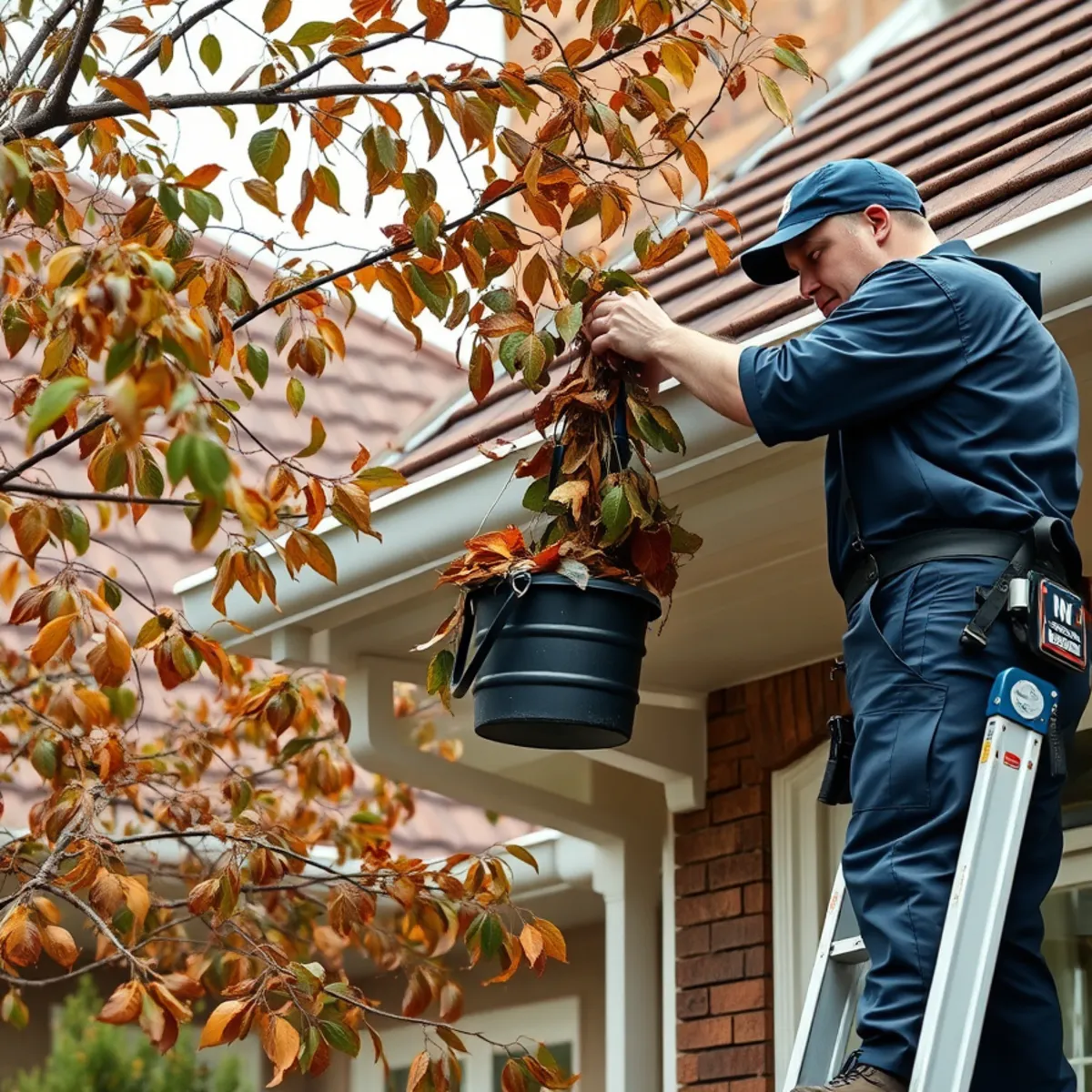
2. Clear gutters — twice
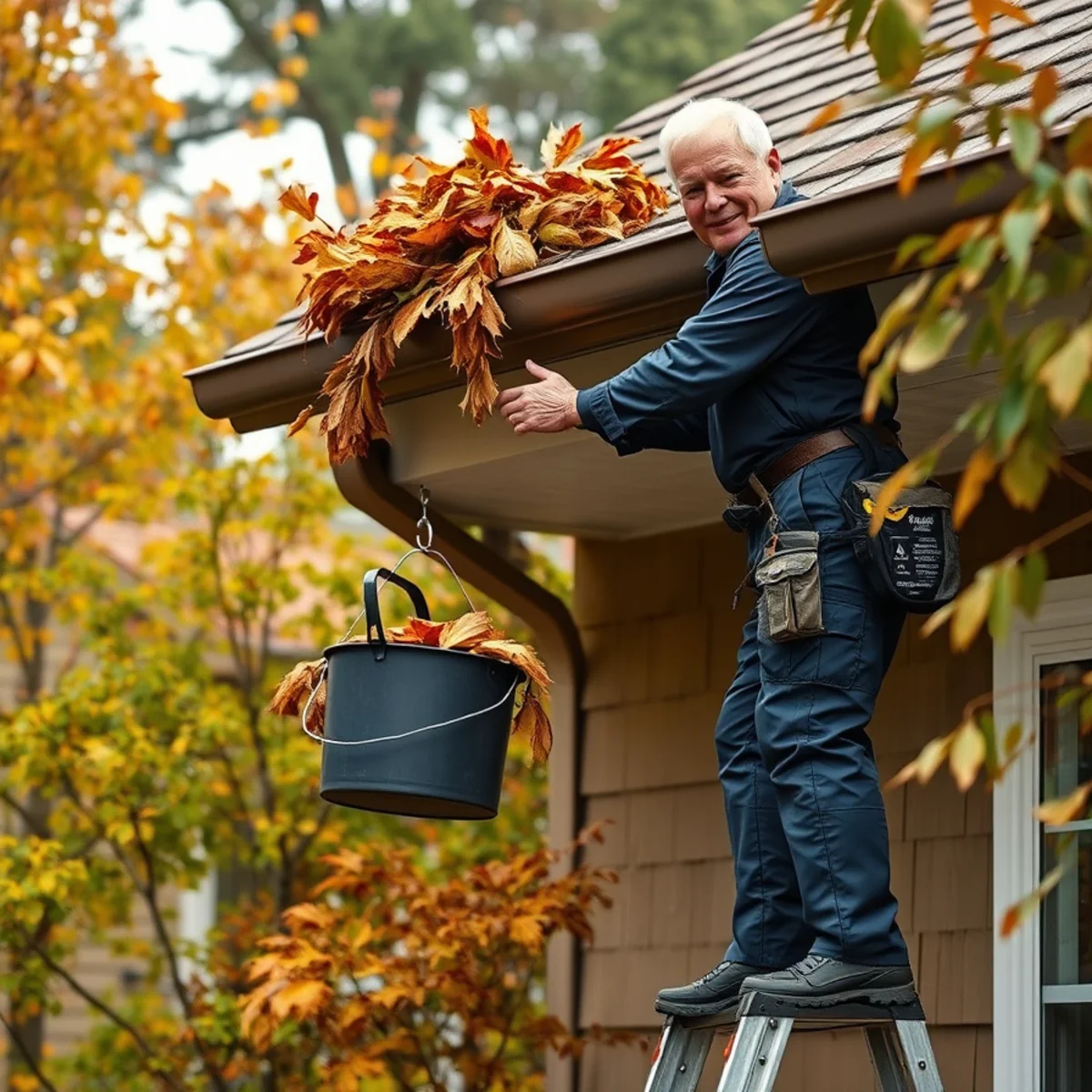
Once in October before the rain, and again in December or January if you have heavy tree cover. Overflowing gutters run down the wall and saturate the ground against the foundation, which turns a roof issue into a crawl space issue.
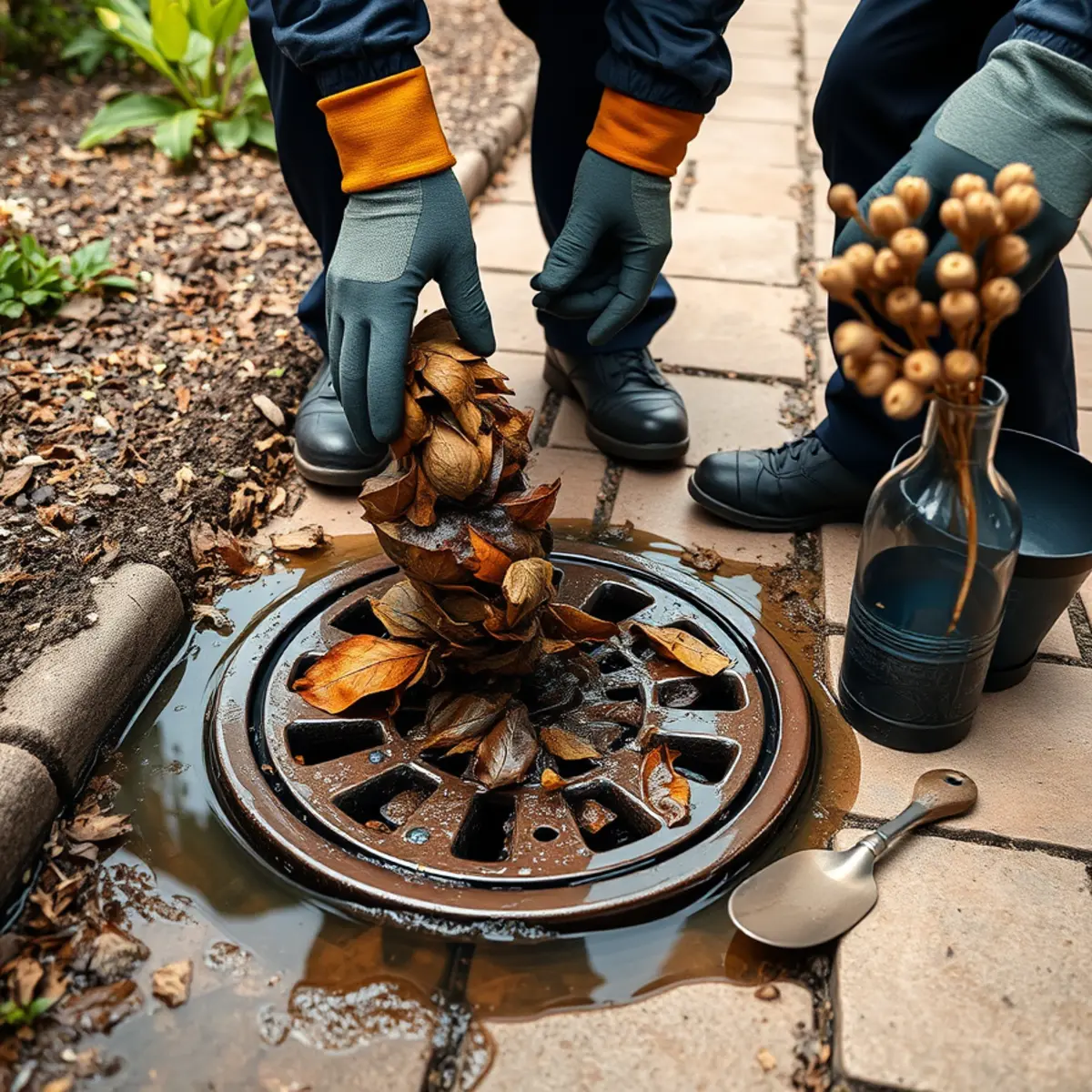
3. Clear every area drain on the property
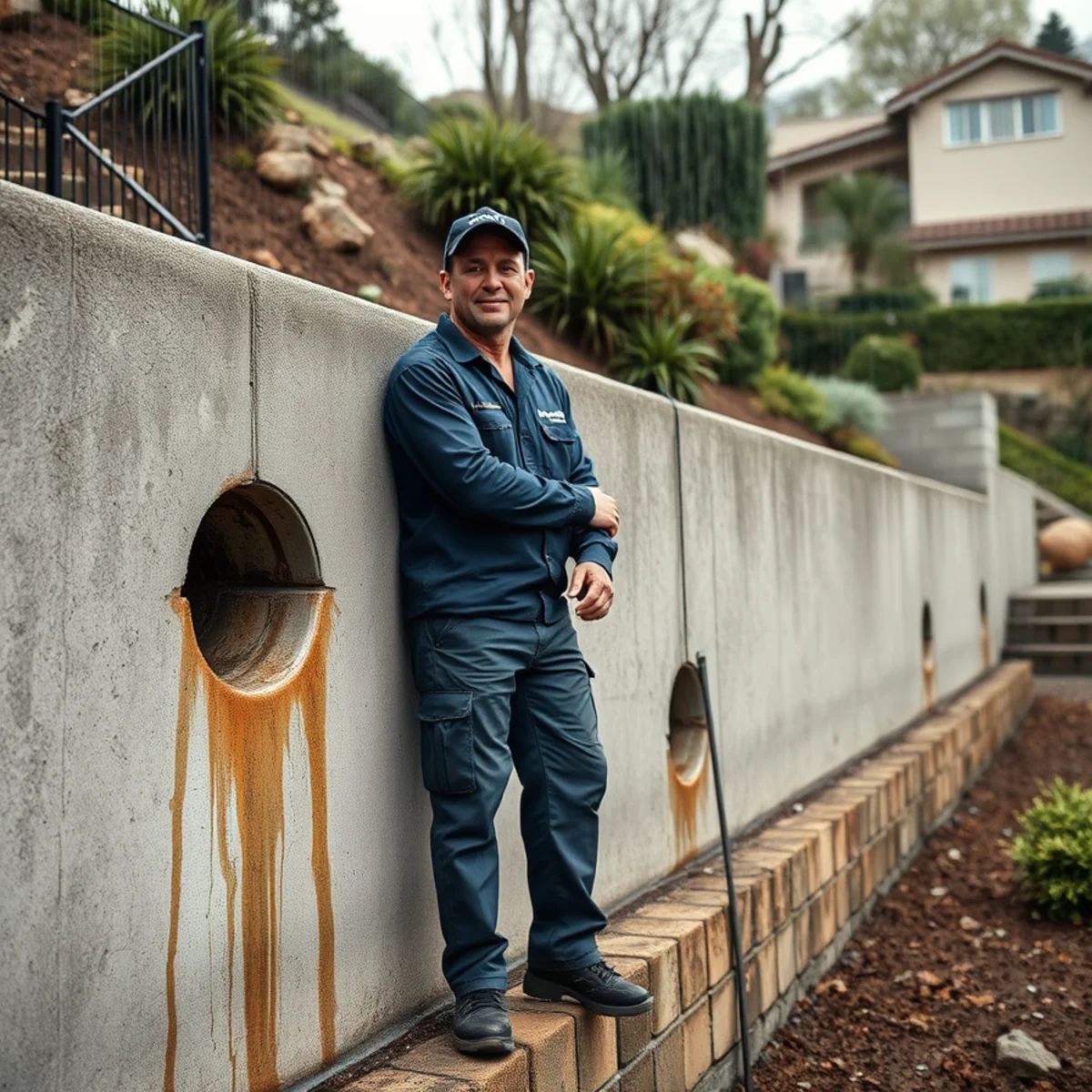
Walk the whole lot and find them all — driveway drains, patio drains, the grate at the bottom of the stairs. On a slope, a blocked area drain does not fail gently; it redirects the entire flow toward whatever is downhill, which is frequently a garage door or a downhill wall.
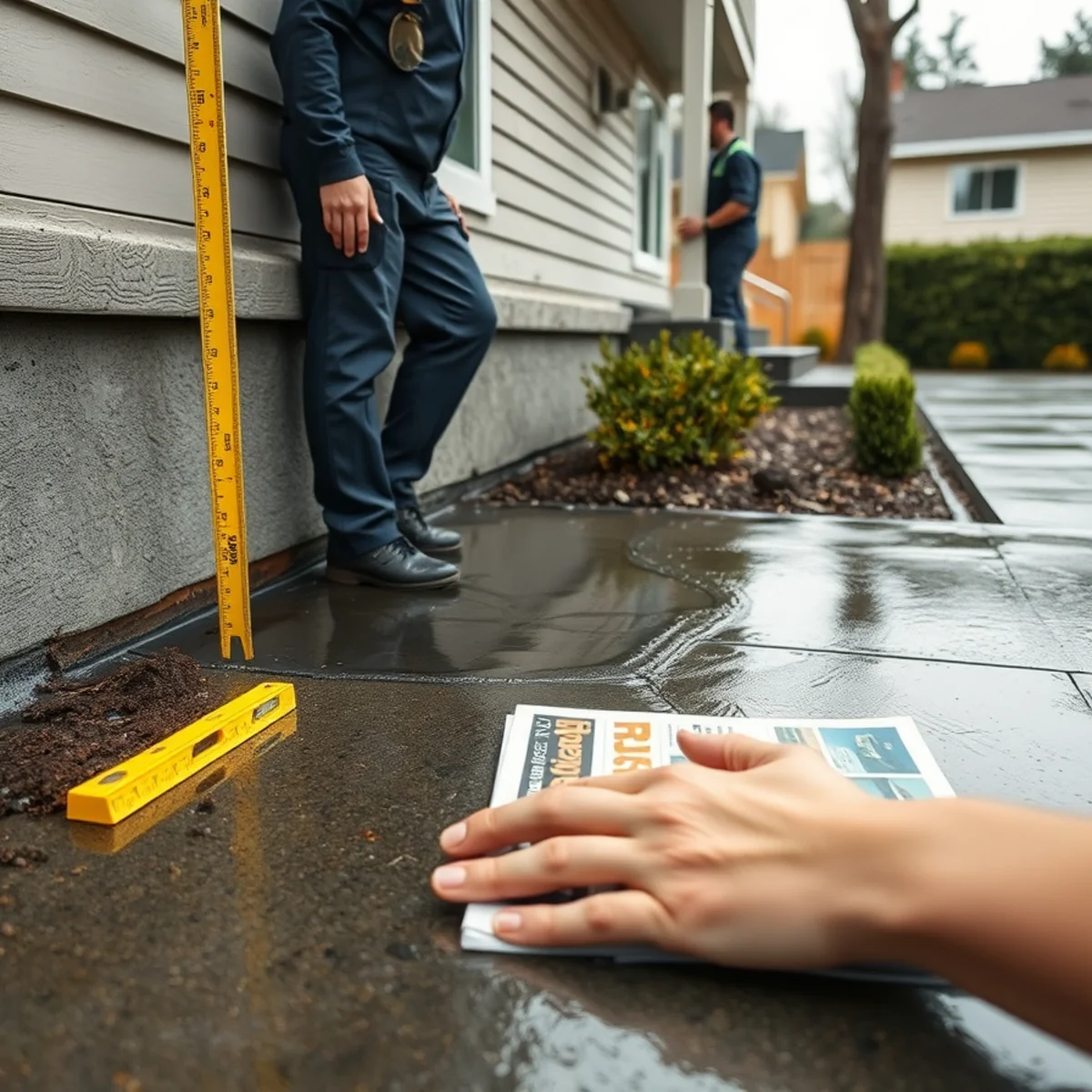
4. Check your grading
Soil should slope away from the house. Over decades it settles and often ends up sloping toward it. You do not need a survey — look at where puddles form after rain, and whether any of them are against the building.
The roof and envelope
- Look at the roof from the ground with binoculars. Missing or lifted shingles, damaged flashing at chimneys and vents, moss holding moisture against the material.
- Check the attic on a dry day. Water stains on sheathing or rafters, daylight through the roof deck, wet or compressed insulation.
- Reseal exterior penetrations. Hose bibs, vents, and cable entries all shed water fine until wind drives rain sideways.
- Check window and door seals, especially on the weather side — in Berkeley that is generally west and southwest.
Plumbing, before it gets cold and wet
5. Find your shut-off valve and turn it
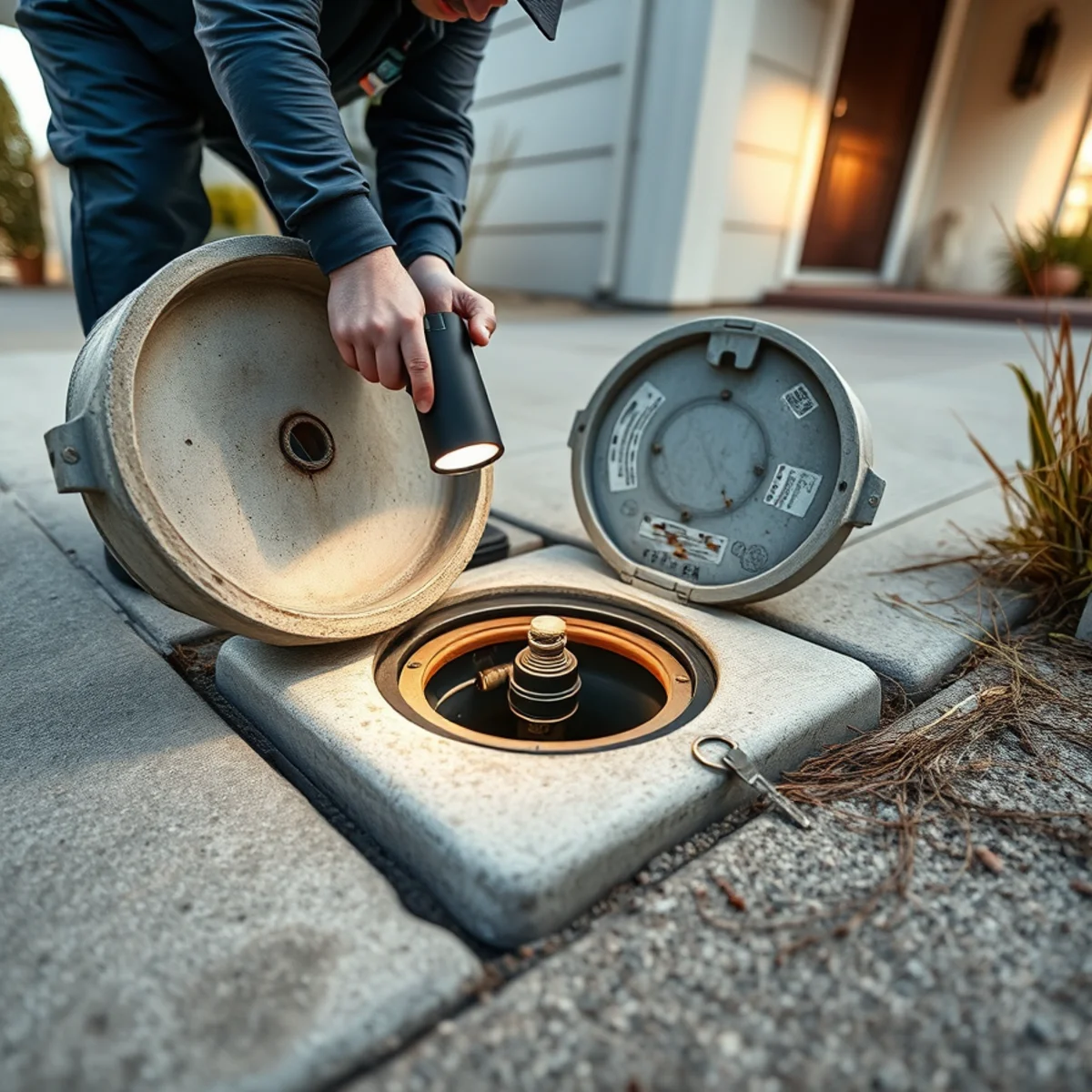
Do this now, not at 2 a.m. in the dark with water running. In most Berkeley homes there is a street-side valve in a concrete box near the sidewalk that needs a meter key, and often a house-side valve near where the supply enters.
Confirm it actually turns — valves that have not been operated in twenty years seize. Keep a meter key with your tools. Show everyone in the household where it is.
6. Replace rubber washing machine hoses
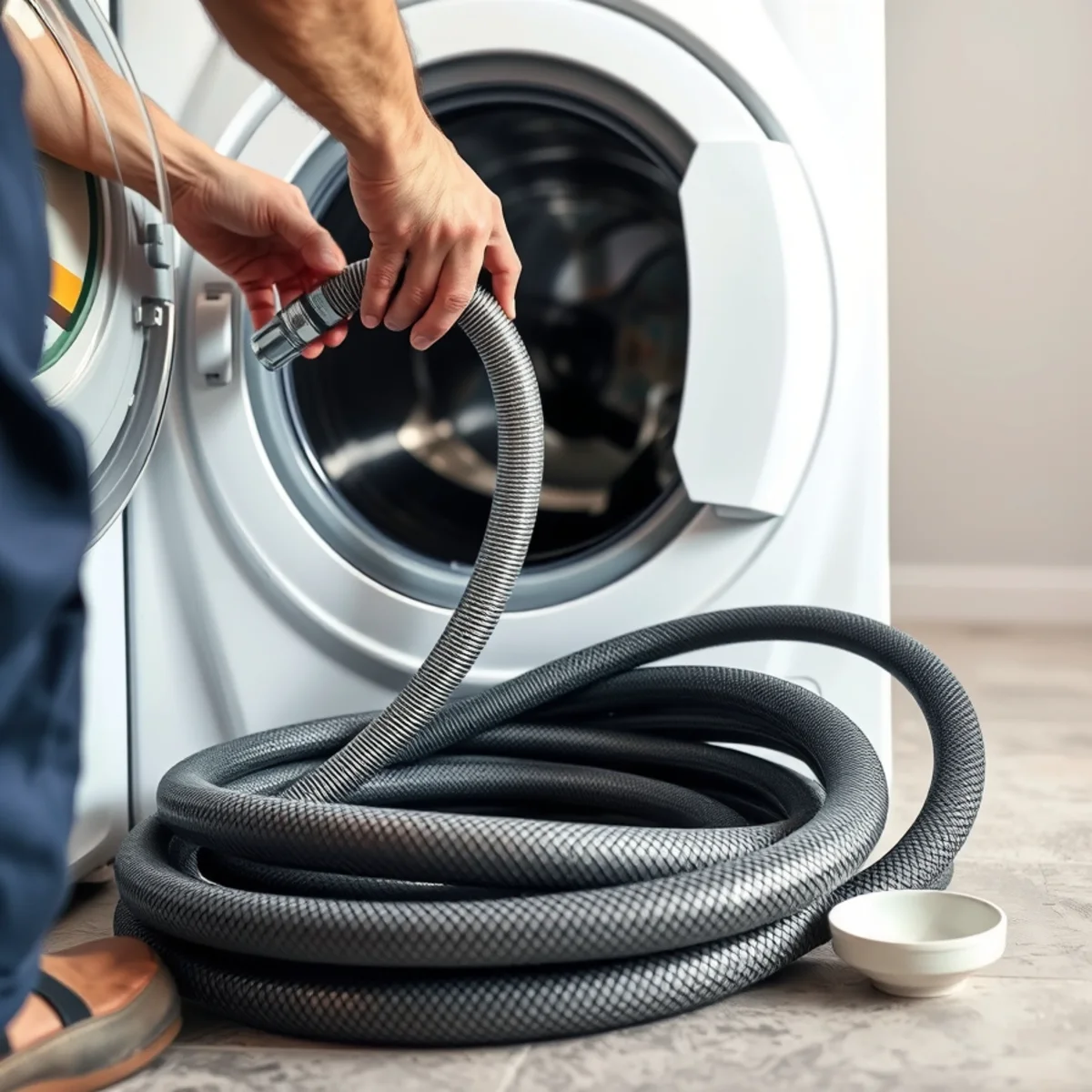
Rubber supply hoses are the single most common appliance failure in American homes. They degrade from the inside and let go without warning, usually while nobody is home. Braided stainless steel hoses cost about twenty dollars a pair and last for decades. Do this today rather than adding it to a list.
7. Check the water heater
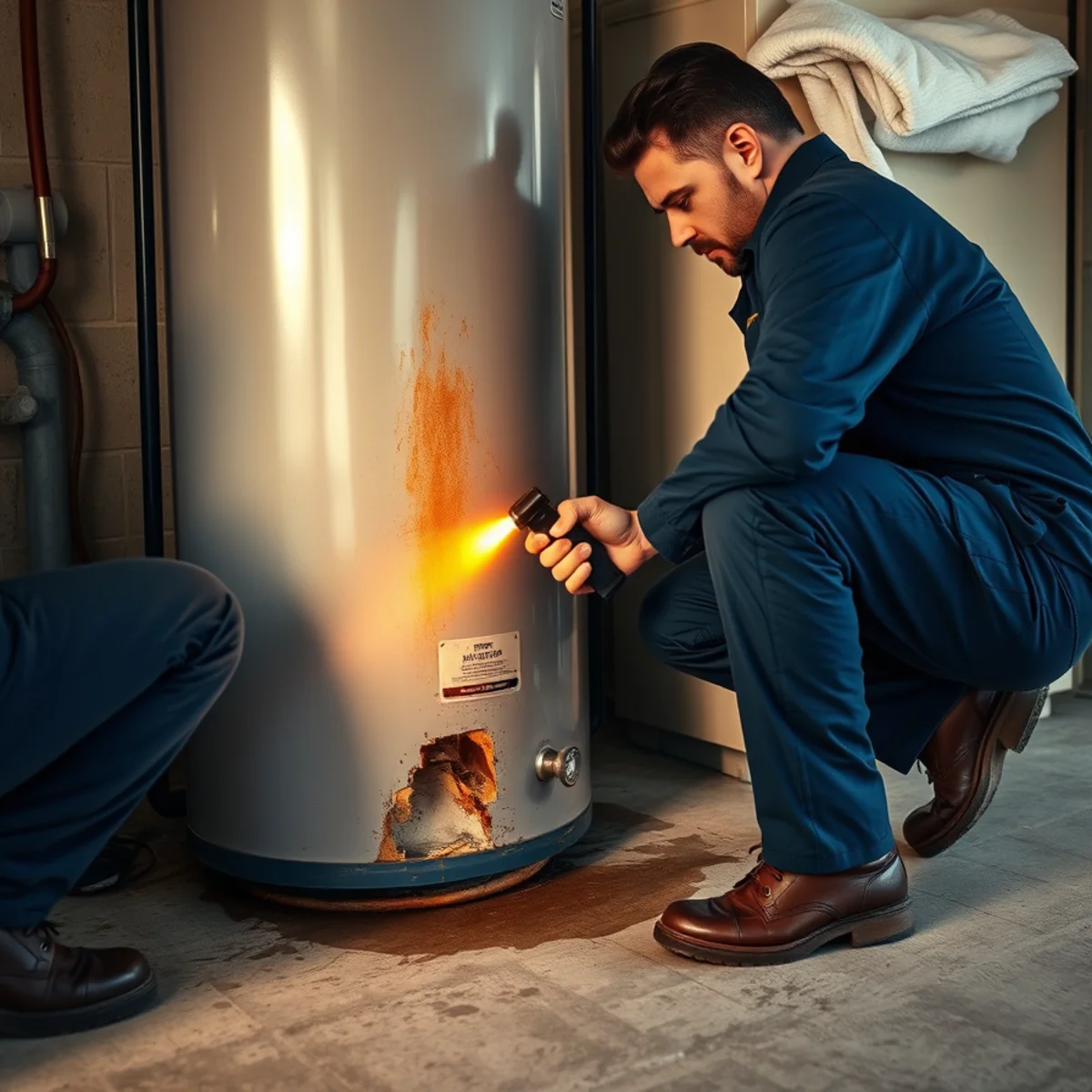
Look for rust at the base, moisture on the floor, and corrosion at the fittings. Note the manufacture date — most tanks last eight to twelve years, and a tank past that in a finished space is a liability. Confirm there is a drain pan with a functioning drain line.
8. Look under every sink
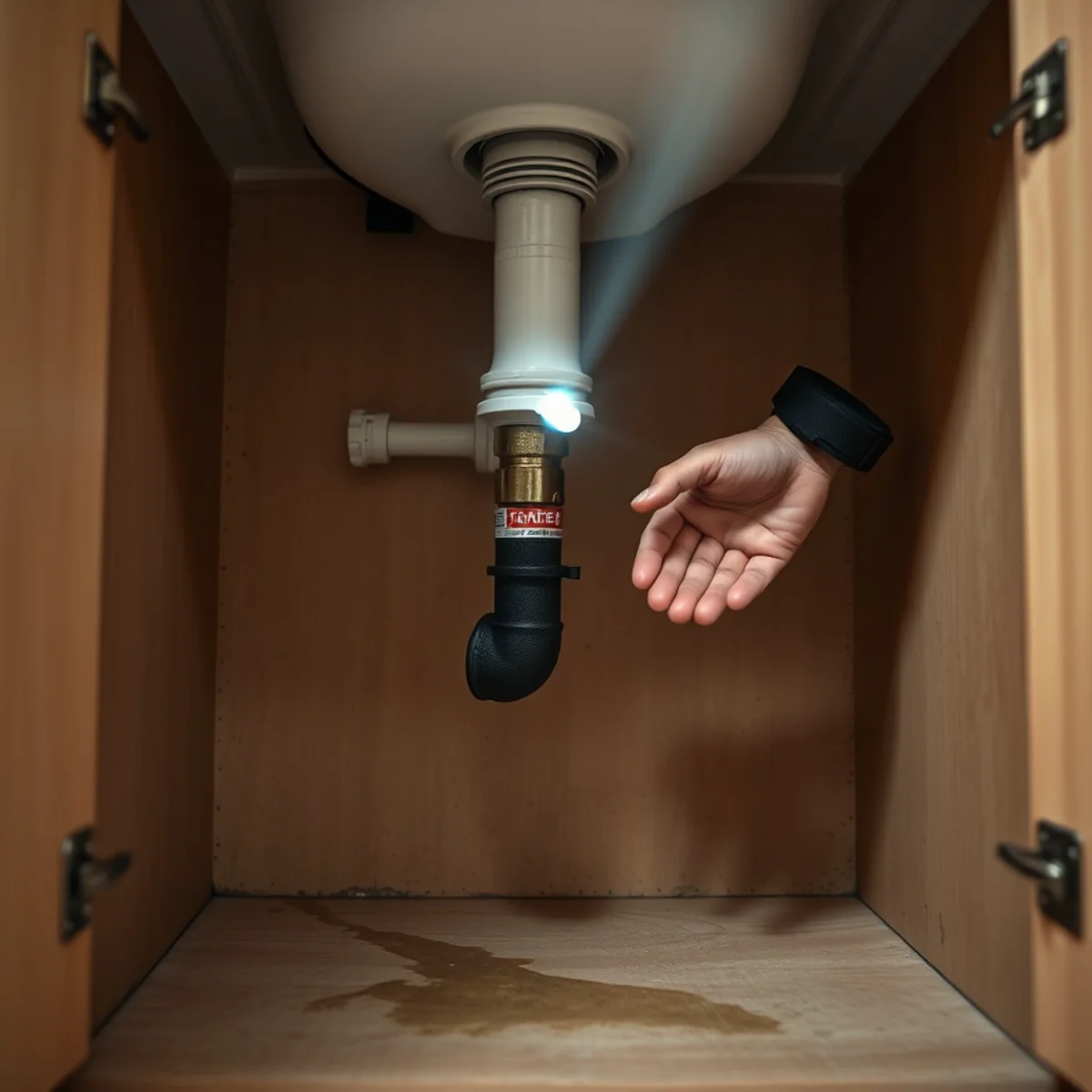
Two minutes per cabinet. Run your hand along the supply lines and the trap and check for damp, staining, or a white mineral crust. Under-sink cabinets are the second most common place we find established mold, because a slow drip inside a closed box is an ideal incubator.
The crawl space
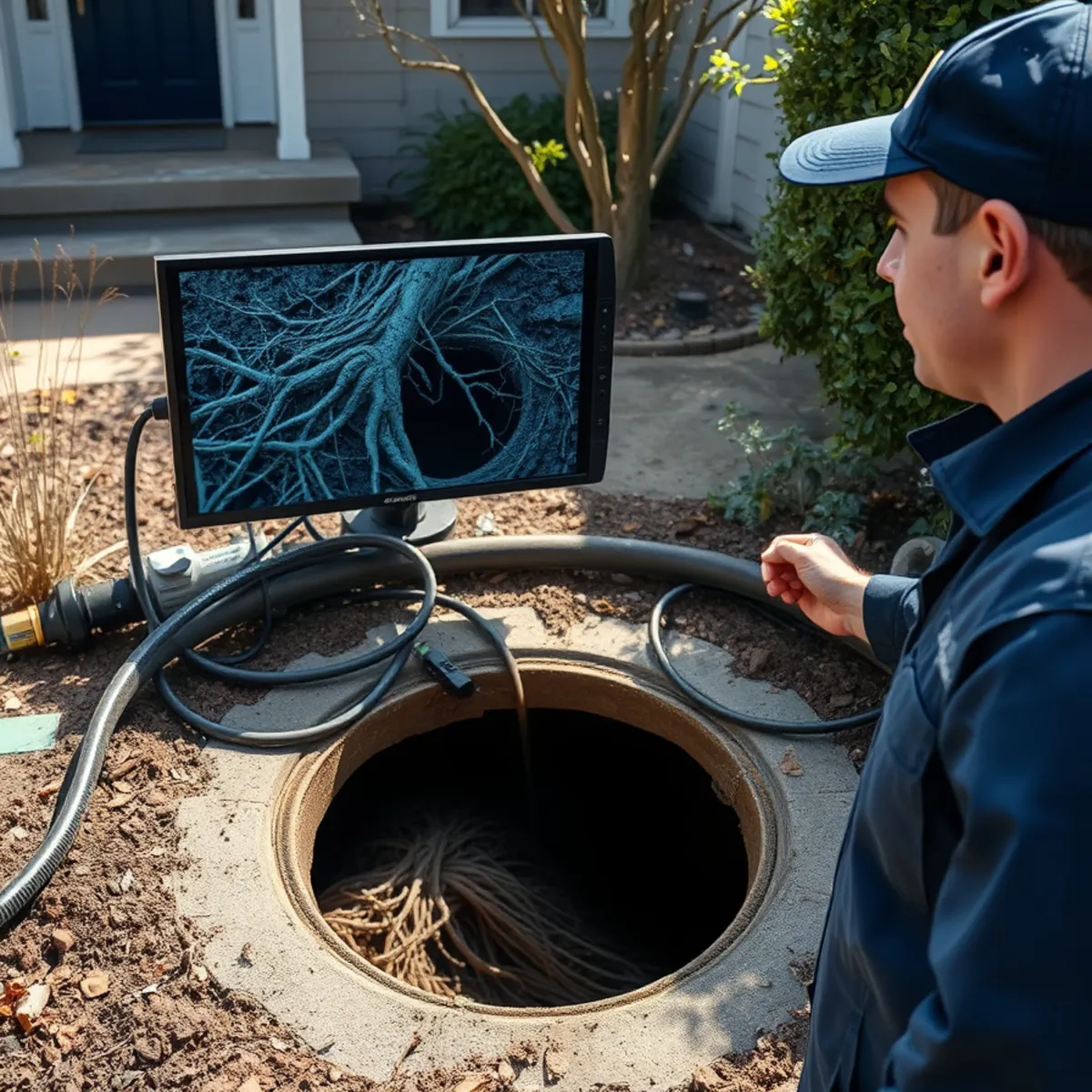
Go under the house, or ask someone to. Most Berkeley homeowners have never been in their crawl space, and it is where a disproportionate share of our mold work originates.
- Standing water or dark, soft soil — it has been wet, probably for a while.
- A vapor barrier, or bare dirt. Bare soil releases a large volume of water vapor into your house every winter. Sealed poly over the soil is the fix, and it is not expensive.
- Insulation hanging down between joists — it got wet, lost its loft, and is now holding moisture against your subfloor.
- White fuzz or dark staining on joists — early mold. Address it now rather than in March.
- Rodent activity — droppings and nesting material both indicate and worsen a moisture problem.
Cheap insurance
- Leak sensors — twenty to thirty dollars each, wifi-connected, under sinks, behind the washer, and by the water heater. They pay for themselves the first time.
- An automatic shut-off valve — several hundred dollars, cuts the main when it detects abnormal flow. Genuinely worth it if you travel or leave the house empty for stretches.
- A sump pump with battery backup if you are below grade and prone to water. A pump that fails during the storm is worse than no pump.
- Check your policy for a water backup endorsement, and price flood coverage if you are near the waterfront or a creek.
The two-minute version
If you do nothing else: extend the downspouts, clear the gutters and area drains, replace the washing machine hoses, and find your shut-off valve. That is an afternoon, and it prevents most of what we get called about.
Frequently Asked Questions
October, before the first real storm. If it is already December and you have not, do it anyway — the wettest weeks in Berkeley are usually January and February, so there is still most of the season left to protect.
Somebody should, once a year. Because of the stack effect a substantial share of your indoor air originates down there, and it is where most of the mold we remediate in Berkeley starts. If you cannot get under yourself, it is worth paying someone to look.
For twenty-odd dollars under a sink, easily. The failures that cost the most are the ones nobody was home to notice. A sensor that texts you at hour one instead of hour thirty is the difference between a wet cabinet and a rebuilt kitchen.
Dealing with this right now?
Call (201) 277-9344 and a live local dispatcher will answer — any hour, any day. Free inspection, and we bill your insurance directly.
- 60–90 Min Response
- Live dispatcher, never an answering service
- We bill your insurance directly